


Do you want to live in one of the coolest neighbourhoods in London? From transport links and living costs to nightlife and local culture, every district offers a completely different experience. If you want to experience the city beyond overcrowded tourist hotspots in Zone 1, you need to know where to look. The cool places in London offer completely different living experiences depending on what you value most. To stop you from signing a lease in an area that doesn’t fit your needs, we have narrowed down the absolutely coolest places in London for 2026. This guide cuts through the noise, helping you navigate the map and decide exactly where you should rent your next flat.
Coolest Neighbourhoods in Central London
Living right in a cool place in Central London, you’re exactly where the capital’s history, culture, and entertainment intersect.
Soho
Soho is one of the coolest neighbourhoods in London, known for its nightlife, independent boutiques, and a wide range of dining options. Located in the West End, it puts you right in the heart of the city’s entertainment and cultural scene. Rent is typically high, but the trade-off is a highly walkable, energetic lifestyle where restaurants, bars, and venues are all on your doorstep—so late-night travel is rarely a concern.
King's Cross St. Pancras
King’s Cross St. Pancras is a cool place in London, which has completely transformed from a simple transport interchange into a stylish and hyper-connected residential area. The area’s massive regeneration has successfully merged historic industrial brickwork with sleek modern apartments, especially around the scenic Granary Square and Regent’s Canal.
Trendiest Neighbourhoods in East London
East London has been the undisputed capital of cool for well over a decade, and it shows no signs of slowing down. If you are looking for the trendiest neighbourhoods in London, you absolutely must start your search here. This side of the city is famous globally for its converted industrial warehouses, world-class street art, and a thriving digital tech scene that attracts young creatives from all over the world.
Shoreditch
Shoreditch (E1) is one of the trendiest neighbourhoods in London, known for its street art, creative spaces, and vibrant nightlife. This East End classic continues to attract creatives, artists and weekend revellers with its edgy, ever-evolving energy. If your perfect weekend means hunting for vintage fashion, devouring international street food and browsing independent record shops, Shoreditch is the place to be. Brick Lane and the surrounding streets offer excellent vintage stores and markets, while Truman Brewery and Boxpark deliver everything from Bangladeshi curries to smoky barbecue and global street eats. For music lovers, Rough Trade East stands as a vinyl paradise with regular in-store events. By day, explore the ever-changing murals; by night, the area comes alive with lively bars, clubs and warehouse parties.
Hackney
You’ll constantly hear Hackney called the coolest neighborhood in London. But the hype isn’t just about looking good on social media. Sitting just east of the city centre, this entire pocket has completely flipped. It used to be totally overlooked; now, it is essentially the default base camp for London’s creative industry.
The 2012 Olympics poured a massive amount of regeneration money into this area, and the ripple effects are huge. The demographic shifted hard. Tech startups, freelance designers, and media agencies flooded into repurposed warehouses. For ambitious professionals, this infrastructure clearly makes it one of the best neighbourhoods in London for creative work and flexible, independent careers.
Dalston
Dalston is one of the trendiest areas in London, known for feeling authentically lived-in rather than overly curated. The commute also works well. You get a chaotic but brilliant social scene on your doorstep, while the London Overground connects you to central London quickly. This kind of balance is hard to find in many other cool areas to stay in London.
Dalston has a distinct energy shaped by the communities that have long called it home. The local Turkish and Caribbean communities have helped define its food culture and social life for decades. Spaces like Gillett Square are not polished corporate venues, but genuine community gathering places with a raw, everyday feel.
Hackney Wick
Hackney Wick is a post-industrial neighbourhood in East London, located between the wider borough of Hackney and the Queen Elizabeth Olympic Park. Once an abandoned manufacturing zone, it has transformed into one of the coolest areas in London, largely driven by creative professionals who have repurposed former industrial spaces into studios and workspaces.
Today, it has one of the highest concentrations of artist studios in the city, attracting painters, filmmakers, and independent designers. This gives the area a strong, creative, and collaborative atmosphere, making it popular with people seeking an alternative lifestyle rather than corporate surroundings.
Its location along the River Lea and nearby canals also shapes daily life. Independent breweries, cafés, and waterside venues contribute to a laid-back social scene, while the canalside environment preserves its industrial character. The London cool area also benefits from strong transport links via the Overground, offering quick access to central London while maintaining a distinct, self-contained identity.
Nicest Places to Live in North London
North London is home to a wide mix of residential areas, ranging from quiet suburban streets to culturally vibrant districts with strong identities. Among them, some neighbourhoods stand out for their lifestyle appeal, transport links, and local character, making them particularly attractive for people looking for a nice area to live in London.
Camden Town
Situated in North London, Camden Town frequently dominates discussions about the coolest neighborhoods in London. However, assessing it purely as a tourist destination misses the core of its residential appeal. Its gradual evolution from a standard late-18th-century district into the undisputed capital of the UK’s alternative culture makes it a highly distinct place to live. It deliberately defies the quiet, conservative stereotypes of North London, comfortably holding its ground as one of the most unapologetic and cool areas in London.
Beyond the daytime retail traffic, the area’s long-term retention of residents relies heavily on its institutional music ecosystem. Historic venues like The Roundhouse, Electric Ballroom, and The Jazz Cafe operate as much more than local bars; they are foundational stages for the global music industry. This deep-rooted cultural heritage gives the postcode serious weight, separating it from areas that rely solely on gentrification. By offering immediate access to this level of live entertainment, Camden proves why it remains one of the most culturally significant and nicest places in London to live. If you prioritise a deeply immersive cultural scene over suburban tranquillity, it represents one of the most compelling cool areas to stay in London.
Walthamstow
Walthamstow is a vibrant and family-friendly neighborhood in East London, known for combining historic character with a modern creative atmosphere. With excellent transport connections via the Victoria Line, access to green spaces such as Epping Forest, and a growing food and café scene, it has become an increasingly popular choice for young professionals and families alike.
Cool Places in South London
South London is home to some of the most diverse and characterful neighbourhoods in London, where strong local identities, cultural heritage, and evolving creative scenes shape everyday life. From regenerated urban hubs to long-established multicultural communities, this part of the city offers a wide range of living experiences that appeal to students, young professionals, and families.
Peckham
Peckham, located in South East London (SE15), has evolved over the past decade into one of the city’s most vibrant and desirable neighborhoods. Blending a rich multicultural identity with a thriving creative scene, it has become especially popular among young professionals, artists, and families seeking a lively and well-connected community. Once regarded as one of London’s hidden gems, Peckham is now regularly recognised as one of the coolest places to live in the city.
Deptford
Deptford offers a balanced suburban lifestyle in Gloucester County, known for its convenient location, wide range of shopping options, and family-friendly residential communities. Built around major transport routes such as Route 55 and the I-295 corridor, the township is especially convenient for commuters traveling to Philadelphia or the Jersey Shore.
Brixton
Brixton is a vibrant and multicultural neighbourhood in South London, widely known for its energetic atmosphere, strong Afro-Caribbean heritage, and lively market culture.
Nice Areas to Live in West London
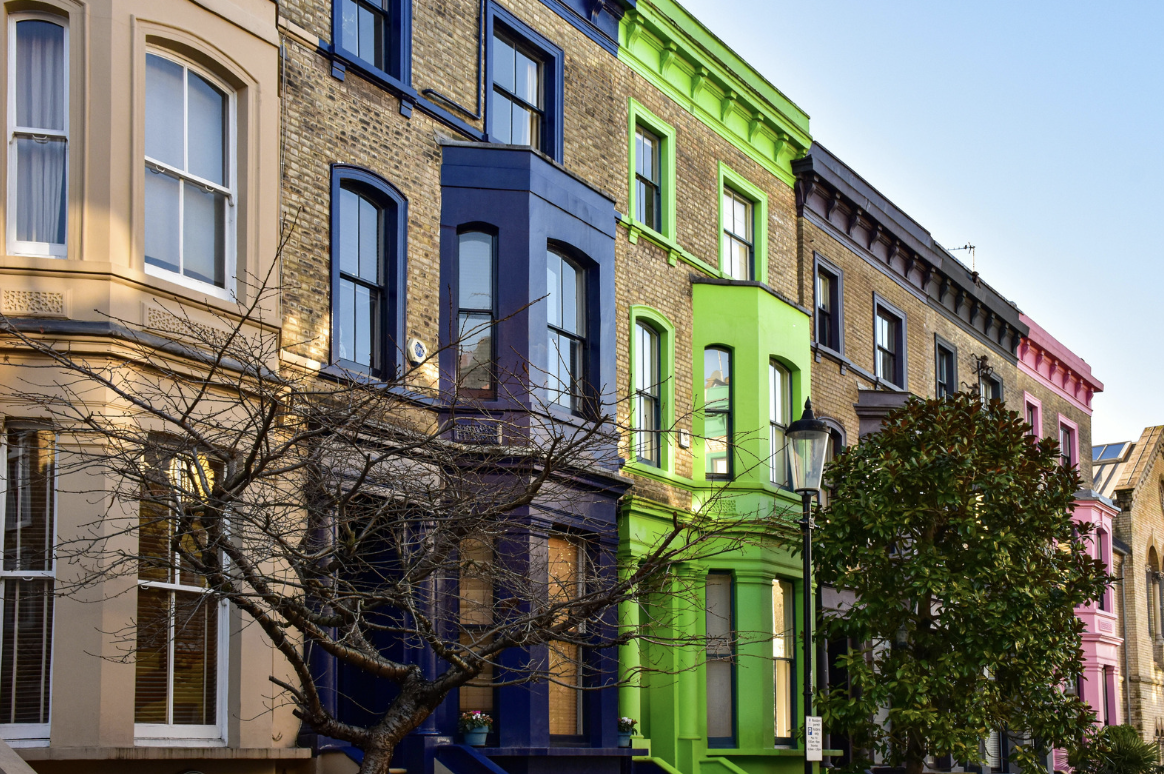
West London is widely recognised as one of the most desirable parts of London. Known for its leafy residential streets, weekend farmers’ markets, pastel-coloured houses, and high levels of safety, it offers a more classic and polished version of city living. These neighbourhoods are especially popular with those looking for a calm, well-established environment that still feels distinctly London.
Notting Hill
Notting Hill is a nice place to live in West London, known for its unique blend of creative energy and highly desirable residential streets. It combines a vibrant cultural scene with some of the most exclusive real estate in London, making it both a lifestyle destination and a sought-after place to live. This balance of character and prestige is what makes Notting Hill consistently rank among the most attractive and coolest neighbourhoods in London.
Day-to-day life here practically revolves around Portobello Road Market. It is more than just a weekend tourist attraction—it functions as a living retail ecosystem. While the Saturday antiques market is globally famous, the independent fashion and street food stalls keep the area active throughout the week. This mix of independent sellers helps maintain a more grounded, street-level character, preventing Notting Hill from feeling like a purely exclusive residential enclave.
At the same time, this sense of everyday vibrancy exists alongside its highly affluent housing market, which is why Notting Hill is often regarded as one of the richest areas in London.
Kensington
Kensington is a trendy, affluent, and highly walkable neighbourhood in West London known for its historic 1920s Spanish Revival homes, quiet tree-lined streets, and strong sense of community. Centred around Adams Avenue, it offers a peaceful residential atmosphere with convenient access to downtown San Diego, while its small business district combines historic character with modern cafés, boutiques, and everyday conveniences.
Chiswick
Chiswick (W4) is an affluent and leafy riverside district in West London, offering a balanced mix of urban convenience and village-style charm. Popular among families and professionals, the area is known for its picturesque Victorian and Georgian homes, highly regarded schools, and the lively Chiswick High Road, which is lined with cafés, restaurants, and independent boutiques.
Clapham
Clapham, sitting neatly in Southwest London across the SW4 postcode, has completely locked down its reputation as one of the coolest neighbourhoods in London. But you have to understand that its version of “cool” is totally different from the gritty, warehouse-heavy vibe you get out East.
The entire district is essentially anchored by Clapham Common. Rather than just acting as a scenic background, this massive 220-acre green space dictates the daily routine of the neighborhood. Equipped with sports facilities, tennis courts, three ponds, and the iconic Victorian bandstand, the Common serves as the ultimate communal hub year-round. This sheer volume of accessible, usable outdoor space is rare for a postcode that is well-connected to the centre. It is this specific combination of expansive greenery and urban convenience that definitively ranks Clapham among the most practical and nice areas to live in London.
Managing Rent and Utilities in Coolest Neighbourhoods in London
Managing rent and utilities in the coolest neighbourhoods in London requires a serious reality check before securing a lease. The golden rule of the capital’s property market is simple: the trendier the postcode, the more complicated the housing logistics become.
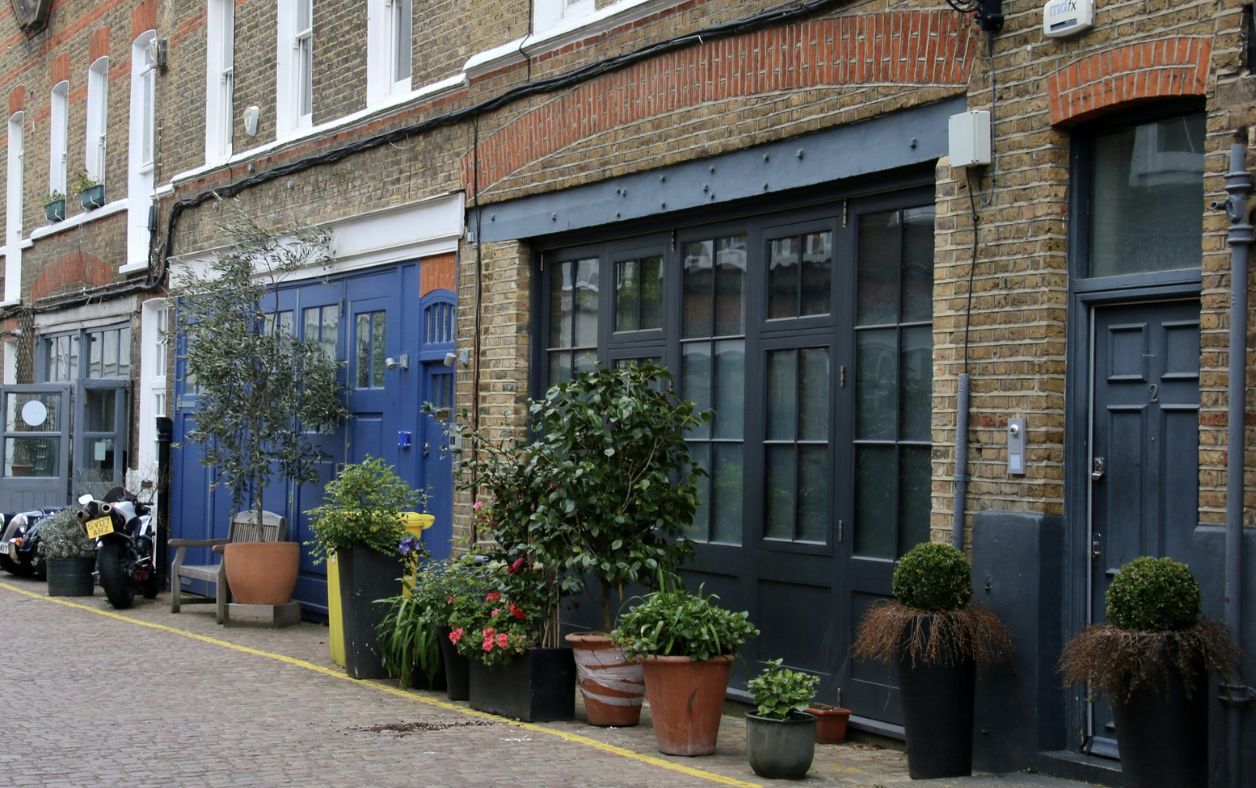
In highly sought-after districts like Shoreditch, Hackney, or Brixton, much of the available student housing consists of repurposed industrial warehouses or ageing Victorian terraced houses. While these properties offer strong architectural character and social-media appeal, they also come with hidden rental costs—especially utilities. Heating drafty, high-ceilinged period homes from November through March can easily add hundreds of pounds to monthly expenses. On top of that, splitting fluctuating gas, electricity, and Wi-Fi bills with multiple flatmates often becomes one of the most stressful parts of living in these otherwise vibrant areas.
Smart Housing Solution:
There is no need to take on unnecessary financial stress when renting in London. A smarter approach is to use a trusted platform for student accommodation bookings. uhomes.com
helps students compare and secure student housing in London more efficiently, without the usual guesswork.
By choosing all-inclusive student accommodation listed on the platform, you can avoid the complexity of managing separate utility bills. Many properties in some of the nicest areas to live in London already include water, electricity, and heating in a fixed monthly rent. This makes it easier to control costs and focus on enjoying your neighbourhood experience rather than dealing with utility management.
Conclusion
Deciding between the coolest neighbourhoods in London is a key step when planning where to live in the capital. Ultimately, establishing your base requires more than just picking a spot on the TfL map. It is entirely about aligning a specific postcode with the reality of your daily routine. The trendiest neighbourhoods in London do not operate on a one-size-fits-all basis. The late-night energy of Peckham serves a completely different demographic than the historic, market-driven streets of Camden or the premium residential avenues of Notting Hill. You have to decide which environment actually supports your lifestyle, rather than just chasing an aesthetic.
Before signing any contracts, treat your move as a logistical strategy. Calculate your exact door-to-door commute time to campus or the office, set a hard boundary on your budget, and prioritise financial predictability. By securing your student accommodation through trusted, student-focused platforms like uhomes.com, you guarantee that your rent remains all-inclusive—allowing you to focus entirely on navigating and enjoying whatever corner of London you choose to call home.
FAQ
Where is the hippest neighbourhood to live in London?
Peckham (South) and Hackney (East) are widely considered the hippest neighbourhoods in London. Rather than relying on generic high-street chains, both districts thrive on hyper-local, independent businesses. If your ideal weekend involves checking out grassroots art galleries, trying experimental street food, or hunting down natural wine bars, these two postcodes essentially dictate what is currently trending across the rest of the capital.
What are the 11 coolest postcodes in London for 2026?
Based on current urban regeneration and shifting renter demand, the 11 coolest postcodes in London for 2026 are: Poplar (E14), Highbury (N5), East Dulwich (SE22), Peckham Rye (SE15), Herne Hill (SE24), Upper & Lower Clapton (E5), Upper Holloway (N19), Mortlake & East Sheen (SW14/SW15), Islington (N1), Walthamstow (E17), and Greenwich (SE10). These areas are currently experiencing the strongest balance of culture, connectivity, and property value.
Which is the nicest neighbourhood to live in London?
“Nicest” depends entirely on your budget, but historically, Richmond, Hampstead, and Notting Hill top the list for premium living in London. These areas operate almost like exclusive villages within the city. They deliver a completely different reality from the central grind, offering massive green spaces, impeccably preserved architecture, top-tier safety records, and high-end boutique retail. If budget is not an issue, these are the ultimate residential gold standards.