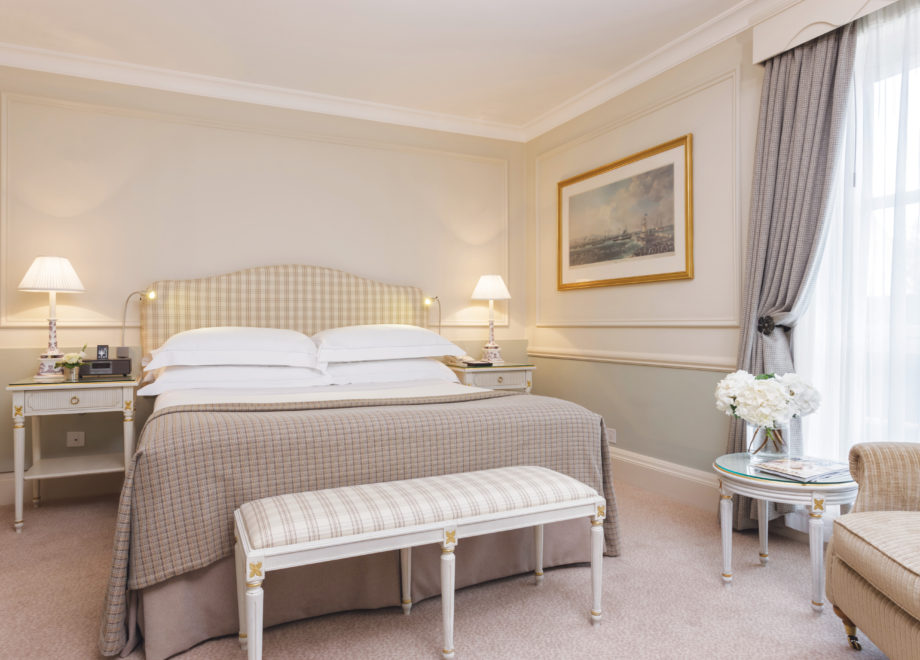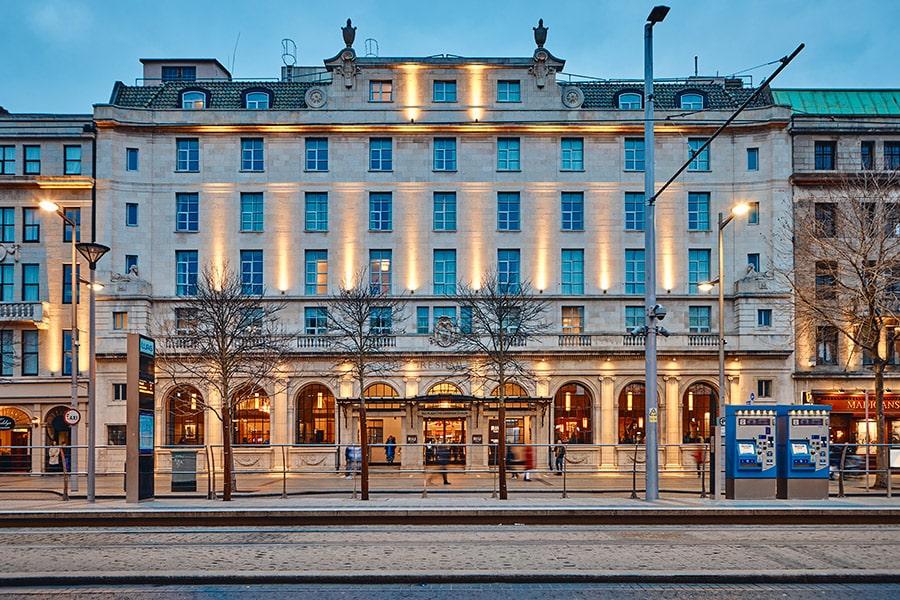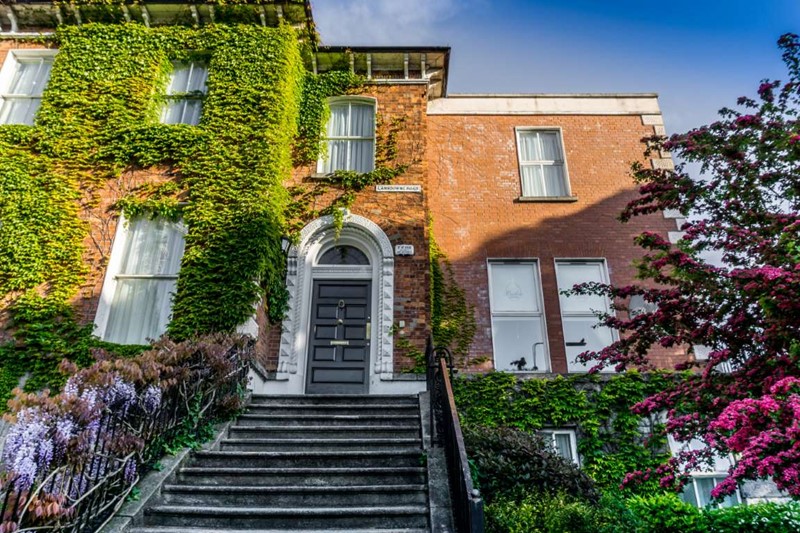



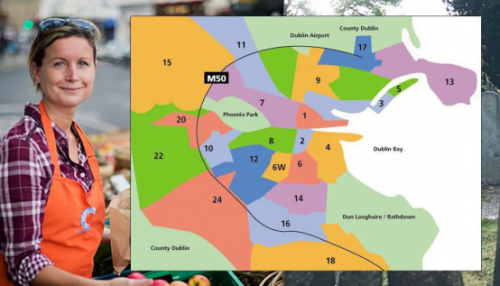
Where are the best places to stay in Dublin, Ireland? Dublin is the capital and largest city of Ireland. With its unique city culture, rich historical heritage, beautiful natural environment, and leisurely pace of life, it has become an ideal destination for many people to travel or live in. In this blog, we’ll discuss where to stay in Dublin. Whether you’re looking for the best areas in Dublin to stay or the best hotels in Dublin, Ireland that offer an unforgettable experience for your trip, here’s what you need to know.
Dublin at a Glance: Quick Neighborhood Overview
A fast comparison before diving into each best area to stay in Dublin.
| Area | Overview | Pros | Cons | Best For |
|---|---|---|---|---|
| Dublin City Centre | Central hub with major attractions, shops, museums, and top transport links. | Walkable, best connections, many hotels, near landmarks. | Noisy, higher prices. | First-time visitors, short stays. |
| Temple Bar | Dublin’s nightlife district packed with pubs, music venues, and entertainment. | Best nightlife, central, lively atmosphere. | Very noisy, expensive, crowded. | Nightlife lovers, young travelers. |
| Ballsbridge | Leafy, upscale area with embassies, parks, and luxury hotels. | Safe, quiet, family-friendly, premium options. | Fewer budget stays, farther from center. | Families, luxury travelers. |
| Docklands / IFSC | Modern business & tech district with clean streets and waterfront hotels. | New hotels, great transport, safe & quiet. | Limited nightlife, less “classic Dublin.” | Business travelers, couples. |
| Smithfield | Revitalized cultural area with affordable stays and easy Luas access. | Budget-friendly, cafés & breweries, local vibe. | Less central, quiet at night. | Budget travelers, students. |
| Portobello | Hip food & culture area with cafés, bars, and scenic canal paths. | Great dining, relaxed vibe, walkable to center. | Few hotels, higher prices at peak. | Couples, food lovers. |
| Ranelagh | Village-like, upscale neighborhood with strong community feel. | Safe, great restaurants, very livable, Luas access. | Not walkable to attractions, limited hotels. | Long-term stays, expats. |
Best Places to Stay in Dublin by Traveler Type
Choosing the best places to stay in Dublin depends heavily on the type of traveler you are — whether you’re visiting for nightlife, family trips, sightseeing, quiet stays, or business. Dublin offers a wide mix of neighborhoods, each with its own atmosphere, price range, and convenience level. This section breaks down the best places to stay in Dublin based on your travel style, helping you quickly find the area that fits your needs.
Best Places to Stay in Dublin for First-Time Visitors
Recommended Areas:
Dublin City Centre (Zones 1–2)
Temple Bar
Grafton Street Area (Zone 2)
Why these areas work well for first-timers:
Ultra walkable, no car needed
Close to Dublin’s top attractions (Trinity College, Dublin Castle, Grafton Street, museums)
Best transport links: LUAS, buses, airport routes
Packed with restaurants, cafés, shops, and historic sites
Best Places to Stay in Dublin for Families
Recommended Areas:
Ballsbridge (Zone 4)
Ranelagh (Zone 6)
Clontarf (Zone 3 – quiet, coastal)
Why families love these neighborhoods:
Safe, calm residential streets
Easy access to parks and open spaces
Near top private schools (especially Ranelagh / Zone 6)
Spacious accommodation options
Close enough to the centre, but quieter at night
Best Places to Stay in Dublin for Nightlife
Recommended Areas:
Temple Bar (Dublin’s nightlife capital)
Camden Street (clubs & live music)
City Centre South of River Liffey
What nightlife travellers look for:
Pubs, bars, traditional Irish music
Late-night food
Easy walk home after drinks
Best Places to Stay in Dublin on a Budget
Recommended Areas:
Smithfield (Zone 7)
Phibsborough
Drumcondra
Why these areas work:
More affordable hotels and apartments
Still walkable or within 10–15 minutes by LUAS/bus
Young, energetic communities
Great cheap eats and cafés
Also Include:
Hostels
Budget-friendly hotels
Student-style accommodation options
Best Places to Stay in Dublin for Business Travelers
Recommended Areas:
IFSC / Docklands
Grand Canal Dock (tech hub)
City Centre near major transport hubs
What business travellers need:
Fast access to offices
Good cafés, restaurants, cowork-friendly spots
Modern hotels with meeting facilities
Direct airport bus links
Best Places to Stay in Dublin for Couples
Recommended Areas:
Portobello (romantic canal, cafés)
Ballsbridge (quiet, upscale dining)
Temple Bar (for couples who want nightlife)
Why these areas appeal to couples:
Atmospheric cafés, brunch spots
Beautiful parks and riverside walks
Boutique hotels & cosy pubs
Quiet at night (except Temple Bar)
Best Places to Stay in Dublin for Quiet Stays
Recommended Areas:
Donnybrook
Ranelagh
Clontarf
Why they’re ideal for quiet stays:
Safe, peaceful, residential
Green spaces & coastal walking routes
High-quality cafés and restaurants without crowds
Best Places to Stay in Dublin: Detialed Guide
This detailed neighborhood guide highlights the most popular and convenient areas for travelers, combining your original in-depth insights with the structure used by top-ranking travel sites. Here you’ll find a complete breakdown of the best places to stay in Dublin — including pros and cons, who each area is best for, hotel recommendations, and insider tips to help you choose the perfect base.
1. Dublin City Centre — Best Overall
Dublin City Centre is the heart of the capital and one of the best places to stay in Dublin for travellers who want maximum convenience. This area is packed with historic landmarks, lively streets, museums, shopping districts, and some of Ireland’s most iconic attractions. From Trinity College and the Book of Kells to Grafton Street’s shops and the River Liffey bridges, everything is within easy walking distance.
Staying here gives you excellent access to bus, tram (Luas), and train connections, making it ideal for short trips or first-time visitors. The area caters to every traveller type—budget hostels, boutique hotels, luxury stays, pubs, cafés, theatres, and nightlife—all within a compact, walkable area.
Pros
Walkable to almost everything
Dublin’s top attractions nearby
Great for short stays
Best public transport hub
Cons
Prices higher
Can be noisy at night
Best For
First-time visitors
Shoppers
Short city breaks
Hotel Picks
The Westbury
The Morgan Hotel
The Gresham Dublin
Insider Tip
Stay near Grafton Street if you want quieter nights than Temple Bar.
2. Temple Bar — Best for Nightlife
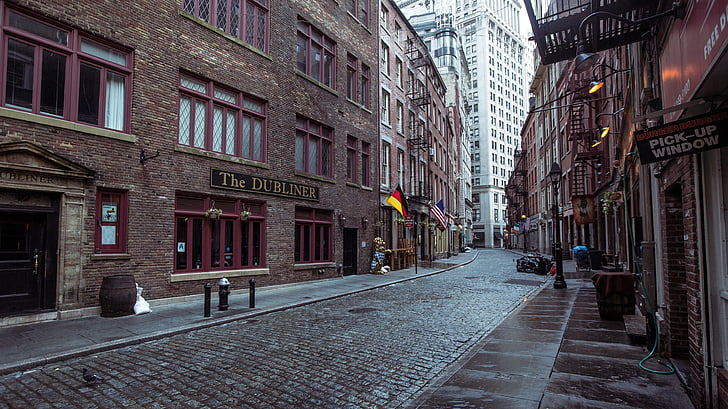
Temple Bar is Dublin’s most famous cultural and entertainment district, known worldwide for its cobblestone streets, colourful pub fronts, and live music spilling into the night. It’s one of the best places to stay in Dublin if you want to be right in the middle of the action—steps from pubs, restaurants, galleries, nightlife, markets, and street performers.
By day, Temple Bar offers vintage shops, artisan markets, independent bookstores, and cultural venues such as the Irish Film Institute and Temple Bar Gallery + Studios. By night, it transforms into Dublin’s party hub. While lively (and sometimes noisy), it delivers unmatched energy and convenience for travellers seeking a fun, social stay.
Pros
Dublin’s nightlife hub
Extremely lively atmosphere
Tons of restaurants and bars
Cons
Noisy until late
Higher prices
Tourist-heavy
Best For
Nightlife lovers
Young travellers
Short stays
Hotel Picks
Temple Bar Hotel
The Morgan
The Clarence
Insider Tip
Stay on a side street (not the main square) for quieter mornings.
3. Ballsbridge — Best for Families & Luxury
Ballsbridge is one of Dublin’s most elegant and upscale neighbourhoods—quiet, leafy, and perfect for families or travellers who prefer a peaceful, refined base. This area is filled with embassies, beautiful Edwardian houses, spacious parks, and some of Dublin’s best luxury hotels.
Despite its calm atmosphere, Ballsbridge is still close to the city centre and well-connected by bus and DART train. You’ll find excellent restaurants, cosy cafés, high-quality local shops, and easy access to Herbert Park, one of Dublin’s most loved green spaces. It’s considered one of the best places to stay in Dublin for travellers who value safety, comfort, and a high-end environment.
Pros
Quiet, safe, family-friendly
Spacious parks
Upscale dining
Cons
More expensive
Farther from nightlife
Best For
Families
Business travellers
Luxury stays
Hotel Picks
InterContinental Dublin
Herbert Park Hotel
Clayton Hotel Ballsbridge
Insider Tip
Walk through Herbert Park in the morning for one of the prettiest routes in Dublin.
4. Docklands / IFSC — Best for Business Travelers
Ballsbridge is one of Dublin’s most elegant and upscale neighbourhoods—quiet, leafy, and perfect for families or travellers who prefer a peaceful, refined base. This area is filled with embassies, beautiful Edwardian houses, spacious parks, and some of Dublin’s best luxury hotels.
Despite its calm atmosphere, Ballsbridge is still close to the city centre and well-connected by bus and DART train. You’ll find excellent restaurants, cosy cafés, high-quality local shops, and easy access to Herbert Park, one of Dublin’s most loved green spaces. It’s considered one of the best places to stay in Dublin for travellers who value safety, comfort, and a high-end environment.
Pros
Modern hotels & serviced apartments
Excellent transport
Steps from offices
Cons
Less historic charm
Quieter on weekends
Best For
Business travellers
Long stays
Modern hotel lovers
Hotel Picks
The Marker Hotel
The Spencer
Clayton Hotel Cardiff Lane
Insider Tip
Choose Grand Canal Dock for cafés and waterfront walks.
5. Smithfield — Best for Budget & Young Travelers
Smithfield sits on Dublin’s northside and has become increasingly popular among budget travellers, students, and young creatives. Once an industrial and livestock-trading area, it has reinvented itself with stylish cafés, independent cinemas, modern residential buildings, and a lively community atmosphere.
Smithfield Square often hosts cultural events, outdoor markets, and performances. The neighbourhood is also home to the iconic Lighthouse Cinema and the Jameson Distillery—two major attractions. With more affordable accommodation options than the city centre and easy Luas tram access, Smithfield is one of the best places to stay in Dublin for travellers who want a trendy yet affordable base.
Pros
More affordable stays
Alternative culture scene
Great transport links
Cons
Not as central
Fewer classic tourist attractions
Best For
Budget travellers
Young professionals
Culture lovers
Hotel Picks
Generator Hostel
Maldron Hotel Smithfield
Insider Tip
Visit the weekend markets around Smithfield Square.
6. Portobello — Best for Food & Culture Lovers
Portobello is located on the south bank of the River Liffey. It is an area that combines urban convenience with suburban tranquility. There are charming townhouses, trendy independent coffee shops, and brunch culture. The Dublin Canal also flows slowly through this area.
In addition to its cultural and historical heritage, Portobello is also highly regarded for its multicultural community. The restaurants and bars here offer a variety of international cuisines, from traditional Irish dishes to exotic cuisines. The weekend market is the core of local community life, where you can find handicrafts, fresh produce and unique works of art. Portobello’s art galleries and small theaters provide a wealth of choices for art lovers.
Pros
Beautiful canal walks
Multicultural dining
Relaxed local vibe
Cons
Not many hotels
Limited nightlife
Best For
Couples
Foodies
Culture travellers
Hotel Picks
The Devlin
Local boutique guesthouses
Insider Tip
Walk the canal at sunset — one of Dublin’s most romantic scenes.
7. Ranelagh — Best for Long-Term Stays & Expats
Ranelagh is a sophisticated residential neighbourhood just south of the city centre, known for its tree-lined streets, boutique shops, and exceptional food scene. Many expats and long-term travellers choose Ranelagh because it balances suburban calm with easy access to central Dublin—it’s only a short Luas ride away.
The neighbourhood is filled with artisan bakeries, wine bars, popular brunch spots, and speciality grocers. Families appreciate the area’s excellent schools and green spaces, while solo travellers enjoy its friendly, safe community feel. For those wanting a comfortable, local-style experience, Ranelagh is one of the best places to stay in Dublin.
Pros
Quiet, safe, green
Excellent cafés and restaurants
Strong school network
Cons
Higher accommodation prices
Not many hotels (more apartments)
Best For
Families
Long-term stays
Expats seeking stability
Hotel Picks
The Devlin (Ranelagh-adjacent)
Serviced apartments
Insider Tip
Visit Ranelagh Gardens Park for peaceful morning walks.
Best Hotels in Dublin, Ireland
Ireland is known as the “Emerald Isle”. It is not only a good place for vacation, but also one of the ten most hospitable countries in the world. Here, travelers can listen to Irish folk music, drink local whiskey and beer, shuttle between ancient castles and cities, green lands and huge cliffs, and learn about its long history and culture.
For students coming to study in Dublin, we provide a selection of student accommodation in Dublin. Here you can get a complete guide about how to rent in Dublin. For travelers who are searching for the best places to stay in Dublin, below we recommend several hotels. Some are very luxurious, and some are historic, you can choose according to your preferences.
Buswells
Source: buswells.ie
Buswells is a Georgian-style hotel. It was formerly Queen’s College, the first college in Europe to provide training and education for women. In the early 19th century, this unique building was once again a trendsetter when it was converted into a hotel – it was the first hotel in Dublin to install central heating.
O’Callaghan Davenport Hotel
Source: davenporthotel.ie
The O ‘Callaghan Davenport hotel dates back to the 17th century. At that time, it was just a prayer building that could accommodate 3,000 prayers a week. Today, the hotel has been luxuriously renovated inside and out, making it one of Dublin’s most luxurious hotels.
For those who love the vibrant life in the city, The O’Callaghan Davenport can be one of the best places to stay in Dublin, Ireland. It is just a short walk from Merrion Square and St. Stephen’s Green in the heart of Dublin. All 103 rooms are decorated in traditional Irish style, and each room has a great view of the city.
The Merrison
Source: merrionhotel.com
As one of The most luxurious hotels in Ireland, The Merrison brings Dublin’s old Georgian luxury to the extreme. Originally known as the birthplace of the Duke of Wellington, the hotel has since acquired an aristocratic character and everything you’d expect from a five-star hotel.
Riu Plaza The Gresham Dublin
Source: riu.com
The Gresham was severely damaged during the Easter Rising in 1916. It was gradually restored in the following years. Since 2013, the hotel has undergone a new renovation and renovation, which has comprehensively upgraded the grade of a four-star hotel.
The hotel’s famous Elizabeth Taylor Suite is luxuriously decorated, with a four-poster bed in the bedroom, lush soft furnishings, and a spacious lounge. Located in the heart of O’Connell Street at the Dublin city center, the hotel is one of Ireland’s most iconic hotels. It has been a symbol of status in upper social circles since the 19th century, hosting celebrities, politicians and aristocrats from all over the world. The room price is not particularly expensive, you can spend a relatively affordable price to live in the best location to stay in Dublin.
Butlers Townhouse
butlerstownhouse.ie
Unlike the previous four hotels, Butlers Townhouse is more suitable for guests who want to avoid the bustling city center. There are only 20 rooms here, but each one has a unique decoration style, ensuring guests have a quiet and peaceful atmosphere. This Victorian building has just been renovated and restored to its former glory, retaining the original high ceilings and open marble fireplaces.
Where to Stay in Dublin: on Rainy Days
The sunshine in Ireland is often unpredictable, and rain seems to have become a normal part of life for the Irish. But this has also made this city uniquely charming. Finally, we share five tips about where to stay in Dublin on rainy days, taking you into another charming Dublin.
- Have a cup of coffee at Kaph: This shop has the best barista. Therefore, on this street with a strong cultural atmosphere, Keph is definitely one of the best places to stay in Dublin. The store is usually full. If there is no room, go upstairs or go to the nearby market for a coffee break.
- Read at Marsh’s Library: Marsh’s Library, built in 1707 near St. Patrick’s Cathedral, was the city’s first public library. Close your eyes and imagine how many people have come here in the past 311 years to escape the rain and open Ulysses to enjoy an hour or more of reading.
- Wander in The Gutter Bookshop: “Gutter” refers to a unique, unconventional or independent taste that is different from mainstream bookshops. It offers some special books and cultural experiences. It even sells signed first editions of some of Ireland’s most revered classics! Definitely worth collecting!
- Visit Teeling Whiskey Distillery: Teeling Whisky Distillery is Dublin’s first new distillery in more than 125 years. Tours take place every 20 minutes and give you an insight into the process of whisky making. Because it is relatively niche, there is no need to reserve in advance. 20 euros for one ticket, no queue!
- Have a drink at Dawson’s Lounge: Tucked away on Dawson Street, Dawson’s Lounge is Dublin’s smallest bar. The best time is in the early afternoon, before people leave work. This is one of the weirdest bars in Dublin because you wonder if you’re on the set of The Hobbit.
Practical Tips for Staying in Dublin
Use the Leap Card for discounted fares on buses, trams (Luas) and DART trains.
Stay near Luas or DART stops if you want fast access across the city without relying on taxis.
Book early, especially during weekends, festivals, or concert dates—Dublin hotel prices rise quickly.
Pack layers and a waterproof jacket, as Dublin weather changes fast year-round.
Reserve restaurants and popular pubs in advance, especially around Temple Bar and Camden Street.
Walk whenever possible — central Dublin is compact, safe, and very pedestrian-friendly.
Carry contactless payment, as most cafés, buses, and shops prefer card over cash.
Avoid peak-hour traffic (8–10 AM & 4–6 PM) if traveling by bus or taxi.
Conclusion
Dublin offers a wide range of neighbourhoods, each with its own charm, atmosphere, and advantages. Whether you want lively nightlife, peaceful residential streets, family-friendly parks, coastal views, or modern business districts, there are many best places to stay in Dublin to match every travel style.
By understanding what each area offers—from the energy of Temple Bar to the elegance of Ballsbridge or the creative vibe of Portobello—you can choose the perfect base for your trip. With its welcoming culture, rich history, and compact layout, Dublin is a city where every neighbourhood tells a different story. Enjoy exploring and discovering the one that suits you best.
FAQ
Where is the nicest place to live in Dublin?
Stoney Batter. Dublin is one of the best cities to visit in Ireland, but Stoney Batter is one of the best areas to live in Dublin. Historically known as Bohernaglogh and located along the River Liffey, Stoneybatter is a neighbourhood on the north side, the best place to live in Dublin.
Is it safe to walk in Dublin at night?
Dublin has several safe neighbourhoods where walking at night is generally considered safe. Areas such as Temple Bar, St. Stephen’s Green, and Grafton Street are well-patrolled and frequented by locals and tourists, even during the evenings.
Is Dublin a friendly city?
According to Condé Nast Traveller’s readers, Dublin placed fourth among the friendliest cities in the world. The list included Calgary, Canada, and Edmonton, Canada.
What is the safest area in Dublin?
- O’Connell Street. O’Connell Street, in the heart of Dublin, is one of the city’s most emblematic thoroughfares.
- Ballsbridge district.
- Donnybrook district.
- Rathmines district.
- Ballsbridge district.
- Sandymount district.
- Drumcondra district.
How many days should I stay in Dublin?
We think 3 days is an ideal length of stay. You can visit Dublin’s most famous attractions and taste Irish specialties and whiskey. If you have extra time, you can slowly experience the culture of this city, or get close to nature in the green space.
How much money do I need per day in Dublin?
We estimate that you spend $200-$300 per day when having your vacation in Dublin. This daily expense includes hotels, meals, transportation, and tourist attractions.
Where is the best place to stay in Dublin for nightlife?
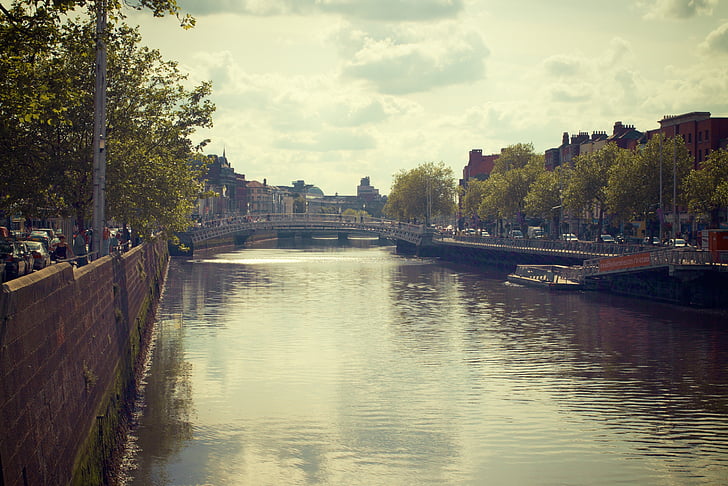
If you want to experience the authentic nightlife of Dublin, head to Temple Bar. This is one of Dublin’s most famous neighborhoods, known for its bars and lively atmosphere.