


Home for Global Students
4.9/5
GET APP

Best Places to Live in Australia: Practical Guide

By Loria

Choosing the best place to live in Australia is not just about picking the most famous city on the map. Sydney has the jobs. Melbourne has the culture. Brisbane has the sunshine. Perth has the beaches and mining-sector salaries. Adelaide feels easier on the budget. But where to live in Australia depends on what you actually need from daily life.

Students may care most about universities, public transport and safe housing. Families may look for schools, space and a slower pace. Professionals may focus on job markets, salaries and commute times. Retirees may prioritise healthcare, weather and access to the coast.

This guide compares the top cities in Australia to live in based on cost of living, rental prices, career opportunities, student life, lifestyle, safety and long-term liveability.

Why finding the Best Place to Live in Australia Matters?

A city can seem great at first. But living there every day is different. You might love the beach, but the suburb may be too far from campus. A city may have better pay, but rent can take most of it. A smaller town may feel calm, but jobs in your field may be limited.

That is why the best places to live in Australia should not be the prettiest or most famous ones. You need to look at practical things. How much is rent? Can you get to work or class easily? Is the area safe? Are there shops, clinics and transport nearby? Does the weather suit you?

This matters even more if you are new to Australia. Before choosing a city, check the full cost. Rent is only one part. You may also need to pay bond, bills, transport and daily living expenses. For students, the type of housing can also make a big difference.

Top 10 Best places to live in Australia in 2026

Here is a quick look at the top ten places in Australia in 2026. This overview uses recent data on population, rent, jobs and student life. It draws on the Australian Bureau of Statistics, Domain, Jobs and Skills Australia, and Studey Australia.

Rank City Best for
1 Melbourne Best for students, culture, public transport and overall convenience
2 Sydney Best for career growth, high salaries, finance, tech and global lifestyle
3 Brisbane Best for warm weather, population growth and access to nearby coasts
4 Perth Best for space, beaches and jobs in mining, energy and engineering
5 Adelaide Best for lower living pressure, students and families on a budget
6 Canberra Best for safety, education, government jobs and family life
7 Gold Coast Best for beach lifestyle, tourism, hospitality and outdoor living
8 Newcastle Best for NSW coastal living with easier access than Sydney
9 Sunshine Coast Best for coastal living, retirees, families and remote workers
10 Geelong Best for families and hybrid workers who want Melbourne within reach

Data source: Domain Rent Report, December 2025; Study Australia, QS Best Student Cities 2026; Invest Victoria, EIU Global Liveability Index 2025.

How We Ranked the Best Cities in Australia to Live In?

This ranking looks at the practical side of living in Australia, not just the cities that appear most often in travel photos. The main factors include:

  • Cost of living and rental affordability
  • Job opportunities and labour market strength 
  • Student life and education options 
  • Public transport and infrastructure 
  • Lifestyle, climate and outdoor access 
  • Population growth and long-term demand 
  • Housing availability 
  • Safety and family-friendliness 
  • Overall liveability 

Best cities to live in Australia

These are some of the best cities to live in Australia, but each city suits a different type of life. The summaries below focus on rent, work, study, transport and daily convenience. They also show why some big cities and regional centres can both be great places to live in Australia.

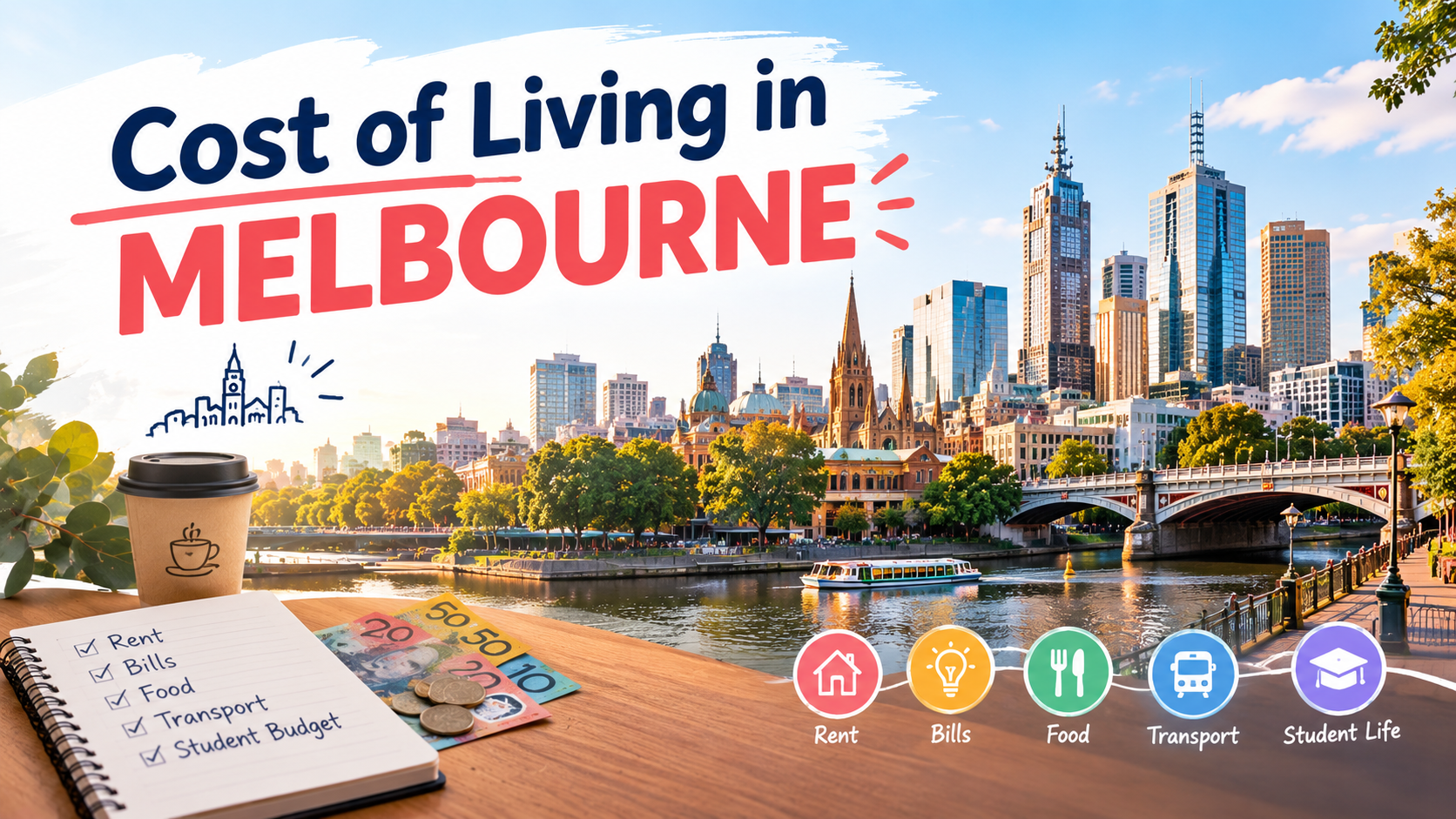
Melbourne

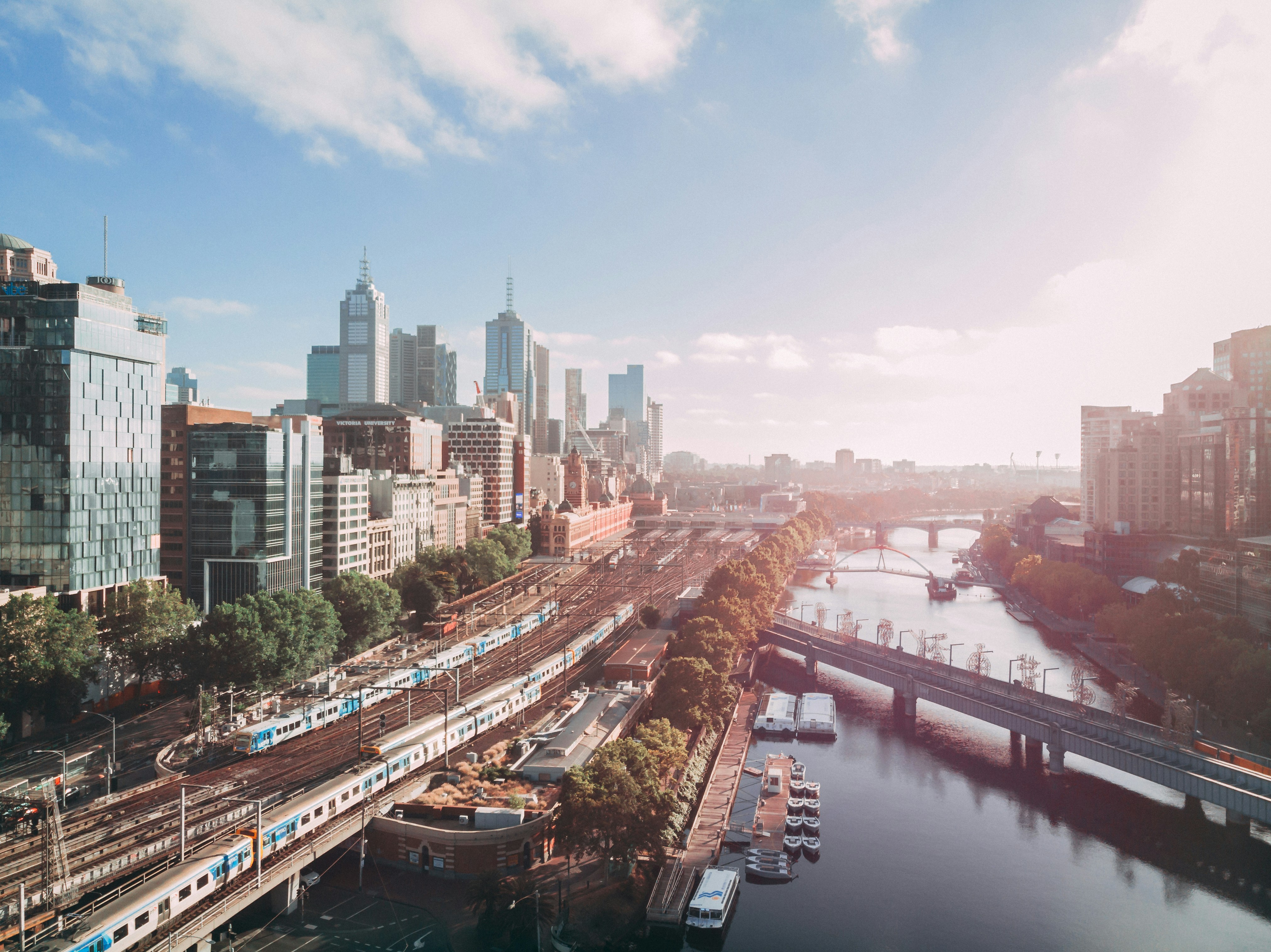
Melbourne is often the best city in Australia for people who want culture, student life and everyday convenience in one place. It has strong universities, good public transport, healthcare, arts, food and job options. 

The city has plenty going on. It suits people who want energy and diversity. Rent is still high, but it is usually less intense than Sydney.

Pros:

  • Strong universities and large student communities
  • Better public transport than many Australian cities
  • Excellent food, arts, music and cultural scene
  • Good access to healthcare, education and job options
  • Strong international and multicultural feel
 
Cons:
  • Weather can change fast
  • Inner-city rent is still expensive
  • Job and housing competition can be strong
  • Some outer suburbs require long commute times
 Average weekly rent: Around AUD 580 for both houses and units.

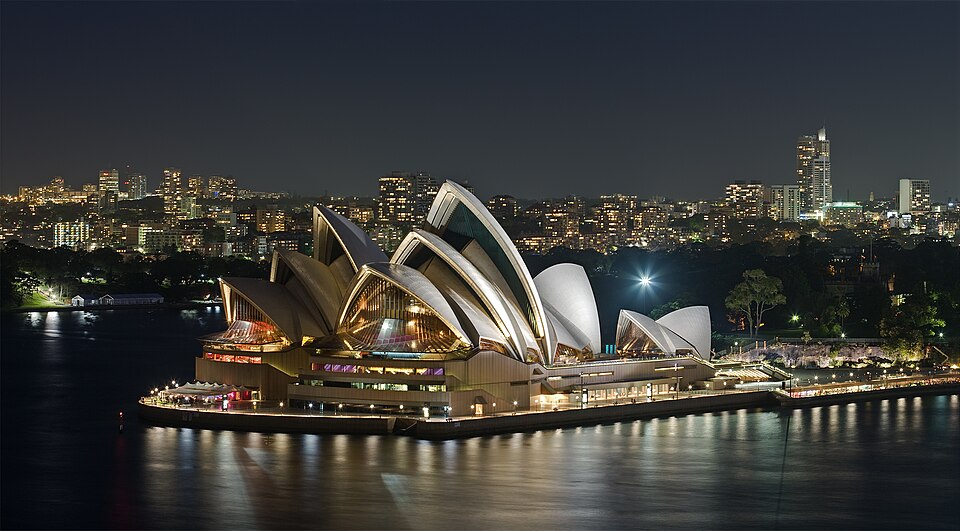
Sydney

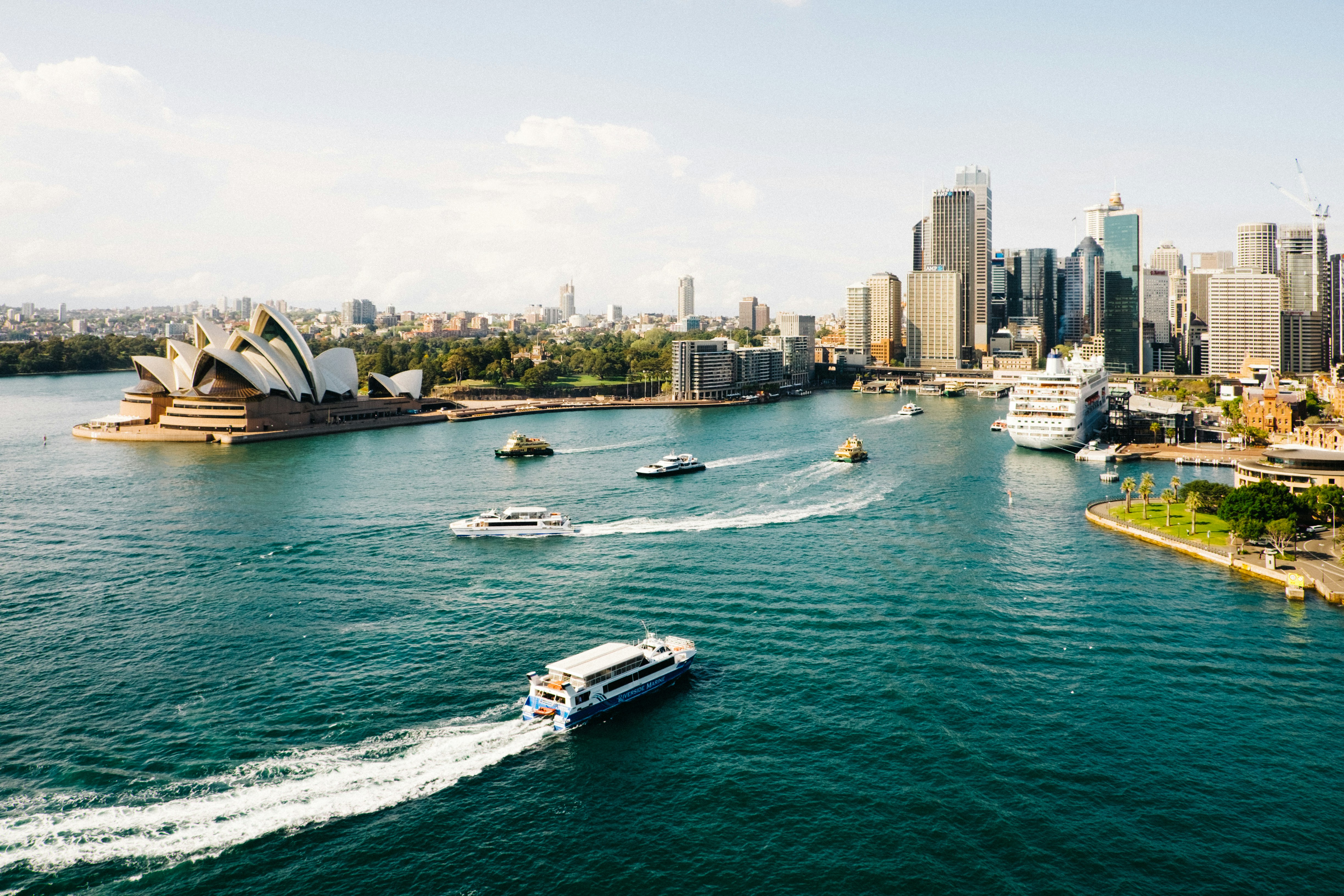
Sydney is one of the most livable cities in Australia if career growth comes first. It has the country’s largest population. It also has a strong corporate market and a highly international business scene.

The downside is the cost. Sydney offers big opportunities, famous beaches and a global-city feel. But rent is high. Commutes can also be tiring, especially for students and young professionals.

Pros:

  • Australia’s strongest job market
  • Great for finance, tech, media and professional services
  • Beautiful beaches and harbour lifestyle
  • Highly international and multicultural
  • Strong universities and graduate opportunities
 

Cons:

  • Highest rental pressure among major cities
  • Housing competition is intense
  • Long commutes are common
  • Cost of living can feel stressful for students and graduates
Median weekly rent: About AUD 800 for houses and AUD 750 for units.

Brisbane

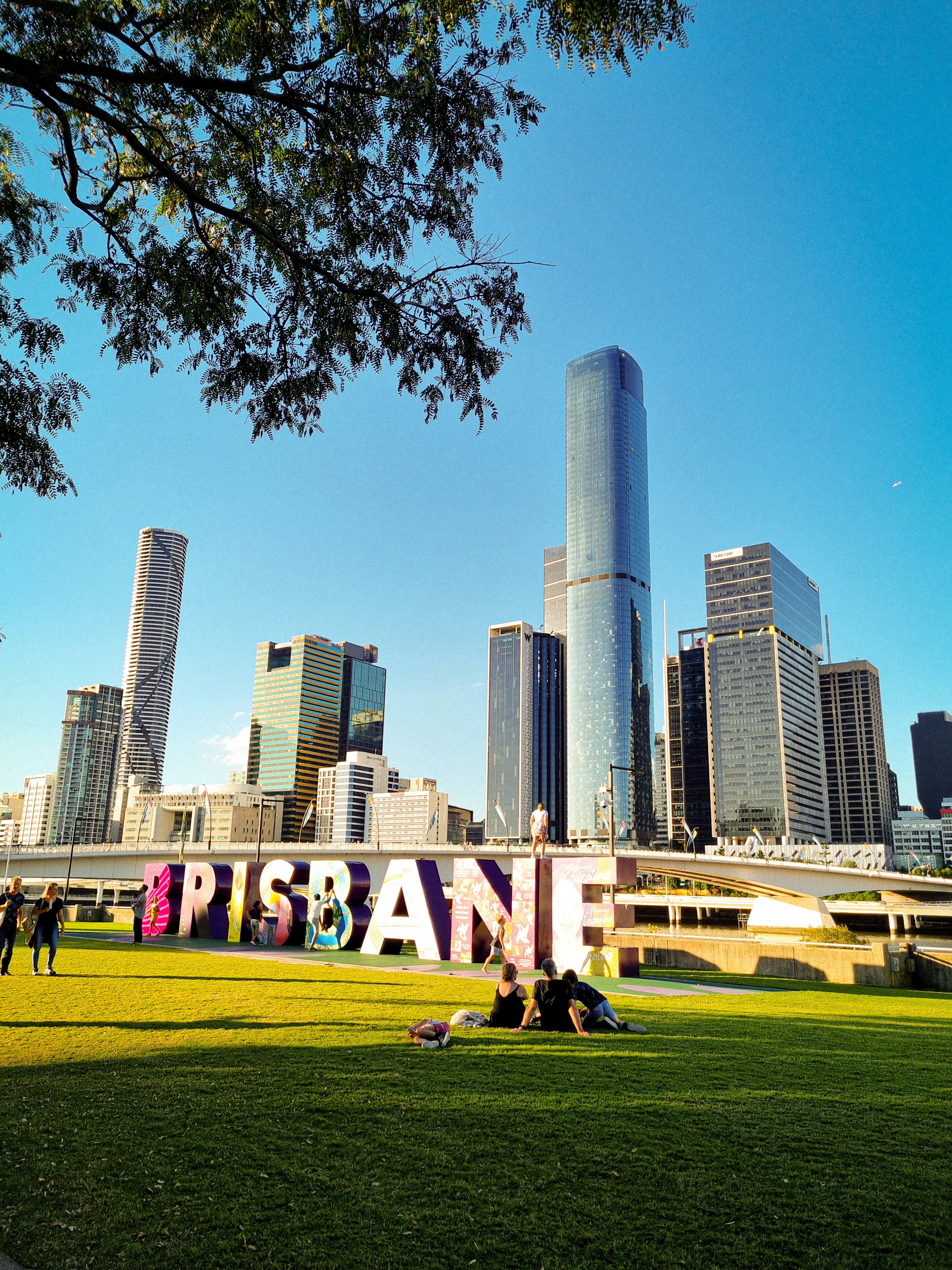
Brisbane is now one of the most common answers to where to live in Australia. It has warm weather, good universities and a growing job market. It also puts you close to the Gold Coast and Sunshine Coast.

It is not a cheap city anymore. But it still feels easier than Sydney or Melbourne. For many newcomers, that is the main appeal. You get growth, sunshine and a slower pace.

Pros:

  • Warm weather and outdoor lifestyle
  • Growing job market and population
  • More affordable than Sydney in many areas
  • Close to the Gold Coast and Sunshine Coast
  • Strong appeal for students and young professionals
 

Cons:

  • Rents have risen quickly in recent years
  • Public transport is less extensive than Melbourne or Sydney
  • Summer humidity can be uncomfortable
  • Some industries still have fewer opportunities than Sydney or Melbourne

Median weekly rent: About AUD 670 for houses & AUD 650 for units.

Perth

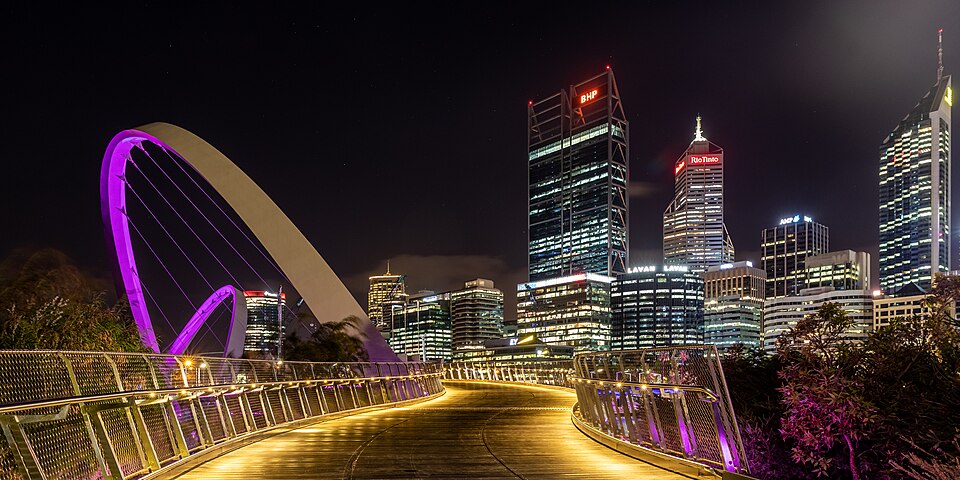
Perth is a good place to live in Australia for people who want space and sunshine. The pace feels slower here. It is far from the east coast, but that distance is part of its appeal.
The city is strong in mining, engineering, energy, construction and healthcare. If your work fits the local market, Perth can be a very comfortable place to live.

Pros:

  • Beautiful beaches and sunny weather
  • Strong opportunities in mining, energy and engineering
  • Less crowded than Sydney or Melbourne
  • Good lifestyle for families and outdoor lovers
  • Strong income potential in selected industries


Cons:

  • Geographically isolated from eastern Australia
  • Job market is more industry-specific
  • Rents have increased significantly
  • Fewer major international events than Sydney or Melbourne

Median weekly rent: about AUD 700 for houses and AUD 650 for units

Adelaide

Adelaide can be considered as Australia’s nice place to live. It does not have Sydney’s speed. It does not have Melbourne’s constant buzz either. But that is why many people like it.

Life feels easier here. Commutes are shorter. Rent is usually lower than in bigger capitals. You still get beaches, parks, festivals, cafés and nearby wine regions.

Pros:

  • More affordable than many major Australian cities
  • Calm, easy-to-navigate lifestyle
  • Good option for students and families
  • Close to beaches, wine regions and nature
  • Less crowded than Sydney and Melbourne
 

Cons:

  • Smaller job market than Sydney, Melbourne or Brisbane
  • Slower nightlife and entertainment scene
  • Career growth may be limited in some industries
  • Public transport is less extensive than in larger capitals

Median weekly rent: about AUD 620 for houses and AUD 525 for units.

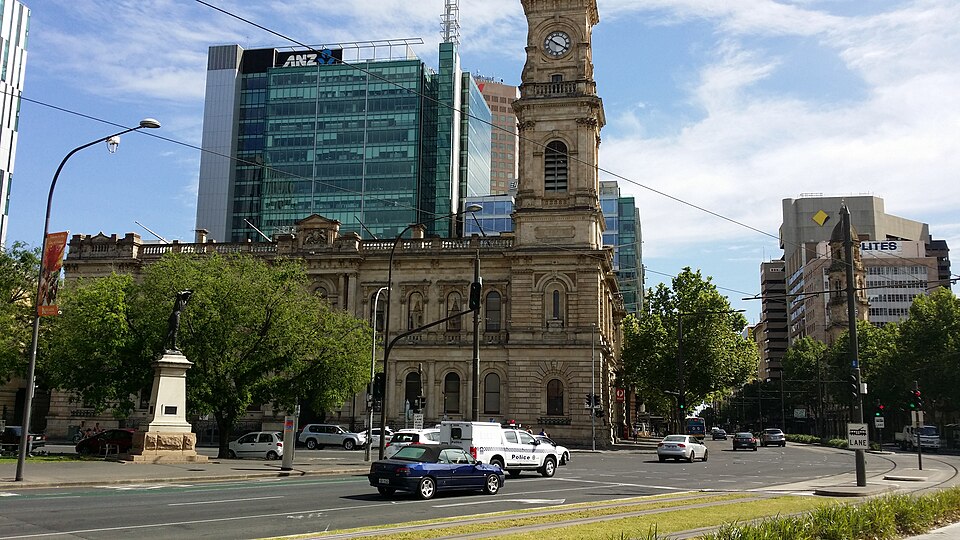
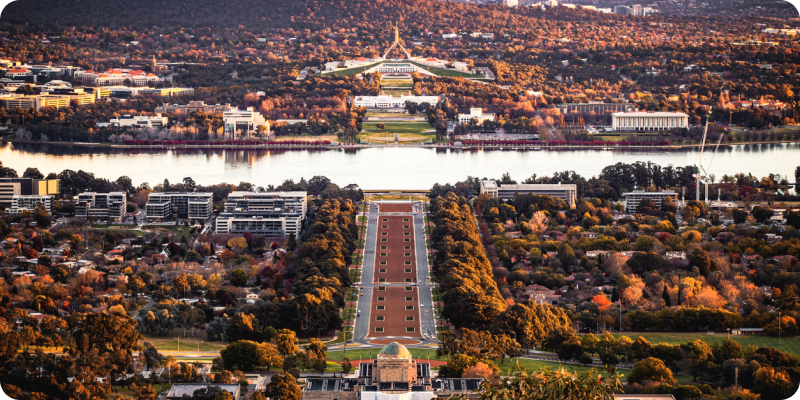
Canberra

Canberra is one of the good places to live in Australia for people who want a calmer pace. It feels organised, spacious and easy to live in. There is less noise and less pressure than in bigger capitals.
While Sydney is known for career ambition, Canberra is known for stability, safety and quality of life. It suits families and focused students. It is also a good fit for professionals in government, policy, research or education.

Pros:

  • One of the best places to live in Australia for families because of its calm, planned environment
  • Strong career options in government, policy, research and public administration
  • Good schools, respected universities and a highly educated population
  • Less traffic and daily stress than Sydney or Melbourne
  • Clean, spacious and easy to navigate

Cons:

  • Rent is higher than many people expect
  • Winter can feel cold and dry
  • Nightlife and entertainment are quieter than in larger capitals
  • Not ideal if you want a fast-paced social or creative scene
  • Some areas feel car-dependent, especially outside central districts

Median weekly rent: about AUD 700 for houses and AUD 580 for units

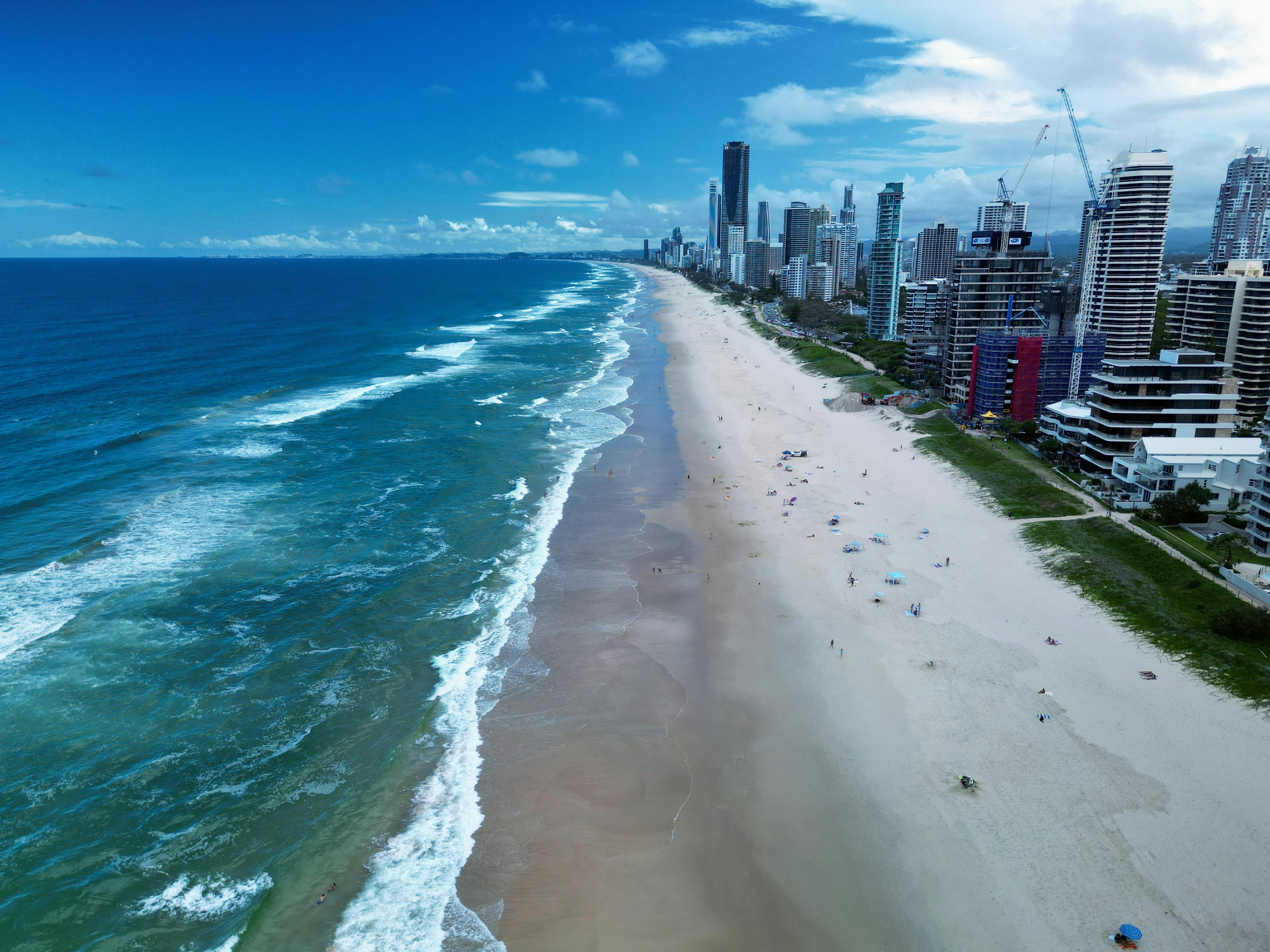
Gold Coast

The Gold Coast is one of the easiest cities to picture: beaches, sunshine, cafés, fitness, tourism and outdoor living. But it is not only a holiday destination.

For students, hospitality workers, remote workers and lifestyle-focused professionals, it can be one of the best places to live in Australia near the beach. The main catch is that popular coastal suburbs can be expensive.

Pros:

  • Excellent beach and outdoor lifestyle
  • Good fit for tourism, hospitality, retail and events
  • Popular with students, young adults and remote workers
  • Warmer and more relaxed than Sydney or Melbourne
  • Easy access to Brisbane

Cons:

  • Job market is narrower than in major capitals
  • Coastal suburbs can be expensive
  • Traffic can be frustrating in tourist areas
  • Less suitable for large corporate career pathways
  • Rental competition can be strong in popular locations

Average weekly rent: Around AUD 715 for 2-bedroom units and AUD 800 for 3-bedroom houses, with beachside suburbs often costing more.

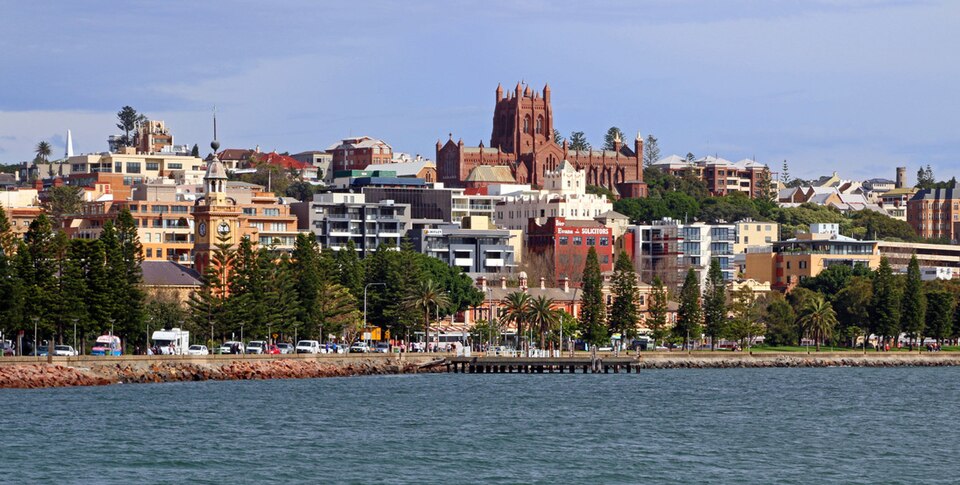
Newscastle

Newcastle is one of the best regional places to live in Australia if you want the benefits of New South Wales without the full cost and intensity of Sydney. It has beaches, a proper city centre, a university, cafés, coastal walks and enough urban energy to feel lively without becoming overwhelming.
It does not feel like a compromise in the way some smaller cities can. For students, families and people leaving Sydney, Newcastle offers city convenience with more breathing room.

Pros:

  • One of the best regional places to live in Australia for beach and city lifestyle
  • More affordable
  • Strong lifestyle appeal for students, families and young professionals
  • Access to beaches and nature
  • Close enough to Sydney for occasional travel


Cons:

  • Smaller job market
  • Fewer head-office career opportunities
  • Rents are increasing
  • Public transport can be limited depending by suburb
  • Some industries may require commuting or remote work flexibility


Average weekly rent: Around AUD 600–700 for units and AUD 650–800 for houses, depending on whether you live near the beach, the university or further inland.

Sunshine Coast

The Sunshine Coast is for people who want life to feel a little lighter. It is quieter than the Gold Coast, less corporate than Brisbane and built around beaches, national parks, local markets and family suburbs.
This is one of the best places to live in Australia for retirees. For career-driven movers, the key question is whether your industry has enough local demand.

Pros:

  • Calmer coastal lifestyle than the Gold Coast
  • Great for families, retirees and remote workers
  • Strong outdoor culture with beaches, parks and nature
  • Good fit for health, education, trades and tourism roles
  • Popular for people focused on wellbeing


Cons

  • Local job market can be limited
  • Rental demand is high in popular suburbs
  • Public transport is weaker than in major capitals
  • Not ideal for large corporate careers
  • Housing demand has risen with lifestyle migration

Average weekly rent: AUD 700-900 for houses & AUD 580-700 for units. Inland suburbs may offer better value than beachside areas.

Geelong

Geelong is a practical choice if you like Melbourne, but do not want to live right in the middle of it. It has a calmer pace, waterfront areas, family-friendly suburbs and easy access to the Surf Coast.
For families and hybrid workers, Geelong is one of the best towns to live in Australia if you still want Melbourne within reach. You get more space, a more relaxed daily routine and a strong local lifestyle. It is still a good Melbourne alternative, but it is no longer the “cheap option” people once assumed.

Pros:

  • More relaxed than Melbourne but still connected to it
  • Access to beaches, waterfront areas and the Surf Coast
  • Strong lifestyle appeal without fully leaving Victoria’s main job market
  • More space than many inner-Melbourne suburbs


Cons:

  • Commuting to Melbourne can be tiring
  • Local job market is smaller than Melbourne’s
  • Some suburbs are car-dependent
  • Housing demand has increased as more people move in
  • Not always as affordable as people expect

Average weekly rent: About AUD 410-500/week, with many 2-bedroom units in the low AUD 400s and houses in the 500+ range depending on suburb.

Data Source: City data is based on Domain Rent Report December 2025, ABS

What to consider when moving to Australia?

Before choosing from the best places to live in Australia, work out your weekly budget first. Rent will take the biggest share. But do not forget transport, groceries, bills, phone plans and health insurance.
Check the location carefully. A cheaper suburb is not always cheaper in real life. If the commute is long, you may spend more money and lose more time every day.
For students, look at the distance to campus, supermarkets and public transport. For workers, check the commute during peak hours. Do not only trust the map distance.
Also look at the rental market before you move. Good places can go quickly. You may need ID, proof of enrolment, income proof or rental history. If you are new to Australia, furnished housing or student accommodation can be easier.
The best city in Australia to live in is the one that fits your budget and daily routine. Do not only follow city rankings. Compare real rent, travel time and the areas you would actually live in.

Best Places to live in Australia by lifestyle

Different people look for different things when choosing the best places to live in Australia. These picks keep it simple and focus on the most common lifestyle needs.

Best Places to live in Australia for Students:

For students, Melbourne is hard to beat. It has top universities and strong public transport. It also has a large international student community. There are plenty of cafés, libraries and part-time work options too.

Adelaide is another good choice. It feels quieter and easier to manage. It also has lower living pressure than bigger cities.

Best Places to live in Australia for Families: 

For families, Canberra would be a great choice. It feels safe, organised and focused on education. It also has a calmer pace than bigger cities.
Adelaide is another practical option. It suits families who want lower housing costs and an easier lifestyle than Sydney or Melbourne.

Best Places to live in Australia for Professionals:

The best place to live and work in Australia depends on your field. Sydney and Melbourne is better for office works. Perth is stronger for mining, engineering and construction.

Best Places to live in Australia for Retirees:

For retirees, Sunshine Coast is one of the most appealing options. It has beaches, fresh air and a slower pace. It also suits people who enjoy outdoor living. Adelaide is worth considering too. It feels quieter than bigger capitals. Living costs are also easier to manage.

Best Places to live in Australia for Young Adults:

If you want a busy social life, start with Sydney or Melbourne. Sydney suits people who are chasing career growth. Melbourne is better if you want culture, events and a city that feels a bit easier to settle into.

Best Places to Live in Australia for Safety:

For safety and stability, Canberra is one of the best places to live in Australia. It feels calm and well planned. It is also easier for families to settle into.
Still, safety can change from suburb to suburb. Before choosing, check the local area first. Look at transport, lighting, nearby shops and how the commute feels at night.

Need Help Finding Student Housing in Australia?

Finding a place to live can feel stressful, especially if you are moving from overseas.

That is where uhomes.com can help. You can compare student apartments, shared rooms and private studios in one place. You can also check rent, location, facilities and commute time before you arrive.

For students, location matters. Living near campus can save time. Living near public transport can also make daily life easier. Many student housing options include bills and furniture. Some also offer shared facilities. This can make budgeting clearer.

Looking for student housing in Melbourne, Sydney, Brisbane or another Australian city? uhomes.com helps you narrow down the options and find a home that fits your study plans, budget and lifestyle.

Conclusion

The best places to live in Australia will look different for everyone. Melbourne is a great all-round pick. Sydney is better for jobs. Adelaide may feel easier if you are watching your budget.

Before you decide, think about your real daily life. Can you afford the rent? How far is work or campus? Is public transport easy? Will the area still feel right after the first few weeks?

For students, housing matters as much as the city itself. A good location can save time and stress. It can also help you feel settled faster when you are new to Australia.


FAQ

Melbourne is the best place to live in Australia overall in 2026 because it offers a strong balance of education, healthcare, public transport, culture, jobs and lifestyle. Sydney is better if career growth comes first. Brisbane is a good fit if you want warmer weather and a growing big-city lifestyle.

Adelaide is one of the cheapest but nicest place to live in Australia. It is more affordable than cities like Sydney. Life also feels slower and easier there.
Geelong and Newcastle are worth checking. They can offer better value than the biggest cities. The key is to compare suburbs, rent and commute time before deciding.

Canberra is a good place to start. It feels calmer than the bigger capitals. Many areas are easy to get around. But don’t judge safety by the city name alone. Safety is not the same across every suburb.

Yes, Australia is a great place to live for many people. It has great education resources, healthcare and public services. The harder part is cost. Housing is expensive in many popular areas. Sydney is the biggest example.

Most people in Australia live in major capital cities like Sydney and Melbourne. Brisbane and Perth are also growing quickly. As of 30 June 2025, Greater Sydney had about 5.64 million people. Greater Melbourne had about 5.44 million. Greater Brisbane had about 2.83 million, and Greater Perth had about 2.45 million.

Melbourne is the best city in Australia if you want a bit of everything. It has more housing options while providing different lifestyles. Sydney is better if your main goal is career growth. Brisbane and Perth are good choices if you want warmer weather, growth and a less intense pace.

Sydney and Melbourne are the main picks for young adults. Sydney has more career energy and bigger-company roles. Melbourne is better for culture, events, food and student life. Brisbane is also worth considering if you want warmer weather.

Gold Coast, Sunshine Coast, Perth and Newcastle are great options if you want to live near the beach. Gold Coast feels more active and social. Sunshine Coast is calmer. Newcastle gives you a coastal lifestyle while staying in New South Wales.

As of 30 June 2025, Greater Sydney had an estimated population of 5,638,830. The figure comes from the Australian Bureau of Statistics.

uhomes.com | Student Accommodation,Flats,Houses,Apartments for Rent
What can I do for you?
ASK ME