


Home for Global Students
4.9/5
GET APP

Top 10 Colleges Where Students Study the Most: New Rankings

By Thea
colleges where students study the most

Colleges where students study the most are usually those with top-tier academic standards—students here face high academic requirements and spend the longest time on their studies. These schools are precisely the most rigorous colleges in the region. Renowned for heavy course loads, long study hours, strict academic norms, and high-pressure learning environments, they are among the most stressful colleges, driven by exceptionally high academic expectations, difficult course content, and intense campus competition. These elements push students to pursue excellence nonstop, placing enormous pressure while also making them some of the world’s most demanding students. Today’s blog presents a definitive ranking of these high-stress, academically rigorous colleges, highlighting the top schools that challenge students the most with their rigorous academic demands.

Table of Contents
Key Factors Defining Colleges Where Students Study the MostMost Stressful Colleges: High Pressure and Intense Workloads1.Stanford University (Stanford, California)2.Columbia University (New York, New York)3.Massachusetts Institute of Technology (Cambridge, Massachusetts)4.University of Pennsylvania (Philadelphia, Pennsylvania)5.Harvard University (Cambridge, Massachusetts)6.Princeton University (Princeton, New Jersey)7.Vanderbilt University (Nashville, Tennessee)8.Carnegie Mellon University (Pittsburgh, Pennsylvania)9.California Institute of Technology (Pasadena, California)10.Northwestern University (Evanston, Illinois)Most Rigorous Colleges: Where Academic Excellence is Non-Negotiable1.Reed College (Portland, Oregon)2.Massachusetts Institute of Technology (Cambridge, Massachusetts)3.Swarthmore College (Swarthmore, Pennsylvania)4.University of Chicago (Chicago, Illinois)5.Carnegie Mellon University (Pittsburgh, Pennsylvania)6.Harvard University (Cambridge, Massachusetts)7.University of Pennsylvania (Philadelphia, Pennsylvania)8.Johns Hopkins University (Baltimore, Maryland)9.California Institute of Technology (Pasadena, California)10.Columbia University (New York, New York)Balancing Stress, Rigor, and Academic AchievementTips for Managing College Stress and WorkloadHousing Help for Colleges Where Students Study the Most – uhomes.comConclusionFAQs Are Colleges Where Students Study the Most Also the Most Stressful? What is the most stressful college in America? What is the strictest college in America? What is the most stressful college? What college has the highest depression rate? What is the least happy college in the US?
Key Factors Defining Colleges Where Students Study the Most

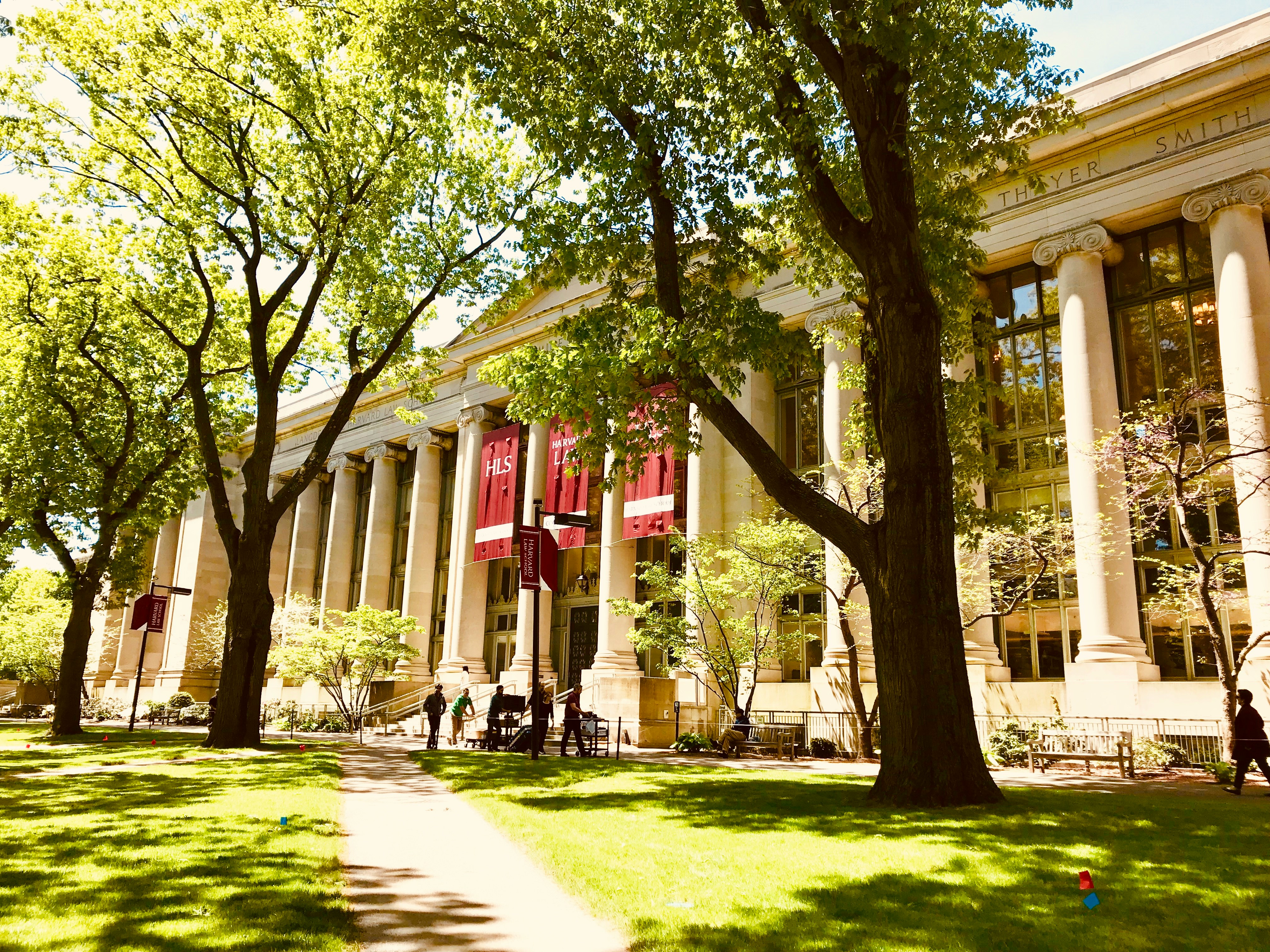
When evaluating Colleges Where Students Study the Most, we need to consider several factors that affect academic pressure and strictness. Although college life is often idealised, the college stage is in fact marked by academic challenges and pressures for personal growth. Most Stressful and Most Rigorous Colleges frequently require students to invest substantial time and energy, making these schools usually become representative of Colleges Where Students Study the Most. Therefore, there is a close relationship among these three: schools with high academic requirements and intense competition typically impose greater pressure on students.

According to the Princeton Review ranking, the standard is based on students’ survey responses: “How much time do you spend every day studying after school?” However, other ranking criteria also consider different factors. Some rankings focus on Most Stressful Colleges, emphasising high-pressure environments and heavy workloads, including rigorous courses, financial burdens, and competitive pressure; others evaluate Most Rigorous Colleges, emphasising academic excellence and high academic requirements. Although these two ranking criteria are different, they are closely related to Colleges Where Students Study the Most: Most Stressful Colleges usually focus on stress and workload, while Most Rigorous Colleges pay attention to academic requirements and achievements. Many schools with high academic requirements not only require students to invest substantial time in learning but also become among the colleges where students study the Most due to the high-pressure environment.

Most Stressful Colleges: High Pressure and Intense Workloads

It is not difficult to find that colleges where students study the most are often the ones with the highest overall pressure when it comes to student learning.” These schools have extremely high academic requirements, challenging course content, and high expectations for students. Among the most stressful colleges, their distinctive feature is the coexistence of academic rigour and intense competition, making the overall learning environment particularly high-pressure. The course is challenging, the economic burden is heavy, and, coupled with intense competition on campus, these factors continue to increase students’ pressure, constantly challenging their physical and mental limits.

The following are the top 10 universities with the highest academic pressure, as selected by the Princeton Review; they are also recognised as Princeton Review studious colleges. These schools are known for their extremely high academic pressure, in which students face strict standards and bear an overwhelming academic burden.

1.Stanford University (Stanford, California)

2026 QS ranking: 3

2025-26 Tuition: $67,731

Average Graduate Income: $108,700

What students say: As one of the most challenging colleges, Stanford provides students with the opportunity to forge close relationships with their professors. Even though Nobel Prize winners walk the halls, faculty remain undaunting to students, who find them “engaging and approachable” and “so excited to share their passion for the subject.” In giving students access to every resource they need to become lifelong learners and societal contributors, Stanford seeks to “expand your creativity, challenge and deepen your world view, and make you a passionate and informed citizen of the world.”

2.Columbia University (New York, New York)

2026 QS ranking: 38

2025-26 Tuition: $73,702

Average Graduate Income: $95,400

What students say: As one of the colleges with most stressed students, Columbia does have a bit of a “stress culture” because “everyone here really wants to succeed.” While it “can be competitive for programs,” most students find people here to be more kind than shrewd.”

3.Massachusetts Institute of Technology (Cambridge, Massachusetts)

2026 QS ranking: 1

2025-26 Tuition: $61,990

Average Graduate Income: $115,500

What students say: At colleges with the most stressed students like MIT, the environment encourages critical thinking and creative problem-solving. A chemical engineering major elaborates: “MIT is different from many schools in that its goal is not to teach you specific facts in each subject. MIT teaches you how to think, not about opinions but about problem-solving. Facts and memorisation are useless unless you know how to approach a tough problem.”

4.University of Pennsylvania (Philadelphia, Pennsylvania)

2026 QS ranking: 15

2025-26 Tuition: $60,920

Average Graduate Income: $96,400

What students say: At most stressed colleges like UPenn, the academic atmosphere can be highly competitive. Although one student points out that “hypercompetitive” peers can be “helpful.” It also makes overachievers feel right at home, and it says a lot that some describe their peers as “off-the-charts brilliant.” Given each student’s “strong sense of personal style and his or her own credo,” the net result for many is a feeling of being “fascinated by everyone else.”

5.Harvard University (Cambridge, Massachusetts)

2026 QS ranking: 5

2025-26 Tuition: $52,659

Average Graduate Income: $100,100

What students say: For students pursuing some of the most stressful college majors, those who earn their way into this Ivy League enter a “dynamic universe” that is “academically alive” and teeming with possibility, as well as top-tier internship and employment opportunities, a strong alumni network, and a crimson pedigree for your résumé. Perhaps this is why one undergrad refers to his experience as “rewarding beyond anything else I’ve ever done.”

6.Princeton University (Princeton, New Jersey)

2026 QS ranking: 25

2025-26 Tuition: $71,237

Average Graduate Income: $99,600

What students say: It’s not surprising that most undergraduates are “driven, competitive, and obsessed with perfection.” This is a common trait at the top 10 most stressful colleges like Princeton, where students emphasise that “Academics come first,” which is typified by “a tendency to overwork” and dedication to studying. “Almost everyone at Princeton is involved with something other than school about which they are extremely passionate,” and most have “at least one distinct, remarkable talent.”

7.Vanderbilt University (Nashville, Tennessee)

2026 QS ranking: 250

2025-26 Tuition: $67,934

Average Graduate Income: $87,200

What students say: “students at Vanderbilt are very driven, but in a… noncompetitive manner that cultivates a challenging but enjoyable learning experience.” This is particularly evident in most stressful majors in college, where students balance academic rigor with a laid-back, enjoyable campus life. One student playfully describes the student body as “sociable nerds-academics are important to us, but we also love to party and have fun.” Others attest that students are “brilliant” with a “work-hard-play-hard kind of attitude.

8.Carnegie Mellon University (Pittsburgh, Pennsylvania)

2026 QS ranking: 52

2025-26 Tuition: $67,020

Average Graduate Income: $102,300

What students say: Students at Carnegie Mellon note that their peers tend to be incredibly “academically focused” and “set themselves to a very high standard in their work.” Fortunately, they still know how to foster “a supportive learning environment where students help each other grow. There’s no toxic competition among us.” But there is no denying that many are “intensely working for internships and jobs which will carry us in the future.”

9.California Institute of Technology (Pasadena, California)

2026 QS ranking: 10

2025-26 Tuition: $67,326

Average Graduate Income: $116,200

What students say: The California Institute of Technology is a world-renowned bastion of innovation, and not just in the realm of science and engineering (though it is undoubtedly “geared toward training tomorrow’s leaders and pioneers in the field of science”). Students at Caltech are encouraged to learn how to think and address challenges, and the school excels at “keeping students occupied and entertained while at the same time cramming a ridiculous amount of information into our heads.”

10.Northwestern University (Evanston, Illinois)

2026 QS ranking: 42

2025-26 Tuition: $62,898

Average Graduate Income: $84,900

What students say: students appreciate that “everything is given fairly equal weight. Northwestern students and faculty do not show a considerable bias” toward specific fields. One student adds, “The strength of the school is its range.” Northwestern encourages students to pursue multidisciplinary paths, with approximately 74% of undergraduates choosing to combine two or more areas of study.

Most Rigorous Colleges: Where Academic Excellence is Non-Negotiable

At colleges where students study the most, rigorous scholarship is central to campus life and continually tests students’ physical and mental limits. The most rigorous colleges of this kind offer highly challenging courses, a fiercely competitive learning environment, and uphold high standards and strict requirements for every student. The demanding coursework, the high expectations of teachers, and the pursuit of academic excellence by everyone create an intense atmosphere of rigorous scholarship that continuously tests students’ academic abilities and resilience under pressure.

According to the Princeton Review, these 10 colleges can be considered the most academically rigorous institutions. They are distinguished by rigorous academic coursework, and in various studies, students are consistently required to meet the highest standards and do their utmost.

1.Reed College (Portland, Oregon)

2026 QS ranking: 438

2025-26 Tuition: $88,060

Average Graduate Income: $77,200

What students say: As one of the most academically rigorous colleges, Reed College in Portland, Oregon, is a private liberal arts institution known for its devotion to intellectual inquiry and critical thought. Academics are “quite challenging and rigorous,” and “there can be heavy reading assignments, lengthy lab reports, and exams all in the same week.”

2.Massachusetts Institute of Technology (Cambridge, Massachusetts)

2026 QS ranking: 1

2025-26 Tuition: $61,990

Average Graduate Income: $115,500

What students say: MIT is regarded as among the most rigorous colleges in the US, with “excellent teachers who make lectures fun and exciting.”  One student says that professors “make a serious effort to make the material they teach interesting by throwing in jokes and cool demonstrations.” While the academic challenges students face “definitely push [you] beyond your comfort level,” students laud MIT as “the ultimate place for information overload, endless possibilities, and expanding your horizons.”

3.Swarthmore College (Swarthmore, Pennsylvania)

2026 QS ranking: 851-900

2025-26 Tuition: $65,058

Average Graduate Income: $85,800

What students say: Regarded as among the most academically rigorous colleges in the US, Pennsylvania’s Swarthmore College is a hidden gem that encourages self-discovery through a liberal arts curriculum that is “not only about classes, but about life.” Students agree that “though it may be extremely, almost unbearably difficult sometimes, it’s totally worth it,” and that “although it’s not one of the most well-known schools, those who do know of it also know of its wonderful reputation.”

4.University of Chicago (Chicago, Illinois)

2026 QS ranking: 13

2025-26 Tuition: $67,446

Average Graduate Income: $87,900

What students say: UChicago, known as one of the most rigorous colleges in America, prides itself on the amount of work its students need to do. The library keeps late hours, and study dates (where you and a date sit next to each other while studying quietly) are common. This atmosphere is by choice, and one perpetuated by the students themselves, who take a kind of pride in how much work they do for their classes. Not every course is challenging, and you can build a schedule which avoids these late nights, but in general, students at UChicago enjoy the school’s reputation and strive to live up to it.

5.Carnegie Mellon University (Pittsburgh, Pennsylvania)

2026 QS ranking: 52

2025-26 Tuition: $67,020

Average Graduate Income: $102,300

What students say: At CMU, the interdisciplinary approach to education teaches students to be versatile problem-solvers with a strong sense of community. As one of the newsweek most rigorous colleges,  the college is “great for engineering, math, science, or physics students (or drama or design),” who find that the world “practically throws opportunities (internships, guidance) at these majors.” CMU’s academic diversity and rigour “put its students in an excellent position to start their careers.”

6.Harvard University (Cambridge, Massachusetts)

2026 QS ranking: 5

2025-26 Tuition: $52,659

Average Graduate Income: $100,100

What students say: Most students are not afraid of a challenge and look to milk every opportunity presented to them. This sentiment is supported by another undergrad who notes that the average Harvard student “works really hard, doesn’t sleep, [and is] involved in a million extracurriculars.” Underneath this impressive drive, you’re also likely to find compassionate individuals who enjoy interacting with and learning from their diverse peers.

7.University of Pennsylvania (Philadelphia, Pennsylvania)

2026 QS ranking: 15

2025-26 Tuition: $60,920

Average Graduate Income: $96,400

What students say: This prestigious Ivy League school is “very challenging,” perhaps even more so at Wharton, which carries a “strenuous course load” for its “highly competitive” and “career-oriented” enrollees. Those interested in dual-degree and specialised programs can add interdisciplinary studies, with access to “courses in any of the schools, including graduate level courses.”

8.Johns Hopkins University (Baltimore, Maryland)

2026 QS ranking: 24

2025-26 Tuition: $64,730

Average Graduate Income: $92,300

What students say: Hopkins students are known for being “the type that thrive under pressure.” Though they may “come from various backgrounds and have vastly different experiences,” this batch of “very intellectually curious and smart” students is united as “ambitious workhorses” with a desire “to be on the forefront of innovation.”Hopkins boasts “a lot of international people and people from various backgrounds” who are “invested in the livelihood of the Hopkins community.”

9.California Institute of Technology (Pasadena, California)

2026 QS ranking: 10

2025-26 Tuition: $67,326

Average Graduate Income: $116,200

What students say: Interdisciplinary study and teamwork are woven throughout the academic experience, or as one student cheers: “Cross-collaboration of ideas and ingenuity leads to epic-ness!” While the “intense” academic experience can seem overwhelming to the outside observer, resources are thinly distributed among the approximately 1,000 undergraduate students.

10.Columbia University (New York, New York)

2026 QS ranking: 38

2025-26 Tuition: $73,702

Average Graduate Income: $95,400

What students say: People “aren’t afraid to speak out against what they think is wrong”; activism is “essential to the Columbia experience,” and in fact, “it is encouraged by the school itself.” This go-getting crowd tries to do it all, “taking on 5 to 6 classes per semester and holding multiple jobs, internships and leadership positions”.

Balancing Stress, Rigor, and Academic Achievement

Balancing the demands of colleges where students study the most requires students to navigate the fine line between academic pressure and personal well-being. At these most rigorous colleges, the intense academic workload and high expectations can often lead to significant stress. However, this stress can also drive personal growth and achievement, as students rise to meet the challenges. The key lies in finding strategies that allow students to excel academically without compromising their mental health. Understanding the dynamics among stress, academic rigour, and the pursuit of success is essential for students aiming to thrive in high-pressure environments.

Tips for Managing College Stress and Workload

  • Prioritise Time Management. Time management is crucial in the most stressful colleges. With heavy coursework and multiple deadlines, it’s essential to allocate time effectively. Creating a detailed schedule helps prevent procrastination and ensures that students stay on top of their academic and personal responsibilities.
  • Focus on Self-Care. Managing stress requires balancing academics with care for the body and mind. Regular exercise, adequate sleep, and healthy eating habits can help maintain energy levels, improve focus, and reduce anxiety, all of which are crucial for success in college, where students study the most.
  • Utilise Campus Resources. Many universities offer counselling, mental health support, and academic help centres to assist students. Utilising these resources can alleviate some of the emotional and academic pressures, helping students manage their workload effectively.
  • Build a Support Network. Finding a strong support network among peers, professors, or mentors is essential. Whether through study groups, student organisations, or simply talking to a trusted advisor, support systems can provide relief and perspective, reducing feelings of isolation and stress.

Housing Help for Colleges Where Students Study the Most – uhomes.com

In an environment where students face strict academic requirements and high pressure, student housing choices have become the most concerning issue for many people. To help students reduce unnecessary stress in high-intensity academic life, uhomes.com provides professional housing support so students can focus on academics without worrying about accommodation. Whether you are studying at a top university in London or a renowned institution in New York, uhomes.com helps reduce housing stress by offering a diverse range of apartment options. Finding an ideal London apartment or a comfortable New York house is no longer a challenge. Our platform provides personalized services to help you find the most suitable accommodation based on your specific needs, allowing you to focus on your studies without worrying about finding a room.

  • 1-on-1 Professional Support: Our expert team is committed to providing personalized housing advice to students, helping them find the most suitable accommodation in their busy academic lives. Whether it is based on the surrounding environment of the school, areas with high academic pressure, or convenient facilities near the school, we will provide tailored recommendations to meet the unique needs of students.
  • Price-Match Guarantee: In the most academically stressful universities, students not only have to face high-intensity courses, but also often have to bear economic pressure. We provide a price matching guarantee to ensure that students can get the most favorable accommodation prices. If we find a lower price elsewhere, we will match that price to alleviate the financial burden on students while ensuring they receive safe and comfortable accommodation.
  • Verified Listings: All listings on uhomes.com undergo rigorous review to ensure quality and safety. For students who have already faced immense academic pressure and intense competition, our validated listings provide them with peace of mind, avoiding the risks of housing fraud and unreliable landlords.
  • Exclusive Offers: As a trusted platform, we have established long-term partnerships with landlords and property managers, providing exclusive discounts and offers that allow students to find affordable and well located accommodation in academic environments with high academic pressure. These discounts help students reduce academic and life stress and focus on their academic achievements.

Conclusion

Colleges where students study the most are often the most demanding, both academically and emotionally. Whether due to intense workloads, competitive culture, or high expectations, these institutions push students to their limits, making them among the most stressful and rigorous colleges in the world. Navigating the balance among stress, academic pressure, and personal well-being is challenging, but with appropriate strategies and support, students can thrive in such high-pressure environments. Understanding the dynamics at these top-tier universities is essential for anyone considering a future in such rigorous academic settings.

FAQs

Colleges Where Students Study the Most may not necessarily be the ones with the greatest pressure. The level of pressure in such schools depends on various factors such as campus culture, assistance systems, and personal coping strategies. Although academic requirements are high, schools with comprehensive mental health support can effectively alleviate students’ overall stress. 

The most stressful college in America is Stanford University. Known for its intense academic rigor and competitive atmosphere, it’s one of the most stressful colleges. The demanding coursework and high expectations contribute to constant pressure on students.

The strictest college in America is Massachusetts Institute of Technology (MIT). MIT is renowned for its academic rigor and demanding programs, making it one of the most rigorous colleges. Students face high standards in both coursework and research.

The most stressful college is Swarthmore College. With challenging coursework and a competitive environment, it ranks as one of the most stressful colleges. Students are constantly pushed to excel in a high-pressure academic atmosphere.

Johns Hopkins University has one of the highest depression rates among colleges. The heavy academic burden and the fierce competitive environment may induce all kinds of mental health problems. The school’s strict academic standards require students to invest a lot of time and energy, and peer competition is more likely to aggravate psychological anxiety. 

Harvard University is often considered one of the least happy colleges in the US. As one of the most stressful colleges, its competitive culture and rigorous academic demands can lead to stress and lower overall happiness for some students.

uhomes.com | Student Accommodation,Flats,Houses,Apartments for Rent
What can I do for you?
ASK ME