

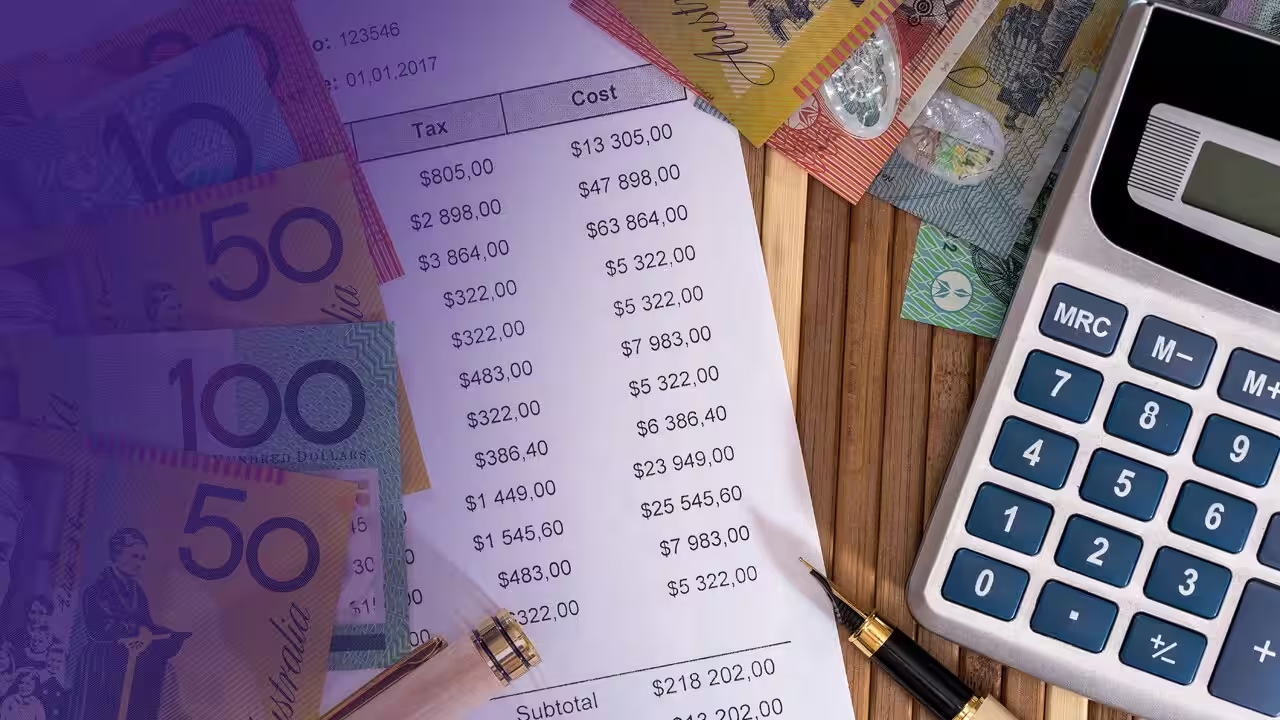
Australia has long been regarded as the ideal place to establish permanent residency. The country has a lot to offer, whether your goal is to relocate your family, seek new career prospects, embark on an outback adventure, or pursue your dream education target. Despite the fact that Australians are renowned for leading simple and carefree lives, the cost of living Australia may be higher than you might think. In this article, we have made a list of everything you need to know about the cost of living in Australia.
What is Cost of Living in Australia?
First of all, let’s discuss the idea of the cost of living. The cost of basic goods and services, overall affordability, and the effects of cost fluctuations on individuals and families across the nation are some of the criteria used to calculate the cost of living. Precisely estimating living expenses in Australia can be challenging because it depends on location and length of time. For instance, Expatistan, a collaborative database, crowdsources prices from Australians to estimate Australia’s cost of living today.
While previous estimates relied on crowdsourced data, the Australian government now requires international student applicants to demonstrate access to at least A$29,710 annually, which equates to approximately A$2,475 per month for a single person’s essential living expenses (excluding tuition and travel). For a family of four, the estimated monthly cost of necessities (excluding rent) ranges from A$6,500 to A$7,500 in major cities like Sydney or Melbourne. Reflecting these high expenses, Australia is consistently ranked among the world’s most expensive places to live, often placing in the top 10 globally.
How to Measure Australia Cost of Living?
In the case of Aus cost of living, the Australian government calculates living expenses using:
- The change in the value of goods and services is measured by the Consumer Price Index (CPI).
- The costs of upholding a level of living are measured by Living Cost Indexes, or LCIs.
- The Wage Price Index (WPI) tracks changes in labour costs, earnings, and wages across various industry sectors.
Cost of living (COS) measures are useful tools. However, the outcomes are not always consistent. Because of this, COS shouldn’t be regarded as the final deciding factor on the conditions affecting a population as a whole. Having said that, learning about the cost of living and the ranges of differences may aid in your comprehension of how you might be impacted individually, as well as the steps you can take to reduce Australia cost of life.
Cost of Living in Australia: Comprehensive Guide
| Category | Cost Range (AUD/Month) | Cost Range (AUD/Year) | Key Notes and Context |
|---|---|---|---|
| Housing (Rent & Utilities) | |||
| Shared/Student Accommodation | $1,600 – $2,800 | $19,200 – $33,600 | National average range for a single bedroom in shared housing or a 1-bedroom unit outside the CBD. |
| Utilities (Power, Gas, Internet) | $180 – $300 | $2,160 – $3,600 | Varies heavily based on climate (A/C use) and location. |
| Essentials | |||
| Food & Groceries | $500 – $750 | $6,000 – $9,000 | Assumes primarily home cooking and basic diet. |
| Transport (Public) | $150 – $250 | $1,800 – $3,000 | Based on monthly passes or consistent use of public transport (e.g., Opal Card). |
| Education & Mandatory Fees (Students) | |||
| Official Minimum Living Funds (GS/GTE) | $2,475 | $29,710 | The official figure required by the Department of Home Affairs for a single student to prove access to funds (excluding tuition). |
| Overseas Student Health Cover (OSHC) | $55 – $80 | $660 – $960 | Mandatory annual health insurance for the student visa. |
| Financial/Tax | |||
| Personal Income Tax (Entry Level) | $0 – $900 | $0 – $10,800 | Highly variable. Tax is Nil for income under $18,200. Higher range based on an entry-level graduate salary. |
| Lifestyle/Miscellaneous | |||
| Personal Care & Entertainment | $300 – $500 | $3,600 – $6,000 | Includes phone, gym membership, clothing, and social activities. |
| Total Estimated Monthly Budget (Low-Mid Range, Excl. Tuition/Tax) | $2,880 – $4,630 | $34,560 – $55,560 | This estimate includes rent and general expenses, and should be used for budgeting. |
1. Housing Expenses
The largest expense on any Australian budget is typically housing. Whether it’s for a home loan, rent, or even just basic utilities like energy, housing costs are unavoidable. On the other hand, you are considered to be in “housing stress” if you are spending more than 30% of your income on housing (rent or mortgage payments, for example).
The average house rent for a one bedroom apartment starts from $1500/month. In centre areas, the amount can reach $3200/month.
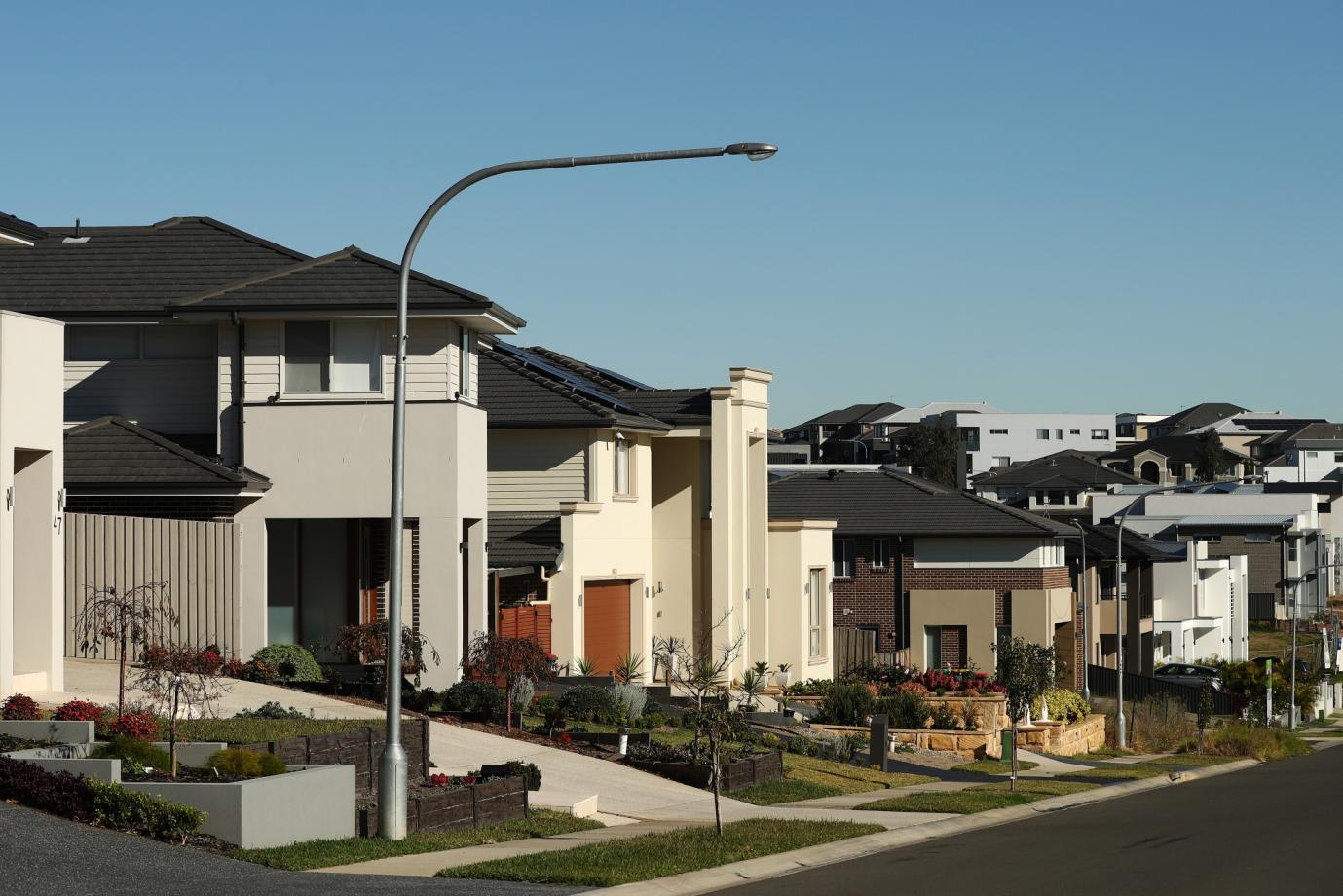
One of the main criteria the Australian government uses to assess housing affordability is housing stress. Low levels of housing stress imply that everybody can rent or buy a home, whereas high levels point to an unjust and costly housing market.
Housing accounts for a sizable portion of the cost of living because it is a necessary commodity. To help on this matter, uhomes.com lists Australia accommodation options to help you manage your Australia cost of living per month.
2. Transportation Expenses
In summary, leveraging Australia’s extensive public transport infrastructure is the single most effective strategy for managing transport costs. The data clearly shows that the most significant saving for international students comes from utilizing the 50% concession fares and the corresponding low weekly caps available across major cities (Sydney, Melbourne, Brisbane). Given the substantial annual cost of running a private car—often exceeding AUD $15,000 to $18,000—relying on concession passes and strategic travel planning remains the definitive, budget-friendly approach to keep your monthly transportation expenses predictable and lean.
For most international students, car ownership is not recommended due to the high associated costs. The total annual cost of running a small car in Australia (including loan, fuel, insurance, registration, and maintenance) is conservatively estimated to be AUD $15,000 to $18,000 per year, making it a far more expensive option than public transport.
| Expense Category | Sydney (Opal) | Melbourne (Myki) | Brisbane (Go Card) | Notes |
|---|---|---|---|---|
| Eligibility for Student Concession | Yes (For approved full-time students) | Yes (For approved full-time students) | Yes (For approved full-time students) | Concession tickets are typically 50% off standard adult fares. |
| Average Single Trip (Concession Fare) | $1.25 – $2.50 | $2.50 – $3.50 | $1.50 – $3.00 | Varies by distance and zone. |
| Weekly Fare Cap (Concession) | $18 – $20 | $22 – $25 | $15 – $18 | The maximum amount you will be charged per week, making heavy use predictable. |
| Estimated Monthly Cost (Heavy Use, Concession) | $78 – $87 | $95 – $108 | $65 – $78 | Based on the weekly cap ($x * 4.3 weeks), the most cost-effective budgeting method. |
| Standard Adult Weekly Cap | $50 – $65 | $40 – $55 | $45 – $60 | For students or visitors ineligible for a concession pass. |
| Rideshare/Taxi (5km trip estimate) | $18 – $28 | $15 – $25 | $15 – $25 | Significant extra cost; highly discouraged for regular student commuting. |
3. Food Expenses
Everyone’s cost of living is directly impacted by changes in the price of food and beverages because grocery shopping is an evident necessity. Over time, even a ten-cent increase in milk prices adds up. In Australia, a few food groups that have seen a rise recently are:
- Dairy items, such as cheese and milk.
- Canned foods, such as spaghetti and baked beans in a can.
- Grains such as wheat, rice, oils, and fats; also include allied goods like bread, biscuits, and beer.
- Fresh greens and fruits.
- Red meat, such as lamb and cattle.
Australians’ nutrition may suffer if they cannot afford to buy high-quality foods. Long-term, this can impair not just the cost of living in Australia but also the standard of living by posing serious (and costly) chronic health hazards.
4. Education Cost
Parents must pay tuition for their children’s education, which ranges from A$158 for public elementary schools to A$12,860 for private secondary schools. Once more, prices differ between States and Territories. The most expensive state for government education is South Australia. For elementary students, the average annual voluntary contribution requested by the schools is A$440, while for secondary students, it is A$978.
Australia Cost of Living by City
This table summarizes the estimated minimum monthly expenditures based on essential living costs (excluding tuition) for a single person.
| City | Estimated Minimum Monthly Total (AUD) | Typical Shared Accommodation Rent (AUD/Month) | Relative Cost of Living Ranking | Core Advantage |
|---|---|---|---|---|
| 1. Sydney | $3,012+ | $1,950 – $3,467 | Highest (Most Expensive) | Most job opportunities; Global financial hub. |
| 2. Melbourne | $2,708+ | $1,733 – $3,033 | Second Highest | Rich cultural arts scene; Concentrated education sector. |
| 3. Brisbane | $2,535+ | $1,647 – $2,817 | Moderate | Warmer climate; More affordable than Sydney/Melbourne. |
| 4. Canberra | $2,384+ | $1,517 – $2,600 | Mid-to-High | Capital city stability; Higher average salaries. |
| 5. Adelaide | $2,210+ | $1,430 – $2,383 | Lowest (Most Affordable) | Lowest accommodation costs; Most budget-friendly overall. |
1. Sydney
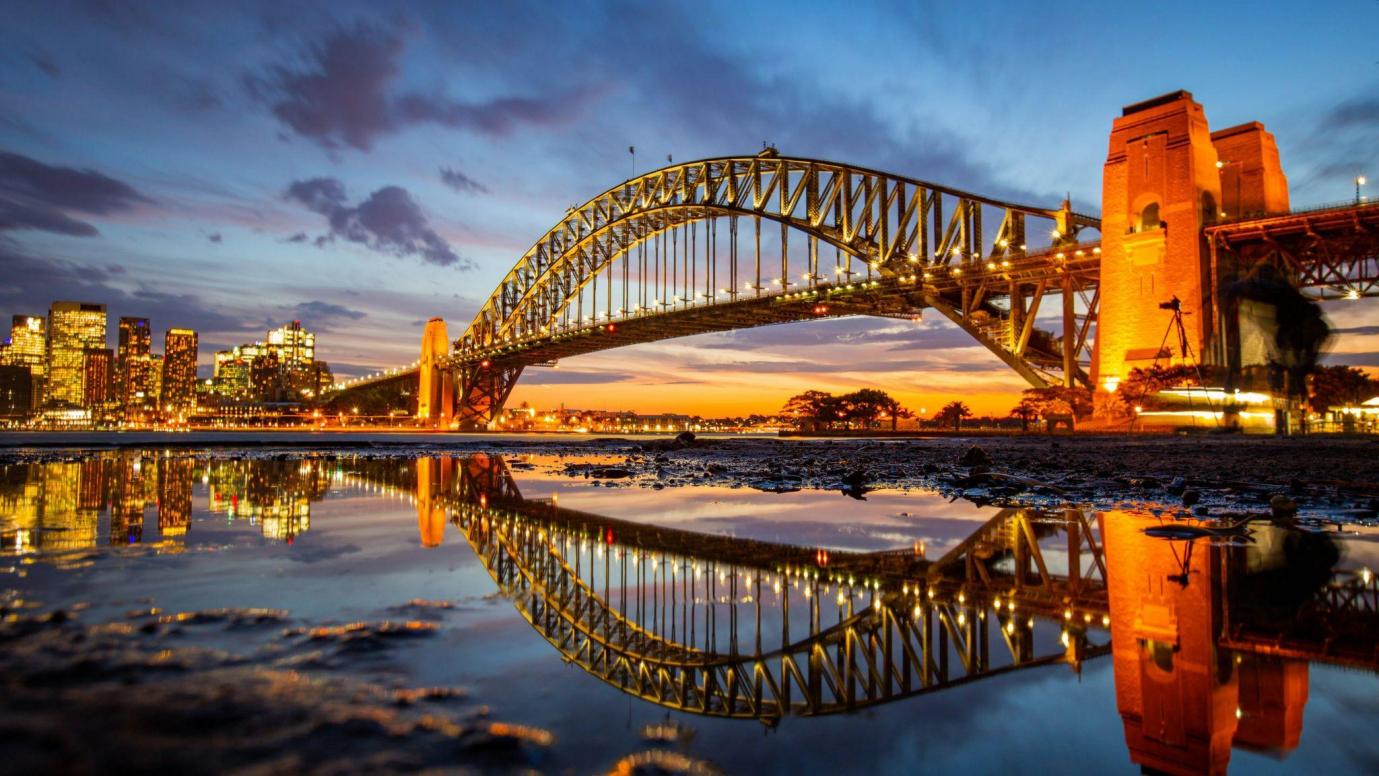
Sydney firmly retains its position as the most expensive city in Australia. The cost is predominantly driven by housing, with shared accommodation and single-bedroom rents estimated to range from AUD $1,950 to $3,467 per month. Students should budget for a total minimum monthly expenditure (excluding tuition) starting at approximately $3,012. While demanding strict financial planning, Sydney offers the highest average wages, balancing the elevated cost of living with ample job and lifestyle opportunities.
| Expense Category | Estimated Weekly Cost (AUD/Week) | Estimated Monthly Cost (AUD/Month) |
|---|---|---|
| Housing (Shared/Student Housing) | $450 – $800 | $1,950 – $3,467 |
| Food & Groceries | $140 – $200 | $607 – $867 |
| Public Transport (Opal Card) | $50 – $70 | $217 – $303 |
| Utilities (Power, Gas, Internet) | $55 – $80 | $238 – $347 |
| Estimated Total (Excl. Tuition) | $695 – $1,150 | $3,012 – $4,984 |
2. Brisbane
Brisbane offers a compelling value proposition, providing a substantial cost saving over its southern counterparts. Housing costs are significantly lower, with typical rents for shared accommodation falling between AUD $1,647 and $2,817 per month. The estimated minimum monthly budget for living expenses begins around $2,535. This lower expenditure, combined with efficient public transport and a sunny climate, makes Brisbane an attractive option for budget-conscious international students.
| Expense Category | Estimated Weekly Cost (AUD/Week) | Estimated Monthly Cost (AUD/Month) |
|---|---|---|
| Housing (Shared/Student Housing) | $380 – $650 | $1,647 – $2,817 |
| Food & Groceries | $120 – $170 | $520 – $737 |
| Public Transport (Go Card) | $40 – $60 | $173 – $260 |
| Utilities (Power, Gas, Internet) | $45 – $70 | $195 – $303 |
| Estimated Total (Excl. Tuition) | $585 – $950 | $2,535 – $4,117 |
3. Adelaide
Generally considered the most affordable mainland capital city, Adelaide provides the lowest average living costs. This affordability is rooted in its housing market, where shared or single-bedroom rents range from AUD $1,430 to $2,383 per month. Students can achieve the most economical budget here, with the minimum estimated monthly expenditure starting at approximately $2,210. Adelaide is ideal for those prioritizing financial stability and lower overhead costs.
| Expense Category | Estimated Weekly Cost (AUD/Week) | Estimated Monthly Cost (AUD/Month) |
|---|---|---|
| Housing (Shared/Student Housing) | $330 – $550 | $1,430 – $2,383 |
| Food & Groceries | $110 – $160 | $477 – $693 |
| Public Transport | $30 – $50 | $130 – $217 |
| Utilities (Power, Gas, Internet) | $40 – $60 | $173 – $260 |
| Estimated Total (Excl. Tuition) | $510 – $820 | $2,210 – $3,553 |
4. Canberra
As the national capital, Canberra’s costs are distinct. While its housing market is substantial, single accommodation rents are mid-range, typically between AUD $1,517 and $2,600 per month. However, overall expenses are high due to centralized infrastructure and higher service costs, contributing to a minimum monthly budget starting around $2,384. Students should note that Canberra requires budgeting for a focused, yet often costly, centralized city lifestyle.
| Expense Category | Estimated Weekly Cost (AUD/Week) | Estimated Monthly Cost (AUD/Month) |
|---|---|---|
| Housing (Shared/Student Housing) | $350 – $600 | $1,517 – $2,600 |
| Food & Groceries | $120 – $170 | $520 – $737 |
| Public Transport | $35 – $55 | $152 – $238 |
| Utilities (Power, Gas, Internet) | $45 – $65 | $195 – $282 |
| Estimated Total (Excl. Tuition) | $550 – $890 | $2,384 – $3,857 |
5. Melbourne
Melbourne remains Australia’s second most expensive city, known for its vibrant culture and large educational sector. Housing is the main expense, with shared accommodation and single-bedroom rents estimated at AUD $1,733 to $3,033 per month. This contributes to a minimum monthly budget starting around $2,708. Though the costs are high, the city’s extensive transport network and high concentration of student services help to manage the demand for a disciplined budget.
| Expense Category | Estimated Weekly Cost (AUD/Week) | Estimated Monthly Cost (AUD/Month) |
|---|---|---|
| Housing (Shared/Student Housing) | $400 – $700 | $1,733 – $3,033 |
| Food & Groceries | $130 – $180 | $563 – $780 |
| Public Transport (Myki Card) | $45 – $65 | $195 – $282 |
| Utilities (Power, Gas, Internet) | $50 – $75 | $217 – $325 |
| Estimated Total (Excl. Tuition) | $625 – $1,020 | $2,708 – $4,420 |
What are the Tax Rates in Australia?
In Australia, your income determines how much tax you must pay. Currently, no tax is due if your annual income is less than A$18,200. If your income is A$180,001 or more, on the other hand, you will pay A$51,667 + 45c for every A$1 over A$180,000.
What is the Average Australian Income?
The latest data from the Australian Bureau of Statistics (ABS) and market forecasts indicate significant shifts in average and median income levels. This section provides an updated overview of what Australians are currently earning.
Overall Average and Median Income
While the “average” salary is often skewed by high earners, the median figure gives a more accurate picture of what a typical employee earns.
| Salary Metric | Latest Data (AUD) | Source & Context |
|---|---|---|
| Average Annual Total Earnings | $108,488 | ABS, May 2025 (Based on Average Weekly Total Earnings for full-time adults). |
| Median Annual Total Earnings | $72,592 | ABS, August 2024 (The typical income level for all employees, less affected by extremes). |
| Median Personal Total Income | $58,216 | ABS, 2022-23 Financial Year (Based on income from all sources). |
Average Annual Salary by Industry
Salaries vary significantly by sector, with Mining and Utilities consistently offering the highest pay to full-time employees.
| Industry | Estimated Average Annual Salary (AUD/Year) | Notes |
|---|---|---|
| Mining | $150,000+ | Remains the highest paying sector, particularly for specialized technical and management roles. |
| Electricity, Gas, Water & Waste Services (Utilities) | $110,000 – $120,000 | Highly stable and high-paying sector. |
| Information Technology | $108,600 | Driven by strong demand for specialized roles like cybersecurity and software engineering. |
| Financial & Insurance Services | $90,400 | Includes roles in banking, insurance, and investment (mid-level estimate). |
| Professional, Scientific & Technical Services | $87,000 – $95,000 | Includes consulting, legal, and specialized scientific fields. |
Average Annual Graduate Salary
The starting salary for Australian university graduates continues to trend upwards, reflecting skill shortages in technical fields.
| ndustry Focus | Average Starting Salary (AUD/Year) | Context |
|---|---|---|
| National Average Graduate Salary | $74,944 | Average starting salary across all major graduate programs for 2024. |
| Top Graduate Programs | $87,500 | Reflects the highest median starting salaries reported by graduates from leading universities (e.g., UNSW, top IT roles). |
| Mining, Oil and Gas | $82,135 | Consistently offers one of the highest entry-level packages. |
| Banking and Financial Services | $80,874 | Strong starting salaries, often with performance bonuses. |
Salaries by State and Territory
The Australian Capital Territory (ACT) typically holds the highest median income due to the concentration of high-paying government and public service jobs.
| State/Territory | Median Personal Total Income (AUD) | Context |
|---|---|---|
| Australian Capital Territory (ACT) | $75,643 | Highest median income in the country (2022-23 ABS data). |
| Western Australia (WA) | $62,207 | Benefiting from the high wages in the state’s resource and mining sectors. |
| New South Wales (NSW) | $58,909 | Close to the national median income. |
| Victoria (VIC) | $57,907 | Reflects the diverse job market in the state, particularly in Melbourne. |
Conclusion
To sum up this article, precisely estimating the cost of living in Australia can be challenging because it depends on location and time. Similar to anywhere else, Australia cost living has three main factors, which are accommodation, transportation, and food expenses. A collaborative database, Expatistan, concludes that living in Australia is more expensive than living in 88% of other nations. Nonetheless, you can compare the Aus cost of living by city to fit your preferences and goals. For a family of four, it will be helpful to do thorough research on the annual cost of living Australia before deciding to move into a certain Australian city.
FAQ
What are the highest-paying jobs in Australia?
The top 6 highest wages in the country in 2024 are:
- Surgeon: A$394,303
- Anesthetist: A$386,065
- Internal Medicine Specialist: A$304,752
- Financial Dealer and Trader: A$275,984
- Psychiatric: A$235,558
- Other medical practitioners: A$222,933
Should I move to Australia?
Moving to Australia will be worth it. Australia is a desirable place for immigrants with its high-quality lifestyle, strong economy, abundant job opportunities, high annual salary, longer-paid vacations, free healthcare services, world-class education resources, and many more.
Is the cost of living in Australia going to decrease?
Yes, the average living cost in Australia will go down after the cost of living crisis happened in 2022 -2023, caused by the supply chain disruptions from the pandemic, international conflicts, etc. In addition, economies’ cycle ensures that the living costs’ stress will ease over time, meaning that the price inflation will stabilize.
What is a good salary in australia
Generally speaking, you can live comfortably on $100,000, with the average salary in Australia being around $98,000 per annum and most salaries around $65,000 per annum. Average salaries vary widely by industry, location and experience level.
Why is Australia so expensive?
The high cost of living in Australia is largely the result of a combination of factors, such as high house prices and rents, high prices for food and everyday items, high transport costs, rising education costs, energy costs, and lifestyle changes.
Is it expensive to live in Australia?
Yes, living in Australia can be expensive, particularly in cities like Sydney and Melbourne. High rent, utility costs, and daily expenses can add up quickly. However, smaller cities or regional areas tend to be more affordable. The cost of living also depends on lifestyle and personal choices.
How much money do you need to live comfortably in Australia?
To live comfortably in Australia, you’ll need around AUD 3,000 to AUD 4,000 per month for a single person. This includes rent, groceries, transport, and utilities. Major cities like Sydney and Melbourne are more expensive, while smaller cities or regional areas might require less. It also depends on lifestyle choices.