

Is Seattle safe? According to the latest data, as of early 26, 2025, overall crime in Seattle — including violent and property crimes — has dropped by approximately 18% compared to the same period in 2024. This indicates a clear trend of improving safety across the city, which is great news for people planning to study, live, or travel here.
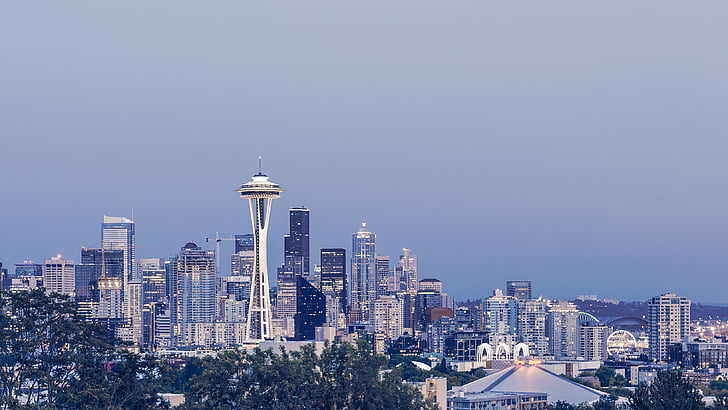
Seattle, known for its iconic Space Needle, vibrant tech scene, and stunning natural beauty, attracts millions of visitors, students, and new residents yearly. But, like any major metropolitan area, safety remains a major concern. Whether you’re planning to move to Seattle, visiting for a short trip, or just curious about the city’s safety conditions, it’s important to understand both the positives and the challenges. How safe is Seattle? What about Seattle’s crime rate? How to stay safe in Seattle? In this blog, we’ll answer these questions among the top concerns of people, exploring various aspects of security issues in Seattle, from crime rates to neighborhoods and tips for staying safe while enjoying everything the city has to offer. Through detailed information, we hope to provide you with the most useful reference for living or travelling in Seattle.
Is Seattle Safe? Potential Threats
Seattle was generally considered a safe city to live in the US by Americans. Compared with other major US cities, like St. Louis, Chicago, and Detroit, Seattle’s violent crime remains lower than Chicago’s but higher than the national averages; property crime is elevated but dropping faster than in its peers.
However, like any large urban area, safety can be a concern. In Seattle, crime rates vary significantly by neighbourhood, and certain parts of the city, especially downtown and areas like Capitol Hill, Pioneer Square, and the International District, have experienced higher rates of property crime, such as theft and vandalism. The rate of violent crime is lower than the national average, but incidents do occur in more densely populated areas.
In recent years, the news media have gone to great lengths to highlight crime and so-called lawlessness in Pacific Northwest cities like Seattle and Portland. Although some notable incidents happened, much of the discussion about Seattle being unsafe has been exaggerated. However, the existing threats like the crime in Seattle, homelessness, and illegal drug use still need to be taken seriously, and it’s important to stay aware of your surroundings, take precautions in certain areas, and follow local safety tips to guarantee your safety.
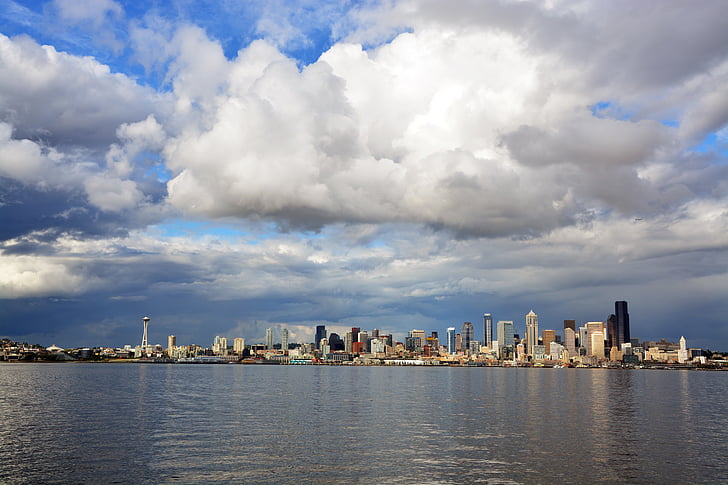
Seattle Crime Rate and Statistics
While Seattle experienced a spike in crime during the pandemic, recent data shows a positive downward trend.
- Heading into 2026, overall crime rates have been steadily declining from their 2022 peaks.
- According to recent comprehensive data, Seattle’s violent crime rate sits at around 775 incidents per 100,000 residents, which remains lower than many major U.S. urban centres.
- Property crimes: Stolen vehicles down 24% (1,821 fewer incidents); firearms recovered up 74% to 1,500.
- The downtown violent crimes are down 14% year over year, and property crimes are down 26%.
The good news is that Seattle’s most-visited neighborhood, Downtown, has seen consecutive years of declining crime rates, driven by high-visibility police patrols and the newly added CARE (Community Assisted Response and Engagement) department, which handles non-emergency situations.
Additionally, Seattle has ramped up investment in surveillance technologies, such as security cameras in high-crime areas, and has enhanced its gun violence reduction strategies. These methods strike a balance between maintaining public safety and addressing the underlying causes of crime in Seattle.
Homelessness and Illegal Drug Use
Another factor that threatens the safety of people in Seattle is homelessness, which continues to rise despite ongoing efforts. Seattle and King County have one of the highest rates of homelessness in the United States, with thousands living without permanent shelter. According to the King County Regional Homelessness Authority’s 2024 Point-in-Time Count, an estimated 16,868 people experienced homelessness in the region, marking a 26% increase from 13,368 in 2022. While tent and RV encampments saw reductions in 2024 (tents down 29% year-over-year, RVs down 43%, with zero in downtown areas), overall numbers are expected to increase further based on early indicators from the 2026 count, which anticipates results in May 2026 showing continued growth.
Alongside the homelessness crisis, Seattle is grappling with a growing issue of illegal drug use, particularly opioids and fentanyl. All public drug use is illegal in Seattle (including recreational marijuana). This crisis is not only a public health concern but also a contributing factor to crime, with drug addiction often leading individuals to engage in petty theft, property crimes, or violent behaviour to support their habits.
Nowadays, the city is piloting a program called Health 99, which dispatches an additional unit to overdose cases to provide follow-up outreach services.
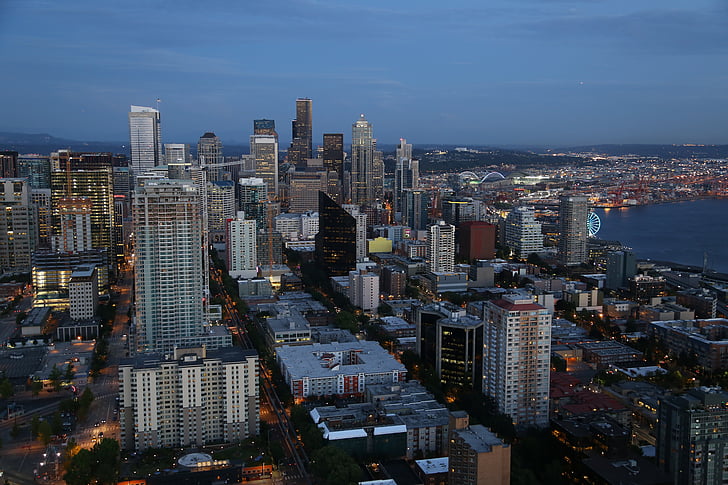
Is Seattle Safe? Specific Things
Is Seattle Safe to Visit for Travelers?
Generally, Seattle is a safe city for tourists when taking normal precautions. The city offers a lot of vibrant culture, stunning landscapes, and unique neighborhoods to explore, but it’s important to be mindful of safety while enjoying what Seattle has to offer.
Property crimes, such as pickpocketing, vehicle break-ins, and thef, are more common. It’s advisable to be cautious with your belongings, especially in busy tourist areas or on public transit. Never leave valuables in plain sight in your car, and use hotel safes when possible.
And always stick to main streets and well-lit areas, especially at night. Avoid walking alone in dark or isolated locations. If you’re unsure about walking late at night, consider using a rideshare service like Uber or Lyft to get around. By staying aware of your surroundings and sticking to well-populated, well-lit areas, you can enjoy everything Seattle has to offer without major concerns.
Is Central Business District Seattle Safe?
This question and the question “Is downtown Seattle safe?” are what people usually ask. Generally, the Central Business District (CBD) of Seattle is safe. Seattle’s downtown core is well-patrolled by police officers, especially in high-traffic areas like Pike Place Market, Westlake Center, and the Seattle Art Museum. Seattle is well-served by public transportation, including buses, the Link Light Rail, and ferries, which are generally safe to use, especially during the day and early evening. You’ll also find designated areas with helpful signage and security personnel.
But there are still some things you need to pay attention to. If you need to walk around at night, try to avoid less crowded or poorly lit areas, particularly those near homeless encampments or abandoned buildings, and always keep your phone, wallet, and valuables secure and avoid displaying expensive items like jewelry or electronics in public.
Is Seattle Tap Water Safe to Drink?
Yes! Seattle’s tap water is safe, clean, and high-quality, so drinking straight from the tap is a good choice. The water supply is regularly tested to ensure it meets stringent safety standards, and it is widely regarded as one of the best in the country. If you’re visiting or living in Seattle, feel confident drinking tap water, and consider using a refillable bottle to reduce plastic waste!
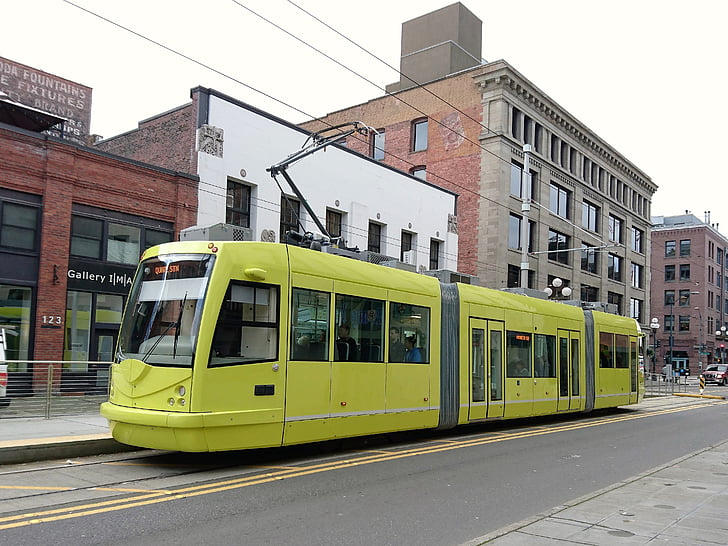
Safest Neighborhoods in Seattle
Danger and issues can happen across the entire city, but if you stay in some of the safest areas in Seattle, the risk can be reduced. If you want to stay safe, check out the safest neighbourhoods list in Seattle, the following areas remain low-crime based on SPD trends.
1. North Beach
Nestled close to Western Washington University at North Seattle College and Seattle Pacific University, North Beach is one of the safest neighborhoods in Seattle, WA. Known for its safety and breathtaking blue ocean views, this area offers an ideal living experience, with an array of markets, shopping malls, and delightful local restaurants.
2. Loyal Heights
Loyal Heights is considered one of the safest neighborhoods in Seattle, Washington. It is near Seattle Pacific University and just a few blocks from Shilshole Bay. Shilshole Bay boasts attractions such as the Seattle Sailing Club, the Seattle Corinthian Yacht Club, and Fish Finders Private Charters, which offer a variety of recreational activities.
3. Madrona
Madrona, situated east of Downtown Seattle along the shores of Lake Washington, is among the safest parts of Seattle and boasts an inviting and scenic locale. As one of Seattle’s most racially diverse locales, the university within Madrona has flourished, such as Seattle University, the University of Washington, and Golden Gate University.
4. Queen Anne
Queen Anne North is a vibrant, secure neighborhood along the picturesque Lake Washington Canal. Its proximity to the lively city center and its short distance from downtown Seattle, Uptown, and Belltown make it an ideal location for students. With Seattle Pacific University nearby, the area fosters a strong sense of community.
You can look through the 5 safest neighborhoods in Seattle in 2025 to get more information.
Safety Tips to Keep in Mind during Your Stay in Seattle
Staying safe in Seattle is straightforward with some common-sense precautions and awareness. There are some areas in Seattle where extra vigilance is advised, but overall, it’s a safe and enjoyable place for both residents and visitors. Here is a “Seattle safety map” to provide practical tips to help ensure your safety:
- Stick to busy neighborhoods like Downtown, Capitol Hill, and Ballard, as well as well-populated main streets and tourist districts, especially during the evening.
- Keep an eye on your belongings, especially in crowded places like Pike Place Market, public transportation, and tourist hotspots.
- Do not carry a large amount of cash.
- Do not leave valuables visible in your vehicle, even for a short period.
- Avoid walking alone at night, particularly in areas with nightlife. You can opt for public transit, ride-shares, or taxis.
- Do not overtly display expensive items like electronics, cameras, or jewelry when out in public.
- Research your destination and route beforehand. If exploring less familiar areas, consult maps or ask locals for advice.
- Choose safe neighborhoods.
- Book hotel reservations using only first, middle initial, and last names, particularly for women traveling alone, and keep room numbers private.
- Report the offence to the police department if someone obstructs or intimidates you and aggressively begs for money.
How to Handle Emergency
- Dial 911: For emergencies (medical, fire, police). 911 gets you through to an ambulance, the Seattle police department, and the fire department.
- Call (206) 625-5011: For less urgent matters.
- Seattle Police Department (SPD): Officers are approachable and often patrol busy areas, so don’t hesitate to ask for assistance.
Conclusion
At this point, the question of “Is Seattle safe?” becomes clear. While Seattle, like any major city, has areas where extra caution is needed, it is generally a safe and welcoming destination for both residents and visitors. In recent years, the government has made great efforts to guarantee the security of the city.
If you’re considering making Seattle your destination, there are plenty of great housing options in the city’s most desirable neighborhoods. Check uhomes.com to find more information, like the best neighborhoods in Seattle equipped with security systems and perfect infrastructure. We also provide detailed information for you, including the best universities in Seattle and the cost of living in Seattle. Hope you can enjoy the safety and convenience of living in one of the Pacific Northwest’s most dynamic cities!
FAQs
Downtown Seattle is generally more dangerous at night than in the daytime, and it also depends on the area. Some areas, like Pike/Pine, have higher crime rates at night. Stay aware of your surroundings and take public transit after dark.
Yes, walking around Downtown Seattle is generally safe, especially during daylight hours and early evenings. Popular areas like Pike Place Market, the waterfront, and the retail core are heavily foot-trafficked and well-patrolled by the Seattle Police Department and Downtown Ambassadors. Recent initiatives, including the deployment of the CARE (Community Assisted Response and Engagement) team, have contributed to consecutive years of declining crime rates in the city center.
However, like any major urban center, it is important to remain vigilant. Property crimes such as pickpocketing or vehicle break-ins can occur. It is highly recommended to stay alert, avoid walking alone late at night in unlit or deserted areas, and stick to well-populated streets.
Seattle is considered relatively safe for solo female travelers, but as with any destination, it’s important to take precautions. Avoid walking alone at night, be aware of your surroundings, and trust your instincts if you feel the situation is unsafe.
Homelessness is a big issue in Seattle. Seattle has one of the highest rates of homelessness in the United States, with thousands of people living without permanent shelter across the city. Individuals should avoid confrontations and refrain from giving money directly.
New York is often considered safer overall in terms of violent crime rates. However, Seattle may be safer for those who are more concerned about property crimes and who are avoiding areas with high homelessness or drug use. Always stay aware of your surroundings and avoid risky neighborhoods, particularly late at night.
Seattle is generally safer than Chicago in terms of violent crime (homicides, shootings, etc.), but it may have more property crime (like car thefts and burglaries) than Chicago, especially in certain areas downtown. If you’re a tourist or new to the area, focusing on well-known, heavily trafficked neighborhoods in either city should minimize risks.
While Seattle is largely a safe city, there are a few specific areas where crime rates, particularly property crime and issues related to homelessness or drug use, are noticeably higher. If you are new to the city or a student looking for accommodation, you may want to exercise extra caution or avoid staying in the following areas:
Specific Blocks in Downtown: While Downtown is generally safe, the corridor along 3rd Avenue (specifically between Pike and Pine Streets) has historically struggled with higher concentrations of open-air drug markets and property crime.
Pioneer Square: This historic district is beautiful during the day and hosts many events, but it has a high concentration of nightlife and social services, making it less predictable and potentially uncomfortable to navigate alone late at night.
Parts of the Chinatown-International District (CID): The CID is culturally rich and offers amazing dining, but certain sections, particularly near the major transit hubs (like 12th Ave S and S Jackson St), have seen persistent issues with public safety and property crime.
SoDo (South of Downtown): Primarily an industrial area with some entertainment venues, SoDo lacks residential foot traffic at night, which can make it feel desolate and less secure after business hours.