


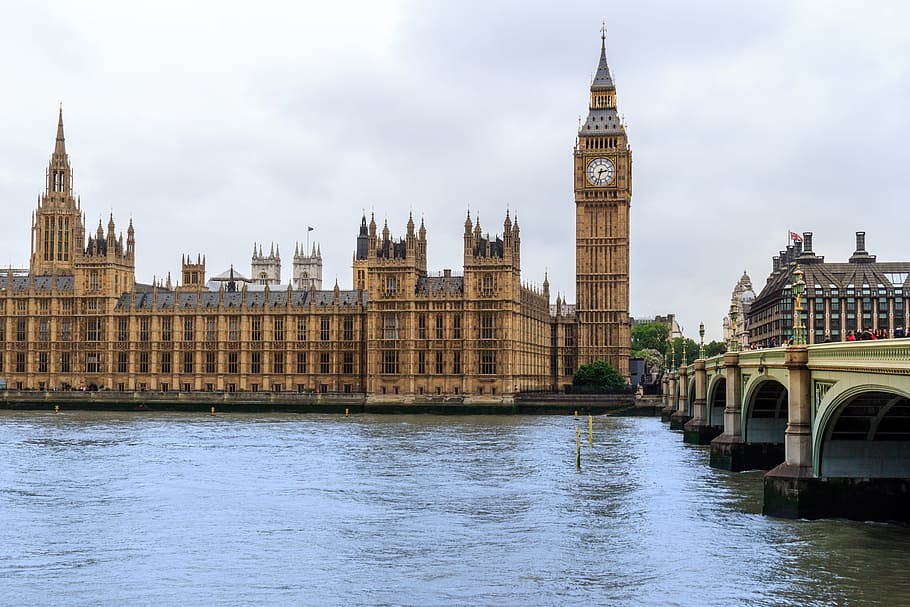
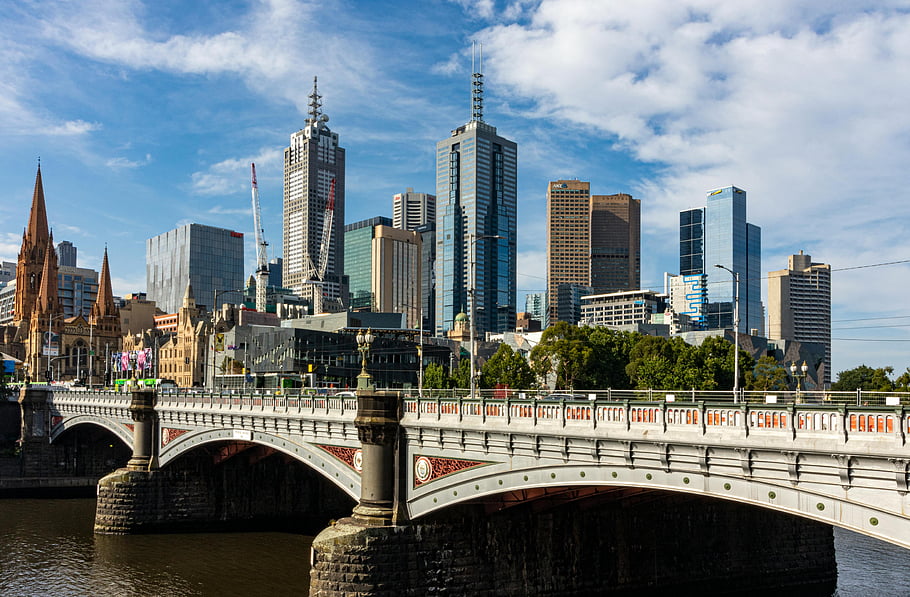
Both London and Melbourne are two cultural heavyweights, educational hubs, and dream destinations for international students. But they offer vastly different lifestyles. London, the historic capital of the UK, is a global metropolis known for its strong industries, deep history, and rich career opportunities. On the other hand, Melbourne, Australia’s “Cultural Capital,” consistently ranks as one of the world’s most livable cities, famous for its coffee culture, trams, and relaxing vibe. Whether you are prioritising your budget, the weather, or your career, this guide compares Melbourne vs London head-to-head to help you decide.
An Overview of Melbourne vs London
Deciding between London and Melbourne means choosing between two vastly different lifestyles. To help you visualize the differences, we’ve broken down the key contrasts in city vibe, career outlook, and daily reality. Here is a quick side-by-side comparison at a glance.
| Feature | London | Melbourne |
|---|---|---|
| City Personality | The Global Hustle. Fast-paced, historic, and intense. A city for the ambitious. | The Lifestyle Haven. Relaxed, modern, and artistic. A city for those who value balance. |
| Job Market | High Ceiling. Competitive but limitless potential in Finance & Media. “Hustle culture” dominates. | High Floor. World’s highest minimum wages and stable graduate jobs. Work-life balance is respected. |
| Education Vibe | Prestige & Network. Home to elite global brands (Imperial, UCL). Focused on academic rigor. | Experience & Support. Top-tier education (UniMelb) mixed with a friendly, safe campus environment. |
| Safety Reality | Street Smarts Needed. Generally safe, but phone snatching and pickpocketing are common issues. | Relaxed & Secure. Consistently ranks as one of the world’s safest cities. Walking at night is common. |
| Getting Around | The Tube. Fast, extensive, but expensive. You don’t need a car. | Trams & Cars. World’s largest tram network (free in CBD). Cars are common for suburbs. |
| Cost Reality | Rent Heavy. Rent and transport will eat up most of your budget. | Grocery Heavy. Supermarkets are pricey, but dining out and rent offer better value. |
Melbourne vs London: Population and Size
When it comes to scale, London is the heavyweight champion, but Melbourne is rapidly catching up in terms of sprawl.
Population in London and Melbourne
- London: With a population of nearly 9 million people, London is dense, busy, and always “on.” The city packs a lot of people into a relatively small area, meaning tubes are crowded, queues are long, and the energy is intense.
- Melbourne: Melbourne has a population of about 5 million. While it’s the second-largest city in Australia (and on track to become the biggest), it feels much more spacious. The population density is significantly lower than London’s, giving you more “breathing room” in the suburbs.
The City Size of London and Melbourne
- London: The city is sprawling but centralized. Most of the action happens in Zones 1 and 2. However, getting from one side of London to the other can take hours due to traffic and the sheer number of stops on the Underground.
- Melbourne: Melbourne is geographically huge—one of the largest cities in the world by area. It spreads outwards into vast suburbs. While the CBD (Central Business District) is compact and walkable with its famous laneways, you will likely find yourself living in a spread-out suburb that requires a car or a tram ride to navigate.
Cost of Living of Melbourne vs London
This is the biggest factor for most international students because it directly influences the answer of a key question: How much financial support do you need to live in the city to continue your study? When you compare London vs Melbourne’s cost of living, you can find some similarities in daily spending but distinct differences in fixed costs. Firstly, housing rent is the largest differentiator in the cost of living between the two cities.
| Category | London (Cost £/Month) | Melbourne (Cost A$/Month) |
|---|---|---|
| Housing | £750 – £1,200 | $1,300 – $2,200 |
| Food (Dining out) | £150 – £270 | $200 – $400 |
| Transportation | £55 – £60 | $90 – $160 |
| Groceries | £150 – £220 | $300 – $500 |
| Entertainment & Leisure | £50 – £100 | $100 – $250 |
| Health Insurance | £55 – £105 | $45 – $60 (OSHC avg.) |
| Total | £1,400 – £2,200 | $2,500 – $3,600 |
When talking about the cost of living in London, the housing cost cannot be ignored, which is significantly high, especially for apartments in the downtown area (Zone 1 & 2), where the price is consistently higher than £2,100 per month. House rent is also a major expenditure in the cost of living in Melbourne. While the house rent in Melbourne has sharply increased post-pandemic, for comparable apartments close to the CBD or Southbank, the rent averages around A$2,400 (approx. £1,250), making it vastly more affordable for students and professionals seeking personal space.
Besides housing costs, transportation costs are considered the second largest fixed expense in both London and Melbourne. The public transport system in London is world-class but comes at a premium; a monthly travel card for Zones 1-2 alone costs £171.70. In contrast, the tram and train system in Melbourne is more wallet-friendly, with a monthly Myki Pass costing approximately A$180 (approx. £93). If you live in CBD, you will enjoy the convenience from free tram zone. The difference between the two cities in terms of food and daily life is slight; while London supermarkets can be surprisingly cheap, dining out in Melbourne often provides better value for money.
Detailed Housing Costs in Melbourne vs London
| Accommodation Type | London (Avg. Cost) | Melbourne (Avg. Cost) |
|---|---|---|
| En-suite (Private Bath) | £300 – £550 / week | A420−A550 / week (~£220 – £290) |
| Studio (Private Kitchen) | £450 – £700+ / week | A500−A650 / week (~£260 – £340) |
| Shared Room / House | £200 – £350 / week | A250−A380 / week (~£130 – £200) |
| Luxury / Prime Location | £800+ / week (Zone 1) | A$700+ / week (CBD High-rise) |
When you compare Melbourne vs London’s housing costs, you can find some similarities in market trends but drastic differences in value for money.
Firstly, rent is the undeniable heavyweight in the cost of living for both cities. The housing cost of student accommodation in London is extremely high, especially for those in Zone 1 and 2, where the price is often higher than £1,600 (approx. A$3,100) per month for a standard room. While the house rent of student apartment in Melbourne is significantly more manageable, for similar high-quality student accommodation in Melbourne, such as student apartments close to the University of Melbourne or RMIT in the CBD, the average rent sits around A$1,800 – A$2,200 per month, which is nearly 30-40% cheaper than its British counterpart.
Besides the base rent, the “space-for-price” ratio is another major differentiator between the two cities. In London, the conditions of different zones in London are different. Budget-friendly options often mean sacrificing privacy or commuting from Zones 3 or 4, with many students paying £250-£300 per week just for a room in a shared house with older facilities. In contrast, the market on uhomes.com London shows that while central studios are pricey, they offer unparalleled connectivity. On the other hand, in Melbourne, that same budget (approx. A$500-A$600/week) often secures you a premium En-suite or Studio with gym access and a swimming pool right in the city center, making the “student living experience” feel much more luxurious for the same financial outlay.
Weathers in Melbourne vs London
If you talk to locals in either city, the weather is the primary topic of conversation. But you will hear completely different complaints.
London’s climate is the definition of a temperate oceanic pattern, often characterized by its lack of extremes but persistent cloud cover. The city is famous for its “grey” reputation; while it doesn’t rain as heavily as people think, it drizzles frequently, with overcast skies dominating much of the year. Winters are chilly and damp but rarely freezing, with temperatures averaging between 5°C and 9°C, while summers are generally mild and pleasant, sitting comfortably around 23°C, though occasional heatwaves are becoming more common.
In contrast, Melbourne is legendary for its volatility, often described by locals as experiencing “four seasons in one day”. While also a temperate climate, it experiences much sharper extremes than London: summers are significantly hotter and drier, with averages around 26°C and dry heat spikes often exceeding 35°C. Winters are cool but generally milder than London’s, averaging 6°C to 14°C. Interestingly, while Melbourne technically receives slightly more annual rainfall (approx. 650mm) than London (approx. 600mm), it tends to fall in heavy, short bursts followed by clear, sunny skies.
Melbourne vs London: Public Transportation
London: The Underground Giant
London’s public transport system is one of the most comprehensive in the world. Owning a car here is rarely necessary and often a liability due to the Congestion Charge.
The Underground: The lifeline of the city. It connects virtually every corner of Greater London. It is fast and frequent (every 2–3 minutes), but can be hot, loud, and incredibly crowded during rush hour.
Buses: The extensive red bus network is the standard mode of transport for many locals. It is cheaper than the Tube and covers the entire city, though journeys can be slower due to traffic.
Cost & Payment: London uses Oyster Cards or Contactless bank cards. Fares are Zone-based; the further you travel, the more you pay. It is known for being expensive, with a monthly pass often exceeding £170.
Melbourne: The Tram Capital
Melbourne takes a different approach, boasting the world’s largest tram network. The vibe here is slower, scenic, and significantly more affordable.
- Trams & The Free Zone: Trams are the heart of the city. The designated Free Tram Zone in the CBD is a huge bonus for students, allowing free travel to major campuses and shopping centers.
- Trains (Metro): The train network connects the suburbs to the CBD (Flinders Street Station). However, the system is radial, meaning most lines go in and out of the city center, making cross-suburb travel difficult without a car.
- Cost & Payment: Melbourne uses the Myki card. Unlike London, fares are generally capped (Zone 1+2), meaning you rarely pay more than the daily maximum (approx. A$10.60), making it much cheaper for long-distance commuters.
Study in Melbourne vs London
London
Studying in London is an intense, career-defining experience. The city is home to a staggering concentration of the world’s best universities, including Imperial College London, University College London, King’s College London, The London School of Economics and Political Science, etc.making it a magnet for ambitious students who want to be at the center of the global economy. While the academic pressure is high and the cost of living can be steep, the trade-off is unparalleled access to internships and global career opportunities right on your doorstep.
Melbourne
Melbourne is frequently voted as Australia’s best student city. It offers a more balanced, community-focused lifestyle compared to London’s frenetic pace. Institutions like the University of Melbourne, RMIT and Monash University are integrated into a city that celebrates art, coffee culture, and diversity, making it incredibly easy for international students to feel at home. The vibe here is more relaxed; students often enjoy a traditional “campus life” with plenty of green spaces, active student clubs, and weekends spent exploring the nearby beaches or laneways.
| City | University | Global Rank QS 2026 | Key Strengths & Disciplines |
|---|---|---|---|
| London | Imperial College London | #2 | Engineering, Science, Medicine, Business |
| University College London (UCL) | #9 | Architecture, Education, Law, Psychology | |
| King’s College London (KCL) | #31 | Nursing, Dentistry, War Studies, Humanities | |
| LSE (London School of Economics) | #56* | Economics, Politics, Sociology, Finance | |
| Melbourne | University of Melbourne | #19 | Law, Medicine, Education, Arts/Humanities |
| Monash University | #36 | Pharmacy (#2 in World), Engineering, Nursing | |
| RMIT University | #125 | Art & Design (#1 in Aus), Architecture, Fashion |
History and Culture in London vs Melbourne
London
London is a city where history is etched into every street corner. As a global cultural capital with thousands of years of heritage, it offers an immersive experience that few cities can match. It is home to iconic landmarks like Big Ben, the Tower of London, and Buckingham Palace. Culturally, London is unbeatable: it boasts the West End (rivaling Broadway), and offers free access to world-class institutions like the British Museum, the Tate Modern, and the National Gallery. It is a fast-paced melting pot where ancient tradition meets cutting-edge global trends.
Melbourne
Melbourne is widely celebrated as the “Cultural Capital of Australia.” Its charm lies in its unique blend of Victorian-era architecture and a modern, edgy vibe. Melbourne is world-famous for its coffee culture, thriving brunch scene, and hidden laneways filled with ever-changing street art (like Hosier Lane). It is also a UNESCO City of Literature and the undisputed sporting capital of Australia, hosting major global events like the Australian Open and the Formula 1 Grand Prix. The culture here is less about sightseeing and more about lifestyle—relaxed, artistic, and incredibly diverse.
London vs Melbourne: Job Opportunities
London offers unparalleled volume but demands resilience. As the global headquarters for finance, fintech, and media, it promises a “high ceiling” career path, with average graduate starting salaries ranging from £30,000 to £35,000. Data indicates a strong 87.6% employment rate for graduates in high-skilled roles, yet the entry-level market is fiercely competitive. Success here often means navigating intense selection processes to secure roles in top-tier firms, but for those who break through, the long-term payoff in career progression and networking is virtually limitless.
Melbourne offers a “high floor” for graduates, prioritising stability and work-life balance. It is statistically an exceptional choice for postgraduates; according to recent QILT data, the full-time employment rate for postgraduate coursework graduates stands at an impressive 88.1%. The University of Melbourne further boosts this reputation, ranking #8 globally for Graduate Employability (QS Rankings), surpassing many US Ivy League schools. With starting salaries averaging A$65,000 – A$75,000 and one of the world’s highest minimum wages supporting casual work during studies, Melbourne provides a secure and lucrative foundation for your career.
Melbourne vs London: Which One is Safer?
London: Vigilance Required While London is safe for a city of its size, it generally ranks lower than Australian cities in global safety indices, demanding a higher level of “street smarts.” The primary concern for students is opportunistic crime rather than violence. According to recent Met Police data, a mobile phone is reported stolen in London roughly every six minutes, often by moped gangs or pickpockets in tourist hotspots. Living here means developing a habit of vigilance—keeping valuables hidden and staying alert at tube stations is non-negotiable.
Melbourne: Relaxed and Secure Melbourne consistently outperforms London in safety rankings, frequently placing in the top tier of the Economist Intelligence Unit’s Safe Cities Index. The city offers a palpable sense of security; violent crime is low, and most students feel comfortable walking in the CBD or taking trams alone after dark. While petty theft still exists, the environment is significantly less aggressive, allowing for a more relaxed lifestyle where you can let your guard down without the constant anxiety of watching your pockets.
Conclusion
Ultimately, the choice between London and Melbourne is a trade-off between career intensity and lifestyle quality. London is the ideal destination for ambitious students seeking the fast-paced environment of a global financial hub and access to elite networks. In contrast, Melbourne offers a holistic study experience, blending academic excellence with a safe, creative, and relaxed atmosphere. If you want to challenge yourself in the world’s toughest arena, choose London; if you prefer a thriving community where well-being and education go hand in hand, Melbourne is the place to be.
FAQs
It depends on your goals. London is better if you want access to the world’s most prestigious universities (Imperial, UCL) and a fast-paced global network. Melbourne, however, is often voted Australia’s “Best Student City” because it offers a friendlier, safer, and more balanced lifestyle with excellent campus environments.
Generally, London is more expensive, primarily due to extremely high rent and transport costs. While Melbourne has high grocery prices, its rent and dining out costs are usually lower than in London, making it slightly more affordable overall for students.
Melbourne generally has better weather with more sunshine and warmer summers, though it is famous for having “four seasons in one day” (unpredictable changes). London is known for being grey, drizzly, and cooler year-round, with mild but short summers.
London offers a “high ceiling,” meaning senior roles in finance, tech, and law can pay significantly more than in Melbourne. However, Melbourne has a “high floor” with one of the world’s highest minimum wages, making it much better for students working part-time or entry-level jobs.
Melbourne is statistically safer. It consistently ranks as one of the safest cities globally, where walking alone at night is common. London is a safe major capital but requires more vigilance against petty crimes like phone snatching and pickpocketing.
London is much bigger. It is a global megacity with a population of nearly 9 million people and a massive, dense underground network. Melbourne is smaller and more spread out, with a population of around 5 million, feeling more spacious and relaxed.