


Home for Global Students
4.9/5
GET APP

What Is Single-Room Occupancy (SRO)? A Plain-Language Guide for Everyday Readers

what-is-single-room-occupancy

If you’ve ever looked into urban housing policy or passed a downtown residential hotel, you’ve likely wondered what is single room occupancy and why this underdiscussed housing type matters to cities.

Single Room Occupancy (SRO) is an affordable, minimalist form of multi-tenant residential housing that comprises individual lockable private rooms for single eligible residents, with all occupants sharing building-wide communal facilities such as kitchens, bathrooms and public areas.

Stick around to explore this critical urban housing solution in depth.

single-room-occupancy

What Is Single-Room Occupancy?

We will nail down the exact meaning of single-room occupancy next, with HUD’s official regulation as the main reference for detailed explanation.

Single-room occupancy (SRO) is an affordable long-term housing type that provides private lockable rooms in shared buildings, primarily for low-income residents in need of stable accommodation. According to the official definition from the U.S. Department of Housing and Urban Development (HUD), each tenant gets an individual room in a multi-unit building, with shared kitchens and bathrooms rather than full private facilities. Also called single resident occupancy, it is built as permanent residential housing rather than short-term tourist accommodation, even with flexible lease terms.

How SROs Differ From Other Housing Type?

Single-room occupancy units fill a one-of-a-kind niche in the housing market, and they don’t fit cleanly into most people’s idea of standard rental options.

Set next to a traditional studio or one-bedroom apartment, SROs are noticeably smaller and far more affordable. You won’t find a full private kitchen or bathroom inside an SRO unit, just a private room for sleeping and storage, with shared facilities down the hall.

They’re also nothing like budget hotels or extended-stay motels. Those are built for short, temporary stays, with nightly rates and daily housekeeping built into the cost. SROs are priced for people putting down roots, with weekly or monthly rates that cost a fraction of even the cheapest long-stay motel.

And unlike casual roommate shares or private sublets arranged between individuals, SROs come with formal lease agreements, individually lockable rooms, and on-site building management. Tenants have clear, established rights under standard housing regulations, rather than relying on informal personal agreements.


Inside Single-Room Occupancy Homes

SRO properties follow a practical, space-efficient design that balances personal privacy with shared daily amenities. This section walks through the standard layout and furnishings of a typical unit, details shared facilities and common spaces across the building, and covers the flexible living features of SRO residency.

single-room-occupancy
shared-facilities
shared-facilities

What a Typical SRO Unit Looks Like?

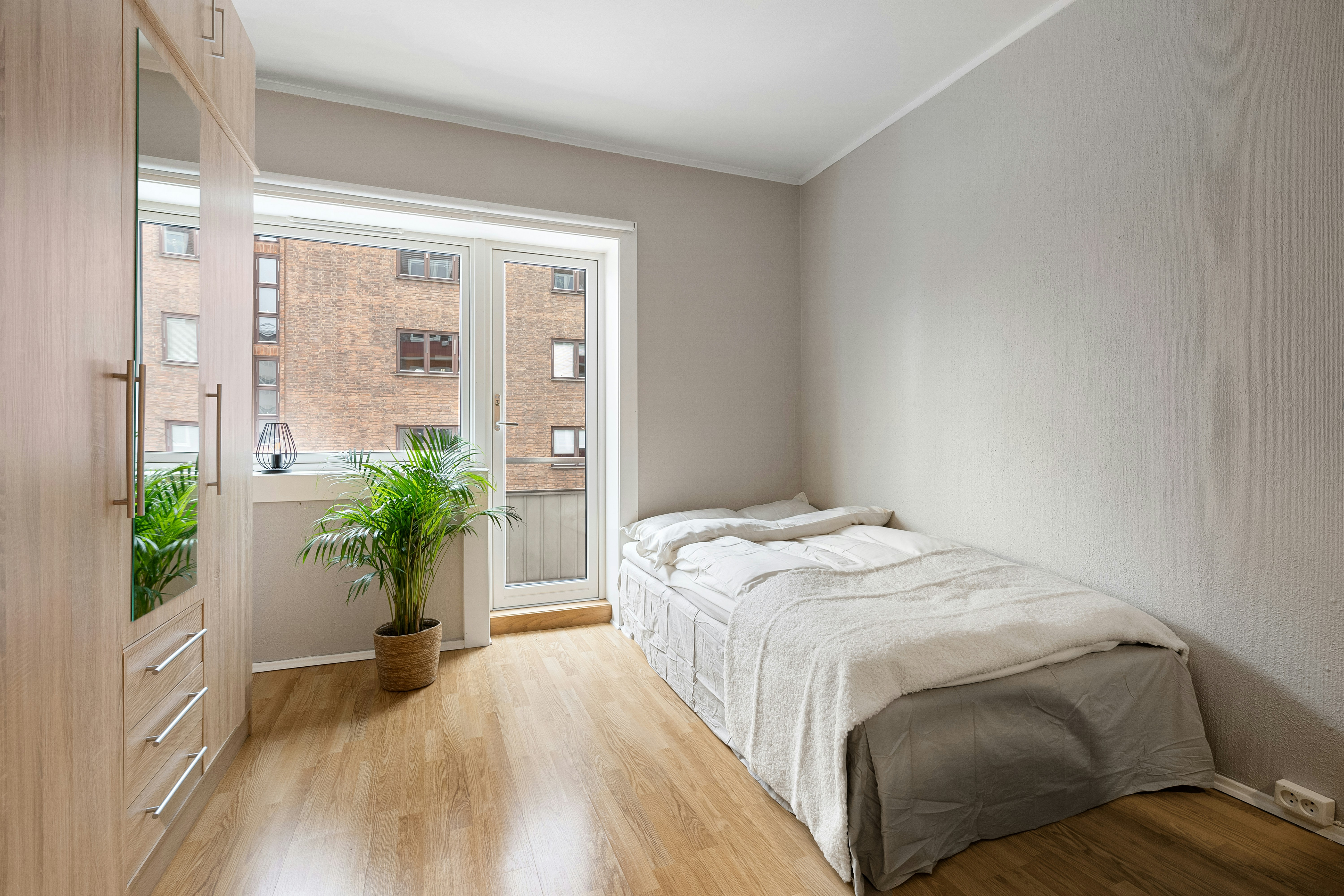
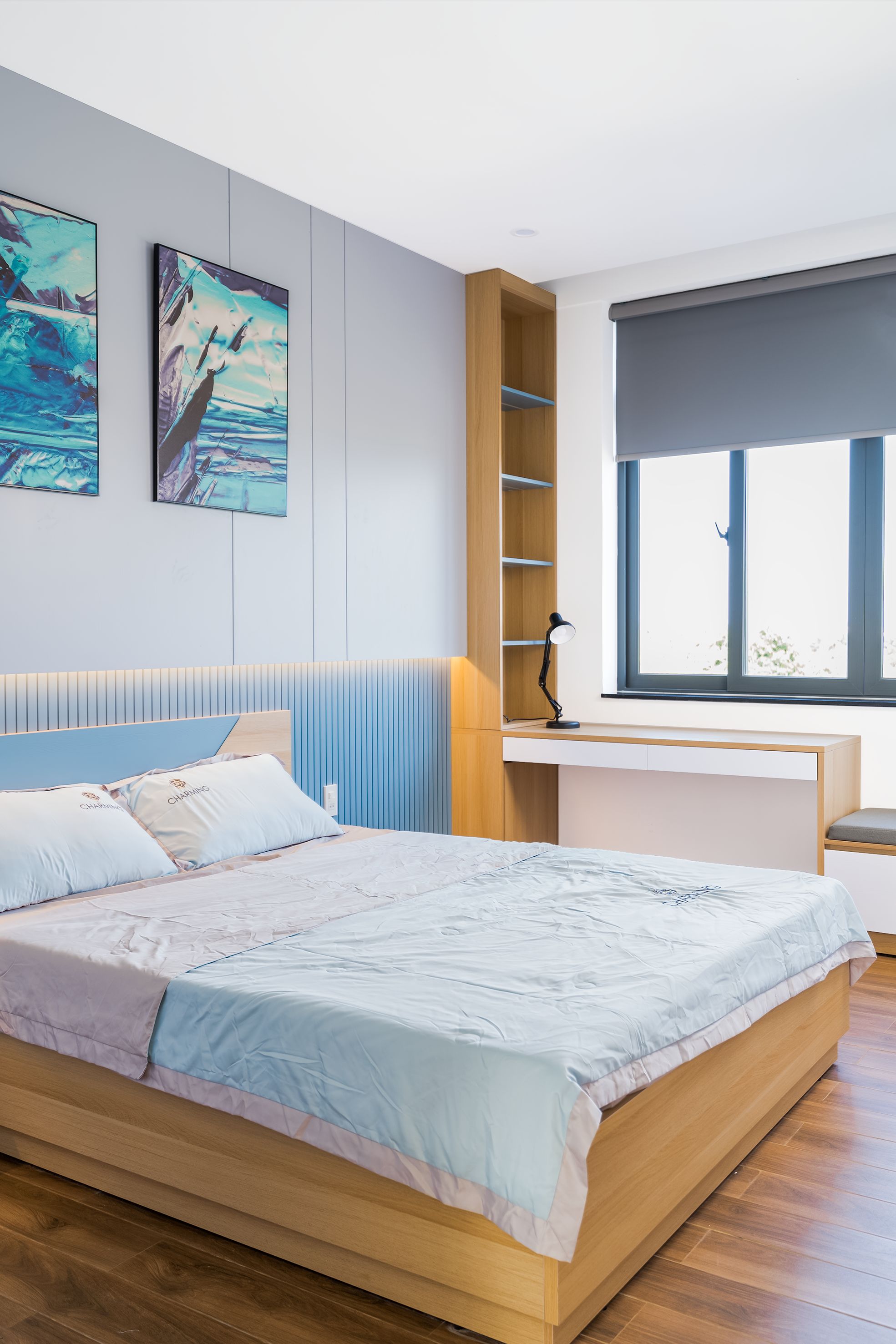
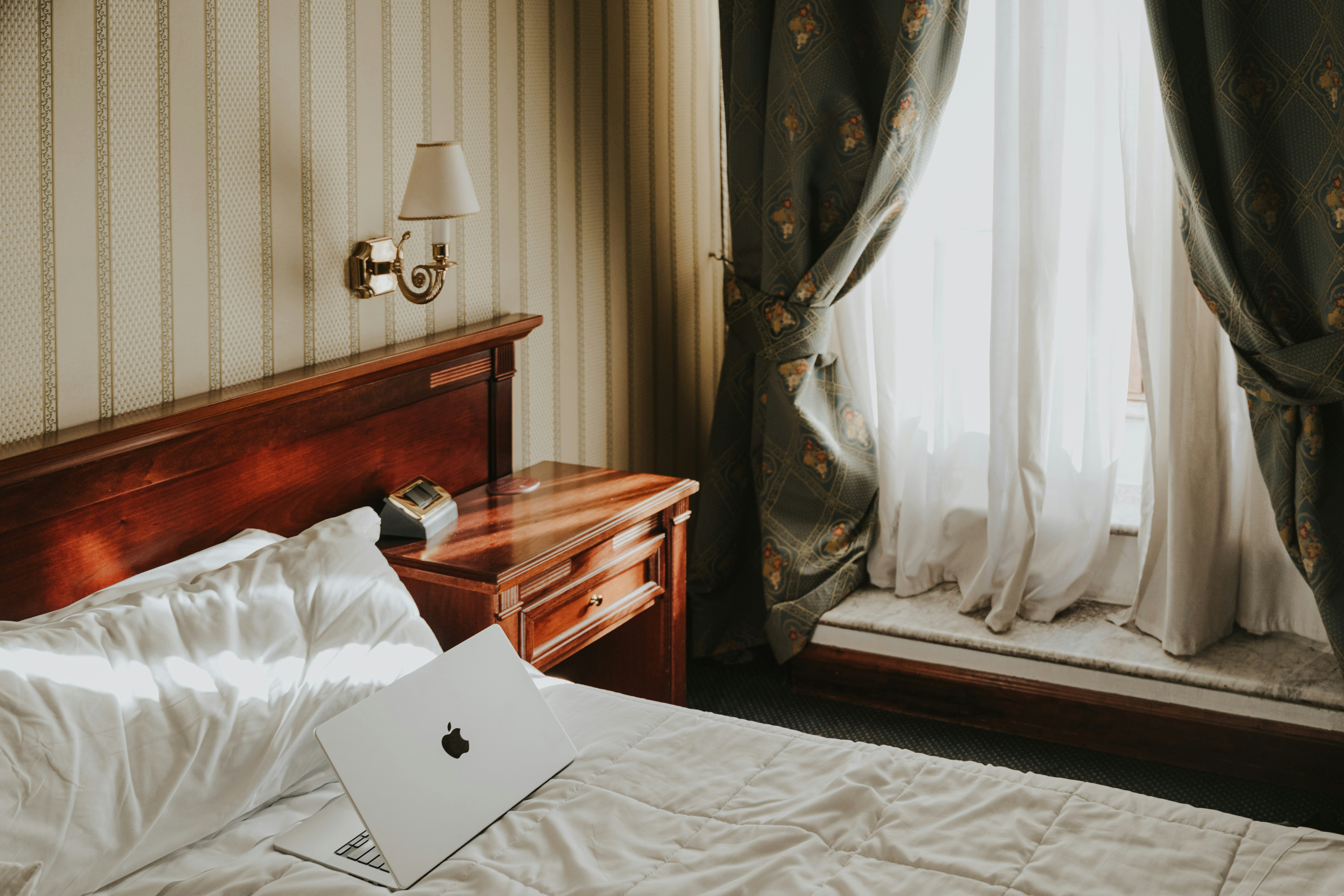
Walk into a standard single-room occupancy unit, and you’ll find a compact, no-frills space built for basic privacy and security.

single room occupancy unit sizes range from 70 to 350 square feet, with a federal minimum of 110 square feet plus a small storage closet. Furnishings stick to the essentials: a bed, a small dresser, and often a mini-fridge for personal items. Many units also have an in-room sink, so residents can handle basic hygiene without walking to a shared bathroom.

A lockable door is universal across all SROs, and that simple guarantee of personal safety sets them far apart from crowded shelters or informal shared housing.

Shared Facilities and Common Spaces

Shared facilities are what make single-room occupancy housing fully functional for daily life.

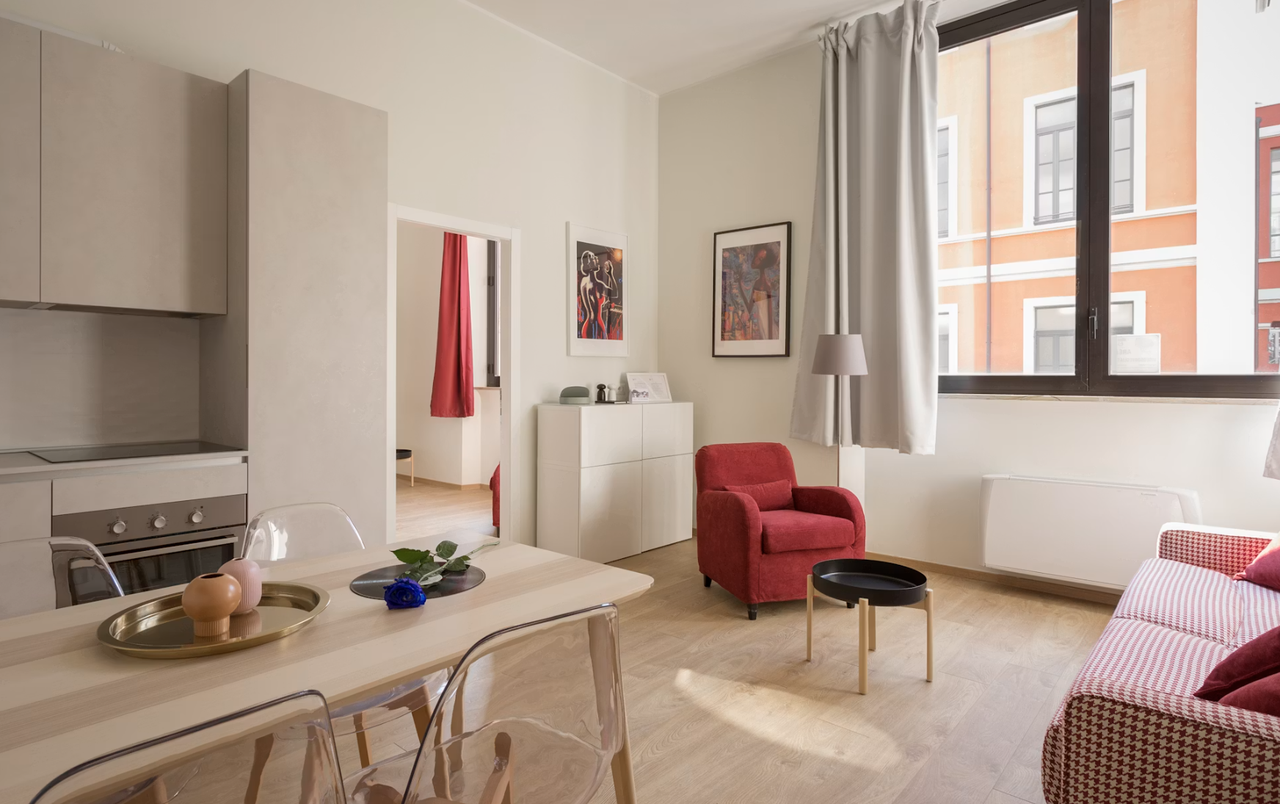
Every floor has shared hall bathrooms: one per six residents per federal guidelines and full community kitchens for cooking. Most buildings also add a shared lounge, on-site laundry, and a small outdoor spot where residents can get fresh air.

Quality varies drastically by property. Newer or renovated SROs have clean, up-to-date facilities and on-site staff, while older, underfunded buildings often struggle with outdated plumbing, slow repairs, and worn-down common spaces.

Flexibility of SRO Living

For people who can’t lock into a traditional apartment lease, the flexibility of single resident occupancy living is a huge draw.

Most standard apartments tie you to a 12-month contract, but SROs typically offer daily, weekly, or monthly rental terms. This works out really well for folks with irregular income, seasonal jobs, or temporary work arrangements that don’t fit a fixed long-term lease.

Getting approved is also far less of a hurdle. There’s no steep security deposit to front, no strict credit check to pass, and no requirement to show years of steady employment history. For a lot of people who get shut out of standard rental options, SROs are the only realistic path to stable housing in expensive urban areas.

Who Lives in Single Resident Occupancy Units?

SRO residents are often surrounded by unfair stereotypes that bear little resemblance to reality. We’ll first clarify the real demographic profile of typical SRO tenants, then break down the key practical benefits that make this housing model a compelling choice for people on limited budgets.

Real Tenant Profile

Most SRO tenants are long-time local residents with regular, predictable routines, not transients passing through the city. The core resident groups fall into four categories:
 
  • Low-wage service staff working in downtown areas
  • Elderly residents relying on fixed pensions
  • Adults living with disabilities
  • Individuals transitioning out of homelessness toward steady housing
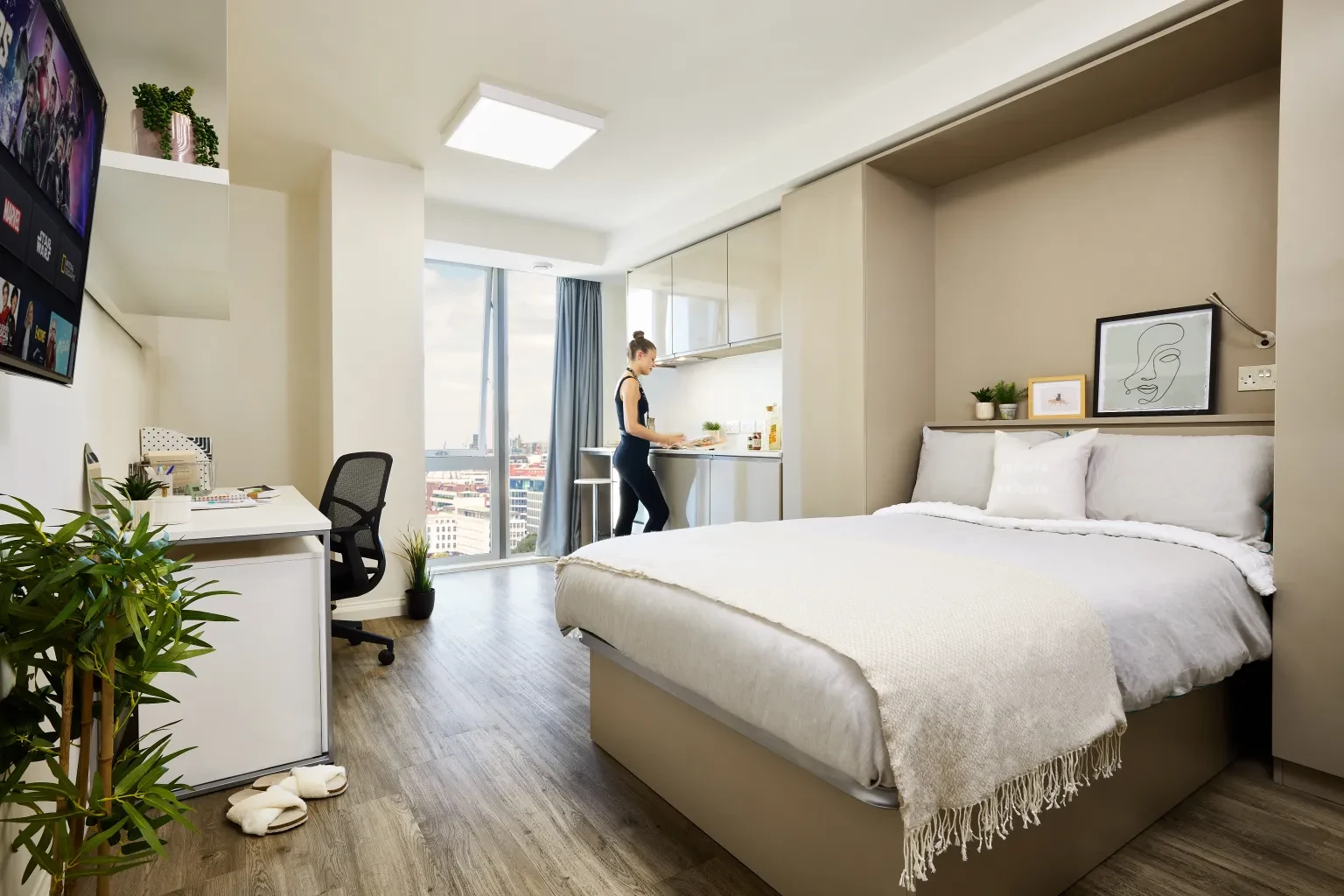
If you are a student with a limited budget, uhomes.com provides budget-friendly SRO student apartments paired with a variety of cost-saving perks, including cashback offers, seasonal promotions, group booking discounts, and vouchers to make urban student living even more affordable.
working-staff

Why People Choose SROs Over Other Options?

Single-room occupancy stands out from all other housing alternatives by offering a rare combination of unbeatable affordability, prime urban locations and minimal move-in barriers that no standard rental or short-stay option can match.

For starters, single-room occupancy units are almost always the cheapest rental pick in dense urban areas. Monthly rates often run half the price of a basic studio apartment in the exact same neighborhood.

Most SRO buildings also sit in central locations, within walking distance of jobs, public transit and daily services. For residents without a car, that close-in spot shaves quite a bit off transportation costs.

And since units come fully furnished, there’s no upfront spending on furniture, moving fees, or getting utilities set up. That low barrier to move in makes stable housing reachable for a lot more people.For people with limited savings, this turnkey model makes stable housing accessible.

Why Single-Room Occupancy Matters in Urban Housing Systems?

Single-room occupancy plays an irreplaceable role in healthy urban housing systems, serving both as a critical safety net for vulnerable residents and as an underrecognized asset that delivers broad public benefits to cities. In this section, we first explain how SROs function as housing of last resort to fill gaps in formal affordable housing support, then break down the measurable public value stable SRO supply brings to local economies and municipal budgets.

“Housing of Last Resort” Safety Net

Single-room occupancy acts as the “housing of last resort,” filling gaps left by official affordable housing programs. Public housing and rent vouchers only assist a small portion of low-income families; countless people fail to qualify or wait endlessly for aid. Those excluded from housing support and unable to afford market-rate rentals can only rely on SROs for secure private housing, without which long-term homelessness and unsafe accommodation would surge.

Hidden Public Value for Cities

SROs also bring tangible public benefits to urban areas:
  1. Cuts chronic homelessness: Losing SRO units directly increases unhoused populations in U.S. cities.
  2. Sustains downtown low-wage labor: Service, retail and cleaning staff can live near work, maintaining local business staffing and stable city economy.
  3. Reduces public spending: Stable SRO accommodation lowers taxpayer costs for emergency medical aid and temporary homeless shelters.

Current State of Single-Room Occupancy

In 2026, single-room occupancy housing operates amid long-running decline and persistent structural pressures across most U.S. cities. This section traces the decades-long shrinkage of SRO stock nationwide, outlines the daily challenges faced by both residents and building operators, and unpacks the core policy debate that continues to shape the future of this affordable housing type.

single-room-occupancy
  • Steep long-term loss of SRO housing stock
     
    Major US cities have seen decades of sharp SRO supply shrinkage. Mass demolition and conversion for urban renewal and commercial projects wiped out roughly 1 million units between the 1960s and 2000, with New York’s stock plummeting from 200,000 to fewer than 40,000 units. The decline persists in 2026: SROs are still being turned into luxury housing or boutique hotels faster than new affordable units can be built, with lost stock rarely replaced.
  • Shared struggles for SRO tenants and building operators
     
    Tenants of older traditional SROs face worn plumbing, faulty electrics and broken heating, while limited budgets create lengthy wait times for repairs. By contrast, uhomes.com offers brand-new SRO-style student apartments in the US, UK, Canada, and other countries in the world. Most student flats are equipped with full-time dedicated maintenance staff, who resolve all housing malfunctions without long waiting periods for student tenants. Traditional SRO building operators, however, struggle with slim profit margins: rent caps keep units affordable yet leave no funds for renovations, while inconsistent local regulations bring persistent operational uncertainty.
  • The long-running core policy conflict around SROs
     
    US policymakers have debated SRO development for years. Housing advocates urge loose building codes to preserve limited SRO supply and curb homelessness, while public health and tenant advocacy groups demand stricter safety and living standards to protect vulnerable residents from sacrificing health and dignity for low rent. Striking a fair balance between retaining affordable stock and upgrading living environments remains a major unsolved urban housing hurdle.

Future of Single-Room Occupancy

Single-room occupancy is stepping into a new era backed by rising policy and investment support, evolving beyond basic shelter to deliver all-around benefits for residents. Two major industry shifts are outlined below:

  1. Rising policy backing and investment inflow
     
    Cities now acknowledge SROs’ power to ease housing affordability and homelessness issues, rolling out protective rules to block SRO demolition or conversion amid gentrification. Federal and state affordable housing grants have expanded, with dedicated funds set aside for purchasing and renovating SRO buildings. Institutional investors and non-profit developers are also joining the market, injecting capital for building upgrades and professional property management into this historically underfunded sector.
  2. A shift from mere shelter to holistic living spaces
     
    Modern SRO housing no longer only provides a place to rest. Developers integrate on-site support services including case management, mental health counseling, job training and food aid, helping residents resolve personal hardships and build stable independent lives. Newly built or renovated SROs also feature upgraded shared zones, enhanced security and modern facilities. This change reflects a widespread consensus that quality SRO housing should enable residents to thrive instead of just get by.

Final Thoughts on What Single-Room Occupancy Really Means

At its core, understanding what is single room occupancy means looking past formal definitions and harmful stereotypes.

SROs are far from perfect. Many units are small, older buildings face real quality issues, and social stigma still weighs heavily on residents.

Even so, they remain an irreplaceable foundation of urban affordable housing. For hundreds of thousands of people, SROs are the line between a safe, private home and life on the streets. They support local workforces, reduce public costs, and give vulnerable residents the stability to build better lives.

Grasping what single-room occupancy really means is ultimately about understanding how cities care for their most vulnerable residents and what it takes to ensure everyone, regardless of income, has a safe, stable place to call home.

FAQ

Single occupancy units, and most single resident occupancy properties fit this description, are built, leased and priced for one long-term resident. They come with firm occupancy limits, and shared facilities in the building are planned around individual use.

Double occupancy units are made for two permanent residents. They offer more living space, allow for joint lease agreements, and utility setups are built to handle two people’s regular daily use.

Most single room occupancy buildings hold to strict one-person limits per unit. This policy helps preserve affordable housing stock for low-income people who need independent, stable places to live.

For students looking to apply for single-room occupancy housing, uhomes.com makes the entire process simple and efficient. Its built-in filters and AI matching tools help you quickly find suitable SRO properties, and dedicated multilingual booking consultants are available 24/7 to support you through every step, with all procedures completed fully online.

Legitimate single room occupancy units are rarely listed on mainstream rental apps, as most are operated by nonprofits or city housing agencies. The most reliable channels include your local housing authority’s official affordable housing directory, registered nonprofit housing providers, community social service centers, and official city SRO preservation program rosters. Always verify that a property is legally zoned as residential SRO housing — unregulated private room rentals often misuse the term and may not meet basic health and safety standards.

Most SRO housing properties follow a core set of consistent rules to maintain safety and livability for all residents. These typically include strict single-occupancy limits per unit, designated visitor hours, prohibitions on cooking inside private rooms (meals must be prepared in shared kitchens), set quiet hours for common areas, and restrictions on modifying unit plumbing or electrical systems. Nonprofit-operated single room occupancy buildings may also include guidelines for using on-site support services and shared space maintenance schedules.

Single-room occupancy rules vary widely by city, with two of the most well-documented systems in NYC and Boston. New York City has some of the nation’s strongest SRO preservation laws, with strict limits on converting or demolishing historic SRO stock and rent stabilization protections for long-term tenants, especially in Manhattan. Boston has tighter zoning requirements for new single room occupancy construction, offers city-funded renovation grants for qualifying SRO properties, and targets most of its affordable SRO programs toward formerly homeless residents and low-wage downtown workers.

While the general resident profile of single-room occupancy housing is covered earlier, subsidized units typically have formal priority tiers for waitlist placement. Most local housing authorities give priority to individuals experiencing chronic homelessness, adults aged 62 and older on fixed incomes, people with disabilities, veterans, and low-wage workers employed in the immediate neighborhood. Priority criteria vary by city, but always focus on placing residents with the greatest need for stable, affordable single occupancy room housing.

uhomes.com | Student Accommodation,Flats,Houses,Apartments for Rent
What can I do for you?
ASK ME