

Home for Global Students
4.9/5
GET APP

Is Lincoln a Nice Place to Live? Best Areas, Pros & Cons

By Sybil
is lincoln a nice place to live

Is Lincoln a nice place to live? For many people, yes, particularly if affordability, character and a manageable city size matter more to you than big-city scale. Lincoln is a small cathedral city with a lot to offer. Housing is relatively affordable, the city centre is compact, and you get a distinctive mix of medieval streets, modern waterfront living and easy access to the Lincolnshire countryside. The University of Lincoln also gives the city a younger, more international feel than its size might suggest.

However, Lincoln will not suit everyone. Its job market is smaller than those of Nottingham or Birmingham, nightlife and shopping are more limited than in major UK cities, and crime levels vary considerably between neighbourhoods. This guide looks at the cost of living, housing, safety, jobs, schools, transport and the best areas to live in Lincoln to help you decide whether the city is right for you.

Is Lincoln a Good Place to Live? The Short Answer

Yes, Lincoln can be a good place to live, particularly for students, first-time buyers, families and young professionals who want a smaller city without completely giving up urban conveniences.

Facts about Lincoln

  • Population: Around 103,000
  • Average house price: £187,000
  • Average private rent: £942 per month
  • Fastest trains to London: Around 1 hour 49 minutes
  • Major university: University of Lincoln
  • City character: Compact, historic, student-friendly cathedral city

Best Areas to Live in Lincoln

Choosing where to live in Lincoln can make a noticeable difference to your day-to-day experience. West End, Lower High Street and Brayford Waterfront are particularly popular with students thanks to their proximity to the University of Lincoln and the city centre. Young professionals may prefer Brayford Waterfront or Bailgate and the Cathedral Quarter for easy access to restaurants, shops and transport links. Families looking for quieter residential streets and more green space may find Boultham or Hartsholme a better fit.

Here is a quick comparison of some of the best areas to live in Lincoln:

Area Best For Vibe Pros Cons
Brayford Waterfront & City Centre Students, young professionals Lively and central Very close to university, shops and nightlife Busier and potentially noisier
West End Students Residential and student-friendly Popular for shared student houses Parking and term-time activity
Lower High Street & Sincil Bank Students, budget-conscious renters Urban and convenient Easy access to campus and city centre Some streets feel less polished
Bailgate & Cathedral Quarter Young professionals, couples Historic and characterful Independent shops, cafés and atmosphere Hills, tourists and limited parking
Boultham Families, young professionals Practical and residential Parks and access to central Lincoln Less city-centre atmosphere
Hartsholme Families Green and suburban Excellent access to green space Farther from the university and centre

Brayford Waterfront and City Centre

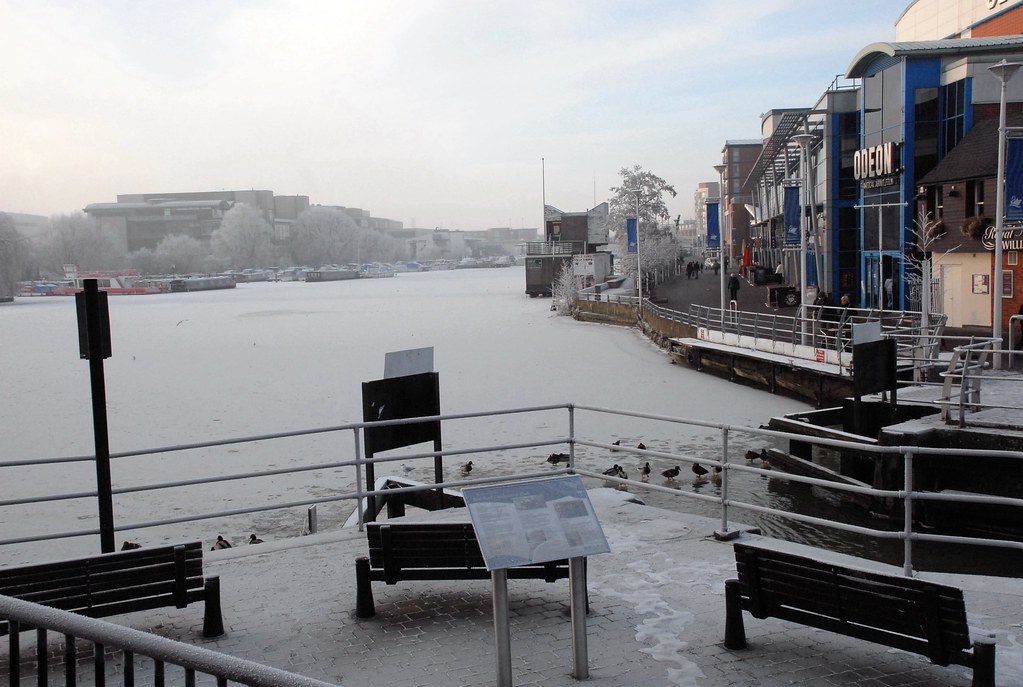
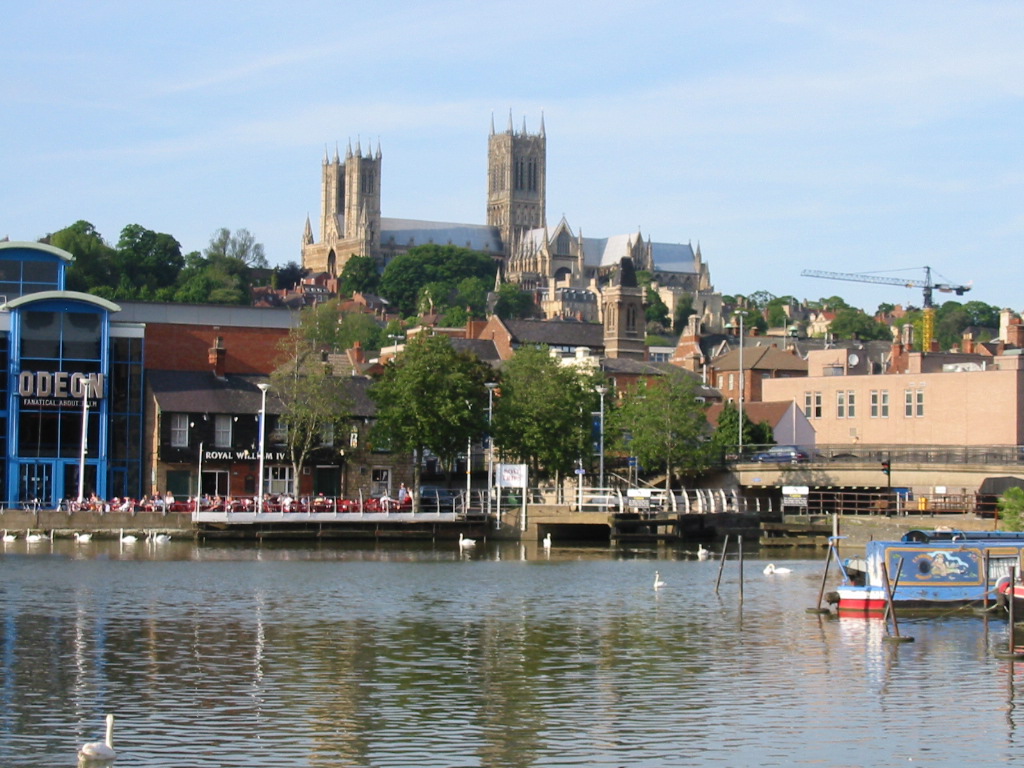
Brayford Waterfront is one of the most convenient places to live in Lincoln, especially for University of Lincoln students. The university’s main campus sits beside Brayford Pool, while Lincoln railway station, the High Street, Cornhill Quarter, supermarkets, restaurants and nightlife are all within walking distance.

  • Best for: University of Lincoln students, international students, first-year students and young professionals

  • Pros: Very close to campus; easy to walk to shops, restaurants and the railway station; plenty of student accommodation; good if you do not have a car

  • Cons: Can be busy and noisy, particularly during term time and at weekends; central apartments may offer less space than houses farther out; parking can be less convenient

West End

The West End is one of the best student areas in Lincoln, particularly around Carholme Road, West Parade, Yarborough Road and the surrounding side streets. Located west of Lincoln city centre, this neighbourhood has easy access to both the University of Lincoln and central shops without living directly in the busiest part of town. The West End has plenty of traditional terraced streets and shared houses. This makes it especially attractive to second- and third-year students who want to move into a house with friends while remaining relatively close to university.

  • Best for: Second- and third-year students, groups of friends and students looking for shared houses

  • Pros: Established student community; good supply of shared housing; walkable to the university and city centre; more residential feel than Brayford Waterfront

  • Cons: Parking can be difficult on some streets; some roads are busy; higher student concentrations mean more noise and household turnover during the academic year

Lower High Street and Sincil Bank 

The Lower High Street and Sincil Bank area sits south of Lincoln city centre, close to the High Street, railway line and University of Lincoln. Students can stay relatively close to campus and the city centre while having access to plenty of traditional terraced housing and shared accommodation. The neighbourhood is also undergoing longer-term regeneration. The character and condition of housing can vary noticeably from one part of the area to another.

  • Best for: Students, shared-house renters and people prioritising location over neighbourhood appearance

  • Pros: Close to the university and High Street; lots of private rental housing; convenient for shops and everyday amenities; ongoing neighbourhood investment

  • Cons: Housing quality can vary; some streets feel busier or less polished than Bailgate or suburban Lincoln; traffic and parking should be checked around the specific propertybrayford waterfront

Bailgate and Cathedral Quarter

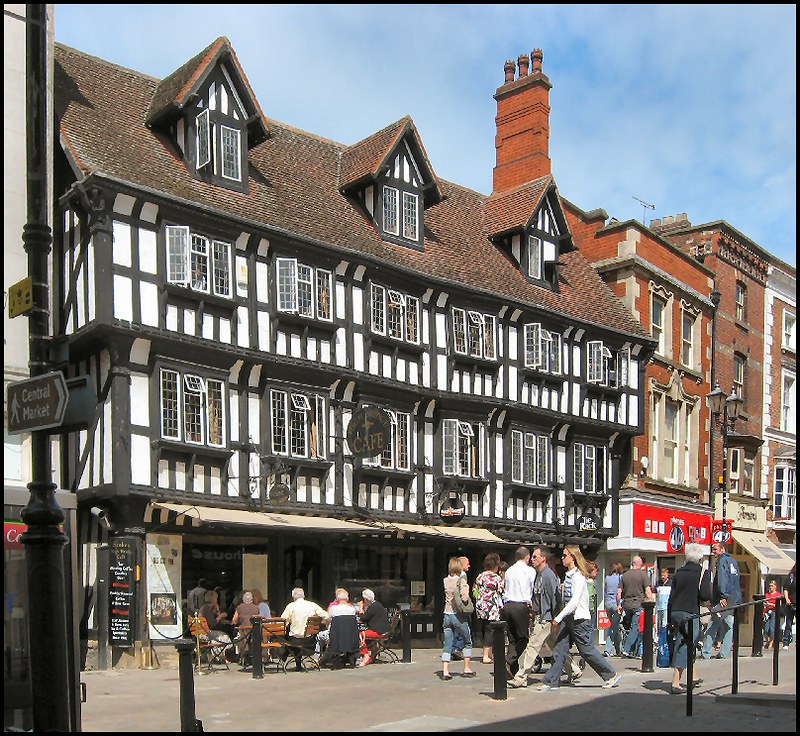
Bailgate and the Cathedral Quarter are best areas to live in Lincoln for families and young professionals. Bailgate itself is known for independent shops, cafés, pubs and restaurants set among historic buildings and narrow streets. The atmosphere is more relaxed, historic and independent. You are also close to Lincoln Cathedral, Lincoln Castle, Castle Square and the top of Steep Hill.

  • Best for: Young professionals, couples and people who value character over maximum convenience

  • Pros: Beautiful historic surroundings; independent cafés, restaurants and shops; strong neighbourhood character; walkable to the city centre

  • Cons: Steep streets; parking can be limited; popular with visitors and tourists; period properties may offer less space or modern convenience

Boultham

Boultham is a nice place to live in Lincoln, especially for families and young professionals. It sits south-west of central Lincoln and combines traditional housing with relatively easy access to the High Street, Tritton Road and the university side of the city. One of the area’s main lifestyle advantages is Boultham Park, which has a children’s play area, café, tennis courts, putting green and parking. 

  • Best for: Families, couples and young professionals wanting a residential location

  • Pros: Good access to Boultham Park; more residential than the waterfront; relatively convenient for the city centre and university; mix of housing

  • Cons: Less nightlife and fewer cafés immediately outside your door; some locations require a longer walk or bus journey into the centre

Hartsholme

Hartsholme is one of the strongest options in Lincoln for anyone seeking more greenery and a quieter residential setting. Located in the south-west of the city, the area is closely linked to Hartsholme Country Park, which covers more than 40 hectares of woodland, grassland, water and landscaped gardens. Swanholme Lakes Local Nature Reserve sits right alongside it. Although the neighbourhood is about three miles from the city centre, regular bus services make the journey straightforward.

  • Best for: Families, homeowners and people who prioritise green space

  • Pros: Excellent access to Hartsholme Country Park and Swanholme Lakes; quieter residential setting; suitable for people looking for a more suburban lifestyle

  • Cons: Farther from the University of Lincoln and city centre; less convenient for nightlife; students will usually find Brayford, West End or Lower High Street more practical

Cost of Living in Lincoln

Lincoln is generally attractive to people looking for relatively affordable housing. ONS figures for 2026 show the average house price in Lincoln is £187,000, lower than the average accommodation cost in Nottingham, Sheffield, or Birmingham. For renting, Lincoln’s average rent is £942 per month, cheaper on average than Nottingham and Birmingham, but its average rent is currently slightly higher than Sheffield’s.

City Average House Price Average Monthly Rent
Lincoln £187,000 £942
Nottingham £190,000 £1,014
Sheffield £220,000 £931
Birmingham £234,000 £1,099

House Prices in Lincoln

Lincoln has a good mix of housing. You will find period terraces close to the centre, flats and apartments around the waterfront. Residential areas across the city include inter-war and post-war houses. Larger detached and semi-detached properties are mainly on the outskirts. Here are the average prices of Lincoln housing by property type.

Property Type Average Price
Detached £310,000
Semi-detached £208,000
Terraced £161,000
Flats and maisonettes £107,000

Renting in Lincoln

Renting in Lincoln is still more affordable compared with many larger UK cities, although rents have continued to rise. According to the Office for National Statistics, the average private rent in Lincoln reached £942 per month in August 2026, up 4.6% from £901 a year earlier. Below are the rents for each room type in Lincoln.

Property Size Average Monthly Rent
1 bedroom £659
2 bedrooms £828
3 bedrooms £991
4+ bedrooms £1,359

How much you pay depends heavily on the size and type of property, and the location also makes a difference. Apartments around the city centre and Brayford Waterfront are popular because they put shops, restaurants, the railway station and the University of Lincoln within easy reach. 

For students comparing student accommodation in Lincoln, uhomes.com lists options including en-suite rooms, studios and shared houses close to the University of Lincoln, Brayford Waterfront and Lincoln city centre. Many properties include bills in the rent, making it easier to compare the true weekly cost rather than looking at rent alone.

Council Tax and Everyday Costs

For 2026/27, the City of Lincoln Council froze its own share of Council Tax, which means every resident’s total bill may not be the same. The overall bill also includes separate amounts for Lincolnshire County Council, policing and fire services.

Council Tax in Lincoln is paid by the people living in the property rather than by the owner alone. Homeowners who live in their own home pay it as normal. Most tenants are also responsible for the bill unless the landlord has already included it in the rent. Full-time students in Lincoln are usually exempt from Council Tax. International students on recognised full-time courses receive the same exemption as UK students.

Apart from rent, other everyday living costs in Lincoln usually come to around £500 to £800 a month for one person. Couples or small households tend to spend between £800 and £1,200. These figures cover the main regular expenses, including Council Tax, utility bills, food and groceries, internet and mobile phone, local transport, plus leisure and personal care. Food and utilities often make up the largest share of the budget, while Council Tax remains a fixed monthly cost for most households.council tax and eceryday costs
Is Lincoln a Safe Place to Live?

Yes, Lincoln is generally a safe place to live, especially if you choose the right neighbourhood.

According to Police.uk figures for the year ending March 2026, the overall crime rate of Lincoln is 123.76 crimes per 1,000 residents compared with 71 across the force, which is higher than the Lincolnshire average. This is largely because Lincoln is the main urban centre in a mostly rural county. When compared with other similar-sized towns and cities, its crime rate is about average.

Most residential areas outside Lincoln city centre feel calm and low-risk for everyday living. The higher figures are concentrated in the busy city centre, where shops, bars and nightlife naturally attract more incidents. Quiet suburbs and outer neighbourhoods such as Hartsholme, Boultham and the surrounding villages tend to have much lower crime.

Jobs and Working in Lincoln

Lincoln has a diverse economy for a city of its size, but its job market is not as deep as those of larger regional cities.

Major employment areas in Lincoln include:

– healthcare and social care
– education and higher education
– engineering and advanced manufacturing
– retail
– public services
– tourism and hospitality
– administration and professional services

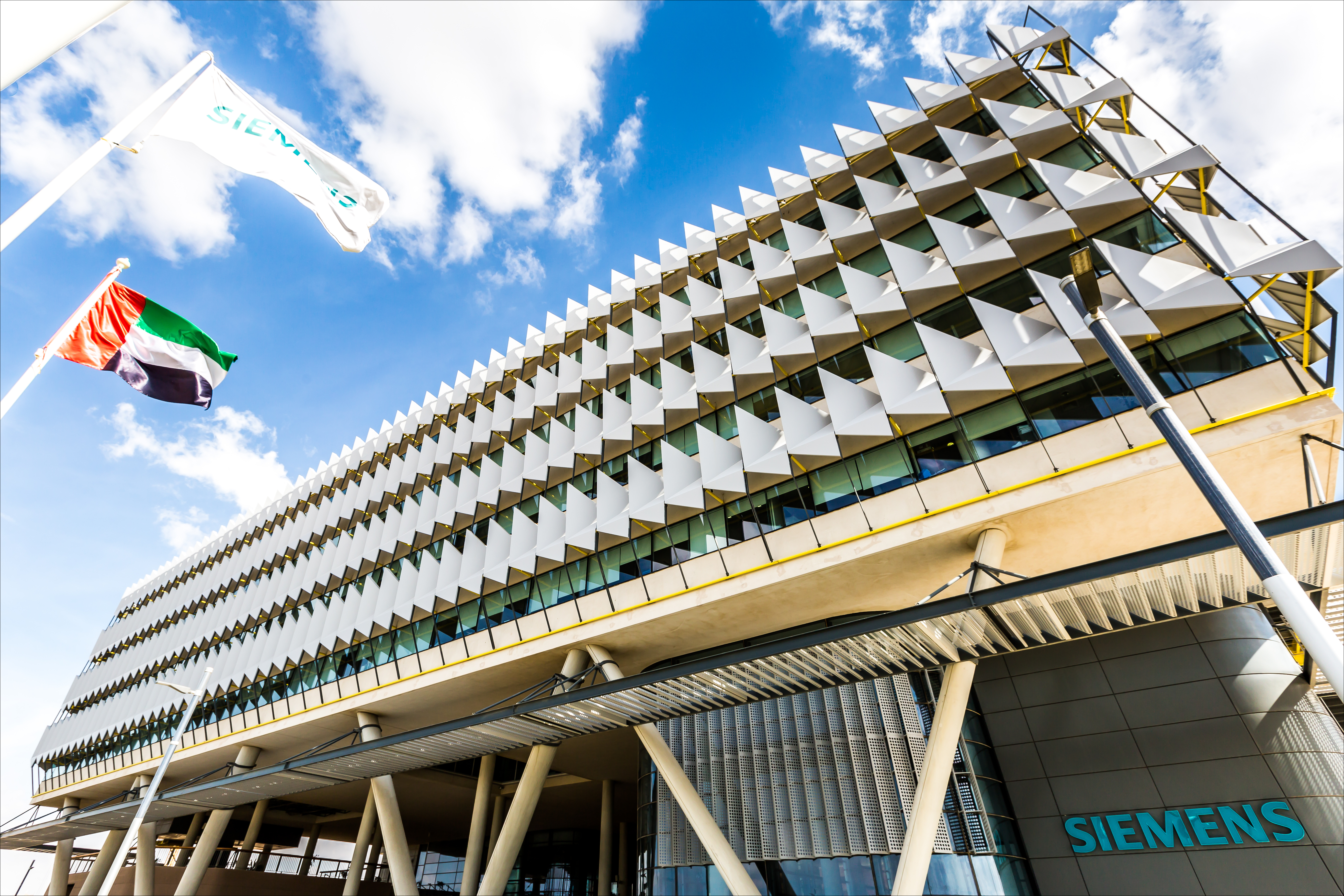
The University of Lincoln is another important institution, while healthcare and public-sector organisations provide significant employment. Engineering remains especially visible. Siemens Energy describes itself as a key employer in Lincoln and operates facilities in the city that design, manufacture, test and service industrial gas turbines.

Lincoln has fewer large corporate headquarters and fewer highly specialised professional roles than major employment centres such as Nottingham, Birmingham, Leeds or London. If your career is highly specialised, however, check the local vacancy market before moving rather than assuming that an equivalent role will be available nearby.work in lincoln
Schools and Education in Lincoln

Lincoln has a wide range of primary and secondary education options across the city and nearby villages. 

Ofsted ratings vary from school to school. Lincoln St Peter at Gowts Church of England Primary School, for example, was rated Outstanding in its 2024 inspection. Lincoln UTC currently holds a Good rating. These judgements can change over time, and schools may convert to academy status, and admission rules differ. Parents should always check the latest Ofsted report together with current catchment and admissions information before deciding where to live.

For higher education, the University of Lincoln has grown from around 500 students in 1996 to more than 15,000 today. Its main campus sits beside Brayford Pool and shapes the local rental market, nightlife, cafés and the city’s age profile, especially around Brayford Waterfront, the West End and the city centre.

Transport in Lincoln

Travelling Across Lincoln

Lincoln’s city centre is compact and easy to walk. The railway station, High Street, Cornhill Quarter and Brayford Waterfront sit close together, so most central destinations can be reached on foot.

The main challenge is Steep Hill, the steep route that links the lower city with the Cathedral Quarter. It is attractive and lined with independent shops, but it can be difficult for anyone with mobility issues, pushing a buggy or carrying heavy bags.

Local and regional buses cover the city and nearby villages. Cycling works well for shorter trips if your route is reasonably flat.

Traffic is the main downside, especially at peak times on the main routes into and across the city. A car becomes more useful if you live in an outlying village or need to travel regularly around Lincolnshire.lincoln railway station
Travelling From Lincoln

Residents who want to travel from Lincoln can choose from trains and private cars. Drivers can reach the A1 via routes towards Newark, while the A46 provides important connections towards Nottingham and Leicester.

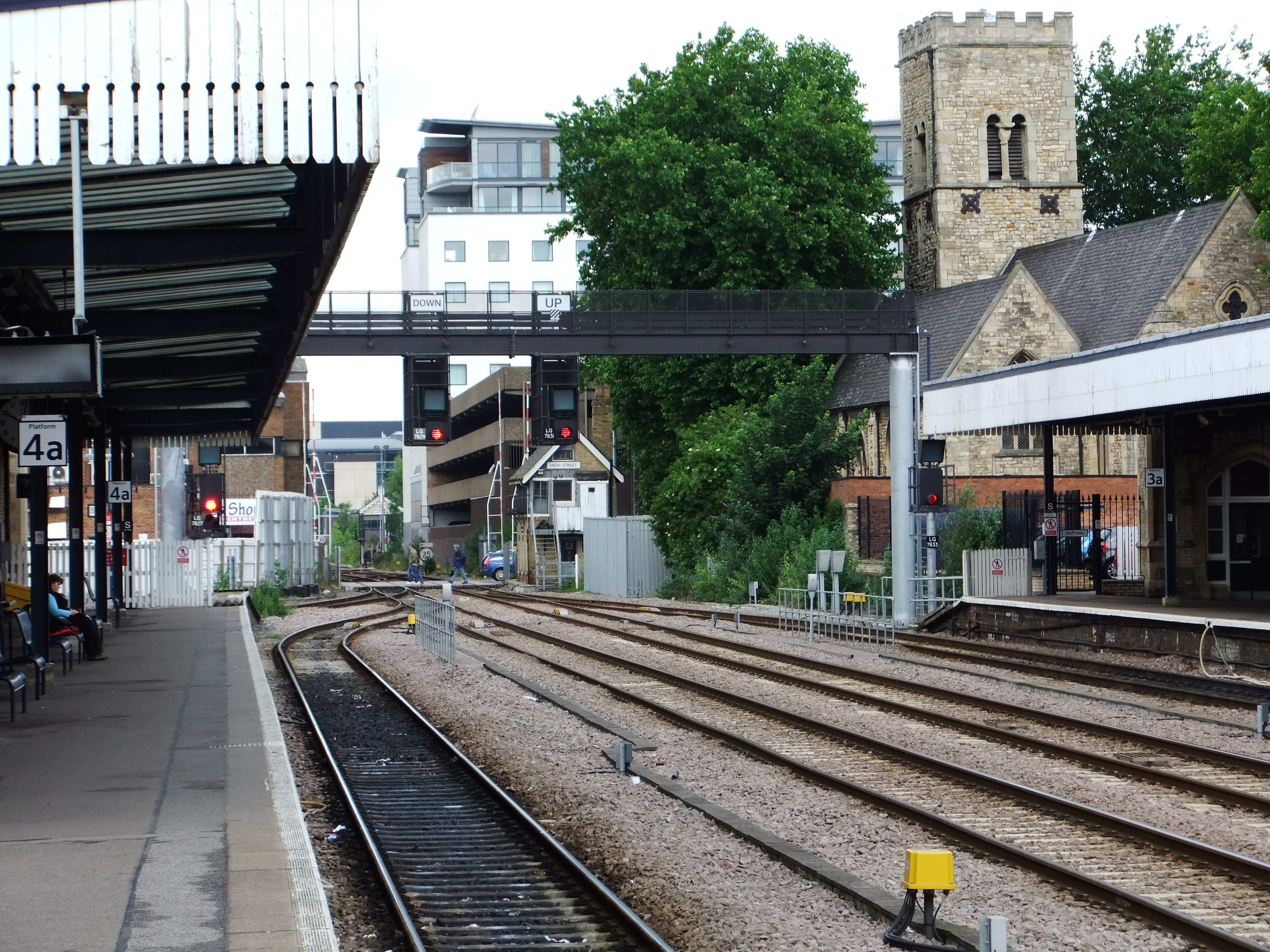
Lincoln offers direct trains to London, Nottingham, Sheffield, and other regional destinations. The fastest services to London currently take around 1 hour 49 minutes, and direct trains are available. Journey times vary by departure. Nottingham can be reached in roughly an hour, with the quickest trains taking about 50 minutes. Direct Northern services to Sheffield usually take around 1 hour 18 to 19 minutes.

Shopping, Restaurants and Things to Do in Lincoln

Lincoln feels like a smaller city compared with Birmingham or Manchester, but there are also some of the best things to do in Lincoln.
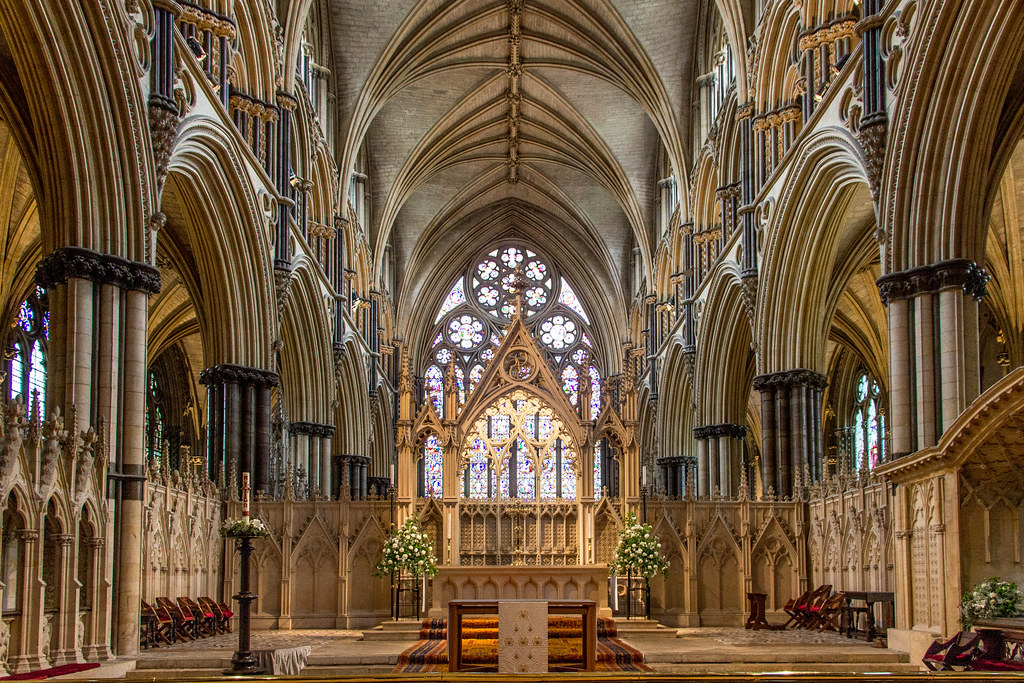
lincoln cathedral

  • Cathedral Quarter and Bailgate are the strongest for independent shops, cafés and restaurants. This is the part of Lincoln where historic architecture and everyday city life overlap most clearly.
  • High Street and Cornhill Quarter are more useful for mainstream shopping and everyday city-centre amenities. Cornhill Quarter combines retailers with restaurants, bars, a cinema and the refurbished Cornhill Market.
  • Brayford Waterfront has more of an evening and student feel, with restaurants, entertainment and the university campus around the water.

For leisure, residents also have parks and green spaces, Lincoln City Football Club, theatres, live events, markets and easy access to the wider Lincolnshire countryside.


The Pros and Cons of Living in Lincoln

Lincoln offers a clear mix of strengths and trade-offs. It is more affordable and manageable than many larger UK cities, with a strong sense of history and easy access to the countryside. At the same time, its smaller scale limits the job market, nightlife and range of big-brand shopping.

Pros of Living in Lincoln Cons of Living in Lincoln
Relatively affordable house prices Smaller job market than major UK cities
Compact and walkable city centre Less nightlife and entertainment than larger cities
Strong historic character Traffic can be frustrating at busy times
Easy access to countryside Crime is higher in some areas
Large student population for its size Some surrounding villages are easier with a car
Good choice for first-time buyers Steep terrain around Uphill Lincoln
Direct trains to London and regional cities Smaller big-brand and luxury shopping scene
Slower pace than major cities Rental costs are not necessarily cheaper than every comparable city

Things to Know Before Moving to Lincoln

If you are seriously considering a move to Lincoln, spending time there on a normal weekday can be far more useful than a weekend sightseeing visit. It gives you a clearer sense of traffic, noise, local shops and everyday transport. Here are a few practical points worth knowing before you decide.

  1. Lincoln is hillier than its map makes it look. Moving between the downhill city centre and Cathedral Quarter can involve a serious climb, so distance alone does not always tell you how convenient a property will be.
  2. Lincoln and Lincolnshire are not interchangeable. Lincoln is the city, while Lincolnshire is the much larger county. Properties marketed as being “near Lincoln” may actually sit in separate villages or districts, which can significantly change transport, Council Tax, school catchments and daily routines.
  3. Do not judge safety in Lincoln from one citywide crime figure. Check the actual postcode and surrounding streets, especially if you are unfamiliar with Lincoln.
  4. Living in central Lincoln does not require a car, but you may want one outside it. The difference becomes particularly noticeable if your work, children’s schools or weekend activities are outside the city centre.

Conclusion

Lincoln is a good place to live for people who value relatively affordable housing, a historic city centre, a manageable size and easy access to the countryside. It can be particularly appealing to first-time buyers, families, students, remote workers and young professionals who want city amenities without the scale or housing costs of a much larger urban area. However, Lincoln’s professional job market is smaller, nightlife and shopping are more limited, traffic can be frustrating, and the experience of living in the city varies considerably from one neighbourhood to another.

FAQ

No, Lincoln is not an expensive place to live. Take housing prices as an example: the average house price in Lincoln was £187,000 in July 2026, lower than in Nottingham, Sheffield and Birmingham. Average private rent was £942 per month in August 2026, although Lincoln was slightly more expensive than Sheffield on this particular measure.

Yes, Lincoln can be a good place to live for families, thanks to relatively affordable housing, a range of schools and residential communities in and around the city. 

Yes, Lincoln is a nice place to live for students. Lincoln is home to the University of Lincoln, whose main campus is beside Brayford Pool and close to the city centre, railway station, shops and nightlife. The compact layout means many students can manage without a car.

Yes, you can live in Lincoln without a car, especially if you live near the city centre, Brayford Waterfront or the University of Lincoln. Shops, the railway station and many everyday amenities are within walking distance. A car becomes more useful if you live in a surrounding village or regularly travel around rural Lincolnshire.

The main disadvantages of living in Lincoln are a smaller job market than major cities, more limited nightlife and shopping, traffic at busy times, relatively high recorded crime in some areas, and greater car dependency in some surrounding villages. Uphill Lincoln can also be challenging for people with limited mobility.

Bailgate and the Cathedral Quarter are often considered among the nicest areas to live in Lincoln. The area is close to Lincoln Cathedral, Lincoln Castle and Steep Hill, giving it one of the city’s most distinctive settings. It is suitable for people who value historic character, independent cafés, restaurants and walkable access to the city centre. 

uhomes.com | Student Accommodation,Flats,Houses,Apartments for Rent
What can I do for you?
ASK ME