



Home for Global Students
4.9/5
GET APP

UCL vs KCL: Which is Better for Students in 2026?

By Linda
ucl vs kcl
Signature: oBlqbLj6KaG62I+D1JINvH6Tkrw1WupRFNUZJbn5zQammVP3jPfPafFafAXwc8MrVFCjxwDzxisVEWQwuJvyAAJaW43yqyctQGBh4S9D1vv+V/IF5J08cW1KUcq0VDpnFq/ZmmF+j5BVPjyaECDh5hHN4T5qL9NCpy8HN2TtXO4jifxk2HL/mb7TVKt60Q0geUDyaI/XI6eLlQ1U+DzynpKtSgw8tFpStU5hsON9XnBoRcDY/Bqwz79e1mL9eMXhigk+mQxEd0zL0BMuL38hXl/GM+umIn3AGynjxxCLRZ5xn8b38b6pIRRDRb6FvpoDUtB/FqvR3CaKPb+tFelI151sg19Kn1jj8cbM1bchURaSHswOVo0HVfyygLfR+oEvkikoIvUQDkvflfxNWWAqvAzvRF5hhf3i23Cp+cpHEJyOpvbttk4zZL09kpxWBAtYVofLOtT5OAJx2AmwEaFU/6XWHi2cZ3wvcHf8GBuZ6x37ovCa5i0A+rxQl3lcoVCzcx2Oc9122agJrYJBVCTqCYCURFfmRb6kbAUn7CAhcP2D5UXc2PqK3nwimdpIqEyEmTaMR+gJiL/TSxowWDQDIFhwGB9IvVY1gPdjIS6HCFK6UWMrZUyp+lXlWLqM3ZVUYNXnac6ANl+Wy3EbL2fTzQMORnSMbA09tDPx/aTME/+9hdc0VICVUiPAgOw5WFtRcuqfE+X0k6Koq5zKsZe4u8DBMvWC1YWacCKJ59+6h4PJuIh11MiZuhZ8Uhqsp+z1DTzhSTy6EELcEcrUmK2Bmhdrndh79Q9mT7UzGvO/6uWtDt1p3GMGmr05D+aKLo+f9fnaLODCEm+HRX6aDZjuJAsXlnBBH54wmB+dH8FKgEybDJqW4MBs1s+J8MEkY357EZRoR5BD34NT8gm861Pvm+GvCsbj/7zNA9vhZRuawTVsqQUb1X/mY9nAqy3TvabFez5ea6AXHGU9oDNxlNbN27RILfu4D9pNoFiB35j6J2I=
UCL vs KCL is a popular choice among students when deciding which university to attend in London. University College London (UCL) and King’s College London (KCL) are two of London’s best universities, and both are based in central London. However, they differ in course strengths, campus locations, student life, accommodation, and city life. This guide compares UCL and KCL on courses, entry requirements, accommodation, living costs, and transport to help you decide which university is best for you.

UCL vs KCL: Quick Comparison

Category UCL KCL
Full Name University College London King’s College London
Founded 1826 1829
Main Location Bloomsbury Strand / Central London
University Type Public research university Public research university
Russell Group Yes Yes
Main Campus Areas Bloomsbury, UCL East Strand, Waterloo, Guy’s, Denmark Hill
Notable Strengths Broad subject range, research, science, engineering Medicine, law, humanities, social sciences

UCL vs KCL: Rankings & Reputation

UCL and KCL are both Russell Group universities with strong positions in major UK and global university rankings. Their positions vary depending on the ranking system and the criteria used to assess universities.

Ranking UCL KCL
QS World University Rankings 2027 8th globally 37th globally
Times Higher Education World University Rankings 2026 22nd globally 38th globally
Complete University Guide 2027 13th in the UK 16th in the UK

QS World University Rankings 2027 places UCL in the global top 10 and KCL in the global top 40, while the UK-focused Complete University Guide places both universities in the UK top 20. Rankings can also vary significantly by subject, so students should check the ranking for their specific course rather than relying only on the overall university position.

KCL vs UCL: Tuition Fee

Tuition fees at UCL and KCL vary depending on the course and whether you are a UK or international student. For international students, UCL tuition fees for 2026/27 range from around £29,400 to £70,300 per year for postgraduate programmes, depending on the subject. At KCL, fees also vary by course, with international postgraduate tuition fees ranging from around £25,800 to £57,900 per year for selected programmes.
Undergraduate course tuition fees can vary depending on the course. Double-check the costs of your chosen course before applying, as medicine, business, and other specialist courses may cost more for international students at both universities.
If you’re considering KCL vs UCL, compare the tuition fees for the exact course rather than the university as a whole. Your course choice can affect tuition costs, and fees can vary widely within the same university depending on the programme.

University College London vs KCL: Entry Requirements

UCL and KCL both have high academic requirements, but the exact grades and English scores depend on the course. Is UCL harder to get into than KCL? The answer varies by subject, as some courses at either university are much more competitive than others.

UCL Entry Requirements

UCL received around 89,000 undergraduate applications for about 9,000 places for 2025 entry. Its standard A-level requirements range from AAA to ABB, depending on the course. For international students, the IELTS Academic requirement ranges from 6.5 to 8.0 overall, with different minimum scores for each skill depending on the course.

KCL Entry Requirements

KCL sets entry requirements by course, with typical A-level offers ranging from AAA to BBB. Its IELTS requirement also varies by course. For example, some undergraduate courses require 6.5 overall with at least 6.0 in each skill, while higher-band courses require 7.5 overall with at least 7.0 in each skill. KCL publishes admissions statistics by faculty rather than one overall acceptance rate.
Overall, both universities expect strong academic results and English proficiency. The most useful comparison is to check the specific course requirements, rather than relying only on the overall university acceptance rate.

KCL vs UCL: Locations and Campuses

UCL and KCL have campuses across London, but they differ in a few ways. UCL tends to be clustered near Bloomsbury, while KCL has campuses around the Strand, Waterloo, London Bridge and Denmark Hill.
  • UCL: University College London’s campus in Bloomsbury, just south of Camden and Regent’s Park, is between Russell Square tube and Euston and King’s Cross stations. The university also has a campus at UCL East in Stratford close to Queen Elizabeth Olympic Park.
  • KCL: King’s College London has five campuses across London, including the Strand, Waterloo, Guy’s, St Thomas’ and Denmark Hill. The Strand Campus is in central London, on the south bank of the River Thames and is the main location for most of KCL courses and research. Guy’s is located near London Bridge.

In brief, UCL is centred in Bloomsbury, whereas KCL is spread across several campuses located in London, so it’s a good idea to consider where your course is based before finding somewhere to stay.

UCL vs KCL: Courses and Programmes

UCL is particularly strong in engineering, architecture, education and medical sciences, while KCL is known for medicine, dentistry, nursing, law and humanities. Both universities offer courses across a wide range of subjects.

UCL

  • Engineering and Computer Science: Strong options across engineering, computer science and related subjects.
  • Architecture: UCL’s Bartlett is particularly well known for architecture and the built environment.
  • Education: UCL has a strong reputation in education and teacher training.
  • Medicine and Social Sciences: University College London offers a wide range of courses in medical sciences, economics, psychology and social sciences.

KCL

  • Medicine and Dentistry: KCL has strong subject rankings in medicine and dentistry.
  • Nursing: Nursing is one of KCL’s strongest-ranked subjects globally.
  • Law and Politics: King’s College London offers established courses in law, politics and international relations.
  • Humanities and Psychology: English, philosophy, geography and psychology are also among its notable subject areas.

KCL vs UCL: Accommodation and Living Costs

Student accommodation is one of the biggest expenses for students at both UCL and KCL. Rent varies by location, room type and distance from campus, while transport and other daily expenses also add to your monthly budget. For a broader breakdown of rent, food, transport and other expenses, see this guide to cost of living in London.

UCL Accommodation

UCL’s main campus is in Bloomsbury, with accommodation options around Bloomsbury, King’s Cross, Euston and Camden. Students based at UCL East can also look at accommodation around Stratford. On uhomes.com, UCL student accommodation can be filtered by rent, room type and travel time to campus. Here are three recommendations for student housing near UCL. 

Vita Student Lewisham Exchange

Location: Exchange Point, Loampit Vale, London SE13 7NX, United Kingdom

Price: Starting from £309/week

Vita Student Lewisham Exchange UCL vs KCL accommodation

Scape Wembley

Location: Fulton Rd, Wembley Park, London HA9 0TF, United Kingdom

Price: Starting from £261/week

 

iQ Tufnell House

Location: 144 Huddleston Road, London N7 0EG, United Kingdom

Price: Starting from £299/week

KCL Accommodation

KCL has several campuses in central London, including Strand, Waterloo, Guy’s and St Thomas’. The best area to live depends on where your course is based. Areas around Waterloo, London Bridge, Borough and the Strand can all be considered for different KCL campuses. When choosing student accommodation near KCL, check the rent, commute time, room type and included bills. Below are popular options on uhomes.com, with key details on their location and pricing.

Chapter South Bank

Location: 17 Great S Great Suffolk Street, London SE1 0NS, United Kingdom

Price: Starting from £458/week

Chapter South Bank KCL vs UCL accommodation

Press House

Location: 81-88 Beresford Street, London SE18 6BG, United Kingdom

Price: Starting from £199/week

Yugo The Curve

Location: 14 Fieldgate Street, London E1 1ES, United Kingdom

Price: Starting from £340.41/week

 
For students comparing accommodation near UCL and KCL, uhomes.com offers more than 2,000 student accommodation in London, with room types including en-suites, non-en-suites, shared rooms, studios and 1-5 bedroom apartments. These student properties also offer different facilities, such as gyms, study rooms, common areas and on-site laundry, depending on the building. Many options are located close to UCL and KCL campuses or near major Tube and rail stations, making it easier to compare rent, room types and commute times when choosing private student accommodation in London.

Cost of Living

Students at both UCL and KCL should budget around £1,500–£2,200 per month for living costs in London, including accommodation, food, transport and personal expenses. The actual amount depends mainly on where you live, your rent, daily travel and lifestyle. UCL students living around Bloomsbury or central London may face higher rents, while KCL students may see different costs depending on which campus they attend and where they choose to live.

KCL vs UCL: Student Life

UCL and KCL both have active student communities, societies, libraries and study spaces. The main difference is where students spend most of their time. UCL student life is more concentrated around Bloomsbury, while KCL student life is spread across several campuses.

UCL Student Life

UCL student life is mainly centred around Bloomsbury, where teaching buildings, libraries, study spaces and student activities are close to each other. This creates a more concentrated campus experience, with much of daily student life taking place in the same part of London. The area is also close to the British Museum, Regent’s Park and Covent Garden, giving students plenty to do outside university.
UCL East in Stratford provides another campus environment, but students can still take part in university-wide societies and activities. For most students, the main factor affecting their daily campus experience is whether their course is based in Bloomsbury or UCL East.

KCL Student Life

KCL student life is spread across Strand, Waterloo, Guy’s, St Thomas’ and Denmark Hill. Students can join societies, sports clubs and university events across KCL, but the campus linked to their course has a bigger influence on their daily routine. The Strand Campus, for example, is next to the River Thames and close to Covent Garden, the South Bank and central London.

UCL vs KCL: Transport and Commute

UCL and KCL both have strong public transport links, but UCL’s main commute is centred around Bloomsbury, while KCL students need to consider their specific campus location.

Getting Around UCL

The main campus of UCL in Bloomsbury is within walking distance of many underground and train stations, including Russell Square, Euston Square, Warren Street, Euston, King’s Cross and St Pancras. Students can access the campus by underground, National Rail and other public transportation from all over London. Commuting to UCL East is a little different, as the campus is in Stratford and close to the Elizabeth line and Stratford station. If you are deciding where to live, one of the main decisions is whether you will be studying at Bloomsbury or UCL East.

Getting Around KCL 

Transport links depend on where you study at KCL and vary by campus. The nearby tube stations for the Strand Campus are Temple, Charing Cross, and Embankment. Waterloo station is mainly for the Waterloo Campus. London Bridge is for the Guy’s Campus and St Thomas’. St Thomas’ is also close to Waterloo, while Denmark Hill has its own railway station nearby. So students should consider the location of their course as well as the campus, as the best public transport route can vary considerably.
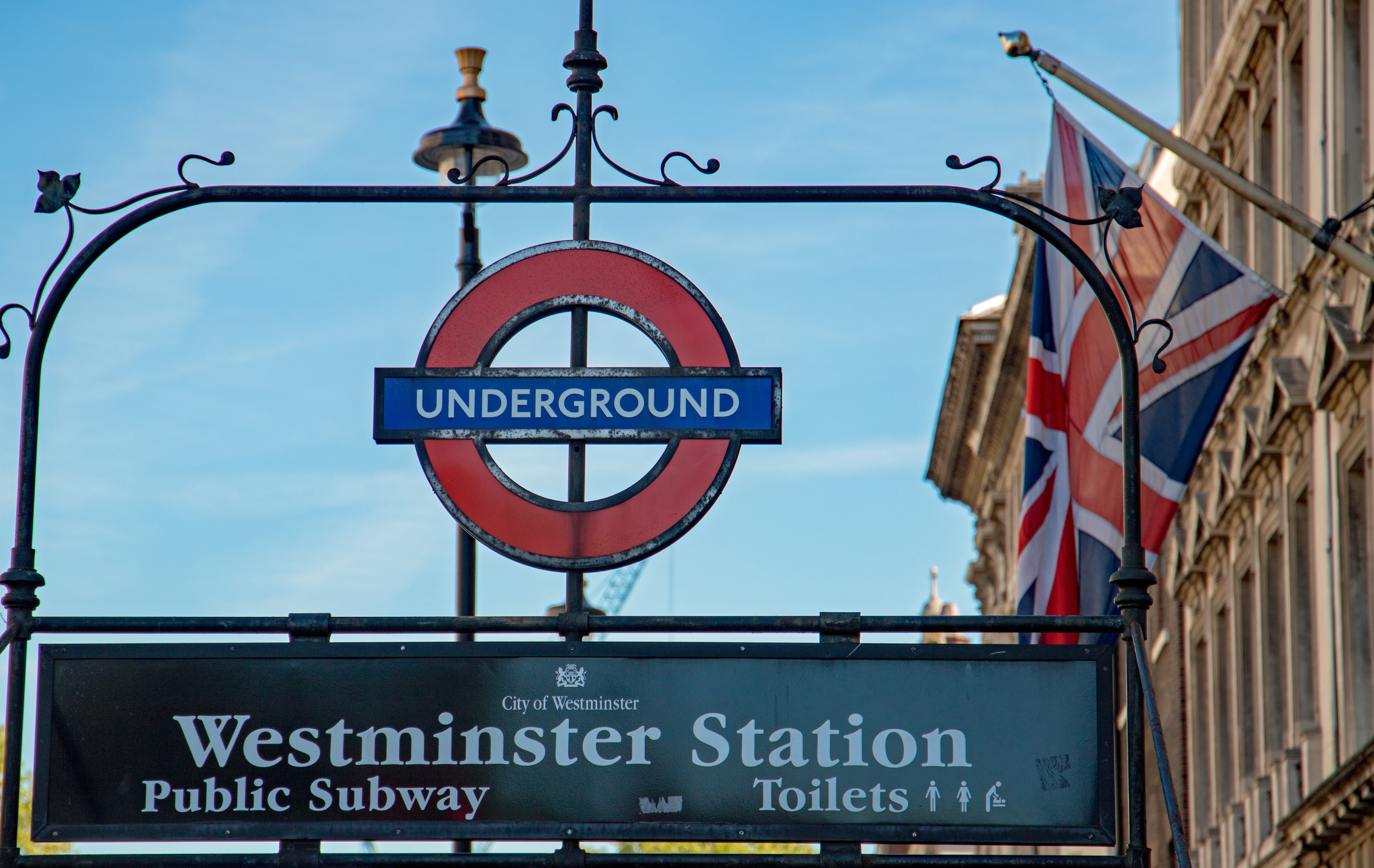
london underground

UCL vs KCL: Career Opportunities

UCL and KCL both offer access to London’s large graduate job market, but career opportunities can vary depending on your subject, work experience, skills and career plans.

UCL

Careers at UCL are available in research, science and technology, engineering, health and other professional areas. Its central London location puts students close to employers, internship providers, careers fairs, and professional bodies. Students aiming for a career in research or a technology-based career may also find research and academic partnerships helpful when considering their options.

KCL

KCL has strong links with areas such as law, healthcare, finance, public services and international organisations. Its central London campuses give students access to employers, professional networks, internships and career events across the city. Career opportunities after graduation will depend mainly on the student’s degree subject, experience and career plans.

Conclusion

UCL vs KCL depends on your course, campus preference, accommodation budget, transport needs, and career plans. Both universities offer strong academic programmes, central London locations and large student communities, but they differ in campus structure, subject strengths, accommodation options and everyday student life. Before making your decision, check the specific course requirements, campus location and ideal student housing for each university.

FAQ

Yes. In the QS World University Rankings 2027, UCL is ranked 8th globally, while King’s College London (KCL) is ranked 37th.

Both UCL and KCL are competitive universities, but getting into UCL can be harder for some courses because it receives a large number of applications. The level of competition varies by subject, so entry requirements are worth checking for the specific course you want to study.

Yes, KCL and UCL have a long-standing rivalry that dates back to the 19th century. The rivalry has even produced some unusual traditions, including the famous story of Phineas, the KCL mascot, which was reportedly taken by UCL students in 1922.

No. King’s College London (KCL) and University College London (UCL) are two separate universities, both based in London and both members of the University of London. They have different campuses, courses, admission requirements and histories.


Yes. King’s College London ranks among the top 10 universities in the UK for academic reputation, placing 7th in the UK and 44th worldwide.

Yes, UCL is often ranked as a Top 5 university in the UK, although this may depend on the specific ranking. UCL is ranked 4th in the UK in the QS World University Rankings 2027, and 9th in The Times Good University Guide 2027.

UCL was founded on 11 February 1826, making 2026 its 200th anniversary or Bicentenary. UCL opened to students in 1828 as the institution that called itself “London University”.

The university is celebrating the anniversary in 2026 through the UCL200 programme, with exhibitions, talks, walking tours, performances and a wide variety of other events reflecting on the past and the future of the university.

War Studies at King’s College London (KCL) is a subject focused on war, conflict, security and international relations. At KCL, the course also covers topics such as military strategy, diplomacy, terrorism and the political impact of conflict.

Neither KCL nor UCL is consistently cheaper, as tuition fees depend on the course and your fee status. For 2026/27, UK undergraduate tuition fees are £9,790 at both universities, while international fees and living costs vary by course and accommodation.

Yes, King’s College London (KCL) is a member of the Russell Group. It is one of the 24 research-intensive universities that make up the group.

Florence Nightingale is closely connected to KCL through the university’s Florence Nightingale Faculty of Nursing, Midwifery & Palliative Care. It is home to many stories of her legacy, dating back to the Nightingale Training School that Florence set up at St Thomas’ Hospital in 1860.

UCL is particularly strong in STEM, physical sciences and architecture, while KCL is known for humanities, law, nursing, dentistry and War Studies.

Graduate prospects are strong at both UCL and KCL, but the best choice depends on your subject and career goals. UCL has established closer ties with employers in a range of sectors, including finance, technology, consulting and research. KCL is particularly well-connected in law, healthcare, public policy and arts.

Neither UCL nor KCL is universally better, as the right choice depends on your subject, budget and academic goals. Both are Russell Group universities in central London with large international student communities.

TAGGED:
uhomes.com | Student Accommodation,Flats,Houses,Apartments for Rent
What can I do for you?
ASK ME