





If you’re considering a move to the Windy City, the first thing you’re probably thinking is: how much is it going to cost me to live there? As the third-largest city in the U.S., Chicago is a bustling metropolis with a lot to offer. In this blog, we’ll explore the different aspects of the cost of living in Chicago, from housing and food to transportation and healthcare, to give you a better understanding of the Chicago cost of living.
What is Cost of Living in Chicago, IL
The overall cost of living in Chicago, Illinois, is relatively high, around 16.5% higher than the national average. This means that the same amount of money will buy more in many other places of the country than in Chicago. Rent is often the most significant expense for single people living in cities. Suppose you are looking for student housing in Chicago, uhomes.com offers diverse, affordable student housing options for students to choose from, includes studios, one-bedroom flats, multi-share apartments and private houses. If you want to know how to rent apart
The average studio cost in Chicago is about $1,920 per month. Of course, prices can vary quite a bit depending on the neighbourhood, amenities, and public facilities. Living in the heart of downtown Chicago, like in the River North area, will cost you over $2,500 monthly for a two-bedroom. But head a little further out to neighbourhoods like Fulton Market or West Loop, which will cost you below $2,000 per month. Other utility bills are about $150 a month.
In addition, everyday prices for groceries, transportation, and other necessities are higher in Chicago. Overall, cost of living in Chicago for a single person may anticipate spending between $2,500 and $4,000 per month. This figure varies based on lifestyle and neighborhood.
Affordable and Safe Chicago Neighbourhoods
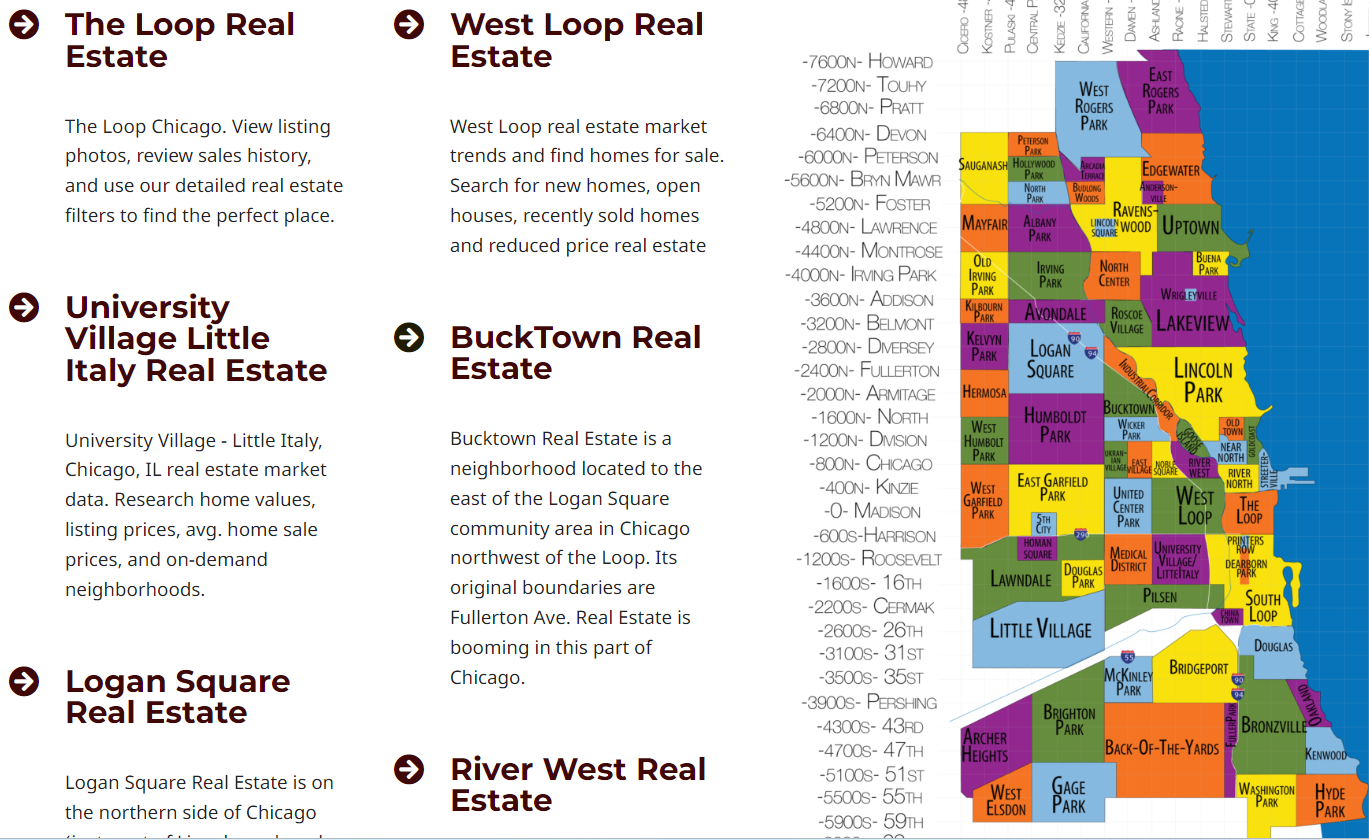
While the overall cost of living for Chicago may be higher than in some other Midwestern cities, the city offers diverse neighbourhoods to fit every budget. If you want to live near the lakefront without breaking the bank, check out areas like Uptown, Edgewater, and Rogers Park. These neighbourhoods have a more relaxed vibe, beautiful green parks, and great access to public transit.
Other budget-friendly and up-and-coming areas include Logan Square, Avondale, Humboldt Park, Andersonville, and Ravenswood. Each neighbourhood has its unique personality and charm while still providing the vibrant urban amenities that make Chicago an attractive place to live.
The table lists some of the best places to live in Chicago.
| Neighborhood | Average Rent (1-BR) | Low-End Rent | High-End Rent |
|---|---|---|---|
| Hyde Park | $1,800 | $1,500 | $2,300 |
| Lincoln Park | $2,100 | $1,800 | $2,500 |
| Wicker Park | $2,000 | $1,700 | $2,400 |
| West Loop | $2,500 | $2,200 | $3,000 |
| Uptown | $1,700 | $1,400 | $2,000 |
Why Choosing to Studying in Chicago?

Chicago is home to several renowned universities, such as the University of Chicago, Northwestern University and the University of Illinois Chicago, offering top-tier educational resources and learning environments. Students can access the latest knowledge and technologies. In addition, Chicago is a city of immigrants, bringing together talents from all over the world, which naturally provides students with the opportunity to personally experience diverse cultures, helping to cultivate an open and inclusive global perspective. As an economic centre of the Midwest, the job market in Chicago is robust. The number of Fortune 500, really Fortune 100 companies headquartered here and Chicago’s central location as a distribution and transportation hub make for good job growth in various sectors. Since Chicago may have more job opportunities than others, it’s important to target sectors aligning with your skills and experience after graduation.
Cost of Living in Chicago Beyond Housing

Cost of Living in Chicago: Groceries
Housing isn’t the only expense to factor in when moving to Chicago. Food and transportation are two other big-ticket items. You can finish your grocery shopping either at Trader Joe’s or Target. TJ’s has great prices, especially on produce. Many people regard it as a great store for meat and potatoes-type products, and you may find it super versatile.
- Groceries: Expect to spend about $300 – $400 a month. Traders Joe’s and Aldi are popular choices for affordable options.
- Dining Out: A casual meal will typically cost around $20 per person.
Cost of Living in Chicago: Transportation
When it comes to getting around the city, Chicagoans can expect to spend approximately $140,00 monthly on transportation, assuming they don’t drive. The good news is that Chicago has an extensive public transportation system, including the iconic ‘L’ train; fees range from $2.50 for a single ride to $75 for a monthly pass, which also lets you ride on local buses.
Cost of Living in Chicago: Healthcare
Maintaining good health is vital to overall financial well-being. Healthcare in Chicago is 10% higher than the national average. According to data compiled by the healthcare agency, Illinois residents can expect to pay an average of $589 per person for a major medical individual health insurance plan. While prices will vary, and premiums can be lower if you are in good health. Ever wonder what a trip to the doctor really costs in Chicago? Here’s a quick check.
Doctor’s Visit: $160.41
Dentist Visit: $130.94
Optometrist Visit: $145.40
RX Drug: $22.92
Veterinary Visit: $74.34
Cost of Living in Chicago: Entertainment
For fitness enthusiasts, the monthly gym membership fees in Chicago average around $52. This additional expense is important to factor into your budget if staying active is a priority.
Chicago’s vibrant cultural scene offers a wide range of entertainment options. While movie tickets typically cost around $14 each, the city also boasts a thriving theatre, comedy, and live music scene that can provide more affordable entertainment alternatives.
Average Incoming in Chicago, IL
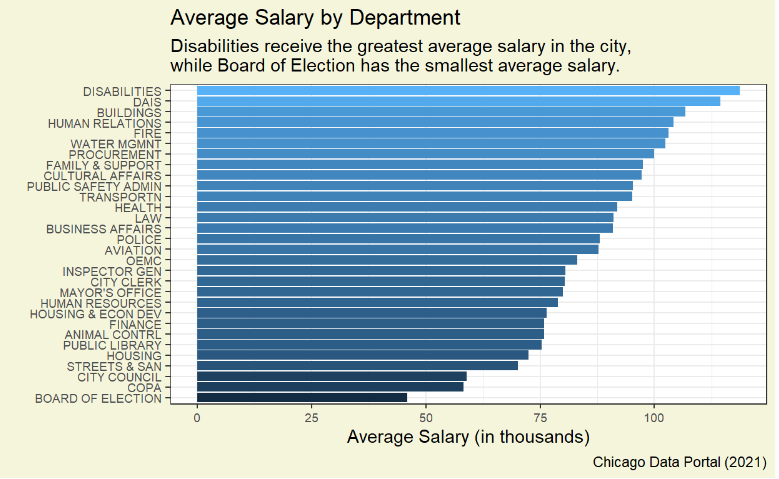
Regarding income potential, the average salary in the Chicago metropolitan area is slightly above $70,000 per year. This level of earnings can stretch further in Chicago compared to more expensive coastal cities, making it a relatively affordable place to live. Individual salaries vary greatly depending on one’s profession, experience, and industry.
Based on the cost of living in Chicago il, it is estimated that a single person would need an annual salary of around $75,000 to live comfortably in Chicago. This would provide a cushion to cover essentials like housing, transportation, healthcare, and discretionary spending while still allowing for savings and financial security. Of course, individual budgets and lifestyle preferences can impact the specific salary required for comfortable living in the city.
Practical Money Saving Tips
Here are some of the most practical and convenient money-saving tips specifically tailored for students living in Chicago:
Use Student Discount Transit Passes: Several universities in Chicago offer U-Pass, including the University of Illinois Chicago (UIC) and the University of Chicago. This can significantly lower your commuting costs.
Opt for Shared Housing: Sharing an apartment with roommates is one of the best ways to cut down on rent and utility expenses. Look for listings in affordable neighborhoods near your campus.
Cook at Home: Preparing your own meals is much cheaper than eating out. Plan your grocery shopping around meal prep to maximize savings and reduce food waste.
Shop for Groceries at Farmers’ Markets: Fresh produce is often more affordable at local farmers’ markets compared to supermarkets. Plus, you can find unique items and support local farmers.
Utilize University Health Centers: Many universities provide free or discounted healthcare services for students. Take advantage of these resources for medical consultations and basic health needs.
Look for Part Time Jobs: Working part-time can help cover living expenses. Look for flexible job opportunities on campus or in nearby neighborhoods that cater to students, such as retail, tutoring, or food service.
Cost of Living in Chicago vs. L.A. vs. NYC
| Expense Category | Chicago (USD) | Los Angeles (USD) | New York City (USD) |
|---|---|---|---|
| 1-Bedroom Apartment (City Center) | $1,800 – $3,500 | $2,200 – $4,500 | $2,800 – $4,000 |
| 1-Bedroom Apartment (Outside City Center) | $1,000 – $2,600 | $1,600 – $3,200 | $1,800 – $3,000 |
| Shared Accommodation | $500 – $1,200 | $700 – $1,500 | $800 – $1,800 |
| Utilities | $160 – $180 | $150 – $200 | $180 – $250 |
| Groceries | $250 – $400 | $300 – $450 | $350 – $500 |
| Dining Out | $100 – $300 | $130 – $350 | $150 – $400 |
| Transportation | $100 – $130 | $100 – $130 | $127 (monthly MetroCard) |
| Mobile & Internet | $50 – $80 | $60 – $90 | $60 – $90 |
| Healthcare Insurance | $125 – $250 | $150 – $300 | $150 – $300 |
| Miscellaneous | $100 – $200 | $120 – $250 | $150 – $300 |
- Chicago offers a more budget-friendly living situation compared to L.A. and NYC, especially in terms of accommodation and dining costs.
- The cost of living in L.A. generally has higher rent prices, but utility costs are somewhat comparable to those in Chicago.
- NYC remains the most expensive city overall, particularly in terms of groceries and dining out, making budgeting essential for students, the monthly cost of living in NYC is around $4,130.
Conclusion: Cost of Living in Chicago for Students
In conclusion, the cost of living in Chicago for students is relatively manageable compared to other major cities. With careful budgeting and sensible spending, students can comfortably live on a monthly budget of around $4,000 to $5,000. Housing remains the largest expense, often consuming nearly half of that budget, but opting for shared apartments or affordable neighborhoods can significantly alleviate this cost. Dining out and entertainment options can be enjoyed without overspending, especially if students stick to reasonable choices. Overall, Chicago offers a vibrant lifestyle with diverse cultural experiences, making it an attractive choice for students while still being budget-conscious. With thoughtful planning, students can thrive in this bustling city, balancing their academic pursuits and social lives without financial strain.
FAQ
Based on comprehensive cost of living data, the average cost of living in Chicago is generally cheaper than living in New York City. First, housing costs in Chicago are, on average, around 50% lower than in New York. Besides, utility costs in Chicago are roughly 20% lower than New York’s. Lastly, groceries, transportation, and healthcare costs also tend to be more affordable in Chicago than in the high-cost New York metropolitan area. Overall, the cost of living in Chicago is estimated to be about 30-40% lower than in New York City. This makes Chicago a more budget-friendly option, especially for those relocating from the even more expensive New York market.
For a single person living in Chicago, the average living cost is around $2,500 – $3,000 per month. Firstly, average rent for a 1-bedroom apartment in Chicago is about $1,200 – $1,600 per month. For utilities (electricity, internet, etc.): $150 – $200 per month; As for groceries, $300 – $400 per month; Transportation in Chicago (public transit, rideshare, etc.): $100 – $150 per month; Healthcare: $300 – $400 per month; other spending (dining, entertainment, etc.): $500 – $700 per month. Individual budgets can vary based on lifestyle, neighbourhood, and spending habits.
Yes, generally speaking, living in Chicago is cheaper than in Los Angeles. At first, Chicago housing costs are about 30-40% lower than in the Los Angeles metro area. Besides, utility costs in Chicago are roughly 15-20% lower. Lastly, groceries, transportation, and healthcare expenses also tend to be more affordable in Chicago. Overall, the cost of living in Chicago is estimated to be about 20-25% lower than in Los Angeles. This can significantly affect the budget and quality of life, especially for those moving from the high-cost Los Angeles market to the relatively more affordable Chicago region.
Yes, $30 an hour is a good wage in Chicago, as it is significantly above the living wage and the 75th percentile for hourly pay in the city. This income level allows for a comfortable lifestyle, but may not be enough for a “comfortable” or “American Dream” lifestyle, depending on your household size and expenses.
A livable salary in Chicago depends on household size. For a single adult, approximately $98,550 per year is recommended for a comfortable lifestyle. A two-adult household with two children would require around $141,754. These estimates are based on the 50/30/20 budgeting rule, which allocates 50% of income to needs (such as housing and groceries), 30% to discretionary spending, and 20% to savings or debt repayment.
In terms of high-paying careers, Chicago is widely recognized for its prestigious hospitals and medical institutions, offering extensive opportunities for advanced medical practice. Consequently, surgeons and other specialized medical professionals rank among the top earners in the city. This also represents a promising outlook for medical students who may pursue residencies at these leading hospitals.
- 30-Day CTA/Pace Pass: $75 for full fare.
- Reduced Fare 30-Day Pass: $35 for eligible riders (seniors 65+, people with disabilities) who have an RTA Reduced Fare Permit.
Some of the most affordable student-friendly neighborhoods in Chicago include:
Bridgeport – Near UIC, average rent $1,200–$1,800/month
Pilsen – Artistic vibe, Pink Line access, rent around $1,300–$2,000/month
Hyde Park – Close to UChicago, options from $1,400–$2,200/month
Rogers Park – Near Loyola, budget-friendly at $1,000–$1,800/month
Albany Park – Diverse, Brown Line access, rent $1,100–$1,900/month
These areas offer relatively lower rent while keeping you connected to campuses via public transit.