



Which is the cheapest supermarket in the UK? Faced with the dazzling array of supermarket brands, have you ever felt bewildered? On one side stands Waitrose, reputedly reserved for the upper classes, while on the other is Aldi, hailed as the saviour of thrifty shoppers. Just how much do their prices differ?
In today’s inflationary climate across Britain, mastering the “art of grocery shopping” has become an essential survival skill – particularly for budget-conscious international students. This guide will unveil the pricing secrets of UK supermarkets. We’ll not only present official rankings but also teach you how to avoid “convenience store traps” and utilise yellow-label deals and membership cards to save hundreds of pounds annually.
Top 10 Cheapest Supermarket in the UK
1. Aldi
Aldi consistently ranks as the UK’s cheapest supermarket across virtually all price comparison charts. It is a German discount retailer that operates on a core principle of minimalism. Its interior resembles a warehouse, and most products are own-brand. While you won’t find many familiar names like Coca-Cola or Heinz here, the alternatives taste just as good and often cost half as much as premium brands. For newly arrived international students establishing their weekly shopping routine, Aldi is the ideal starting point for budget management.
- Student Essentials: Meat cuts (such as steaks and chicken thighs) and fresh produce (keep an eye on the weekly ‘Super 6’ specials) offer the best value for money across the UK.
- Avoid pitfalls: The checkout process is extremely fast. Remember to first wheel your trolley to the packing station and bag your items at your leisure, or you’ll find yourself scrambling.
- Ideal for: Weekend trips with large suitcases to stock up on weekly provisions.
2. Lidl
Lidl’s prices are typically only a few pence higher than Aldi’s. However, its freshly baked goods section is immensely popular among international students. Hailed as ‘the shining light of British supermarkets,’ this food section offers low prices and freshly baked items, making it the breakfast of choice for many students rushing to early morning lectures. Additionally, the Lidl Plus App frequently offers store-wide discount vouchers (e.g., £5 off orders over £50), an advantage not available at Aldi.
- Student Essentials: 39p croissants, freshly baked Portuguese egg tarts, and brownies.
- Special Surprises: Keep an eye on the ‘Middle of Lidl’ shelves in the supermarket’s centre, which often stock surprising bargain items like £10 fan heaters, electric kettles, or skiwear – invaluable for students newly settled into halls of residence.
- Ideal For: Breakfast enthusiasts and bargain hunters seeking affordable groceries.
3. Asda
If you’re not accustomed to the lack of big-name brands found at Aldi or Lidl, Asda is the most economical option among the traditional “Big Four” supermarkets in the UK. Its stores are typically vast, offering a wide range of goods. The biggest feature of Asda is its “Asda Rewards” scheme, which operates not as a points system but by crediting cash directly (via Cashpot) to your app, allowing immediate deduction from your next purchase.
- Student Essentials: The ‘George at Asda’ homeware range. For first-week essentials like duvets, pillows, frying pans, and bath towels, this is the most affordable option with decent quality, far more convenient than IKEA.
- Money-saving tip: Look for the yellow ‘Just Essentials’ packaging – Asda’s lowest-priced range, where pasta and rice are exceptionally cheap.
- Ideal for: Settling in for the first time, or sourcing Asian ingredients (larger stores often have a well-stocked World Foods section).
4. Tesco

Tesco boasts the largest number of stores in the UK, with branches virtually everywhere. Prices at Tesco depend entirely on whether you have a Clubcard. With the card, it’s an affordable supermarket; without it, prices become rather steep. Tesco’s most student-friendly offering is its ‘Meal Deal’: a main item (sandwich/wrap) + a bottle of drink + a packet of crisps, all for around £3.40 with Clubcard. This is the national solution for British students to sort their lunches.
- Student Essentials: Meal Deal lunches, Tesco own-brand baked biscuits (Cookies), and a wide variety of chilled juices.
- Asian products: Larger Tesco Extra stores typically boast excellent Asian sections stocking Lee Kum Kee soy sauce, Lao Gan Ma chilli sauce, and even Cup Noodles and snail noodles.
- Ideal for: Those who need daily top-ups and quick lunches when cooking isn’t an option.
5. Iceland
Unlike other cheapest supermarkets in the UK, Iceland reigns supreme in the frozen convenience food category. For many international students living in en-suite or studio flats who are either inexperienced cooks or too busy to cook, Iceland becomes a lifesaver during exam weeks.
- Student Essentials: £1-£2 frozen pizzas, quick-fry chicken nuggets, even frozen Greggs baked goods. If you do cook, their frozen chopped onions and mixed vegetables save you the hassle of chopping.
- Discount perks: Iceland frequently offers student discounts via platforms like Student Beans and has low minimum spend thresholds for free delivery.
- Ideal for: Exam weeks when you can’t be bothered to cook, or when you need to stock your freezer with emergency food.
6. Sainsbury’s
Sainsbury’s positions itself slightly above Tesco. Whilst generally pricier, it also offers ‘Aldi Price Match’ items. You can apply for a Nectar Card, which not only provides membership discounts but also lets you redeem accumulated points for electrical goods at Argos or on eBay.
- Student Essentials: The ‘Taste the Difference’ range (premium own-brand) biscuits and desserts offer exceptional quality at reasonable prices.
- Ideal for: Those seeking slightly higher-quality fruit and meat, or treating themselves to small snacks that enhance their daily enjoyment.
7. Morrisons
Morrisons is the 7th cheapest supermarket in the UK. Its defining characteristic is the “Market Street” concept. Unlike conventional supermarkets with stark, cold shelves, it features numerous fresh-preparation counters: a butcher’s counter with sliced-to-order meats, a bakery with freshly baked goods, and a pizza counter that makes pizzas to order. These fresh counters often offer substantial discounts in the evening.
- Student Essentials: Hot-counter items like freshly roasted pork knuckle and whole roast chicken, plus the self-serve salad bar. You are advised to pick up half-price hot meals for dinner in the afternoon.
- Ideal for: Students who fancy hot meat dishes but can’t be bothered to cook, or for grabbing groceries and dinner in one go at weekends.
8. Co-op
If we only look at the unit price, Co-op isn’t cheap for students. However, its convenience stores are mostly located in neighbourhoods or near campuses. Co-op stands alone as the only major UK supermarket chain offering a direct 10% student discount (requiring a TOTUM card or specific student ID). Factoring in this discount, along with its location beneath halls of residence, significantly improves its value for money.
- Student Essentials: Urgently needed milk, bread, or late-night revision snacks and drinks.
- Saving tips: Combining a Co-op membership card (£1) with the student discount and frequent promotional coupons can sometimes make it more economical than larger supermarkets.
- Ideal for: When pressed for time, avoiding long walks in rainy weather, or late-night top-ups.
9. Ocado

Ocado is the cheapest online supermarket in the UK. It has no physical stores and primarily sells M&S (Marks & Spencer) food products, though it also stocks numerous other major brands. While prices tend to be on the higher side, its “First Order Voucher” offers substantial savings (typically £20 off orders over £60 with free delivery).
- Student Essentials: Utilise the First Order Voucher to pool orders with flatmates for heavy items, such as large bottles of mineral water, washing powder, rice, and cooking oil. As it delivers directly to your door, there’s no need to lug heavy shopping back from the supermarket.
- Ideal for: Moving house and needing to stock up on heavy items, or for days when you simply don’t want to venture out.
10. Waitrose

As a Royal Warrant holder, Waitrose is indeed synonymous with “expensive”. Its service, shopping environment and food freshness are all first-rate. Moreover, its basic range “Essential Waitrose” isn’t quite as expensive as one might imagine. Within this range, numerous everyday essentials are only marginally pricier than standard supermarket own-brands, falling far short of the “high-end supermarket pricing” many assume.
- Student Essentials: Complimentary coffee (bring your own cup and scan your membership card during shopping). Many students purchase the cheapest bananas or bread to claim a cup of premium coffee before heading to the library. Moreover, Waitrose’s desserts—such as cheesecake—are the preferred choice for birthday or festive celebrations.
- Ideal for: Treating yourself occasionally, or simply for that complimentary coffee.
UK's Cheapest Supermarket in 2026
For the past two years, the answer to “Which is the cheapest supermarket in the UK?” has been almost boringly predictable: Aldi. However, the “Price War” between the two German discounters has recently intensified. While Lidl briefly snatched the crown in October 2025, the latest data from Which? (based on a 70-item shopping list) confirms that Aldi has reclaimed its throne.
A Note on the “Big Two”: The data also highlights the power of loyalty cards. Based on the average price of Tesco, we can know that without the card, Tesco is almost £3 more expensive per trip. Over a year, that’s nearly £100 wasted!
Tesco with Clubcard: £133.65
Tesco without Clubcard: £136.20
| Supermarket | Average price for 70 items (Nov. 2025) | Average price for 70 items (Oct. 2025) |
|---|---|---|
| Aldi | £121.22 | £120.38 |
| Lidl with Lidl Plus | £122.35 | £120.46 |
| Lidl | £122.40 | £121 |
| Asda | £133.59 | £132.69 |
| Tesco with Clubcard | £133.65 | £133.38 |
| Tesco | £136.20 | £134.89 |
| Morrisons | £137.40 | £135.41 |
| Sainsbury’s with Nectar | £137.77 | £136.79 |
| Sainsbury’s | £141.62 | £139.68 |
| Ocado | £154.37 | £151.57 |
| Waitrose | £166.79 | £163.04 |
Which Cheapest UK Supermarket Should I Go?
We all have different shopping needs, so it’s not enough to rely on the rankings for the cheapest supermarket in the UK. You cannot purchase everything at Aldi, nor should you completely sacrifice Waitrose’s quality solely to save money. To help international students living in the UK manage their living expenses more efficiently, we have summarised the following shopping strategies:
1. Aldi & Lidl: Your go-to for essentials
If your goal is to keep weekly food costs under £20-£25, or you need to stock up on staples like meat, eggs and dairy, these German supermarkets are your primary shopping destinations. Don’t be put off by their no-frills decor – these are the last bastions of affordability amid UK inflation. Their status as the UK’s cheapest supermarkets stems from 90% own-brand products. By eliminating brand premiums and marketing costs, they offer goods often manufactured by the same suppliers as premium brands!
1.What to buy:
- Meat: Especially steaks and mince. UK food safety standards are high, so budget supermarket meat is perfectly fine.
- Fruit and vegetables: Head straight for the ‘Super 6’ (Aldi) or ‘Pick of the Week’ (Lidl) upon entering. These are six weekly specials priced shockingly low (sometimes just 59p).
- Bakery: Lidl’s bakery section deserves special mention – their 39p croissants have saved countless students for 8 am lectures.
2. What not to buy:
Don’t expect authentic Asian condiments (you’ll likely only find off-flavoured ‘Soy Sauce’), nor cling to brand-name snacks.
2. Tesco & Asda: for global favours
Many international students in Britain, whether from East Asia, South Asia, Africa or the Caribbean, have a misconception: Only in Chinatown or specific ethnic grocery stores can they find home cooking necessities. In reality, the supply chains of major UK supermarkets, particularly Tesco Extra and Asda Superstore formats, are highly globalised. Their World Foods aisles often offer better value and a surprisingly extensive range compared to specialist city-centre shops.
- For Asian students: Lee Kum Kee soy sauce, Japanese Cup Noodles, Thai coconut milk;
- For South Asian students: bulk-packaged Tilda basmati rice, KTC cooking oils and pulses, Patak’s curry pastes;
- For African/Caribbean students: plantains, yams, jerk seasoning;
- For European students: Polish sausages, pickled gherkins, etc. All these can be found on the same shelf, often at lower prices.
1. What to Buy:
- Bulk Staples: Whether it’s Thai Jasmine Rice, Indian Basmati Rice, or West African staple flours, Tesco/Asda consistently offer 5kg-10kg bulk packs. The unit price works out significantly cheaper than the standard 500g packs on regular shelves.
- Bagged Spices: This is a significant money-saving secret. Head to the World Foods section for bagged cumin, turmeric powder, or chilli powder (such as Rajah or Natco brands). These may cost around £1 but contain three times the quantity of the glass-bottled versions found in the regular spice aisle!
2. What to Notice:
Beware of “shelf mark-ups”! Sometimes the same product (like coconut milk or chickpeas) costs 20%-30% less in the “World Foods” section than in the regular “Baking/Tinned Goods” aisle. Next time you shop, remember to browse the World Foods section first – it’s not just about saving money, it’s a culinary journey around the globe.
3. Iceland: Student Accommodation Life
For students living in Student Accommodation in the UK, especially En-suite rooms, the biggest pain point is often not “can’t afford”, but “can’t fit”. When you only have one shelf in your fridge, Iceland’s frozen food is not only cheap, but also designed for space utilization and to reduce waste.
1. Why choose Iceland
- Strategy Details: Fresh vegetables tend to go bad if bought in excess (a common source of waste for international students), while Iceland’s bagged frozen vegetables (Frozen Peas/Corn/Mixed Veg) are pre-processed.
- Space-saving: Compact packaging allows you to stack them like building blocks to fill up the freezer compartment.
- Time-saving: No need to wash or cut. Just grab a handful and throw it into the pan when making fried rice or boiling noodles. This is crucial for students who are busy with deadlines or during exam weeks.
2. What to buy:
Frozen pizzas, chicken nuggets, and ready meals that can be heated directly in the microwave from the £1-£2 range. Although they are not healthy, they are definitely essential for survival.
How to Save Money in Cheapest Supermarket UK?
To minimise living expenses in Britain’s high inflation climate, you must not only select the most economical supermarket based on your needs but also master the art of purchasing essential items. By employing these advanced techniques, even at pricier retailers like Waitrose, you can achieve Aldi-level bargains when timing and tools are used correctly.
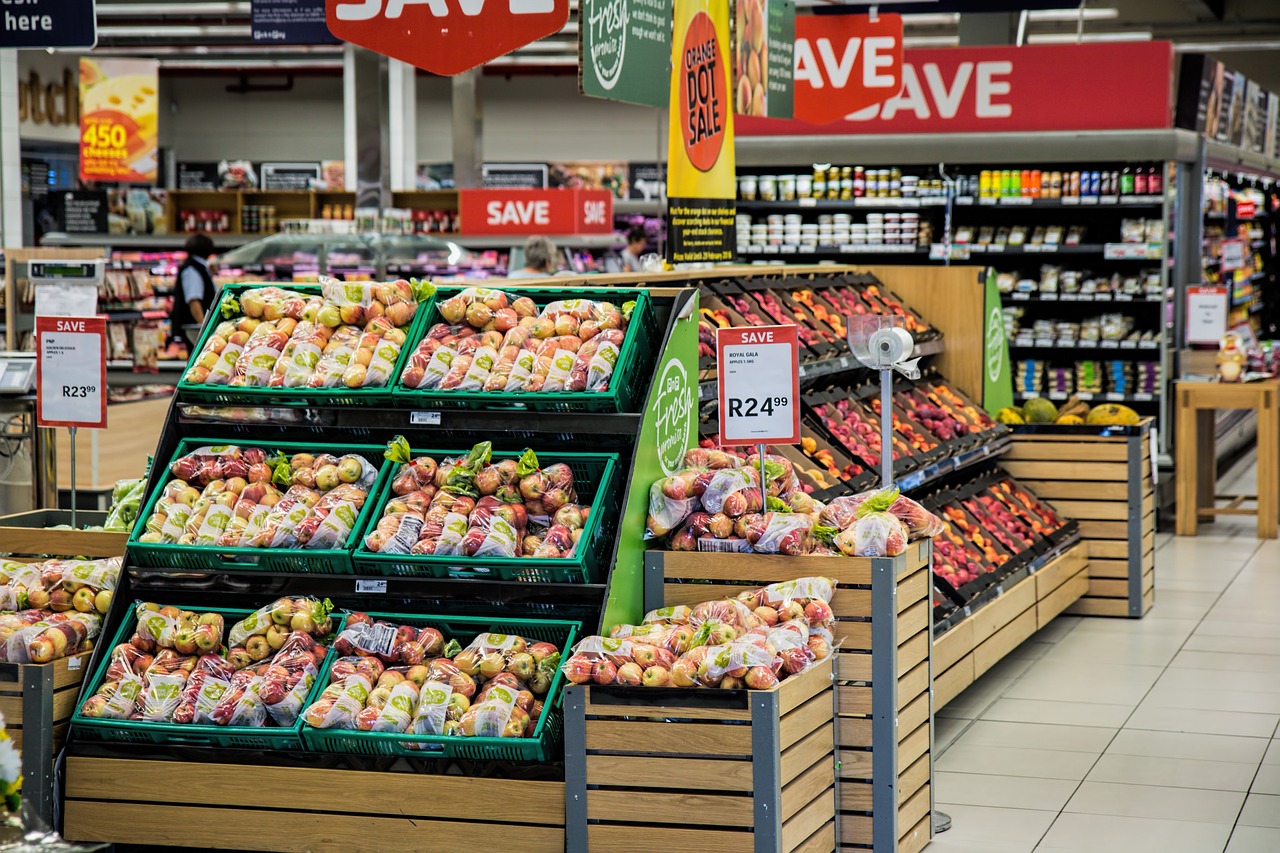
1. Hunt for Yellow Stickers
UK supermarkets discount near-expiry items daily at specific times, labelling them with conspicuous yellow stickers (Reduced to Clear).
- Golden Hour: Typically after 7:00 PM (times vary slightly between supermarkets).
- Shipping Strategy: Head to the deli counters at M&S or Waitrose during this period, and you might find a whole roast chicken reduced from £5 to £1.50, or premium desserts discounted to mere pence. For those who don’t mind consuming items the same day, this is the most cost-effective way to elevate your quality of life.
2. Loyalty Cards
In Britain, loyalty cards are price-determining “passports”. The following loyalty cards can help you save more when you go out for shopping.
- Tesco Clubcard: Essential! Many items display dual pricing, with Clubcard Prices often 30%-50% cheaper than standard rates. Shopping at Tesco without one makes you a sucker.
- Sainsbury’s Nectar: Beyond redeeming points for cashback (usable in-store or on eBay), it offers ‘My Nectar Prices’ – personalised discounts based on your shopping habits.
- Lidl Plus: Though Lidl is already budget-friendly, its app frequently features store-wide discount vouchers (e.g., £5 off orders over £50) and complimentary baked goods coupons.
3. Essential Apps
Below are local money-saving apps helping international students to know more about the real prices, so they can buy items more wisely.
- Too Good To Go: This Europe-wide sensation offers “surprise boxes” of surplus food. For £3-£4, you can grab £10+ worth of leftover items from supermarkets (like Morrisons), bakeries (like Greggs), or Starbucks. Though you won’t know the exact contents, portions are typically generous – perfect for a second-day brunch.
- Trolley.co.uk: Britain’s ultimate price comparison tool. Need cola or washing powder? Enter the name, and it instantly reveals which supermarket offers today’s best deal. Sometimes you’ll discover it’s cheaper to buy at half price in a pricier supermarket than pay full price elsewhere.
Conclusion
Saving money isn’t merely about shopping at the cheapest supermarket in the UK; it’s a way of life. Aldi and Lidl truly reign supreme as the “best value for money” supermarkets, perfect for weekly bulk shopping; Tesco and Asda’s ‘World Food’ sections can satisfy your Chinese cravings, while Iceland and Co-op become your dependable allies amidst hectic studies. Coupled with ‘yellow label’ deals and membership cards, you can manage to eat well without overspending in Britain.
Don’t overlook the final piece of the money-saving puzzle: your accommodation (Location). If proximity to supermarkets and amenities is a key factor in your flat hunt, we recommend using the map feature on uhomes.com for your search. Check whether your preferred flat is within a 10-15 minute walk of an Aldi, Lidl, or large Tesco. The simple joy of living next to a budget supermarket is one of the smallest yet most certain rewards of your student life.
Hope this guide helps you navigate UK supermarkets with ease. Happy shopping and saving!
FAQs about Cheapest Supermarket UK
Lidl maintains low prices through extreme efficiency. It stocks a limited selection of mostly private-label goods, buys in huge volumes directly from suppliers, and operates with minimal store decor and staffing. This streamlined model cuts costs at every step, passing the savings directly to customers.
No. Lidl and Aldi are not owned by the same family or brothers. They are two separate companies, founded by different families, and are direct competitors. Instead, it’s actually Aldi’s massive global empire that was split into two, with half owned by one brother and half by another.
The survey also crowned Lidl cheapest even after other supermarkets ‘loyalty’ discount schemes were applied. Overall, the discounter was found to be 11% (£6.30) cheaper than Tesco – and £6.28 after Clubcard discounts were applied.
UK people prefer Aldi rather than Lidl. According to brand research data from consultancy Mintel, Aldi outperforms Lidl in terms of being a “favourite retailer, offering an excellent experience and being a recommended retailer”. Aldi has certainly invested in its store experience, with its new generation stores a far cry from the utilitarian stores of old.
The poshest food shop in the UK is often considered to be Fortnum & Mason and Waitrose. They are high-end department stores in the UK with a Royal Warrant as an official grocer to the royalty.
The oldest supermarket in the UK is widely considered to be the London Co-operative Society (Co-op)’s self-service store, which opened in Manor Park, east London, on January 12, 1948.
Poké Bowls are the number one most-ordered dish in the UK according to Deliveroo. This was revealed under Deliveroo’s Deliveroo 100 Report, highlighting trending dishes from around the world. Poké Bowls, specifically Build Your Own Poké Bowl from Poké Shack in London are number one.