



Which is the best neighborhood in Berlin to live in is a crucial question for students going to university in this city. Berlin is one of the most popular cities in Europe among international students. As home to top educational institutions such as the Technical University of Berlin and Humboldt University of Berlin, Berlin is also loved for its relatively affordable living expenses and vibrant multiculturalism. Berlin is massive, and the atmosphere between each district is distinct. Choosing where to live in Berlin might be a hard decision, especially for new students. To help address the challenge of finding the perfect place to stay, this blog compiled a list of the most suitable neighborhoods for university students in Berlin.
What to Consider When Choosing Berlin Best Places to Stay
You may easily be drawn to a specific Berlin neighborhood because of its personality and want to rent here. However, you need to consider more than just this. To support your study life in Berlin, the best place to live for you should have well-balanced factors that include commute distance to your university, your budget on housing, amenities in this area, transportation, and safety.
- Proximity to your campus: When you look at the Berlin neighborhoods map, the two districts may look quite close, but the transport distance is another story. For example, if you study at the Free University of Berlin (FU) that the campus is located in the southwest of the city, but live in the trendy district of Friedrichshain, it means a 50-minute one-way commute every school day. In this kind of situation, a large part of your time is spent commuting rather than studying or enjoying vibrant extracurricular activities like others.
- Safety of the area: Safety is always your priority when finding somewhere to live. Overall, Berlin is a safe capital in Europe; the violent crime is extremely low, and you can take public transport late at night without worry of danger. However, in some vibrant neighborhoods that are known for nightlife, such as Kottbusser Tor and Görlitzer Park, they are safe places to live in Berlin but not quiet. Neighborhoods like Charlottenburg or Wilmersdorf are peaceful to live with well-lit streets and also very safe.
- Public Transport Access: Even if you don’t live right next to your campus, your life will be easier if you live near the Ringbahn (the S-Bahn train lines S41 and S42 that circle the inner city), so you don’t have to wait for a train for a long time. Whether you want to meet with friends or visit tourist attractions, your commute is smooth.
- Hidden Costs: The terminology of rent in Germany is quite different from that in other countries, making it important to know how much you are really paying. Generally, the price on the listing page is the Kaltmiete, which is the cold rent; this price is just for the space you rent. While the total rent you pay is the Warmmiete (warm rent), which covers the bills of heating, water, and building maintenance. Before you sign any papers, check whether the rent includes the electricity and internet, as these two can cost up to €80-€100 for a month.
Groceries: Don’t underestimate how game-changing it can be to live right near a solid grocery store. Berlin’s packed with budget-friendly discount chains like Aldi, Lidl, and Netto, but being close to a bigger spot like REWE or Edeka means you’ll get a ton more variety in your shopping. If you’re an international student, especially from Asia, it’s worth scoping out if your area has quick access to an Asian market, say Go Asia or Vinh-Loi. Trust me, it’ll be a huge lifesaver when those homesick cravings kick in and you just need to whip up something familiar from home.
Best Neighborhoods in Berlin for Students
Considering the factors above and the well-chosen neighborhoods students chose, there are 6 of the best parts of Berlin to stay in. The following part gives a detailed illustration of why whey is so popular.
Charlottenburg-Wilmersdorf
Charlottenburg is hands down the most convenient place you could live. Historically, the fancy side of West Berlin, this neighborhood offers stunning architecture, quiet avenues, and a really secure atmosphere instead of the usual club scene. But here is the real reason international students love it: Kantstraße. Where is often called Berlin’s Chinatown, this street is full of authentic Asian grocery stores, incredible noodle shops, and late-night dumpling spots. Whether you’re cramming for midterms or just desperately homesick for familiar flavors, living near Kantstraße is unbeatable.
The Vibe: Secure, tidy, and study-oriented.
Perfect for: Students at Technische Universität Berlin or Universität der Künste Berlin, or anyone who prioritizes peaceful nights over rowdy street scenes
Friedrichshain
Head east across the city, and the here becomes entirely different. Friedrichshain—or “Fshain” as locals say it—is hands-down the core of Berlin’s rebellious, youthful vibe. If you live for that buzz, this is where you’ll fit right in—think wrapping up your Friday lectures, picking up an affordable craft beer at a corner Späti (those handy little shops), and kicking back by the Spree River near the East Side Gallery. Sundays? The whole neighborhood shows up at Boxhagener Platz for its flea market, ideal for finding cheap furniture to deck out your student pad or shopping for some retro outfits on a budget. Living in Friedrichshain, you are surrounded by numerous inexpensive dining options, vegan spots, and iconic techno clubs; it’s a hotspot for young folks from everywhere.
The Vibe: Edgy, imaginative, and noisy.
Perfect for: Extroverts, clubbers, and students who want to save on meal spending.
Kreuzberg
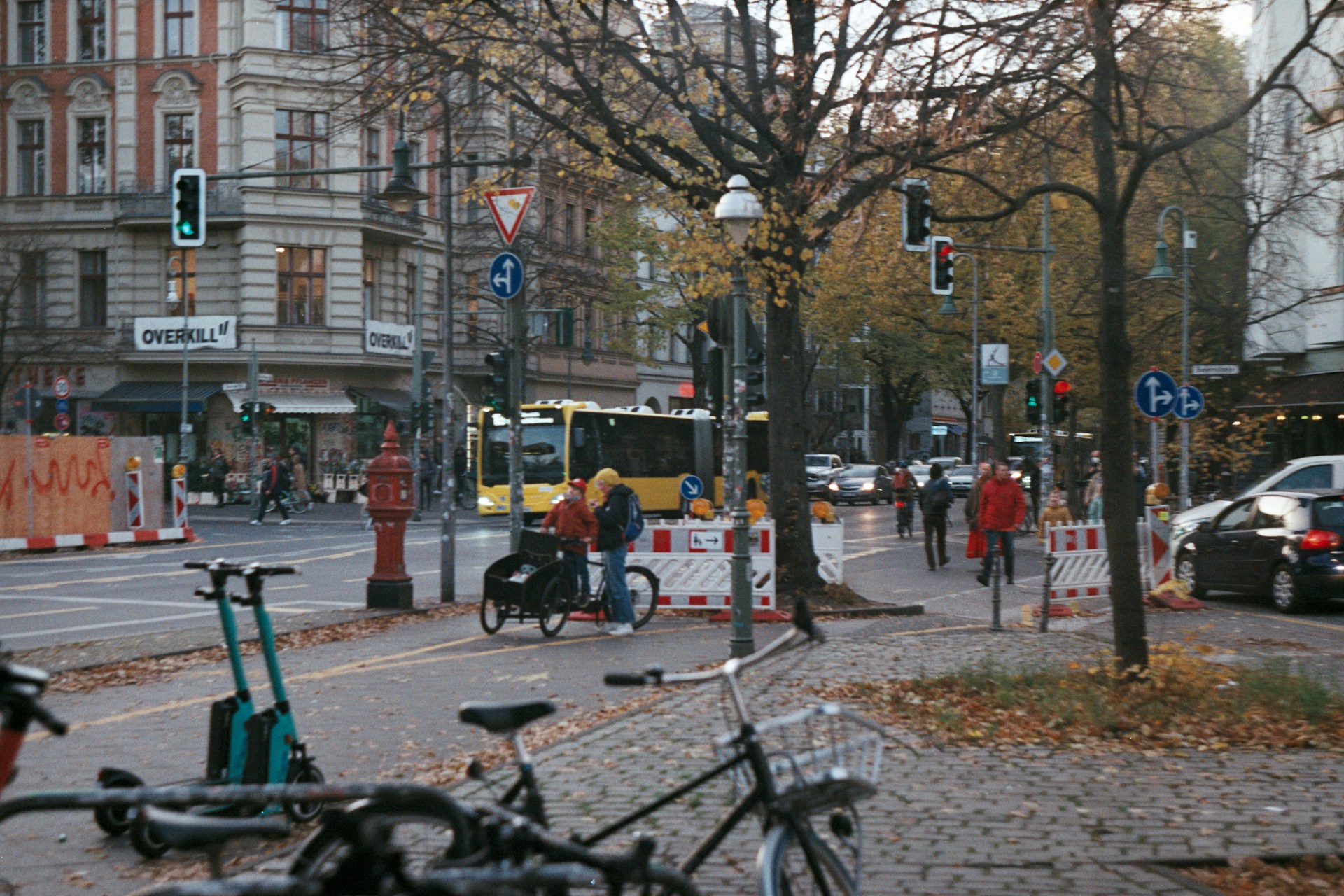
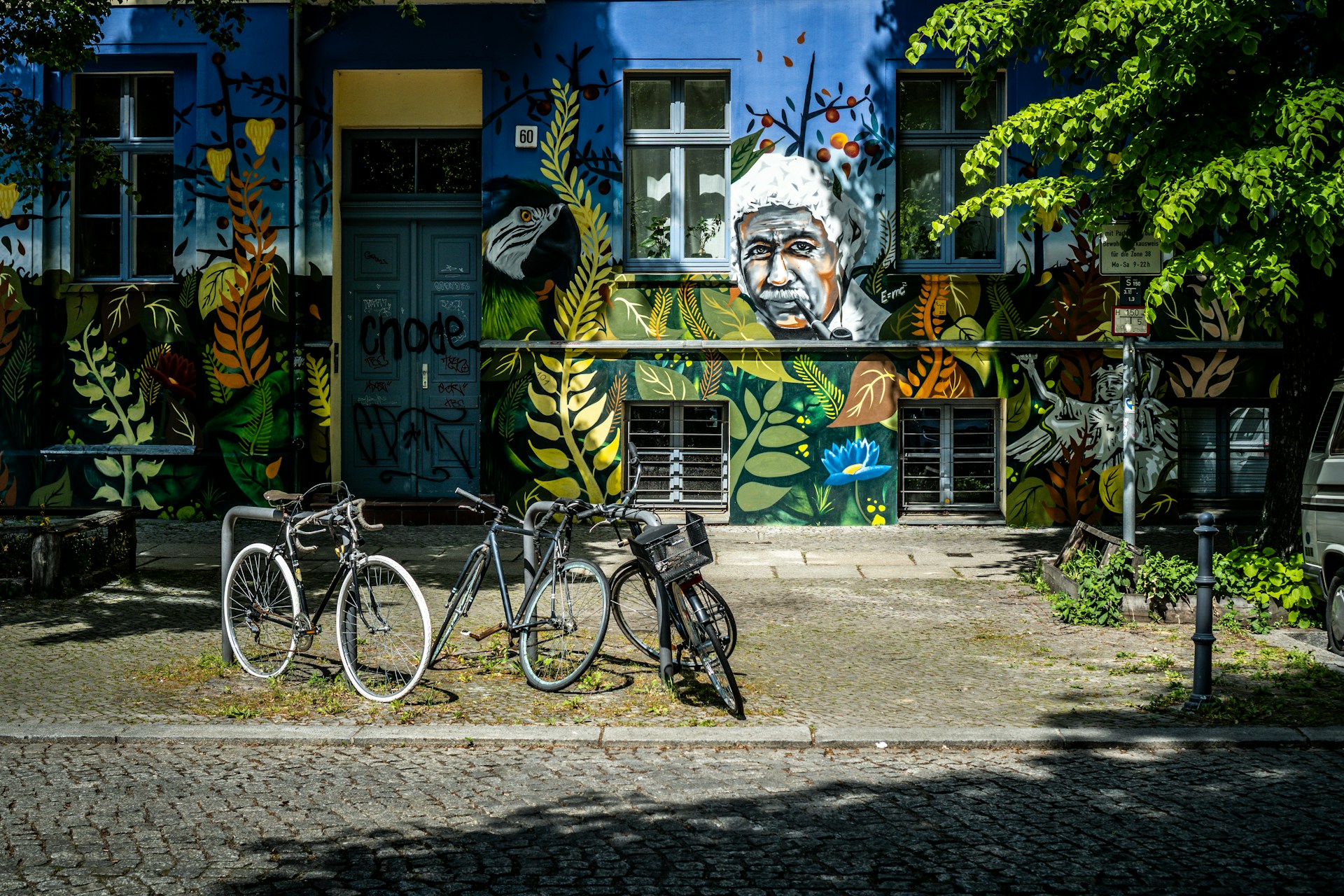
Right across the river from Friedrichshain, there’s Kreuzberg—hands down Berlin’s most famous neighborhood. It’s split into two key areas (Kreuzberg 36 and Kreuzberg 61), but they both have this lively, welcoming vibe that makes international students feel like they belong from the get-go. Picture this: killer street art popping up everywhere, the tempting aroma from fresh Turkish bakeries wafting through the air, and indie coffee spots roasting beans right on the same block—living here’s like stepping into a dream mix of cultures. If you picture your perfect study time as chilling in a stylish cafe with your laptop and an oat flat white, this place is going to be your jam. That spot along the Landwehr Canal? Total legend for those easygoing summer hangs with friends. Sure, rents have crept up a bit, and it’s gotten more popular lately, but the killer location and that unbeatable cool factor still make it a standout choice.
The Vibe: Fashionable, varied, and casually awesome.
Perfect for: Big thinkers, cafe wanderers, and students who love diving into the heart of the action.
Neukölln
A quick hop south on the subway from Kreuzberg, Neukölln’s gone from being a bit gritty and overlooked to straight-up Berlin’s hub of effortless cool. If you’re after that quintessential, kinda messy Berlin WG (shared apartment) vibe, this is your spot—no doubt. The area’s got Weserstraße as its claim to fame, this endless strip lined with cozy, dimly lit bars full of random mismatched chairs where students flock pretty much every night. But the real game-changer for living here? Tempelhofer Feld. It’s this old airport the city flipped into a gigantic public park. Come a sunny weekend, it’s like every student in town shows up—roller-skating down the former runways, launching kites, or throwing huge barbecue picnics.
The Vibe: Global, creative, and charmingly rough around the edges.
Perfect for: Savvy folks on a budget who love trends, and students eager to dive into local life right away.
Mitte
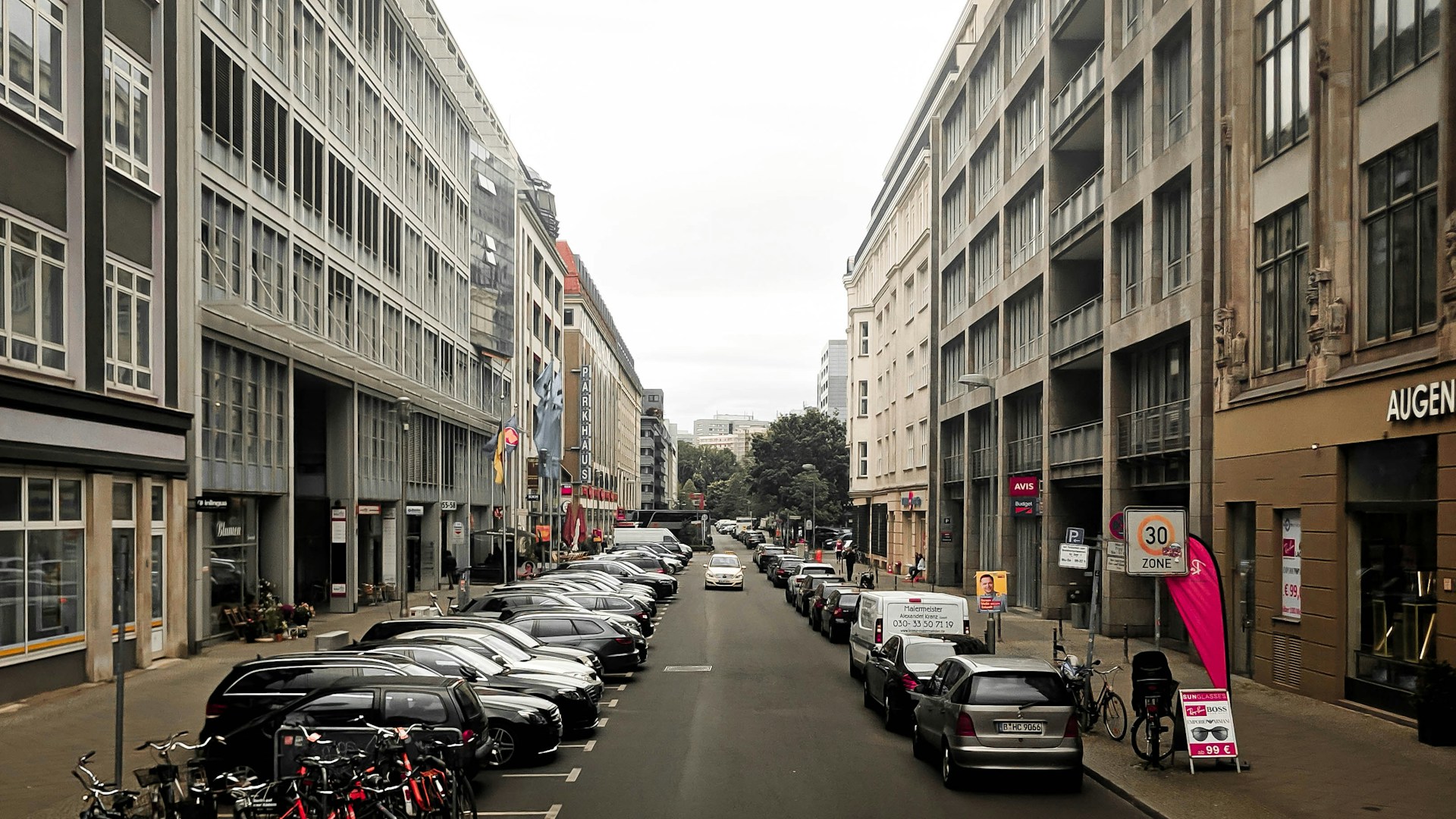
“Mitte” means “middle” in German, and yeah, staying here puts you smack in the heart of everything. If you’re at Humboldt University (HU Berlin), your commute might just be a casual five-minute stroll by some of Europe’s top sights, like the Berlin Cathedral or Museum Island. Sure, it’s the most central and scenic part of town, but let’s be real—Mitte’s pricey. You’re swapping cheap corner shops for fancy boutiques, trendy third-wave coffee places, and even Michelin-starred spots. That said, if you’ve got the funds, nothing beats having the whole U-Bahn and S-Bahn system basically at your front door for ultimate convenience.
The Vibe: Classy, welcoming to tourists, and super handy.
Perfect for: Humboldt-Universität zu Berlin crew, or anyone who puts prime location and sleek perks above hunting for deals.
Wedding
Wedding rarely makes it onto the standard tourist guides, which is exactly why it’s such a massive win for international students. Tucked away in the northwest, Wedding is basically doing what Kreuzberg and Neukölln did a decade ago—quietly turning into the city’s next favorite hangout spot.
The biggest draw? Rent here is noticeably cheaper than in the rest of the ring, giving your student budget a lot more breathing room. Plus, it’s ridiculously well-connected. Hop on the U6 or U8 subway lines, and you’re in the dead center of the city in under 15 minutes. It’s a super grounded, authentic neighborhood full of amazing Turkish grocery stores, massive green spaces like Volkspark Rehberge, and cool little cafes popping up on quiet corners.
The Vibe: Down-to-earth, quiet, and very wallet-friendly.
Perfect for: Practical students who want affordable rent without being stuck with an awful daily commute.
Best Neighborhoods in Berlin: At a Glance
This table provides a quick comparison of the top six neighborhoods to live in Berlin for students, highlighting each area’s key features and target student groups, along with average rent for your reference.
| Neighborhoods | Average Rent (Estimated WG/Studio) | Ideal for Students From | Key Selling Point |
|---|---|---|---|
| Charlottenburg-Wilmersdorf | €650 – €950 | TU Berlin (Technical University), UdK (University of the Arts) | Safe, elegant, extremely close to campus, and home to Berlin’s “Chinatown” (Kantstraße) |
| Friedrichshain | €600 – €850 | HTW Berlin, ESMT Berlin, and social butterflies | The ultimate youth culture hub. Unbeatable nightlife, thrift stores, and weekend flea markets |
| Kreuzberg | €650 – €900 | SRH Berlin, IU International, and creative majors | Multicultural buzz, aesthetic coffee shops, street art, and summer evenings by the Landwehr Canal |
| Neukölln | €550 – €800 | Hertie School, and students using the Ringbahn to commute | Bohemian flatshare (WG) culture, vintage bars, and massive weekend hangouts at Tempelhofer Feld |
| Mitte | €750 – €1,100+ | HU Berlin (Humboldt), Charité (Campus Mitte), ESMT | Dead center of the city. Premium lifestyle, ultra-convenient transport, and historic landmarks |
| Wedding | €500 – €750 | BHT (Berliner Hochschule für Technik), Charité (Virchow Campus) | The budget secret. Authentic, rapidly gentrifying, with excellent U-Bahn connections to the center |
How can uhomes.com help?
Here is the harsh truth nobody tells you before moving: it is currently highly competitive to rent an ideal student housing in Berlin. Finding a room through traditional German rental websites usually means standing in a queue of 50 people just to view an apartment, followed by a nightmare of paperwork. Local landlords typically demand a perfect SCHUFA (German credit score) and a German guarantor—two things most international students simply don’t have.
This is where booking your stay through a global student platform like uhomes.com becomes a total game-changer.
Instead of fighting the local rental market blind, you can secure your room months before you even pack your bags. We completely bypass the bureaucratic headache: no complex landlord negotiations in broken German, 100% verified properties, and exclusive listings and benefits. Whether you want a private studio in Mitte or a cozy shared apartment near TU Berlin, you can browse, compare, and book your ideal student home entirely online.
Conclusion
At the end of the day, there is no single “best” neighborhood in Berlin—only the one that is best for you. Whether you’re drawn to the elegant streets of Charlottenburg, the neon-lit nights of Friedrichshain, or the affordable charm of Wedding, your time studying in Germany is going to be unforgettable.
FAQ
What are the best neighborhoods in Berlin for international students?
The best areas to live in Berlin depend heavily on your university campus and preferred lifestyle. Charlottenburg is perfect for TU Berlin students seeking a quiet, safe area. If you want a vibrant, multicultural experience, Kreuzberg and Neukölln are top choices. For budget-conscious students, Wedding is a rapidly growing hidden gem.
Is it hard to find student housing in the best neighborhoods in Berlin?
Yes, the rental of student housing in the best places to live in Berlin, such as Mitte, Kreuzberg, or Friedrichshain, is incredibly competitive due to a city-wide housing shortage. To secure a room easily without dealing with local landlords, complex SCHUFA requirements, or massive viewing queues, international students should use verified global platforms like uhomes.com to book well in advance.
Are the best neighborhoods in Berlin safe at night?
Yes. Berlin is considered one of the safest capital cities in Europe. The best neighborhoods in Berlin for peace and quiet, like Charlottenburg and Wilmersdorf, are extremely secure at night. Even the busier, nightlife-heavy districts like Friedrichshain are generally very safe, though they can get loud, so basic street smarts are always recommended.
Which neighborhood in Berlin is the cheapest for students?
Currently, Wedding and Moabit (in the central-west) offer some of the most affordable rent prices within the Ringbahn. If you are willing to live slightly further out, eastern districts like Lichtenberg offer significantly cheaper student housing options while still providing good public transport connections.
Do I need a SCHUFA to rent an apartment in Berlin as a student?
If you rent from a local private landlord, a SCHUFA (German credit score) and a guarantor are almost always required. However, if you book through specialized student accommodation platforms like uhomes.com, you can bypass the SCHUFA requirement entirely, making the process much easier for internationals.
Do I need to speak German to live in Berlin?
Not necessarily. Berlin is incredibly international, and you can easily get by speaking only English in universities, cafes, and trendy neighborhoods. However, dealing with local bureaucracy (like the Bürgeramt for city registration) usually requires basic German or a German-speaking buddy.
What is the "Warmmiete" vs. "Kaltmiete"?
When looking at German apartment listings, Kaltmiete (cold rent) is just the basic cost of the space. Warmmiete (warm rent) includes additional building costs, such as heating, water, and trash collection. As a student, always look for properties that offer an “all-inclusive” Warmmiete so you don’t get hit with hidden bills.