



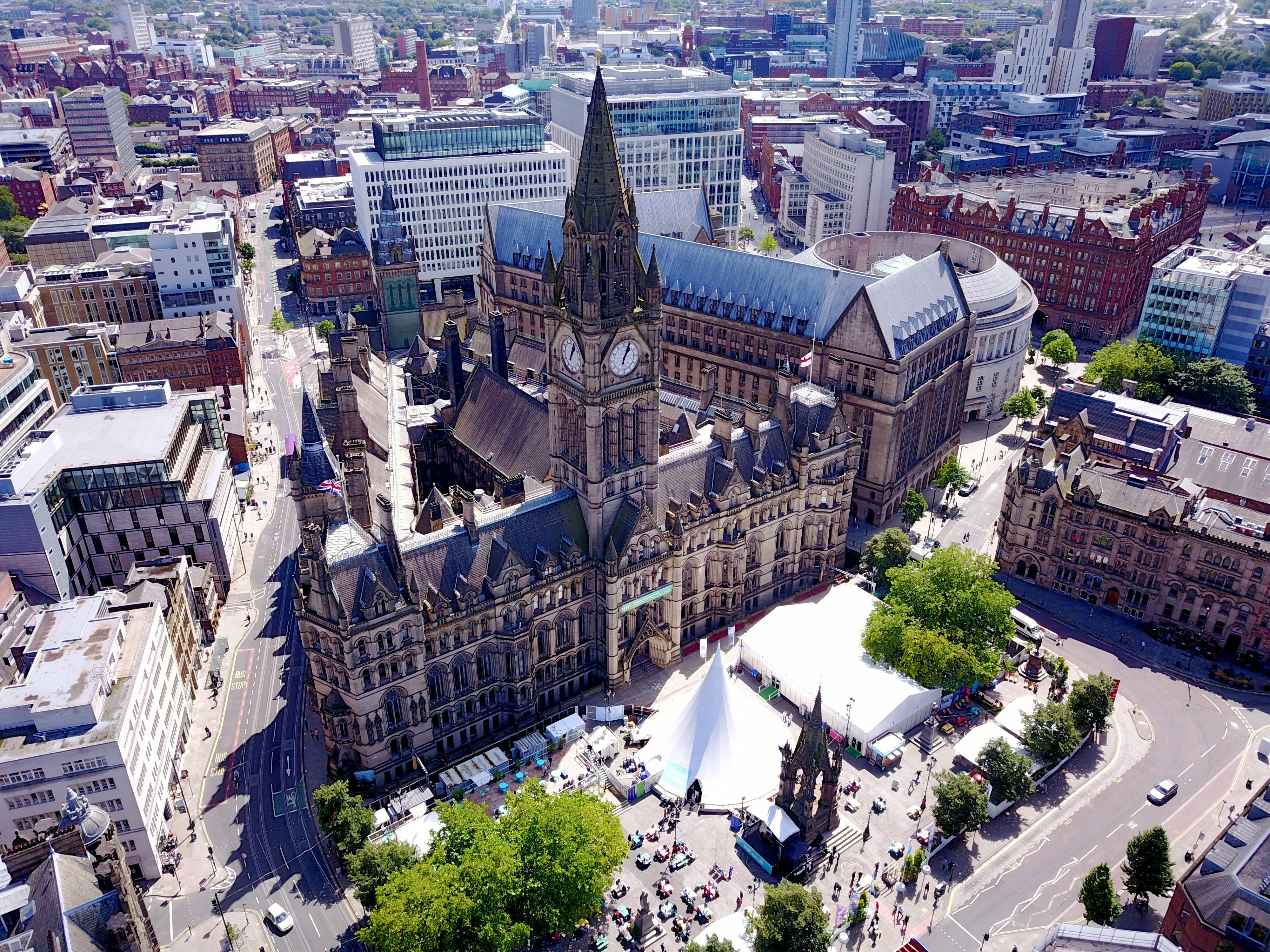
Is Manchester safe? Yes, Manchester is generally safe for daily life, work, and tourism, although safety varies by neighbourhood and time of day. Renowned for its vibrant culture, rich history, and dynamic economy, Manchester attracts residents, students, and tourists from around the world. While the city offers many welcoming places to live, study, and explore, some areas experience higher crime rates than others. This guide provides a data-driven overview of Manchester’s safety in 2026/2027, covering crime statistics, the safest areas in Manchester, areas where extra caution may be needed, and practical safety tips to help you make informed decisions.
Is Manchester Safe?
When people ask Is Manchester safe? The answer is, undoubtedly, Manchester is generally a safe city. According to the latest 2026 data, the city maintains a Moderate Crime Index score of approximately 55.9. While the raw crime rate—roughly 153.63 crimes per 1,000 people—might seem high compared to rural towns, it’s important to note that a significant portion of these incidents are concentrated in specific high-density zones or involve non-violent offences.
Greater Manchester Police (GMP) has reported a 15% increase in solved crimes over the past year, reflecting a more proactive approach to urban safety. For the vast majority of residents, students, and visitors, Manchester is a safe place to live, work, and explore, provided standard “big city” common sense is exercised—such as staying aware of your surroundings, securing valuables, and avoiding isolated areas at night.
Is Manchester Safe at Night?
Manchester is not entirely safe at night. The city is renowned for its vibrant evening scene, with bustling bars, restaurants, clubs and diverse cultural events drawing both locals and visitors. Areas such as Spinningfields and Deansgate enjoy good policing, with streets remaining well-lit and populated after dark, making them relatively safe for night-time activities. However, areas such as Piccadilly Gardens may become hotspots for anti-social behaviour after midnight. Students and visitors should exercise particular caution at night, avoiding walking alone on dimly lit or secluded streets and remaining vigilant of their surroundings. When travelling after dark, it is advisable to use reliable transport, such as taxis or licensed ride-hailing services, rather than walking long distances unaccompanied.
Is Manchester Safe for Women?
Manchester is generally safe for women, though precautions are recommended at night. To enhance female safety, the city council, Greater Manchester Police (GMP), and local universities have implemented several measures. The “Safe Streets” initiative improves lighting and CCTV coverage in high-traffic and nightlife areas, while GMP’s Women’s Safety Unit prevents harassment and responds quickly to reports of anti-social behaviour. Many neighbourhoods feature well-lit pedestrian routes, emergency call points, and visible police patrols, especially in student areas.
Universities offer night-time escort services, safety apps, and awareness programs for female students. Public transport authorities have upgraded evening bus and tram safety, with better lighting at stops and trained drivers. With these facilities in place, women can navigate Manchester confidently while minimising potential risks.
Crime Rate in Manchester
According to the latest 2026 data released by Greater Manchester Police (GMP) and the Office for National Statistics (ONS), Manchester’s crime rate shows a marked overall downward trend. As of March 2026, Manchester City recorded a crime rate of 153.63 offences per thousand inhabitants. The quarterly crime rate fell from 36.15 offences per 1,000 residents in March 2025 to 36.02 in March 2026, representing a year-on-year decrease of approximately 0.4% and indicating a slight recent decline in recorded crime.
This shift is largely attributable to enhanced police patrols in high-risk areas: personal theft, burglary, robbery, and shoplifting have all recorded substantial declines. Although figures for drug-related offences and weapons possession have increased (often reflecting heightened police proactive enforcement and searches), for ordinary residents, this signifies a tangible reduction in the street harassment and property loss risks that most disrupt daily life.
Safe Areas in Manchester
Didsbury
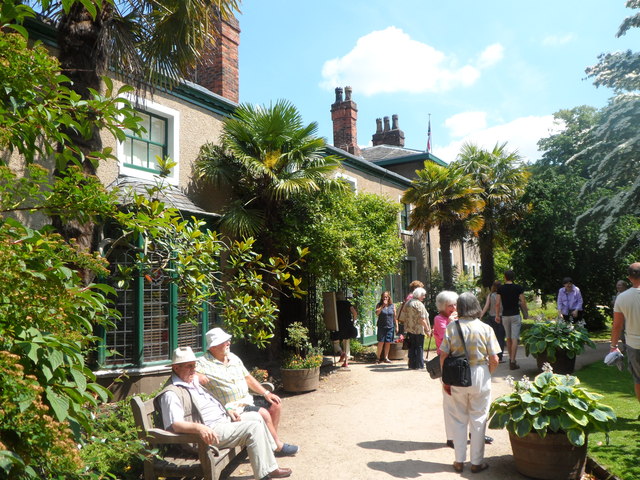
Didsbury is one of the safest areas to live in Manchester and is also one of its most desirable residential areas. With a crime rate of approximately 68 offences per thousand residents, Didsbury significantly underperforms Manchester’s overall average, placing it among the city’s most secure neighbourhoods. Didsbury comprises three distinct neighbourhoods: Didsbury Village, West Didsbury, and East Didsbury. Didsbury Village features predominantly upmarket residential properties, West Didsbury attracts a fashionable demographic, while East Didsbury is renowned for its pleasant surroundings and comfortable living. The area is characterised by high-end housing, well-managed communities, and a mature, stable residential environment. The primary residents of Didsbury include doctors, solicitors, academics, and high-earning professionals. The area exhibits relatively low population turnover and a positive community atmosphere, providing a stable foundation for local security. Furthermore, Didsbury benefits from well-lit, pedestrian-friendly street design, bustling commercial districts with consistent footfall, and a long-established, stable resident structure. These factors collectively support community safety, objectively contributing to reduced crime rates and acting as a deterrent to criminal activity.
Chorlton-cum-Hardy
Chorlton-cum-Hardy is one of the safest places to live in Manchester, boasting a low crime rate of approximately 60-70 incidents per 1,000 residents. This is significantly below the city-wide average and a key reason for its enduring popularity. The area is predominantly home to middle-class families, postgraduate students, and young professionals, fostering a harmonious and community-focused atmosphere. In recent years, Chorlton has maintained an excellent safety record, with no reports of large-scale violent crime or serious public disorder. What sets Chorlton apart is its unique social scene. Unlike the high-energy, often rowdy nightclub districts of the City Centre, Chorlton’s nightlife revolves around independent bars, craft breweries, and family-owned restaurants. This “family-friendly” entertainment culture significantly reduces alcohol-fueled brawls and street-level chaos. Furthermore, Chorlton-cum-Hardy hosts one of the most active Neighborhood Watch networks in Greater Manchester. Statistics show that streets with active community watch schemes typically see a 15-20% lower crime rate compared to those without, providing residents with an extra layer of collective security and peace of mind.
Castlefield
Castlefield is widely regarded as the safest part of Manchester’s city centre. Unlike the bustling Piccadilly Gardens, Castlefield functions as an “urban heritage park”, restricting through traffic to foster a tranquil environment that naturally discourages opportunistic crime. Data from 2026 indicates that whilst the city centre’s overall crime rate stands at approximately 108.2 offences per thousand residents, Castlefield consistently records lower figures, particularly concerning violent crime. The area’s safety stems from a concentration of high-earning professionals and proactive community management, ensuring well-lit canal-side roads and a visible security presence. Furthermore, the area benefits from “passive surveillance” – residents and diners frequently frequenting the numerous canal-side bars and restaurants – which significantly reduces anti-social behaviour. Moreover, Castlefield’s Neighbourhood Policing Team actively collaborates with the community, employing high-visibility patrols and targeted enforcement to prevent and respond to incidents. This approach focuses on tackling localised issues such as parcel theft, anti-social behaviour, and street offences, while enhancing residents’ and visitors’ sense of security. Situated away from major crime hotspots and characterised by its well-maintained, affluent neighbourhood, Castlefield has become a prime location for those prioritising security without compromising on the conveniences of urban living.
Rough Areas in Manchester
Moss Side
Historically, Moss Side has been regarded as one of the roughest areas of Manchester, a reputation rooted in its complex history of gang-related activity and drug-related violence. While the area has undergone significant regeneration and boasts a rich cultural heritage, crime data continues to reflect higher-than-average rates of violent incidents and firearm-related offences compared to its southern neighbours.
As of 2026, the crime rate in Moss Side fluctuates between 110 and 130 incidents per 1,000 residents, largely driven by deep-seated socio-economic deprivation and sporadic gang tensions. Despite being home to the vibrant Alexandra Park and a resilient community, Moss Side remains a “cautionary zone” for students and newcomers. It consistently ranks within the most deprived 10% of areas in the UK, with reported cases of substance abuse and illicit trade significantly outstripping those in the adjacent Victoria Park. For those visiting or living nearby, local safety guidelines strongly advise sticking to well-lit arterial roads and maintaining high vigilance after dark to navigate the area securely during its ongoing transformation.
Longsight
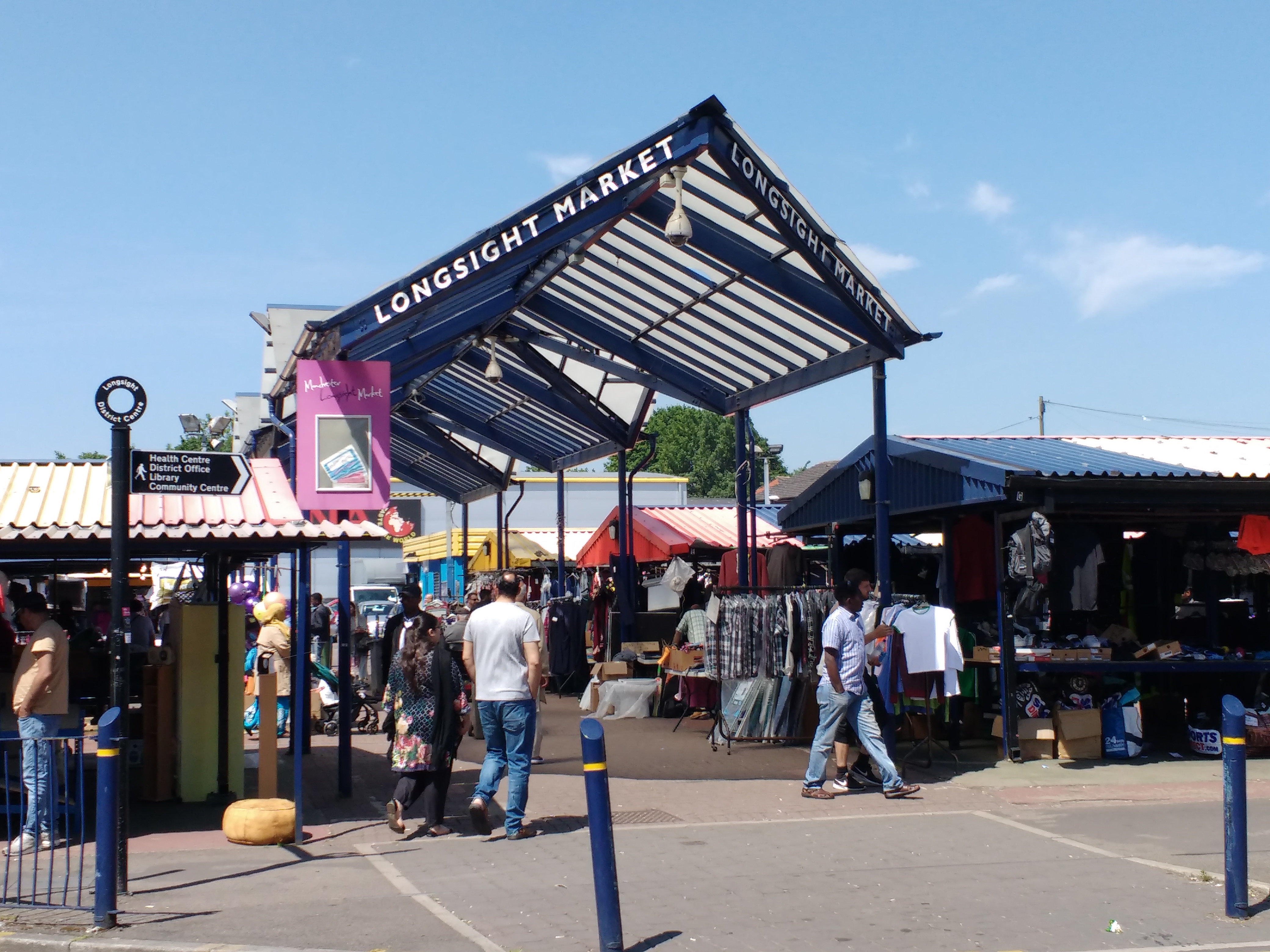
Longsight is a bustling, multicultural residential area that, unfortunately, struggles with high levels of street-level crime and property offences. While it serves as a major commercial artery for South Manchester, it is frequently categorised as a “rough area in Manchester” due to its persistent safety challenges. As of 2026, crime statistics indicate that Longsight experiences a crime rate of approximately 115 to 135 incidents per 1,000 residents, with a notably high concentration of personal robberies and residential burglaries.
The area’s safety profile is complicated by its high population density and pockets of severe economic hardship. Compared to the nearby student-heavy Fallowfield, Longsight reports a higher frequency of violent assaults and vehicle-related crimes. Local law enforcement often highlights the area as a hotspot for “opportunistic” theft, particularly targeting pedestrians near the busy A1301 corridor. For residents and visitors, the prevailing advice is to avoid displaying valuables like smartphones or jewellery and to be particularly cautious when navigating the side streets off the main market area after sunset.
Cheetham Hill
Cheetham Hill has long been identified as the least safe area in Manchester, characterised by complex issues surrounding organised crime and anti-social behaviour. In recent years, it has become the primary focus of the high-profile “Operation Vulcan,” a police initiative aimed at dismantling large-scale illicit trade and gang networks. Despite these interventions, the area remains a significant “rough area” in 2026, with a crime rate consistently exceeding 140 incidents per 1,000 residents in its most problematic sectors.
The neighborhood is particularly notorious for its “Counterfeit Quay” and issues related to drug trafficking and gang-related intimidation. While the local community is diverse and active, the prevalence of illicit markets has historically fostered an environment where violent crime and exploitation are more common than in the northern suburbs like Prestwich. Safety experts categorise Cheetham Hill as a high-caution zone, especially around Bury New Road, where anti-social behaviour and illegal street trading often escalate into confrontations. Visitors are advised to visit only during daylight hours and to remain strictly within well-populated commercial zones.
Staying Safe in Manchester
- Prioritise Safety in Your Housing Choice: When searching for student accommodation in Manchester, security should be your top priority. Beyond just price and location, look for residences that offer 24/7 onsite staff, fob-access entry, and high-quality CCTV. Opting for managed halls in student-dense areas like Oxford Road or Victoria Park ensures you are part of a monitored community, which provides an essential layer of safety from day one.
- Stay Aware of Your Surroundings: Whether you’re walking home from the library or exploring the city centre, stay alert. Avoid distractions like wearing noise-cancelling headphones at high volume. Stick to well-lit main roads and avoid shortcuts through quiet streets or parks like Whitworth Park after dark.
- Use Public Transport and Night Services Smartly: Manchester’s public transport is reliable, but late at night, it’s best to travel with friends. If you’re out past midnight, use licensed taxis or ride-hailing apps like Uber, and always wait for your ride in a well-lit, populated area rather than a deserted bus stop.
- Protect Your Tech and Belongings: As a student, your laptop and phone are your most valuable assets. Petty theft can happen in crowded libraries or cafés. Always keep your valuables out of sight when walking and never leave them unattended in public spaces. If you cycle, invest in a high-quality D-lock and use secure bike storage.
- Leverage University & Security Support: Most universities in Manchester offer 24/7 campus security and safety apps (like SafeZone). Familiarise yourself with these resources early on. If you ever feel uncomfortable or encounter an issue, don’t hesitate to contact the campus security team or your building’s concierge—they are trained to handle these situations.
- Know the Emergency Contacts: Save 999 for emergencies and 101 for non-emergency police assistance. Having these numbers (and your building’s security line) on speed dial will provide significant peace of mind.
Conclusion
Overall, Manchester is a safe city. Whilst the city centre and popular commercial districts experience high footfall and vibrant nightlife, the predominant types of crime are theft and public order offences. By exercising reasonable precautions and taking care when travelling at night, risks can be significantly reduced. Neighbourhoods such as Didsbury, Chorlton-cum-Hardy, and Castlefield are widely regarded as safe and desirable areas to live, owing to their low crime rates, stable resident composition, and effective community management. Conversely, areas such as Moss Side, Cheetham Hill, and Longsight present relatively higher risks, warranting increased vigilance. For students, visitors, and new residents, understanding the safety characteristics of different neighbourhoods, adhering to basic urban safety principles, and selecting well-policed communities and travel routes are key to enjoying Manchester’s vibrant city life.
FAQ About Is Manchester Safe?
Yes, Manchester is generally safe to travel to. It is one of the UK’s major cities with well-developed transport, strong policing, and extensive tourist infrastructure. Most visitors experience no safety issues, especially when staying in central or well-known areas.
Both London and Manchester are considered safe overall, but safety can vary significantly by area in each city. London often has a higher volume of total crimes due to its massive population, but Manchester’s crime rate per 1,000 people can sometimes appear higher due to its smaller, denser population base.
Manchester Piccadilly is generally safe but requires extra vigilance at night. The station is equipped with round-the-clock CCTV surveillance and patrols by the Railway Police. However, caution is advised in the Piccadilly Gardens area outside the station. This serves as Manchester’s transport hub, attracting a diverse crowd late at night, and is frequently frequented by intoxicated individuals or rough sleepers.
Yes, Manchester tap water is perfectly safe to drink. Manchester’s tap water is largely sourced from the Lake District, widely regarded as one of the finest water sources in the whole of Britain. It is classified as “soft water”, with a refreshingly crisp taste and less prone to limescale build-up than tap water in southern cities such as London.
Yes, Manchester is very safe for tourists. The main tourist zones—such as the Northern Quarter, Spinningfields, and the Museum District—are heavily monitored and populated.