


Are you looking for the cheapest states to live in? Although inflation has fallen significantly, it still remains high compared to pre-pandemic norms. Especially if you’re living in big cities like New York City and Washington D.C., the high cost of living can be overwhelming, leading more people to search for the most affordable states to live in, with lower housing prices, groceries, transport, and other expenses. To help people learn more about the most affordable places to live in the US before relocating, we’ve compiled and analysed the top 10 cheapest places to live in the US. Come with us to find the next place to call home.
Cheapest States to Live in: Overview
This list on the most affordable places to live in the US are based on the latest data from Council for Community & Economic Research (C2ER) survey on cost of living index for Q1 2025. It measures prices for major daily expenses including housing, groceries, utilities, transport, health care and miscellaneous others, showcasing a comprehensive picture about the affordable of each city.
Here is the detailed list of the top 10 cheapest states to live in the US bases on cost of living index:
| Cheapest States to Live in the US – C2ER (Q1 2025) | ||||||||
|---|---|---|---|---|---|---|---|---|
| Rank | State | Index | Grocery | Housing | Utilities | Transport | Heath | Miscellaneous |
| 1 | Oklahoma | 85.5 | 95.7 | 70.5 | 94.7 | 86.7 | 94.6 | 89.5 |
| 2 | Mississippi | 87.3 | 95.9 | 72.5 | 89.7 | 89.5 | 95.7 | 93.2 |
| 3 | Alabama | 87.6 | 97.6 | 69.1 | 98.8 | 91.9 | 90.7 | 94.2 |
| 4 | Missouri | 88 | 96.7 | 74.8 | 97.5 | 87.2 | 91 | 92.5 |
| 5 | West Virginia | 88.6 | 96.7 | 71.6 | 92.2 | 96 | 94.4 | 95.4 |
| 6 | Iowa | 89.6 | 95.7 | 77.7 | 89.5 | 95.5 | 96 | 94.3 |
| 7 | Kansas | 89.7 | 96.5 | 75.6 | 100.4 | 90.2 | 102.1 | 93.9 |
| 8 | Michigan | 89.8 | 98.9 | 73.9 | 97.4 | 100.6 | 88.4 | 94.3 |
| 9 | Tennessee | 90 | 96.7 | 81.5 | 87.9 | 89.3 | 85.9 | 95.4 |
| 10 | Arkansas | 90.5 | 95.1 | 79.2 | 92.2 | 92.4 | 85.4 | 97.6 |
10 Cheapest Places to Live in the US
Looking for more details and insights? Here is a detailed breakdown about these cheapest places to live in the US. Dig more with us to make a better decision!
1. Oklahoma
- Average Cost of Living: $3,220 per month
- Average Rent: $1,056 per month
- Median Household Income: $67,330
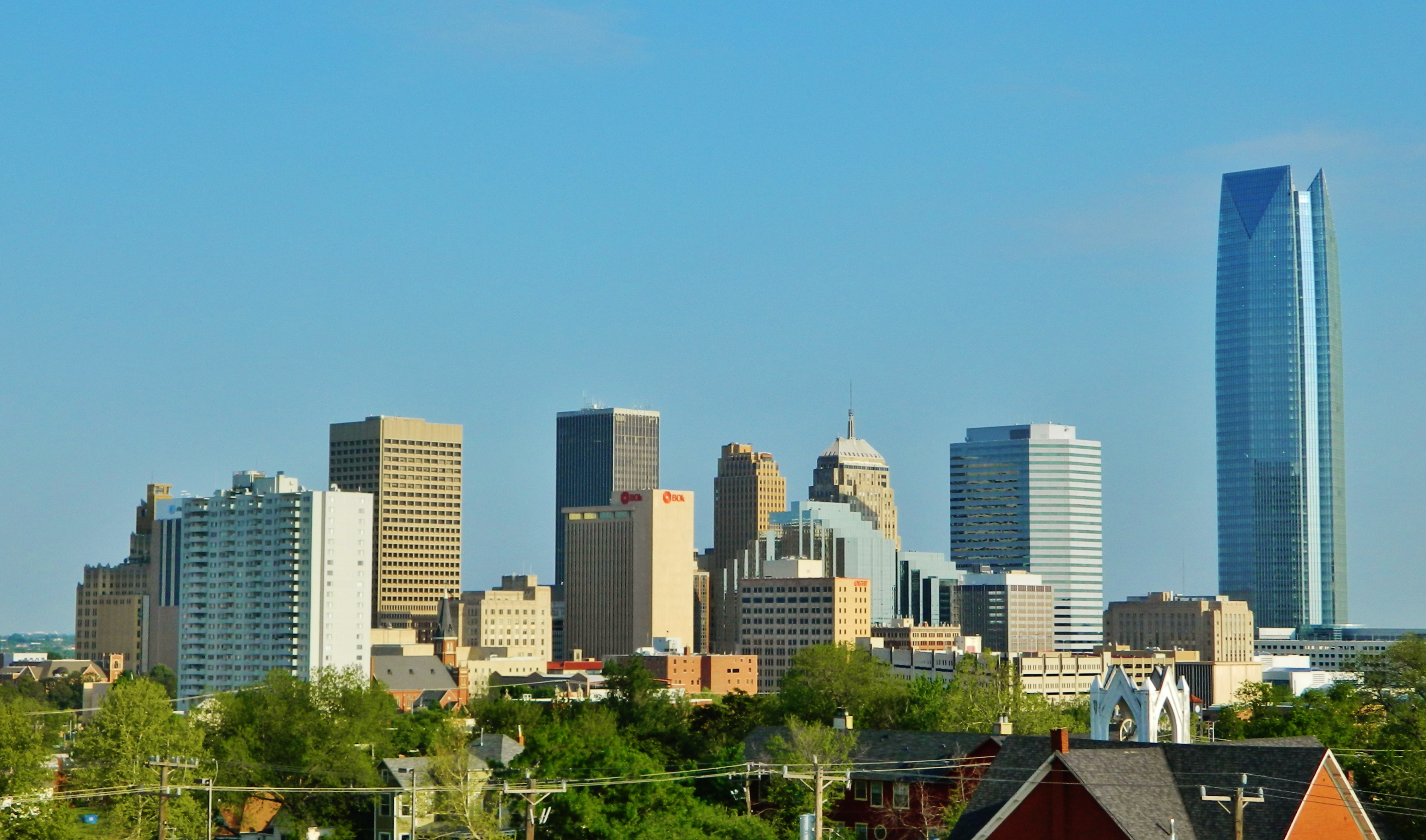
- Cheapest Cities: Muskogee, Ponca City, Oklahoma City
Cost of Living Details:
Oklahoma is the cheapest state to live in, especially when it comes to housing prices and transportation costs. Thanks to the large amount of available land and lower population density, the housing market is stable, and house prices are 24% lower than the national median. Home to massive oil production, the fuel prices in Oklahoma have consistently been the lowest in the United States, together with no additional taxes on vehicles, leading to transport costs in this state 10% lower than the national average.
Job Market
Oklahoma enjoys not only a low cost of living but also a stable and robust job market. Energy and agriculture are its traditional foundations, and aerospace, IT, and biotechnology are also growing rapidly in cities like Oklahoma City and Tulsa in recent years. The underemployment rate in Oklahoma is only 3.1% (lower than the national level), indicating enough job opportunities.
Life Quality
Living in Oklahoma offers a unique experience with rich Native American culture and small-town charm. Diverse natural beauty from the ancient Wichita Mountains to the stunning Broken Bow Lake and Turner Falls will give you more reasons to live here. Of course, some small cities may lack cultural amenities, and summers can be extremely hot and muggy.
2. Mississippi
- Average Cost of Living: $3,200 per month
- Average Rent: $1,159 per month
- Median Household Income: $52,719
- Cheapest Cities: Tupelo, Gulfport, Hattiesburg
Cost of Living Details:
Mississippi is widely recognized as one of the most affordable places to live in the USA, particularly in its low housing and utility costs. The average rent of 1-bed apartment in affordable cities like Meridian costs only $862 per month, while the national average is $1,495 per month. Also, utilities are roughly 11% less expensive, about $584 per month on essential services such as electricity, water, gas, and internet.
Job Market:
Mississippi is attractive for its low housing costs, but it brings potential challenges in job hunting. Its main industries include manufacturing, agriculture, and healthcare. Although the unemployment rate is relatively stable, the average wage is usually lower than the national average, reflecting its low cost of living. For remote workers and retirees, Mssissippi is still a good place to go
Life Quality:
Apart from affordability, Mississippi is also popular for its blues, hearty food, and captivating history. Southern hospitality features this warm and friendly community, fostering a welcoming and tight-knit place to call home. Historial landmarks, museums like the National Civil Rights Museum, and the Appalachian Mountains will leave you a lot to explore, from culture to nature.

3. Alabama
- Average Cost of Living: $3,305 per month
- Average Rent: $664 to $1,250 per month
- Median Household Income: $59,674
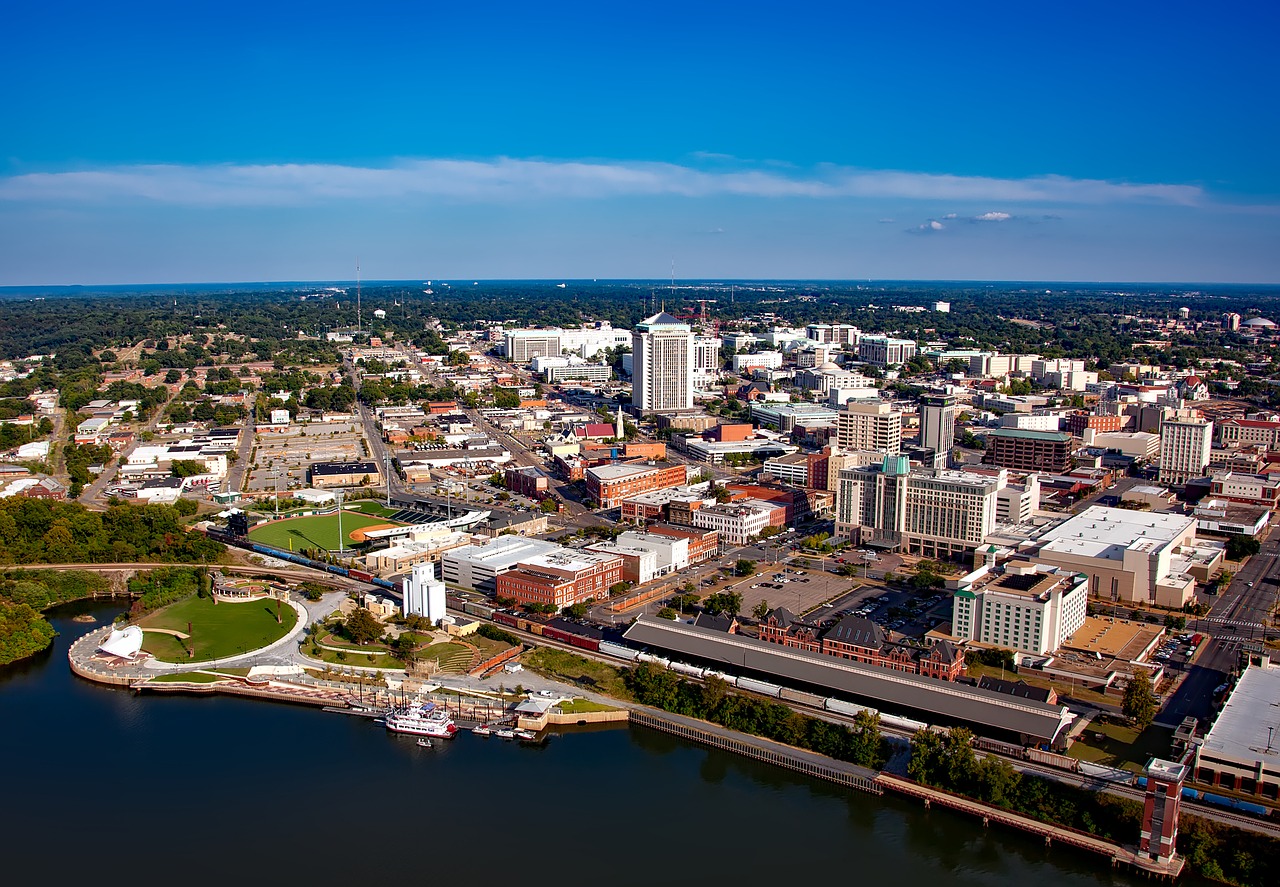
- Cheapest Cities: Selma, Anniston, Mobile
Cost of Living Details:
Alabama, with significant low cost of living on housing and heathcare, stands as another cheapest place to live in USA. Housing in Alabama is 29% lower than the national average, making it one of the most affordable housing markets in America. As for healthcare, Alabama is one of the least expensive states, with nationally renowned health centers and initiatives such as Medicaid expansion and subsidized plans on the HealthCare.gov marketplace.
Job Market:
Alabama enjoys an impressive low unemployment rate of only 2.9%, thanks to its diverse job market. It has become an important center of Automotive Manufacturing, with factories of many international automakers. Also, aerospace and defense (as in Huntsville), and healthcare also offer enough high-paying jobs.
Life Quality:
With a geography that spans a wide range, Alabama boasts a wealth of natural beauty from the Appalachian Mountains to the Gulf Coast. In addition, the climate is comfortable with mild winters and warm summers, and there will always be things to do with numerous parks, national forests, and waterways for hiking, fishing, and other outdoor activitiess.
4. Missouri
- Average Cost of Living: $3,716 per month
- Average Rent: $1,113 per month
- Median Household Income: $68,920
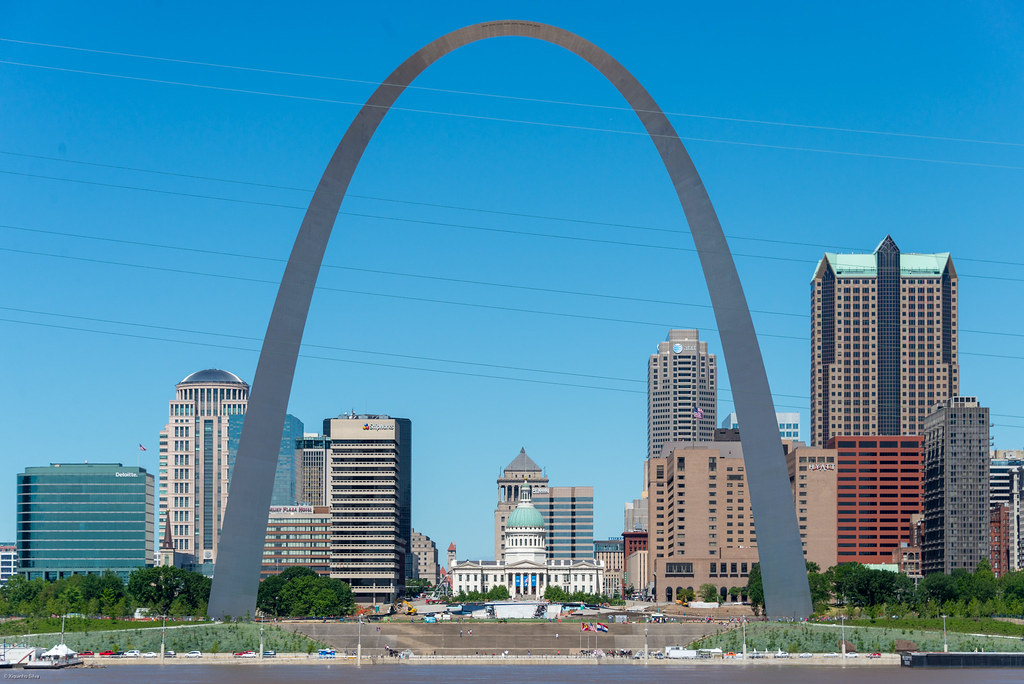
- Cheapest Cities: Joplin, St. Louis, Springfield
Cost of Living Details:
Missouri is also widely known as the cheapest city to live in the USA, with affordable prices in housing, transportation, and groceries. The cost of living in Missouri is generally 10% – 12% lower than the national average, among which housing is 18% lower, transportation is 8%, and groceries are 3% lower. Besides, the state also has a lower overall tax burden, especially for property taxes.
Job Market:
Missouri’s job market benefits from its prime location, making it a logistics and transportation hub. St. Louis and Kansas City are its major financial centers, with robust sectors like financial services, biosciences, and advanced manufacturing. The 4.1% unemployment rate is a little higher than other low-cost-of-living states, but its diverse economic structure offers plenty of occupation choices.
Life Quality:
Missouri is called the “gateway to the West”. No matter whether you’re fond of the jazz and barbecue of Kansas City or the historic charm of St. Louis, you will enjoy a slower pace of life together with vast opportunities to explore nature from the Ozark Mountains to the Mississippi River.
5. West Virginia
- Average Cost of Living: $3,280 per month
- Average Rent: $631 to $1,106 per month
- Median Household Income: $60,410
- Cheapest Cities: Wheeling, Weirton, Clarksburg
Cost of Living Details:
West Virginia has always topped the list of most affordable states to live in, with a cost of living 13% than the national average level, and housing prices can be 27% lower. Its affordability is primarily contributed to by its rural character, featuring low population density and low property values. The economy relies on traditional industries like coal and manufacturing, and wages can be low with slower economic growth.
Job Market:
West Virginia is one of the states with the lowest housing costs, but its job market still faces transformation challenges. Traditional coal mining and heavy industry are declining, and they are actively transforming into the tourism, healthcare, and education sectors. For people seeking a peaceful life and low housing prices, West Virginia is still a good option.
Life Quality:
If you’re eager to have your own house and enjoy living in the countryside, West Virginia is bound to be the choice. As home to over 40 state parks and forests, as well as world-class whitewater rafting companies and one of the largest ATV trail systems in the country, numerous outdoor recreation opportunities will add more color to your life.

6. Iowa
- Average Cost of Living: $3,629 per month
- Average Rent: $940 per month
- Median Household Income: $52,000
- Cheapest Cities: Keokuk, Fort Madison, Marshalltown
Cost of Living Details:
With affordable housing costs, utilities, and groceries, Iowa is also often cited among the lowest cost-of-living states. Compared to the national average, Iowa housing is 27% lower, utilities are 12% lower, and groceries are 3% lower, but other expenses like goods and services can be significantly higher (for example, clothing costs are 65% higher).
Job Market:
Agriculture and food processing have long been the core of Iowa’s job market. In recent years, it has also achieved significant growth in fields like financial services, insurance, and renewable energy. Iowa has a stable unemployment rate of 3.8%, supported by its low tax burden (income tax reduced to a flat rate of 3.8% by 2025), which is friendly to the working class.
Life Quality:
Iowa is known for its peaceful, enriching lifestyle, with safe, welcoming communities and a premium public education system. This rural state offered a slower pace of life, with plenty of outdoor recreation opportunities such as hiking, fishing, and camping, as well as easy access to fresh, locally grown produce. Although lacking the big-city buzz, cities like Des Moines and Cedar Rapids also offer diverse cultural activities and cuisines. Iowa is the typical Midwestern lifestyle, focusing on family and community values.

7. Kansas
- Average Cost of Living: $3,370 per month
- Average Rent: $$1,021 per month
- Median Household Income: $41,664
- Cheapest Cities: Pittsburgh, Kansas
Cost of Livin Detials:
Kansas is also one of the least expensive states to live in due to its affordable housing market. Housing in Kansas can be 32% lower than the national level, transportation and groceries are around 5% lower, enabling you to have more disposable income for a higher quality of life.
Job Market:
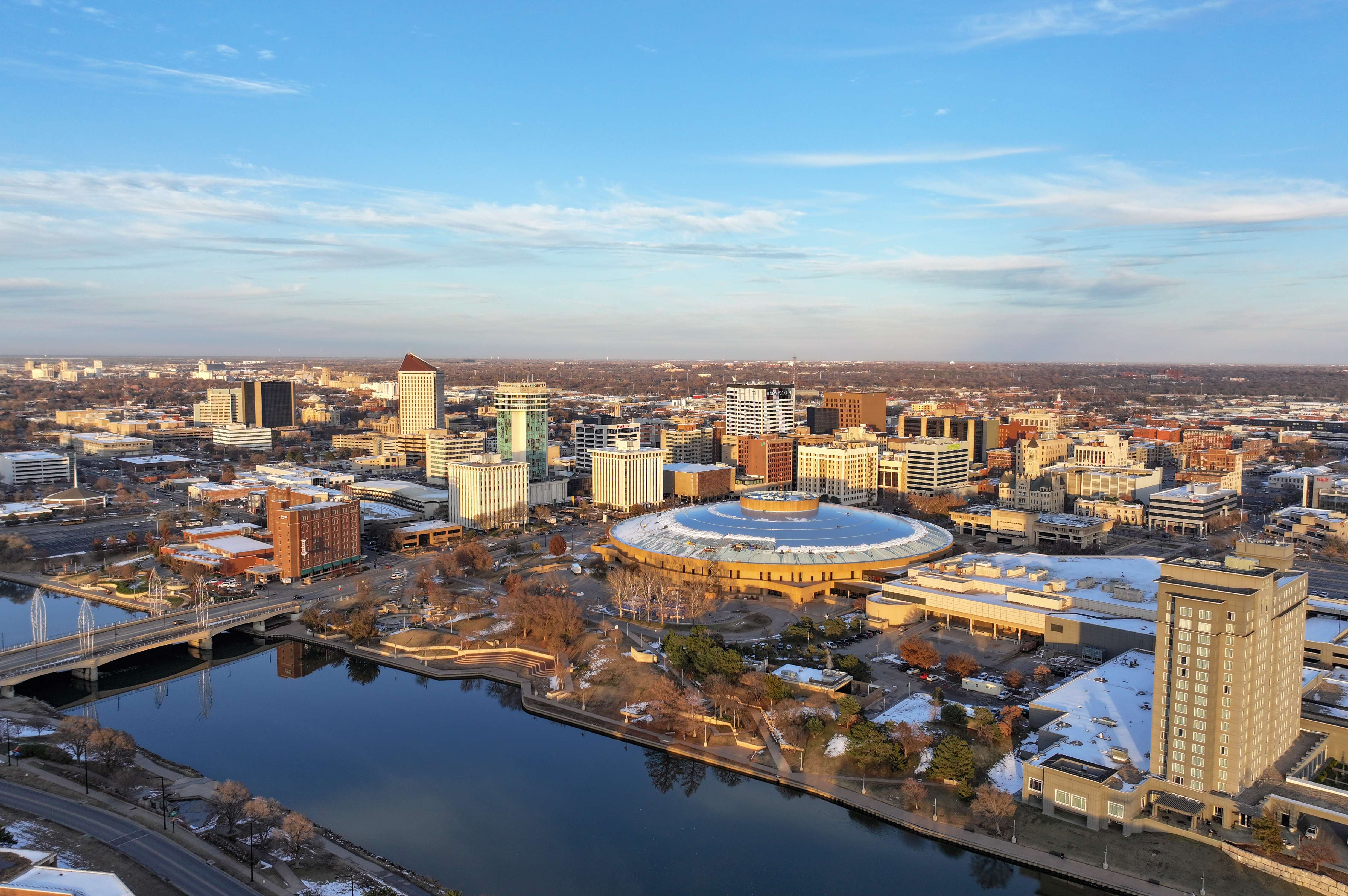
The job market in Kansas is primarily driven by aerospace manufacturing (as in Wichita), agriculture, and biosciences. Its unemployment rate is 3.8%, offering a promising career outlook. What’s more, Kansas carried out Income Tax Reform in 2024, lowering the tax rate and further enhancing its fiscal appeal to residents.
Life Quality:
Kansas offers a typical Great Plains Lifestyle and is renowned for its vast grasslands and peaceful rural scenery. Life in Kansas emphasizes a strong sense of community, where neighbors take time to get to know one another and help each other out. For outdoor fans, there are 25 state parks and wildlife areas to explore, including the Tallgrass Prairie National Preserve and Smoky Hills. Of course, if you prefer metropolitan life, Kansas City offers vibrant culture, arts scene, and job opportunities.
8. Michigan
- Average Cost of Living: $2,933 per month
- Average Rent: $1,135 per month
- Median Household Income: $59,234
- Cheapest Cities: Kalamazoo, Wyoming, Flint
Cost of Living Details:
Although living in big cities like Detroit and Ann Arbor can be expensive, the overall cost of living in Michigan is still 10-12% lower than the national average. Its affordability majorly comes from housing, with both rent and home prices generally cheaper than in most other states.
Job Market:
Michigan is the global center of the automotive industry, with Detroit undertaking economic recovery and other fields like high-tech and financial services experiencing continuous development. However, its unemployment rate is 5.2%, which ranks it among the most expensive states to live in, reflecting challenges in the job market. Besides, its Low Sales Tax Rate (only 6.00% state tax, no local tax) is an important component of its cost-of-living advantage.
Life Quality:
Michigan offers newcomers choices of both big-city and small-town lifestyles. Michigan is known as the “Great Lakes State” because it borders the Great Lakes. This offers residents unparalleled opportunities for Water Activities, including boating, fishing, and beach leisure. Opt for Grand Rapids for an artistic atmosphere, Traverse City for lake life, or Detroit for bustling life. Numerous beaches, rolling hills, several music scenes, and diverse outdoor activities will ensure you never get bored.

9. Tennessee
- Average Cost of Living: $3,540 per month
- Average Rent: $1,374 per month
- Median Household Income: $67,097
- Cheapest Cities: Memphis, Knoxville, Chattanooga
Cost of Living Details:
Tennessee’s cost of living is 10% lower than the national average, making it one of the cheapest places to live in America. Both housing, utilities, transportation, and clothing costs are around 10% cheaper than the average level, and there is no state income tax, making it a perfect place for people considering relocation.
Job Market:
Tennessee’s greatest financial attraction is its No State Income Tax, which greatly increases residents’ disposable income. It also boasts a robust job market, driven by healthcare (as in Nashville), automotive, and logistics. A unemployment rate of 3.6% reflects the vitality of the state’s economy. But, Tennessee’s combined sales tax rate (9.61%) is one of the highest in the United States, which, to some extent, offsets the advantages of income tax.
Life Quality:
As the birthplace of country music, Tennessee also attracts visitors for its rich culture and beautiful scenery. Imagine a life in a welcoming community, filled with a live music scene, natural areas like the Great Smoky Mountains, and easy access to vibrant cities like Nashville and Memphis.

10. Arkansas
- Average Cost of Living: $4,641 per month
- Average Rent: $1,100 per month
- Median Household Income: $58,773
- Cheapest Cities: Forest City, West Memphis, Camden
Cost of Living Details:
The last US state with the cheapest cost of living is Arkansas, featuring affordable housing, groceries, and healthcare. According to C2ER, the cost of living in Arkansas is aroun 14% lower than the rest of the nation, 22% lower in housing, 8% lower in utilities, and 4% lower in groceries. You will spend significantly less on necessities, saving more to improve your quality of life without sacrificing affordability.
Job Market:
The job market in Arkansas is dominated by Retail Giants (Walmart is headquartered in Bentonville), Agriculture, and Food Processing. The state has witnessed particularly rapid economic growth in the northwest region (such as Fayetteville), with increasing opportunities in Technology and Supply Chain. An unemployment rate of 3.8% indicates a healthy working environment. Similar to Tennessee, Arkansas also has a relatively high combined sales tax rate (9.48%).
Life Quality:
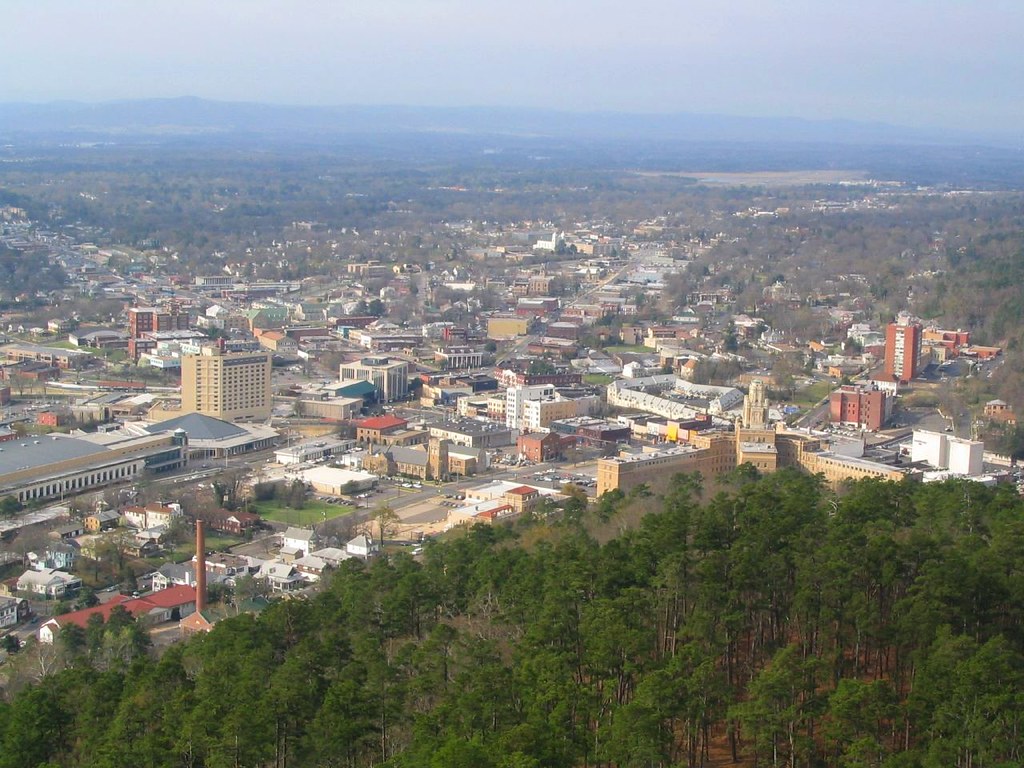
Arkansas is famous for being “The Natural State“, home to abundant outdoor activity resources, including Hot Springs National Park and Ozark National Forest. This state is a paradise for Mountain Biking enthusiasts, offering numerous world-class trails. Numerous recreational options for hiking, biking, and fishing, along with easy access to major cities, make Arkansas more attractive. However, the lack of education, high sales tax, and public safety issues are important factors to consider.
Continuted: Top 50 Cheapest States to Live In
Looking for more least expensive states to live in? Or just want to check the position of your present state? Check our continued list of the top 50 cheapest states to get more information:
| Cheapest States to Live in the US-Continued | ||||||||
|---|---|---|---|---|---|---|---|---|
| Rank | State | Index | Grocery | Housing | Utilities | Transport | Heath | Miscellaneous |
| 11 | North Dakota | 90.8 | 97.2 | 76.9 | 84.6 | 97.6 | 109.3 | 96.6 |
| 12 | Indiana | 90.8 | 98 | 76 | 94.2 | 99.4 | 95.2 | 96.1 |
| 13 | Kentucky | 91.7 | 99.7 | 75 | 87.3 | 95.2 | 93.3 | 101.9 |
| 14 | Georgia | 91.7 | 97.7 | 79.7 | 102.6 | 97.6 | 94.8 | 94.5 |
| 15 | Texas | 91.8 | 95.8 | 80 | 103.3 | 92.1 | 98.5 | 96.1 |
| 16 | Nebraska | 92.4 | 98.9 | 78.6 | 90 | 95 | 97.3 | 100.2 |
| 17 | Louisiana | 93.2 | 96.7 | 84 | 81.4 | 97.7 | 95.6 | 100.5 |
| 18 | Minnesota | 93.7 | 100.7 | 79.8 | 95.4 | 96.1 | 103.1 | 99.8 |
| 19 | New Mexico | 94.2 | 97.9 | 90.2 | 84.1 | 92.5 | 109.3 | 96.6 |
| 20 | South Carolina | 94.6 | 98.9 | 84.9 | 96.3 | 96.1 | 95 | 99.7 |
| 21 | Illinois | 94.7 | 98.5 | 84.8 | 97.3 | 100 | 102.3 | 98.1 |
| 22 | Ohio | 95.1 | 99.6 | 86.7 | 97.1 | 99.9 | 99.4 | 97.7 |
| 23 | Montana | 96.4 | 104.5 | 92.4 | 80.4 | 98.5 | 105.3 | 98.3 |
| 24 | Wyoming | 97 | 101.9 | 91.2 | 90.3 | 91.8 | 97.9 | 102.6 |
| 25 | South Dakota | 97.3 | 103.4 | 94.9 | 87.5 | 100.2 | 104.9 | 97.1 |
| 26 | Pennsylvania | 97.5 | 97.4 | 86.8 | 108.5 | 104.5 | 93.7 | 102.5 |
| 27 | North Carolina | 97.8 | 97.7 | 94.9 | 94.7 | 92.9 | 110.8 | 100.4 |
| 28 | Nevada | 99.5 | 102.9 | 111.3 | 88.7 | 114.4 | 85.2 | 89.2 |
| 29 | Wisconsin | 99.5 | 99.6 | 99.7 | 92.4 | 99.7 | 102.5 | 100.6 |
| 30 | Utah | 100.5 | 98.1 | 110.8 | 84.4 | 102.1 | 89.8 | 98.1 |
| 31 | Virginia | 101.4 | 98.9 | 105.2 | 98.4 | 94.7 | 107.6 | 101 |
| 32 | Idaho | 102 | 104.4 | 100.2 | 73.9 | 105.3 | 102.8 | 108.3 |
| 33 | Florida | 102 | 105.1 | 106 | 99.3 | 101.2 | 90.3 | 99.9 |
| 34 | Puerto Rico | 103.4 | 112.4 | 97.5 | 170.7 | 106.4 | 69.5 | 91.8 |
| 35 | Delaware | 103.5 | 100.1 | 101.4 | 99.4 | 100 | 106.7 | 108.2 |
| 36 | Colorado | 104 | 102.6 | 111.4 | 88.3 | 98.1 | 109.1 | 103.2 |
| 37 | Rhode Island | 109.3 | 99 | 111.1 | 137.5 | 96.7 | 100.4 | 110 |
| 38 | New Hampshire | 110.1 | 98.8 | 116.2 | 120.7 | 103 | 106.2 | 109.9 |
| 39 | Washington | 112 | 108.2 | 116.8 | 96.7 | 122.4 | 113 | 110.7 |
| 40 | Arizona | 112.5 | 102.5 | 134.8 | 106.4 | 104.5 | 90.8 | 105 |
| 41 | Oregon | 112.7 | 105.1 | 131.2 | 94.7 | 114.7 | 122.2 | 103.3 |
| 42 | Maine | 113.4 | 100.3 | 133.2 | 119.8 | 104.3 | 117.4 | 103.1 |
| 43 | Connecticut | 113.5 | 101.5 | 120.6 | 137.6 | 103.1 | 112.6 | 109.9 |
| 44 | Vermont | 113.7 | 106.4 | 130.7 | 114.5 | 101.2 | 113 | 106.1 |
| 45 | New Jersey | 114.8 | 102.6 | 143.3 | 102.1 | 101.4 | 109.2 | 104.2 |
| 46 | Maryland | 114.9 | 105.1 | 133.8 | 114.4 | 103.6 | 105.4 | 107.9 |
| 47 | New York | 124.7 | 104.1 | 174.2 | 100.2 | 108.7 | 110.5 | 105.1 |
| 48 | Alaska | 127.3 | 130.3 | 131.2 | 132.1 | 115.3 | 142.1 | 122.7 |
| 49 | District of Columbia | 135.2 | 104.5 | 200.8 | 102.5 | 108 | 123.6 | 111.3 |
| 50 | California | 141.6 | 108.8 | 197.8 | 140.7 | 138.7 | 105.4 | 115.8 |
Least Expensive Sates to Live in: Key Takeaways
Does the list align with your expectation? We bet you’ve find some similarities between these cheapest cost of living states or key trends, including:
- Oklahoma tops the list with a housing cost 43% lower than the national average, and also considerably affordable grocery, transportation, and other goods and services.
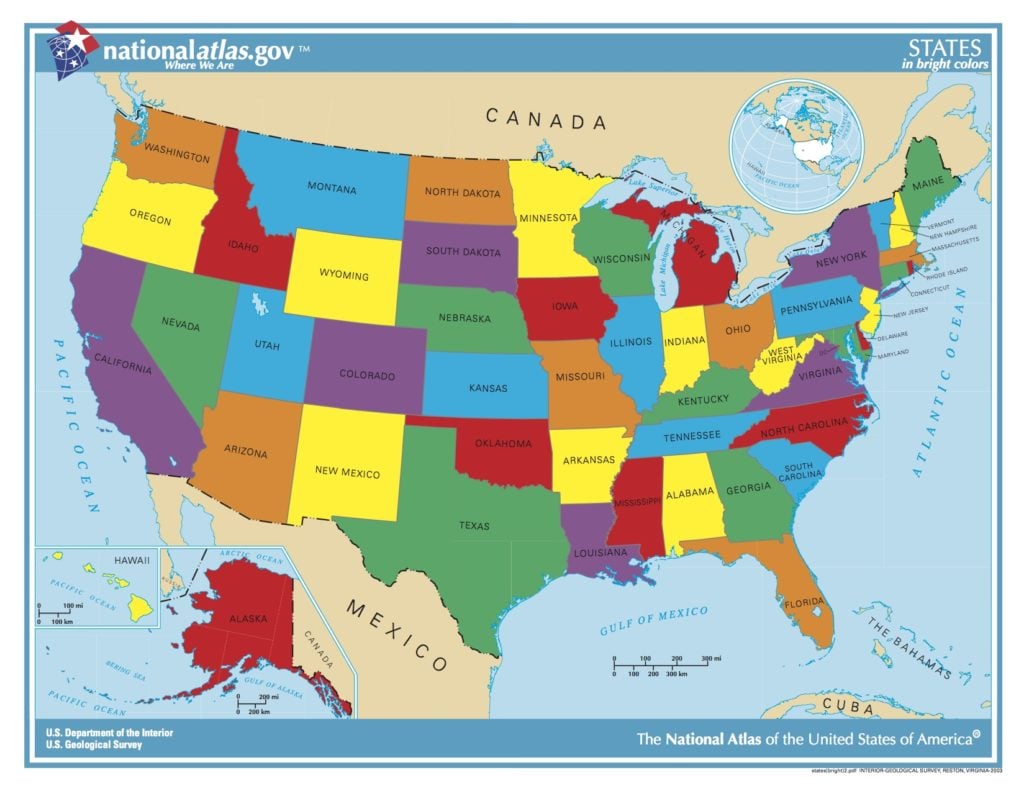
- The Middle and Southern states, including Oklahoma, Mississippi, and Alabama, account for the majority, mainly due to the low housing prices and low living costs resulting from the vast land and sparse population.
- Housing is the major factor that varies significantly from state to state and largely determines the affordability of living in a state.
- Driven by less population density and vast land, many states with low cost of living are rural areas, usually lack of infrastructure and job opportunities and sometimes come with high poverty rate.
- Although transport and entertainment facilities might be short, these affordable states typically brings diverse landscape with many outdoor recreation opportunities, unique local history and culture, and a strong sense of community.
Why Are These States the Cheapest?
- Significantly Lower Housing Costs (The Primary Driver): The most substantial factor is the low cost of housing, which often accounts for the largest portion of a household’s budget. These states typically have lower population densities and more available land, resulting in lower median home prices and rental rates, often 20% to 50% below the national average.
- Favorable Tax Structures: Many of these states employ tax policies designed to attract residents and businesses. This often manifests as a low or non-existent State Income Tax (e.g., Tennessee’s 0% income tax) or very low Property Taxes (e.g., Alabama’s low property tax rate), which directly increases residents’ disposable income.
- Lower Energy and Utility Costs: States with abundant natural resources, such as Oklahoma, with its oil and gas production, often benefit from lower local energy and utility costs, further reducing the monthly financial burden on residents.
- Different Economic Profiles: The economic base in many of these states is historically rooted in sectors like agriculture, traditional manufacturing, and resource extraction. While these industries provide stability, they often correlate with lower average wage levels than those in states dominated by high-tech or financial services, which, in turn, keeps the overall cost of goods and services lower.
Consider Before Move to Cheapest States to Live In
Give yourself a minute if you’re going to make the deicision on relocating to one of the most affordable states. The truth is, you can not rely only on cost of living data to judge whether a new place is suitable for you. It is undeniable that you will pay much less money on house, food, transportation, and others, but it is also important to be aware of what compromises you might have to make. For example:
1. Limited Job Market: Many low-cost-of-living states are based on traditional industries like agriculture and manufacturing, leading to few high-paying jobs, lower wages, and limited career advancement paths.
2. Underfunded Public Services: Education quality often ranked lower nationally, with fewer resources, larger classes, and outdated facilities. “Medical deserts” are common due to fewer specialists, longer travel times, and lower-quality facilities. Other infrastructure, including roads, bridges, and public buildings, may suffer from chronic underinvestment and deferred maintenance.
3. Fewer Amenities & Cultural Offerings: Although some affordable places boast rich local culture and diverse landscapes, many of them have fewer options for dining, entertainment, shopping, nightlife, and limited access to international airports.
4. Higher Poverty Rates & Security Issues: Cheaper states often have persistently higher poverty rates, greater economic inequality, and usually come with a higher frequency of safety issues.
5. Geographic & Social Isolation: Rural areas are typically isolated with significant distances to major cities, limited public transportation, and potential for social isolation.
Methodology: How We Determined the Cheapest States
- Cost of Living Index (Primary Metric): The core ranking is derived from the Council for Community & Economic Research (C2ER) Cost of Living Index for Q1 2025. This index measures relative price levels for consumer goods and services, including housing, groceries, utilities, transportation, health care, and miscellaneous expenses.
- Tax Burden Analysis: To provide a clearer picture of disposable income, we incorporated the latest data on State Individual Income Tax Rates and Combined State and Local Sales Tax Rates.
- Economic Health: We utilized the latest Seasonally Adjusted Unemployment Rates from the U.S. Bureau of Labor Statistics (BLS) to assess the economic vitality and job market health of each state.
- Quality of Life Factors: Our detailed state-by-state analysis integrates qualitative data on each state’s primary economic drivers, job market trends, and unique cultural/outdoor recreational opportunities to help readers make a well-rounded decision.
Find Housing at Most Affordable States to Live in
Finding suitable housing in these cheapest states to live in can be challenging sometimes. The housing market, alought affordable, often enjoys limited and low-quality options. What you should do is looking beyond just the price tag, check the structural intergrity and safety of the house, pay attention to location and accessibility, make sure there is no hidden or ongoing costs, and ensure no linens or ownershio disputes. Prioritize your health, safety, and financial stability above all, and do not let a low purchase price or rent blind you to a money pit or miserable living situation.
If you’re going to rent a house or apartment for a transitional period first, uhomes.com will be your reliable partner to make everything easy. No matter you’re going to find a high-end student apartments in NYC, or an affordable housing in Pittsburgh for a short stay, we have a wide range of options to ensure you get the place to call home. With 100% verified listing, detailed filter function, 1-on-1 free consultant, and exclusive offers and various other discounts, start your life in a new city will no longer be a trouble.
Conclusion
Relocating to a cheapest state to live in will enable you to spend much less money to start a new experience, be able to have your own house without much debts, and lead a slower pace of life. On the other hand, you will probably need to sacrifice on salary, infrastracture, education, transportation, security, and others factors that might lead to a lower quality of life. Take more time to research and a couple of weeks to experience the local life before you make the decision.
FAQs
What is the cheapest state to live in?
The cheapest state to live in is Okalahoma, with a 85.5 cost of living index by C2ER in 2025. Housing is 24% lower than the national average, transportation is 10% lower, healthcare is 8% lower, and there is no additional taxes on vehicles.
What state has the cheapest overall cost of living?
Oklahoma has the cheapes overall cost of living with a 85.5 score of cost of living index according to C2ER in 2025. The state enjoys the most affodable prices on housing, transport, and miscellaneous, other factors like grocery, utilities, and health care also cost low.
Where is the cheapest but nicest place to live in the USA?
Based on Q1 2025 MERIC cost data and livability metrics (U.S. News, Niche), Huntsville, Alabama offers the best balance of affordability and quality. Its cost of living is approximately 14% below the U.S. average, driven by housing costs roughly 30% lower than national norms. Despite this affordability, Huntsville boasts a robust tech-driven economy (NASA, aerospace), low crime rates, highly ranked public schools, extensive green spaces, and diverse cultural amenities. For alternatives, Fayetteville, Arkansas provides similar value with Ozark access and a vibrant university-town atmosphere at 10% below average costs.
What is the cheapest but safest state to live in?
Based on the latest Q1 2025 MERIC cost data and Safewise safety rankings, Iowa is the top choice for combining low cost and high safety. Its overall cost of living is 9.3% below the U.S. average (index 90.7), driven by housing costs 26% lower than the national average. Iowa also ranks among the top 5 safest states for violent crime, benefiting from low urban density, strong communities, and well-funded public infrastructure. This balance makes it uniquely affordable and secure.
Which state is worth moving to?
Based on the latest Q1 2025 MERIC cost data and livability/safety metrics, Iowa offers the strongest value for relocation. Its cost of living is 9.3% below the U.S. average (index 90.7), with housing 26% cheaper than national norms, while maintaining top-tier safety (ranked top 5 by Safewise). Iowa combines low crime, highly rated schools, stable job growth in agriculture/tech, and well-maintained infrastructure—delivering an ideal balance of affordability, security, and quality of life unmatched by cheaper but higher-risk states.
Which are the cheapest states to live in on rent?
According to the Q1 2025 MERIC Cost of Living Data, the cheapest states for rent are Mississippi (housing index: 65.8), Oklahoma (71.5), West Virginia (72.3), Arkansas (72.8), and Kansas (74.0). These reflect average rents 25–34% below the U.S. average. Mississippi consistently ranks #1 due to extremely low housing demand and abundant inventory, particularly in rural areas and smaller cities like Tupelo or Meridian. Renters should verify local prices, as costs in capital cities (Jackson, MS) may be higher.
Which are the cheapest states to buy a house?
According to the Q1 2025 MERIC Cost of Living Data, the most affordable states to buy a home are Mississippi (housing index: 65.8, 34.2% below U.S. average), West Virginia (72.3), Oklahoma (71.5), Arkansas (72.8), and Kansas (74.0). Mississippi offers the lowest median home prices nationally, driven by abundant rural/small-town inventory and low demand. Buyers should prioritize structural inspections and location viability, as prices vary significantly within states—avoid major metros for maximum savings.
What are the most expensive states to live in?
According to the Q1 2025 MERIC Cost of Living Data, the most expensive U.S. states are Hawaii (overall index: 180.9), California (142.7), Massachusetts (139.2), New York (135.8), and Alaska (131.5). Hawaii’s extreme costs stem from shipping expenses and isolation, while California and New York face high housing demand and taxes. The District of Columbia (D.C.) also ranks among the priciest at 150.3. These states exceed the national average (index 100) by 32–81%.