





How many colleges with the highest female-to-male ratio do you know in Britain? According to the statistics from the UK Higher Education Statistics Agency, women now make up 57% of colleges in the UK. Choosing the right university is a pivotal decision that shapes the future of many aspiring young women. One key factor that can significantly impact students’ academic and social experience is the female-to-male ratio on campus. A higher ratio can foster a more supportive and empowering environment where female students can thrive, collaborate, and lead with confidence. Here, we collected five top British colleges with a higher proportion of female students that create inclusive spaces supportive of females.
What is Gender Ratio?
The gender ratio at a university refers to the proportion of female students to male students enrolled in the institution. This statistical measure grants insight into the demographic makeup of the student body, providing valuable information regarding gender diversity on campus. A balanced gender ratio ensures a more inclusive and fair educational environment, enabling female and male students to benefit from varied perspectives and collaborative opportunities. In higher education, comprehending and analyzing gender ratios can aid universities in crafting customized strategies to support underrepresented groups, thereby nurturing a more supportive and vibrant academic community.
Top 5 British Colleges with the Highest Ratio of Women to Men
At many of Britain’s most prestigious institutions, female students outnumber their male counterparts. Listed below are the five UK universities with the highest female-to-male ratio, where women constitute a significant majority of the student body. The detailed data below not only presents overall percentages but also separately outlines the gender distribution among undergraduates and postgraduates, offering deeper insight into the academic demographics of these leading universities.
| University | Total Students | Total Female Students | Female Undergraduates | Female Postgraduates | Female Proportion |
|---|---|---|---|---|---|
| University College London | 46,830 | 28,455 | 13,505 | 14,955 | 60.8% |
| King’s College London | 41,490 | 26,455 | 14,895 | 11,560 | 63.8% |
| University of Manchester | 46,410 | 26,305 | 16,980 | 9,325 | 56.7% |
| University of Glasgow | 42,980 | 25,825 | 13,715 | 12,110 | 60.1%* |
| University of Edinburgh | 41,250 | 25,550 | 15,835 | 9,715 | 61.9% |
1. University College London
Number of students: 46,830
Number of female students: 28,455 (master: 14,955; Undergraduate: 13,505)
Female: 60.8%

UCL has the largest number of students in the UK and the largest number of international students from more than 150 countries and regions. However, it only ranks fourth in the UK regarding the number of boys.
One reason UCL has a higher female-to-male ratio is its strong emphasis on fields traditionally associated with higher female enrolment, such as humanities, social sciences, medicine, and so on. For 11 consecutive years, UCL has ranked first in the UK and first in the world in the QS education discipline.
In addition, Since its founding in 1826, UCL has regarded equality in education as an important principle. UCL’s proactive approach to gender equality, demonstrated by initiatives like Athena SWAN and numerous support networks, resonates with young women seeking an empowering academic environment.
2. King’s College London
Number of students: 41,490
Number of female students: 26,455 (master: 11,560; Undergraduate: 14,895)
Female proportion: 63.8%
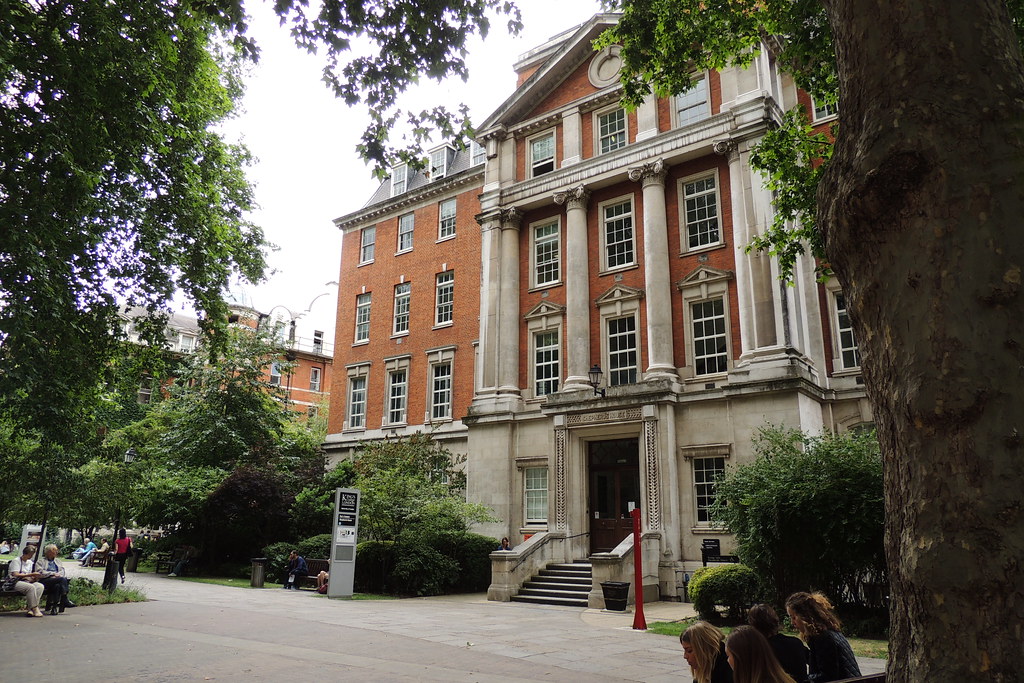
KCL’s five campuses, spread across London, are surrounded by numerous cultural and professional opportunities. This is one of the enticing factors for prospective female students.
King’s College London holds the top five rankings in the UK for various subjects classified under the “humanities” category. These include social science subjects like Media, Politics, and Psychology, as well as liberal arts subjects such as History, English Language and Literature, and Modern Linguistics.
Furthermore, the university consistently promotes gender equality through targeted scholarships and opportunities for women in leadership, appealing to young women seeking academic and professional growth.
3. University of Manchester
Number of students: 46,410
Number of female students: 26,305 (master 9325; Undergraduate 16980)
Female: 56.7%
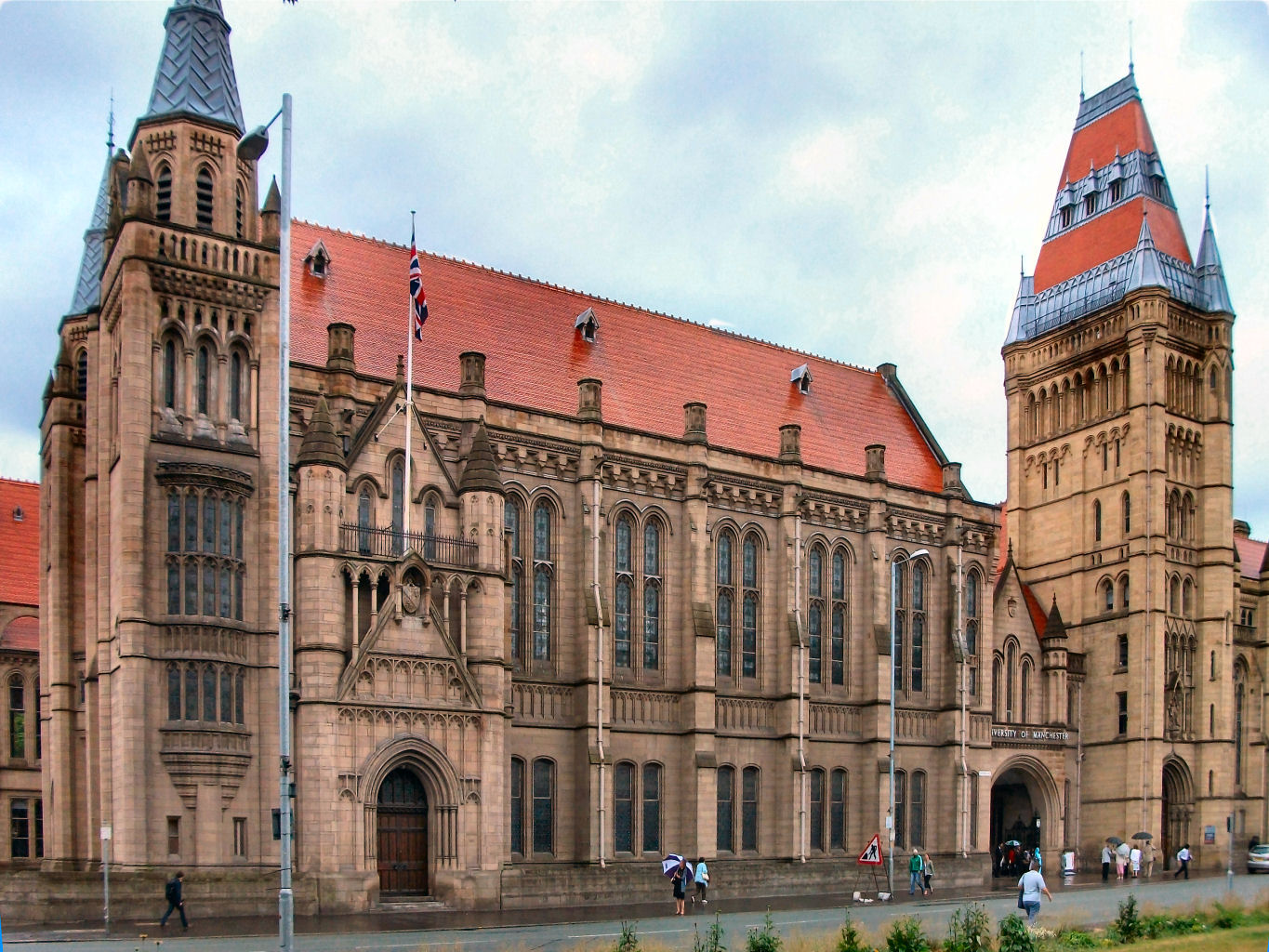
The University of Manchester has implemented numerous initiatives and programmes that cater specifically to the needs and aspirations of female students. These include tailored mentorship programmes, women-centric career workshops, and leadership seminars designed to empower young women.
Students in man-dominated fields like engineering are almost exclusively male. Therefore, there are many males at the University of Manchester. In addition to engineering—the University of Manchester‘s flagship major, more girls are encouraged to pursue sciences and technology.
The University of Manchester also has advantages in nursing, pharmacy and pharmacology, dentistry, and other medical disciplines, which are the preferred directions for girls. The overall ratio of females to males at the University of Manchester is 1.1:1, which shows little difference.
4. University of Glasgow
Number of students: 42,980
Number of female students: 25,825 (master: 12,110; Undergraduate: 13,715)
Female proportion: 60%

The University of Glasgow is dedicated to promoting gender equality and empowering female students beyond the classroom. Various initiatives ensure mental health, well-being, safety, and support for female students.
Additionally, the University of Glasgow offers substantial scholarships and grants to alleviate financial obstacles for women, further advancing gender equality within its diverse student body.
Advantaged subjects of this college include medicine, education, drama and performing arts, which are preferred by females.
5. University of Edinburgh
Number of students: 41,250
Number of female students: 25,550 (Master: 9715; undergraduate: 15,835 )
Female: 61.9%

As one of the most popular universities among females, the University of Edinburgh performs very well in both academics and communities. Its majors, like linguistics, pedagogy, biology, etc., are the top 5 advantage subjects ranked in the UK, which are girls favourite majors.
Moreover, the university provides personalized mentorship programs, allowing female students to connect with successful alumni and industry professionals. In that way, they can gain invaluable insights and guidance in their chosen fields.
Initiatives such as the Women in Science and Engineering (WISE) campaign and dedicated scholarships for women in technology underscore the university’s commitment to fostering a diverse and inclusive academic community.
Social and Cultural Impact of the College Gender Gap
The college gender gap may offer students a unique university experience and have a significant influence on their growth. At UK colleges with the highest female-to-male ratio, this statistic is more than just a number. It is the environment affecting students’ social life, their academic environment, and their personal growth. So, what’s it really like to study on a campus where women significantly outnumber men? Let’s explore the pros and cons.
Pros
- More development opportunities for women: With more females in the student union, social activities, and classroom discussions, they can build confidence and get more chances to develop strong leadership skills in a supportive environment.
- More inclusive academic atmosphere: Colleges with the highest female-to-male ratio focus on majors and research fields traditionally associated with women, such as education, nursing, and the social sciences. The learning environment is inclined to supportive teamwork, benefiting many students’ learning styles.
- More enhanced support systems: due to the high proportion of female students, these colleges have robust support networks, such as comprehensive wellness centers, and strong mentorship programs connecting students with female faculty and alumni.
Cons
Unhealthy social and dating scene: Some male students may experience a lack of social engagement or feel undue pressure in the dating pool, while some women may face a limited dating scene. This can sometimes lead to social fragmentation.
Limited viewpoint diversity: At universities with the highest female-to-male ratio, students sometimes lack the perspective balance that comes with a more equal gender distribution. This may limit opportunities for all students to engage with diverse viewpoints on issues related to gender, career, and society, which is a crucial aspect of a liberal arts education.
Poor mental health for men: In an environment where women are a majority, some male students might perceive their presence as less crucial, potentially leading to lower participation in extracurricular activities and campus leadership. This can hinder the development of their own soft skills and reduce their contribution to the campus community.
Conclusion
Colleges with the highest female-to-male ratio exemplify the importance of creating supportive environments that cater to the unique needs and aspirations of female students. These colleges on the list above provide a nurturing atmosphere where women can thrive academically, socially, and emotionally. With dedicated support networks, active women’s societies, and mentor programs, these colleges focus on the academic success and overall development of their students. Females can improve themselves more comprehensively and professionally.
FAQ
Which is the girls only university in UK?
The UK traditionally did not have universities exclusively for female students.
However, some prestigious institutions have women’s colleges, such as Newnham College, part of the University of Cambridge. Founded in 1871, Newnham College played a significant role in promoting women’s education during a time when opportunities for women to pursue higher education were limited.
What is the male female ratio at university of Cambridge?
According to the figures from the University of Cambridge in 2022-2023, the male-female ratio at the university is as follows.
Percentage of female undergraduates: 50.8%
Percentage of female taught postgraduates: 50.0%
Percentage of female research postgraduates: 44.3%
What colleges have the highest female to male ratio?
According to data from the Higher Education Statistics Agency (HESA), the top three colleges with the highest female to male ratio in the UK are:
- Royal Academy of Music – 69% female students
- Courtauld Institute of Art – 67% female students
- Royal Northern College of Music – 66% female students