

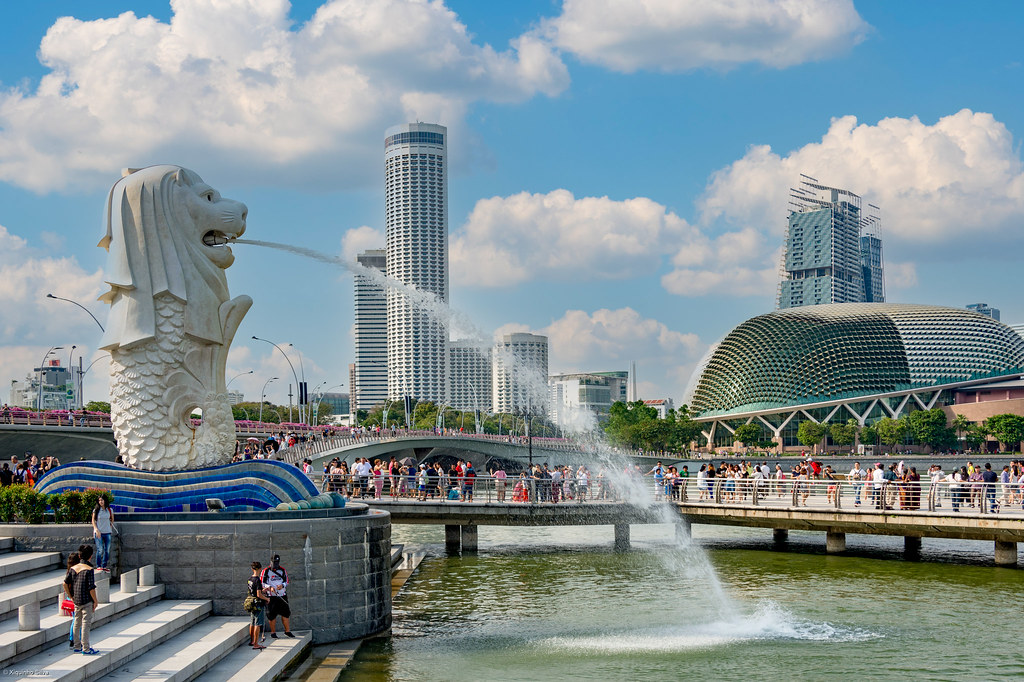
Understanding the cost of living in Singapore is crucial if you’re planning to live in this city, which has a reputation as one of Asia’s priciest cities. Honestly, Singapore’s been this shiny global financial hub and cultural mash-up for years now, it pulls in expats, students, and career folks from everywhere. But in 2026 especially, with inflation still hanging around, crazy housing demand, and all the global economic ups and downs, the costs feel even more real. We’ve pulled together the freshest numbers, mainly from Numbeo and EDB, to lay it all out plainly, so you can get a clear picture of average cost of living in Singapore and figure out how to make it work in the Lion City.
Is Singapore Expensive?
Yes, Singapore is one of the most expensive cities in the world in 2026, with a high ranking in global indices like Numbeo’s Cost of Living Index (87.7, where New York City = 100). In recent years, the cost-of-living crisis has hit Singapore significantly, exacerbated by post-pandemic recovery, supply chain issues, and reliance on imports, with inflation expected to be around 2.5-3% this year. Core inflation is projected at 0.5-1.5%, with housing up 4% and food up 3%. About 60% of workers live paycheck-to-paycheck, higher than the Asia-Pacific average of 48%.
Despite this, Singapore’s high GDP per capita (around US$72,794 in recent years, exceeding the USA) and competitive salaries help offset costs for many. For expats, non-subsidised housing and healthcare will lead to higher expenses. Compared to other countries, Singapore’s cost of living is notably higher for rent and utilities, and more affordable for public transport and local food. The following is a comparison of the cost of living indices of Singapore vs other major countries and cities (based on Numbeo 2026 data):
| Country | Cost of Living Index | Rent Index | Groceries Index | Restaurant Index | Local Purchasing Power |
|---|---|---|---|---|---|
| Singapore | 87.7 | 73.1 | 81.2 | 77.3 | 105.5 |
| USA | 68.8 | 40.7 | 72.8 | 74.0 | 146.0 |
| UK | 67.8 | 32.1 | 51.9 | 62.8 | 122.6 |
| Australia | 75.1 | 53.8 | 65.6 | 79.2 | 117.1 |
| Hong Kong | 75.2 | 63.1 | 69.8 | 75.1 | 91.6 |
| Malaysia | 37.4 | 13.8 | 26.9 | 44.7 | 103.6 |
| Japan | 66.8 | 25.4 | 64.5 | 32.0 | 118.5 |
Singapore is about 27% more expensive than the USA overall, 29% pricier than the UK, and significantly higher (over 130%) than neighboring Malaysia. It’s on par with Hong Kong for overall costs but exceeds it in groceries by about 16%.
Average Living Expenses in Singapore
The average living expenses in Singapore in 2026 for a single person (excluding rent) are around S$1,465 (about US$1,135), for a family of four are about S$5,376 (US$4,162). Including rent, singles could face S$3,000–S$5,000, while families hit S$6,000–S$10,000+ depending on lifestyle and location. Thses firgures are based on a moderate spending, while luxury lifestyles can double them.
Here’s a breakdown table for a single expat’s monthly costs (in SGD, based on 2026 Numbeo data):
| Category | Estimated Cost (SGD) | Notes |
|---|---|---|
| Accommodation (1-bed apartment, city center) | 3,429 | Range: 2,277–5,000 |
| Utilities (electricity, water, gas, internet) | 202–300 | For 85m² apartment |
| Food and Groceries | 400–600 | Including hawker meals |
| Transport | 128–200 | Monthly pass or rides |
| Healthcare | 50–200 | With insurance |
| Education (if applicable) | Varies | E.g., international school: 38,779/year |
| Entertainment | 138–400 | Gym, cinema, etc. |
| Miscellaneous (gym, clothing, etc.) | 200–400 | |
| Total (excluding rent) | 1,465 | Average |
| Total (including rent) | 4,894 | Average with city center rent |
These are averages; outskirts living or sharing can reduce costs significantly.
Cost of Living in Singapore: Detailed Breakdown
Overall, Singapore’s expenses have this weird mix: stuff like rent and imported goods can feel outrageously high, eating up 40-50% of your budget if you’re not careful, but everyday wins like cheap public transport or hawker food make it doable for locals and smart expats. It’s all about that balance – high quality comes at a premium, yet you get value in efficiency and convenience that other cities just don’t match. Think of it as paying for a seamless life, but yeah, it adds up.
Accommodation
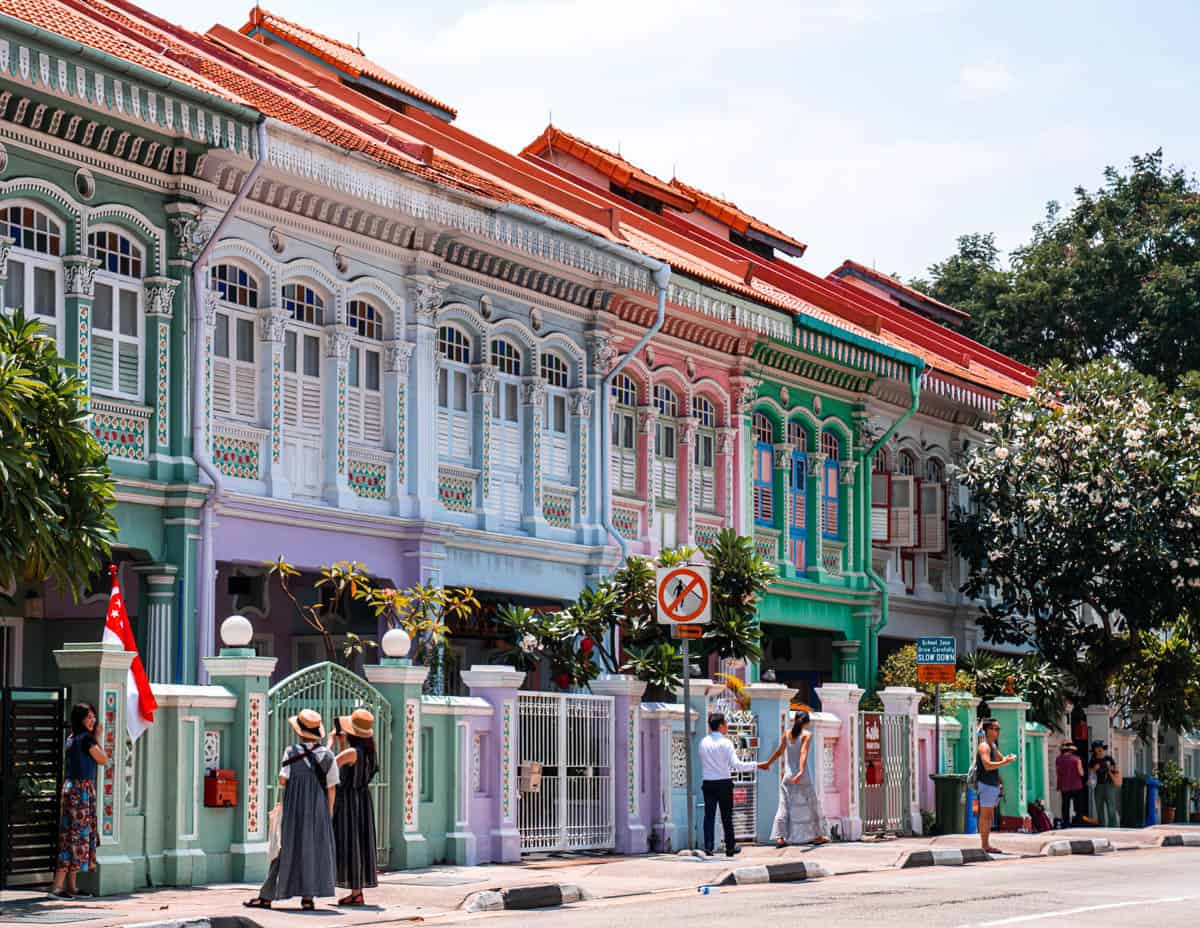
No surprise here: rent eats the most. City-center one-bed averages S$3,429 (range 2,277–5,000); outside S$2,554 (1,500–3,500). Three-bed? S$7,234 central (5,500–10,000), S$4,695 suburban (3,500–6,500). Utilities cost S$202–300 per month for a standard 85m² apartment. Buying? Foreigners face restrictions and high taxes, including the Additional Buyer’s Stamp Duty (up to 30%). Average property prices are around S$30,064 per square meter in the city center. HDB flats (public housing) are more affordable for citizens/PRs but limited for expats.
Students: skip the stress and check uhomes.com. uhomes.com has over 1800 Singapore housing options near NUS, NTU, etc., often starting around S$500 and many rentals with bills included to help you save a lot on utilities. Rated 4.9/5 on Trustpilot, uhomes.com offers a seamless booking process with 100% verified listings, filter and map functions, and 1-on-1 multilingual experts. To help you save money on rent, uhomes.com also provides lowers-price guarantee, exclusive offers on the most popular rentals, and various discounts!
Here is a quick rent snapshot (SGD):
| Type | City Center | Outside Center |
|---|---|---|
| 1-Bed Rent (Monthly) | 3,429 | 2,554 |
| 3-Bed Rent (Monthly) | 7,234 | 4,695 |
| Buy (per sqm) | 30,064 | 20,935 |
Food and Groceries
Hawker centres are life-savers – S$5-10 gets you a full meal, amazing flavors. Restaurants? S$20-50 quick. Monthly groceries for one: S$400-600 if you cook sometimes. Imported goods inflate costs; shop at NTUC FairPrice for deals.
Key items (2026 prices in SGD):
| Item | Price (SGD) | Range |
|---|---|---|
| Milk (1L) | 3.92 | 2–6 |
| Eggs (12) | 4.35 | 2.8–7.2 |
| Chicken (1kg) | 13.24 | 8–18 |
| Rice (1kg) | 3.43 | 2–6 |
| Apples (1kg) | 5.41 | 2.75–8 |
Transport
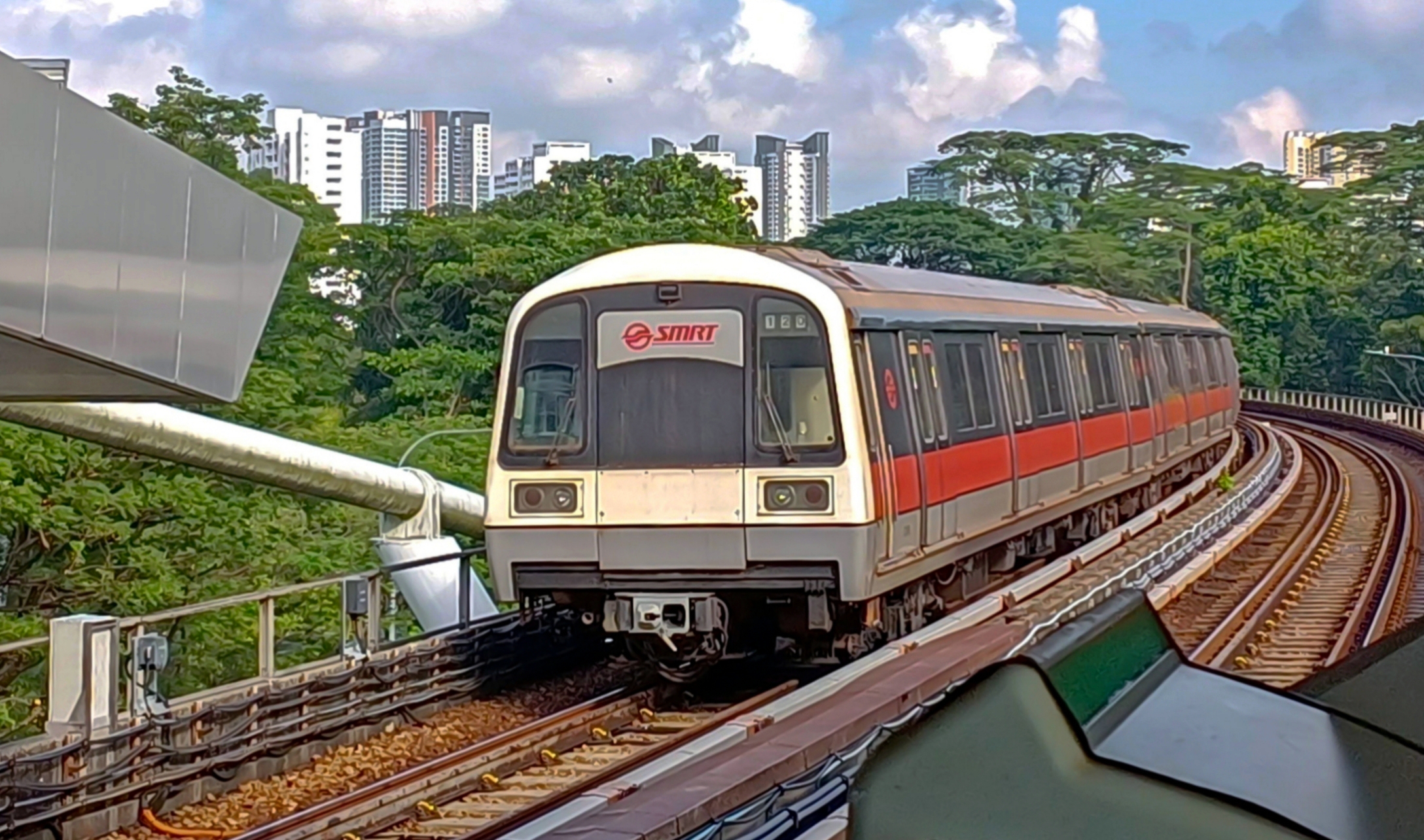
Transport here is honestly one of the few things that doesn’t hurt your wallet too much. The system is ridiculously efficient—clean, on time, air-conditioned, the works. A monthly MRT/bus pass runs about S$128 (you’ll see it ranges from 100–200 depending on zones or concessions). Single rides? Usually S$1.80, though it can dip to 1.19 or go up to 2.70 for longer trips.
Grab or taxis start at S$4.60 flag-down, then roughly S$1 per km after that. Pretty reasonable for occasional rides, especially if you share or use off-peak. But owning a car? That’s where it gets brutal. Petrol sits around S$2.71 per liter (2.30–2.90 range lately), and a brand-new Toyota-equivalent starts at S$168,497 thanks to the infamous COE (Certificate of Entitlement) taxes. Most people just laugh and stick to public transport.
A couple of real-life examples: Hop on the East-West Line straight from Changi Airport to the city center, and you’re paying under S$3—super straightforward. For everyday commuting, grab an EZ-Link card (or the newer SimplyGo version) so you tap and go without fumbling for change—seamless transfers between bus and MRT too.
Transport cost table (SGD):
| Item | Price | Notes |
|---|---|---|
| One-Way Ticket | 1.80 | MRT/Bus |
| Monthly Pass | 128 | Regular |
| Taxi Start | 4.60 | – |
| Gasoline (1L) | 2.71 | – |
| New Car (equivalent) | 168,497 | Including taxes |
Healthcare
Singapore’s healthcare really is world-class – clean, fast, high-tech – but yeah, for expats without subsidies it adds up quicker than you’d like. A GP visit at a public polyclinic usually runs S$36–84, while private clinics jump to S$50–200. Hospital stays vary wildly: S$50–3,500 per day depending on whether you’re in a C-class ward or going private. Big stuff like knee replacement? Easily S$10,000–40,000.
International insurance is basically non-negotiable here – annual premiums sit between S$920 and S$5,015 depending on your age, coverage, and deductible. Most people I know swear by topping up MediShield Life (the government baseline) with something from Cigna, Allianz or similar to handle outpatient visits and specialist stuff without massive bills.
Quick local tips: If you qualify for any subsidies (rare for new expats), head to a polyclinic like the one in Bedok – cheaper and reliable. Otherwise, Raffles Medical or Parkway chains get you seen faster, though at a premium. For basic check-ups or screenings, community health hubs scattered around the island are surprisingly affordable and low-key.
Healthcare examples table (SGD):
| Service | Cost | Notes |
|---|---|---|
| GP Visit (Public) | 36–84 | – |
| GP Visit (Private) | 50–200 | – |
| Insurance (Annual) | 920–5,015 | Expat plan |
Education
Public schools for citizens/PRs in Singapore: S$6,600–S$18,000/year. International schools (popular for expats): S$38,779/year on average (30,000–50,000). University tuition: S$8,000–S$50,000/year. Preschool monthly: S$1,750 (1,075–2,686). Add S$384 for books.
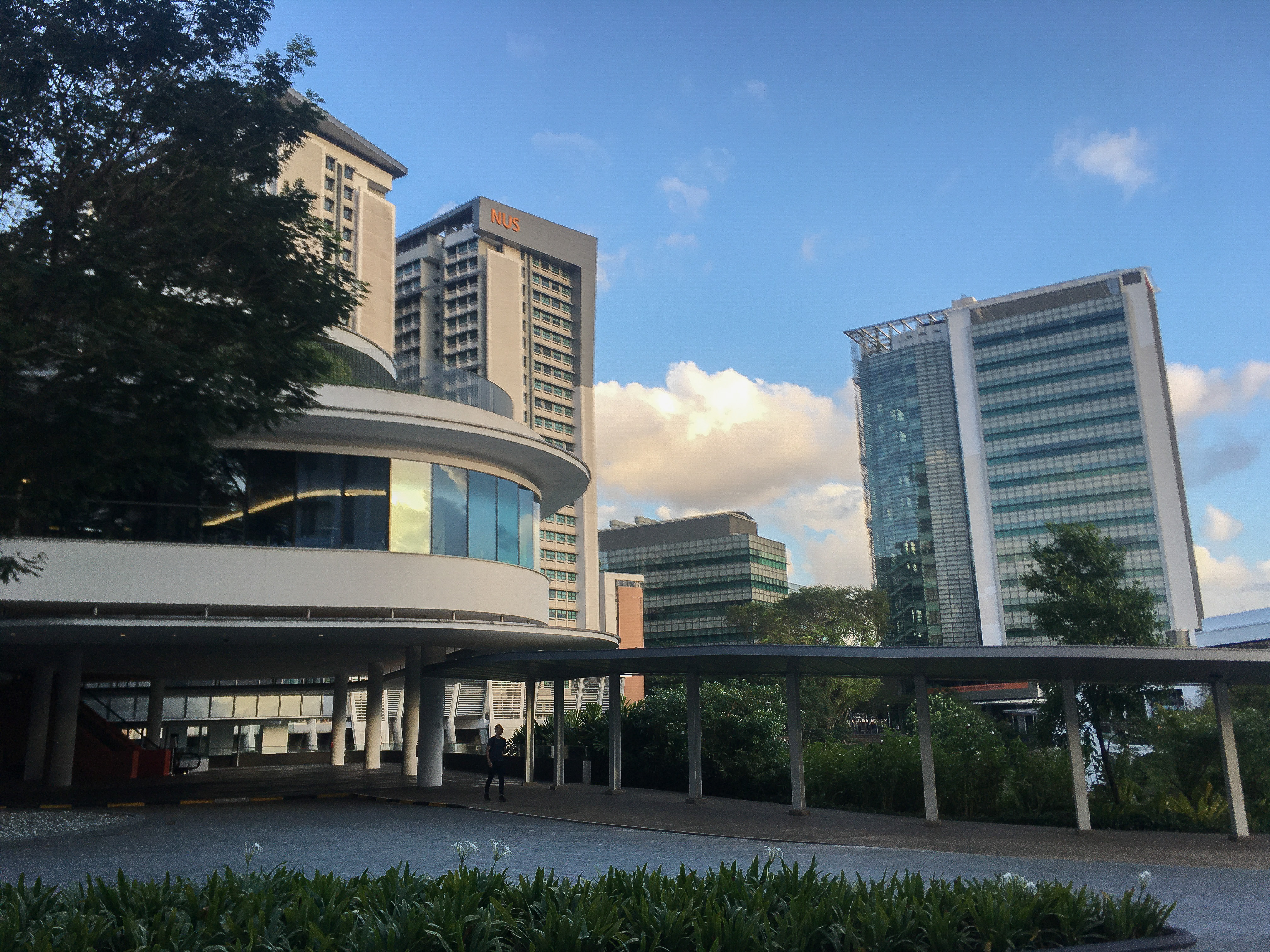
Send kids to international schools like United World College (UWC) in Dover for a global curriculum, or local options like Nanyang Primary if integrated. In higher ed, NUS offers competitive engineering programs. Students can apply for MOE scholarships for internationals, or choose bilingual preschools in heartlands like Toa Payoh for cost savings.
Education cost table (SGD):
| Level | Cost | Notes |
|---|---|---|
| Preschool (Monthly) | 1,750 | Private |
| Int’l Primary School | 38,779 (annual) | Per child |
| University Tuition | 8,000–50,000 (annual) | Varies by status |
Entertainment
In Singapore, gym membership: S$138/month (90–239). Cinema: S$15 (12–20). Theme parks or concerts: S$50–S$250. Free options like parks abound.
Catch a movie at Golden Village in VivoCity, or visit Sentosa for attractions like Universal Studios (S$76 entry). For fitness, join ActiveSG gyms in neighborhoods like Jurong for S$2.50/day. Suggestion: Use apps like Klook for discounted tickets to events, or explore free night markets in Geylang for local vibes and street performances.
Entertainment cost table (SGD):
| Activity | Cost | Notes |
|---|---|---|
| Gym (Monthly) | 138 | Fitness club |
| Cinema Ticket | 15 | International |
| Tennis Court (1hr) | 14 | Weekend |
Average Salary in Singapore
Honestly, this is where Singapore shines for a lot of folks: the paychecks can make the high costs feel worth it, if you’re in the right field. In 2026, the overall average gross monthly income sits around S$5,532 after taxes, but that’s just the starting point. From what we can see in recent reports, like the Ministry of Manpower updates, medians vary big time by role. For PMETs (professionals, managers, executives, technicians), it’s closer to S$7,308, while non-PMETs hover at S$3,000. Expats in tech or finance often pull S$7,000–S$12,000, and top spots like IT managers can hit S$12,000–S$13,000 or more. Taxes are super low (0–22%), so you keep more in your pocket compared to places like the US or UK. But yeah, entry-level or service jobs? They don’t stretch as far with the rent prices.
Here’s a quick table of common professions with rough monthly ranges (SGD, based on 2026 data from sources like MOM and salary surveys, these include employer CPF where noted, and can shift with experience)
| Profession | Average Monthly (SGD) | Range (SGD) |
|---|---|---|
| Managers & Administrators | 10,820 | 8,000–15,000 |
| Professionals (general) | 8,363 | 6,000–12,000 |
| Software Engineer | 6,872 | 5,000–10,000 |
| Accountant | 5,000 | 4,000–7,000 |
| Doctor/Physician | 15,000 | 10,000–25,000 |
| Registered Nurse | 7,271 | 4,000–9,000 |
| Teacher/Lecturer | 4,500 | 3,500–6,000 |
| Finance Analyst | 7,471 | 5,000–10,000 |
| Sales & Service Worker | 3,107 | 2,500–4,500 |
| IT Manager | 12,500 | 10,000–15,000 |
Tips for Saving Cost of Life in Singapore
Look, once you see how living expenditure in Singapore can chew through even a decent paycheck here, it’s easy to feel the pinch. But the upside? Singapore actually makes it pretty doable if you play smart like the locals do. Most people who stick around long-term aren’t starving—they’re just using the city’s strengths and dodging the tourist traps. Here’s a straightforward rundown of real, practical ways to keep more cash without turning into a hermit.
- Housing: Get out of the central areas. Heartlands like Woodlands, Jurong, or Punggol can cut a one-bedroom down to S$1,800–2,200 instead of S$3,400+. Sharing is super common—even working adults do it—and rooms often land at S$800–1,200. If you’re a student, uhomes.com has verified furnished spots near NUS/NTU/NTU campuses starting around S$700–1,200 with bills in, and you skip the crazy agent fees and big deposits.
- Food: Eat where Singaporeans eat: hawker centres and kopitiams. A solid meal is usually S$5–8 and tastes way better than mall food. For groceries, hit wet markets or catch specials at NTUC/Sheng Siong—easy to stay under S$400 a month if you cook a bit. Just steer clear of touristy spots and fancy supermarkets.
- Getting Around: Cars are a money pit here—most people don’t bother. Grab an EZ-Link or SimplyGo monthly pass for S$128 and ride MRT/bus unlimited. Short distances? Anywheel bikes are S$1 for the first 30 minutes—great in places like Punggol. Need a ride? Grab pool or off-peak keeps it under S$15.
- Healthcare: Sort out international insurance right away (S$1,000–3,000/year is typical). For everyday stuff, polyclinics are cheap (S$15–30 if you qualify) and community health posts do affordable check-ups. Ask your company if they offer group coverage—it’s pretty common.
- Utilities & Little Habits: Swap to LED lights, unplug stuff when not using it, run the AC less—can easily knock S$40–60 off your monthly bill. Bundle your internet and mobile plan with Singtel, StarHub or M1 for better deals.
- Fun Stuff: There’s tons that’s free or cheap: Botanic Gardens, Marina Bay light show, East Coast Park for chilling or cycling. When you do pay, Klook usually has 20–50% discounts on attractions. ActiveSG public gyms are only S$2.50–3.50 a session.
- Tracking & Freebies: Use Seedly or MoneySmart to watch where your money goes—it really helps. If you qualify, grab CDC vouchers, LifeSG credits, or any government relief packages that pop up.
- Extra Cash: Pick up freelance work on Upwork/Fiverr, or do some part-time tutoring. When job hunting, push for sign-on bonuses, housing allowance, or relocation help—very normal in tech and finance.
Bottom line: Singapore feels expensive if you live like you’re still in San Francisco or London. But lean into the hawker food, killer public transport, and smart little habits, and suddenly the costs feel way more reasonable. Start with housing and eating local—that’s where you save the most right away.
Final Thoughts
Obviously, the cost of living in Singapore is expensive. But what about safety, cleanliness, education quality, the food scene, and job opportunities? Pretty hard to beat if you plan smart. Housing’s the killer, so start there, uhomes.com is worth a look, especially for students wanting something straightforward and affordable.
FAQ
Is Singapore expensive?
Yes, Singapore is expensive, ranking among the world’s priciest cities with a Numbeo Cost of Living Index of 87.7 (New York = 100) in 2026. Housing, groceries, and imported goods drive the high costs, though public transport and local food remain affordable. Salaries are strong and taxes low, which helps balance things for many residents.
What is the average living expenses in Singapore?
The average monthly living expenses in Singapore (excluding rent) are around S$1,465 for a single person in 2026. Including city-center rent, a single expat typically spends about S$4,894 per month. A family of four usually needs S$5,376 (excluding rent) to S$6,000–10,000+ (including rent), depending on lifestyle.
What is the cost of living in Singapore for students?
The cost of living in Singapore for students is generally lower than for working expats, especially with shared or student housing. Budget-conscious students can manage on S$1,500–2,500/month including rent (often S$700–1,200 via platforms like uhomes.com near campuses). Eating at hawker centres, using public transport, and student discounts keep daily expenses manageable.
How does Singapore cost of living vs US?
Singapore’s cost of living is about 27% higher than the US overall (Numbeo Index 87.7 vs 68.8). Rent and utilities are significantly more expensive in Singapore, but public transport, healthcare (with insurance), and local food are often cheaper than in the US. Higher average salaries and very low taxes in Singapore help offset the difference for many people.
What is the minimum wage to survive in Singapore?
There is no statutory minimum wage in Singapore, but a realistic bare-minimum to survive (very frugally) is around S$2,000–2,500/month after tax. This covers basic shared housing in the heartlands, hawker food, public transport, and minimal utilities—leaving almost nothing for savings or emergencies. Most people aim for at least S$3,500–4,000/month to live comfortably without constant stress.
What is the average salary in Singapore?
The average gross monthly salary in Singapore is around S$5,532 (after tax) in 2026, with medians varying by sector. Professionals in tech, finance, and management often earn S$7,000–12,000+, while entry-level or service roles are closer to S$3,000–4,500. Low personal income tax (0–22%) means take-home pay is relatively high compared to many countries.
Is Singapore a good place to live?
Yes, Singapore is a great place to live for safety, cleanliness, efficiency, world-class healthcare, and excellent food options. It offers strong job opportunities, low crime, reliable public transport, and a high quality of life—especially if your salary matches the costs. However, the high cost of housing and limited space can be challenging for some, particularly families or those on lower incomes.