




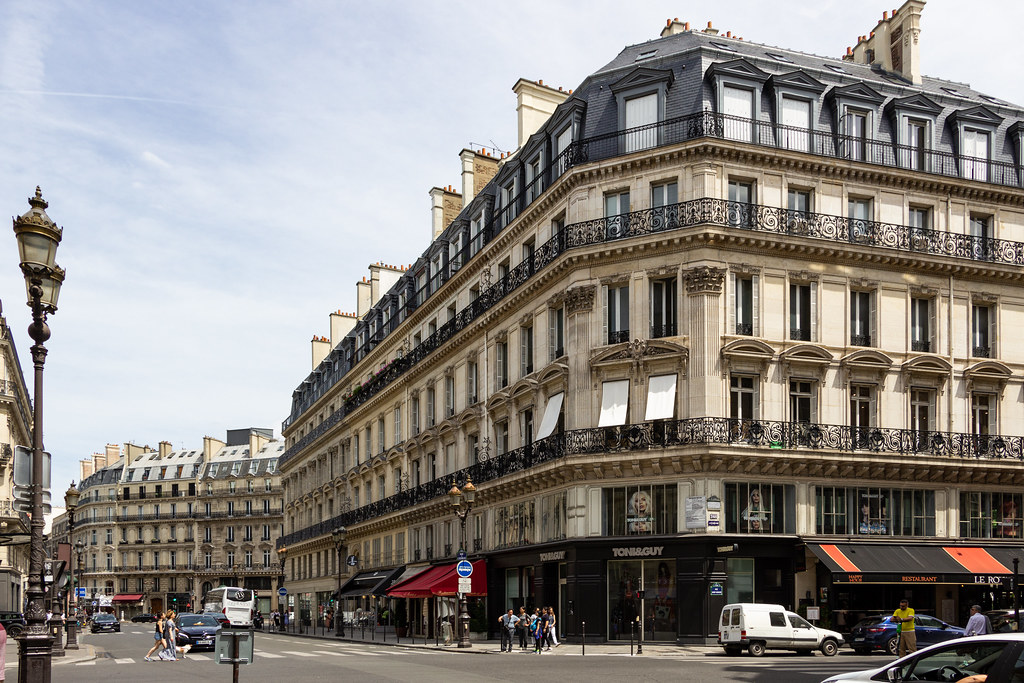
Is the cost of living in France really that high? If you’re going to study, work, do an exchange, or move to France, this is a question you must consider. In fact, whether France is expensive hinges not on “France” itself, but on “where you live and how you live”. Paris is certainly pricey, but France isn’t just Paris. Eating out daily versus cooking for yourself will leave your bills in completely different leagues. Read on and learn about the details of living expenses in France, and you will know how much you should prepare to live in France.
Average Cost of Living in France
The average cost of living in France for a single person is €1,500 – €2,000/month. Expenses in Paris or the Côte d’Azur will be markedly higher than in Lyon, Toulouse, or some tranquil provincial towns. If you live alone in Paris, your budget could be €2,000 – €2,500+/month. The cost of living in France for families ranges from €4,000 – €5,500+/month. In addition to requiring larger multi-room flats or detached houses to rent, childcare/education costs, increased household food expenditure, and daily sundries will all add to the budget. Below are the details of the average cost of living in France.
| Item | Estimated Monthly Cost (EUR) | Notes |
|---|---|---|
| Rent | €650 – €1,200 | Varies by region |
| Utilities | €100 – €150 | |
| Internet & Mobile Phone | €30 – €50 | |
| Groceries | €250 – €350 | Based on cooking at home |
| Dining Out | €150 – €250 | For occasional meals |
| Public Transport | €45 – €91 | Depends on employer reimbursement |
| Complementary Health Insurance | €30 – €60 | |
| Leisure & Social Activities | €100 – €200 |
Cost of Housing in France
In France, housing expenses constitute the largest and most complex component of living costs. The following monthly rent in major French cities includes basic service charges but excludes electricity and broadband fees.
| City | Studio (approx. 20m²) | One-Bedroom (approx. 40m²) |
|---|---|---|
| Paris | €1,050 – €1,450 | €1,650 – €2,300 |
| Lyon | €680 – €950 | €950 – €1,350 |
| Marseille | €580 – €750 | €780 – €1,100 |
| Nice | €750 – €1,000 | €1,000 – €1,500 |
| Bordeaux | €650 – €850 | €900 – €1,200 |
| Montpellier | €550 – €750 | €750 – €980 |
| Saint-Étienne | €350 – €480 | €500 – €680 |
The housing cost in France extends far beyond the monthly rent paid to landlords, encompassing a range of additional charges that typically absorb a further 10% to 20% of your budget. These include housing insurance, property management fees, agency commissions, security deposits, and housing taxes.
For international students, navigating complex contracts and guarantee requirements makes finding suitable accommodation particularly challenging. uhomes.com is dedicated to addressing this pain point for overseas students by offering a wide range of student accommodation in France. This allows you to bypass complicated administrative procedures and move straight in with just your bags.
Utilities & Bills in France
Utility bills is also the essential expenses in France. Water, electricity and gas typically arranged directly by tenants with suppliers. Skilfully utilising the time-of-use electricity pricing system , specifically the peak/off-peak (Heures Pleines / Heures Creuses), can significantly reduce monthly electricity bills.
| Item | Estimated Monthly Cost (EUR) | One-Bedroom (approx. 40m²) |
|---|---|---|
| Electricity | €65 – €95 | €1,650 – €2,300 |
| Gas | €15 – €85 | €950 – €1,350 |
| Water | €20 – €35 | €780 – €1,100 |
| Fiber Optic Internet | €25 – €39 | €1,000 – €1,500 |
| Mobile Phone Plan | €12 – €22 | €900 – €1,200 |
| Home Insurance | €15 – €30 | €750 – €980 |
Food & Groceries in France
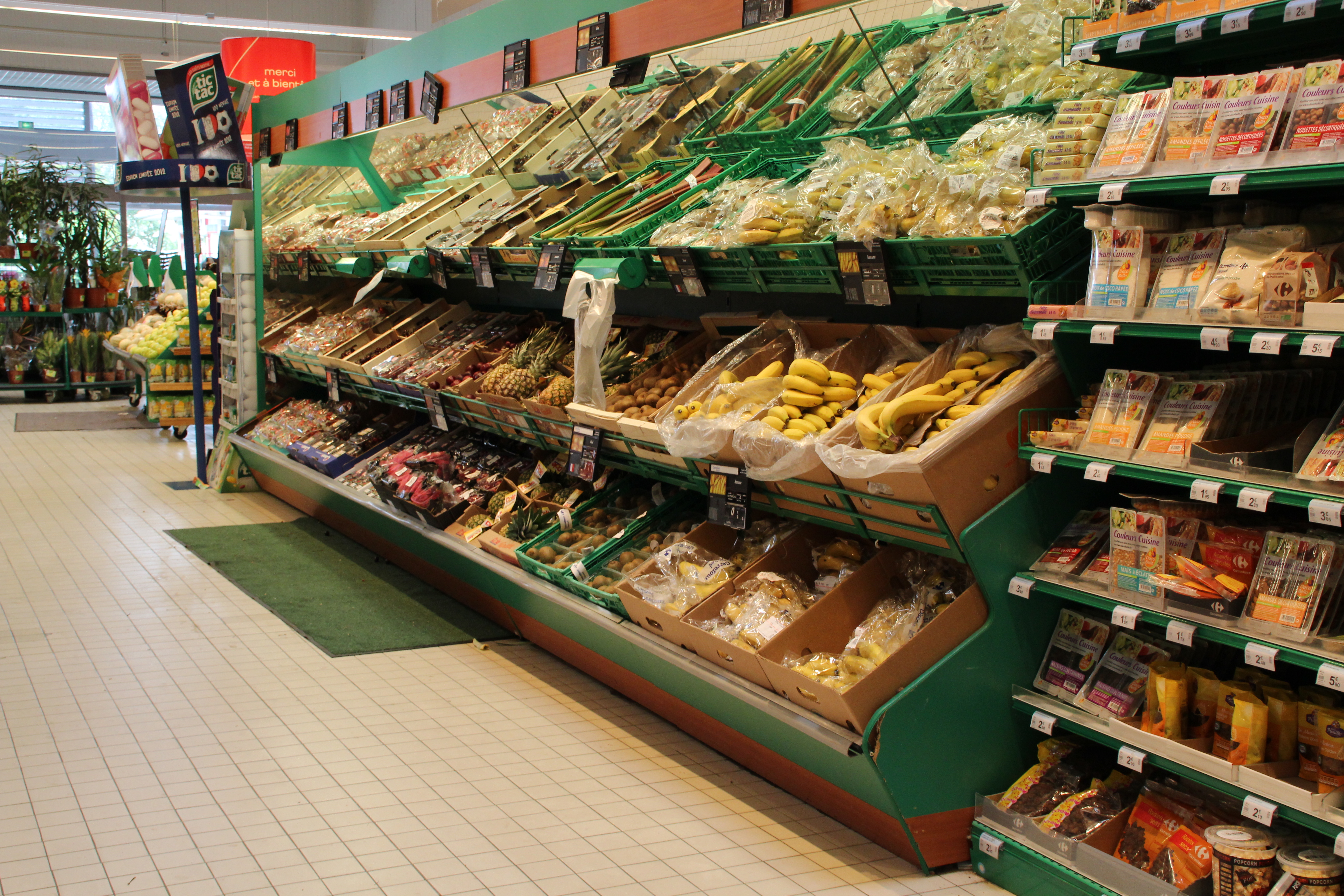
Supermarket prices in France rank above average within Europe. For most residents, Home cooking with supermarket ingredients combined with occasional dining out is the most popular lifestyle for most residents in France. To further economise and enhance quality of life, many locals opt to shop at weekly open-air markets (Marché). This is an excellent opportunity to experience French living and buy fresher and more affordable vegetables and fruits.
Grocery in Supermarkets
- Baguette: €1.00 — €1.30
- Milk, 1L:€1.10 — €1.45
- Eggs, 12:€3.50 — €5.00
- Rice, 1kg:€1.80 — €2.60
- Chicken Breast, 1kg:€12.00 — €17.00
- Cheese, 500g:€6.50 — €11.00
- Mid-range Wine:€5.00 — €10.00
- Apples/Tomatoes, 1kg:€2.50 — €4.50
Dining in Restaurants
- Sandwich/Salad combo: €8 — €12
- Formule Midi: €16 — €26
- 3-course dinner:€35 — €60
- Café & Croissant: €4.00 — €6.50
Transportation Costs in France

France’s public transport system is exceptionally convenient. Whether navigating the metro between Parisian landmarks, travelling on the TGV high-speed rail linking major cities, or utilising the increasingly comprehensive tram networks in provincial towns, you can move about effortlessly without a private vehicle.
Public transport in French cities is typically covered by a unified travel card, with prices varying by region. In 2026, the Navigo monthly pass in Paris costs €90.80. Monthly passes in other French cities such as Lyon, Bordeaux, and Marseille generally range from €50 to €75. A single ticket costs approximately €2.10 to €2.60. Those wishing to travel between cities in France can book TGV high-speed trains in advance. Travel enthusiasts are advised to consider the SNCF Youth Card/Discount Card. The annual fee is €49, which offers discounts of at least 30% on ticket fares.
Healthcare & Insurance Costs in France

France’s national healthcare system is widely recognised as one of the finest globally. It is known as PUMA, an acronym that stands for “protection universelle maladie.” When applying for PUMA, foreign nationals holding a long-term visitor visa who are not in employment must pay a new minimum annual contribution fee (estimated between €300 and €600). The national health insurance scheme typically reimburses 70% of basic medical expenses, with certain chronic conditions or major surgeries eligible for up to 100% reimbursement.
As the national health insurance scheme covers only approximately 70% of costs, the vast majority of French residents purchase supplementary health insurance to cover the remaining 30% as well as costly dental and optical expenses. The basic packages for Individuals are around €30–€50 per month. France also provides extensive free screening and vaccination programmes, which are typically covered 100% by the government.
Cost of Living in France vs US
Although the average purchasing power in the United States is generally higher than in France, France possesses a distinct advantage in balancing quality of life with basic living expenses. Below is the detailed information on the cost of living in France vs the US.
| Item | United States (USD) | France (USD) |
|---|---|---|
| Rent (1 Bedroom, Top Metro) | $3,800 – $5,500 | $1,500 – $2,300 |
| Rent (1 Bedroom, National Avg.) | $1,700 – $2,000 | $750 – $980 |
| Utilities & Heat (90m²) | $180 – $300 | $175 – $275 |
| Fiber Internet | $60 – $90 | $27 – $43 |
| City Transport Pass | $132 | $98 |
| Gasoline (Per Liter) | $0.95 – $1.10 | $1.85 – $2.00 |
| Basic Groceries | $12 – $18 | $8.50 – $13 |
| Mid-Range Dinner for Two | $100 – $150 | $65 – $98 |
| Health Insurance (Monthly) | $100 – $500 | $30 – $60 |
The most significant difference of cost of living between France and the United States lies in rent. Average rents in the US are 40% to 50% higher than in France. In major American cities such as San Francisco and Boston, the average rent for a studio apartment is $2,500 to $3,500, while you can rent a studio in Paris at €1,200 and €1,600.
Tips to Save Cost of Living in France
While the cost of living in France is not that low, by learning some authentic money-saving techniques, you can significantly reduce your monthly bills without compromising on quality of life.

1. Applying for housing benefit
Whether you’re a student or a low-income worker, be sure to apply for CAF (Caisse d’Allocations Familiales) immediately after signing your tenancy agreement. The government may contribute €100–€250 towards your monthly rent based on your income and rent.
2. Seizing the opportunity
When buying daily essentials, download Too Good To Go. On this App, you can purchase unsold food items from supermarkets, bakeries or restaurants at extremely low prices (typically €3-€5) in the form of mystery boxes. If you enjoy offline shopping, go to affordable supermarkets, such as E.Leclerc or Lidl. You can also choose their own-brand products, which typically offer comparable quality to premium brands but at prices over 30% lower.
3. Flexible Managing Transport Expenses
In France, if you are a salaried employee, employers are legally required to reimburse 50% of your monthly public transport pass. For longer trips, the earlier you book TGV, the cheaper the train tickets are. Utilising OuiGo (France’s budget high-speed rail service) can sometimes cost as little as €19.
4. Enjoying medical and life wisdom
When making an appointment with a doctor via Doctolib, select a doctor categorised as Secteur 1, as their fees are regulated by national standards and qualify for 100% reimbursement.
Tap water in France is safe to drink. When dining out, remember to order a complimentary jug of water instead of bottled mineral water. This can save you €4–€7 per visit.
Conclusion
Overall, the cost of living in France features “high welfare standards, excellent value for money, and significant regional variations”. While the rents and consumer prices in Paris do rank among the highest globally, other cities in France offer you not only more spacious accommodation but also world-class healthcare provision and highly accessible public transport networks. By learning to make the most of money-saving tips, you can fully embrace a high-quality French lifestyle.
FAQ
Is it cheaper to live in France than the US?
Yes, it is cheaper to live in France than in the US. The overall cost of living in France is lower. Although average salaries are higher in the United States, France holds an overwhelming advantage in essential living costs. Rent, health insurance, and higher education fees in America are typically two to five times higher than in France. If you seek a balance between quality of life and expenditure, France offers far better value for money than the United States.
How much do you need to live comfortably in France?
To live comfortably, the cost of living in France for a single person is €1,800 — €2,500 per month, and €3,500 — €5,000 per month for a family. If you are living in Paris, France, your budget should be more than €2,500/ month, due to its higher rent and social costs.
Can I live in France permanently if I buy a house?
No, buying property in France does not automatically grant you a long-term residence permit or citizenship. If you are a non-EU citizen, you still need to apply for the appropriate visa. However, property ownership serves as strong evidence of your “financial capacity” and “residential stability” when applying for a visa, thereby enhancing the likelihood of successful renewal.
What is the cost of living in France for international students?
For international students, monthly living expenses in France typically range from €700 to €1,500. In Paris, costs usually fall between €1,100 and €1,500 per month, while in other French cities, students can expect to spend between €700 and €1,000 per month. Additionally, many are eligible for housing assistance (CAF), which can reduce monthly expenses by €100 to €200.