

Home for Global Students
4.9/5
GET APP

Cost of Living in Ithaca, NY: A Complete Budget Breakdown

By Loria
cost of living ithaca ny

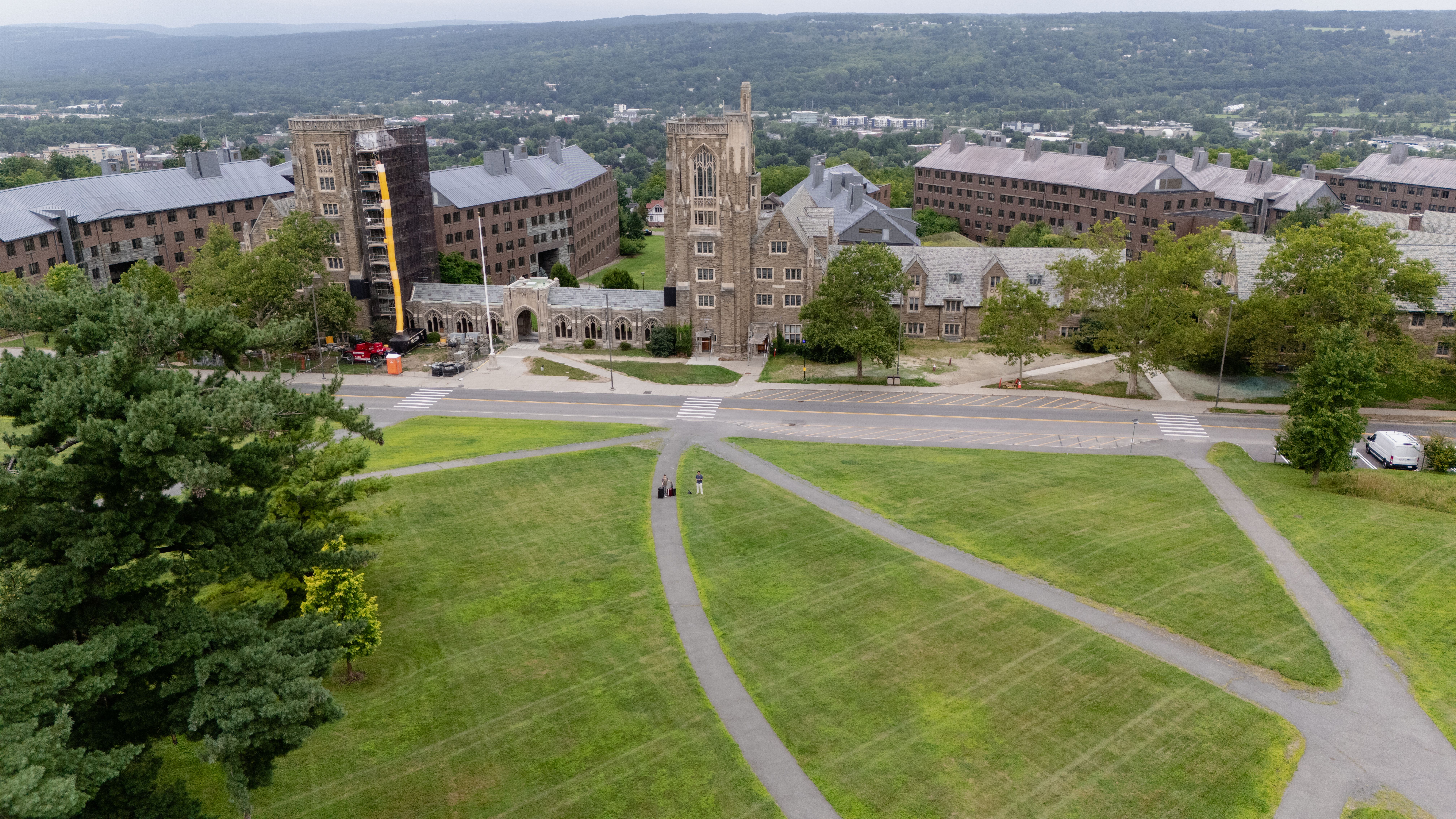
Ithaca is a small college city in New York’s Finger Lakes region, home to Cornell University and Ithaca College. The cost of living in Ithaca, NY, is 3% higher than the U.S. average. With its walkable downtown, scenic gorge, and access to Cayuga Lake, Ithaca has plenty to offer. But housing can be expensive, especially near universities. This guide covers housing, utilities, transportation and healthcare costs of living in Ithaca, along with a detailed monthly budget to help you plan.

How Much is the Cost of Living in Ithaca, NY?

The average cost of living in Ithaca NY is around $3,480 per month after taxes for basic living expenses for an adult. Housing is usually the largest expense, while groceries are relatively affordable. Transportation, utilities, and healthcare cost more than in many other U.S. cities.

The following are monthly budget estimates for one adult without children:

Living Expenses Average Monthly Cost
Housing and utilities $1270
Food $410
Transportation $666
Healthcare $330
Internet and mobile $124
Personal and household necessities $393
Recreation and civic expenses $288
Total About $3,480

Ithaca Cost of Living vs. the U.S. Average

Ithaca’s overall living costs are about 3% above the national average. The comparisons below help explain Ithaca’s cost of living index. 

Cost Category Ithaca vs. U.S. Average
Housing About 0.3% lower
Groceries About 4% lower
Utilities About 6% higher
Transportation About 16% higher
Healthcare About 11% higher
Overall Ithaca cost of living 3% higher

Cost of Living in Ithaca, NY: Housing

Housing is one of the biggest expenses for anyone living in Ithaca, New York. The average one-bedroom apartment rents for approximately $1,797/month, while a studio costs about $1,745/month. Rent varies by apartment size, location, and proximity to universities.

Average Rent in Ithaca, NY

Here are the average monthly rental prices for different apartment types. Larger apartments usually have higher total rents but can cost less per person when shared.

Apartment Type Average Monthly Rent
Studio $1,745
1-bedroom apartment $1,797
2-bedroom apartment $2,030
3-bedroom apartment $2,206
Townhome $2,325
House $2,840

These figures represent average market rents for entire units. A studio costs only $52 less than a one-bedroom apartment on average. For someone who prefers living alone, a one-bedroom may offer better value in Ithaca if the extra space is worth the small difference in rent.

Sharing an apartment offers greater savings. Two people splitting the average two-bedroom rent equally would each pay $1,015 per month, excluding utilities. That is $782 less per person than renting an average one-bedroom apartment, saving approximately $9,384 over 12 months.

Rental Costs by Neighborhood in Ithaca

Rental prices in Ithaca vary considerably by neighborhood. Downtown Ithaca is one of the most expensive areas. South Hill has lower average one-bedroom rents. Collegetown is slightly above the city average, while Fall Creek and Belle Sherman offer more varied housing options.

The table below compares rental prices across five popular Ithaca neighborhoods:

Neighborhood Monthly 1-bedroom rent
Downtown Ithaca $2,369 average
Collegetown $1,886 average
Fall Creek $1,373 average
Belle Sherman $1663 average
South Hill $1,424 average

Downtown Ithaca is centered around Ithaca Commons, a pedestrian shopping district with plenty of things to do. The average one-bedroom rent is $2,369 per month, about 31% above the city average. Housing includes modern apartment buildings and older converted properties.

Collegetown sits just south of Cornell University’s main campus, as one of Ithaca’s main student neighborhoods. College Avenue has lots of restaurants, shops, and Cornell off-campus housing. One-bedroom apartments average $1,886 per month, although prices vary considerably between properties here. Collegetown is a common starting point for students who want to live close to campus.

Fall Creek is a residential neighborhood just north of Downtown Ithaca. It is known for older houses, tree-lined streets, and a quieter atmosphere. Many properties are divided into smaller apartments. One-bedroon listings in Fall Creek range from $1,200 to $1,545 per month.

Belle Sherman is located east of Collegetown, near Cornell University. The neighborhood has quiet residential streets, detached houses, and smaller rental properties. One-bedroom apartments are around $1,450 to $1,875 per month.

South Hill is located south of Downtown Ithaca and offers plenty of Ithaca College housing options. At approximately $1,424 per month, it has the lowest average one-bedroom rent among Ithaca.

For students, student housing in Ithaca, NY can offer individual bedroom leases, furnished options, and modern amenities. Many properties include study rooms, fitness centers, laundry facilities, and communal areas. Some also include Wi-Fi and utilities in the rent, making monthly expenses easier to manage. The student-focused services can make them a practical option, especially for international students and first-time renters.

Upfront Rental Costs in Ithaca

Renters in Ithaca usually need to pay more than the first month’s rent before moving in. A security deposit, application-related charges and moving expenses can increase the initial housing budget. In New York State, landlords can generally charge a security deposit of up to one month’s rent. Credit and background check fees are capped at $20. Renters may also need to budget for furniture, moving services, and utility setup costs.

Home Prices in Ithaca, NY

The median home listing price in Ithaca, NY, is approximately $425,000, while the median sold price is around $460,750. Home prices vary by neighborhood, property size, condition and proximity to downtown or the universities. A buyer purchasing a $425,000 home with a 20% down payment would need $85,000 upfront for the down payment, leaving a $340,000 mortgage before closing costs.

Homeownership also comes with ongoing expenses beyond monthly mortgage payments, including:

  • Property taxes
  • Home insurance
  • Utilities and heating
  • Maintenance and repairs

Cost of Living in Ithaca, NY: Utilities

Utility costs in Ithaca are approximately 6% higher than the U.S. average. Energy is an important expense because winters are cold and heating can increase household bills considerably. A typical household energy bill is around $242 per month, although the actual amount depends on the property and its heating system.

Utility Expense Estimated Cost
Household energy $242/month
Internet and mobile service $124/month
Water and sewer $81/month
Trash collection $12-$30/month
Natural gas heating $150/month in winter

For residents who pay electricity or natural gas directly, NYSEG offers a Budget Billing program. It spreads estimated energy costs across monthly payments using previous usage information. This makes bills more predictable, although it does not reduce the actual amount of energy used.

Cost of Living in Ithaca, NY: Food & Groceries

Ithaca NY cost of living for food and groceries are approximately 4% below the national average. A single adult needs about $410 per month or $4,919 per year, for a basic food budget.

This allowance mainly reflects groceries and meals prepared at home. Regular restaurant meals, delivery orders and takeaway lunches can increase spending.

Grocery Prices in Ithaca, NY

groceries

Wegmans and Walmart are among the major grocery shopping options around Ithaca. The Meadow Street and Elmira Road area is a common destination for larger shopping trips. Residents can also buy fresh produce and local food at the Ithaca Farmers Market. The market accepts SNAP benefits at participating vendors.

For someone without a car, grocery store access can influence the best place to rent. TCAT’s 11S Shopper service provides weekend connections to shopping destinations, including Wegmans and Walmart.

Here are some typical grocery prices in Ithaca:

Grocery Item Average Price
Bread, one loaf $3.86
Milk, one gallon $4.62
Eggs, one carton $4.04
Bananas, one bunch $0.74

Eating Out in Ithaca, NY

Restaurant spending is separate from a basic grocery budget. Around Downtown Ithaca, there are inexpensive takeaway options as well as full-service restaurants. Buying a $13 lunch twice a week costs approximately $113 per month, before tax and tips. That amount alone is more than a quarter of the $410 basic monthly food allowance.

Someone who eats out frequently should include a separate restaurant budget rather than treating all food spending as groceries.

Cost of Living in Ithaca, NY: Transportation

Transportation costs in Ithaca are around 16% higher than the U.S. average. Transportation is definitely an important part of the cost of living in Ithaca, New York. The Tompkins County basic-needs budget allows approximately $666 per month for transportation for one adult. Residents who can walk to work or use TCAT buses may spend much less.

Public Transportation Costs in Ithaca, New York

The Tompkins Consolidated Area Transit (TCAT) system operates local bus routes connecting Downtown Ithaca, Cornell University, Ithaca College, and surrounding communities.

TCAT fare or Pass Cost
Single adult ride $1.50
15-ride pass $20
1-day pass $3
5-day pass $15
Weekly pass $17.50
Monthly pass $45

For someone taking two bus rides per workday across 20 days, individual fares would total $60. A $45 monthly pass would be cheaper for that pattern of travel.

For students, Cornell University offers subsidised transit privileges for eligible students, while Ithaca College students and staff can use college-supported TCAT services. Eligibility and access arrangements vary.

Parking and Gas Prices in Ithaca

Owning a car adds gasoline, parking, insurance, and maintenance to the monthly budget. Regular gas prices in Ithaca averaged approximately $4.37 per gallon in the metro area. Driving 600 miles per month in a car that averages 25 miles per gallon would cost approximately $105 in gasoline. Adding a $117 monthly parking permit brings the total to $222 per month, excluding insurance, maintenance, and car payments.

Residents who can rely on public transportation could save at least $177 per month on gas and parking alone. However, owning a car may be more practical for those living outside central Ithaca or travelling to areas with limited bus service.

Cost of Living in Ithaca, NY: Healthcare

Healthcare in Ithaca costs approximately 11% more than the U.S. average. A single adult needs about $330 per month, or $3,957 annually, for medical expenses under the local basic-needs budget. This accounts for healthcare spending more broadly, including insurance and expected out-of-pocket costs.

Here are typical local price benchmarks for common healthcare services:

Healthcare Expense Average Price
Doctor’s visit $191.45
Dentist visit $133.27
Optometrist visit $199.12
Prescription drug benckmark $24.51

Cayuga Medical Center is a major local healthcare provider. Ithaca also has the Ithaca Free Clinic, which offers services primarily to people without adequate insurance coverage.

For students, university health plans can be another significant part of Ithaca New York cost of living. Any required student health insurance should be budgeted separately from tuition and checked against existing coverage.

Cost of Living in Ithaca, NY: Taxes

taxes in us

Ithaca residents pay New York State income tax and applicable sales taxes. For working adults, taxes affect how much of their salary is available for rent and everyday expenses.

The combined sales tax in Ithaca is 8% on taxable purchases. This means a $100 taxable purchase costs $108 after sales tax. Most basic grocery items purchased for home preparation are exempt from New York sales tax. Restaurant meals and many prepared foods are generally taxable.

What Salary Do You Need to Live in Ithaca, NY?

A single adult in Ithaca needs approximately $51,169 per year before taxes, or $24.60 per hour, to cover basic living expenses. This is considerably higher than the Ithaca minimum wage of $16 per hour.

Income Level Hourly Wage Annual Income (Before Tax)
Standard Mimimum Wage Ithaca NY $16.00 $33,280
Living Wage (one adult) $24.60 $51,169

Annual income assumes 40 working hours per week and 52 weeks per year.

After taxes, the estimated living wage provides around $41,760 per year, or $3,480 per month, for basic expenses. This covers necessities such as housing, food, transportation, and healthcare, but leaves limited room for additional savings.

For someone renting a one-bedroom apartment at the average price of $1,797 per month, an annual income of approximately $71,880 before taxes would be needed to keep rent at 30% of gross income.

How to Lower the Ithaca Cost of Living?

The most effective way to reduce expenses while living in Ithaca is to focus on housing, transportation, and winter utility bills. Choosing the right apartment and planning around local services can make a noticeable difference to monthly spending.

  • Share an apartment to reduce rent: A two-bedroom apartment in Ithaca costs around $2,030 per month. Splitting the rent equally brings the cost to approximately $1,015 per person, saving $782 a month compared with renting an average one-bedroom alone.
  • Use public transportation instead of driving: A TCAT monthly pass costs $45 and covers regular bus travel around Ithaca. Living near a bus route can help residents avoid parking fees, gas expenses, and other costs associated with owning a car.
  • Choose furnished accommodation: Buying furniture can add hundreds of dollars to moving costs, especially for students moving to Ithaca for the first time. Properties on uhomes.com offer furnished apartments in Ithaca, with options that include beds, desks, kitchen appliances, and other essentials. uhomes.com also provides exclusive offers with a lower-price guarantee to help you get the best price for Ithaca apartments.
  • Keep winter energy bills under control: Heating can be expensive during Ithaca’s cold winters. Remember to look for apartments with heating included or ask about previous winter utility bills before moving in.
  • Take advantage of free local activities: Tompkins County residents and eligible local workers can get a free library card. Ithaca also has plenty of outdoor attractions such as Cascadilla Gorge Trail, where visitors can enjoy walking and sightseeing without paying on admission fee.

Conclusion

The average cost of living in Ithaca NY is slightly above the national average, making it a relatively expensive place to live compared with many other upstate New York cities. For anyone planning to move to Ithaca, a $3,480 per month estimate is a starting point rather than a guaranteed monthly budget. The actual rent, winter utility bills, and transportation needs will determine the final Ithaca cost.

FAQ

The cost of living in Ithaca, NY, is about 3% higher than the U.S. average. One adult needs around $3,480 per month after taxes to cover basic expenses in Tompkins County. Actual costs vary depending on rent, transportation and lifestyle.

The average one-bedroom rent in Ithaca is approximately $1,797 per month. Studios average $1,745 while two-bedroom apartments cost around $2,030. 

A single adult needs approximately $51,169 per year before taxes to cover basic living expenses in Ithaca. However, someone renting one-bedroom apartment would need about $71,880 in annual gross income to keep rent at 30% of their salary. Comfortable living may require more, depending on your living preferences.

Yes, the cost of living in Ithaca is about 56% lower than in New York city. Housing accounts for much of the difference. Average apartment rent is approximately $1,838 per month in Ithaca, compared with $4,195 in New York City. That’s a saving of around $2,357 per month.

Ithaca is located in Tompkins County in central New York, at the southern end of Cayuga Lake in the Finger Lakes region. The city is home to Cornell University.

The population of Ithaca is estimated 33,632, compared with 32,108 in the 2020 U.S. Census.

Yes, Ithaca is generally considered a liable small college city. But safety can still varies by neighborhood and location. The Ithaca Police Department reported fewer violent and property crimes each year.

Yes, Ithaca can be a good place to live for people who enjoy a college-town environment and outdoor activities. The city has a walkable downtown and nearby trails.

uhomes.com | Student Accommodation,Flats,Houses,Apartments for Rent
What can I do for you?
ASK ME