



Home for Global Students
4.9/5
GET APP

Moving to Manchester: What You Need to Know About Living in the City

Thinking of moving to Manchester, UK? Situated in the North West of England, Manchester has a population of approximately 588,000. Once a major industrial hub, Manchester is now well known for its vibrant music scene, thriving football culture and rich cultural heritage.

Manchester has a rich industrial heritage and was once a major centre of the UK’s textile industry. It is also known for its music scene, having produced famous bands such as Oasis, The Smiths and Joy Division. Football is another important part of the city’s culture, with Manchester United and Manchester City both based here. With its diverse lifestyle, moving to Manchester, England can be an exciting choice.

If you’re thinking of living in Manchester, UK for study or work, or simply want to find out what life in the city is like, read our blog below.

Cost of Moving to Manchester

The cost of moving to Manchester within the UK ranges from around £400 to £1,025 when using a professional removal service. The total price is determined by how far the move is, how much you are moving and whether you need any extra services. Additional charges you could incur are packing supplies, transportation and storage, as well as your first month’s rent and tenancy deposit.

Cost of Living in Manchester

The monthly cost of living in Manchester, England is about £1,500 to £2,200 for a single person, £4,000 to £5,200 for a family of four and £1,200 to £1,500 for a student, all of which include rent. Manchester ranks among the top 10 UK cities with the lowest living costs. These data are for reference only, and the actual expenses will vary depending on accommodation, lifestyle and spending habits. Housing is usually the largest expense, followed by groceries, transportation, water and electricity and other living bills, as well as leisure and entertainment expenses.

Housing Costs

House costs in Manchester vary depending on the location and house type. Housing in Manchester offers a variety of options for different budgets, from modern city-centre apartments to spacious suburban family homes.

Buying property in Manchester costs around £257,000 on average according to the latest ONS data. Flats and maisonettes cost around £199,000, terraced houses £260,000, semi-detached houses £334,000 and detached houses £485,000.

In Manchester, the average monthly rent was £1,380. Flats and maisonettes are cheaper to rent, averaging £1,152 per month, compared to £1,412 for terraced houses, £1,504 for semi-detached houses and £1,887 for detached houses.

Student Accommodation in Manchester

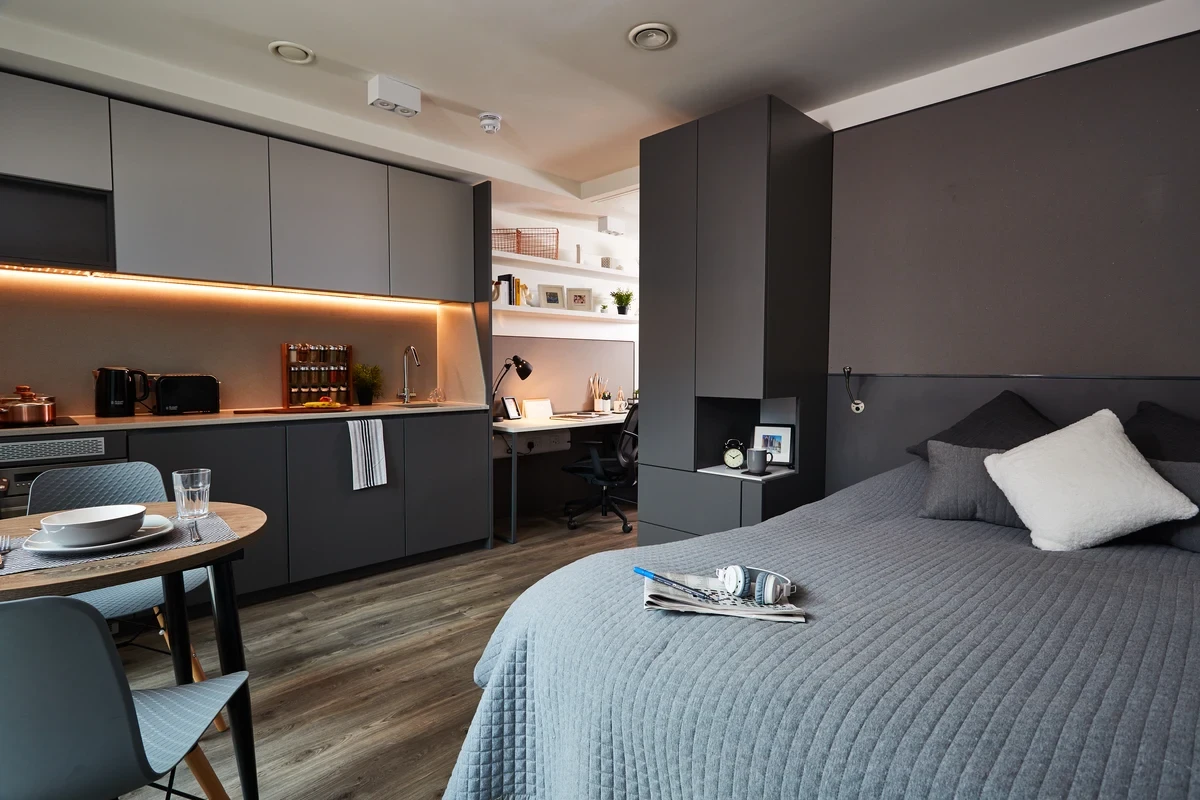
Student accommodation in Manchester typically costs around £150 to £399 per week, depending on the room type and location. Shared rooms are generally the most affordable option, while en-suite rooms tend to cost more due to the added privacy of a private bathroom. Studios are usually the most expensive, as they offer a private kitchen and bathroom. On uhomes.com, non-en-suite rooms start from around £150 per week, en-suite rooms range from £150 to £338, and studios start from £160. Prices also vary depending on the property’s location, facilities and tenancy length.

You can compare a wide range of student accommodation in Manchester on uhomes.com. We offer exclusive discounts, higher cashback and special deals to help you save more on your rent. Our lowest price guarantee means that if you find the same accommodation at a lower price on another website, we will offer you a better deal. This helps you secure your preferred student home at the lowest possible price.

uhomes.com logo

Council Tax

Manchester’s Council Tax ranges from £1,541 to £4,624 per year, depending on the property’s tax band. Most residential properties fall within Bands A to H, with Band D costing £2,312 per year. The actual tax amount also depends on the property’s location and valuation band. People who live alone usually receive a 25% discount, while full-time students are usually exempt from Council Tax.

Electricity Bills

The average monthly electricity bill for a Manchester household is about £70. This estimate is based on annual electricity consumption of 2,500 kilowatt-hours and Ofgem’s energy price cap. The actual cost depends on household size, electricity consumption and the electricity tariff. The electricity bill may be higher for large houses and homes that use electricity for heating. When renting a house, you should check whether the electricity bill is included in the rent or needs to be paid separately.

Other General Living Expenses in Manchester

Other general living expenses in Manchester include groceries, transport, eating out and leisure activities. The monthly grocery bill is roughly £224, and public transport and transportation costs around £81. Your own expenses will depend on your lifestyle, as well as the stores you shop at and the activities you take part in.

Best Places to Live in Manchester

The best areas to live in Manchester include Ancoats, the Northern Quarter, Didsbury, Salford, Sale, Altrincham and Prestwich. If you are moving to Manchester, the best area for you will depend on your budget, lifestyle and commuting needs. Young professionals and couples may prefer city-centre areas like Ancoats and the Northern Quarter, while families may favour quieter suburbs such as Didsbury, Sale and Altrincham. Students may find it more convenient to live near their universities, such as around Oxford Road. Read on to explore these areas and what they have to offer.

Ancoats

Average property price: £313,333

Ancoats is one of the best places to live in Manchester for young professionals and couples. This used to be an industrial area in Manchester, England, but now there are many buildings converted from old warehouses, as well as fashionable apartments, independent cafes and popular restaurants. Cutting Room Square is a lively local spot, and the city centre is within walking distance. Ancoats is a good choice for people who want to enjoy city life but don’t want to live on the busiest streets.

The Northern Quarter

Average property price: £230,912

The Northern Quarter is a nice place to live in Manchester, known for its creative atmosphere and lively nightlife. It has many independent shops, retro markets, street art and live music venues. It is more popular with young office workers, people engaged in creative industries, and people who like to go out and socialise. There are many cafes, bars and restaurants nearby, and you can walk to Piccadilly Gardens. However, some streets can be noisy at night, and rents may be relatively high due to the area’s central location.

Didsbury

Average property price: £430,817

Didsbury is one of the nice places to live in Manchester, a leafy neighbourhood popular with families and professionals in the south of the city. Its streets are lined with trees, and there are many independent shops, cafes and restaurants. The overall environment is relatively quiet. The Fletcher Moss Botanical Garden and nearby green spaces also provide residents with many good places for outdoor activities. There are also good schools here, and it is convenient to get to the city centre by Metrolink.

Salford

Average property price: £243,907

Salford is one of the best areas to live in Manchester, offering good transport links and easy access to the city centre. Salford has a variety of housing options, including modern apartments, traditional houses and newly developed residential areas. Salford Quays and MediaCity are popular with media, technology and creative industry practitioners. There are also walking routes, shopping places and cultural attractions along the waterfront, which is convenient for daily life and leisure.

Sale

Average property price: £416,488

Sale is one of the best areas of Manchester to live for families. There are good schools and a lot of green space. Worthington Park and Sale Water Park are good places for residents to relax and do outdoor activities. There are various shops, cafes and restaurants in the town centre, and you can easily reach Manchester city centre by Metrolink. For families who like a quiet living environment, Sale is a good choice.

Altrincham

Average property price: £573,549

Altrincham is one of the best places to live in Manchester for families, offering good local amenities, although house prices are relatively high. Altrincham town centre is very lively, with many independent shops and a popular food market. There are good schools and many green spaces nearby. You can take Metrolink directly to the centre of Manchester, which is more convenient for people who need to commute.

Prestwich

Average property price: £321,860

Prestwich is also among the nice places to live in Manchester. There are many shops, cafes and restaurants, and residents can easily go to Heaton Park. Heaton Park is one of the largest municipal parks in the UK, with a large outdoor space suitable for local residents to walk and relax. From Prestwich, you can take Metrolink directly to the centre of Manchester, which is convenient for daily commuting. The housing options are diverse, which can meet the living needs of different families.

Student-Friendly Areas in Manchester

Fallowfield, Withington, Rusholme and Oxford Road are among the best areas of Manchester to live in as a student. These areas are close to the University of Manchester and Manchester Metropolitan University, and have plenty of student houses, shared accommodation, cafes and affordable places to eat. For students who want to live closer to university campuses and the city centre, Oxford Road is also a convenient option.

manchester accommodation

Getting Around Manchester

Getting around is convenient for people living in Manchester. There are buses, trams and trains in the city, as well as many bicycle lanes. Manchester’s public transportation mainly includes buses, Metrolink trams and local trains. The one-way bus fare for adults is £2, and the one-day ticket for Bee Bus is £5. When taking buses and trams, you can also use your bank card or mobile phone directly for contactless payment and enjoy the daily or weekly fare limit. Students can also buy Bee Bus student tickets to save daily transportation expenses.

In addition, Bee Network also has its own mobile phone application, which can be used to check routes, plan itineraries and buy tickets.

For shorter journeys, it is also convenient to walk or ride a bicycle. You don’t have to worry about not having a suitable way to travel to work, go to school or hang out in Manchester.

Things to Do in Manchester

When living in Manchester, you can taste the delicious food of different countries, experience the lively nightlife, watch football matches, and visit museums. Whether you like shopping, live music, sports or outdoor activities, you can find the right choice for yourself.

Culture

Manchester has a diverse range of cultural attractions, including museums, galleries, theatres, historic buildings, and music venues. Some of the top cultural attractions in Manchester are the Manchester Museum, the Science and Industry Museum, and the Whitworth Art Gallery, which host exhibitions related to history, art, and science respectively. Other cultural attractions in the city include the architectural landmarks of Manchester Cathedral and the John Rylands Library, which are both beautiful buildings with a rich history. In addition, various cultural festivals, exhibitions, and other events held throughout the year.

manchester

Restaurants and Food Scene

Manchester has a rich choice of food, including both British local dishes and dishes from all over the world. Here are some popular restaurants:

  • OSMA: OSMA focuses on Nordic flavour, providing creative small dishes and Sunday barbecue.
  • The Sparrows: The Sparrows mainly serves German noodles and other European dishes.
  • Refuge by Volta: Refuge by Volta provides a variety of small plates with international flavours and sharing plates.
  • Dishoom: Dishoom focuses on Indian street food and traditional Mumbai dishes.
  • Maray: Maray mainly serves Middle Eastern cuisine, and the signature dish is Disco Cauliflower.

In addition, there are many independent cafes in the Northern Quarter, which are suitable for you to take a break while shopping. Curry Mile in Rusholme gathers many South Asian restaurants.

Bars and Pubs

Manchester’s bars and traditional English pubs serve a variety of drinks, including English ale, local craft beer, gin and specialty cocktails. There are many bars to choose from in Northern Quarter, Deansgate and Spinningfields. A pint of beer usually costs £5 to £7, and cocktails cost about £10 to £14. The specific price varies from bar to bar.

Sports and Fitness

Football, cricket and rugby are the most representative sports in Manchester, and there are also abundant fitness and sports facilities in the city. You can go to Old Trafford Stadium or Etihad Stadium to watch Manchester United or Manchester City play live.

Shopping and Entertainment

Manchester has a rich selection of shopping and entertainment, from large shopping malls to independent stores and local markets. Manchester Arndale is one of the main shopping places in the city centre, and Afflecks has many independent shops and vintage goods. Trafford Centre brings together a variety of shops, restaurants and entertainment facilities.

Student Life in Manchester

Student life in Manchester is colourful, with many opportunities for learning and personal development. There are many well-known universities here, including the University of Manchester, Manchester Metropolitan University, the University of Salford and the University of Bolton. There are five universities in the whole Greater Manchester area, attracting more than 100,000 students every year, forming a large-scale student group, which also gives the city a diverse campus culture.

All universities have student associations and sports clubs, and also provide volunteer activities and career development activities. Students can participate in different cultural associations, campus festivals, and academic competitions. These activities can not only help students make new friends and cultivate new skills, but also help them better integrate into campus life.

Working in Manchester

Working in Manchester is a rewarding experience, with job opportunities across a wide range of industries. The average annual salary for full-time employees is around £41,330 before tax, although actual earnings vary depending on the industry, role and work experience. Below are some of the main employment sectors in Manchester and the types of jobs they offer.

  • Technology and digital industry: software development, IT services and digital innovation.
  • Finance and commerce: banking, accounting, insurance and professional services.
  • Medical and life sciences: healthcare, medical research and biotechnology.
  • Media and creative industry: broadcasting, marketing, design and content production.
  • Education: teaching, academic research and vocational training.

Is Manchester a Nice Place to Live?

Yes, Manchester is a vibrant, culturally rich, and liveable city, especially for students, young professionals and families. However, if you prefer warm weather, a quiet living environment or a low cost of living, Manchester may not be suitable for you.

Pros of Living in Manchester

Living in Manchester, England offers several benefits, including:

  • Many Employment Opportunities: Jobs in industries such as science and technology, finance, healthcare and media.
  • Rich Educational Resources: Well-known universities, colleges and schools.
  • Cultural and Entertainment Activities: Music performances, football matches, museums, restaurants and nightlife.
  • Convenient Transport: A wide range of bus, tram and train services.
  • Many Green Spaces: Parks, gardens and outdoor leisure spaces across the city.

Cons of Living in Manchester

If these drawbacks are important to you, Manchester may not be a nice place to live in.

  • Rainy Weather: Frequent rain and cloudy days.
  • High Housing Costs: Rising rents and house prices in popular areas.
  • Traffic Congestion and Crowds: Busy roads and crowded public transport.
  • Noise: Lively nightlife and busy streets in the city centre.

Summary

Moving to Manchester can be an exciting choice for students, young professionals and families. The city combines well-known universities, a diverse job market and a lively cultural scene with a range of housing options and transport links. Although living costs and neighbourhood conditions vary, there are options to suit different needs and budgets. Planning your accommodation and daily expenses in advance can help you settle in comfortably and enjoy living in Manchester, UK.

FAQ

Yes, Manchester has good transport links to London. From Manchester Piccadilly Station, there is a direct train to London Euston Station, which takes about 2 hours and 7 minutes. In addition, there is also a regular long-distance bus service between the two places.

A liveable salary in Manchester is around £35,000 to £45,000 a year for a single person. However, if you need to rent an apartment alone or bear the family expenses, you may need a higher income. The specific salary required also depends on the housing cost, lifestyle and personal spending habits.

Manchester is rougher than Liverpool based on some recent recorded crime rate comparisons. However, crime varies from community to community, and the overall data of the city does not fully reflect the actual security situation in each residential area.

Manchester has no officially designated no-go areas, but neighbourhoods such as Moss Side, Cheetham Hill, Harpurhey, Moston, Longsight and Gorton have reported higher levels of certain crimes, including theft, burglary and anti-social behaviour.

Yes, it is generally safe to walk around Manchester at night if you take sensible precautions. Stick to well-lit streets, avoid isolated areas and keep your belongings secure. Consider using a licensed taxi when travelling late at night.

The City of London has the highest recorded crime rate in some recent UK local authority comparisons. The ranking of busy urban areas such as Westminster is also higher. However, there are large numbers of commuters and tourists in these areas, so crime rate data may not accurately reflect the actual safety risks faced by local residents.

uhomes.com | Student Accommodation,Flats,Houses,Apartments for Rent
What can I do for you?
ASK ME