


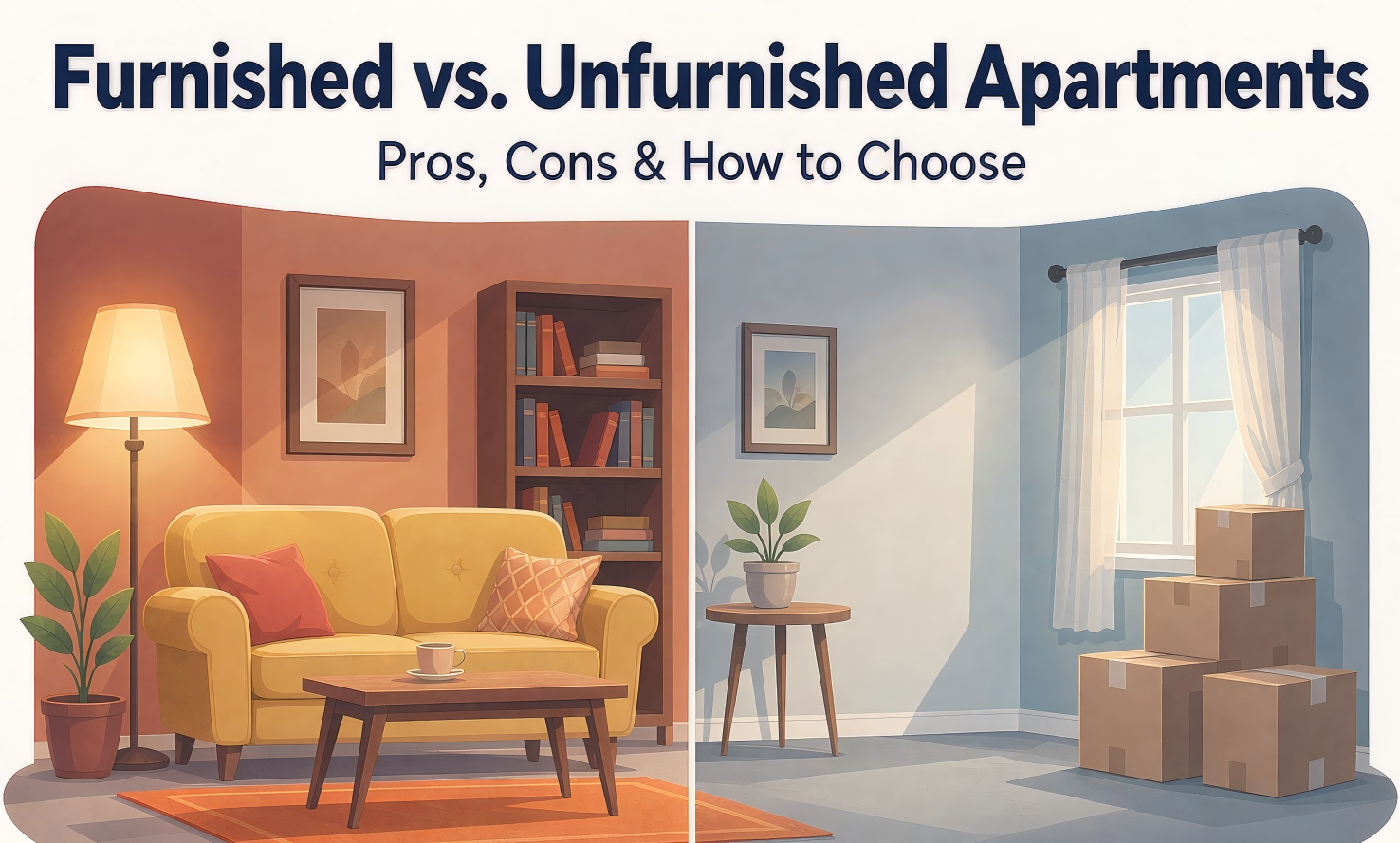
Deciding between a furnished vs unfurnished apartment also requires thinking about the costs associated with moving, cost of furniture and equipment, level of comfort in the apartment and the length of your rental. All of these can have a notable effect on the cost and experience of renting an apartment.
Rental of a furnished apartment can help lessen the cost of purchasing all of your furniture. However, the monthly cost for a furnished apartment may exceed the monthly rate for a similar unfurnished rental. You should take into account the length of your rental, whether you own any furniture, and how much flexibility you need when deciding between a furnished and an unfurnished apartment.
In this article we will look at the pros and cons associated with furnished and unfurnished apartments and help you decide which type of apartment you should rent.
What Is a Furnished Apartment?
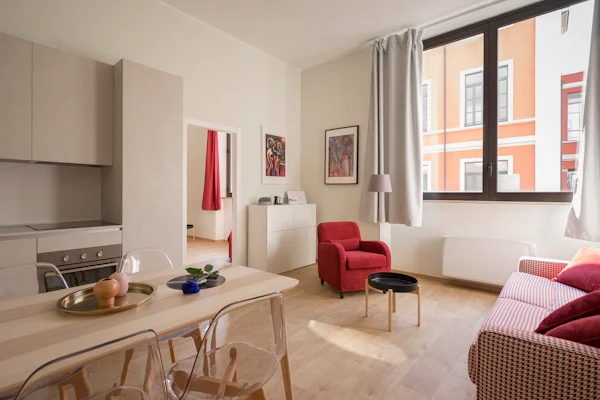
A furnished apartment is a type of rental that includes some furniture and possibly appliances and household items. The contents of furnished apartments vary from apartment to apartment. Some furnished apartments contain only a minimum amount of furniture, such as a bed, a sofa, a dining table, and a few chairs. Other furnished apartments contain enough furniture to allow the tenant to move in with little setup.
Furnished apartments generally fall into two categories: semi-furnished and fully furnished apartments. Knowing the difference may assist you in deciding whether or not all the items you require are included in the apartment or if you will need to buy some items yourself.
Fully Furnished vs. Semi-Furnished Apartments
| Feature | Fully Furnished Apartment | Semi-Furnished Apartment |
|---|---|---|
| Bedroom | Usually includes a bed, mattress, and sometimes a nightstand or desk | May include a bed, wardrobe, or other selected furniture |
| Living area | Typically includes a sofa, coffee table, and other basic seating | May include a sofa or a few essential pieces |
| Dining area | May include a dining table and chairs | May include a table or limited dining furniture |
| Kitchen | May include major appliances, cookware, and tableware | Usually includes basic or built-in appliances, depending on the property |
| Bathroom | May include selected accessories, such as a shower curtain or bath mat | Usually includes standard bathroom fixtures, with fewer additional items |
| Move-in preparation | Requires fewer furniture purchases and less setup | May require additional furniture, kitchenware, or household essentials |
Who Should Consider a Furnished Apartment?
A furnished apartment would benefit someone who wants an apartment that is set up ready to move in and doesn’t mind paying for less furniture. Some of the people who would benefit from a furnished apartment are those seeking convenient, flexible, short-term accommodation for work, study, remote work, relocation, or temporary housing needs.
What Is an Unfurnished Apartment?
Unfurnished apartments are typically apartments that do not contain a lot of movable furniture however they may contain kitchen units, plumbing, lighting and some basic appliances.
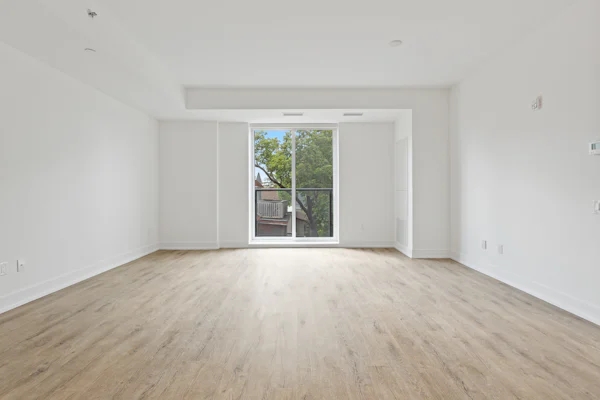
Who Should Consider an Unfurnished Apartment?
An unfurnished apartment may suit people who want flexible furnishing options, prefer to design their own living space, or plan to stay for several years. People planning to stay for several years, who already own furniture and household essentials, or who prefer complete freedom over furnishing and interior design.
If you intend to reside in the apartment for a long time or are looking to set up an apartment to your specifications then an unfurnished apartment may be suitable for you. There will be a higher initial cost and preparation but more adaptability in the long run.
Furnished vs. Unfurnished Apartments: Pros and Cons
Furnished Apartments: Pros and Cons
Pros of Furnished Apartments
- Easy Move-In
Furnished apartments can be beneficial for easy move in situations. Furnished apartments provide important items such as beds, chairs, tables, and sofas. Some furnished apartments may even include kitchen and living items and appliances. These items can decrease costs and time to set up a new apartment.
- Flexible Leases
Furnished rentals may also provide short term leases. These can be beneficial for individuals moving for work, home renovation, or short term assignments. Furnished apartments can also eliminate the issue associated with removing bulky furniture from an apartment.
- Lower Upfront Costs
For renters, choosing a furnished apartment can reduce upfront costs by eliminating the need to buy essential furniture and appliances. Although the monthly rent may be higher, renters can save money by avoiding these initial purchases.
- Ideal for Short Stays
Furnished apartments can be beneficial to an individual that will be living in a city for a few months. These apartments can provide for a quick move in and out without the issue associated with moving and selling or storing furniture.
- Remote Work Convenience
Furnished apartments may also include a desk and chair which can make setting up an office at home easier. Confirm internet access and available home offices prior to leasing.
- Ready-to-Use Interiors
Furnished apartments often come with furniture and thoughtfully arranged interiors, allowing tenants to enjoy a comfortable living space from the moment they move in without spending extra time and effort decorating their homes.
Cons of Furnished Apartments
- Higher Rent and Deposits
Furnished apartments may have higher rents and security deposits due to furniture costs and upkeep. Deposit amounts vary by unit, lease terms, and local rules, so confirm the amount before signing.
- Limited Personalization
Provided furniture may not suit your individual requirements or taste. Rules regarding furniture installation and removal within the lease may also not allow for changes or removal.
- Furniture Wear and Tear
Furniture may exhibit wear and tear such as a worn mattress or scratches on a dining table. Be sure to examine all furniture and record its current state before you move in the house.
- Damage Disputes
Damage disagreements can arise at the end of a tenancy regarding furnished units. Take pictures of any damage present at check in and review the inventory list and lease agreement to help ensure the security deposit is not at risk.
- Fewer Rental Options
Furnished apartments may be harder to find in certain areas, leaving tenants with fewer choices in terms of location, layout, and budget.
Unfurnished Apartments: Pros and Cons
Pros of Unfurnished Apartments
- Lower Monthly Rent
Unfurnished apartments often have lower monthly rents than comparable furnished units because furniture is not included. However, security deposits may still vary depending on the landlord and local regulations.
- More Personalization
Unfurnished units provide you the freedom to select your interior design, furniture, colors. This allows the space to be tailored to meet personal, functional and lifestyle needs.
- More Rental Choices
Unfurnished units may provide a greater variety of units, sites and floor plans available in some cities. This can provide the opportunity to locate a unit that meets preferences and budget constraint.
- Lower Long-Term Costs
Furniture requires an initial investment but can be used for many years and taken with you to your next residence. When evaluating furnished versus unfurnished units, an unfurnished rental could end up costing less in the long run if the savings in rent more than compensates for the cost of furnishing the unit.
- Control Over Furniture Quality
With unfurnished units you have the ability to select the quality, comfort, and cleanliness of the furniture. You also have the freedom to not use furniture provided by the prior tenant.
- Fewer Furniture-Related Disputes
With unfurnished units there is less concern about the condition of furnished furniture provided by the landlord. You are still responsible for any damage done to the unit and are still bound by the lease agreement.
Cons of Unfurnished Apartments
- Higher Initial and Moving Costs
Unfurnished apartments require tenants to purchase furniture and appliances and cover additional packing, labor, and transportation costs when moving.
- Less Suitable for Short Stays
Unfurnished apartments may be less convenient for short-term tenants, as they need to purchase or rent furniture for a limited period. Moving, storing, or selling these items later can create additional costs and inconvenience.
- Longer Setup Time
An unfurnished apartment allows more time for buying furniture, scheduling delivery, and setting up.This may delay the move in date and make an adjustment to the moving in period more difficult.
What to Consider When Renting a Furnished or Unfurnished Apartment
Cost and Long-Term Value
When comparing furnished and unfurnished apartments, consider both monthly rent and furniture costs. Furnished units may have higher rent but require less money upfront, while unfurnished units often have lower rent but involve additional spending on furniture and appliances. To determine which option offers better value, compare the total cost for the period you plan to stay.
Lease Flexibility
Furnished apartments often offer flexible lease terms, making them suitable for students, part-time workers, and people with changing plans. Unfurnished apartments more commonly come with longer leases. On uhomes.com, you can find student housing with flexible rental periods, whether you need a place for a few weeks, several months, or a full year. Always check the lease terms and any early termination fees before booking.
Furniture Quality and Included Items
Each unit have a different quantity and quality of furniture. Make sure to look at the list of included items and to examine the quality of the beds, sofa and appliances prior to signing a lease.
Comfort and Personalization
Furnished units are immediately livable but the included furniture and layout may not always meet your lifestyle or personal preferences. Unfurnished units give the individual more opportunity to customize the unit including the layout, colors and furniture.
Moving Convenience and Damage Liability
Furnished units can lessen the amount of moving in and out involved with large furniture such as a sofa or bed. Unfurnished units will require more moving in and out for the furniture. When renting a furnished unit,it is a good idea to take inventory of any preexisting damage. Make sure to examine the lease, inventory and any damage before moving in.
Conclusion
Your budget, lifestyle, and how long you plan to stay will help you decide between a furnished and an unfurnished apartment. Furnished units offer convenience and flexibility for short-term tenants or frequent movers, while unfurnished units offer affordability and personalization for clients planning long-term stays. If you need rental apartments, you can visit uhomes.com, which offers many student apartments, including fully furnished and unfurnished apartments, so you can choose according to your needs.
Yes. You can usually put in your things like pillows, pictures, lights and small machines.. Make sure to ask the person who owns the apartment before taking out or changing anything that is already there or making changes that can’t be undone.
Ask for a list of items in writing before you sign the agreement. Check if the apartment has things like beds, tables, kitchen tools, blankets and machines. The things that are in the apartment can be different for each place.
It depends on the terms of the lease and applicable local regulations. Even if it is not required insurance can help protect your things and cover any problems that might happen. Check if the insurance covers things that the landlord owns that you might need to take care of.
Yes, you can usually extend a month-to-month furnished rental if the landlord agrees. Contact them before your current rental period ends to confirm availability, any rent changes, and the new move-out date.
Compare monthly rent, furniture and appliance costs, utilities, and rental duration. Furnished apartments often have higher rent but lower upfront costs, while unfurnished apartments may be cheaper for long-term stays.
Check that the machines, lights, water, heating and cooling all work. Look at the mattress, couches and other furniture to see if they are in shape or clean. Take pictures with dates. Make sure the list of items matches what is in the agreement.
Not necessarily. Furnished apartments may require a higher security deposit to cover potential damage to furniture and appliances. However, the amount depends on the landlord, lease terms, and local regulations.
Yes, furnished apartments often cost more because they include furniture and machines and can be easier to live in. The extra cost depends on where you’re how good the place is, how long the agreement is and how many people want to rent it.
For long-term living, unfurnished apartments often offer lower rent and the freedom to choose your own furniture, while furnished apartments provide convenience and reduce upfront furniture costs. The best choice depends on your budget, lifestyle, and long-term plans.
Landlords might be able to take some of the costs of the furniture as a deduction or get some money back through depreciation depending on the rules. The way it works can be different in places so talk to a tax expert.
A furnished rental is a property that comes with essential furniture and appliances, such as beds, sofas, tables, and sometimes kitchen equipment. It allows tenants to move in without buying or transporting their own furniture, making it ideal for short-term stays, relocations, or temporary housing.
Furnished apartments typically cost 15%–40% more per month than unfurnished units, so their value depends on your length of stay and existing furniture. They also make moving easier by eliminating the need to transport bulky items.
Offering furnished rentals can attract more tenants, including business travelers, relocating professionals, and short-term renters. Landlords may charge higher rents, appeal to a wider market, and generate additional income, especially in areas with strong demand for flexible housing.
Landlords should think about the cost of buying furniture and machines fixing things that break replacing items that get old and dealing with damage or throwing things away. These costs should be compared with the money they get from renting and how often the place is filled.
Tenants may choose an unfurnished rental if they already own furniture, want to personalize their space, plan to stay long-term, or prefer lower rent and the flexibility to take their furniture when they move.
Landlords can use a list of items take pictures of the condition with dates check the people who want to rent and do regular checks that follow the rules. They should also be clear about the rules in the agreement and how deposits and deductions work.
Location affects furnished rental demand, with areas near universities, business districts, and major employers often attracting more short-term tenants, such as students, business travelers, and relocating professionals, while other areas may have greater demand for long-term, unfurnished housing.
A furnished apartment can be easier for stays or people who don’t have furniture. An unfurnished apartment might be cheaper for people who plan to stay a time and already have their own furniture. The best choice depends on your money how long you are. How you like to live.
A furnished apartment has things the landlord provides, like furniture and maybe machines or kitchen tools. An unfurnished apartment usually needs the person renting to bring their furniture. What is actually included can be different for each place.
Pick a place that already has furniture if you want it to be easy don’t have time to move or plan to stay for a short time. Choose a place that doesn’t have furniture if you want rent more control, over what you put in and the chance to keep your own furniture for a long time.
Yes, landlords can charge more for furnished rentals than unfurnished rentals.
Yes, furnished rentals do tend to require a higher level of maintenance. The furniture and other furnished items are your responsibility. Damage and deterioration should be addressed and you should perform regular maintenance to keep everything in great condition.
Furnished rentals are ideal for students, temporary residents, business travelers, or people moving into a new city.
A furnished rental should have a bed, dining table, kitchen utensils, cookware, dishes, a shower curtain, towels and items for the bathroom. Appliances are also usually included in a furnished rental. Lamps, area rugs and artwork can also be included to make the rental more marketable.