




There are many interesting laws in the UK. They serve as flexible “patchwork” tools for police when handling public order issues. Although most of weird UK laws have faded from daily life, international students should still understand the underlying boundaries behind these curious statutes. Any fixed-penalty notice resulting from your negligence could become a significant integrity concern scrutinized by the Home Office during visa renewals or Graduate Route applications.
10 Interesting Laws in the UK
1. Handling Salmon in “Suspicious Manner” Is Illegal

- Law: Section 32, Salmon Act 1986
- Penalty: Up to 3 months imprisonment or maximum fine
The core of this law isn’t about “how you hold the fish,” but rather granting police certain “privileges” to combat illegal fishing. During the rampant poaching of the 1980s, it was hard for policemen to catch offenders in the act. Thus, the law stipulates: if one doesn’t know where his salmon comes from and looks nervous, the police can arrest him with no need to prove he stole the fish. In fact, poachers have been convicted of having trunks filled with unexplained salmon. This interesting law in the UK effectively shuts down absurd excuses like “I just found it by the roadside.”
2. Carrying Wood on Sidewalks Is Illegal
- Law: Metropolitan Police Act 1839
- Penalty: Up to £200 fine
This is one of the funny laws in England. It was enacted to address London’s population explosion and traffic chaos in the Victorian era. At that time, the streets were very narrow. If people casually carrying ladders, barrels, or long planks walk on sidewalks, it may lead to injuring pedestrians or paralyzing traffic. This was once a major source of police citations. Even today, if you obstruct pedestrians by carrying excessively long timber on busy London streets, police still have the right to remove you or issue a fine under this law.
3. Getting Drunk in a Pub Is Illegal
- Law: Licensing Act 1872
- Penalty: Fixed penalty notice under summary proceedings (Typically issued by police on the spot)
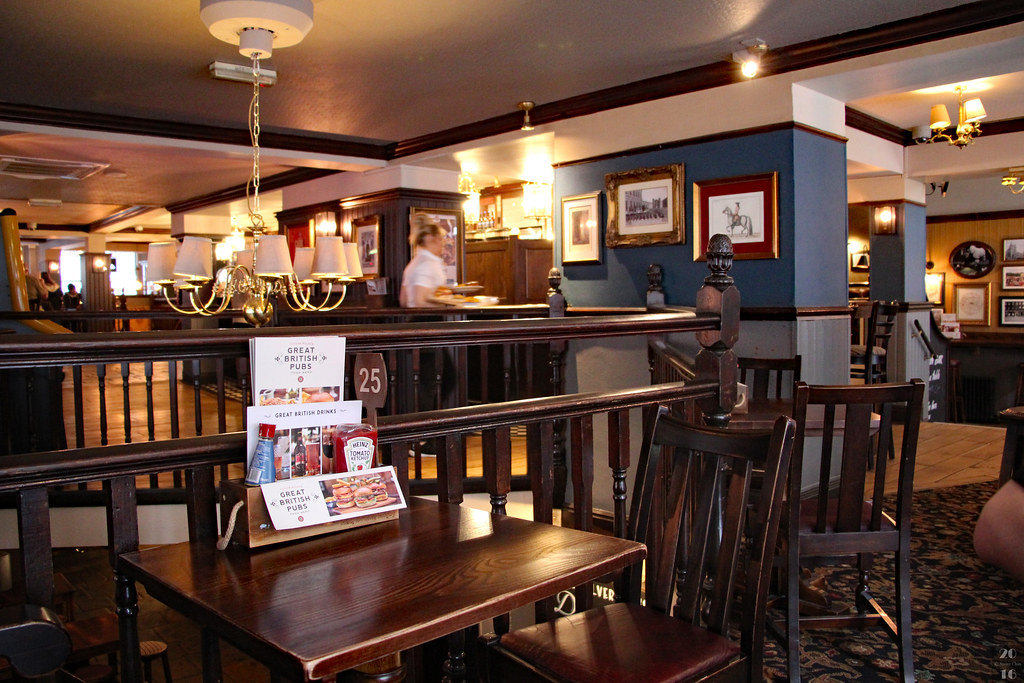
Getting intoxicated in a pub is arguably the strangest law in the UK. This stems from a 19th-century public morality measure established by the government to curb alcohol abuse among working-class laborers. This means pub owners should be responsible for their patrons’ sobriety. In 2005, Manchester police invoked this law to warn and disperse a group of young people celebrating a bachelor party. This serves as a reminder to all British pub-goers: legally speaking, if you get drunk in a bar, you are already a “criminal.”
4. Wearing Armor in the Houses of Parliament Is Illegal
- Law: Statute forbidding Bearing of Armour 1313
- Penalty: Being barred from entry by parliamentary guards or detained for contempt of Parliament
This law originated during the reign of Edward II. At that time, nobles routinely drew swords at the slightest provocation. To ensure disputes were settled through calm debate rather than violence, the king mandated that all individuals “lay down their arms” before entering Parliament. This tradition still exists today. Though iron armor is obsolete, modern Black Rods or Royal Guards must symbolically leave their weapons outside before entering the House of Commons debating chamber.
5. Beating Carpets on Streets After 8 AM Is Illegal
- Law: Metropolitan Police Act 1839
- Penalty: Maximum fine of £200
This is one of Britain’s earliest “environmental laws.”It is enacted to address air pollution and neighborhood disputes during the coal-smoke era. In an age without vacuum cleaners, carpet beating generated massive dust clouds that severely impacted pedestrian health and street sanitation. It once served as a weapon for the wealthy in rigidly class-divided communities to complain about their neighbors’ lazy servants. Though it is a weird UK law today, it remains the legal basis for addressing severe dust nuisance in neighborhoods.
6. Flying Kites in Public Places Is Illegal

- Law: Section 54 of the Metropolitan Police Act 1839
- Penalty: Maximum fine of £200
In the era when horse-drawn carriages were the primary mode of transportation, kites in the sky could easily startle horses, leading to severe overturn accidents and casualties. It is recorded that London mail coaches were startled by children flying kites nearby, and many mails were scattered across the road. Consequently, police once cracked down heavily on street kite-flying, treating it as reckless behavior endangering public safety.
7. Being Drunk in Charge of a Cow Is Illegal
- Law: Licensing Act 1872
- Penalty: Fine or up to 1 month imprisonment
This sounds like a crazy law in England. This regulation recognized that intoxicated individuals cannot safely control large livestock or heavy machinery, thus criminalizing “keeping cattle, horses, or steam engines under the influence of alcohol.” The most famous case occurred in 2004 when Godfrey Blacklin was arrested for riding a horse while intoxicated. Despite his defense that “the horse knew the way home and wasn’t drunk,” the judge sentenced him under this century-old law. This proves “equality before the law” applies to both humans and animals.
8. All whales/dolphins Discovered Belong to the Monarch

- Law: Prerogativa Regis 1324
- Penalty: Confiscation of proceeds; potential charges of trespassing on royal property
Under this ancient prerogative law, whales, dolphins, and sturgeons were designated “royal fish” because their whale oil and meat have significant economic value. This means a whale washed ashore on a British beach legally belongs to the King as private property. In 2004, a fisherman who caught a sturgeon was required by law to first telegraph the Queen to inquire if she desired it. Only after receiving a polite reply from Buckingham Palace stating “no interest” could he legally sell the fish.
9. Upside-Down Stamps Is Illegal
- Law: Derivative interpretation of the Treason Felony Act 1848
- Penalty: Theoretically a felony, but in practice often results in social condemnation (No recorded executions)
Though no statute explicitly states “upside-down stamps equal treason,” under the spirit of the Treason Act, any act intended to dethrone or humiliate the monarch may be interpreted as criminal. During the Victorian era, upside-down stamps were widely perceived as symbolizing the extreme sacrilege of “hanging upside down” or beheading the monarch. While modern postal services state this primarily causes machine sorting difficulties, in the minds of traditional Britons, it remains a politically risky provocation.
10. “Knock-a-door-run” Is Illegal
- Law: Metropolitan Police Act 1839
- Penalty: Maximum £200 fine
This prank, likely played by children worldwide, is formally criminalized in the UK. The law aims to protect residents from persistent harassment, particularly during the 19th century when vagrants and peddlers were rampant. Even today, British police may invoke this law to intervene if juvenile pranks severely disrupt residents’ lives, potentially issuing Anti-Social Behavior Orders (ASBOs) to curb such behavior.
Why do These Weird UK Laws Still Exist?
In the United Kingdom, any statute should be repealed by new legislation passed by Parliament. Repealing a law requires complex debates and voting procedures, so clearing out these unusual laws in England is considered a waste of legislative resources amid Parliament’s busy schedule.
Another key reason these interesting laws still exist now is that they often serve in modern law enforcement. Seemingly ridiculous UK laws like “salmon situation” or “beating carpets” actually grant police flexible discretionary powers. When confronting thorny issues like black market transactions or neighborhood disturbances, these bizarre British laws provide a readily available, low-threshold legal basis for swift intervention.
Differences in Regional UK Laws
The United Kingdom does not operate under a single legal system but consists of three distinct jurisdictions: English Law, Scots Law, and Northern Ireland Law. This means that what is legal in London may be subject to different regulations in Edinburgh or Belfast. Below are the differences in legislative power in the three regions.
| Category | England & Wales | Scotland | Northern Ireland |
|---|---|---|---|
| Alcohol Sale Hours | Retailers can sell alcohol anytime as long as they hold a premises license. | Off-trade alcohol sales are strictly restricted to 10:00 – 22:00. | Highly regulated; hours are often more restricted due to religious and local traditions. |
| Jury Size | 12 jurors, usually aiming for a unanimous verdict. | 15 jurors, operating on a simple majority system. | 12 jurors, similar to the English system. |
| Criminal Verdicts | Two options: “Guilty” or “Not Guilty”. | Three options: “Guilty”, “Not Guilty”, and the unique “Not Proven”. | Two options: “Guilty” or “Not Guilty”. |
| Wild Camping | Generally illegal without the explicit permission of the landowner. | Legal in most unenclosed land due to the “Right to Roam” (Land Reform Act 2003). | Similar to England; largely restricted and requires landowner consent. |
| Physical Punishment of Children | A “reasonable chastisement” defense exists, though it is increasingly restricted. | Strictly prohibited; any form of physical punishment is illegal. | Wales has banned it; Northern Ireland currently retains a “reasonable punishment” defense. |
How These Interesting Laws Affect International Students?
While these weird British laws may sound like trivia to most, they matter a lot for international students living in the UK. Any legal blemish could directly jeopardize your Student Visa and future Graduate Route Visa applications.
- Right to Rent in the UK
Under the Immigration Act, landlords are required to verify tenants’ immigration status. If you illegally sublet to someone without a valid UK visa, the landlord may not only evict you immediately but also report you to the Home Office for “facilitating illegal stay.” This will directly result in the cancellation of your student visa and your deportation.
To ensure your safe stay, we recommend you rent private student accommodation in the UK on uhomes.com. This is a trusted rental platform offering valid properties for international students. It has professional advisors 24/7 online to provide assistance, from room searching, booking, and subletting.
- Fire Safety Regulationsin the UK
Under UK building fire safety laws, intentionally covering smoke alarms or using fire indoors in violation of regulations constitutes a criminal offense. Most student accommodation strictly prohibits indoor smoking. If you trigger a fire alarm by smoking, causing the entire building to be evacuated and the fire department to respond, you will be liable for the costs.
- Anti-Social Behavior and Noise
Neighbors in the UK have extremely low tolerance for noise. Under the Noise Act 1996 and the Anti-Social Behavior Act 2003, the statutory quiet hours are from 11:00 PM to 7:00 AM. If you host loud parties in your student room, neighbors have the right to call the police. If police intervene multiple times, you will receive a “Penalty Notice (PND)”.
- Legal Pitfalls
International students often travel across regions, and failing to heed local laws can easily lead to trouble. Students studying at the University of Edinburgh, Scotland, should note that supermarkets stop selling alcohol after 10 PM. If you’re accustomed to London’s 24-hour alcohol availability, heading to a supermarket in Edinburgh late at night might leave you empty-handed. Besides, unlike Scotland, if you study as a student at English universities (like the University of Manchester or Imperial College), camping in the countryside without landowner permission faces “trespassing” charges, and landowners can call the police.

Practical Advice for International Students
International students who are not familiar with the interesting UK laws might inadvertently break the law. This may have a great influence on your student visa. Here are 6 core recommendations to help you stay clear of legal red lines:
- TV Licence is not optional
In the UK, if you watch live TV or use BBC iPlayer, you are legally required to purchase a TV Licence (approximately £169.50 per year). Enforcement officers conduct random checks in student accommodation in the UK. Watching live TV without a license carries a maximum fine of £1,000 and a criminal conviction. If you only watch Netflix or YouTube, declare “license-free” status on the official website.
- Do not carry or possess “prohibited self-defense weapons”
Many international students consider bringing pepper spray, pepper spray, stun guns, or even folding knives for safety. All of these are illegal in the UK. Pepper spray is classified on the same level as firearms. If you wish to enhance your sense of security, consider purchasing a legal personal attack alarm.
- Beware of “Private Currency Exchange” and “Tuition Payment Services”
Risk: Seeking private currency exchange through social media, or using so-called “discount tuition payment” intermediaries. Such activities carry a high risk of involvement in money laundering. If your account receives illicit funds of unknown origin, the bank will immediately freeze the account and report it to the National Crime Agency (NCA).
- Strictly adhere to the “working hours limit.”
Your student visa typically restricts you to no more than 20 hours of work per week during term time. Do not risk working illegally or exceeding the permitted hours. If your working hours are beyond the limit, your visa will be immediately curtailed, and you may face a 10-year entry ban.
Conclusion
The interesting laws in the UK are actually the result of a collision between centuries of historical tradition and modern pragmatism. For international students living in Britain, understanding these laws and the legal differences across regions can help them avoid hidden pitfalls that could jeopardize their future and better integrate into local life.
FAQ
What are the funny laws in the UK?
Lingering at a funeral can get you fined is one of the funny laws in the UK. This is not a blanket national law, but a local authority ordinance that has been enforced. In 2015, a man was fined £160 for staying 20 minutes too long at his own wife’s funeral; the reason given was that it forced gravediggers into overtime. In 2022, a family was fined £200 because a mourner using walking sticks took 14 seconds over the allotted time.
Is it illegal to shake a doormat after 8am?
Yes, under the Metropolitan Police Act 1839, it is illegal to beat or shake any carpet, rug, or mat in a public street, except doormats before 8 am. This was an early anti-pollution and noise control measure, but it remains enforceable today.
What is the most commonly broken law?
Opening mail addressed to another person is the most commonly broken law in the UK. Under the Investigatory Powers Act, intercepting or opening mail without a reasonable excuse may cause a potential prison sentence of up to two years in serious cases.