





Both London and Sydney are great major cities in the world, but there are many differences. Many people have hesitated for where to live when facing these two choices. On one side, you have London: a global financial and economic centre steeped in culture, and relentless energy. On the other, you have Sydney: a gorgeous harbour city characterised by its beaches, sunshine, and laid-back outdoor lifestyle. From the cost of rent to the weather and work culture, here is everything you need to know to decide which city is right for you.
An Overview of London vs Sydney
London is famous for its museums, pubs, and connection to Europe. Sydney is the famous for its Opera House, surf breaks, and blue skies. To help you visualise the main differences, here is a quick comparison at a glance:
| Feature | London (UK) | Sydney (Australia) |
|---|---|---|
| Time & Location | Europe Hub (GMT). 2hr flights to Europe. | Isolated (AEST). 24hr flight from UK. +9-11 hrs ahead. |
| Size & Density | Compact & Dense. 9 million people. Vertical living. | Sprawling & Open. 5.3 million people. 8x larger area. |
| Cost of Living | £2,600+ | A$4,000+ |
| Housing Style | Victorian Character. Monthly rent + Council Tax. Older builds. | Modern Living. Weekly rent no tax. Balconies & pools. |
| Climate | Grey & Variable. Long winters, mild summers, 4 seasons in a day. | Sunny & Humid. Subtropical, 100+ sunny days, mild winters. |
| Transport | The Tube. Fast, expensive, car-free living. | Trains & Ferries. Scenic, weekly cap ($50). Car often needed. |
| Education | Global Elite. Imperial/UCL. The city is your campus. | USYD/UNSW. Traditional green campuses. |
| Attractions | History & Culture. Museums, Galleries, West End Theatre. | Outdoors & Icons. Opera House, Beaches, Coastal Walks. |
| Nightlife | Intense & Diverse. Historic pubs, techno clubs, 24/7 vibe. | Relaxed & Social. Rooftop bars, Sunday sessions, “Good Vibes.” |
| Job Market | “High Ceiling.” Limitless career growth, hustle culture. | “High Floor.” High minimum wage, work-life balance. |
| Safety | Moderate. Petty crime is common. | High. Generally safer, lower risk of street crime. |
London vs Sydney: Time and Distance
One of the first things you realize when moving to Sydney is just how far away it is from everything else.
- Distance: London is a major travel hub, with a 2-hour flight to almost anywhere in Europe. Sydney, however, is geographically isolated. It is roughly a 24-hour flight from London (the famous “Kangaroo Route”).
- Time Difference: This is another major logistical hurdle. Because both the UK and Australia observe Daylight Saving Time (DST) but in opposite seasons, the time gap fluctuates significantly throughout the year:
9 Hours Ahead (April to October): This is the “best” scenario. It happens during the UK summer (BST) and Australian winter (AEST). If it is 9:00 AM in London, it is 6:00 PM in Sydney.
11 Hours Ahead (November to March): This is the “worst” scenario. It happens during the UK winter (GMT) and Australian summer (AEDT). If it is 9:00 AM in London, it is 8:00 PM in Sydney, leaving a very small window for communication.
10 Hours Ahead (Transition Periods): This occurs briefly for a few weeks in October and Late March/Early April, when one country has changed its clocks but the other hasn’t yet.
London vs Sydney: Population and Size
While both are major metropolises, they feel very different in terms of density.
Greater London squeezes a massive population of nearly 9 million people into a relatively compact area of 1,572 km². This density creates a vibrant, hyper-connected city where everything feels close, but personal space is a luxury.
Greater Sydney, by comparison, has a smaller population of around 5.3 million but is spread across a colossal 12,367 km². Because the city wraps around a massive harbour and extends to the Blue Mountains, it is geographically nearly 8 times larger than London.
The Vibe: London feels dense, vertical, and endlessly busy. Sydney feels open, horizontal, and sprawling. In Sydney, you generally get more square footage for your rent, but you often have to travel much greater distances to see friends or get to work.
Cost of Living of London vs Sydney
Is Sydney more expensive than London? It is the most common question for anyone considering the move. The answer is nuanced and depends on your lifestyle habits.
Cost of Living in London The cost of living in London is heavily weighted towards fixed expenses. Your biggest drain will undoubtedly be rent and transport. Commuting from Zone 3 to Zone 1 can cost nearly £200 a month, and you must budget for Council Tax on top of your rent. However, London offers a financial lifeline in the form of groceries. Due to fierce competition between supermarkets (Tesco, Aldi, Lidl), your weekly food shop can be surprisingly cheap, often 20-30% lower than in Australia.
Cost of Living in Sydney The cost of living in Sydney hits you differently. While public transport is cheaper due to weekly caps, the “lifestyle costs” are significantly higher. You will notice a steep markup at the supermarket checkout, and social activities like dining out or buying alcohol are pricey. Additionally, unless you are a permanent resident, you will likely need to pay for private health insurance. However, salaries in Sydney are generally higher, which helps offset these daily costs.
| Major Expense Category | London Costs (£) | Sydney Costs (A$) | Critical Context |
|---|---|---|---|
| Rent (Average 1-Bed) | £1,400-2,000 | A2,000-3,000 | London units are smaller; Sydney’s often include amenities. |
| Public Transport | £180 – £220 | A160−A200 | London is expensive; Sydney has a weekly fare cap ($50). |
| Groceries (Monthly) | £200 – £250 | A500−A700 | UK groceries are much cheaper due to market competition. |
| Healthcare | £0 (NHS) | A100−A150 | Sydney requires private cover for most temporary residents. |
| Total Estimated | ~£1,800+ | ~A3,200+ | Excludes discretionary spending like dining/entertainment. |
Detailed Housing Costs in London vs Sydney
Housing will likely be your single biggest expense in either city. However, the experience of renting differs greatly. In London, the market moves at lightning speed; you might view a flat at 5 PM and find it gone by 5:10 PM. In Sydney, the process is slightly more structured but equally intense, often revolving around the “Saturday open house” ritual where dozens of people queue to see one apartment.
London housing is defined by its age and character. You will likely end up in a Victorian or Edwardian conversion. On the basis of high rent per week, you also need to factor in Council Tax, a mandatory monthly fee that sits on top of your rent. Therefore, finding correct renting platform such as uhomes.com to find suitable student housing in London is important. Conversely, Sydney apartments are generally newer, more spacious, and often come with balconies. While Sydney homes can feel cold in winter due to a lack of central heating, tenants here do not pay Council Tax. If you book room from uhomes.com, you will further find taht the rent of the student apartments in Sydney include bills of water and electricity.
| Room Type | London (Avg £ / Week) | Sydney (Avg A$ / Week) | What You Get |
|---|---|---|---|
| En-suite | £300 – £500pw | A400−A700pw | Private bathroom, shared kitchen/living area. Most popular choice. |
| Studio | £400 – £600+pw | A470−A800+pw | Entirely private. Your own kitchen and bathroom. |
| Non-En-suite / Shared | £213 – £440pw | A300−A600pw | Private bedroom, shared bathroom and kitchen. Budget-friendly. |
| Payment Cycle | Usually paid in installments (termly). | Usually paid fortnightly (every 2 weeks). | Bills are typically INCLUDED in both. |
Weathers in London vs Sydney
- London: Known for being grey. Winters (Nov-Mar) are long, dark, and damp, with temperatures hovering around 4°C-9°C. Summers are short but beautiful, peaking around 24°C, though heatwaves are becoming more common. You need a good coat and umbrella year-round.
- Sydney: Enjoys over 100 sunny days a year. Summers (Dec-Feb) are hot and humid, often reaching 30°C+. Winters are mild (8°C-17°C) and bright—you rarely need a heavy coat. However, when it rains in Sydney, it pours heavily, often more volume than London’s constant drizzle.
London vs Sydney: Public Transportation
Commuting from your home to the school is usually not free. You may also need to go shopping through public transport. Both cities have distinct pros and cons.
London’s public transport is widely considered one of the best in the world for coverage. The Tube (Underground), combined with the iconic red buses and the modern, air-conditioned Elizabeth Line, means you can live anywhere in Zones 1–4 and never need a car. The system is cashless; you simply tap your bank card or phone (Contactless) at the barriers.
The Pros: Incredible frequency (a train every 2 minutes), 24-hour “Night Tube” on weekends, and the ability to traverse the entire city quickly.
The Cons: It is notoriously expensive. A monthly travel card for Zones 1–3 can cost over £190. Also, deep-level lines (like the Central or Bakerloo) are unventilated and can become unbearably hot and sweaty in summer.
Sydney relies on a mix of double-decker trains, buses, light rail, and ferries. The payment system uses the Opal Card (or Contactless), which has a massive advantage over London: Weekly Fare Caps. No matter how much you travel, you will never pay more than $50 a week (approx. £26), making long-distance commuting surprisingly affordable.
The Pros: Commuting by ferry—gliding past the Opera House—is magical. The trains are double-decker with reversible seats and air-conditioning, making for a much more comfortable ride than the cramped Tube.
The Cons: Reliability. “Trackwork” (maintenance) is frequent on weekends, often replacing trains with slow buses. Unlike London, the network doesn’t penetrate every suburb deeply, so if you live further out, owning a car becomes essential for grocery shopping and weekend trips.
Study in London vs Sydney
Choosing where to study is about more than just rankings; it is about the environment that will shape your future. Both cities are academic heavyweights, but they offer vastly different student experiences.
- London: The Global Academic Powerhouse London is arguably the higher education capital of the world. It is home to a dense cluster of “super-elite” institutions, including Imperial College, University College London, The London School of Economics and Political Science and King’s College London. The academic atmosphere here is intense, competitive, and deeply integrated into the city’s professional fabric. Studying in London means your campus is likely the city itself—you might have a lecture in a historic building in Holborn and then intern at a global bank in the City.
- Sydney: World-Class Education with a Lifestyle to Match Sydney is the intellectual hub of Australia, hosting two of the country’s leading “Group of Eight” universities: The University of Sydney (USYD) and the University of New South Wales (UNSW), both of which consistently rank in the global top 20. Unlike London’s scattered city buildings, Sydney universities often feature sprawling, American-style campuses with massive lawns, modern research facilities, and a strong sense of community. The education quality is world-class, particularly in research, engineering, and commerce, but the vibe is more balanced.
| City | University | QS Ranking (2026) | Advantageous Subjects |
|---|---|---|---|
| London | Imperial College London | #2 | Engineering, Medicine, Business, Science |
| UCL (University College London) | #9 | Education, Architecture, Law, Psychology | |
| King’s College London | #40 | Nursing, Dentistry, History, Law | |
| LSE (London School of Economics) | #50 | Economics, Politics, Social Sciences | |
| Sydney | The University of Sydney | #18 | Medicine, Arts & Humanities, Law, Anatomy |
| UNSW Sydney | #19 | Engineering (Civil/Mining), Accounting, Law | |
| UTS (University of Technology Sydney) | #88 | Nursing, Art & Design, Computer Science |
Things To Do In London vs Sydney
Living in London means walking through history every day. From this perspective, you have many things to do in London. It is a city built on layers of the past, from Roman ruins to Victorian engineering. Your weekends might be spent exploring the Tower of London, witnessing the Changing of the Guard at Buckingham Palace, or getting lost in the British Museum—which, like most major museums in the UK, is completely free to enter. For culture lovers, the West End offers a theatre district that rivals Broadway, and the city’s endless array of art galleries, such as the Tate Modern, ensures there is always a new exhibition to see.
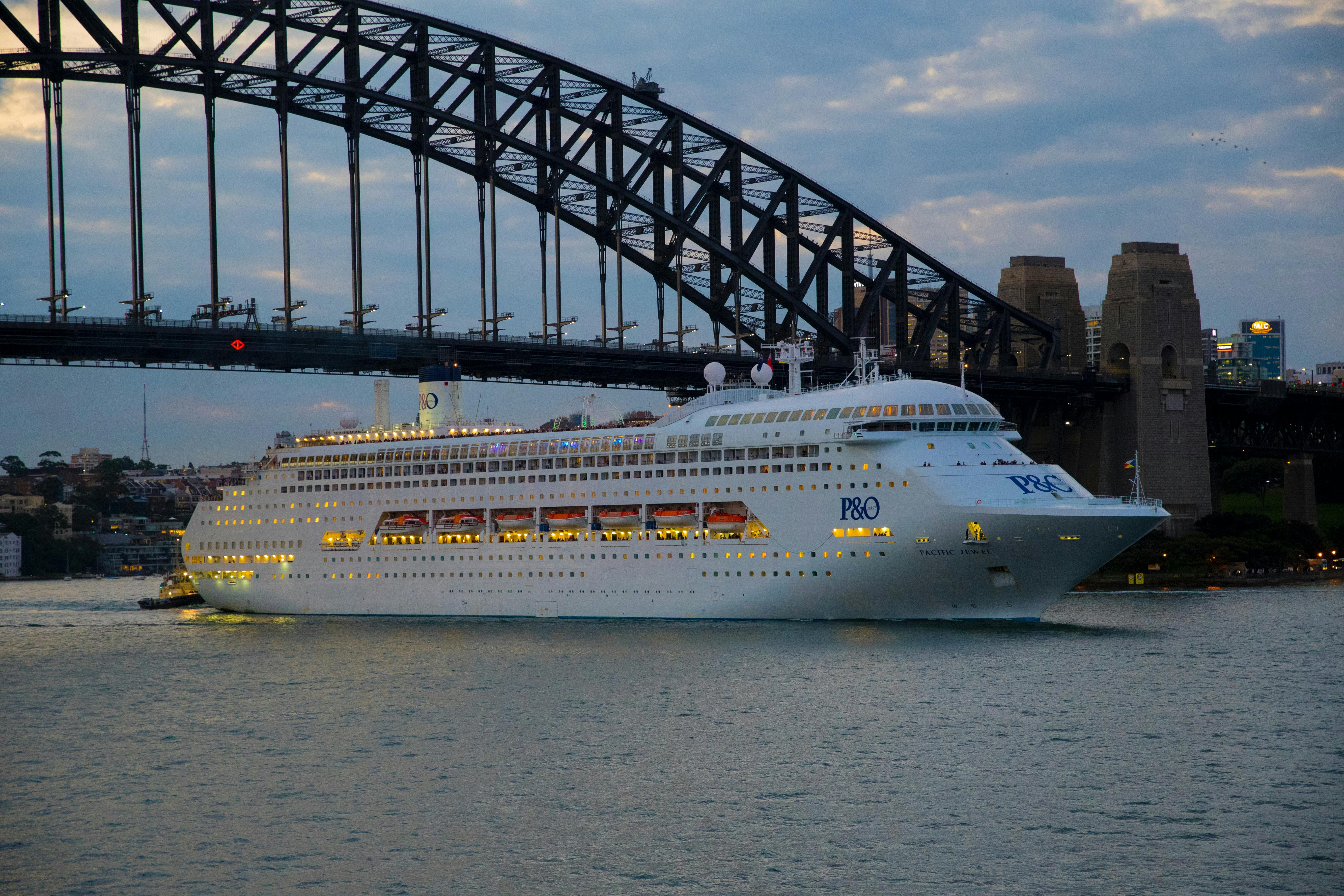
You also have many things to do in Sydney, however, by contrast, is a city that celebrates the spectacular outdoors and modern icons. The jewel in the crown is undoubtedly the Sydney Opera House and the Sydney Harbour Bridge, two of the most recognizable structures on the planet. Meanwhile, wandering through the cobblestone laneways of The Rocks, gives you a glimpse into its convict past, while the Royal Botanic Garden honors the land’s deep Indigenous heritage. Another true “must-do” in Sydney is engaging with its coastline. Whether it is tackling the famous Bondi to Coogee Coastal Walk or taking a ferry across the glittering harbour to Manly.
Bars & Nightlife in London vs Sydney
London is truly a 24-hour city where the options are exhausting in the best way possible. The social glue of the capital is the “pub culture”—on any given weeknight, you will find colleagues spilling out onto the pavements of Soho or the City with a pint in hand. But it goes far beyond pubs. London is home to the dazzling West End, offering world-class theatre that rivals Broadway. You can catch legendary jazz at Ronnie Scott’s, explore the gritty warehouse raves of East London (Shoreditch/Dalston), or spend the night laughing at a comedy club in Leicester Square. Whether you want a quiet ale in a 17th-century tavern or a techno marathon at Fabric, London has it covered.
Sydney’s nightlife is different; it’s less about intensity and more about “good vibes.” After years of strict lockout laws, the city has bounced back with a thriving “small bar” scene, particularly in laneways that try to mimic Melbourne or European styles. The highlight here is Newtown, a bohemian suburb packed with live music venues, craft breweries, and inclusive queer spaces. Surry Hills offers chic wine bars and dining, while the CBD focuses on spectacular rooftop venues like Ivy or the Opera Bar. In summer, the nightlife moves entirely outdoors, with Moonlight Cinemas in the parks and late-night beachside sessions becoming the norm.
London vs Sydney: Job Opportunities
- London is a global economic powerhouse that offers almost infinite potential for ambitious talents. It is the headquarters for countless multinational corporations, particularly in Finance, Fintech, Media, and Law. The “hustle culture” here is real; the competition is fierce, the hours can be long, and the entry-level pay is often surprisingly low relative to the cost of living. However, the potential for rapid promotion and the ability to network with the world’s best makes it the ultimate training ground for those who want to reach the absolute apex of their field.
- In contrast, Sydney offers a “High Floor” with significantly better stability and immediate financial rewards for the average worker. Australia boasts one of the highest minimum wages in the world, meaning that entry-level roles and blue-collar jobs in sectors like Construction, Healthcare, and Tourism are paid exceptionally well compared to the UK. The work culture in Sydney is far more relaxed, placing a premium on work-life balance. While it may lack the sheer volume of top-tier global executive roles found in London, it compensates with a lifestyle that allows you to actually enjoy your earnings.
| Feature | London (UK) | Sydney (Australia) |
|---|---|---|
| Average Annual Salary | £40,000 – £55,000 (Approx. A78k−A108k) | A90,000−A110,000 (Approx. £46k – £56k) |
| Unemployment Rate | ~5.8% (Higher Competition) | ~4.2% (Stable Market) |
| Key Industries | Finance, Fintech, Media, Law, Arts | Healthcare, Construction, Tourism, Mining |
Sydney vs London: Which One is Safer?
When analyzing safety through data, the difference between the two cities is statistically significant. Sydney consistently ranks higher than London on major global safety indices. According to the widely cited Numbeo Safety Index (2025 data), Sydney holds a “High” safety rating, whereas London sits in the “Moderate” range. For the average resident, this difference translates to how comfortable you feel walking alone at night. In Sydney, walking home from a train station in the suburbs after dark is a standard part of life; in London, while generally safe, it requires a much higher level of “street smarts” and vigilance.
The type of crime also differs. London has seen a well-publicized rise in “petty” but high-impact street crimes, specifically phone snatching (often by moped gangs) and pickpocketing in tourist hubs like Oxford Circus and Soho. Knife crime is also a statistically higher concern in London, though it is often gang-related and localized to specific boroughs. Sydney is not immune to crime—alcohol-fueled aggression can happen in nightlife precincts on weekends—but violent street crime involving random pedestrians is far less common.
Which Is Best: Sydney or London?
Ultimately, the choice between London and Sydney can be determined by what you value most. London is a city of “more”—more culture, more history, more competition, and more connection to the rest of the world. It is the unmatched choice for career-focused individuals, culture vultures, and those who want to be at the center of the global stage. Sydney, however, offers a life of “better”—better weather, better work-life balance, and a safer, healthier baseline for day-to-day living. If you prioritize mental health, outdoor happiness, and financial stability without the intense grind, Sydney is likely the place where you will feel most at home.
FAQs
It depends on your lifestyle. London is generally more expensive for fixed costs like rent and public transport (Council Tax is also a unique burden in London). However, Sydney is significantly more expensive for daily variables like groceries, alcohol, and dining out. If you are a student or on a budget, London’s competitive supermarket prices might actually make day-to-day living cheaper, provided you find affordable accommodation.
For the average worker, Sydney often offers higher earning potential. Australia has one of the world’s highest minimum wages, meaning entry-level and service jobs pay significantly better than in the UK. However, London has a “higher ceiling” for top-tier careers. If you work in high finance, corporate law, or executive management, London’s global headquarters offer salary packages and bonuses that Sydney cannot match.
Statistically, yes. Sydney consistently ranks higher on global safety indices. While both cities are generally safe, London has a higher incidence of petty street crime, such as phone snatching and pickpocketing, particularly in tourist areas. In Sydney, walking alone at night in the suburbs is generally considered safer, though alcohol-related incidents can occur in nightlife districts.
Choose London if you are a “culture vulture” or a career climber. The access to museums, theatre, history, and Europe makes it unmatched for cultural experiences. Choose Sydney if you value work-life balance and the outdoors. If your ideal lifestyle involves sunny weather, beaches, and leaving work on time to exercise, Sydney is the clear winner.
Yes, significantly. London has a temperate maritime climate, meaning winters are long, damp, and grey with temperatures hovering around 4°C–9°C. You will need a heavy coat for about 5-6 months of the year. Sydney has a humid subtropical climate. Even in winter (July), daily highs average around 17°C, and the city enjoys over 100 sunny days annually. If you struggle with Seasonal Affective Disorder (SAD) or hate the rain, Sydney is the much better choice.
London is ideal if you prioritize university rankings and immediate career networking. It hosts a higher density of top-tier universities (Imperial, UCL, LSE) and global headquarters. Sydney is often better if you want a “traditional” campus experience and migration opportunities. The post-study work visa options in Australia are attractive, and the high minimum wage allows students to support themselves more easily through part-time work while studying.
Sydney is statistically safer. It consistently ranks higher on global safety indices (like Numbeo) compared to London. While London is safe for a city of its size, it has a well-known problem with petty street crime, particularly phone snatching and pickpocketing in central areas. In contrast, Sydney residents generally feel much safer walking alone at night in the suburbs, with the main safety concerns typically limited to alcohol-related incidents in nightlife precincts on weekends.