



When discussing the most liveable cities in the world, quality of life has become a decisive factor for people considering where to study, work, or build a future abroad. The world’s most liveable cities are not defined by economic opportunities alone, but by how effectively they support daily life through reliable healthcare, public safety, environmental sustainability, education, and a balanced lifestyle—factors that are particularly important to international students, young professionals, and prospective migrants adjusting to a new environment. To assess these elements objectively, the EIU Global Liveability Index, published by the Economist Intelligence Unit, is widely recognised as one of the most authoritative global benchmarks. Based on the latest Global Liveability Index, this article highlights the top 10 most liveable cities in the world and examines the key factors behind their consistently high liveability scores.
How the EIU Global Liveability Index Ranks Most Liveable Cities
The Global Liveability Index is compiled by the Economist Intelligence Unit (EIU), the research and analysis arm of The Economist Group. As an authoritative institution with extensive experience in economic forecasting, country risk analysis and policy research, the EIU’s findings are widely cited by international media outlets such as CNBC, alongside governments, multinational corporations and academic institutions. This has established the index as one of the world’s leading tools for measuring urban liveability. Today, this ranking is regarded as an internationally recognised barometer of urban quality of life, providing crucial guidance for individuals selecting overseas cities for study, work, or long-term residence.
The ranking assesses 173 cities worldwide across five key dimensions and 30 indicators:
◆ Stability (25%): Assessing social security and environmental safety
◆ Healthcare (20%): Measuring medical accessibility and quality
◆ Culture and Environment (25%): Evaluating living comfort and ecological sustainability
◆ Education (10%): Assessing educational resources and equity
◆ Infrastructure (20%): Measuring transport, housing, and digital infrastructure
World’s Most Liveable Cities: Rankings at a Glance
| City | Location | Rank | Index | Stability | Healthcare | Culture& Environment | Education | Infrastructure |
|---|---|---|---|---|---|---|---|---|
| Copenhagen | Denmark | 1 | 98 | 100 | 95.8 | 95.4 | 100 | 100 |
| Vienna | Austria | 2 | 97.1 | 95 | 100 | 93.5 | 100 | 100 |
| Zurich | Switzerland | 2 | 97.1 | 95 | 100 | 96.3 | 100 | 96.4 |
| Melbourne | Australia | 4 | 97 | 95 | 100 | 95.8 | 100 | 96.4 |
| Geneva | Switzerland | 5 | 96.8 | 95 | 100 | 94.9 | 100 | 96.4 |
| Sydney | Australia | 6 | 96.6 | 95 | 100 | 94.4 | 100 | 96.4 |
| Osaka | Japan | 7 | 96 | 100 | 100 | 86.8 | 100 | 96.4 |
| Auckland | New Zealand | 7 | 96 | 95 | 95.8 | 97.9 | 100 | 92.9 |
| Adelaide | Australia | 9 | 95.9 | 95 | 100 | 91.4 | 100 | 96.4 |
| Vancouver | Canada | 10 | 95.8 | 95 | 95.8 | 97.2 | 100 | 92.9 |
Copenhagen Takes the Top Spot
Denmark’s capital, Copenhagen, has overtaken Vienna to become the world’s most liveable city this year. The city achieved perfect scores of 100 in stability, education and infrastructure. While its healthcare score was slightly lower than Vienna’s, Copenhagen’s strong performance across these three categories was enough to secure first place overall.
European Cities Continue to Dominate
European cities remain dominant in the rankings. Alongside Copenhagen (1st), Vienna (Austria, 2nd), Zurich (Switzerland, joint 2nd) and Geneva (Switzerland, 5th) all placed within the global top five. Western Europe continues to be the most liveable region worldwide, recording the highest scores in four of the five assessment categories, trailing North America only marginally in education.
Osaka Stands Out as Asia’s Sole Representative
Among the top ten cities, Osaka (7th) is the only Asian city to make the list, highlighting its distinctive position among the world’s most liveable cities.
Australia and New Zealand Maintain Strong Positions
Cities across Australia and New Zealand continue to perform strongly, with Melbourne (4th), Sydney (6th), Adelaide (9th) and Auckland (joint 7th) all retaining high rankings in the global index.
10 Most Liveable Cities in the World
Copenhagen
Rank: 1st
Overall Score: 98 / 100
◆ Stability: 100
◆ Healthcare: 95.8
◆ Culture and Environment: 95.4
◆ Education: 100
◆ Infrastructure: 100
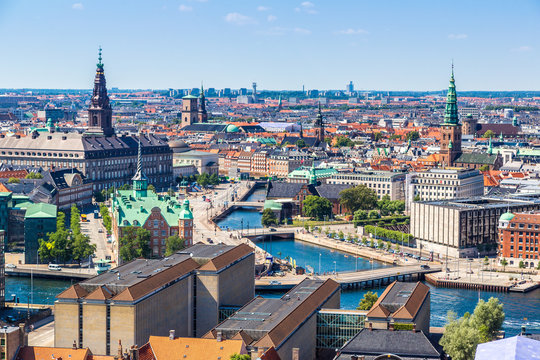
Copenhagen ranked 1st among the world’s most liveable cities, achieving perfect scores (100 points) in stability, education, and infrastructure. Rising from second place last year to claim the top spot, it has become the world’s most liveable city for 2025, successfully ending Vienna’s three-year reign at the top.
Copenhagen is not only the capital of Denmark, the land of fairy tales, but also a global benchmark for sustainable living. Despite continually nurturing world-leading restaurants and hotels, the city retains a timeless charm. Although the cost of living in Copenhagen is high, its near-perfect social welfare, green transport revolution (a bicycle-friendly city with extensive green energy coverage), and high quality of life (abundant public parks and free art galleries) have secured its position among the world’s most liveable cities for consecutive years.
Top Universities :
- 2026 QS World Ranking: 101
- Strengths: Life Sciences, Medicine, Environmental Sciences
- Distinctive Features: Northern Europe’s oldest university, renowned for robust research capabilities, particularly in diabetes research and climate science, where it leads globally.
Technical University of Denmark
- 2026 QS World Ranking: 107
- Strengths: Engineering, Computer Science, Renewable Energy
- Distinctive Features: Europe’s premier technical university, maintaining deep collaborations with corporations such as Siemens and Novo Nordisk, with high graduate employment rates.
Vienna
Rank: 2nd
Overall Score: 97.1 / 100
◆ Stability: 95
◆ Healthcare: 100
◆ Culture and Environment: 93.5
◆ Education: 100
◆ Infrastructure: 100
After topping the list of most livable places in the world for two consecutive years, Vienna has slipped slightly to second place this year. The city maintains its perfect scores in healthcare, education and infrastructure. Renowned for its vibrant arts and cultural scene (with 1.2 museums per 10,000 inhabitants making art a daily occurrence), first-rate healthcare (a universal free healthcare system ensuring 99% of residents’ health is well catered for) and education system. Whether attending an opera, strolling through Schönbrunn Palace gardens, or savouring Sachertorte, fresh experiences abound. Furthermore, substantial local government investment in infrastructure and housing keeps living costs comparatively lower than those in other European cities.
The EIU attributes Vienna’s decline in the most liveable cities ranking to a drop in its stability score. This was primarily due to the cancellation of Taylor Swift’s 2024 concert following a bomb threat. Although the incident did not escalate into an incident, it directly impacted the city’s stability rating.
Top Universities
- 2026 QS World Ranking: 152
- Strengths: Philosophy, Law, Psychology
- Distinctive Features: The oldest university in the German-speaking world, boasting nine Nobel laureates among its alumni, with exceptional humanities and social sciences programmes.
Zurich
Rank: 2nd
Overall score: 97.1 / 100
◆ Stability: 95
◆ Healthcare: 100
◆ Culture and environment: 96.3
◆ Education: 100
◆ Infrastructure: 96.4
Zurich, Switzerland’s largest city and economic hub, is consistently ranked among the most livable cities of the world, sharing second place with Vienna, achieving perfect scores in healthcare and education. Boasting world-leading standards in finance, safety and education, its clean, orderly urban environment and efficient public services make it an ideal settlement choice, particularly suited for long-term development by highly skilled professionals and families.
Zurich has consistently embodied the perfect fusion of efficiency and affluence. It boasts world-class healthcare resources, with an average emergency waiting time of just 15 minutes. Daily life is exceptionally convenient, featuring public transport punctuality rates of 99.8% and comprehensive 5G network coverage. Simultaneously, the city maintains exceptionally high safety standards, with unemployment consistently below 3%. Furthermore, Zurich serves as a haven for young creatives, boasting numerous art galleries and top-tier restaurants.
Top Universities
ETH Zurich
- 2026 QS World Ranking: 7
- Strengths: Engineering, Computer Science, Physics
- Distinctive Features: Alma mater of Einstein, world-leading in STEM disciplines, ranked alongside MIT and Cambridge.
- 2026 QS World Ranking: 100
- Strengths: Medicine, Finance, Neuroscience
- Distinctive Features: Europe’s premier research university, home to 12 Nobel laureates, with a globally renowned medical school.
Melbourne
Rank: 4th
Overall Score: 97 / 100
◆ Stability: 95
◆ Healthcare: 100
◆ Culture and Environment: 95.8
◆ Education: 100
◆ Infrastructure: 96.40
Melbourne has been ranked Australia’s most liveable city for seven consecutive years, and this year it also retains the fourth position globally in the world’s most liveable cities rankings for the second consecutive year. This city of 5.2 million inhabitants serves as the capital of Victoria and is acclaimed as “the most culturally vibrant metropolis in the Southern Hemisphere”.
In the Global Liveability Index 2025, Melbourne distinguished itself through its temperate Mediterranean climate, superior educational resources, and multicultural environment. It achieved perfect scores in both healthcare and education dimensions. Life in Melbourne transcends mere “liveability” to embody “enjoyable living”, with its comprehensive healthcare system—including universal healthcare—and year-round cultural offerings significantly enhancing residents’ quality of life. It is particularly well-suited for international students, young families, and culture enthusiasts seeking to settle.
For students moving to Melbourne, finding convenient and reliable housing is essential. Platforms such as uhomes.com offer a wide range of student accommodation in Melbourne, helping international students and young professionals explore options close to major universities while enjoying the city’s exceptional lifestyle.
Top Universities
- 2026 QS World Ranking: 19
- Strengths: Business, Medicine, Law
- Distinctive Features: Australia’s “Ivy League”, graduates command the highest starting salaries nationally, and maintains deep collaborations with Harvard and Oxford.
- 2026 QS World Ranking: 36
- Strengths: Pharmacy, Engineering, Education
- Distinctive Features: Strong research capabilities, a key contributor to COVID-19 vaccine development.
Geneva
Rank: 5th
Overall Score: 96.8 / 100
◆ Stability: 95
◆ Healthcare: 100
◆ Culture and Environment: 94.9
◆ Education: 100
◆ Infrastructure: 96.4
As the seat of the United Nations European Headquarters, Geneva boasts not only a high degree of internationalisation but also a top-tier healthcare system and a highly stable social order, ranking fifth in the 2025 Most Livable Cities index. Although Geneva ranks among the world’s most expensive cities to live in, its perfect healthcare score and high marks for stability and infrastructure demonstrate its high liveability.
Geneva is a nice place in the world to live. French is the primary language in Geneva, with English also widely spoken. On one hand, as the seat of the United Nations European Headquarters, the city concentrates top-tier medical resources and abundant international educational opportunities, boasting 4.8 doctors per thousand inhabitants alongside over 20 world-class international schools. On the other hand, its natural beauty is equally compelling, offering panoramic views of the Alps and proximity to the majestic scenery of Lake Geneva.
Top Universities
University of Geneva
- 2026 QS World Ranking: 155
- Strengths: International Relations, Astrophysics
- Distinctive Features: Europe’s premier diplomatic academy, abundant UN internship opportunities

Sydney
Rank: 6th
Overall Score: 96.6/100
◆ Stability: 95
◆ Healthcare: 100
◆ Culture and Environment: 94.4
◆ Education: 100
◆ Infrastructure: 96.4
As Australia’s largest city and economic hub, Sydney ranks sixth in the Global Liveability Index 2025, excelling in healthcare, education and comprehensive infrastructure. While the cost of living in Sydney is relatively high, the city offers residents an exceptional quality of life through outstanding educational resources, excellent public services and a pleasant climate.
Sydney seamlessly blends a vibrant global economy with a relaxed coastal lifestyle, making it one of the best places to live in Australia. World-class healthcare, a comprehensive education system, and a convenient, reliable public transport network all contribute to its high standard of living. Beyond these practical advantages, Sydney’s natural environment is a defining feature – iconic beaches, expansive harbour vistas and lush green spaces seamlessly integrate with urban living. Coupled with its multicultural tapestry, vibrant culinary scene and convenient international connectivity, Sydney continues to attract students, professionals and families seeking an exceptional quality of life.
Top Universities
- 2026 QS World Ranking: 20
- Strengths: Photovoltaic Engineering (Global No. 1), Finance
- Distinctive Features: Silicon Valley tech companies
- 2026 QS World Ranking: 25
- Strengths: Medicine, Law
- Distinctive Features: Australia’s first university, inventor of Wi-Fi and the cochlear implant
Osaka
Rank: 7th
Overall Score: 96/100
◆ Stability: 100
◆ Healthcare: 100
◆ Culture and Environment: 86.8
◆ Education: 100
◆ Infrastructure: 96.4
Osaka ranks 7th among the world’s most liveable cities in 2025, achieving perfect scores in stability and healthcare. As the only Asian city in the top 10, it demonstrates a unique position in the global liveability landscape. Known for its safe environment, efficient infrastructure, and high-quality medical services, Osaka combines modern urban convenience with rich traditional culture, offering residents a balanced and comfortable lifestyle. Japan’s third-largest city provides a high standard of living for expatriates and immigrants, with relatively affordable housing, excellent public transport, and low crime rates. The city is also celebrated for its vibrant street culture and world-famous cuisine, from takoyaki to okonomiyaki, and lively districts illuminated by neon lights.
Osaka is the cultural and commercial hub of the Kansai region, with a wide variety of goods, comprehensive shopping facilities, and a highly developed distribution system. Landmarks such as Osaka Castle and the nearby scenic areas provide a perfect balance between urban life and natural beauty. For students, young professionals, and families, the combination of stability, healthcare, infrastructure, and cultural richness makes Osaka an attractive place to live, work, and study, reinforcing its reputation as one of the most liveable cities in the world.
Top Universities
- 2026 QS World Ranking: 91
- Strengths: Robotics Engineering, Immunology
- Distinctive Feature: Japan’s “Nobel Prize Factory”, having produced 13 Nobel laureates
Auckland
Rank: 7th
Overall Score: 96/100
◆ Stability: 95
◆ Healthcare: 95.8
◆ Culture and Environment: 97.9
◆ Education: 100
◆ Infrastructure: 92.9
Auckland benefits from its stunning natural environment and stable social structure, earning recognition as the most liveable city in New Zealand. The city consistently performs well in culture, healthcare, and education, achieving a perfect score in education in 2025 and nearly full marks in the culture and environment category. While infrastructure remains its only relative weakness, Auckland offers a moderate population density, a relaxed pace of life, and a safe, family-friendly environment, making it a top choice for families, remote workers, and those seeking a slower, high-quality lifestyle in the Southern Hemisphere. With breathtaking harbours, extensive green spaces, and a strong sailing culture—Auckland boasts the highest per capita yacht ownership in the world—the city perfectly balances natural beauty with vibrant urban living.
As New Zealand’s largest port city and a major hub for commerce, culture, politics, and tourism, Auckland combines picturesque landscapes with an energetic cultural scene, world-class cuisine, and a thriving fashion environment. Its diverse, multicultural society, including a mature Chinese community, adds to its global appeal. For residents and newcomers alike, the combination of excellent education, top-tier healthcare, rich cultural offerings, and unparalleled natural scenery solidifies Auckland’s reputation as one of the world’s most liveable cities, attracting those seeking both comfort and opportunity in a unique Southern Hemisphere setting.
Top Universities
- 2026 QS World University Rankings: 65
- Strengths: Archaeology, Marine Science
- Distinctive feature: New Zealand’s sole global top 100 university
Adelaide
Rank: 9th
Overall Score: 95.9/100
◆ Stability: 95
◆ Healthcare: 100
◆ Culture and Environment: 91.4
◆ Education: 100
◆ Infrastructure: 96.4
Adelaide, achieving perfect marks in healthcare and education, is considered one of the world’s most liveable cities and ranks third in Australia, behind Melbourne and Sydney. Adelaide is renowned for its affordable housing, high quality of life and abundant educational resources, making it one of Australia’s most cost-effective major cities. Its relaxed pace and exceptional natural surroundings make it ideal for family living and retirement migration, while also attracting significant numbers of international students in recent years.
Adelaide hosts the Formula One Grand Prix annually in November and a major arts festival biannually, earning it the moniker ‘Festival City’. The Adelaide region leads Australia in wine production, also being known as the “Wine Capital”. This evolving city boasts botanical gardens, spectacular beaches, and a thriving culinary and cultural scene, making this Australian gem increasingly worthy of attention.
Top Universities
- 2026 QS World University Rankings: 82
- Strengths: Oenology, Mining Engineering
- Distinctive Feature: Australia’s ‘Cradle of Nobel Laureates’, having produced five Nobel Prize winners.
Vancouver
Rank: 10th
Overall Score: 95.8/100
◆ Stability: 95
◆ Healthcare: 95.8
◆ Culture and Environment: 97.2
◆ Education: 100
◆ Infrastructure: 92.9
Vancouver, which slipped from seventh place in 2024 to tenth in 2025, remains a shining example of how natural beauty and urban life can coexist, earning recognition as one of the world’s most liveable cities. The city combines the energy of a major international metropolis with easy access to the outdoors, allowing residents to embrace an active, Western-style lifestyle. Vancouver consistently ranks among the top in education and healthcare, and its low crime rates make it one of North America’s safest major cities. With iconic natural landmarks such as Stanley Park and nearby ski resorts, the city offers unparalleled opportunities for outdoor recreation, from hiking and cycling to skiing and sailing.
As Canada‘s leading port city and a key economic, cultural, and transportation hub in the West, Vancouver blends modern urban convenience with lush greenery and pristine natural landscapes. Its multicultural population, including a vibrant Chinese community, enhances the city’s cosmopolitan appeal, and high environmental awareness ensures a sustainable urban environment. While living costs are relatively high, Vancouver’s combination of excellent public services, top-tier education, safety, and stunning natural surroundings solidifies its status as one of the most liveable places in the world, attracting families, students, and professionals seeking a balanced, high-quality lifestyle.
Top Universities
University of British Columbia
- 2026 QS World University Rankings: 40th
- Strengths: Forestry, Computer Science
- Distinctive features: North America’s most beautiful campus, talent hub for Silicon Valley
Conclusion
In conclusion, the 2025 rankings of the world’s most liveable cities highlight a blend of stability, healthcare, education, infrastructure, and cultural richness as the key factors shaping urban life quality. From the financial hubs of Zurich and Geneva to the vibrant, multicultural metropolises of Melbourne, Sydney, and Vancouver, these cities offer residents an exceptional balance between modern convenience, natural beauty, and cultural opportunities. They cater not only to families and professionals but also to students seeking world-class education and supportive communities. While each city has its own unique strengths—whether it’s Osaka’s culinary culture, Auckland’s relaxed lifestyle, or Adelaide’s healthcare excellence—they all demonstrate how thoughtful urban planning and public services can enhance overall well-being. For anyone considering relocation, study, or long-term settlement abroad, these top 10 cities provide inspiring examples of how a city can truly be both liveable and enjoyable.
FAQs About Most Liveable Cities in the World
According to the Economist Intelligence Unit (EIU) Global Liveability Index 2025, Copenhagen, Vienna, Zurich, Melbourne, Geneva, Sydney, Osaka, Auckland, Adelaide, and Vancouver are ranked among the world’s 10 most liveable cities.
Melbourne is considered Australia’s most liveable city thanks to its outstanding ratings in healthcare and education, alongside strong results in stability, culture and environment, and infrastructure, making it consistently the country’s top-performing city.
Europe has the most liveable cities overall. Four European cities (Copenhagen, Vienna, Zurich and Geneva) appear in the top ten, reflecting the region’s strong performance in stability, healthcare, infrastructure and quality of life.
Osaka, Japan, is currently recognised as the most liveable city in Asia. In the 2025 global rankings, it is the only Asian city to appear in the world’s top ten, standing out for its excellent stability, high-quality healthcare, low crime rate and well-developed infrastructure.