



Home for Global Students
4.9/5
GET APP

Is London School of Economics and Political Science a Good University?

By Feliks
lse-university-guide

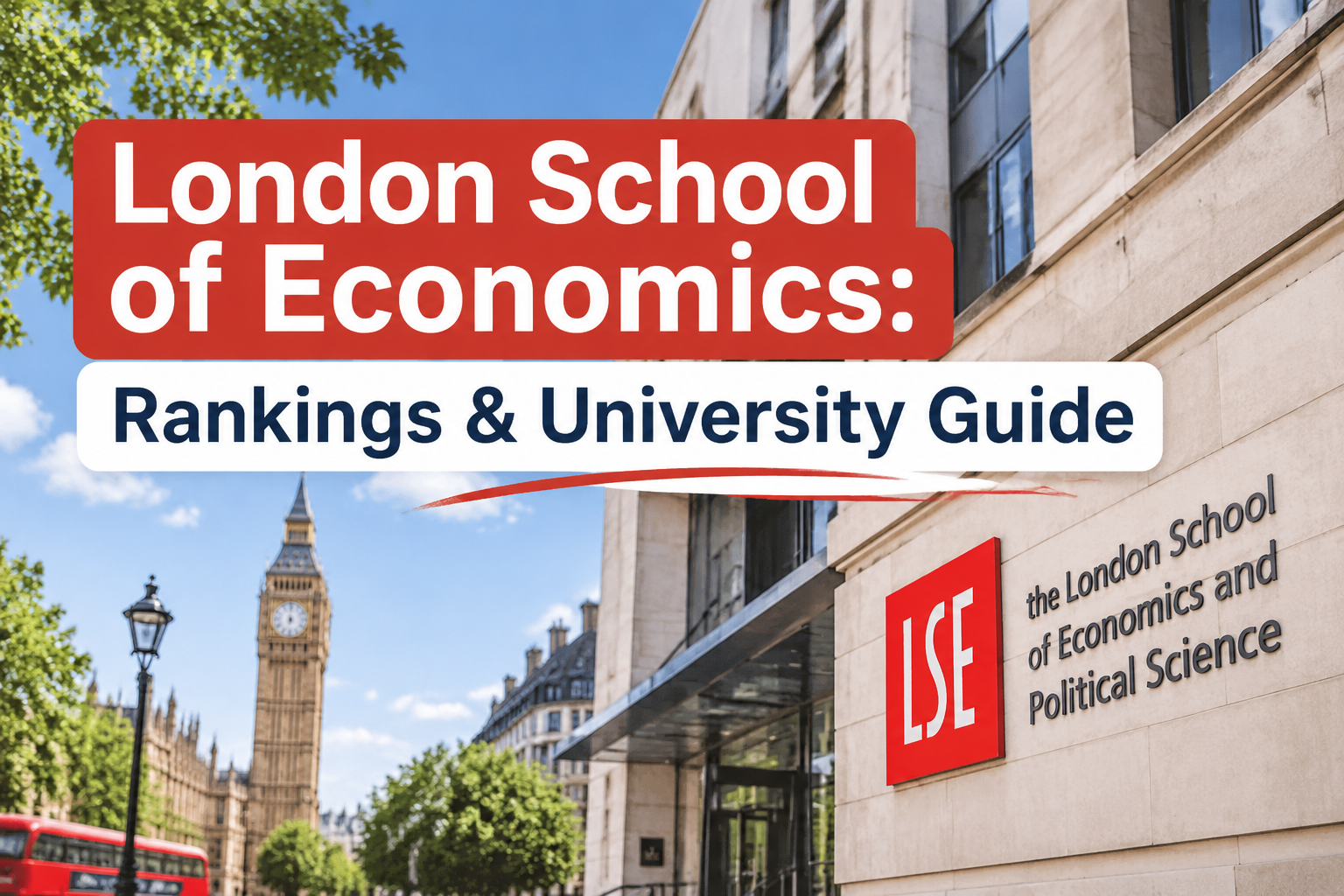
The London School of Economics and Political Science (LSE) is an excellent university for students who want to study social sciences. This LSE university guide will help you understand everything about the school and its application process. It is considered one of the best economics universities in the UK today. The school offers top teaching, a great city location, and high graduate salaries.

What Is LSE Famous For?

LSE is famous for its world-class social science degrees and its central London location. The school focuses only on subjects like economics, politics, law, and sociology.

  • Social sciences focus: LSE concentrates on pure and applied social sciences instead of teaching all subjects.
  • Top university rankings: The school consistently ranks at the top of UK university tables and places first in London in major rankings.
  • Nobel Prize winners: The university is associated with 21 Nobel Prize winners across economics, peace, and literature.
  • World leaders: Over 40 past and present world leaders have studied or taught at the school.
  • Strong employer links: The central London campus sits near major financial districts to help students build careers in banking and consulting.
  • Global student body: The campus attracts students and teachers from more than 140 different countries.

The Latest LSE Rankings

The latest LSE university ranking proves its status as a top global school. This famous university often maintains a top-three position across the UK. Strong scores in research quality and graduate employment protect its high standing.

Ranking Publication 2027 Ranking Key Details
Times Higher Education THE 47th globally Missing medical faculties lower the global rank. Research impact stays at the top.
QS World University Rankings 62nd globally Employers give this institution a near-perfect reputation score. Major banks often hire these graduates.
The Times and Sunday Times Good University Guide 2nd in the UK Graduate career prospects get top marks. Recent data shows the school passing Oxford and Cambridge.
Complete University Guide 3rd in the UK Classes feature an excellent student-staff ratio. Campus satisfaction scores remain high.
Guardian University Guide 3rd in the UK This list ranks LSE first among all London universities. High spending on academic services boosts the overall score.
Complete University Guide Subject Rankings 1st in the UK for Accounting and Finance Accounting and finance take the number one spot. Economics and social policy also achieve great results.
QS Subject Rankings for Social Sciences and Management 5th globally Social science courses beat many Ivy League programs. Politics and sociology rank as the strongest global departments.

LSE focuses just on social sciences, so its specific subject scores give a much better picture of its quality. The school even outranks Oxford and Cambridge in several UK department tables. You should look up the exact rank for your desired course before submitting an application.

Best Courses to Study at LSE

The best courses to study at LSE cover subjects like economics, politics, finance, law, and data science. Students can find top-rated degree options at both undergraduate and postgraduate levels.

Top Undergraduate Programs

These top undergraduate programs attract thousands of young people looking for excellent career paths.

  • Economics: This flagship BSc degree sits at the top of national economics rankings. It draws over 4,000 applications for about 200 places.
  • Philosophy, Politics and Economics (PPE): Undergraduates take a four-year quantitative course. Real client project experience forms a big part of the curriculum.
  • Law (LLB): A famous legal program offers around 170 seats. Over 2,600 people apply for this specific course every year.
  • Accounting and Finance: Finance routes prepare you for banking and corporate jobs. Global subject tables put these courses in the top ten.
  • Actuarial Science and Data Science: Number-heavy degrees build strong skills for analytics work. Graduates can earn exemptions from professional actuarial exams.
  • International Relations and Core Social Sciences: Popular BA and BSc options cover politics, geography, and history. World rankings place the university among the best for these specific areas.

Top Postgraduate Programs

Top postgraduate programs offer advanced training for global careers in policy and business.

  • Economics: Major employers recognize this MSc course for its high academic standards. Postgraduates pick between policy and research pathways.
  • Management (MiM) and Finance: Leading business degrees prepare learners for consulting jobs. Classroom work focuses on corporate finance and financial markets.
  • International Relations and Public Administration (MPA): Master degrees in these fields suit future diplomats and government officials. Public policy forms the core of these studies.
  • Data Science and Analytics: Specialized tracks teach machine learning and statistics. You can study unique subjects like applied social data science or health data science.
  • Psychological and Behavioural Science or Media: Interdisciplinary courses explore human minds and modern communication. Both departments hold top ranks around the world.

How Difficult Is It to Actually Get Accepted Into LSE?

Securing a place at LSE is tough. Thousands of students compete for a very limited number of open seats every year.

LSE Acceptance Rate

The overall LSE acceptance rate stays in the single digits, making it one of the hardest universities to enter. Competition grows tougher each year as application numbers increase. Massive international demand keeps the LSE economics acceptance rate near 8 percent.

Intake Year and Course Acceptance Rate Key Admission Insights
2026 Overall Intake 6.4% Nearly 34,000 students applied for limited spots. Huge volume drove the rate down.
2025 Overall Intake 6.6% Staff reviewed almost 30,000 applications. Entry standards stayed very strict.
2024 Overall Intake 6.5% High demand continued from previous years. The school kept its requirements high.
BSc Economics (2026) 8.6% Applicants must take the TMUA math test. Good grades alone are not enough.
LLB Law (2026) 5.6% Law attracts the most applications on the entire campus. Demand for these seats is huge.
BSc Finance (2026) 4.9% Finance offers very few seats. It is the hardest undergraduate course to join.
The real offer rate sits much higher than this single-digit reality. Admissions teams send conditional offers to about 15 percent of applicants. A large group of students fail to reach their required school grades in August. This failure drops the final enrollment numbers down to those low percentages. Candidates must focus on securing top academic marks instead of worrying about past statistics.

Why LSE Admissions Are Difficult

Close to 34,000 people applied for about 1,900 undergraduate spaces in 2026. This mismatch limits the final acceptance rate to 6.4 percent.

  • Huge applicant numbers: Famous programs draw large crowds for limited seats. Law gave offers to 16 percent of its candidates and accepted just seven percent during the last cycle.
  • Grades act as a baseline: Meeting the standard LSE entrance requirements does not guarantee a spot. Most candidates already have top scores. Evaluators must use other details to pick the best students.
  • Strong focus on written work: Admissions staff do not conduct interviews for undergraduate degrees. They judge you on your LSE personal statement, academic references, and chosen school subjects. Certain degrees like economics also force applicants to take the TMUA math exam.
  • Differences between degrees: Competition changes depending on the exact major. Math-heavy courses reject more people than smaller departments do. Students might find better odds in less crowded subjects.

LSE Admission Requirements

The LSE entrance requirements demand excellent past grades and very strong supporting documents. You must prove your academic ability clearly.

Grade Requirements

Strict academic filtering shapes the admissions process. Evaluators use rigid score cut-offs to drop weaker applications right away. Your specific LSE economics entry requirements or other course standards act as basic filters rather than final guarantees.

Program Type Typical Grade Requirement Key Details
Undergraduate (A-level) AAB to A*AA Quantitative degrees expect top math scores.
Undergraduate (IB) 37 to 39 points Evaluators look closely at your Higher Level subject choices.
Postgraduate First or 2:1 Honors Degree Elite courses reject files without a First-Class background.

Meeting these baseline scores remains mandatory but insufficient. Admissions committees reject many candidates with top marks every year. Final decisions depend on the personal statement and academic references.

Application Documents

Building a successful application requires a complete set of paperwork. Evaluators depend on these files because the university conducts zero interviews for most courses.

  • Personal Statement: This piece of writing makes or breaks your chance. You must show genuine academic interest in the subject rather than listing random hobbies.
  • Academic References: High school candidates need one teacher recommendation. Master’s applicants must provide two detailed letters from former professors.
  • Transcripts and Certificates: The admissions system demands official records of all past studies. Predicted grades hold massive importance for younger students.
  • Standardized Tests: Certain subjects force applicants to take extra exams. Law requires the LNAT, economics needs the TMUA, and finance master’s programs expect strong GMAT numbers.
  • CV and Written Work: Postgraduate candidates must submit a professional resume. Some specialist programs also request previous academic essays.
  • English Proficiency: International students must upload valid IELTS or Pearson PTE certificates to prove their language skills.

LSE Application Process

Applicants must submit their paperwork through official online systems. Your chosen degree level determines the exact platform for this task.

Undergraduate Admissions Steps

High school graduates complete their paperwork through a centralized British database.

  • UCAS Portal: Students route all materials through the central Universities and Colleges Admissions Service website.
  • Program Caps: The system limits candidates to a maximum of five British course choices per cycle.
  • Winter Deadline: Forms must reach the admissions office before January 31 to guarantee equal consideration against all other files.
  • Admissions Tests: Prospective law or economics majors book their mandatory LNAT or TMUA exams months in advance.
  • Decision Window: Staff process the large volume of paperwork and release final verdicts from February through May.

Postgraduate Admissions Steps

Master’s candidates manage their files within a private institutional portal.

  • Direct System: Postgraduate hopefuls bypass national portals and use the official LSE online application tracker.
  • Rolling Admissions: Reviewers assess complete portfolios in the order they arrive rather than waiting for a set date.
  • Strategic Timing: Sending documents before December maximizes your odds before popular courses shut down.
  • Digital Uploads: Candidates attach two academic references, official transcripts, and personal statements to their accounts.
  • Processing Time: Department teams require up to eight weeks to issue decisions on standard master’s applications.

What Is It Like to Study at LSE as an International Student?

Studying at LSE as an international students involves joining a rigorous academic environment filled with people from across the globe. Foreign learners integrate with British peers instead of studying in separate international groups.

Global and Diverse Community

The campus population features students from over 140 different nations. A massive mix of cultures creates a welcoming space for new arrivals. Visiting exchange participants and full-time degree seekers share the exact same classes as local citizens. Educators refuse to segregate overseas cohorts into distinct international classes. Forty percent of the teaching staff come from outside the United Kingdom. Administrators provide visa guidance and campus history tours during welcome week. These events help everyone adjust fast to a new country.

Academics and Workload

Classes at LSE demand immense self-direction and time management. This rigorous pace pushes students to work hard between scheduled sessions. Social science programs require intense focus rather than broad general studies. Learners spend hours reading academic texts and preparing for debates. Small seminar groups form the core of the educational experience. Tutors expect everyone to arrive ready for deep discussions.

How Much Does It Cost to Study at LSE?

Studying at LSE demands a massive financial budget for classes and everyday life. Students must prove they hold enough cash before requesting a British student visa.

Tuition Fees

The administration charges different prices based on your home country and exact degree choice. The tuition fees at LSE London increase every academic season.

  • Home bachelor students pay £9,790 per academic year for the current cycle.
  • International undergraduate candidates face course prices ranging from £27,500 to £39,900 per year.
  • Standard postgraduate programs cost foreign learners between £28,900 and £34,000.
  • Premium master’s degrees in finance expect payments up to £51,000 for twelve months of instruction.

London Living Costs

Living in London requires a large personal fund each month. Students face some of the highest rent prices in Europe.

Expense Category Estimated Cost Each Month
One-Bedroom City Centre Flat £2,100 to £2,300
Room in a Shared House £900 to £1,200
Basic Home Utilities and Internet £280 to £330
Supermarket Groceries £250 to £350
Public Transport Monthly Pass £170 to £200
Basic Gym Membership £40 to £50

Rent consumes the biggest share of a student budget. Finding flatmates to share a private house divides these massive costs. Choosing accommodation near the campus removes the need for transit passes. Preparing meals in a personal kitchen keeps food expenses under control.

Scholarships and Financial Help

LSE provides specific cash grants to reduce student debt. Financial officers distribute all scheme cash on a strict first-come basis.

  • LSE Bursary: British undergraduates receive up to £4,000 per academic year based on household revenue.
  • Graduate Support Scheme: Master’s candidates get between £5,000 and £15,000 to cover their tuition bills.
  • Uggla Family Scholars Programme: Overseas bachelor students win full international course payments and a large living allowance.

Your Student Home at LSE

Campus accommodation sits right in the middle of the city center. Learners choose from distinct room types based on their personal financial budgets.

The Central London Campus

The central London campus sits right in the Westminster area. It is surrounded by famous places like Covent Garden and Holborn. This location gives you great access to public transport and professional networking events.

University Halls

LSE operates multiple official residence buildings for enrolled degree seekers. First-year bachelor candidates secure a guaranteed room offer for their initial academic year. Famous dormitories like Bankside House and Passfield Hall host hundreds of fresh arrivals each autumn. These official blocks offer standard single bedrooms alongside large communal dining spaces. Residents choose between self-catered apartments and pre-paid meal plans to match their financial limits.

Private Student Housing

Off-campus accommodation serve as the main alternative to official university halls. Booking these flats takes less effort through dedicated platforms like uhomes.com. The platform lists thousands of verified properties with all-inclusive bills and zero hidden service fees.

Students receive a lowest-price guarantee when reserving their rooms. Residents browse diverse room choices from shared apartments to private studios. Premium buildings feature on-site fitness centers and twenty-four-hour security. Securing affordable student accommodation near LSE requires advance research before popular spots sell out.

uhomes.com logo

What Is Student Life Like at LSE?

Campus life at LSE blends intense academic reading with vibrant social events across the British capital. Students balance strict class schedules with massive extracurricular opportunities.

Study Environment

The academic atmosphere demands extreme focus on independent social science research.

  • Teaching Methods: Professors deliver large core lectures alongside intimate seminar debates.
  • Library Resources: The campus hosts the famous British Library of Political and Economic Science.
  • Workload Expectations: Degree programs require long hours of self-directed reading between scheduled classes.

Student Societies and Clubs

The active student union funds over two hundred distinct interest groups for extracurricular networking.

  • Academic and Career Groups: Future bankers and politicians run massive corporate networking events.
  • Cultural Organizations: Global students celebrate their heritage through diverse national societies.
  • Sports Teams: Athletes compete in local London leagues and national university tournaments.

Joining these official groups helps newcomers build strong friendships outside the lecture halls.

Career Outcomes and Famous Alumni

LSE graduates secure elite jobs and join a massive network of global leaders. A degree from this institution commands immense respect from international corporate recruiters.

Top Employers and Salaries

Major investment banks and management consulting firms recruit immense numbers of candidates each autumn.

Career Metric Institutional Data
Graduate Employment Rate 93 percent find work or start further education within fifteen months
Top Recruiting Sectors Finance, Consulting, Government, Law
Average Starting Salary £37,000, among the highest across all British universities

The central London location gives job seekers a distinct advantage during the autumn recruitment season. Top firms host exclusive networking dinners right on campus.

Well-Known Graduates

LSE boasts a historic roster of famous politicians and brilliant economic minds. The official alumni network features eighteen Nobel Prize laureates and dozens of international heads of state.

  • Global Leaders: Former prime ministers and presidents from multiple continents hold degrees from the school.
  • Business Icons: Chief executives at multinational corporations started their journeys in these exact classrooms.
  • Academic Pioneers: Brilliant scholars continue to shape modern economic and social policies.

Conclusion

The London School of Economics and Political Science is an excellent choice for students passionate about economics, politics, finance, and other social sciences. Students should carefully consider the competitive admissions process, demanding academic workload, and high living costs before applying. With thorough preparation and a clear academic goal, studying at LSE can be a rewarding investment in your future.

FAQ

Yes, the London School of Economics and Political Science (LSE) is one of the UK’s leading universities for social sciences, economics, politics, and finance. It is internationally recognized for its academic reputation, research quality, strong employer connections, and excellent graduate career prospects.

LSE is best known for its courses in economics, finance, politics, law, international relations, and social sciences. Popular undergraduate choices include Economics, Philosophy, Politics and Economics (PPE), Law, and Accounting and Finance, while postgraduate students often choose Economics, Management, Finance, and International Relations.

Getting into LSE is highly competitive, with an overall undergraduate acceptance rate of approximately 6.4% for the 2026 intake. Applicants need excellent academic grades, a strong personal statement, and relevant academic references. Some courses, including Economics and Law, also require additional admissions tests such as the TMUA or LNAT.

LSE entry requirements typically include A-level grades ranging from AAB to A*AA or 37–39 IB points for undergraduate applicants. Postgraduate applicants generally need a First-Class or upper second-class honours degree. Students must also submit supporting documents, including academic references, transcripts, and a personal statement, while international applicants need to demonstrate English language proficiency.

Studying at LSE costs international undergraduate students approximately £27,500–£39,900 per year in tuition fees, while standard postgraduate programs cost around £28,900–£34,000. Some specialist master’s degrees in finance can cost up to £51,000. Students should also budget for London’s high living expenses, particularly accommodation, groceries, utilities, and transportation.

uhomes.com | Student Accommodation,Flats,Houses,Apartments for Rent
What can I do for you?
ASK ME