




When seeking the best music schools in the world, the greatest challenge lies not in compiling a list but in defining the criteria. Some students choose music colleges for the strongest classical performance and masterclass resources, some prioritise composition/electronic music/recording production, others aspire to have more opportunities to enter opera houses, symphony orchestras, musical theatre, or film and television scoring circles. This blog introduces the 10 best music conservatories in the world, providing detailed analyses of each institution based on its strengths, core characteristics, and suitability for different individuals. This will help you find the music academy that best suits you more efficiently.
Top 10 Best Music Schools in the World
It is hard to comprehensively cover all global music academies within a single ranking. Whilst the “Performing Arts” category in the QS World University Rankings provides a point of reference, the very essence of a music conservatoire lies in its distinctive heritage and style. Based on historical heritage, faculty calibre, alumni influence, industry recognition, and diversity of educational approaches, we compile the 10 best music colleges in the world.
1. Royal College of Music(RCM)
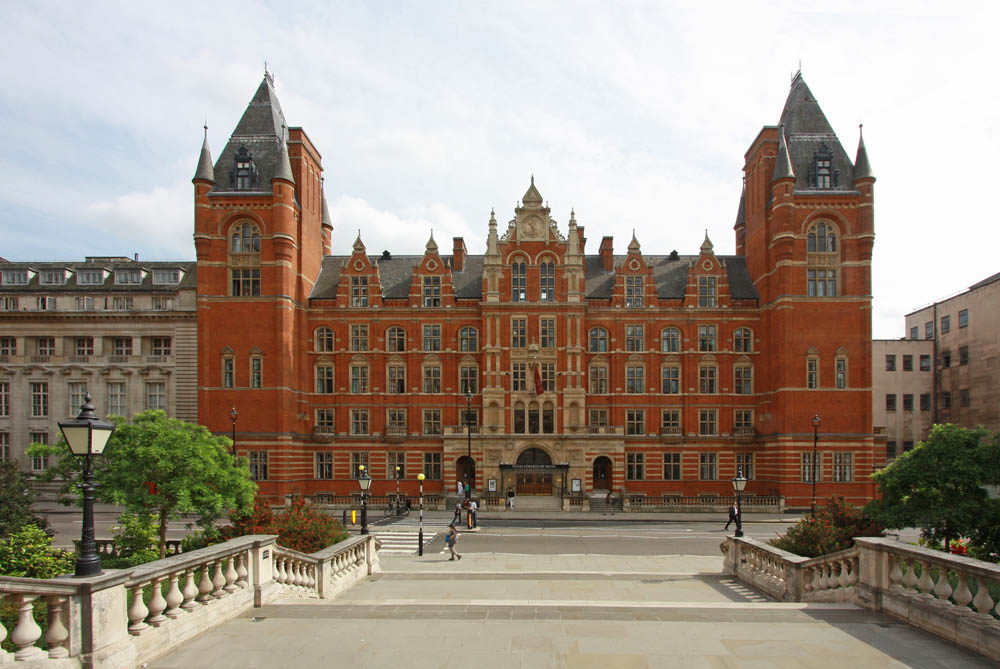
The Royal College of Music is widely regarded as the best music school in the world. The Royal College of Music (RCM) is situated in South Kensington, London, directly opposite the Royal Albert Hall. Founded in 1882, it has a museum with an extensive collection of historically significant musical instruments. RCM is not only a music conservatoire directly affiliated with the British Royal Family, but also consistently ranks first or second in the QS World University Rankings for Performing Arts. RCM is renowned for its exceptionally abundant performance opportunities and profound historical heritage. Its atmosphere retains traditional British elegance while brimming with international dynamism. The institution hosts over 500 high-calibre performances annually, enabling students direct access to premier artistic institutions such as the London Symphony Orchestra and Berlin Philharmonic.
- QS World University Rankings by Music 2025: #1
- Year of establishment/Location: 1882 / London, United Kingdom
- Popular subjects: Piano, Orchestral Studies, Vocal Studies (Opera), Composition, Early Music Performance
- Application Requirements:
- Language: Undergraduate applicants: IELTS 5.5–6.0; Postgraduate applicants: IELTS 7.0.
- Specialisation: Submit a high-calibre preliminary audition video. Successful applicants will proceed to an in-person or remote second-stage audition (interview + sight-reading/music theory).
- Academic: Provide full proof of secondary school or undergraduate qualification.
2. Universität für Musik und darstellende Kunst Wien(MDW)

MDW is one of the world’s largest and most venerable music colleges. Representing the pinnacle of the German-Austrian classical tradition, MDW upholds rigorous and profound pedagogical standards. It emphasizes meticulous study of original scores and the preservation of stylistic heritage. The institution prioritises classical technique, musical language depth and stage practice, making it ideal for classical-oriented students with clear objectives and solid foundational skills. The majority of professors here are members of the Vienna Philharmonic Orchestra, enabling students to engage with the most authentic classical phrasing and tonal treatment.
- QS World University Rankings by Music 2025: #18
- Year Founded/Location: 1817 / Vienna, Austria
- Popular subjects: Piano Performance, Conducting, Vocal Studies, String Instruments, Music Education
- Admission Requirements:
- Language: Strict German proficiency required (typically B1/B2 level prior to enrolment, C1 level upon graduation).
- Undergraduate programmes typically require completion of a foundation course in music theory.
- Master’s programmes require submission of performance documentation from undergraduate studies + two letters of recommendation.
3. Conservatoire national supérieur de musique et de danse de Paris (CNSMDP)
CNSMDP is situated in the 19th arrondissement in Paris. Since its founding in 1795, this institution has produced countless musical giants such as Berlioz, Debussy, and Ravel. As one of world’s best music schools within Europe’s classical music system, CNSMDP has great advantage in composition and conducting. It offers low tuition fees and substantial government support, delivering outstanding value for money. The French School is renowned for its emphasis on the independence of finger technique, tonal colour, and exceptionally rigorous sight-reading skills. The institution enforces strict age restrictions, with undergraduate students typically capped at 22 years of age.
- QS World University Rankings by Music 2025: #4
- Year of foundation/Location: 1795 / Paris, France
- Principal disciplines: Piano, Flute (world-class), Composition, Ballet, Saxophone
- Admission requirements:
- Language: French proficiency at B1/B2 level.
- Must attend an interview in France (video exemption may be requested in certain circumstances)
4. Royal Academy of Music(RAM)
The Royal Academy of Music, founded in 1822, is the oldest conservatoire in the United Kingdom. It is situated next to London’s Regent’s Park. The institution enjoys an outstanding international reputation in piano, string instruments and opera, with a longstanding partnership with the Royal Opera House. RAM offers scholarships to over 60% of its students, with graduate employment rates in certain disciplines reaching 98% for five consecutive years. It is suitable for students who not only focus on traditional training, but also try new things in Jazz or Music drama.
- QS World University Rankings by Music 2025: #2
- Year of establishment/Location: 1822 / London, England
- Principal disciplines: Vocal (Opera/Musical Theatre), String Instruments, Jazz, Conducting
- Admissions requirements:
- IELTS: Undergraduate ≥ 6.0; Postgraduate ≥ 6.5
- Portfolios: Bach unaccompanied works; Concerto movements
- Interviews: including a one-to-one professional assessment with tutors
5. The Juilliard School

The Juilliard School, situated within New York’s Lincoln Centre, stands as one of the world’s most renowned institutions for the performing arts. It is not only a temple of music but also a bastion of dance and theatre. With an admission rate consistently below 7%, it is often dubbed the “Harvard of the music world”. Competition here is exceptionally fierce; students must not only hone their craft but also learn to navigate the cutthroat environment of New York’s glamour-driven scene. The school boasts unparalleled resources, with the Metropolitan Opera House and the New York Philharmonic just steps away.
- QS World University Rankings by Music 2025: #6
- Year/Location of Establishment: 1905 / New York, USA
- Principal Disciplines: Virtually all classical instrumental music, jazz, theatre, dance
- Admission Requirements:
- TOEFL: typically 73+ for undergraduate, 89+ for postgraduate
- Programme: Pre-screening video + in-person interview, requiring preparation of complete concertos, sonatas and Bach works.
- Application Documents: essay and personal statement.
6. Curtis Institute of Music
The Curtis Institute of Music in Philadelphia is among the most selective music conservatories in the world, with an admission rate consistently below 4%. The Curtis Institute of Music offers full merit-based scholarships covering tuition fees. It maintains a strict enrolment cap of approximately 160 students, precisely sufficient to form a complete symphony orchestra and opera ensemble. Curtis’s motto is ‘Learn by doing’. Upon enrolment, students immediately perform alongside world-renowned masters. It has produced many excellent alumni, such as Samuel Barber, Lang Lang, Ned Rorem, and Paul Jacobs.
- QS World University Rankings by Music 2025: #8
- Year of Establishment/Location: 1924 / Philadelphia, USA
- Principal Disciplines: Piano, Violin, Conducting, Orchestral Studies
- Admission Requirements:
- Language Proficiency: TOEFL 79-80.
- Specialisation: in-person interview
7. Berklee College of Music

Berklee College of Music, located in Boston, is the mecca of modern popular music. Its focus is not on Beethoven, but on jazz, rock, film scores, music production, and the music business. Notable alumni include Leehom Wang, Nana Ouyang, and Charlie Puth. Berklee stands as the most commercially and industrially successful music conservatory, boasting state-of-the-art recording studios and production facilities. For those aspiring to become producers, pop singers, or enter the music industry, Berklee College of Music is an excellent choice.
- Year of Establishment/Location: 1945 / Boston, USA
- Principal Disciplines: Jazz Performance, Film Scoring, Music Production and Engineering (MP&E), Songwriting
- Admission Requirements:
- Language: TOEFL 72 or IELTS 6.0.
- Programme: Auditions include improvisation, aural training, and sight-reading. Creativity and improvisational skills are highly valued.
8. Eastman School of Music
Affiliated with the University of Rochester, the Eastman School of Music is one of the best music schools in the world. It achieves a perfect equilibrium across music theory, music education, and performance. Unlike independent arts academies, Eastman benefits from the backing of a comprehensive university, granting access to exceptionally rich academic resources. Eastman students often possess a solid theoretical foundation, excelling not only in instrumental performance but also in scholarly writing. Its library ranks among the largest music libraries in North America. The school is ideal for students seeking to enhance their performance skills while acquiring a solid humanities education and theoretical foundation.
- Year of Establishment/Location: 1921 / Rochester, United States
- Principal Disciplines: Music Theory, Music Education, Wind Instruments, Piano
- Admission Requirements:
- Language: TOEFL 83+ (with sectional requirements).
- Specialisation: Preliminary audio review + in-person interview.
- Academic: High secondary school GPA required, with emphasis on overall aptitude.
9. Yale School of Music
As the sole music conservatory within the Ivy League, the Yale School of Music (YSM) primarily offers postgraduate degrees (Master’s, Artist Diploma, Doctor of Musical Arts). It only accepts students with a Master’s degree and above. Benefiting from substantial anonymous alumni donations, YSM provides full tuition waivers for all admitted students. Students not only benefit from Yale University’s comprehensive humanities environment but also hone their artistry free from financial constraints.
- Year of Establishment/Location: 1894 / New Haven, USA
- Principal Disciplines: Instrumental Performance, Composition, Conducting
- Admission Requirements:
- Language Proficiency: TOEFL 86+.
- Programmes: preliminary screening+ in-person interview (including exceptionally rigorous theoretical assessment).
10. Sibelius Academy
The Sibelius Academy, named after Finland’s national treasure composer Jean Sibelius, forms part of the University of the Arts Helsinki. It stands not only as the largest music academy in the Nordic region but also as a pioneer in classical music innovation. The Sibelius Academy boasts exceptional facilities (Helsinki Music Centre) and a relaxed yet rigorous artistic environment. Compared to the high-pressure systems of the US and UK, it places greater emphasis on nurturing artists’ physical and mental well-being alongside the development of independent personalities. For those drawn to the tranquil Nordic setting, pursuing artistic innovation, and seeking growth within a more humanistic educational framework, this represents an ideal choice.
- QS World University Rankings by Music 2025: #9
- Year of establishment/Location: 1882 / Helsinki, Finland
- Principal disciplines: Composition, Conducting, Folk music, Classical performance
- Admission requirements:
- Language proficiency: IELTS 5.5–6.0.
How to Choose Music Schools in the World?
The world’s top music academies extend far beyond the above ten institutions. Schools such as Russia’s Tchaikovsky Conservatory, Germany’s Hannover University of Music, Drama and Media, and America’s New England Conservatory (NEC) are also prestigious music conservatories in the world. When selecting a music academy, you are advised to take these three tips:
- Follow the “tutor” rather than the “reputation”: Within the music world, a professor’s renown often carries greater weight than institutional rankings. If your preferred mentor is based in Hannover, then Hannover becomes the premier choice for you.
- Consider the “resources” and the “city”: Do you wish to build connections in New York, or immerse yourself in Vienna’s classical atmosphere? Your choice of location will shape your future performance opportunities and professional network.
- Honestly assess your own style: If you love improvisation and contemporary music, forcing yourself to apply to Curtis may leave you feeling stifled; if you pursue traditional classical music, attending Berklee could leave you feeling lost.
Conclusion
The best music schools in the world is not the one ranked highest, but the one that best understands your musical language and most effectively stimulates your artistic potential. Our list of top music colleges include not only schools in Europe, but those in North America. When you choose the right music school, you can conduct a practical assessment based on three dimensions: the compatibility with the specialist tutor, one’s own financial capacity, and future career plans.
FAQ
Who is better, Berklee or Juilliard?
It depends on your style. Juilliard graduates dominate symphony orchestras and opera houses. Berklee is a contemporary industry powerhouse focused on music production, songwriting, and film scoring. Its alumni drive the pop, jazz, and screen music industries with over 250 Grammys.
What is the hardest music school to get into?
The Curtis Institute of Music is the hardest music school to get into, with extremely low acceptance rates of less than 5%. The Yale School of Music and Colburn School are also hard to enter with strict admission requirements and low acceptance rates.
What are the best music schools in the world?
Here are the best music schools in the world:
Europe:
- Royal College of Music (RCM)
- University of Music and Performing Arts Vienna (mdw)
- Conservatoire de Paris (CNSMDP)
- Royal Academy of Music (RAM)
- Sibelius Academy, University of the Arts Helsinki
North America
- The Juilliard School
- Curtis Institute of Music
- Berklee College of Music
- Eastman School of Music
- Yale School of Music