



Home for Global Students
4.9/5
GET APP

Cost of Living Japan vs US: The Ultimate 2026 Guide

By Nicole
cost of living in japan vs us

The cost of living in Japan vs US shows a clear contrast. On average, a single person spends around $1,131 per month in Japan, compared to roughly $2,515 in the US. While salaries in the US can be high, everyday expenses such as rent, groceries, and healthcare quickly add up. In Japan, life often feels more affordable without compromising quality. So, is the cost of living in Japan cheaper than in the US overall? Generally, yes—but the reasons go beyond simple numbers. Before you start planning visas or packing, it’s worth looking at how your income translates into daily life. This guide dives straight into 2026 data on rent, healthcare, transportation, and groceries, showing the overall cost of living in Japan vs. the USA.

Is Japan more expensive than the US?

The short answer is a definitive no. On a macroeconomic level, the combined cost of living and travel in Japan runs an impressive 30% lower than its American counterpart. Currently fueled by severe currency advantages and a deeply affordable local dining sector, it offers US residents an unprecedented level of financial accessibility and lifestyle premium. You do not need a massive six-figure US salary to unlock a highly comfortable, premium lifestyle here. The system simply requires far less capital to survive and thrive.

Average cost of living in Japan vs. the US

Let’s look at the raw numbers. In the United States, a single professional realistically needs to budget anywhere around $2515 a month. That figure wildly fluctuates depending on your state and whether you are forced to shoulder the financial burden of owning a car. In stark contrast, Japan completely undercuts that baseline. Even in massive urban centers like Tokyo or Osaka, a single person can comfortably secure a great lifestyle for roughly $1131 a month.

Category
Cost in Japan
Cost in the US
Which is cheaper?
Housing
$508
$1593
Japan
Food
$391
$654
Japan
Transportation
~$133
~$101
US
Average cost of living
~$1,131
~$2,515
Japan
When you actually break down the daily Japan cost of living vs. the US prices, the heaviest savings immediately reveal themselves across three categories: rent, dining out, and the total lack of reliance on private vehicles. Japan, however, breaks that specific mold entirely. It is a rare anomaly that delivers flawless first-world infrastructure without forcing you to bleed cash on basic everyday expenses.

Cost of housing in Japan vs. the US

Housing is the largest expense in any country, and this is where the cost of living in Japan vs. the USA diverges the most. In the US, the national average rent for one person is about $1593, for a family the rent is around $2641. If you rent apartments in Los Angeles or New York, the rent may be more expensive.
In Japan, the housing market is dense but highly affordable. If you rent for yourself, it only costs $508, for a family is around $842.
CountryAverage Rent (Single Person)Average Rent (Family)
United States~$1,593~$2,641
Japan~$508~$842
For expats and international students, renting in Japan can feel more complicated than expected, especially with guarantor requirements and upfront fees. Many students find it easier to use a rental platform, uhomes.com, which helps international renters find student-friendly apartments without the usual hassle.

Utilities in Japan vs. The US

In the United States, utility bills can be a significant financial burden. A standard monthly utility bill covering electricity, heating, water, and garbage for a single person typically ranges from $200 to $400+ per month. In Japan, utility costs scale down considerably. For a single expat, combined electricity, gas, and water bills usually hover between $65 to $100 a month.
Utility Type (Monthly Average)United StatesJapan
Basic Utilities (Electricity, Heating/Gas, Water, Garbage)$200 – $400+$65 – $100

Cost of food in Japan vs US

When people start comparing groceries and dining out, the most common question is: is Japan cheaper than US territory across the board? Absolutely. In fact, the price gap in daily food consumption is staggering.
In the United States, managing your diet has become a seriously expensive undertaking. Between aggressive inflation at the supermarket and the mandatory tipping culture when eating out, a single person easily burns through roughly $654 a month just to eat decently. Drop that exact same person into Japan, and the financial pressure evaporates. Thanks to highly subsidized local agriculture, cheap bento boxes, and a total lack of tipping, that monthly food bill plummets to around $391. You are essentially cutting your food budget in half while arguably eating significantly better.
Category
Cost in Japan
Cost in the US
Which is cheaper?
Milk
$1.43
$1.06
US
Meal for Two at a Mid-Range Restaurant
$37.79
$76.00
 
Japan
Potatoes
$1.23
$1.32
Japan
Bottled Water
$0.87
$2.28
Japan

Cost of transportation in Japan vs US

When it comes to mobility, the two nations operate on entirely different paradigms. The United States is an aggressively car-dependent country. Unless you are in a dense, transit-heavy city like New York or Chicago, owning a vehicle isn’t a luxury. It is a strict survival requirement. That immediately forces you to swallow a massive chunk of monthly overhead: car payments, escalating insurance premiums, petrol, and sudden maintenance repairs. Realistically, keeping a car on the road in the US drains anywhere from $965 to well over $1,000 every single month.
Japan flips this script completely. Because of its flawless, world-renowned train and subway infrastructure, owning a car is mostly irrelevant for urban expats. If you do choose to drive in Japan, the overall costs are significantly gentler, hovering between $150 and $400+ per month.
However, you have to look closely at the daily transit breakdown. If you are comparing pure public transportation passes, Japan actually clocks in slightly higher. A standard monthly transit pass in the US might run you about $101, whereas navigating Japan’s premium rail networks costs roughly $133 a month. But here is the catch: that $133 in Japan entirely eliminates the need for the American car budget. So while the daily train ticket is pricier, the total logistical cost of living is vastly cheaper.
Expense TypeUnited StatesJapanKey Variables & Notes
Car Ownership (Monthly)$965 – $1,000+$150 – $400+US cars are a strict survival requirement (payments, insurance, maintenance).
Public Transit Pass (Monthly)~$101~$133Japan’s pass is slightly pricier but completely eliminates the massive $1,000+ US car budget.
Overall Logistical CostExtremely HighVastly CheaperThe total cost of mobility in Japan is significantly lower due to transit efficiency.

Healthcare in Japan compared to United States
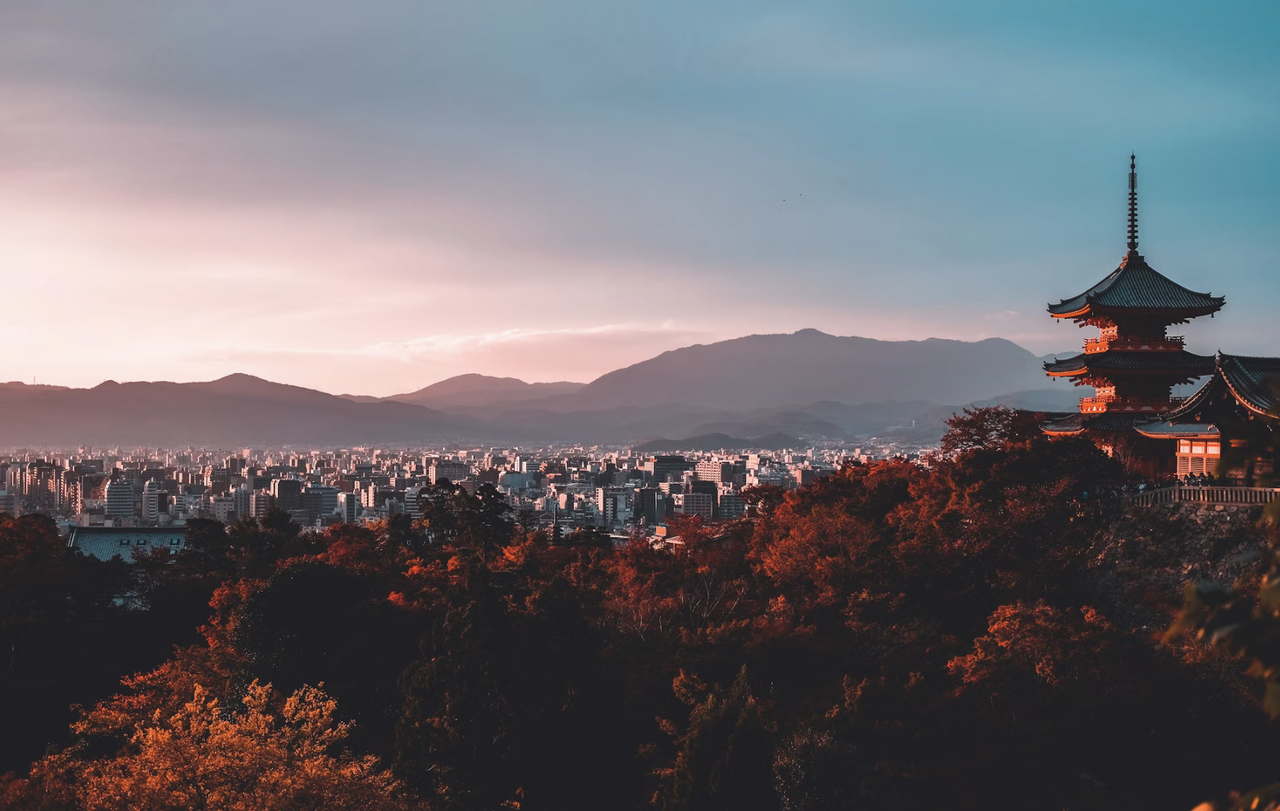
Healthcare costs in Japan are significantly lower than in the United States. According to statistics, per capita healthcare spending in the US is approximately $14,775, compared to only $5,790 in Japan. The core reason for this difference lies in the fundamental structure of their healthcare systems: the US heavily relies on private insurance and out-of-pocket payments, whereas Japan implements a universal healthcare system where most medical costs are covered by insurance, and patients typically pay only 10% to 30% out-of-pocket.
Japan’s universal healthcare requires all citizens to participate in public health insurance, with premiums negotiated and standardized by the government to ensure relatively consistent costs nationwide.
Additionally, Japan sets income-based caps on out-of-pocket expenses. Once an individual’s monthly healthcare spending reaches this cap, the insurance company covers any excess, effectively eliminating the risk of bankruptcy due to medical costs.
Regarding administrative costs, Japanese insurers are mostly strictly regulated non-profit organizations or public entities, resulting in operational costs far lower than the US’s complex private insurance system. For many people in Japan, employer contributions also help reduce insurance premiums. It making healthcare more affordable and consistent compared to the US system. It coverage depends heavily on employment status and plan quality.
Living in Japan vs us

Median Monthly salary after tax in Japan vs. the US

While Japan wins the day effortlessly when it comes to daily affordability, the United States absolutely obliterates it on earning potential and career mobility.
Look at the raw salary gap. The median monthly income in the US sits at roughly $4,433. Conversely, Japan’s wage growth has been famously stagnant for decades. Over there, the median monthly income hovers around just $1,971.
That number looks brutal on paper, but you have to read the fine print of Japanese corporate culture. While the base salary is significantly lower, you absolutely must factor in the massive, tax-free transport allowances and subsidized housing packages frequently handed out by Japanese companies. They effectively inflate your disposable income, bridging that gap much more than the base numbers suggest.

Tax Structures in Japan vs US

In the United States, the tax system is highly fragmented and complex. You are subject to federal income tax, plus state and local taxes that wildly fluctuate. For example, moving from a zero-income-tax state like Texas to California drastically alters your take-home pay. Furthermore, if you plan to buy a home, property taxes in the US can be a massive annual financial burden.
Japan operates on a more unified, albeit heavy, tax system. You pay a national income tax and a flat 10% resident tax (inhabitant tax) strictly based on your previous year’s income, regardless of which prefecture you live in. While Japan’s top marginal tax brackets are famously high for the ultra-wealthy, the average expat finds the system highly predictable. Additionally, Japan offers unique tax deduction schemes, such as Furusato Nozei (hometown tax), which allows you to redirect a portion of your taxes to rural towns in exchange for high-end local goods like Wagyu beef or fresh seafood.

Quality of life in Japan vs US

The day-to-day reality of living in these two countries is fundamentally different. Here is exactly how the quality of life compares across five critical categories:
  • Culture: The US thrives on individualism, actively encouraging self-expression, direct communication, and standing out from the crowd. Conversely, Japan operates strictly on a collectivist model. The society prioritises social harmony (Wa), extreme politeness, and “reading the room.” Blending in and respecting public rules are non-negotiable expectations in Japan.
  • Safety: Japan is universally recognised as one of the safest countries on the planet. Violent crime is exceptionally low, and walking home alone at 2 AM is a standard, anxiety-free reality. In the US, safety is heavily dependent on specific zip codes; the environment can change drastically from one street to the next, requiring a much higher level of situational awareness.
  • Commute Time: American commutes generally involve sitting in gridlocked highway traffic, as public transit is severely lacking outside major hubs like New York. In Japan, commuting relies entirely on a flawless, punctual rail network. However, Japanese rush hours are intensely crowded. Your commute in Tokyo will be highly efficient, but you will likely be physically squeezed into a packed train carriage.
  • City Density: The US is built on urban sprawl. You get massive suburban homes, wide multi-lane roads, and big backyards. Japan features hyper-dense urban living. Apartments are remarkably compact and tightly packed. However, this density means you are never more than a five-minute walk from a convenience store, an all-night clinic, or a train station.
  • Housing Experience: One of the biggest differences is housing itself. Student accommodation in Japan often comes with stricter application requirements, such as guarantors, deposits, and upfront fees like key money, which can make the process feel complex for international students. In contrast, student housing in the US is usually easier to apply for but tends to come with significantly higher rent and utility costs, especially in major cities and university areas.

Who should choose Japan vs US

Ultimately, declaring a definitive winner between the United States and Japan is impossible. The right choice depends on your financial goals and lifestyle priorities.
You should choose the United States if your main priority is maximizing earning potential, building a high growth career and aiming for long-term wealth accumulation. The US tends to ambition, entrepreneurship, and fast career mobility, especially in competitive industries. However, this often comes with higher living costs, greater regional variation, and more financial unpredictability depending on where you live.
On the flip side, you should choose the Japan if you value stability, safety, and predictable day-to-day living costs. Japan offers a highly structured lifestyle with strong public safety, efficient public transport, and relatively consistent living expenses across regions. While salaries may appear lower compared to the US, many residents find that housing, healthcare, and transport costs are easier to plan and manage.

Conclusion

Understanding the cost of living in Japan vs the US goes beyond just comparing numbers—it’s about how your budget translates into everyday life. Overall, Japan offers more predictable and generally lower monthly expenses, while the US can bring higher costs despite potential for higher income. For anyone planning to live, study, or work abroad, knowing the true cost of living in Japan vs the US helps make informed decisions, plan finances wisely, and find housing that fits both lifestyle and budget.
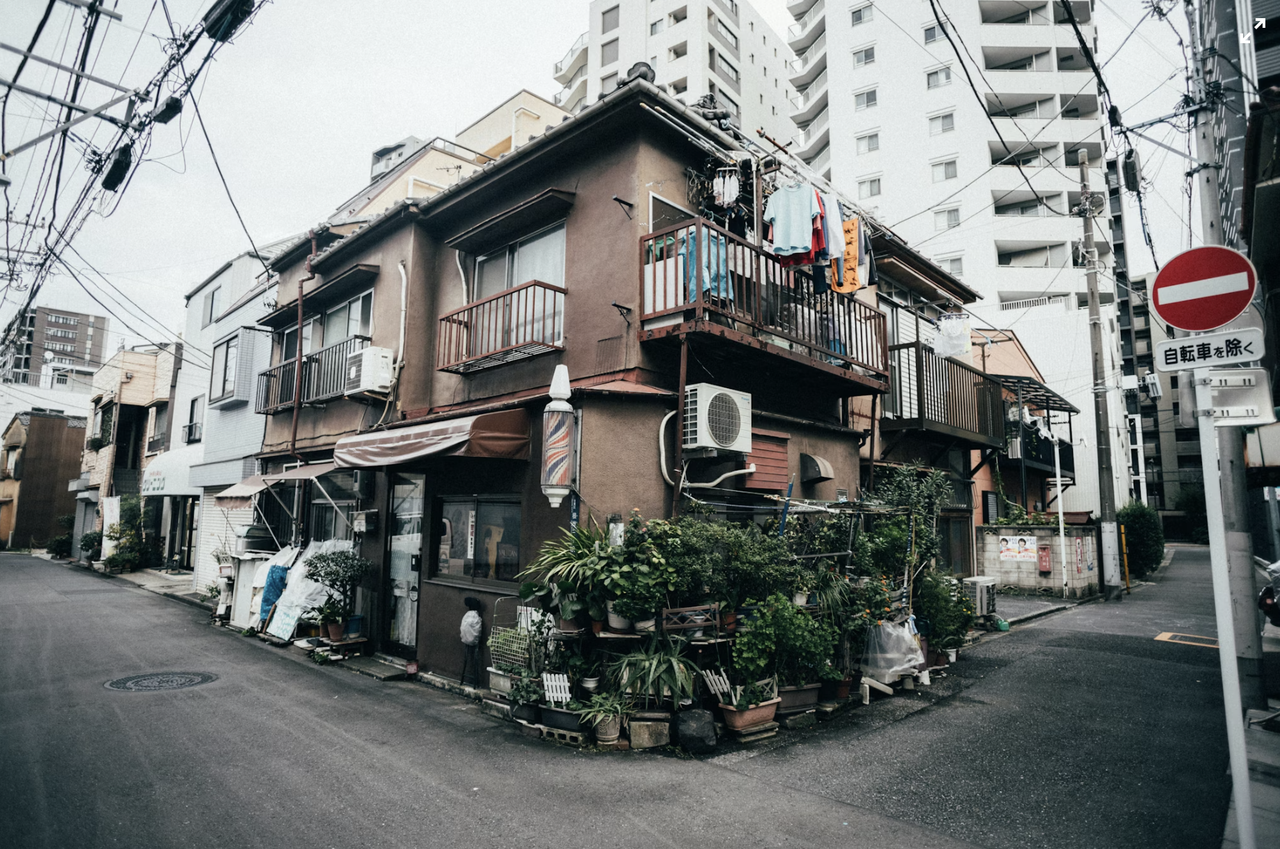

Relocating internationally also means dealing with very different rental systems and requirements. If you’re planning a move, uhomes.com is a imformative rental website can simplify the process and help you find furnished, foreigner-friendly housing.

FAQs about Cost of Living in Japan vs US

Japan is geographically much smaller than the United States. The total land area of Japan is roughly 377,900 square kilometres, and the United States is about 26 times bigger than Japan in terms of land area.

In 2026, the average rent for one person in Tokyo is roughly $600 to $1,300 USD per month, and the US is about $1643 to $2000 per month. If you are trying to find the student accommodation in Tokyo, you can use a platform like uhomes.com.

Excluding US military personnel and their dependents stationed on various bases, there are currently around 66,100 to 111,000 Americans living and working in Japan.

No, Japan is not expensive for Americans. Because the US dollar currently carries extremely strong purchasing power against the Japanese Yen, Americans relofcating to or visiting Japan will find that everyday items, public transport, dining out, and housing are significantly cheaper than in the United States.
Is Japan expensive for Americans? No, Japan is not expensive for Americans. Because the US dollar currently carries extremely strong purchasing power against the Japanese Yen, Americans relofcating to or visiting Japan will find that everyday items, public transport, dining out, and housing are significantly cheaper than in the United States.

To live comfortably in the US, a single person typically needs between $4,000 to $7,000+ per month, heavily depending on the state and mandatory car ownership costs. In contrast, you can maintain a highly comfortable lifestyle in Japan for roughly $2,000 to $4,000 a month. This lower Japanese baseline easily covers a modern central apartment, frequent dining out, weekend travel, and national healthcare without financial anxiety.

No, you absolutely do not need a car if you live in a major Japanese city like Tokyo, Osaka, or Kyoto. Japan features one of the most comprehensive, punctual, and clean public rail networks in the world. While owning a vehicle is a strict survival requirement in most parts of the US, urban residents in Japan rely entirely on walking, cycling, and trains. You only need to purchase a car if you choose to relocate to the deep Japanese countryside (Inaka).

Rent is significantly cheaper in Japan primarily due to highly relaxed national zoning laws that allow for continuous, high-density housing construction. Unlike the US, where strict local zoning restricts new apartment builds and artificially drives up rent prices, Japan constantly builds new properties to meet market demand. Furthermore, Japanese houses are culturally and legally viewed as depreciating consumer goods rather than appreciating financial investments, keeping the overall property market remarkably stable and affordable for everyday rent.

Moving to Japan is absolutely worth it if you love the safety environment and good healthcare. Your salary might be lower on paper, but the drastic reduction in rent, transport, and healthcare costs means your day-to-day lifestyle will often feel much richer, safer, and infinitely more relaxed.

uhomes.com | Student Accommodation,Flats,Houses,Apartments for Rent
What can I do for you?
ASK ME