


Cost of Living in JapanAverage Rent in JapanUtilities in JapanConnectivityHousehold and entertainmentGroceries and eating outShoppingPublic TransportationIs It Expensive to Live in Japan?How Much to Live Comfortably in Japan?The Most Expensive Places to Live in JapanThe cheapest places to live in JapanLiving as a student in TokyoHow uhomes.com help you find student housing in Japan?ConclusionFAQs about Cost of Living in Japan
For anyone relocating for studies or employment, calculating the cost of living in Japan is the first necessary step. Rather than relying on outdated assumptions, the data below outlines the exact financial requirements for rent, transport, and daily necessities across the country. A direct look at the 2026 cost of living data (¥160,000 to ¥200,000) for Japan reveals a very practical reality: daily expenses remain highly stable. This comprehensive manual breaks down the precise local costs across every major spending category.
Cost of Living in Japan
The average cost of living in Japan depends entirely on your lifestyle choices and your specific ward. Figuring out living costs gets super easy once you learn which local brands and everyday services actually give you the best bang for your buck.
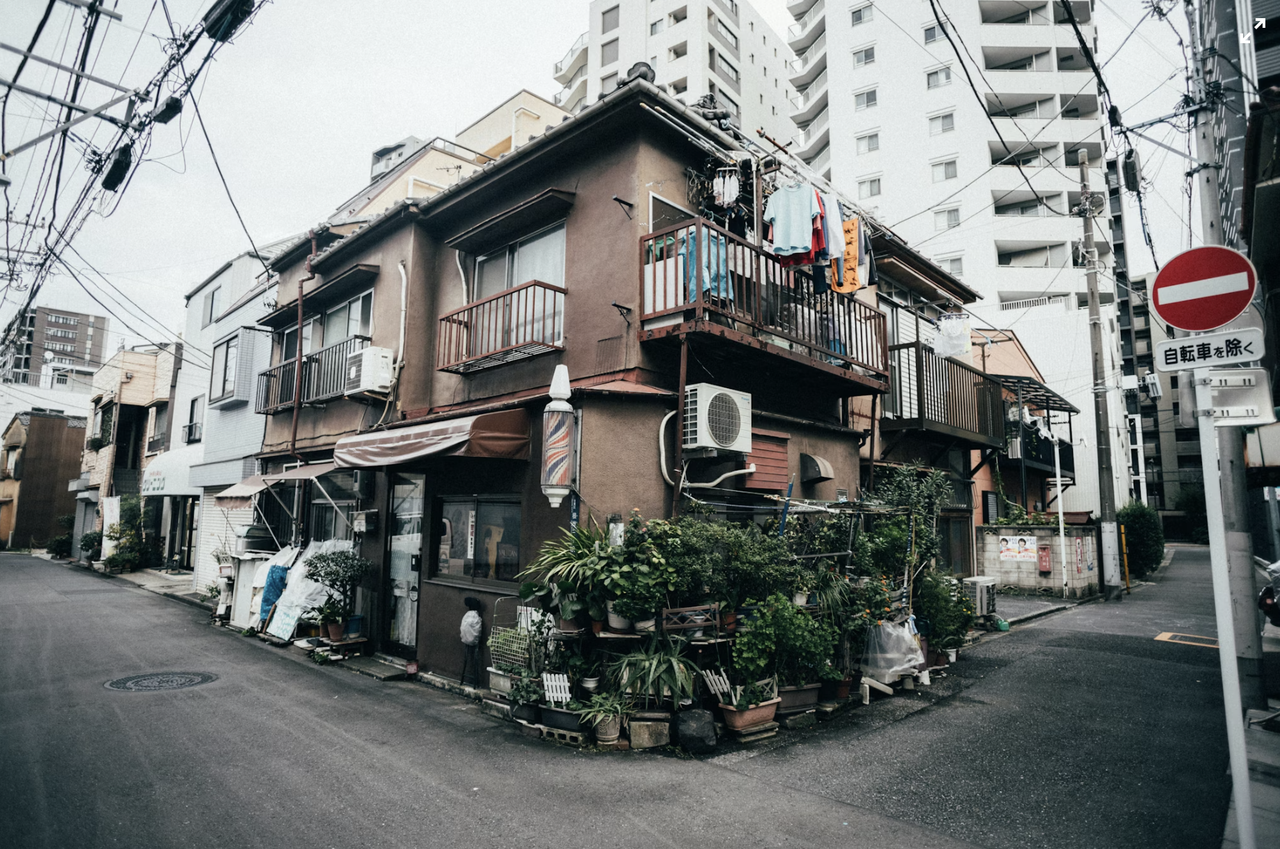
Your monthly outgoings will fluctuate based on your location. Renting a room near the Yamanote Line in the capital will naturally demand a higher budget than finding a quiet house in a regional prefecture. The table below outlines the estimated monthly expenses for a single person living in a major Japanese city.
| Expense Category | Estimated Monthly Cost |
| Rent | ¥21,666 |
| Food and Groceries | ¥6,120 |
| Public Transport | ¥19,333 |
| Utilities | ¥13,333 |
| Health Care | ¥8,753 |
Average Rent in Japan
Your largest monthly expense is housing. But how much does it cost to live in Japan? The average rent in Japan takes up a significant portion of your budget. The prices to live in Japan heavily depend on your chosen floor plan as shown here.
| Apartment Type | Average Monthly Rent JPY |
| 1 Bedroom Apartment in City Centre | ¥87,417.18 |
| 1 Bedroom Apartment Outside of City Centre | ¥59,417.71 |
| 3 Bedroom Apartment in City Centre | ¥202,391.43 |
| 3 Bedroom Apartment Outside of City Centre | ¥115,072.09 |
Utilities in Japan
Getting your own flat means you are on the hook for setting up the basic utilities. It includes electricity, water and gas cost roughly ¥10000 to ¥16000 per month for a single person. Japanese apartments use individual air conditioning units rather than central heating, so your summer cooling bills will peak around August.
We have broken down the exact monthly utility averages for a single resident below.
| Utility Type | Average Monthly Cost JPY | Peak Season Notes |
| Electricity | ¥5,000 – ¥8,000 | Rises in August and January due to air conditioning |
| Gas | ¥3,000 – ¥5,000 | Higher in winter for hot water heating |
| Water | ¥2,000 – ¥3,000 |
Connectivity
The cost of living in Japan for connectivity is cheap and efficient. Here is a realistic overview of digital connectivity costs. For the mobile phone plan, with Calls and 10GB+ Data is around ¥3864, and the internet may cost ¥5224.44.
| Utility Type | Average Monthly Cost JPY |
| Mobile Phone Plan | ¥3,864.10 |
| Internet | ¥5,224.44 |
Household and entertainment
Fitting out your new apartment can be cheap if you grab all your everyday essential from local chain like Nitori, Don Quijote or the famous 100-yen shops, but the entertainment like fitness club membership or cinema ticket may cost more.
Local discount shops can change how you furnish a flat. Stores like Daiso and Seria sell almost all everyday kitchen tools and cleaning supplies. If you want to experience authentic local culture, visiting a traditional public bath known as a sento requires only a cheap entry fee.
| Item or Service | Average Cost JPY |
| Monthly Fitness Club Membership | ¥8,442 |
| Cinema Ticket (International Release) | ¥2,000 |
| Tennis Court Rental | ¥3,011 |
Groceries and eating out
Buying fresh produce at local supermarkets keeps your grocery budget comfortably low.
Eating out is equally affordable because tipping is non existent. You can buy a delicious bowl of ramen or grab fresh sushi from a conveyor belt restaurant for an cheap price. For quick meals, fast food chains serve filling beef bowls, making cooking at home almost unnecessary for busy single workers.
Furthermore. understanding the different supermarket tiers saves you huge amounts of money. High end stores import foreign luxury goods and charge premium rates. Meanwhile, the budget-focused residents shop at wholesale supermarkets which sell bulk items and frozen goods. The exact grocery prices you will encounter are detailed here.
| Item or Service | Average Cost JPY |
| Rice (5 kg) | ¥4,979 |
| White Bread (1 kg) | ¥524 |
| Milk (1,000 ml) | ¥267 |
| Eggs (10 eggs) | ¥313 |
| Meal at an Inexpensive Restaurant | ¥1,000.00 |
| Meal for Two at a Mid-Range Restaurant (Three Courses, Without Drinks) | ¥6,000.00 |
Shopping
When it comes to everyday shopping, clothing and electronics in Japan are widely available at mid-range prices. Brands like Uniqlo and GU provide basic clothing at low cost.
Electronics are commonly purchased in districts such as Akihabara in Tokyo, where major retailers sell computers, phones, and appliances at competitive prices. And for literally everything else, from random snacks to household gadgets, you simply hit up Don Quijote. Second-hand and vintage clothing stores are common in areas such as Shimokitazawa, especially among younger consumers. You can lower the cost of living in Japan by using these methods.
| Shopping Item | Average Cost JPY |
| Jeans | ¥6,888.71 |
| Summer Dress in a Chain Store | ¥4,555.75 |
| Nike Running Shoes | ¥9,053.40 |
| Men’s Leather Business Shoes | ¥12,395.86 |
Public Transportation
Public transport in Japan is widely used in major cities. The residents rely on trains and buses instead of private cars due to convenience and predictable commuting costs. Most Japanese companies fully reimburse this travel expense for their employees. You simply use a smart card to tap through station gates effortlessly.
| Transport Type | Average Cost JPY |
| One-Way Ticket (Local Transport) | ¥220.00 |
| Monthly Public Transport Pass | ¥8,251.67 |
| Taxi Start | ¥580.00 |
| Mid-Size Car | ¥2,489,742.16 |
Is It Expensive to Live in Japan?
The question of whether it is expensive to live in Japan is a standard concern for anyone considering relocation. In practice, typical Japan living expenses tend to remain noticeably lower when evaluated against the averages in many Western countries. A key factor currently influencing this is the exchange rate. A relatively weaker yen often creates a favorable purchasing environment for expats earning foreign currency. From a budgeting perspective, the local pricing structure generally allows residents to access high-quality food and dependable public infrastructure on a moderate salary, without the financial pressure typically associated with major North American or European cities.
How Much to Live Comfortably in Japan?
You might wonder how much is it to live in Japan without constantly worrying about money. A single professional needs around ¥250,000 to ¥400,000 to live comfortably. This budget easily covers a central apartment, daily transport fresh groceries, and regular weekend outings. Couples generally need a moderately higher average living cost japan budget to maintain a very relaxed lifestyle.
The Most Expensive Places to Live in Japan
1. Tokyo
Tokyo routinely registers as the most expensive city in the country. The baseline cost of living naturally scales up here, primarily driven by accommodation expenses in the central wards. When reviewing the living cost in Japan, Tokyo presents a noticeable premium over regional cities. A single resident looking to rent a standard apartment in the capital should expect monthly housing costs to sit broadly between ¥80,000 and ¥120,000, varying based on the specific ward and building age. Factoring in transit, groceries, and utilities, the total monthly budget for a single person in Tokyo typically consolidates around ¥280,000 to ¥320,000. It requires a more calculated financial approach compared to navigating the rest of the nation.
2. Kyoto
Kyoto is considered the cultural and historical heart of Japan. The rent here is cheaper than Tokyo, which is around ¥50,000 and ¥80,000. However, it is still the most expensive palces to live in Japan becuase of its limits on building heights and restrictions on traditional architecture make the housing supply decrease. For a single person living in Kyoto, you can expect to spend between ¥140,000 to ¥213,000.
The cheapest places to live in Japan
1. Tottori
Tottori, Japan’s least populated prefecture, is known for its vast coastal sand dunes, strong manga and pop culture connections, and seafood. The average monthly living expense for one person in Tottori is approximately ¥130,000 to ¥180,000 depending on lifestyle and accommodation choices. The rent here for a single person is cheap, which around ¥35,000 to ¥50,000. It is one of the most affordable palces in Japan.
2. Shimane
Shimane, located along the Sea of Japan coast in western Honshu, is Japan’s second least-populated prefecture. The average monthly living cost in Shimane typically ranges between ¥130,000 and ¥170,000 per month, depending on lifestyle and housing choices. For a single resident live in Shimane, the cost of housing is around ¥30,000 and ¥60,000. It is consistently ranking around 40th and 42nd prefectures in Japan.
Living as a student in Tokyo
International students face a unique set of challenges in the capital. The cost of living in Japan per month for a student around ¥100,000 to ¥150,000 and if you use student discounts and cook at home will spend less. What is the cost of living in Japan for learners heavily depends on finding the right housing. According to the cost of student accommodation in Tokyo on uhomes.com, it is around ¥30,000 to ¥130,000+, check the table below!
| Student Acoomodation Type | Average Cost Per Month |
| Shared Houses | ¥30,000 to ¥60,000 |
| University or Private Dormitories | ¥50,000 to ¥130,000 |
| Private Student Apartments | ¥50,000 to ¥90,000 |
| Standard Private Apartments | ¥70,000 to ¥120,000+ |
How uhomes.com help you find student housing in Japan?
Structuring your housing costs in Japan is the most critical step in controlling your monthly outgoings. Traditional Japanese rental procedures, which often invovle local guarantor companies and complex initial fee structures. It can be an inefficient process for new arrivals. However, utilizing a target platform like uhomes.com can remove this friction. It provides direct access to furnished rooms tailored directly for international arrivals.
Conclusion
Understanding the true cost of living in Japan allows you to build a comfortable and sustainable life abroad. The financial anxiety associated with international relocation disappears once you learn how local transport cards supermarket tiers and rental contracts actually operate. By managing your monthly budget wisely and bypassing hidden housing fees through platforms like uhomes.com you can comfortably enjoy authentic Japanese living
FAQs about Cost of Living in Japan
A single person generally requires ¥160,000 to ¥200,000. It requires a highly reasonable monthly budget to cover rent, food, transport, and utilities. This amount fluctuates depending on whether you live in central Tokyo or a quieter regional city.
Yes, Tokyo ranks as the most expensive city in the country, but it remains surprisingly affordable compared to major Western hubs. If you avoid premium central wards and shop at local discount supermarkets, you can maintain a comfortable lifestyle on a modest salary.
Yes, Osaka operates with an overall cost of living cheaper than Tokyo. Renting an apartment in Osaka yields big amount of savings while still providing access to world-class urban amenities.
Japan remains exceptionally affordable for foreigners, particularly due to the recent weakness of the yen against major Western currencies. The combination of cheap public transport, high quality inexpensive food, and accessible healthcare makes it an good destination for long term living.