


Tokyo vs Osaka: A Quick OverviewOsaka vs Tokyo: Key differencesCultureWeatherLocationFoodShoppingNightlifeSightsDay TripsOsaka vs Tokyo: Which Is the Best City to Stay in JapanWhere to Stay in Osaka for First Time VisitorsWhere to Stay in Tokyo for First Time VisitorsTokyo vs Osaka: Is Osaka Easier to Navigate Than Tokyo?Tokyo vs Osaka: Is Osaka Cheaper Than Tokyo?How far is Osaka from Tokyo?Is Osaka a Good Base for Visiting Kyoto and Nara?How Many Days Do You Need in Osaka and Tokyo?Final Thoughts about Osaka and TokyoFAQs about Osaka vs Tokyo
Is Osaka the Best Base for Your First Trip to Japan?
Toggle #2
Which is better Osaka or Tokyo for tourists?
Is It Better to Visit Tokyo or Osaka First?
Is Tokyo or Osaka better for shopping?
Why is Osaka so different from Tokyo?
Osaka vs Tokyo, which one is better? Tokyo and Osaka offer completely different travel experiences. Tokyo is larger, faster, and more expensive, while Osaka is easier to navigate, cheaper for food and hotels, and better positioned for day trips to Kyoto and Nara. This guide provides a direct comparison of Osaka vs Tokyo.
Tokyo vs Osaka: A Quick Overview
The table below compares Tokyo and Osaka across transport, costs, food, nightlife, and travel convenience.
| Factor | Tokyo | Osaka |
| Cost | More expensive | Cheaper |
| Top thing to do | Anime, high-tech museums,nightlife | food lovers, budget travellers |
| Food | international cuisine | Local street food |
| Size | Massive and complex | easier to navigate |
| Best for | Big city exploration | budget travellers |
| Ideal length of stay | 5 days | 3 days |
Osaka vs Tokyo: Key differences
Determining whether Osaka or Tokyo fits your lifestyle involves analysing specific daily categories.
Culture
The differences between the two cities are tied to their history and local culture. Tokyo, functions as Japan’s highly organised political and financial centre. Tokyo feels more formal and efficient, especially in business districts such as Marunouchi and Shinjuku.
Osaka, on the other hand, has a much older history rooted in commerce and trade. This background gives the city a noticeably warmer and more relaxed atmosphere. Osaka is generally louder, more direct, and more social in public spaces, particularly around Namba and Dotonbori. Many first-time visitors find casual interactions easier in Osaka because the city culture is less reserved than Tokyo.
Weather
Climate wise, both cities share a humid subtropical profile, though you will notice slight variations in the extremes.
Summer is uncomfortable in both cities, but Osaka usually feels hotter and more humid in July and August. Tokyo winters are slightly colder, although snowfall is rare in central areas. Both cities experience a rainy season from June to mid-July, while typhoon disruptions are more common in Osaka between August and September.
Location
Tokyo sits on the eastern coast of Honshu, bordering Tokyo Bay. It acts as the anchor for the Kanto region. Osaka is positioned in the western part of Honshu, near the Seto Inland Sea, serving as the commercial centre of the Kansai region.
Food
The dining scenes in Osaka and Tokyo cater to different budgets and preferences. Tokyo offers far more variety, especially for high end sushi, international dining and Michelin starred restaurants. If you are looking for premium, globally diverse cuisine, from high-end French to traditional omakase, districts like Ginza, Roppongi, and Shibuya offer a variety of top-tier options.
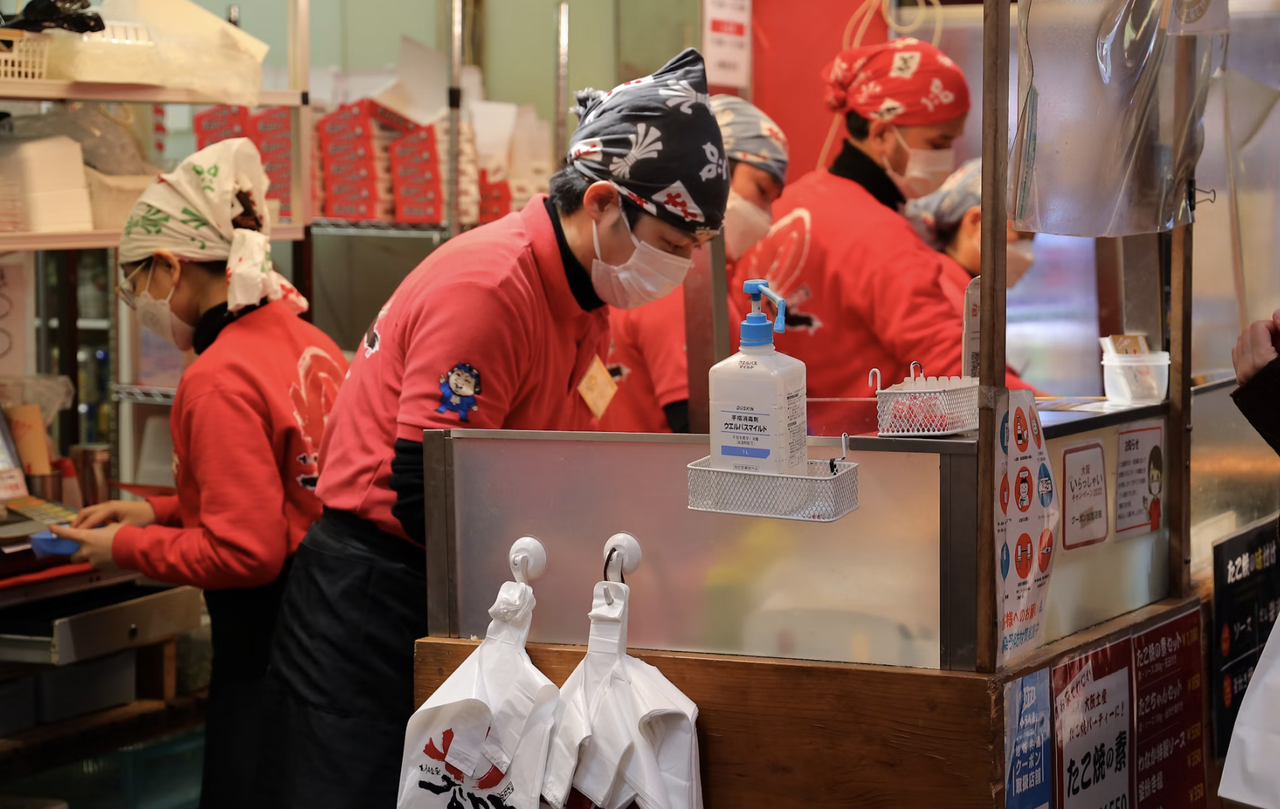
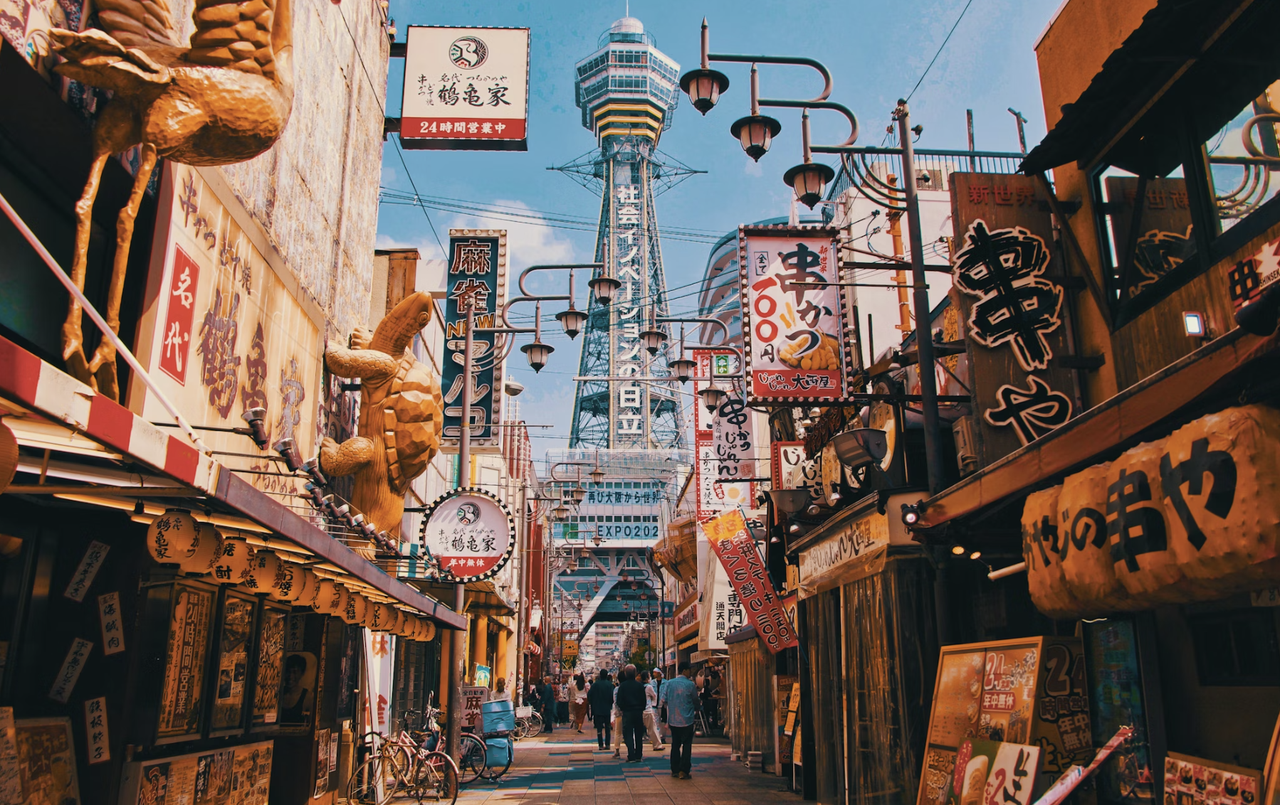
Osaka is better for casual eating and lower daily food costs. Areas such as Dotonbori, Shinsekai, and Tenma are known for affordable local food, including takoyaki, okonomiyaki, and kushikatsu. For anyone wanting to sample a variety of authentic, cheap Japanese food in a single evening, walking through dense restaurant hubs like Dotonbori or Shinsekai is the standard and arguably the best way to experience the city.
Shopping
Retail experiences differ in layout. Tokyo is better for luxury brands, niche fashion, anime goods, and large department stores. It offering luxury flagship stores in Ginza and electronics in Akihabara. Osaka centralises its retail power in the Shinsaibashi covered arcade, and the underground malls of Umeda.
Nightlife
Tokyo nighttime entertainment spreads across multiple distant wards. You will find large corporate clubs in Roppongi, and diverse bars in Shinjuku. Osaka nightlife is more concentrated around Namba, Shinsaibashi, and Umeda, making bar hopping and casual nights out simpler for visitors.
Sights
Tokyo holds modern architectural towers like the Skytree, alongside historic structures like Sensoji Temple. It also offers a wider mix of attractions, including, Meiji Shrine, Akihabara, teamLab exhibition.
Osaka is more compact, with major attractions focused around Universal Studios Japan, Osaka Castle, Dotonbori, and the aquarium at Osaka Bay.
Day Trips
From Tokyo, many travellers venture north to the historic town of Nikko, head south to the seaside atmosphere of Kamakura, or travel west toward the Fuji Five Lakes region.
From Osaka, easy day trips include UNESCO listed Himeji Castle and Kobe, famous for its premium beef culture. You can also travel east to Nara, Japan’s ancient capital known for its temples and free roaming deer.
Osaka vs Tokyo: Which Is the Best City to Stay in Japan
Choosing Osaka or Tokyo depends entirely on your itinerary. Osaka is usually the easier starting point for first-time Japan visitors because hotels, food, and transport are cheaper, while Kyoto, Nara, and Kobe are reachable within an hour. Tokyo works better for travellers who want a massive city experience focused on shopping, nightlife, and different neighbourhood cultures without taking regional day trips.
Where to Stay in Osaka for First Time Visitors
Umeda works best for travellers planning frequent day trip. It is because JR Osaka Station connects directly to Kyoto, Kobe and other Kansai cities. Namba suits visitors who prioritise food, nightlife, and walkability. The palce with Dotonbori, Kuromon Market, and major shopping streets all nearby.
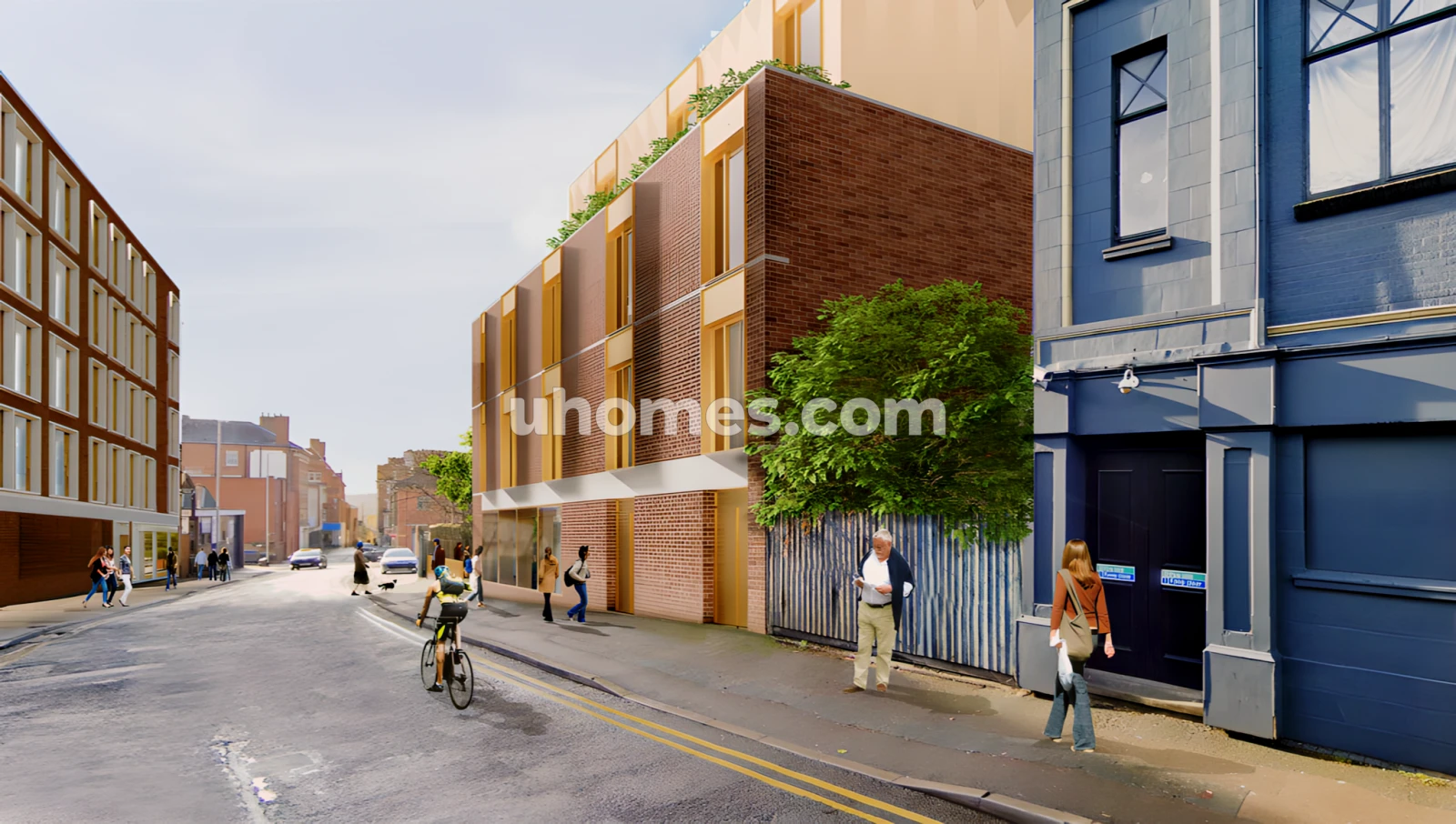
The prices of student accommodation in Osaka rise quickly during peak seasons, many longer stay travellers now compare serviced apartments and furnished short-term rentals instead of standard hotels. Platforms such as uhomes.com make this easier by showing commute times, furnished room options, and flexible stay lengths across areas like Umeda and Namba.
Where to Stay in Tokyo for First Time Visitors
Shinjuku is the most convenient base for first time Tokyo visitors. It is because nearly every major rail line passes through the station. Shibuya feels more fashion-focused and nightlife-oriented, attracting younger travellers who want easy access to shopping, cafés, and late-night dining.
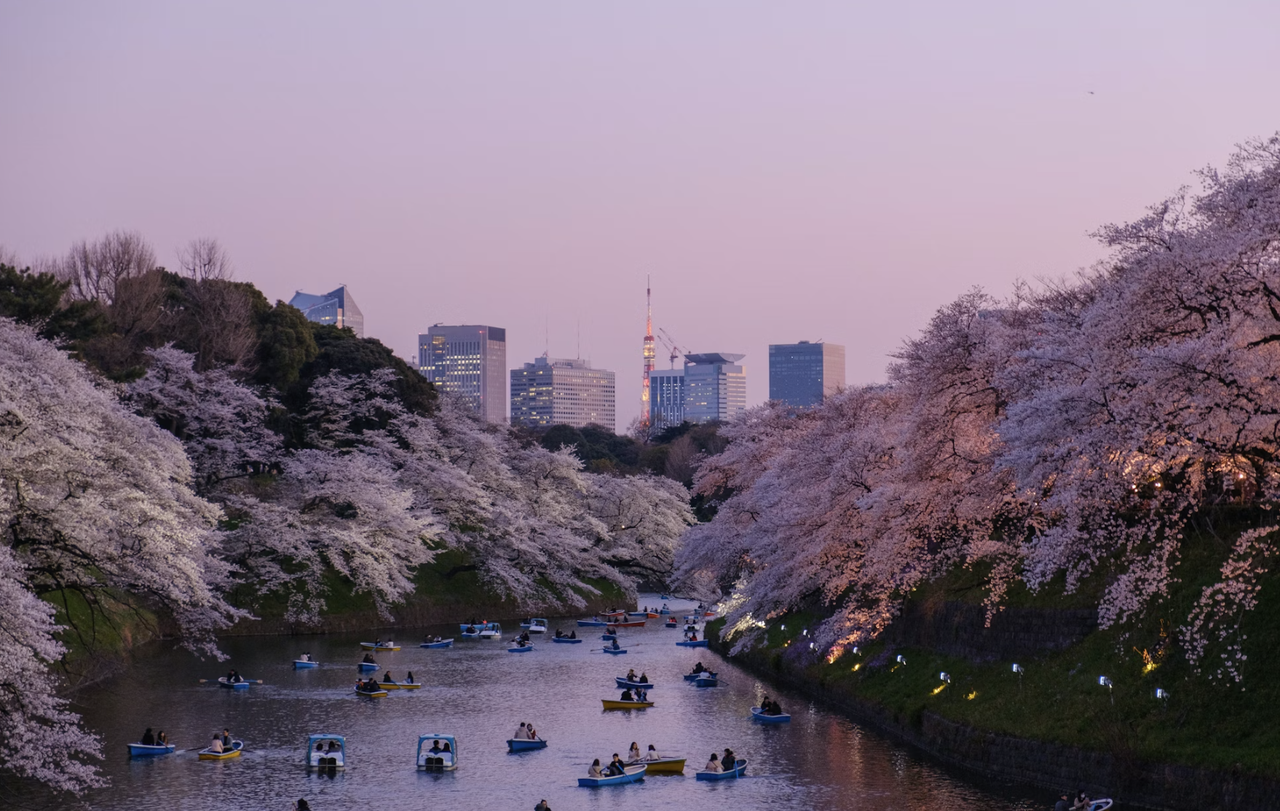
Accommodation costs in both areas in Japan are among the highest, especially during the cherry blossom and autumn travel seasons. Some visitors compare short-term apartments in Tokyo alongside hotels to get more space and kitchen facilities in central locations. Platforms such as uhomes.com are commonly used to browse furnished stays in districts like Shinjuku and Shibuya before arriving in Japan.
Tokyo vs Osaka: Is Osaka Easier to Navigate Than Tokyo?
Yes, Osaka is geographically smaller, and features a much simpler transit layout. The Tokyo transport system integrates dozens of overlapping private rail lines, subway routes, and elevated tracks. Navigating Tokyo requires frequent station transfers and careful map reading, making it more complex for new residents.
Tokyo vs Osaka: Is Osaka Cheaper Than Tokyo?
Yes, everyday living costs and property rentals are noticeably lower in the Kansai region. In central Tokyo, a small one-bedroom apartment in areas such as Shinjuku or Shibuya often costs above ¥180,000 per month. Similar accommodation in central Osaka is usually cheaper, especially around Namba or Umeda. Supermarket goods and local restaurant prices also reflect a ten to fifteen percent decrease when compared to the capital.
How far is Osaka from Tokyo?
Tokyo and Osaka are roughly 500 kilometres apart. The fastest option is the Shinkansen, which takes around 2.5 hours from Shin-Osaka Station to Tokyo Station. Budget travellers often choose overnight buses or domestic flights instead.
Is Osaka a Good Base for Visiting Kyoto and Nara?
One of Osaka’s biggest strengths is its location. It is situated in the heart of the Kansai region. Osaka offers excellent access to some of the country’s most iconic destinations. From Osaka, you can reach Kyoto and Nara in roughly 30 to 40 minutes.
How Many Days Do You Need in Osaka and Tokyo?
Most travellers need at least five days in Tokyo because major districts are spread across the city. You need at least three days to cover the central districts along the Yamanote Line like Shinjuku and Shibuya. Adding two more days allows you to visit cultural sites and electronics retailers.
Osaka is easier to cover in three to four days, especially if you include day trips to Kyoto or Nara. The urban grid is compact and easy to navigate. You can cover the Umeda retail zones and the Namba entertainment areas in two days. You can spend your third day taking a forty minute local train ride on the Kintetsu Nara Line to visit the ancient temples and wild deer in Nara.
Final Thoughts about Osaka and Tokyo
Choosing between Tokyo and Osaka depends on your financial budget and daily priorities. Tokyo provides broad public transport network but requires a higher monthly living cost than Osaka. Osaka delivers an efficient urban environment with lower rent and easy access to historical regions like Kyoto for a smaller financial commitment.
Regardless of which city you select securing your long term accommodation early remains your most important task. You can avoid expensive traditional housing fees and complex guarantor rules by using global platforms like uhomes.com. The website allows you to book furnished rooms with integrated utility bills directly from your home country ensuring a smooth transition into Japanese daily life.
FAQs about Osaka vs Tokyo
Is Osaka the Best Base for Your First Trip to Japan?
For travellers planning to visit multiple Kansai cities, Osaka is usually the more practical base. Accommodation costs are lower than Tokyo, and regional train connections to Kyoto, Kobe, and Nara are fast and inexpensive. However, travellers mainly interested in shopping, anime culture, luxury dining, or Tokyo’s large-scale city atmosphere may still prefer staying in Tokyo first.
Toggle #2
Lorem ipsum dolor sit amet, consectetur adipiscing elit. Ut elit tellus, luctus nec ullamcorper mattis, pulvinar dapibus leo.
Which is better Osaka or Tokyo for tourists?
Tokyo offers variety regarding niche shopping districts and global museums. Osaka serves tourists better if they want to focus on street food culture, and taking short train rides to nearby historical capitals like Kyoto and Nara.
Is It Better to Visit Tokyo or Osaka First?
Visiting Tokyo first introduces you to the most extensive transit network and the largest retail centres. Visiting Osaka first provides a gentler introduction to Japanese urban life, due to its compact layout and lower prices.
Is Tokyo or Osaka better for shopping?
Tokyo features options for high fashion, independent designers, and specific electronics across districts like Harajuku and Akihabara. Osaka excels in dense, affordable retail within the continuous Shinsaibashi covered shopping arcade.
Why is Osaka so different from Tokyo?
The divergence stems from historical economics. Tokyo evolved as the political capital, establishing a formal government culture. Osaka developed as a merchant city, fostering a culture based on direct trading, practical communication, and food appreciation.