



Average Monthly Cost of Living in Birmingham
Birmingham Cost of Living Summary Table
To help you plan effectively, the table below breaks down monthly living expenses in Birmingham based on three common student lifestyle tiers:
| Monthly expense | Careful student budget | More flexible student budget | What this assumes |
|---|---|---|---|
| Accommodation | £465 to £700 | £700 to £870 | Shared room or en-suite with bills included |
| Food and groceries | £180 to £220 | £220 to £300 | Mostly home cooking, with some meals out |
| Local transport | £0 to £35 | £35 to £70 | Walking or cycling compared with regular travel |
| Laundry, mobile and personal care | £35 to £65 | £65 to £100 | Mobile plan, laundry and toiletries |
| Course, social and leisure spending | £120 to £200 | £200 to £300 | Books, gym, cafés, cinema and nights out |
| Estimated total | £800 to £1,220 | £1,220 to £1,600 | Excludes tuition, flights and move-in costs |
Birmingham Cost of Living Calculator
To get a personalised estimate tailored to your personal preferences and university duration, use our interactive Birmingham Cost of Living Calculator below. Simply adjust the sliders for accommodation, food, transport, and personal expenses to see your projected weekly, monthly, and full-academic-year expenditure.
Your weekly costs
Use the contract length on your offer. Add summer costs separately if needed.
An en-suite room often includes bills, but check the listing terms and any fair-use limit.
How Much is Tuition Fee in Birmingham?
Tuition fees in Birmingham start at up to £9,790 a year for eligible home undergraduate students in 2026/27, while international and postgraduate fees vary by university and course. The exact fee depends on your fee status, subject, study level and whether your course includes a placement or professional training year. Use the university’s course page and your offer letter as the final source.
| University | Home Undergraduate 2026/27 | International Undergraduate Examples | International Postgraduate Examples | Notes |
|---|---|---|---|---|
| University of Birmingham | £9,790 | Classroom around £26,400, Laboratory and STEM higher | International Business MSc £17,460 | Fees usually fixed. Check placement and specialist costs. |
| Aston University | £9,790 | BSc Computer Science £22,575 | MSc Data Science and AI £24,800 | Placement year typically £1,250. Check scholarships. |
| Birmingham City University | £9,790 | Standard courses £18,570, e.g. BSc Computer Science with AI | Taught postgraduate around £18,970 | Specialist courses such as Music and Acting are higher. Check Fees page. |
| University College Birmingham | £9,790 | Band 1 £16,500, Band 3 £19,750, Accelerated £19,000, Online £6,950 | Band 1 £17,500, Band 3 £20,750, MBA £17,000 | Fees fixed. Confirm band on course page. |
How Much is Student Accommodation in Birmingham?
Cost of Different Types of Student Housing
A shared private house usually has the lowest base rent, while a studio offers the most privacy at the highest price. A house in multiple occupation, or HMO, is a shared rented house with several tenants. Purpose-built student accommodation, or PBSA, is a student residence designed for students, usually with shared kitchens, study areas and on-site services.
- Private room in an HMO: The University of Birmingham uses £110 a week as a private-house rent example. You normally share the kitchen and bathroom, and you may need to arrange and split bills yourself. It has the lowest base rent in the examples below, but the advertised rent does not include all household costs.
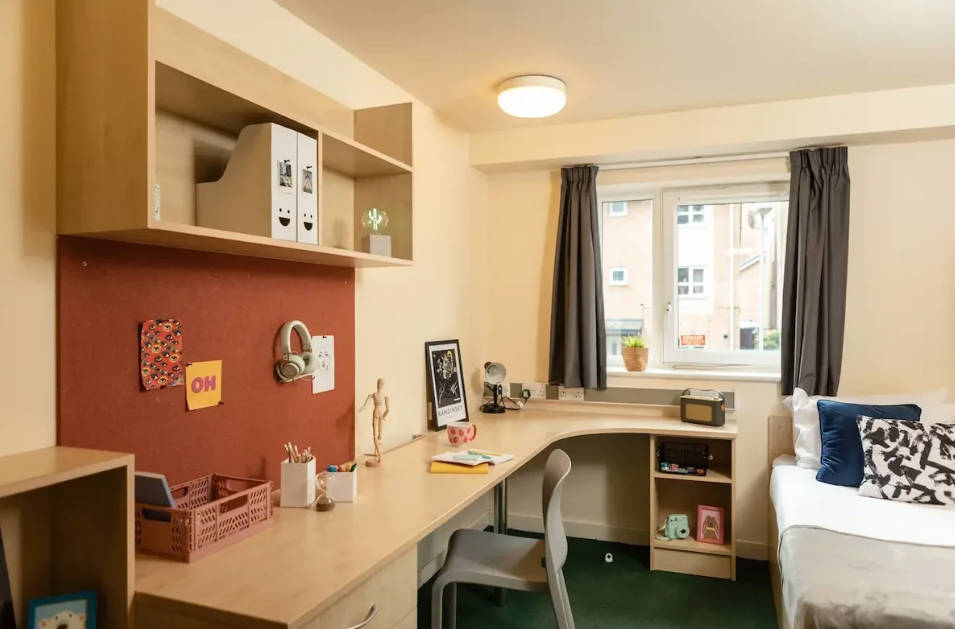
- Shared-bathroom hall or PBSA room: Maple Bank is £107 a week for an undergraduate 42-week contract in 2026/27. You have a private bedroom but share bathroom and kitchen facilities. Bills are included in the university accommodation fee.
- En-suite room: Queen’s Hospital Close is listed by BCU at £157 a week for a 43-week contract with bills included. You have a private bathroom and share the kitchen and social space with flatmates.
- Studio: The University of Birmingham lists studios from £250 to £321 a week in 2026/27 accommodation. A studio offers a private kitchen and bathroom, but its weekly rent is substantially higher than a shared room.
| Housing type | Official 2026/27 example | Bills | Best for |
|---|---|---|---|
| Private shared house | £110 a week base rent | Usually separate | Students sharing with friends and managing their own bills |
| Shared-bathroom hall | £107 to £149 a week | Included in the named university examples | Lowest fixed accommodation cost |
| En-suite room | £157 to £230 a week | Included in the named university and partner examples | Private bathroom with a shared kitchen |
| Studio | £250 to £321 a week | Included in the named university examples | Privacy and independent living |
Utility Costs: Bills, Internet & Mobile Expenses
| Cost item | Private HMO planning estimate | Bill-inclusive PBSA | What to check |
|---|---|---|---|
| Gas and electricity | About £56 a month | Usually included | Heating use and any fair-use limit |
| Water | About £17 a month | Usually included | Whether the contract names water as included |
| Broadband | About £22 a month | Often included | Wi-Fi speed and coverage in your room |
| Mobile plan | About £9 to £16 a month | Usually separate | Data allowance and international calls |
| Non-rent total | About £104 a month | Mobile plan usually remains separate | Read the tenancy agreement before booking |
By booking your student accommodation through uhomes.com, you can eliminate these unpredictable monthly utility costs entirely. All verified PBSA listings on our platform feature all-inclusive rent, enabling you to save over £100 per month compared to private HMO rentals. Backed by a 4.9/5 Trustpilot rating, 24/7 dedicated support, and transparent price guarantees, uhomes.com ensures a stress-free transition to student life in Birmingham.
Affordable Birmingham Student Apartments
The most affordable Birmingham student accommodation is usually a shared-bathroom room or an entry-level en-suite with bills included. The five options below are usually the most affordable and cost-effective student housing in Birmingham. Availability and prices can change quickly, so treat them as starting points for comparison rather than guaranteed offers.
- Belgrave View: Mezzino Student Living operates Belgrave View at 1 Belgrave Middleway. Official 2026/27 en-suite prices run from £119 to £181 a week, with utility bills included under a fair-use agreement. The property also has a gym, study space, laundry, Wi-Fi and 24/7 security.
- Maple Bank: Maple Bank is University of Birmingham accommodation in The Vale Village. A shared-bathroom undergraduate room is £107 a week for a 42-week contract, with Wi-Fi, utility bills and contents insurance included. This is the lowest published university accommodation price in the examples used here.
- Bagot Street: Collegiate Living operates Bagot Street at 2 Bagot Street. It offers en-suite rooms and studios with all-inclusive bills, Wi-Fi, study areas, a gym and a cinema room. Current rent on uhomes.com starts from £114/week.
- Canvas The Heights: Canvas The Heights is at 30 Staniforth Street near Aston University and BCU’s City Centre Campus. The 2026/27 rents for Gold en-suite rooms start from £124 a week on a 51-week term, with bills included. Shorter terms cost more per week, so compare the full contract total.
- Queen’s Hospital Close: Queen’s Hospital Close is a Host-managed BCU accommodation partner in Bath Row. BCU lists a private en-suite room at £157 a week for a 43-week 2026/27 contract and uhomes.com offer it from £127/week, including bills. It is about a 20-minute walk from City South Campus.
How Much Does Food & Groceries Cost in Birmingham?
A student who cooks most meals can plan for about £180 to £260 a month for food and groceries in Birmingham. Wise estimates average groceries for one person at £220 a month, while University of Birmingham’s self-catered guide allows £60 a week for food. Eating out and delivery orders sit outside the basic grocery budget.
| Food cost | Typical amount | What it covers |
|---|---|---|
| Groceries for mostly home cooking | £180 to £260 a month | Supermarket food, snacks and basic household cooking items |
| University of Birmingham self-catered food allowance | About £60 a week | Around £260 a month for food |
| Inexpensive restaurant meal | About £15 | One meal, before drinks or delivery charges |
| Cappuccino | About £3.89 | One regular coffee |
| Fast-food meal | About £7 | A standard meal deal or equivalent |
- Shop for the main weekly shop at discount supermarkets, then use local and international stores for specific ingredients.
- Build meals around rice, pasta, oats, potatoes, eggs, beans and frozen vegetables.
- Numbeo lists milk at £1.41 per litre, a dozen eggs at £2.91 and chicken fillets at £6.91 per kilogram in Birmingham.
- Keep meals out in a separate budget. Two £15 meals each week add about £120 to a monthly food budget before drinks and delivery fees.
How Much Does Transport Cost in Birmingham?
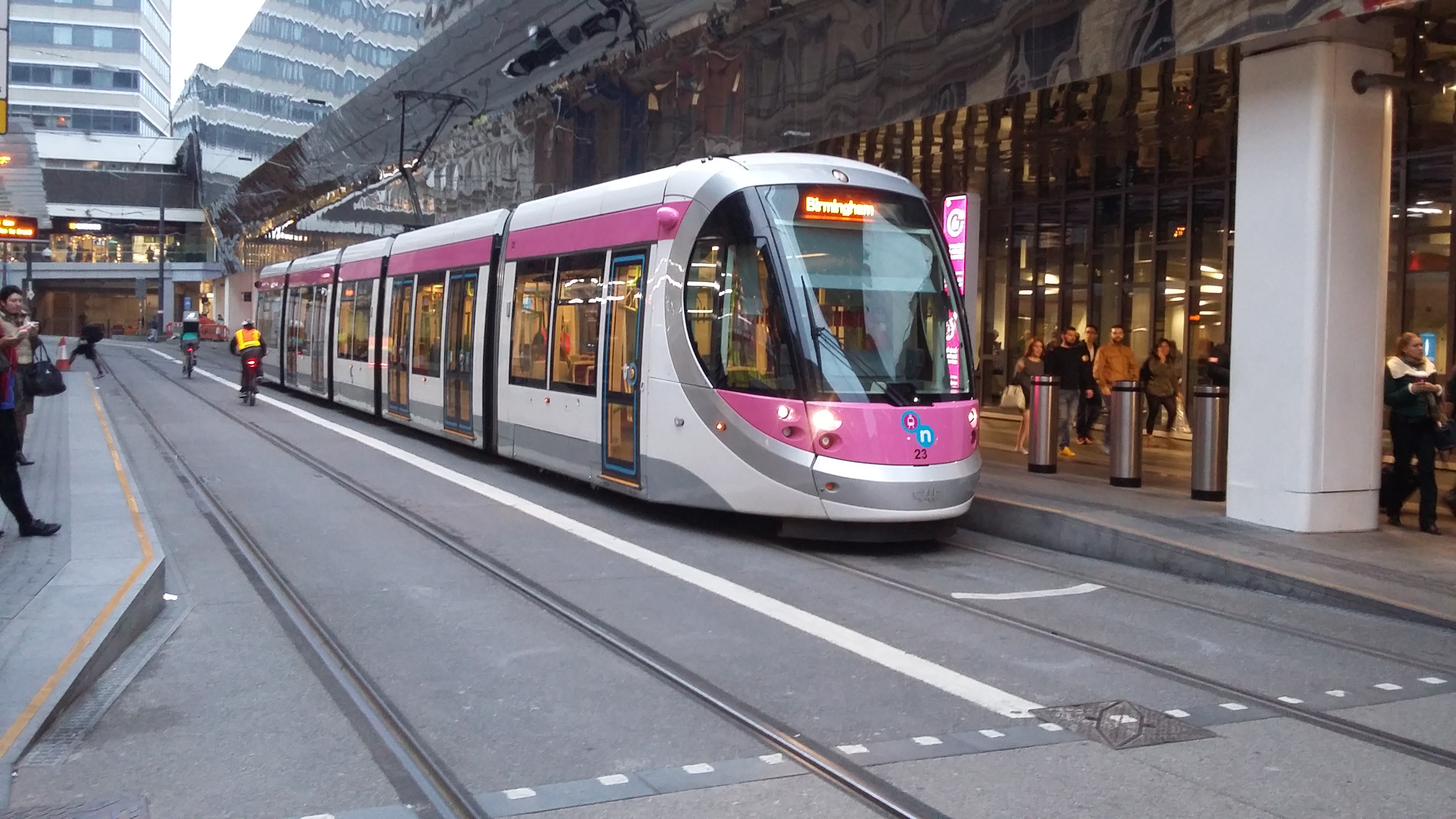
Transport can cost nothing in Birmingham if you live near campus and walk, or about £70 a month if you need a regular public transport pass. Numbeo lists a standard monthly pass at £70 and a one-way local ticket at £3. Check the current student fare with Transport for West Midlands or the operator before buying a pass.
| Transport option | Current reference price | When it makes sense |
|---|---|---|
| Walking or cycling | £0, excluding equipment | Accommodation is close to your campus |
| One-way local ticket | About £3 | Occasional bus or local transport journeys |
| Standard monthly pass | About £70 | Regular travel across the city |
| 16-25 Railcard | £35 for one year | Rail travel outside Birmingham or regular train journeys |
| Taxi or ride-hailing | Variable | Late-night or occasional journeys, not daily commuting |
- Walk or cycle if your accommodation is close to your university campus.
- Compare student, term-time and monthly bus products before paying for regular travel.
- A 16-25 Railcard gives one third off eligible rail travel. Full-time mature students can also qualify.
Miscellaneous Living Expenses in Birmingham
Allow about £120 to £300 a month for social life, fitness, clothing, course costs and other personal spending in addition to regular cost of living in Birmingham UK. Unlike rent, these costs can usually be reduced by changing how often you eat out, use taxis or buy non-essential items.
| Miscellaneous cost | Current reference price | Monthly planning note |
|---|---|---|
| Course costs | About £18 a week in the University of Birmingham example | Around £78 a month, but course requirements vary |
| Gym membership | About £26.89 a month | Check university and accommodation facilities first |
| Cinema ticket | About £12 | Student prices may be lower |
| Clothing and everyday items | Variable | Keep this separate from rent and food |
| Social spending | Variable | Set a weekly limit for cafés, events and nights out |
- University of Birmingham allows £18 a week for course costs in its example. Printing, software, materials and trips vary by course.
- Check university or accommodation fitness facilities before paying for a commercial gym.
- Set a weekly limit for social spending so meals out and entertainment do not come from your grocery budget.
Hidden Costs Often Missed in Birmingham
- Advance rent or deposit: The University of Birmingham lists an advance rent payment or deposit of up to £550 for university or partner accommodation. Its guide also notes that a private accommodation deposit can be up to five weeks’ rent.
- Bedding and arrival items: Budget for sheets, duvet, towels, kitchen basics, cleaning products and a warm coat. University of Birmingham lists bedding packs at £30 for a single bed and £40 for a double bed as an example.
- Laundry: The University of Birmingham allows £7 a week for laundry in its student guide. Check whether a property has an on-site machine and the current price per wash before you move in.
- Council Tax: A household where everyone is a qualifying full-time student does not have to pay Council Tax. If you receive a bill, apply for the exemption. Mixed households may still have a bill or qualify for a discount.
- TV Licence: You need a TV Licence if you watch live TV on any channel or streaming service, or use BBC iPlayer. The current colour TV Licence is £180 a year. On-demand services other than BBC iPlayer do not normally need one.
Tips to Reduce Birmingham UK Cost of Living
The biggest Birmingham savings usually come from choosing the right location and accommodation contract, rather than cutting every small purchase. Rent, bills and travel are linked, so compare them together before you book a room.
- Compare the full contract cost. A £124-a-week room at Canvas The Heights on a 51-week contract can cost more overall than a slightly dearer room on a shorter contract. Check the number of weeks, included bills and summer arrangements, not just the weekly headline price.
- Match your room to your campus. A room at The Vale may work well for University of Birmingham students, while Aston and BCU students may save on buses by living near the City Centre Campus. Students based at BCU City South should compare the rent against the cost of travelling from the city centre every day.
- Check bills before choosing an HMO. A private room at about £110 a week can look cheaper than PBSA, but gas, electricity, water and broadband may be separate. A bill-inclusive room can be easier to budget for, even if its weekly rent is higher.
- Use walking as part of your budget. If you live close to your usual campus, walking can replace much of a monthly bus pass. This is particularly useful for students living around The Vale, Aston, the city centre or Bath Row. Keep a transport budget for rainy days and late journeys rather than assuming every trip will be free.
- Shop for a weekly food budget, not one large monthly shop. Compare Aldi, Lidl and larger supermarkets for staples, then use Birmingham’s city-centre and local international shops for ingredients you cannot find elsewhere. Cooking two or three meals in batches is usually more useful than trying to avoid every coffee or snack.
- Plan city-centre spending before going out. Cafés, restaurants and nights out around the city centre and Digbeth can quickly take more than the £45-a-week personal and social allowance used in the example budget. Set a weekly limit and keep meals out separate from grocery money.
- Use student discounts for planned purchases. Check your Students’ Union, university facilities and the 16-25 Railcard before paying full price for sport, travel or rail trips. A discount only saves money when you were going to buy the item anyway.
- Buy or borrow items locally at the start of term. Second-hand kitchen equipment, course books, lamps and small furniture can often be found through university groups and local resale platforms. This avoids turning move-in costs into a large first-month bill.
Funding Support for Birmingham Students
- Eligible home undergraduate students can check Student Finance England for tuition-fee loans and maintenance loans. A maintenance loan is designed to help with living costs, but the amount depends on personal circumstances and eligibility.
- Universities in Birmingham offer bursaries, scholarships and hardship funds. Check your university’s funding database and student support team for current application dates.
- Some awards are limited to particular courses, household incomes, academic results or groups of students. Do not treat a scholarship as confirmed until the university has awarded it in writing.
- Ask about tuition payment dates, instalment plans, emergency support and help with unexpected costs before you miss a payment.
Part-time Job Opportunities in Birmingham
- From April 2026, the National Living Wage is £12.71 an hour for workers aged 21 and over. The rate for workers aged 18 to 20 is £10.85 an hour.
- Check vacancies through your university careers service, Students’ Union, local employers and the main job websites.
- Students on a visa must follow the work conditions shown on their immigration permission. Other students should still check their employment rights and tax position before starting work.
- Keep your timetable manageable. A job that affects attendance or coursework may not be worth the extra income.
Is Birmingham Affordable for International Students?
Yes, Birmingham is widely recognised as one of the UK’s most cost-effective major student cities. On average, living in Birmingham is about 30% to 40% cheaper than living in London, with the biggest savings in rental accommodation and public transit costs. The comparison table below illustrates Birmingham vs London cost of living:
| Cost comparison | Birmingham | London | Birmingham difference |
|---|---|---|---|
| Single person costs excluding rent | £868.20 a month | £1,061.20 a month | About 19% lower |
| One-bedroom city-centre flat | £1,050.78 a month | £2,155.17 a month | About 51% lower |
| Standard monthly public transport pass | £70 | £172 | About 60% lower |
| Inexpensive restaurant meal | £15 | £20 | About 25% lower |
| Monthly fitness-club membership | £26.89 | £45.32 | About 41% lower |
Conclusion
FAQs on Birmingham England Cost of Living
How much does it cost to live in Birmingham as a student?
The cost of living in Birmingham as a student is usually around £1,000 to £1,600 a month, excluding tuition fees and one-off arrival costs. A very careful budget may be possible from around £800 a month with low-cost accommodation, limited travel and mostly home-cooked meals.
Is Birmingham cheap for students?
Birmingham is reasonably priced for students compared with London, but it is not one of the cheapest cities in the UK. Rent and public transport are usually where students see the biggest savings, while food, socialising and course costs can still add up.
Is Birmingham University expensive?
Is Birmingham University expensive?
Is it cheaper to live in Birmingham than London?
It is generally cheaper to live in Birmingham than London, especially for rent and public transport. Numbeo lists a one-bedroom city-centre flat at £1,050.78 a month in Birmingham compared with £2,155.17 in London, while a standard monthly transport pass is £70 in Birmingham compared with £172 in London.
How much does it cost to rent a house in Birmingham?
Renting a private room in a shared house in Birmingham can cost around £110 a week before separate household bills. The final cost depends on the area, room size, contract length and whether gas, electricity, water and broadband are included.
What is the cheapest type of student accommodation in Birmingham?
The cheapest type of student accommodation in Birmingham is usually a shared-bathroom room or a private room in an HMO. Maple Bank is listed at £107 a week for a shared-bathroom university room in 2026/27, while a private HMO room is shown at about £110 a week before bills.
What is the best accommodation type for international students in Birmingham?
The best accommodation type for international students in Birmingham is often a bill-inclusive en-suite PBSA room because it offers a private bathroom and simpler monthly budgeting. A shared-bathroom room is cheaper, while a studio gives more privacy at a much higher rent, so the right choice depends on budget and lifestyle.
How much do students spend on food and groceries in Birmingham?
Students usually spend about £180 to £260 a month on food and groceries in Birmingham if they cook most meals. Wise estimates average groceries at £220 a month, while the University of Birmingham’s self-catered guide allows about £60 a week, before regular restaurant meals, delivery fees and coffees.
Is public transport in Birmingham affordable for students?
Public transport in Birmingham can be affordable for students, especially when they live close to campus or use a student travel product. Numbeo lists a standard monthly pass at £70 and a one-way local ticket at £3, but walking or cycling can reduce this cost to almost nothing for students living near their university.
Can international students work part-time in Birmingham?
International students can work part-time in Birmingham if their Student visa conditions allow it. Students on eligible degree-level courses can usually work up to 20 hours a week during term time, but the exact limit depends on the conditions attached to their immigration permission.
Is Birmingham a good city for international students?
Birmingham is a good city for international students because it offers several universities, a large student population and lower average living costs than London. Students can usually control their budget by choosing suitable accommodation, living near campus and cooking at home, although tuition fees and rent still vary widely.
Where do most students live in Birmingham?
Many students live in Selly Oak, The Vale, Birmingham city centre, Aston and areas around BCU City South Campus. University of Birmingham students often compare The Vale and Selly Oak, while Aston and BCU students commonly look at city-centre, Aston, Bath Row and nearby accommodation