




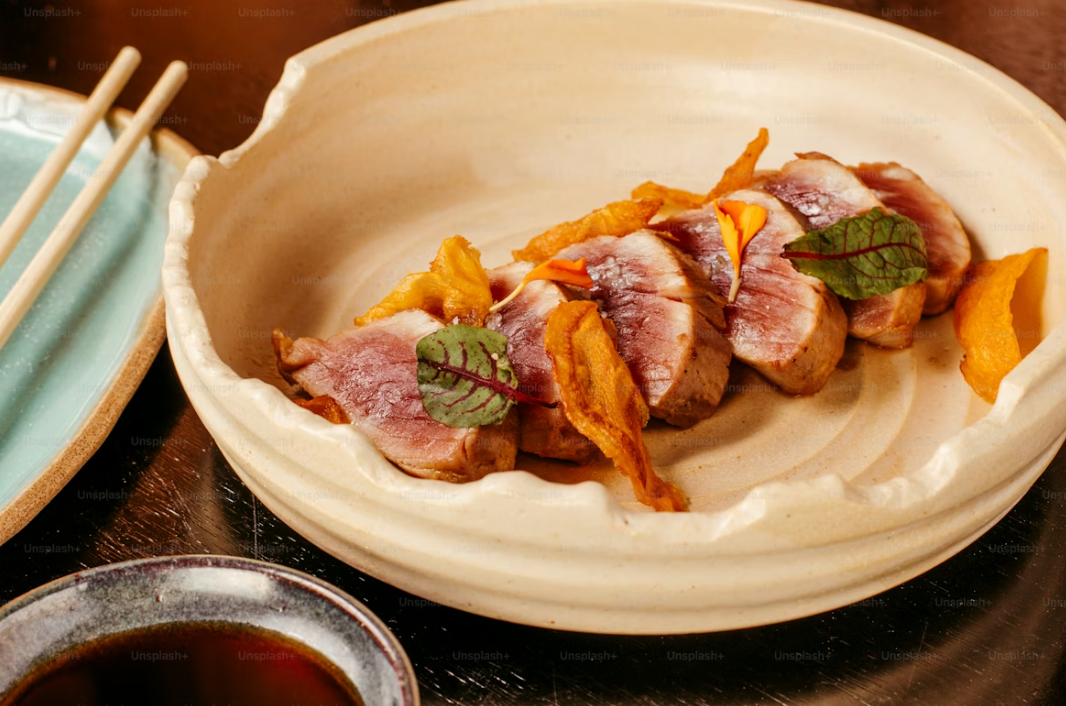
Tokyo isn’t just Japan’s capital — it’s one of the world’s most exciting culinary destinations, where tradition and innovation collide on every corner. With over 500 restaurants listed in the Michelin Guide alone, more than any other city on Earth, Tokyo offers everything from world-class sushi to modern fusion masterpieces and unforgettable casual eats. After way too many hours on food blogs, Google Maps, and The Infatuation—and plenty of messages to Tokyo students for insider tips—we finally put together these 15 best restaurants in Tokyo that are genuinely worth your time.
Best Restaurants in Tokyo
Tokyo is more than just a food city; it’s the most awe-inspiring culinary arena on the planet. Most curated lists of recommended restaurants in Tokyo focus not only on fame, but on long-term quality and local trust.
For travelers who come specifically for food, Tokyo is both paradise and labyrinth. Faced with countless choices, the “best” isn’t just about taste, but also about the depth and breadth of the experience.
This guide isn’t about listing legendary restaurants you’ll never get a reservation at; it’s about providing a workable, balanced list encompassing everything from the pinnacle of fine dining to the soul of street food. We’ve curated 18 must-visit spots that define Tokyo’s culinary landscape, drawing on recommendations from top chefs, reviews from seasoned diners, and discoveries from global food rankings.
Prepare your appetite and your patience (for queuing or making reservations). Welcome to the world’s culinary capital.
Best Restaurant in Tokyo: The Vanguards
These recommended restaurants in Tokyo represent the forefront of Japanese cuisine stepping onto the international stage. They often break traditional boundaries, reinterpreting Japanese ingredients with intensely personal styles, making them sought-after destinations for global gastronomes.
Narisawa
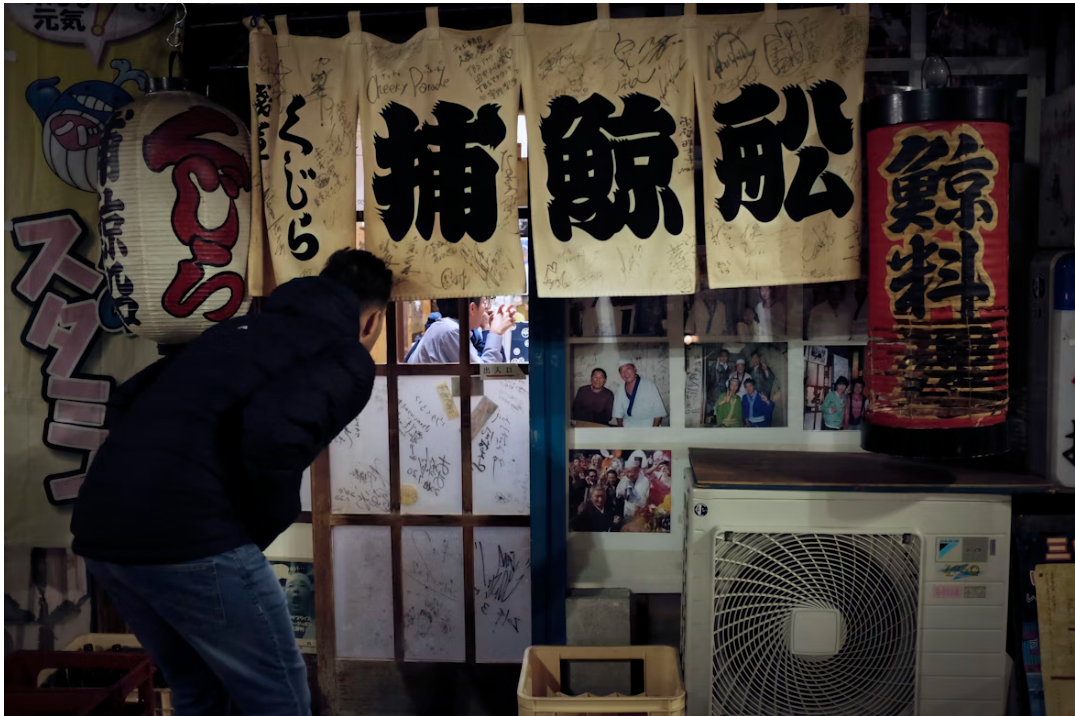
Tokyo’s reputation as home to the best restaurants in Tokyo comes from its rare balance of precision, creativity, and consistency. Narisawa is one of top dining in Tokyo. The main cuisine is Sotoyama cuisine, which symbolizes living off the land, taking what is available in moderation according to the changing seasons, and following the laws of nature. Every dish here is like a miniature ecosystem, utilizing elements of soil, charcoal, forest, and ocean to present a sensory experience that is both primal and exquisitely refined. This is not just a meal; it is an immersive journey into the terroir of Japan.
Address: 2 Chome-6-15 Minamiaoyama, Minato City, Tokyo 107-0062, Japan
Hours: Tuesday – Saturday, Lunch/Dinner (Check specific times)
Average Spend: Lunch ¥38,000+ / Dinner ¥48,000+ (Reservation Required)
Florilège
What sets the best restaurants in Tokyo Japan apart is their deep respect for seasonality and technique. Under the leadership of Chef Hiroyasu Kawate, Florilège showcases a perfect fusion of modern French cuisine and seasonal Japanese ingredients. Following its relocation to the new Azabudai Hills, the restaurant features a grander, theatrical open-kitchen design. Diners sit around a massive counter, watching the chefs cook with ballet-like precision. The dishes here are not only rich in flavor complexity but are also minimalist works of art visually, deeply reflecting ingredient sustainability. Florilège has the best English among most restaurants in Tokyo; every waiter speaks English fluently.
Address: Azabudai Hills Garden Plaza D 2F, 5-10-7 Toranomon, Minato-ku, Tokyo
Hours: Lunch 12:00- / Dinner 18:00- (Irregular holidays)
Average Spend: Lunch ¥15,000+ / Dinner ¥30,000+ (Reservation Required)
Michelin Star Restaurants Tokyo
Tokyo holds more Michelin-starred restaurants than any other city on earth. The diversity of Michelin star restaurants Tokyo is unmatched, ranging from intimate sushi counters to refined kaiseki dining rooms. Here, “star chasing” is not just about luxury; it is about witnessing the “Shokunin spirit”—the dedication to honing a craft down to the millimeter.
Sushi Yoshitake
Ginza – 3 Michelin Stars
To experience the pinnacle of Edo-mae sushi, Masahiro Yoshitake’s counter is an ultimate pilgrimage site. There are no superfluous movements here; everything is for the sake of that one perfect piece of sushi. Chef Yoshitake is renowned for his shari (sushi rice) seasoned with Akazu (red vinegar), balancing the rice’s acidity and temperature perfectly with the fat content of each fish. His iconic abalone served with its own liver sauce is rich and profound—a flavor that haunts the dreams of countless diners.
Address: Brown Place 9F, 7-8-13 Ginza, Chuo-ku, Tokyo
Hours: Monday – Saturday, Dinner (Two seating rounds: 18:00 / 20:30)
Average Spend: ¥50,000+ (Reservation Only)
RyuGin
Hibiya – 3 Michelin Stars
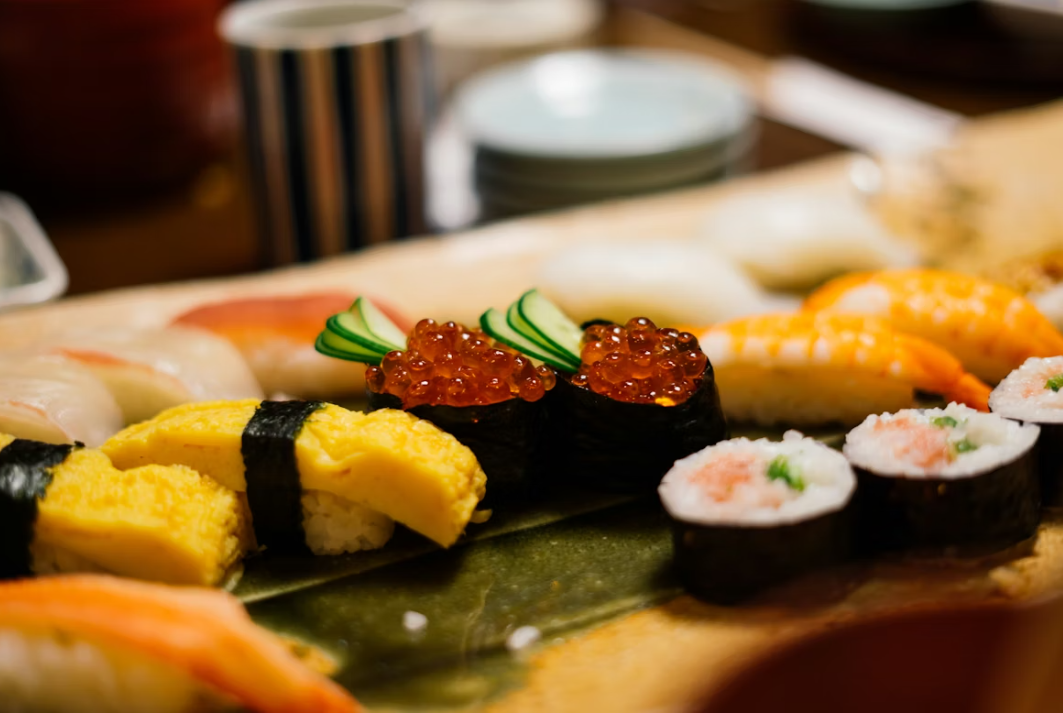
Chef Seiji Yamamoto is a revolutionary of modern Kaiseki cuisine. RyuGin utilizes cutting-edge culinary science to explore and intensify the most authentic seasonal flavors of Japanese ingredients. The menu here is like a grand epic of Japan’s four seasons, challenging the limits of the senses, from vibrant ayu (sweetfish) in summer to deep, earthy matsutake mushrooms in autumn. The tableware and plating are as breathtaking as the food itself—true works of art.
- Address: Tokyo Midtown Hibiya 7F, 1-1-2 Yurakucho, Chiyoda-ku, Tokyo
Hours: Dinner 17:30-23:00 (Irregular holidays)
Average Spend: ¥44,000+ (Service charge extra; Reservation Only)
L'Effervescence
Nishiazabu – 3 Michelin Stars
The range of restaurants in Tokyo Japan reflects decades of culinary evolution and global influence. This is a French restaurant with a Japanese soul. Chef Shinobu Namae is deeply influenced by nature and sustainability concepts, and his culinary philosophy is profound and poetic. The restaurant’s famous signature dish—a turnip slow-cooked for four hours—is simple yet shocking, perfectly interpreting how to turn the humblest ingredient into gold. The dining experience here is like a meditation, with every detail of the service flow meticulously designed so you feel deeply cared for and calm.
Address: 2-26-4 Nishiazabu, Minato-ku, Tokyo
Hours: Lunch (Fri-Sun) / Dinner (Tue-Sun)
Average Spend: Lunch ¥22,000 / Dinner ¥36,000 (Reservation Required)
Best Restaurants in Tokyo Japan: Masters of One Dish
The most fascinating aspect of Tokyo lies in those shops that have focused solely on perfecting a single type of food for decades. Here, specialization is pushed to the extreme.
Kagurazaka Ishikawa
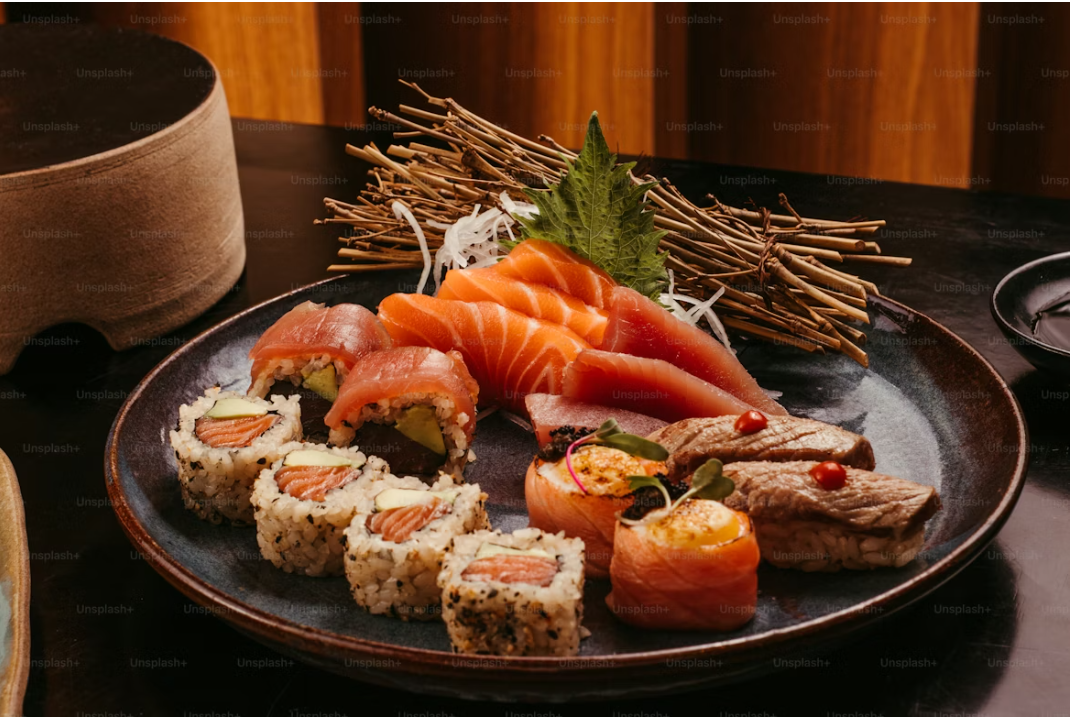
If you wish to experience the benchmark of traditional Japanese Omotenashi (hospitality), Ishikawa is the perfect choice. There are no flashy gimmicks, only an almost reverent respect for seasonal ingredients. Before the tranquil cypress counter, you will experience the true essence of Kaiseki: presenting the innate flavor of the food at the perfect temperature and in its most perfect state.
Address: Takamura Bldg 1F, 5-37 Kagurazaka, Shinjuku-ku, Tokyo
Hours: Monday – Saturday, Dinner 17:30-24:00
Average Spend: ¥30,000+ (Reservation Required)
Tempura Kondo
Forget the greasy batter you’ve had before. With Master Fumio Kondo, tempura is the art of steaming—utilizing an extremely thin batter to encase the ingredient, instantly “steaming” the vegetables in high-heat oil to lock in moisture and aroma. Kondo is most famous for his vegetable tempura, especially the shockingly thick-cut sweet potato slice—crisp as glass on the outside, yet creamy and sweet inside.
Address: Sakaguchi Bldg 9F, 5-5-13 Ginza, Chuo-ku, Tokyo
Hours: Lunch 12:00- / Dinner 17:00- (Closed Sundays)
Average Spend: Lunch ¥10,000+ / Dinner ¥20,000+ (Reservations Highly Recommended)
Butagumi
There are many places to eat Tonkatsu (fried pork cutlet) in Tokyo, but few combine ambiance and quality like Butagumi. The restaurant is located inside a charming old Japanese house. They select top-tier pork brands from across Japan. The thick-cut pork is fried slowly at a low temperature; the breading stands up golden and crisp, the juices perfectly locked in, resulting in an incredibly tender texture.
Address: 2-24-9 Nishiazabu, Minato-ku, Tokyo
Hours: Lunch 11:30-15:00 / Dinner 18:00-22:30 (Closed Mondays)
Average Spend: Lunch ¥3,000 / Dinner ¥5,000
PST Higashi Azabu
Tokyo might be famous for sushi, but the pizza scene here is seriously underrated. Tokyo is now considered one of the best pizza cities in the world outside of Naples. PST’s chef, Tsubasa Tamaki, created a unique “Japanese Neapolitan Pizza.” His dough is flash-baked in a high-heat wood-fired oven, carrying a distinct smokiness; the crust is thin yet pliable, the rim dotted with charming char marks, and the balance of salt and wheat aroma is just right.
Address: 1-24-6 Higashiazabu, Minato-ku, Tokyo
Hours: Weekday Dinner 17:00-23:00 / Weekend Lunch & Dinner 12:00-22:00
Average Spend: Lunch ¥3,000 / Dinner ¥6,000 (Reservation Recommended)
Yoroniku (よろにく)
This is not just Yakiniku (grilled meat); this is total Wagyu worship. Yoroniku redefined the high-end Japanese BBQ experience. Attendants serve you throughout the meal, grilling different cuts of top-tier Wagyu to the precise second. From melt-in-your-mouth raw beef tartare to fatty rare cuts, and finally the sliced meat wrapped in egg yolk, it is a feast for carnivores.
Address: Luna Rossa B1F, 6-6-22 Minami Aoyama, Minato-ku, Tokyo
Hours: Dinner 17:00-24:00 (No regular holidays)
Average Spend: ¥15,000 – ¥20,000 (Reservation Only)
Kanda Matsuya (神田まつや)
Stepping into Kanda Matsuya, built in 1925, is like traveling back to the Edo period. This surviving wooden structure is the best place to experience traditional handmade Soba. Ordering cold seiro soba to feel the rustic aroma of the buckwheat and the nodogoshi (the sensation of noodles sliding down the throat) is a compulsory course in experiencing the atmosphere of old Tokyo.
Address: 1-13 Kanda Sudacho, Chiyoda-ku, Tokyo
Hours: Monday – Saturday 11:00-20:00 (Closed Sundays)
Average Spend: ¥1,000 – ¥2,000 (No reservations, queuing required)
Best Restaurants in Tokyo: Noodles & Casual Bites
A Tokyo food tour is incomplete without diving deep into ramen culture and street food. These are the pulsing heartbeat of the city—deliciousness that requires no reservation.
Fu-unji
Beneath the busy streets of Shinjuku, you will find this legendary Tsukemen (dipping noodle) shop. Their signature is a chicken and fish broth so rich it is nearly creamy, paired with chewy thick noodles. When you dip the noodles into the soup, the explosion of umami in your mouth is addictive. The owner directs everything efficiently from behind the counter like a rock star.
Address: Hokuto Daiichi Bldg B1F, 2-14-3 Yoyogi, Shibuya-ku, Tokyo
Hours: Lunch 11:00-15:00 / Dinner 17:00-21:00 (Closed Sundays)
Average Spend: ¥1,000 – ¥1,500 (No reservations, queuing required)
Udon Shin
This tiny shop is perhaps one of the craziest queues for udon in Tokyo, for a simple reason: their obsession with the noodles. The noodles are cut and boiled to order, presenting an incredible perfect texture—both soft and extremely chewy. Whether paired with simple soy sauce and a raw egg, or luxurious butter, black pepper, and bacon, it is worth the wait.
Address: 2-20-16 Yoyogi, Shibuya-ku, Tokyo
Hours: Daily 11:00-22:00 (Closes when soup runs out)
Average Spend: ¥1,000 – ¥2,500 (Ticket system for queuing on-site)
AFURI
When you want relief from heavy tonkotsu ramen, AFURI is the perfect refreshing alternative. They are famous for using natural spring water from Mt. Afuri in Kanagawa to brew their broth. The signature Yuzu Shio Ramen has a golden broth with the delicate aroma of yuzu citrus, and fine, smooth noodles, offering a crisp and refined taste. This is also a very friendly option for solo diners.
Address: Grand Suite Harajuku 1F, 3-53-1 Sendagaya, Shibuya-ku, Tokyo
Hours: Daily 11:00-23:00
Average Spend: ¥1,000 – ¥1,500
Loup de mer
If you are willing to queue during lunch hour like local salarymen, this shop offers an extremely healing reward. Their signature is an omelette placed atop dry curry rice. Unlike common western-style egg patties, the eggs here are fluffy as clouds, almost soufflé-like in texture. When the spoon slices open the egg skin, the semi-cooked egg flows slowly over the richly spiced curry rice—a simple yet ultimate satisfaction.
Address: 3-10-7 Uchikanda, Chiyoda-ku, Tokyo
Hours: Monday – Saturday, Lunch 11:30-14:30 / Dinner 17:30-20:30 (Closed Sundays)
Average Spend: Lunch ¥1,500 / Dinner ¥3,000
Kaitenzushi Experience
Do not scoff at conveyor belt sushi just because you’ve experienced Michelin sushi. In Tokyo, this is an experience that is both fun and high-value, and the quality often far exceeds expectations. Watching the dazzling array of choices on the conveyor belt, it is easy to unknowingly eat over 20 plates. Large chains like “Katsu Midori” are usually reliable choices where you can feast in a relaxed atmosphere.
- Address: Seibu Shibuya Dept. Store 8F, 21-1 Udagawacho, Shibuya-ku, Tokyo
Hours: Daily 11:00-22:00
Average Spend: ¥2,000 – ¥4,000 (Usually requires queuing)
Places to Eat in Tokyo: Essential Experiences
Japanese Konbini (Convenience Stores)
7-Eleven, Lawson, FamilyMart Yes, we have included convenience stores on the must-eat list. Japanese Konbini are miracles of culinary infrastructure. Whether it’s Lawson’s “Devil’s Onigiri,” 7-Eleven’s nearly perfect egg sandwich, or FamilyMart’s famous fried chicken (Famichiki), their quality even surpasses fast-food chains in many countries.
Practical Info: Open 24 hours, located on every corner. Average Spend: ¥500 – ¥1,000.
Depachika
Some of the great places to eat in Tokyo never appear on viral lists, yet remain fully booked. The basement levels of Japanese department stores are food worlds of another dimension. They gather the country’s most famous patisseries, specialty bento shops, and delicatessen counters. This is an excellent place to buy an exquisitely crafted bento box for a picnic in Shinjuku Gyoen.
Practical Info (Isetan Shinjuku): B1F, 3-14-1 Shinjuku, Shinjuku-ku, Tokyo. Hours usually 10:00-20:00.
The Random Izakaya
This final recommendation is not a specific shop, but an experience. In Shinjuku’s “Omoide Yokocho” (Memory Lane) or any alley packed with salarymen, dive randomly into a crowded Izakaya with red lanterns hanging outside. Order a Highball (whiskey soda) and a few skewers of yakitori. This smoky atmosphere often represents the Tokyo night better than any starred restaurant.
Practical Info: Usually open evenings until late night. Average Spend: ¥3,000 – ¥5,000.
How uhomes.com Helps You Find Your Place in Tokyo
Planning your Tokyo adventure—whether for a week of food tourism or years of study—is exciting. But finding the right place to live? That’s the hard part. You need a solid home base to recover from this intense city.
That’s where uhomes.com makes things a lot easier. Whether you’re looking for short-term stays in the city or a long-term Tokyo student housing near major universities, you’ll find options that fit real student life. We support housing searches for students and researchers at top schools like the University of Tokyo and Waseda University student accommodation. And we’re not talking about a tiny handful of listings — uhomes currently offers 3,661 properties across Tokyo, so you’re not stuck choosing between “too expensive” and “too far.”
Forget aimless searching. Our platform lets you filter down to exactly what you need: by price, apartment type, proximity to your school, or even if meals are included. You can target specific areas across the 23 wards (ku), including popular hotspots like Shinjuku, Shibuya, Bunkyo, and Taito. And don’t worry about navigating the Japanese rental market alone. We have local consultants on the ground who speak multiple languages. They know the system and are ready to help you secure your spot.
Conclusion
What makes the best restaurants Tokyo memorable is their consistency, not just hype. A thoughtful list of places to eat in Tokyo, Japan, reflects both tradition and modern innovation. Dining in Tokyo is a journey of self-discovery. Remember: advance planning is half the battle; many renowned restaurants require reservations 1-3 months in advance. Be prepared to queue; top-notch food is worth the wait. Embrace the “Omakase” spirit—give the chef the choice; you’ll often be pleasantly surprised. Finally, cash is king; many old-school restaurants only accept cash.
With this guide in hand and a heart full of awe and anticipation, step into Tokyo’s ever-open culinary theater. Every bite is an encounter with unparalleled flavor.
FAQ
What are the best student-friendly restaurant deals in Tokyo?
Tokyo has tons of affordable food options, even near top-rated restaurants. Many ramen shops, curry spots, and casual eateries offer filling meals for under ¥1,000. Lunch sets (teishoku or lunch specials) at higher-end restaurants are also a great way to eat well for less.
How can I save money on food while eating well in Tokyo?
Focus on lunch instead of dinner, eat at neighborhood spots rather than tourist areas, and don’t skip food halls or casual chains. Tokyo’s quality is so high that even inexpensive places can be excellent.
Are there vegetarian or vegan-friendly restaurants in Tokyo?
Yes. Tokyo’s vegetarian and vegan scene has grown quickly in recent years. You’ll find plant-based ramen, Buddhist-style shojin ryori, and modern vegan cafes, especially in areas like Shibuya, Shimokitazawa, and Asakusa.
Do I need reservations for the best restaurants in Tokyo?
For popular sushi counters and Michelin-listed restaurants, reservations are often required and may need to be made weeks in advance. That said, many incredible local restaurants operate on a walk-in basis.
What foods should I absolutely try on my first trip to Tokyo?
Sushi, ramen, tempura, tonkatsu, yakitori, and Japanese curry are musts. Even trying different styles of the same dish can feel like a new experience in Tokyo.
Is Tokyo really one of the best food cities in the world?
Absolutely. Tokyo offers an unmatched range of dining experiences, from Michelin-starred restaurants to tiny neighborhood counters that perfect a single dish. Few cities deliver this level of quality across every price point.
Do I need to speak Japanese to eat well in Tokyo?
Not at all. While some traditional restaurants are Japanese-only, many best restaurants in Tokyo offer English menus or are accustomed to international guests. A little curiosity and confidence go a long way.
Is it worth splurging on michelin restaurants in Tokyo?
Yes — if there’s one city where fine dining feels justified, it’s Tokyo. Precision, seasonal ingredients, and decades of craftsmanship make even a single splurge meal memorable.