



The cost of living in Japan vs US shows a clear contrast. On average, a single person spends around $1,131 per month in Japan, compared to roughly $2,515 in the US. While salaries in the US can be high, everyday expenses such as rent, groceries, and healthcare quickly add up. In Japan, life often feels more affordable without compromising quality. So, is the cost of living in Japan cheaper than in the US overall? Generally, yes—but the reasons go beyond simple numbers. Before you start planning visas or packing, it’s worth looking at how your income translates into daily life. This guide dives straight into 2026 data on rent, healthcare, transportation, and groceries, showing the overall cost of living in Japan vs. the USA.
Is Japan more expensive than the US?
Average cost of living in Japan vs. the US
Let’s look at the raw numbers. In the United States, a single professional realistically needs to budget anywhere around $2515 a month. That figure wildly fluctuates depending on your state and whether you are forced to shoulder the financial burden of owning a car. In stark contrast, Japan completely undercuts that baseline. Even in massive urban centers like Tokyo or Osaka, a single person can comfortably secure a great lifestyle for roughly $1131 a month.
Category | Cost in Japan | Cost in the US | Which is cheaper? |
Housing | $508 | $1593 | Japan |
Food | $391 | $654 | Japan |
Transportation | ~$133 | ~$101 | US |
Average cost of living | ~$1,131 | ~$2,515 | Japan |
Cost of housing in Japan vs. the US
| Country | Average Rent (Single Person) | Average Rent (Family) |
| United States | ~$1,593 | ~$2,641 |
| Japan | ~$508 | ~$842 |
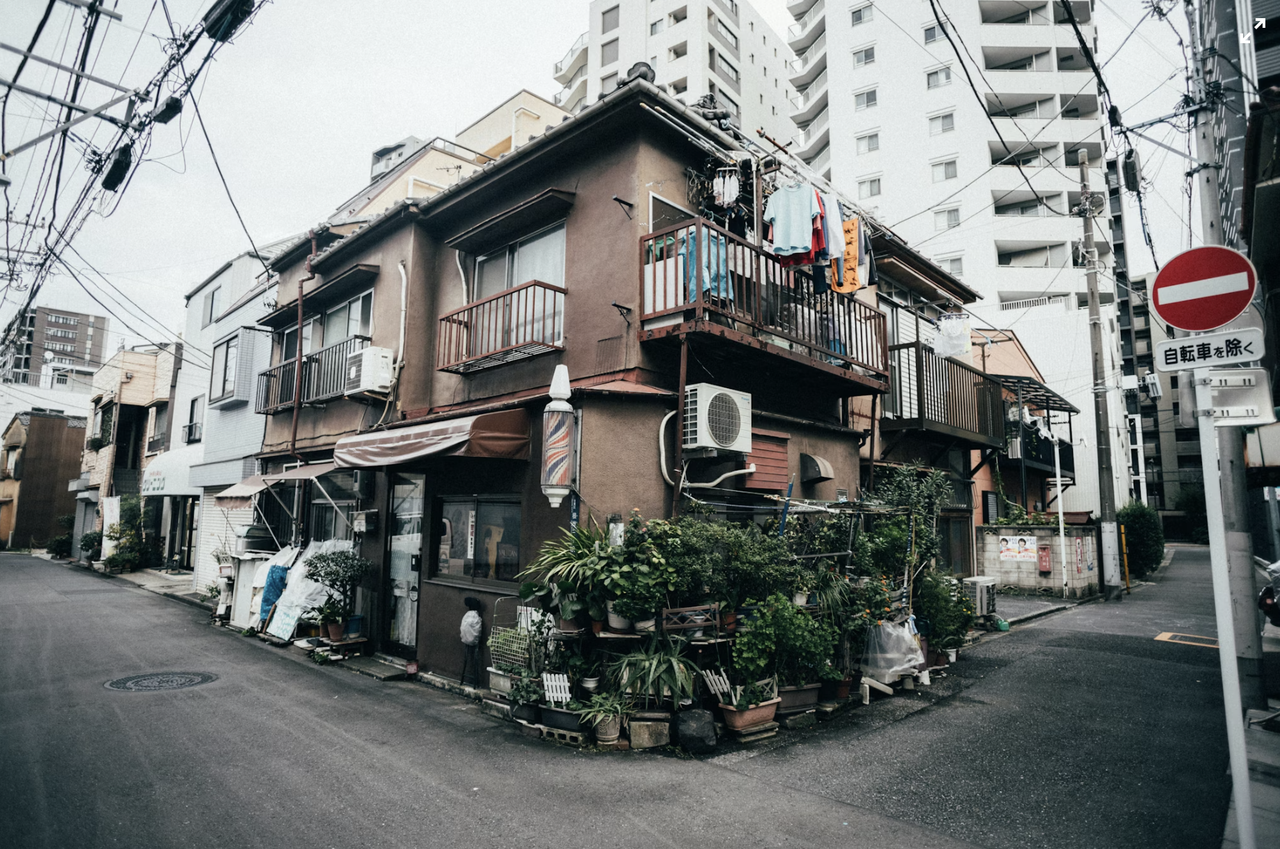
When comparing the cost of living in Japan vs. the US, rent is by far the biggest difference. In most US student cities like Boston, a modern apartment near campus can cost $1,500–$2,000 per month. In Japan, especially in Tokyo or Kyoto, students often find fully furnished apartments for ¥60,000–100,000 ($400–700)—but the trade-off is a more complex rental system with guarantors, key money, and upfront fees that can catch international students off guard.
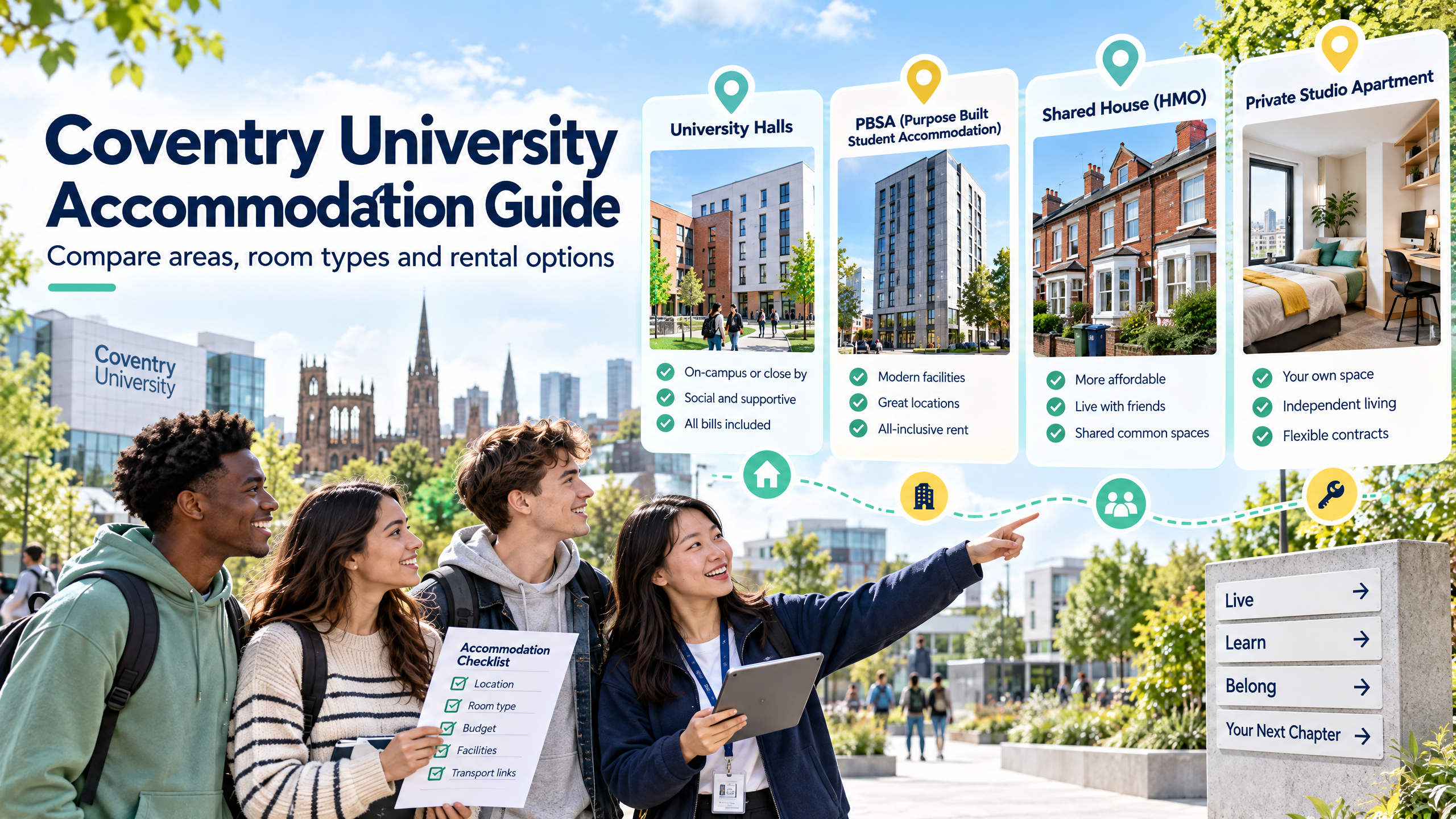
That’s where a student-focused platform like uhomes.com can help bridge the gap, not by comparing every city, but by making sure you actually get the cost advantage in Japan without the hidden fees. Whether you are searching for student housing in Japan or the US, the platform offers a wide range of housing options near universities, helping you save on daily commuting costs. Their online booking, multilingual support, and low price guarantee are especially useful in Japan’s rental market, where language and upfront payments are real cost factors.
So when you run the numbers, lower rent in Japan is real, but only if you can access it easily. Otherwise, the higher but more transparent student rent in the US might feel like less of a headache.
Utilities in Japan vs. The US
| Utility Type (Monthly Average) | United States | Japan |
| Basic Utilities (Electricity, Heating/Gas, Water, Garbage) | $200 – $400+ | $65 – $100 |
Cost of food in Japan vs US
Category | Cost in Japan | Cost in the US | Which is cheaper? |
Milk | $1.43 | $1.06 | US |
Meal for Two at a Mid-Range Restaurant | $37.79 | $76.00 | Japan |
Potatoes | $1.23 | $1.32 | Japan |
Bottled Water | $0.87 | $2.28 | Japan |
Cost of transportation in Japan vs US
| Expense Type | United States | Japan | Key Variables & Notes |
| Car Ownership (Monthly) | $965 – $1,000+ | $150 – $400+ | US cars are a strict survival requirement (payments, insurance, maintenance). |
| Public Transit Pass (Monthly) | ~$101 | ~$133 | Japan’s pass is slightly pricier but completely eliminates the massive $1,000+ US car budget. |
| Overall Logistical Cost | Extremely High | Vastly Cheaper | The total cost of mobility in Japan is significantly lower due to transit efficiency. |
Healthcare in Japan compared to United States
Median Monthly salary after tax in Japan vs. the US
Tax Structures in Japan vs US
Quality of life in Japan vs US
- Culture: The US thrives on individualism, actively encouraging self-expression, direct communication, and standing out from the crowd. Conversely, Japan operates strictly on a collectivist model. The society prioritises social harmony (Wa), extreme politeness, and “reading the room.” Blending in and respecting public rules are non-negotiable expectations in Japan.
- Safety: Japan is universally recognised as one of the safest countries on the planet. Violent crime is exceptionally low, and walking home alone at 2 AM is a standard, anxiety-free reality. In the US, safety is heavily dependent on specific zip codes; the environment can change drastically from one street to the next, requiring a much higher level of situational awareness.
- Commute Time: American commutes generally involve sitting in gridlocked highway traffic, as public transit is severely lacking outside major hubs like New York. In Japan, commuting relies entirely on a flawless, punctual rail network. However, Japanese rush hours are intensely crowded. Your commute in Tokyo will be highly efficient, but you will likely be physically squeezed into a packed train carriage.
- City Density: The US is built on urban sprawl. You get massive suburban homes, wide multi-lane roads, and big backyards. Japan features hyper-dense urban living. Apartments are remarkably compact and tightly packed. However, this density means you are never more than a five-minute walk from a convenience store, an all-night clinic, or a train station.
- Housing Experience: One of the biggest differences is housing itself. Student accommodation in Japan often comes with stricter application requirements, such as guarantors, deposits, and upfront fees like key money, which can make the process feel complex for international students. In contrast, student housing in the US is usually easier to apply for but tends to come with significantly higher rent and utility costs, especially in major cities and university areas.
Who should choose Japan vs US
Conclusion
Understanding the cost of living in Japan vs the US goes beyond just comparing numbers—it’s about how your budget translates into everyday life. Overall, Japan offers more predictable and generally lower monthly expenses, while the US can bring higher costs despite potential for higher income. For anyone planning to live, study, or work abroad, knowing the true cost of living in Japan vs the US helps make informed decisions, plan finances wisely, and find housing that fits both lifestyle and budget.