


Oxford is an ideal destination for international students pursuing their studies in the UK. For newcomers, it is crucial to understand the cost of living in Oxford. In this article, we will provide a comprehensive overview of expenses related to food, education, and accommodation, offering valuable insights into what to anticipate. Join us as we delve into the details of living in Oxford, providing you with a clear understanding of this vibrant city!
Cost of Living in Oxford 2026: Trends
In recent years, the cost of living in Oxford has been gradually rising, and students’ living budgets have become an even more important topic. The latest data shows that tuition fees at the University of Oxford have risen, and prices are approaching those in London. Spending on dining and shopping in Oxford is relatively close to that in London, about 5% lower. However, in terms of transportation, students at the University of Oxford prefer cycling, which can save them £120 per month compared with students in London. This shows that planning a personal budget is essential. Next, we will introduce detailed living expenses to you by category to help you have a general plan for your future life
Education
Entering the 2026-27 academic year, the cost of education at the University of Oxford has undergone significant changes. For students who wish to enroll in 2026, planning the cost of living in Oxford has already become a cornerstone of their future student life. You not only need to know about tuition fees, but also textbook fees and so on. If your budget is not high, you can search for information about financial aid on the university’s official website.
Tuition Fees
The Oxford University cost is similar to that of most UK universities. For undergraduate studies, UK students can expect to pay £9,535 per year for the 2026-27 academic year, while international students can expect to pay between £37,260 and £60,000 annually.
Postgraduate course fees for home students range from £10,000 to £20,000, while overseas students can expect to pay about £37,000 to over £60,000 per year. It’s important to note that these figures are subject to change and additional expenses may apply.
Other Course Expenses
In addition to tuition and application costs, there are other expenses to consider when studying at the University of Oxford. Books and miscellaneous expenses typically range from £35 to £90 per month, covering the costs of books, printing, stationery, and other program-related materials or equipment. Certain programs, such as Engineering or Medical fields, may require additional expenses for specialized equipment or field trips. However, Oxford University offers an extensive library network that allows students to borrow books and academic resources, helping to reduce study costs.

Student Accommodation
Overall, the average monthly rental price for students in 2026 is between £900 and £1,150. (Including water, electricity, and basic service fee). However, the exact cost can vary based on factors such as the type of housing, size, location, and other amenities.
On-Campus Student Halls
The University of Oxford provides on-campus student halls for all undergraduate students during their first year of study and for at least one additional year of their course. Additionally, many colleges can offer accommodation to graduate students as well. The monthly cost for on-campus accommodation typically ranges from £790 to £990. It’s important to note that these costs may vary depending on the specific college and type of accommodation.
Off-Campus Student Accommodation
As a significant portion of Oxford living costs, student accommodation offers a wide range of prices to suit various budgets. On average, rental prices for student accommodations in Oxford range from £175 to £330 per week.
For those seeking more luxurious options, iQ Alice House, and West Way Square offer high-end student accommodation priced at over £400 per week.
Alternatively, The Mews and Dorset House offer more affordable student accommodation in Oxford for less than £210 per week.
Note that some studios may allow double occupancy, but it is important to confirm specific policies and any additional charges directly with the accommodation providers.


Food and Groceries
Students in Oxford typically spend around £300-550 per month for food and groceries. Food and groceries are another significant part of students’ daily living costs in Oxford. It depends on your budget and living habits.
Here are some approximate prices for common food items in Oxford:
- A bottle of water (12 oZ) typically costs around £1.6.
- A large carton of milk (1L) is priced at about £1.34.
- Eggs are available for £3.15 per dozen.
- A head of lettuce generally sells for around £0.92.
- Beef round (1lb) or a similar cut from the back leg can be found for about £5.10.
When it comes to eating out, a combo meal like a McMeal at McDonald’s or a similar fast-food chain typically costs around £8.75. At local restaurants, a budget-friendly meal will cost around £20, although prices can range from £10 to £20 depending on the establishment and your order. For a cup of coffee in Oxford, you can expect to pay approximately £3.8.

Transportation
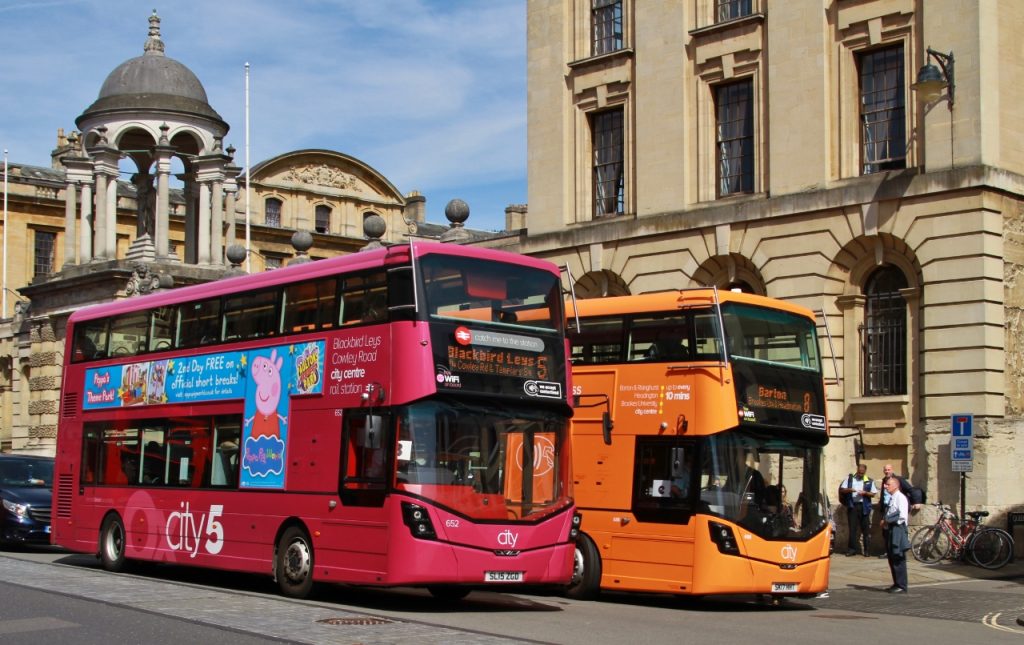
Typically, students in Oxford spend around £80 a month on transport. Transport options in Oxford are varied and convenient. Cycling is popular, with Oxford having the second-highest percentage of people commuting by bike in the UK. The city also offers an efficient and reliable public transport system, including buses and trains. Thames Travel operates shuttle services between the University’s science research sites. As a student, you can actively take advantage of student discounts to save yourself more cost of living in Oxford.
Bus
The One-Way Ticket for Local Transport is £3. If you frequently use Public Transport, you can purchase the Monthly Public Transport Pass, which is typically £82. If you are a student, Oxford Bus Company and Stagecoach offer attractive annual and quarterly packages. You can join the University Bus Pass Scheme and purchase a 13-week or 52-week season pass to enjoy an additional discount of about 10% of the standard fare. In 2026, the commuter fare within the Cityzone area will be £621. If you don’t often take the bus, you can show your University Card to purchase a one-way ticket. The reference price for the 2025/26 academic year is £1.8 per trip.
Train
British Railways are very friendly to students, especially suitable for long-distance travel or trips to and from London. You can purchase a 16-25 Railcard for £35 (for one year) or £80 (for three years) to enjoy a 33% discount. Moreover, the Railcard can be bound to the Oyster Card in London. When you travel in London, you can enjoy a 1/3 discount on the subway and light rail during off-peak hours. Meanwhile, if you need to travel regularly to places like Reading or Banbury, you can enjoy an internal discount of 5% to 8% when purchasing the GWR annual Season Pass.
Bike
Oxford is renowned as the “City of Bicycles” and offers convenient cycling conditions. If you want to own a bicycle during your studies in Oxford, you can show your student ID card at Walton Street Cycles or Warlands to enjoy a discount of about 10% on new bikes and up to 15% on accessories (helmets, locks). The university also frequently holds Dr Bike events, providing free bicycle safety checks and basic maintenance services to everyone (only the cost of parts is required).
Entertainment
Students in Oxford set aside around £50-£130 per month for entertainment expenses. In Oxford, the cost of entertainment varies, catering to different preferences and budgets. Here are some average prices for popular forms of entertainment:
- The average cost of a pint of beer is over £6.75.
- The monthly fee for a fitness club for one adult ranges from £30.
- For a seat at a cinema to watch an international release, the price is around £11.45.
Oxford is renowned for its rich cultural heritage, and exploring the city’s museums is a must for any visitor. The Ashmolean Museum, one of the oldest public museums in the world, offers free admission, allowing art and history enthusiasts to immerse themselves in its vast collection. Similarly, the Pitt Rivers Museum, with its fascinating anthropological exhibits, also offers free entry. For those seeking a grander experience, a visit to Blenheim Palace, the birthplace of Sir Winston Churchill and a masterpiece of Baroque architecture, is a captivating option. The ticket price for Blenheim Palace is £28 per person, granting access to its opulent interiors and stunning gardens.

Cost of Living in Oxford: Conclusion
In conclusion, understanding the cost of living in Oxford is essential for students. By considering accommodation, food, education, and entertainment expenses, students can budget effectively. With proper planning, students can make the most of their time in this historic and inspiring city while managing their finances responsibly.
FAQ
Yes, there may be additional costs such as utility bills (water, electricity, internet), textbooks, course materials, and personal expenses. It’s advisable to budget around £100-£150 per month for these miscellaneous expenses.
Yes, many places in Oxford offer student discounts on various goods and services, including transportation, restaurants, cinemas, and museums. Make sure to carry your student ID and inquire about available discounts.
Yes, there are several options to save on groceries. Shopping at budget-friendly supermarkets, buying in bulk, and utilizing loyalty cards or student discounts can help reduce your food expenses. Additionally, cooking meals at home instead of eating out can also save money.
Yes, the cost of living in Oxford is expensive. The primary root cause is the high cost of housing, although its rents and purchase prices are usually lower than those in London. Food and transportation costs are relatively moderate, but in recent years, as prices have risen, students have increasingly used student discounts.
£2,000 a month can allow a person to lead a modest yet comfortable life in Oxford. But if you rent a house in the city centre, this sum of money will be relatively tight. If you add in daily bills, food, transportation and basic living expenses, £2,000 might be almost gone.
If you want to lead a comfortable life in Oxford, you may need more than 40,000 pounds a year. A couple’s annual goal might be over £60,000 to £70,000.
Yes, living in Oxford is cheaper than in London. The overall expenditure in London is very high. Whether it is public transportation or dining, London spends more than Oxford does. From this, daily life in Oxford is worth the money.