

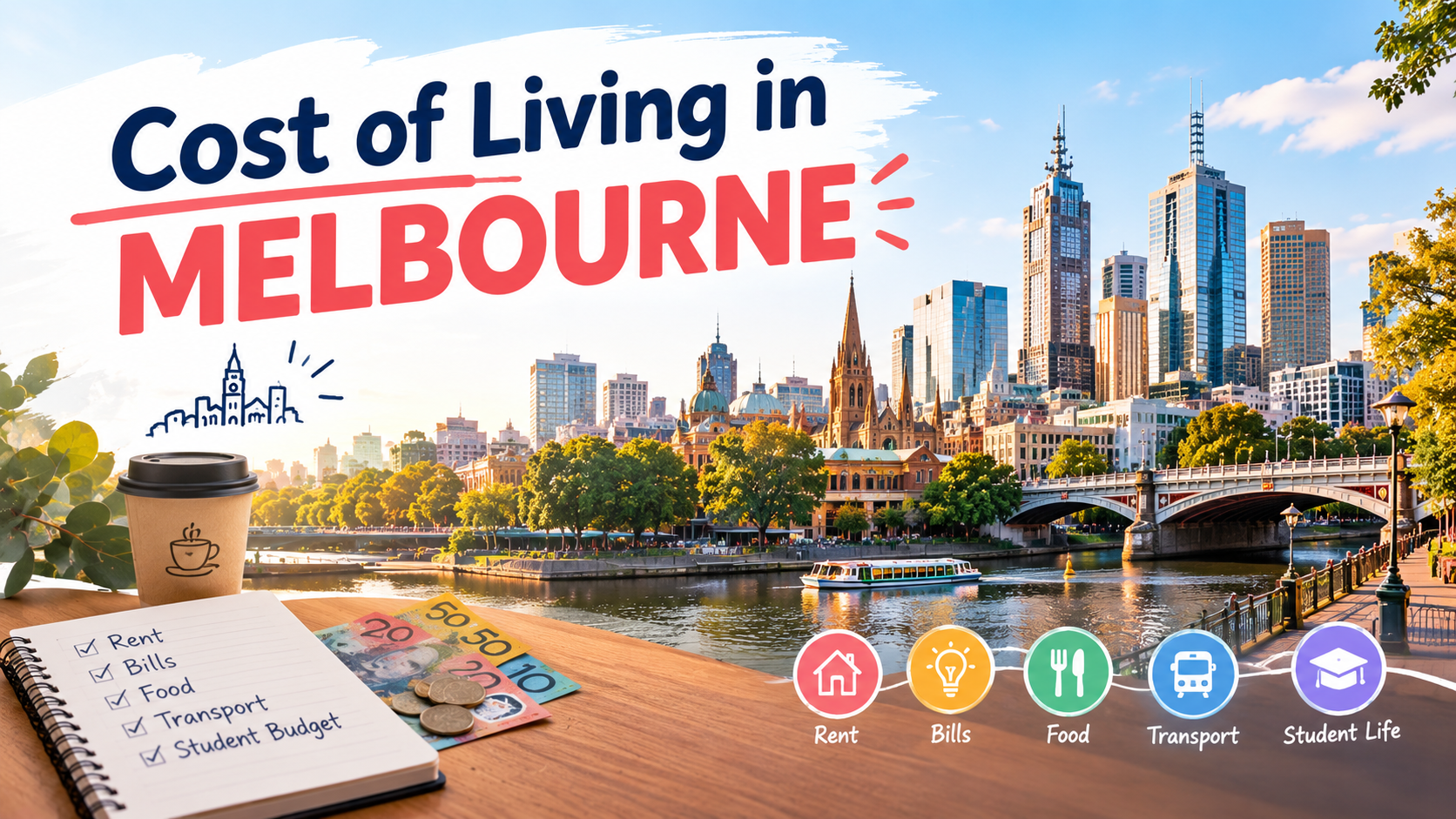
A coffee in a laneway café, a tram ride to the footy and a weekend walk by the bay capture Melbourne’s appeal, but they also prompt a practical question: what is the cost of living in Melbourne? The city offers plenty of ways to enjoy daily life, but the monthly budget can look very different depending on where you live and whether you share a home. That mix of lifestyle and practical trade-offs is part of what makes planning a move to Melbourne worth a closer look. Read on for current cost estimates, local context and budgeting tips to help you work out what the real price of living in Melbourne is.
Living Expenses in Melbourne: Key Takeaways
- Location changes the monthly total: A one-bedroom flat outside central Melbourne brings the estimated single-person budget to about A$3,741 a month, compared with about A$4,201 in the centre.
- Sharing can make rent more manageable: The median weekly rent for a two-bedroom flat across metropolitan Melbourne is A$600, or about A$300 per person when shared equally by two tenants, before bills.
- Family budgets need a larger housing allowance: A family of four renting a three-bedroom flat in Melbourne may spend around A$9,793 to A$11,137 a month overall, depending on location.
- The student budget includes accommodation: Students sharing or using managed housing can plan for about A$1,980 to A$3,380 a month for regular expenses in Melbourne, with tuition and OSHC budgeted separately.
- Transport prices are temporarily lower: Victoria’s half-price public transport offer runs until 1 January 2027, with a full-fare daily cap of A$5.70 during the offer.
- Bills add up beyond rent: A typical 85-square-metre Melbourne apartment has estimated basic utilities of A$332 a month, while broadband is about A$81.
Cost of Living Melbourne at a Glance
The average cost of living in Melbourne is about A$3,741 a month for one person renting a one-bedroom flat outside the city centre, and about A$9,793 for a family of four renting a three-bedroom flat outside the centre.
| Household example in Melbourne | Monthly estimate |
|---|---|
| One person with a one-bedroom flat outside the centre | A$3,741 |
| One person with a one-bedroom flat in the centre | A$4,201 |
| Family of four with a three-bedroom flat outside the centre | A$9,793 |
| Family of four with a three-bedroom flat in the centre | A$11,137 |
A single person renting a one-bedroom flat outside central Melbourne can use the following A$3,741 monthly budget as a practical starting point.
| Spending category | Monthly estimate | What the estimate covers |
|---|---|---|
| Housing | A$2,019 | One-bedroom flat outside the city centre |
| Utilities | A$332 | Basic utilities for an 85 m² apartment |
| Internet | A$81 | Unlimited broadband |
| Mobile phone | A$40 | Calls and at least 10 GB of data |
| Groceries | A$528 | One person’s monthly grocery estimate |
| Public transport | About A$125 | 22 travel days at the temporary A$5.70 daily cap |
| Other everyday spending | About A$616 | Remaining allowance for meals out, clothing, entertainment, healthcare and household items |
| Estimated monthly total | A$3,741 | Rent and day-to-day costs combined |
The A$616 for other everyday spending is an illustrative allowance rather than a separately measured market price. The transport estimate assumes 22 travel days at the temporary daily cap, which is scheduled to end on 1 January 2027.
Use the calculator below to adjust your monthly Melbourne costs and see the estimated total update.
Your monthly costs in Melbourne
Article example: about A$3,741 per month, including rent.
Example assumes 22 travel days at the temporary A$5.70 daily cap.
Phone, meals out, clothing, entertainment and household items.
Planning estimate only. Rent and home bills combines rent, utilities and internet. The transport example uses Victoria’s temporary A$5.70 full-fare daily cap, scheduled to end on 1 January 2027. Check current prices before making a budget. Tuition, visa fees and one-off moving costs are not included.
Housing and Rent in Melbourne
The average rent in Melbourne Australia for a one-bedroom flat is about A$2,019 a month outside the city centre and A$2,479 in the centre, while a three-bedroom flat costs about A$3,619 outside the centre and A$4,963 in the centre.
| Melbourne rental option | Indicative cost |
|---|---|
| One-bedroom flat in the city centre | A$2,479 per month |
| One-bedroom flat outside the city centre | A$2,019 per month |
| Three-bedroom flat in the city centre | A$4,963 per month |
| Three-bedroom flat outside the city centre | A$3,619 per month |
| One-bedroom flat across metropolitan Melbourne | A$500 per week median rent |
| Two-bedroom flat across metropolitan Melbourne | A$600 per week median rent |
| Three-bedroom flat across metropolitan Melbourne | A$690 per week median rent |
| Two-bedroom house across metropolitan Melbourne | A$575 per week median rent |
| Three-bedroom house across metropolitan Melbourne | A$550 per week median rent |
| Four-bedroom house across metropolitan Melbourne | A$595 per week median rent |
The metropolitan weekly rents are based on the Victorian Government rental report for the September quarter of 2025. The report records new lettings and excludes student housing, rooming houses and individual rooms in share houses. The monthly apartment figures are separate city estimates, so the two sets of numbers should not be treated as one dataset.
For students and new arrivals, a room in a share house is often more affordable than renting an entire flat. Managed student accommodation may cost more per week but can include furniture, internet and utilities. When comparing suburbs, add the commute to the rent. A cheaper home far from a campus or workplace may cost more in transport and time.
Utilities, Internet and Mobile Costs in Melbourne
| Melbourne household bill | Indicative monthly cost |
|---|---|
| Electricity, heating, cooling, water and rubbish for an 85 m² apartment | A$332 |
| Unlimited broadband at 60 Mbps or faster | A$81 |
| Mobile plan with calls and at least 10 GB of data | A$40 |
| Utilities and internet split between two housemates | About A$207 each, before mobile plans |
| Utilities and internet split between four housemates | About A$103 each, before mobile plans |
The apartment utility estimate is for the whole home, not one person. Sharing the bill can make a noticeable difference to individual living expenses in Melbourne. Heating use, insulation and the number of people at home affect the final amount. Before signing a lease, check whether water, electricity or internet is included in the rent.
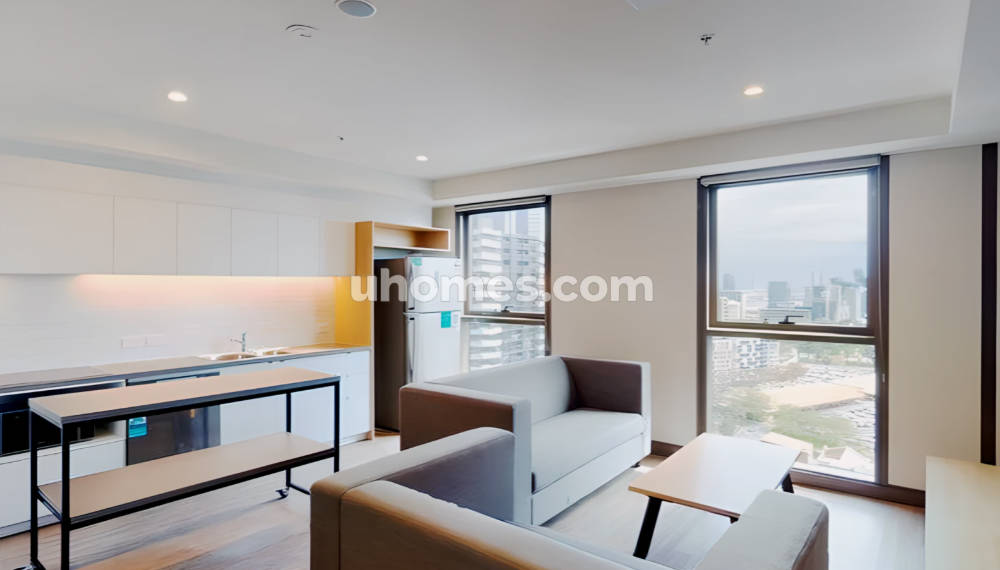
For students, an all-inclusive room can make Melbourne living costs easier to manage by combining rent with bills such as electricity, water, gas and Wi-Fi. uhomes.com lists a wide selection of all-inclusive student accommodation in Melbourne to help students budget more easily. Students can filter housing listings by all-inclusive bills, price range, room type, property type, amenities and location features to find options that fit your budget and preferences perfectly. Check each listing for the exact bill inclusions and any usage limits before booking.
Transport Costs in Melbourne
A regular adult public transport pass in Melbourne is listed at about A$200 a month, while the full-fare daily cap temporarily fell to A$5.70 from 1 June 2026 until 1 January 2027.
| Melbourne transport cost | Indicative price |
|---|---|
| Regular monthly public transport pass estimate | About A$200 |
| Full-fare daily cap during the temporary half-price period | A$5.70 per day |
| Concession daily cap during the temporary half-price period | A$2.85 per day |
| Fuel | About A$2.08 per litre |
| Free Tram Zone | No fare for eligible trips within the zone |
| Car ownership | Add registration, insurance, parking and maintenance |
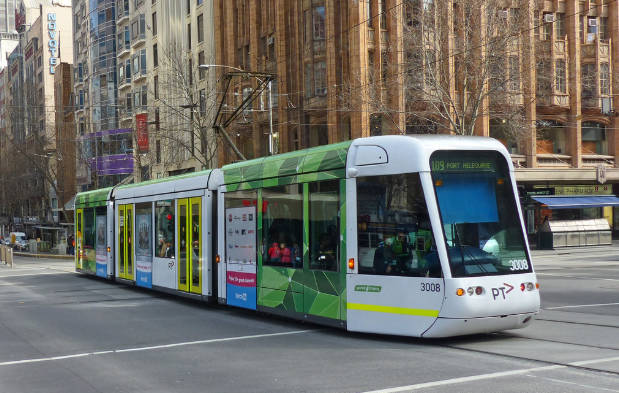
Melbourne’s trains, trams and buses make car-free living realistic in many areas. The Free Tram Zone can help with short trips in the central business district, but it does not cover every inner-city journey. A home near a frequent train or tram service may offer better value than a cheaper rental with a difficult commute.
The half-price fare offer is temporary and is scheduled to end on 1 January 2027. Check Transport Victoria before publishing or using the fare as a long-term budget assumption. Student concessions and travel passes depend on eligibility, so international students should confirm their status rather than assume they qualify.
Groceries and Eating Out in Melbourne
A single person in Melbourne can budget about A$528 a month for groceries, while an inexpensive restaurant meal costs about A$25.
| Food item in Melbourne | Indicative price |
|---|---|
| Groceries for one person | A$528 per month |
| Milk, 1 litre | A$2.20 |
| Eggs, 12 | A$7.87 |
| Chicken fillets, about 454 g | A$6.37 |
| Meal at an inexpensive restaurant | A$25 |
| Three-course meal for two at a mid-range restaurant | A$120 |
| Regular cappuccino | A$5.77 |
A grocery budget depends on diet, portion sizes and how often you buy prepared food. Melbourne residents can compare staples at Aldi, Coles and Woolworths, and look for seasonal produce at local markets. Planning meals before shopping helps reduce waste. Eating out twice a week at A$25 per meal adds about A$200 a month for one person before drinks, cafés or delivery fees.
For students, cooking most meals at home is one of the simplest ways to manage food costs without giving up the city’s café and restaurant scene. Buying shared pantry staples with housemates can also reduce the cost of everyday meals.

Healthcare, Insurance and Education Costs in Melbourne
An international student in Melbourne can expect single OSHC cover to cost about A$590 to A$750 for 2026, while RMIT estimates annual tuition of A$36,000 to A$56,000 for international students across its courses.
| Melbourne study-related cost | Indicative amount | Budget period |
|---|---|---|
| Single Overseas Student Health Cover | A$590–A$750 | Per year, 2026 estimate from RMIT |
| Single OSHC policy through ANU’s listed Allianz rate | A$838 | 12 months, policies from 1 July 2026 |
| International student tuition at RMIT | A$36,000–A$56,000 | Per year, indicative 2026 range across courses |
| Bachelor degree tuition at RMIT | A$36,000–A$50,000 | Per year, indicative range |
| Student Services and Amenities Fee at RMIT | Up to A$373 | Per year, 2026 estimate |
| Student visa application fee listed by RMIT | A$2,500 | One-off, 2026 estimate |
| Books and study supplies at RMIT | A$500–A$1,000 | Per year, approximate |
These costs sit outside ordinary life costs in Melbourne. Tuition changes by course and study load, and OSHC depends on the insurer, cover type and policy dates. RMIT’s 2026 estimates offer a concrete example, not a price that applies to every Melbourne university. Check the chosen provider’s course fee and request an OSHC quote before building a full study budget.
Families should also budget separately for childcare and school costs. These expenses depend on the child’s age, care schedule, school type and visa circumstances, so a single citywide figure would be misleading.
Entertainment and Other Costs in Melbourne
A gym membership in Melbourne averages about A$72 a month and a cinema ticket about A$22, while jeans cost around A$115.
| Melbourne lifestyle expense | Indicative price |
|---|---|
| Monthly gym membership | A$72 |
| Cinema ticket | A$22 |
| Jeans from a mainstream brand | A$115 |
| Summer dress from a chain store | A$72 |
| Mid-range running shoes | A$171 |
Clothing is usually an occasional purchase rather than fixed monthly Melbourne living expenses. Entertainment spending is easier to adjust. Melbourne also has low-cost options such as public gardens, libraries, galleries and walks along the Yarra. Include some social spending in a realistic budget, rather than assuming every month will be spent at the minimum.
Hidden and One-Off Moving Costs in Melbourne
A new arrival in Melbourne should allow several thousand dollars for bond, advance rent, furniture and household set-up, in addition to regular monthly living expenses in Melbourne, Australia.
- Rental bond and advance rent: Check the lease and the Victorian rules that apply to your tenancy. The upfront amount depends on the rent and agreement.
- Furniture and household goods: Private rentals may be unfurnished, while managed student accommodation may include furniture.
- Moving and transport: Allow for airport travel, luggage, deliveries or a removalist if you are bringing belongings.
- Utility and internet set-up: Check for connection fees and the time needed to arrange accounts.
- Course and visa costs: Keep tuition, OSHC and visa payments separate from day-to-day living costs.
- Emergency buffer: Set money aside for delays in finding work, replacing essential items or changing rentals.
Average Salary in Melbourne and the Income You Need
For people living in Melbourne, the closest official average salary in Melbourne Australia is Victoria’s average full-time adult ordinary-time earnings of A$2,041.10 a week in May 2026, or about A$106,100 a year before tax. This is a state figure rather than a Melbourne-only average.
The ABS does not publish a single city-level average salary in this release. Numbeo estimates Melbourne’s average monthly net salary at about A$6,201 after tax, but this is a crowdsourced city estimate rather than an official wage statistic. Average salary in Melbourne can also hide large differences by occupation, hours, experience and whether the figure is before or after tax.
| Household situation in Melbourne | Indicative gross salary target | What affects comfort |
|---|---|---|
| Single person sharing a home | A$65,000–A$80,000 a year | Rent share, transport and savings goals |
| Single person renting a one-bedroom flat | A$80,000–A$100,000 a year | Suburb, bills, debt and discretionary spending |
| Couple relying on one income | A$100,000–A$130,000 a year | Rent, second income and regular commitments |
| Family with children | Often A$130,000 or more household income | Childcare, schooling, housing and health costs |
These are practical planning ranges, not salary guarantees. A salary that feels comfortable for someone sharing a home may feel tight for a person renting alone near the CBD. Compare take-home pay with the budget for your household, and allow for tax, superannuation, debts and savings.
Is Melbourne Affordable for International Students?
The cost of living in Melbourne for international students is about A$2,000 to A$3,400 a month for shared accommodation and regular living expenses, excluding tuition and OSHC.
| Student expense in Melbourne | Indicative monthly budget |
|---|---|
| Shared or managed student accommodation | A$1,100–A$1,750 |
| Groceries and occasional meals out | A$450–A$700 |
| Public transport | A$100–A$200, depending on travel and current fares |
| Phone, internet and utilities | A$80–A$180 |
| Study materials, personal costs and social activities | A$250–A$550 |
| Estimated monthly total | A$1,980–A$3,380 |
| OSHC for a single student | About A$49–A$70 per month when annualised |
| Tuition | A$36,000–A$56,000 per year at RMIT, depending on course |
The living-cost total assumes shared or managed accommodation and does not include tuition or OSHC. Students in a private studio or those who eat out often will need more. Melbourne can be manageable when accommodation is chosen carefully and the budget includes realistic transport and food costs. Study Australia’s calculator can help compare lifestyles, but its published guide figures were last updated in November 2023, so use current rental listings and fare information as well.
Affordable Student Housing in Melbourne
International students with a weekly rent budget below A$300 can still find student housing options in Melbourne. uhomes.com lists budget-friendly rooms in this price range and offers a price-match guarantee, exclusive offers, and cashback promotions on eligible bookings. Its filters make it easier to compare properties by budget, room type and other preferences. Here are five options with starting prices below A$300 per week and their starting prices on uhomes.com:
- UniLodge Victoria University: from A$229 per week. This on-campus option is at Victoria University’s Footscray Park campus, about 5 km from Melbourne CBD. Furnished options include twin-share rooms, studios and multi-bedroom apartments, with electricity, water and Wi-Fi included in the rent.
- Carric Hostel: from A$231 per week. Located in central Melbourne near the Free Tram Zone, it offers single rooms and shared dormitories. Rooms are furnished, and residents can use the communal kitchen, free Wi-Fi and shared facilities.
- La Trobe University’s Chisholm College: from A$240 per week. The college is on La Trobe University’s Bundoora campus and offers furnished single rooms with utilities included. Residents have access to 24-hour study spaces, communal kitchens and the nearby Route 86 tram.
- Campus Melbourne: from A$266 per week. This student residence in Preston offers furnished rooms with private en-suite bathrooms. Wi-Fi, air conditioning and utilities are included, and residents can use the gym, pool, study areas and weekday shuttle to the CBD.
- UniLodge @ RMIT Bundoora – Walert House: from A$285 per week. Located on RMIT’s Bundoora West campus, it offers studios and shared three- or four-bedroom apartments. Rent includes electricity, gas, water and Wi-Fi, with study rooms, a cinema room and free laundry also available.
How to Reduce Melbourne cost of living?
Melbourne renters can save about A$300 a week on rent when two people split the A$600 median weekly rent for a metropolitan two-bedroom flat, before bills and other expenses.
- Share accommodation: Split rent, electricity and internet with housemates. Compare the total room price with a small flat before deciding.
- Choose a connected suburb: Check the full journey to work or campus. A slightly higher rent near a train or tram may reduce transport costs and travel time.
- Check what rent includes: Furnished rooms with utilities and internet included can reduce set-up costs and simplify bills.
- Cook more meals at home: Plan meals, use supermarket specials and buy seasonal produce at Melbourne markets.
- Review transport fares: Check current myki fares and any eligible travel offers before choosing a monthly pass.
- Buy second-hand where practical: Furniture, kitchen items and clothing can often be found at lower prices.
- Review subscriptions: Cancel services you rarely use and check recurring charges each month.
Cost of Living in Melbourne Compared with Other Cities
Picture the same monthly budget facing a Melbourne rent bill, a Sydney lease or a flat share in Brisbane. The difference is not just the rent. Groceries, dining out and daily travel can shift the final total too. The comparisons below show how Melbourne stacks up against other Australian and global cities, and which expenses tip the balance.
Cost of Living in Melbourne vs Sydney vs Brisbane
Sydney costs about 14.7% more than Melbourne when rent is included, while Brisbane costs about 8% less on the same city comparison measure.
Average Melbourne rent is lower than Sydney’s, which explains much of the overall gap. Brisbane’s comparison is more balanced. Its estimated rent is close to Melbourne’s, while groceries and other day-to-day costs are lower in the dataset. People comparing these cities should look at the suburbs and housing types they would actually choose, because a citywide index cannot predict an individual household’s rent.
| City | Overall cost including rent compared with Melbourne | Rent comparison | Everyday cost comparison |
|---|---|---|---|
| Sydney | 14.7% higher | Rent 34.4% higher | Day-to-day costs 5.6% higher |
| Melbourne | Baseline | Baseline | Baseline |
| Brisbane | 8.0% lower | Rent 2.5% lower | Day-to-day costs 10.6% lower |
Cost of Living in Melbourne vs London vs Singapore
London costs about 25% more than Melbourne with rent included, while Singapore costs about 33.3% more in the same comparison dataset.
Housing is the largest difference in both comparisons. Some groceries cost less in London, and restaurant prices are lower in Singapore, so not every part of everyday life is more expensive. Currency conversion, tax, healthcare and housing standards also affect international comparisons. Use the percentages as a broad guide, then compare the costs that matter to your own routine.
| City | Overall cost including rent compared with Melbourne | Rent comparison | Other useful context |
|---|---|---|---|
| Melbourne | Baseline | Baseline | AUD is the comparison currency |
| London | 25.0% higher | Rent 54.8% higher | Groceries estimated 21.3% lower |
| Singapore | 33.3% higher | Rent 62.9% higher | Restaurant prices estimated 16.6% lower |
Conclusion
The cost of living in Melbourne is about A$3,700 to A$4,200 a month for a single person renting a one-bedroom flat, while students sharing accommodation can plan for roughly A$2,000 to A$3,400 before tuition and OSHC. Rent is the biggest item to check first, but transport, bills and initial set-up costs also shape a realistic budget. Choose a housing option that fits your commute, then use the figures in this guide to build a monthly plan that reflects how you intend to live in Melbourne.
FAQs on Australia Melbourne Cost of Living
How much is the cost of living in Melbourne Australia?
The cost of living in Melbourne Australia is around A$3,700 to A$4,200 a month for one person renting a one-bedroom flat. Housing choice and household size make the largest difference.
What is the average salary in Melbourne?
The average salary in Melbourne is not published as a single city-level ABS figure in the latest earnings release. Victoria’s average full-time adult ordinary-time earnings were A$2,041.10 a week in May 2026, or about A$106,100 a year before tax.
What salary do you need to live comfortably in Melbourne?
A salary of about A$80,000 to A$100,000 a year before tax can support a single person renting a one-bedroom flat in Melbourne, depending on the suburb and spending habits. Sharing accommodation can make a lower salary go further, while childcare or a high savings target can require more.
How much does an average student spend on living costs in Melbourne?
An average student in Melbourne can budget about A$2,000 to A$3,400 a month in shared accommodation, excluding tuition and OSHC. A private studio or frequent meals out can push the monthly total higher.
What is the typical monthly rent for student accommodation in Melbourne?
Typical monthly rent for student accommodation in Melbourne is about A$650 to A$1,730 when using RMIT’s guide of A$150 to A$400 per week. Managed accommodation may include bills and furniture, so compare the inclusions as well as the weekly rent.
Are there affordable food options for students in Melbourne?
Affordable food options for students in Melbourne include cooking at home, shopping at discount supermarkets and buying seasonal produce at local markets. A single-person grocery budget of about A$500 to A$600 a month is a useful starting point.
Is public transport expensive for students in Melbourne?
Public transport for students in Melbourne can cost up to A$5.70 a day at the full-fare daily cap during the temporary half-price period that runs until 1 January 2027. Check current fares and concession eligibility before planning a longer-term budget.
How can I reduce my overall cost of living while studying in Melbourne?
You can reduce your overall cost of living while studying in Melbourne by sharing accommodation, choosing a home with good public transport and cooking most meals. Check whether rent includes bills, internet and furniture before signing an agreement.
Is Melbourne or London more expensive?
London is estimated to be about 25% more expensive than Melbourne when rent is included, and its rent estimate is about 55% higher. Some grocery items are cheaper in London, so the difference depends on your housing and spending choices.
Is Sydney cheaper than Melbourne?
No, Sydney is estimated to be about 14.7% more expensive than Melbourne overall, with rent around 34.4% higher. The difference in day-to-day costs is smaller than the rent gap.