



Overview of Japan
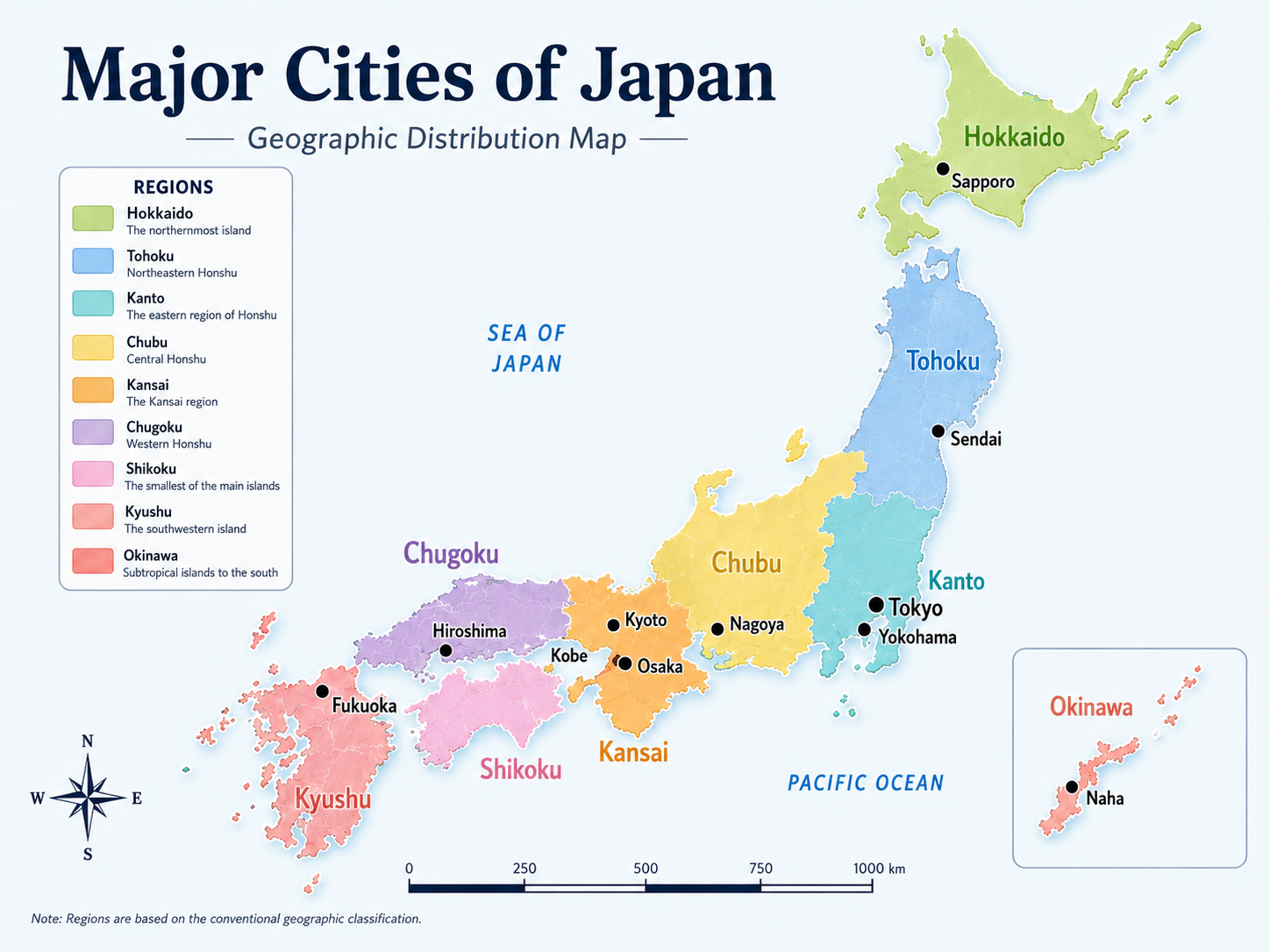 Japan has become a rapidly expanding study destination, hosting a record 408,069 international students as of May 1, 2025. Of these, 92,442 were undergraduate university students, 60,013 were graduate students, and 140,174 were enrolled at Japanese language institutes.
Accommodation demand therefore extends far beyond conventional university dormitories. Students on bachelor’s and master’s programmes often need housing for several years, while exchange students, language-school students and interns may prefer furnished accommodation with six-month, semester-length or other flexible contracts.
Housing costs vary considerably by location. JASSO’s 2023 survey puts average monthly housing expenditure for international students at ¥41,000 nationwide, compared with ¥57,000 in Tokyo, ¥40,000 in the Kinki region covering Osaka and Kyoto, and ¥29,000 in Kyushu, which includes Fukuoka.
For international students, the most important differences between cities are therefore not only university choice, but also rent, commuting distance, availability of furnished housing and the amount of money required before moving in.
Japan’s Most Popular Student Cities
Japan’s most popular student cities include Tokyo, Osaka, Kyoto and Fukuoka, which together offer a strong combination of leading universities, international communities, public transport and relatively large student rental markets.
Tokyo, Japan
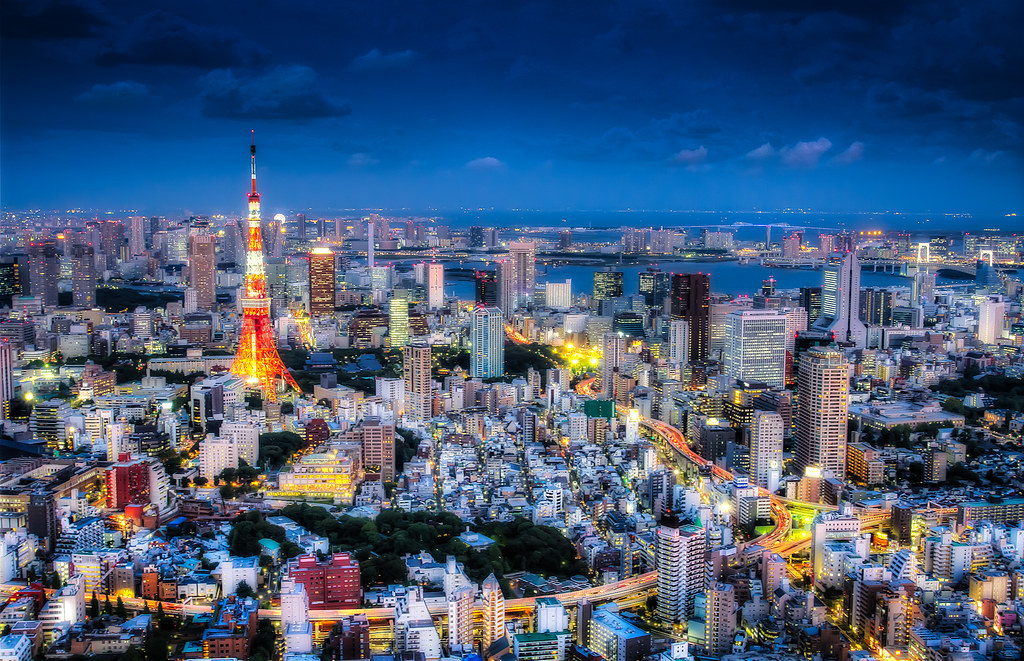
Tokyo offers largest and most varied student accommodation market in Japan, making it particularly attractive to international students attending universities, graduate schools and Japanese language schools. Major institutions include the University of Tokyo, Waseda University, Keio University, Sophia University and Hitotsubashi University. Tokyo’s extensive rail and subway network also allows students to live several stations away from campus rather than paying a premium for accommodation immediately beside their university.
Tokyo’s housing costs are higher than elsewhere in Japan. JASSO reports average international-student housing expenditure of ¥57,000 per month in Tokyo, while current private studio listings aimed at students can commonly fall around ¥77,000–¥95,000 per month in Tokyo’s 23 wards, depending on size and location.
- Top universities in Tokyo: University of Tokyo, Waseda University, Keio University, Sophia University and Hitotsubashi University.
- Best areas for students to live in Tokyo:Bunkyo/Hongo, Takadanobaba and Waseda, Nakano and Koenji, and Ikebukuro.
- Average student rent in Tokyo:¥57,000/month, while private studios in the 23 wards are generally more expensive.
- Types of student accommodation in Tokyo:university dormitories, private student halls, 1R/1K studios, serviced apartments and share houses.
 Osaka, Japan
Osaka is one of Japan‘s major student cities and generally offers lower student rents than Tokyo. The wider Osaka area is home to Osaka University, Osaka Metropolitan University, Kansai University, Kindai University and several specialist and Japanese language institutions. Students can choose between central neighbourhoods and accommodation around suburban campuses in Suita, Toyonaka and other university districts.
Public transport makes cross-city commuting practical, but choosing accommodation on the correct railway or metro line is usually more important than simply measuring straight-line distance from campus.
- Top universities in Osaka: Osaka University, Osaka Metropolitan University, Kansai University and Kindai University.
- Best areas for students to live in Osaka:Ishibashi/Toyonaka and Suita, Tennoji , Umeda, and Namba or Chuo-ku.
- Average student rent in Osaka:student dormitories and residences commonly range around ¥35,000–¥60,000/month, share-house rooms around ¥30,000–¥55,000, and private studios around ¥40,000–¥65,000+ on current student-oriented listings.
- Types of student accommodation in Osaka:university dormitories, managed student residences, private studios, share houses and furnished apartments.
Kyoto, Japan
Kyoto is one of Japan’s strongest university cities and has a particularly visible student population around its major campuses. Kyoto University, Doshisha University, Ritsumeikan University and Kyoto Institute of Technology create substantial demand for apartments and student halls in areas such as Sakyo, Kamigyo and northern Kyoto.
Kyoto can be especially suitable for students who want a compact university-city environment rather than Tokyo’s larger metropolitan scale. Cycling is common for shorter journeys, while subway, railway and bus connections become more important when living farther from campus.
- Top universities in Kyoto: Kyoto University, Doshisha University, Ritsumeikan University and Kyoto Institute of Technology.
- Best areas for students to live in Kyoto:Sakyo-ku, Hyakumanben and Demachiyanagi, Imadegawa and Kamigyo, Saiin and Nishioji, and Fushimi.
- Average student rent in Kyoto:Share-house rooms commonly around ¥40,000–¥75,000, while managed student halls with meal plans can reach approximately ¥60,000–¥100,000.
- Types of student accommodation in Kyoto:university international houses, student halls, studios, share houses and traditional private apartments.
Fukuoka, Japan
Fukuoka is a comparatively affordable major study destination for international students in Japan, particularly those attending Kyushu University and other institutions across Fukuoka City. Housing around the Ito campus area can be substantially cheaper than comparable private accommodation in central Tokyo.
The city’s smaller scale also means students can often balance lower rents with access to rail, subway and bus routes rather than paying heavily for central accommodation.
- Top universities in Fukuoka: Kyushu University, Fukuoka University, Seinan Gakuin University and Fukuoka Women’s University.
- Best areas for students to live in Fukuoka: Nishi-ku and the Kyudai-Gakkentoshi area, Maidashi, Hakata, and Tenjin/Yakuin.
- Average student rent in Fukuoka: starting from around ¥30,000–¥60,000+, depending on property type and location.
- Types of student accommodation in Fukuoka: university dormitories, private student halls, studios, apartments and share houses.
Transport in Japan & How Students Get Around
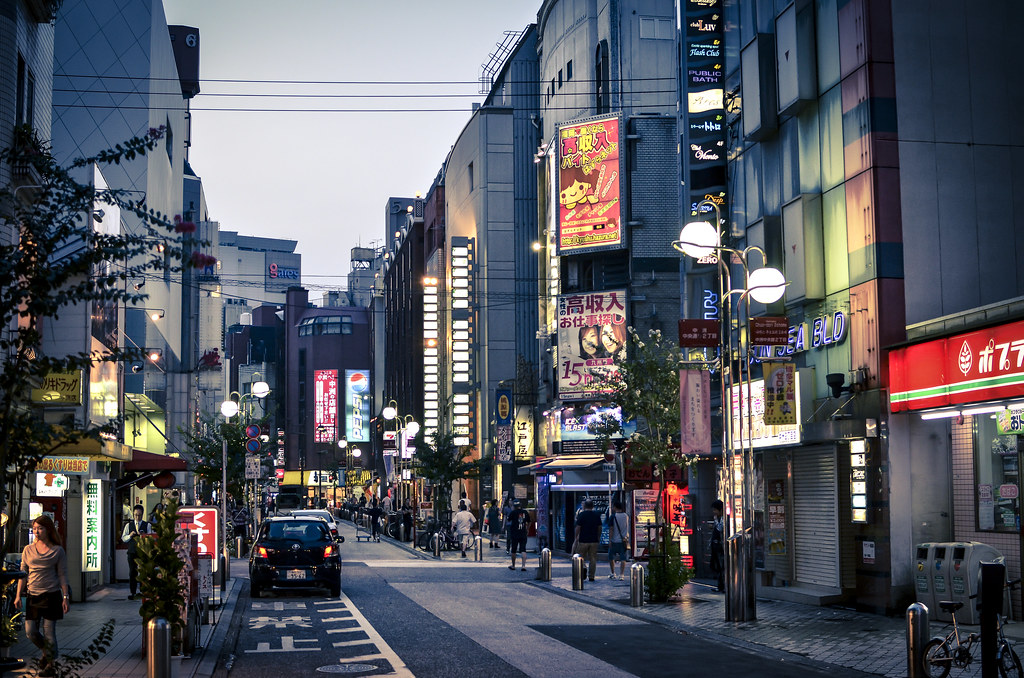
 Transport in Japan allows students to commute efficiently by train, subway, bus and bicycle, making it possible to consider cheaper accommodation outside the most expensive university neighbourhoods.
In Tokyo, rail and subway access should usually be one of the first filters used when choosing accommodation. In Osaka, combinations of Osaka Metro, JR and private railways connect central districts with university campuses across the wider metropolitan area. Kyoto students often combine trains, buses and bicycles, while Fukuoka’s subway and bus network connects major residential districts and university areas.
Eligible university students can also purchase student commuter passes (tsugaku teiki-ken) for qualifying routes between their registered home and university. Kyoto University, for example, confirms that eligible students can buy discounted commuter passes for the route between the station nearest their residence and their campus, while Osaka Metro also operates student commuter-pass arrangements.
This has an important housing implication: the cheapest student accommodation is not always the property closest to campus. A room several stations away on a direct route can provide better value than an expensive apartment within walking distance.