


Tokyo vs Kyoto, which you should visit? It is the classic battle of “The Future” vs. “The Past.” Tokyo is the electric, high-speed capital of the modern world, while Kyoto is the spiritual heart of Japan, a living museum of temples and traditions.
Both cities offer drastically different experiences. Based on insights from travel experts and local life, this comprehensive guide will compare the two across Vibe, Sightseeing, Food, Transport, and Living Costs to help you decide—or convince you to visit both.
Tokyo vs Kyoto: Quick Comparison Table
| Feature | Tokyo (The Capital) | Kyoto (The Old Capital) |
|---|---|---|
| The Vibe | Neon, fast-paced, futuristic, organized chaos. | Traditional, zen, scenic, slower-paced. |
| Best For | Pop culture, nightlife, shopping, career opportunities. | History buffs, culture seekers, nature lovers, students. |
| Transport | World-class Subway/JR trains (Complex but fast). | Buses (Crowded) & Bicycles (Best option). |
| Food Scene | Everything: Sushi, Ramen, Intl. food. | Traditional: Kaiseki, Tofu, Matcha, Obanzai. |
| Avg. Rent | High ($$$). Small spaces. | Moderate ($$). Spacious & affordable. |
| Time Needed | 4 to 5 days minimum. | 3 to 4 days minimum. |
1. Tokyo vs Kyoto: Food & Drink
Tokyo’s cuisine reflects the modern, diverse, and cosmopolitan nature of the city, offering everything from Michelin-starred restaurants to street food. Kyoto’s cuisine, on the other hand, represents tradition, refinement, and the ultimate in kaiseki (traditional multi-course) dining, emphasizing the natural flavors of ingredients and seasonality. Both cities offer unique and exceptional culinary experiences.
Tokyo Dining Scene: Michelin Stars

Tokyo holds the world record for the most Michelin-starred restaurants. It is a city where you can eat $300 sushi for lunch and a $5 bowl of world-class ramen for dinner. Tokyo’s culinary highlights include:
- Sushi & Sashimi: Countless top-notch sushi restaurants can be found around Tsukiji Market and Toyosu Market.
- Ramen: A wide variety of rich tonkotsu (pork bone broth), soy sauce, and miso-based ramen are available, such as Ichiran and AFURI.
- Tempura: Fresh seafood and vegetables lightly battered and deep-fried.
- Monjayaki: A Tokyo specialty, similar to a runnier version of Okonomiyaki (Japanese savory pancake).
- Tsukiji Market/Toyosu Market: Fresh seafood and street food.
- Izakaya: Experience Japanese casual nightlife, offering snacks and sake.
Best neighborhoods for food in Tokyo
Shinjuku (Omoide Yokocho): Also known as “Memory Lane,” this narrow alleyway is packed with tiny yakitori stalls. It’s smoky, crowded, and utterly authentic.
Tsukiji Outer Market: Even though the wholesale market moved to Toyosu, Tsukiji remains the best place for street food. Try the grilled wagyu skewers and fresh Tamagoyaki (egg omelet).
Ginza: The hub for high-end dining. If you want the legendary “Omakase” sushi experience, this is where you book months in advance.
Kyoto Dining Scene: Traditional Kaiseki
Want to explore traditional Japanese exquisite cuisine? Go to Kyoto. Kyoto’s food is subtle. It relies on dashi (broth) and the natural flavor of vegetables. It is the birthplace of Kaiseki (Japanese haute cuisine). Kyoto’s culinary highlights include:
- Kaiseki Cuisine: An exquisite multi-course meal that reflects the seasons, offering both visual and culinary delights.
- Shojin Ryori: Temple vegetarian cuisine, healthy and light, featuring soy products (tofu, dried bean curd).
- Kyoto Vegetables & Pickles: Using local specialty vegetables, pickled vegetables are a central part of the meal.
- Matcha: Uji matcha desserts and drinks are world-renowned.
- Yudofu: A Kyoto specialty hot pot featuring the delicate texture of tofu.
Soba: Refreshing buckwheat noodles, sometimes served with herring.
Best neighborhoods for food in Kyoto (Gion, Pontocho, Nishiki)
Pontocho Alley: A narrow, atmospheric alley running parallel to the Kamo River. In summer, restaurants build kawayuka (temporary decks) over the water for outdoor dining.
Nishiki Market: Known as “Kyoto’s Kitchen.” It’s a covered market perfect for trying Yuba (tofu skin), pickled vegetables, and soy milk donuts.
Gion: The place for high-end Kaiseki ryori, often served in private tatami rooms.
2. Tokyo vs Kyoto: Culture & History
Tokyo Simply put, a trip to Tokyo is about experiencing Japan’s international metropolis, while a trip to Kyoto is about experiencing Japan’s classical and traditional side. Both offer irreplaceable glimpses into Japanese culture!
Tokyo Culture
Tokyo is a sensory overload. It is one of the few places on earth where you can visit a 7th-century temple and a futuristic robot exhibition in the same afternoon.
Must-visit spots
Tokyo is an assault on the senses—in the best way possible. From ancient temples to futuristic tech hubs, here are the Top 15 Must-Visit Spots that define the Tokyo experience:
Icons & History
Tokyo Tower: The red-and-white symbol of the city. It offers a romantic night view and a stunning panoramic observation deck by day.
Sensoji Temple (Asakusa): Tokyo’s oldest temple. Experience the Edo-period atmosphere and shop for souvenirs along the bustling Nakamise Shopping Street.
Ueno Park: Japan’s first public park. It’s a cultural hub featuring museums, a zoo, and spectacular cherry blossoms in spring and maple leaves in autumn.
Shopping & Trends
Ginza: The ultimate luxury district. Home to top-tier brands, high-end department stores, and an endless array of gourmet coffee shops and dining.
Harajuku: The center of “Kawaii” culture. Stroll down Takeshita Street to hunt for vintage clothes, eat crepes, and capture photogenic street snaps.
Shibuya: Famous for the Scramble Crossing. It’s a 3-in-1 destination where you can shop for fashion, cafe-hop, and experience vibrant nightlife all in one go.
Omotesando: Known as the “Champs-Élysées of Tokyo.” A sophisticated avenue lined with architectural marvels and high-end boutiques.
Akihabara: The holy land for Otaku culture. If you love anime, electronics, and figurines, this is paradise.
Nightlife & Entertainment
Shinjuku: The city that never sleeps. From department stores to tiny Izakaya bars and Yakiniku restaurants, plus the serene Shinjuku Gyoen garden.
Roppongi: The intersection of art and nightlife. Visit Roppongi Hills for a mesmerizing night view, art galleries, and upscale shopping malls.
Kabukicho: Japan’s largest entertainment district. Bathed in strong neon lights, it’s packed with restaurants, bars, and clubs—a wild atmosphere worth experiencing.
Tsukiji Market: “Tokyo’s Kitchen.” While the inner market moved, the Outer Market is still the best place for fresh seafood and sushi.
Tokyo Disneyland: Asia’s first Disney park. With seven themed lands, dream castles, and fireworks, it’s a magical escape for couples, families, and friends alike.
Day Trips from Tokyo
Mt. Fuji Area: The charm of Japan’s highest peak goes beyond climbing. Explore Oshino Hakkai, Hakone, Lake Kawaguchi, or the thrill rides at Fuji-Q Highland.
Fuji Safari Park: An open-range zoo where you can take a bus or drive your own car to get up close with lions and giraffes for a thrilling feeding experience.
Kyoto Culture
Kyoto feels like stepping back in time. As the imperial capital for over 1,000 years, it preserves the Japan you see in history books.
Must-visit temples & shrines (Fushimi Inari, Kinkaku-ji, Kiyomizu-dera)
1. The Kyoto Icons
If you only have time for a few stops, these are the non-negotiables defining Kyoto.
Fushimi Inari-taisha Shrine: Ranked #1 for good reason. Famous for its thousands of vermilion torii gates winding up the mountain.
Kiyomizu-dera Temple: A UNESCO World Heritage site known for its massive wooden stage that juts out over the hillside, offering stunning panoramic views of Kyoto.
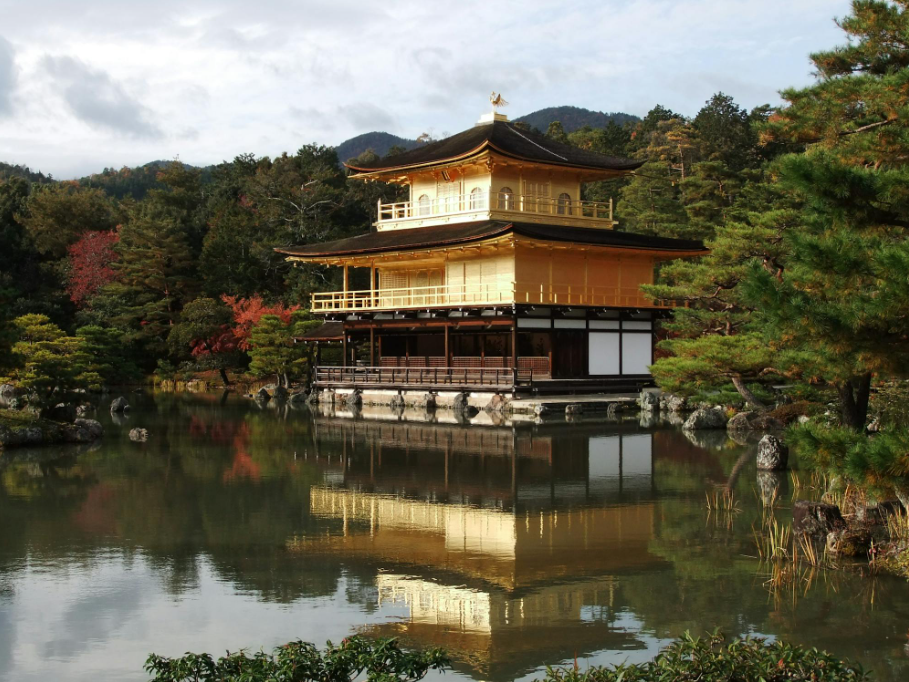
Kinkaku-ji (The Golden Pavilion): The iconic Zen temple with its top two floors completely covered in gold leaf, reflecting beautifully in the pond below.
2. Nature & Zen (Scenic Walks)
Kyoto is surrounded by mountains and rivers, making it perfect for nature lovers.
Arashiyama Bamboo Grove: Walk through the towering green bamboo stalks. It feels like another world. Don’t miss the nearby Iwatayama Monkey Park to interact with wild macaques!
Philosopher’s Path (Tetsugaku no michi): A peaceful stone path along a canal lined with hundreds of cherry trees. It connects the Silver Pavilion (Ginkaku-ji) and Nanzen-ji.
Ryoan-ji Temple: The site of Japan’s most famous rock garden. A perfect spot for quiet contemplation and experiencing “Zen.”
3. History & Culture (Time Travel)
Experience the atmosphere of old Japan.
Nijo Castle: The former residence of the Tokugawa Shoguns. Famous for its “nightingale floors” that chirp when walked upon to warn of intruders.
Gion District: Kyoto’s famous Geisha district. Wander through Hanami-koji Street lined with preserved wooden machiya merchant houses and tea houses.
Sanjusangen-do: A visually stunning temple hall containing 1,001 life-sized statues of Kannon, the goddess of mercy.
4. Food & Vibe (Urban Kyoto)
Where to eat, shop, and soak in the energy.
Nishiki Market: Known as “Kyoto’s Kitchen.” A narrow, covered shopping street packed with over 100 stalls selling fresh seafood, pickles, matcha sweets, and street food.
Pontocho Alley: A narrow, atmospheric alley running parallel to the Kamo River, packed with restaurants and bars. In summer, enjoy kawayuka (dining on decks over the river).
Kyoto Station Building: A futuristic architectural marvel. Don’t miss the “Kyoto Ramen Koji” (Ramen Street) on the 10th floor for a bowl of steaming noodles.
3. Getting Around Tokyo and Kyoto
Navigating Tokyo
Tokyo relies on the train. The JR Yamanote Line (a green loop line) connects all major hubs like Shinjuku, Shibuya, and Tokyo Station.
Essential Passes:
Tokyo Subway Ticket (24/48/72h): Unlimited rides on Metro and Toei lines. Great value for tourists.
Suica/Pasmo (IC Cards): Essential for seamless tapping in and out of JR lines.
Survival Tip: Shinjuku Station is the world’s busiest station. Always follow the color-coded signs and know which “Exit” you need (East, West, or South) before you get off the train.
Navigating Kyoto
Kyoto is a grid city, but it has fewer train lines. Most tourists rely on buses, which often leads to traffic jams and overcrowding.
Why you should rent a bike: Kyoto is flat and compact. Renting an electric bicycle (E-bike) is arguably the best way to see the city. You can zip along the Kamo River and reach temples faster than the bus.
Transport Passes: The Kansai Thru Pass covers subways and private railways in Kyoto, Osaka, and Nara, but does not cover JR lines.
Tips for Kyoto visiors:
- Walk More: Stay near Kawaramachi or Gion, and many attractions are within walking distance.
- Rent an Electric Bicycle (E-bike): This is the best way to explore Kyoto. You can cycle along the Kamo River, avoid congestion, and discover hidden gems in the alleyways.
- Take a Taxi: If traveling in a group of 3-4 people, taking a taxi is more cost-effective and comfortable than taking the bus.
4. Tokyo vs Kyoto Day Trips: Escaping the City
Best Day Trips from Tokyo
- Hakone & Mt. Fuji: Just 90 minutes away by the “Romancecar” train. Famous for hot springs (Onsen), the volcanic valley of Owakudani, and views of Mt. Fuji across Lake Ashi.
- Kamakura: Known as “Little Kyoto” of the East. It features a giant outdoor Buddha statue and beautiful surfing beaches.

Best Day Trips from Kyoto
Nara: A 45-minute train ride away. Famous for Nara Park, where hundreds of wild deer bow to tourists for crackers, and the massive Todai-ji Temple housing a giant Buddha.
Osaka: The kitchen of Japan is only 30 minutes away. Visit Dotonbori for street food or spend a day at Universal Studios Japan (Nintendo World).
5. Tokyo vs Kyoto: Living Cost & Student Housing
Rent Prices: Tokyo vs. Kyoto
While Tokyo offers more corporate jobs, Kyoto is increasingly becoming the preferred choice for students and digital nomads due to its quality of life. The difference in housing costs is one of the biggest deciding factors for international students.
Average cost of student apartments in Tokyo
Student accommodation in Tokyo is relatively expensive, depending on the type of accommodation and location. However, costs can be managed by choosing student dormitories, international exchange houses, or shared houses. Here is the average monthly rent of different accommodation types, with central areas and popular districts such as Shibuya, Shinjuku, and Minato Ward being more expensive.
- Dormitories: ¥30,000 – ¥60,000/month (Often cheapest, includes some utilities).
- Shared Houses: ¥40,000 – ¥90,000/month (Good balance of cost and social life).
- Student Apartments: ¥60,000 – ¥120,000+/month (Private, more expensive, especially near stations).
- Find your affordable Tokyo homes with uhomes.com, the properties with the “Exclusive Offers” tag on uhomes.com offer the lowest prices online, available only to customers who book through uhomes.com. Enjoy free services and multi-language support.
Average cost of student apartments in Kyoto
Whether renting an apartment in Kyoto is expensive for students depends on the location and type of accommodation. Generally speaking, as Japan’s second-largest city and a popular tourist destination, Kyoto’s rental prices are higher than the Japanese average but lower than Tokyo’s. Choosing shared accommodation/share houses, or areas further from the city center or in the suburbs near the university, can effectively reduce costs. Otherwise, single apartments near bustling areas (such as Kawaramachi) will be more expensive, so it’s important to plan your budget in advance.
- Shared house (shared living room/kitchen): about 30,000-50,000 yen/month.
- Single apartment (1R/1K, small apartment):
- Suburban/remote areas: about 40,000-60,000 yen/month
- Near the city center/university (such as around the Yoshida campus of Kyoda): about 55,000-80,000+ yen/month
Lifestyle for Students
While Tokyo offers more corporate jobs, Kyoto is increasingly becoming the preferred choice for students and digital nomads due to its quality of life.
Job opportunities vs. Academic atmosphere
Tokyo: The Hustle & Career Hub Tokyo is ideal if your priority is networking and career building.
- Pros: Endless part-time job opportunities for English speakers, from teaching to hospitality. It is the HQ for major global companies, making it easier to land internships in tech, finance, or fashion.
- Cons: The lifestyle is fast-paced and competitive. Commuting on packed trains is a daily reality, and the cost of socializing (drinks, dinners) is higher.
Kyoto: The “City of Students”, Kyoto is ideal if your priority is academic focus and community.
- Pros: With over 40 universities in the city, the atmosphere is intellectual and calm. You will find affordable student cafeterias, cheap cafes for studying, and a tight-knit international community. Plus, the city is flat and compact, meaning you can cycle everywhere and save thousands of yen on transport.
- Cons: Fewer corporate internships compared to Tokyo. The pace is slower, which some ambitious students might find too quiet.
6. Final Thoughts on Tokyo and Kyoto
Choose Tokyo if you love
Compared to Kyoto, the following types of people should choose Tokyo without hesitation:
1. Ambitious individuals
Tokyo is the engine of Japan’s economy. It hosts the headquarters of most MNCs and top tech firms. If you work in Finance, IT, or Consulting, job opportunities here are vastly more abundant, and salary ceilings are significantly higher.
2. Lovers of Convenience & Efficiency
24-Hour City: Unlike Kyoto, where shops close early, Tokyo never sleeps.
World-Class Transport: Tokyo’s train system is efficient and punctual, allowing you to go anywhere without a car. In contrast, Kyoto relies heavily on buses, which are often stuck in tourist traffic.
3. Pop Culture & Art Enthusiasts Tokyo is the global pilgrimage site for modern culture. Whether it is anime in Akihabara, street fashion in Harajuku, or digital art at TeamLab, you have immediate access to the latest trends that Kyoto’s traditional focus lacks.
4. Expats Seeking Easy Integration Tokyo is a massive, diverse melting pot where locals are used to foreigners. Social rules are straightforward. Integrating here is much easier than navigating Kyoto’s high-context, subt
Choose Kyoto if you love
1. Budget-Conscious Students
More Space for Less: In Kyoto, a budget of 50,000–70,000 yen gets you a spacious apartment (20–25 sqm) near campus, whereas in Tokyo, it only affords a tiny “shoebox” far away.
Lower Initial Costs: The competitive market often features “No Key Money” policies for students.
Zero Transport Costs: Kyoto is flat and bike-friendly. You can cycle to school and grocery stores, effectively reducing daily travel expenses to zero.
2. Those Seeking a “University Town” Atmosphere Kyoto is a true “Student City” (10% of the population are students). With over 40 universities, including the prestigious Kyoto University, the entire city caters to academic life with cheap cafeterias and quiet libraries. The calm atmosphere offers fewer distractions than commercial Tokyo, making it ideal for focus.
3. Lovers of Tradition & History For students of art, history, or architecture, Kyoto is a living museum. You walk past World Heritage sites daily. Cultural experiences like tea ceremony, flower arrangement, and Zen meditation are accessible parts of daily life here, rather than expensive “tourist classes.”
In conclusion, if you’re looking for career acceleration, modern urban conveniences, and unlimited social opportunities, Tokyo is the only choice; if you’re seeking cultural immersion, an academic atmosphere, and a slower pace of life, Kyoto would be a better fit.
Tokyo vs Kyoto: FAQ
It depends on what you want to see. Tokyo is the face of modern Japan—think neon lights, skyscrapers, and anime culture. Kyoto is the heart of traditional Japan, famous for temples, shrines, and geishas. Verdict: Most first-timers visit both (split 4 days Tokyo, 3 days Kyoto) to experience the full contrast.
Generally, Kyoto is cheaper.
For Travelers: Hotel rates and dining in Kyoto are often slightly lower than in central Tokyo, though peak cherry blossom season is pricey everywhere.
For Students/Residents: Rent in Kyoto is significantly more affordable (20-30% lower) than in Tokyo, and you get more space for your money.
They play different games. Tokyo is a global food capital with the most Michelin stars in the world. It’s best for Sushi, Ramen, and international variety. Kyoto is best for traditional refinement. Go here for Kaiseki (multi-course meals), Tofu/Yuba cuisine, and everything Matcha.
Tokyo is bigger, but Kyoto can feel more crowded.
Tokyo handles its 14 million people with “organized chaos.” Trains are packed, but the city is huge.
Kyoto is smaller, so tourists concentrate in specific spots (like Gion or Kiyomizu-dera), creating bottlenecks. Pro Tip: In Kyoto, wake up early (6 AM) to beat the crowds.
Tokyo wins, hands down. Shinjuku, Shibuya, and Roppongi offer world-class clubs, bars, and 24-hour karaoke that never stops. Kyoto’s nightlife is more subdued, focused on quiet bars along Pontocho Alley or a relaxed drink by the Kamo River. Most things in Kyoto close earlier.
In Tokyo: Use the Subway and JR Trains. They are world-class, punctual, and go everywhere. Taxis are rarely needed.
In Kyoto: Use a Bicycle or walk. Buses are the main public transport but are often stuck in traffic. Renting an E-bike is the secret hack to enjoying Kyoto.
It depends on your mode of transport.
By Train (Recommended): The “distance” is short—only 2 hours and 15 minutes on the Nozomi Shinkansen.
By Car/Bus: It is physically far, taking 6 to 8 hours on the highway depending on traffic.
Verdict: For most travelers, Kyoto is “close” enough for a few days’ trip but “too far” for a daily commute.