


Many newcomers might struggle in their first weeks arriving in the US — losing deposits to rental scams, getting fined for misunderstanding traffic rules, or overspending because they don’t know supermarket promotions. This guide compiles practical lessons learned the hard way, from arrival checklists to longer-term daily living. It places particular emphasis on renting, which is the biggest challenge for many international students, and aims to help you quickly adapt to student life in USA.
USA Arrival Checklist: 5 Things to Do After Landing
Don’t rush straight to campus after you land in the US. Here are 5 must-do steps when you arrive in the US, which can make your student life in USA run smoothly.
1. Activate your Social Security Number (SSN)
The SSN functions as an identity number in many US processes. You will need it to open bank accounts, rent housing, and get paid for part-time work. Apply at your local Social Security Administration office; remember to take your passport, the Form I-20, and a copy of your entry stamp. Some cities also require a letter from your university confirming your enrolment (your international student office can issue this).
The procedure is simple: complete the online application to book an appointment, bring documents to submit in person, and you will receive a receipt. The card typically arrives by post within 10-14 days at your registered address. Please note that you do not disclose your SSN indiscriminately; provide copies rather than the original when possible to reduce identity-theft risk.
2. Get a local SIM card
Don’t rely on international roaming from your home provider, as this is expensive and often unreliable. Buy a local SIM with a prepaid SIM plan to avoid long contracts and credit checks. There are 3 main carriers, each with its own focus. You can also refer to a more detailed US mobile plan options guide:
- T-Mobile: broad signal coverage, good for campuses and suburbs; monthly plans often USD 50-70. This carrier is suitable for students studying in the Midwest and frequently offers “Buy One Get One Half Price” promotions, making it more cost-effective to sign up with a roommate.
- AT&T: stable signal and fast data speeds, performing particularly well in major cities. Prices are relatively higher, with monthly plans ranging from USD 60 -80, making it suitable for students who place a premium on speed and reliability.
- Verizon: A premium carrier known for excellent coverage and top-tier data speeds, but also the most expensive option, with monthly plans starting from around USD 80. It is generally not recommended for budget-conscious students.
Choose a prepaid SIM plan so you don’t need to sign a long-term contract, you can switch plans at any time, and no credit history is required. If you haven’t received your SSN yet, simply tell the staff that you would like to apply using your passport, as most stores will accept this option.
3. Open a bank account
US banks typically offer two account types; it’s advisable to open both:
- Checking Account: Used for everyday expenses such as paying rent and shopping. You can make card payments and withdraw cash. It does not earn interest, but usually includes a set number of free transactions each month.
- Savings Account: Used for storing spare funds and earning a small amount of interest. It cannot be used directly for card payments and is suitable for keeping excess living expenses.
For students, it is recommended to choose Bank of America or Chase, as both have extensive branch networks and wide ATM coverage. They also offer dedicated student accounts with no monthly maintenance fee, as long as you make at least one transfer each month or maintain a minimum balance. When opening an account, bring your passport, SSN, and the Form I-20. You will usually receive your debit card and chequebook on the spot. Be sure to save your account details and the bank’s customer service number on your phone so you can quickly report a loss if your card goes missing.
4. Purchase student health insurance
Healthcare in the US is extremely expensive. A single doctor’s visit for a cold or fever can cost several hundred dollars, which is unaffordable without insurance. Most universities put forward a US student health insurance plan, with the cost included in tuition fees. Annual premiums typically range from USD 1,000 to 3,000. While not cheap, these plans usually offer broad coverage, with visits to the campus health centre largely free and subsidised medication.
If campus insurance feels too costly, you may consider purchasing an approved off-campus student insurance plan, such as those offered by ISO or PSI, which can be around 30% cheaper. However, always confirm that the policy meets your university’s requirements to avoid paying for coverage that is not accepted. Before seeking medical treatment, call ahead to check whether the clinic or hospital is in-network; out-of-network care is reimbursed at a much lower rate or not at all.
5.Get familiar with your campus surroundings
Spend a day exploring the area around your university and identify the location of the following essentials:
- Nearest supermarkets and convenience stores: such as Walmart or Target, where you’ll buy most daily necessities and groceries.
- Campus health centre and pharmacies: you know where to go if you get sick; pharmacies sell over-the-counter medicines like cold and fever remedies.
- Bus stops and metro stations: work out routes to campus and the city centre, and save local timetables or transport apps.
- Ethnic grocery stores: they usually can be found in most cities, offering family food and comforting your homesickness.
US Renting Guide: Recommended Platform and Tips
Renting is often the most stressful part of student life in USA. The US rental market is complex, scams are common, and the procedure can be cumbersome. Especially for international students without a US credit history or local guarantor, choosing the right platform is far more crucial than anything else.
1. Hidden hurdles: tips students should know
Unlike some markets where “money solves everything”, renting in the US commonly involves:
- Credit checks: landlords and property managers typically check credit scores; new arrivals often have no credit history.
- Proof of income: many landlords expect a monthly income of 3–4 times the rent; students may need guarantors or to prepay several rent.
- Background checks: criminal or poor rental histories can lead to rejection.
- Agent fees: using a letting agent can involve fees equivalent to a month’s rent.
These requirements put international students at a disadvantage; many therefore choose dedicated student platforms such as uhomes.com that understand these needs.
2. Top platform for student housing: uhomes.com
uhomes.com is one of the most established platforms specializing in US accommodations for international students. Its greatest strength is that it truly understands student needs. Key advantages include:
- Comprehensive and safe accommodation and partnerships with top operators
uhomes.com works closely with leading US student housing providers, including an exclusive partnership with ACC (American Campus Communities), the largest student accommodation operator in the US. ACC manages hundreds of properties nationwide, all located near campuses, typically within a 10-minute walk of classrooms. These properties offer high safety standards, including 24-hour security and controlled access, making them especially reassuring for female students. In addition, uhomes.com features properties from well-known operators such as UniLodge and Iglu, all directly contracted, ensuring legitimate listings and eliminating scam risks.
- No credit history or guarantor required
uhomes.com acts as a third-party guarantor when dealing with apartment operators, helping students overcome the lack of credit history or income proof. There is no need to find relatives or friends in the US to act as guarantors, nor to prepay six months’ rent. In most cases, students can sign a lease simply by providing a passport and I-20 — a level of consideration rarely offered by US domestic platforms.
- Multilingual support and easy communication
From property selection and viewings to contract signing and move-in, professional consultants support you throughout the entire process. You can raise questions at any time, and you may receive responses late at night. US lease agreements are often filled with legal terminology that can easily lead to misunderstandings, but uhomes.com explains clauses line by line, highlighting key issues such as subletting terms and deposit return conditions.
- Exclusive discounts greatly reduce costs
Bookings through uhomes.com can qualify for exclusive cashback deals of up to USD 800 — effectively equivalent to a month’s rent. The platform also offers a price-match guarantee: if you find the same unit at a lower price elsewhere, the difference will be refunded. In addition, move-in gifts such as bedding and basic kitchenware are often included, saving both money and time during your first days in the US.
- End-to-end service and support after move-in
Many platforms stop providing support once the lease is signed, but uhomes.com continues to assist after move-in. If maintenance issues arise, advisers can help communicate with property management, eliminating language barriers. If you later need to sublet, the platform can also help list the property, reducing the risk of contract breaches and financial penalties.
Comparison of US Domestic Platforms: Pros & Cons
Many students wonder whether rental platforms commonly used by locals in the US are suitable for international students. Below is an overview of 3 major platforms — Zillow, Trulia, and Craigslist — which explains why they are generally not recommended for international students.
Zillow: extensive listings but high barriers
Zillow is the largest rental platform in the US, with nationwide coverage ranging from apartments to single-family homes. Its satellite maps and street-view features allow users to assess the surrounding environment easily. However, its drawbacks are significant for international students:
- Strict requirements: Most landlords and property managers require a credit score of around 650 or higher, along with proof of income, criteria that most newly arrived international students cannot meet.
- Challenging communication: All communication is in English, and renters must deal directly with landlords to arrange viewings, negotiate terms and sign leases. Limited language proficiency can easily lead to mistakes.
- Risk of misleading listings: Although Zillow has vetting processes, some agents still advertise unrealistically low-priced listings that are not actually available to attract students.
If you choose to use Zillow, it is advisable to focus only on apartment community listings rather than private landlords, as these tend to be more reliable. Even so, be prepared for possible rejections.
Trulia: strong neighborhood data but not student-friendly
Trulia, a subsidiary of Zillow, offers similar functionality but stands out for its transparent neighborhood information. Students can access crime statistics, school district ratings, nearby retail facilities, and even reviews from other renters, which can be helpful for understanding an area.
However, like Zillow, Trulia is designed primarily for US locals, provides no dedicated support for international students, and features many duplicate listings. Application requirements remain equally strict. In one case, a student of mine spent over a week communicating with a landlord on Trulia, only to be rejected due to a lack of credit history, resulting in wasted time and effort.
Craigslist: lower prices but very high risk
Craigslist is a general classified-ads platform covering rentals, second-hand goods, jobs, and community events. Its housing section allows private landlords, property management companies, and agents to post listings, including apartments, houses, shared accommodation, and short-term rentals.
Unconventional or non-standard options, such as basements, lofts, temporary rooms or RV spaces, are more commonly found on Craigslist. However, the platform offers little oversight or additional services, and listing quality varies widely. Renters must independently verify listings and ensure their own safety. Overall, Craigslist functions more as an information marketplace and may suit those who want quick browsing and direct landlord contact, but it is less suitable for those seeking a secure, professional, or systematically vetted rental experience.
5 Practical Tips to Avoid Rental Pitfalls
No matter which platform you use to rent accommodation, the following tips can help you avoid common mistakes and save both time and money:
1. Prioritise PBSA
Purpose-built student accommodations (PBSA) are generally safer than regular apartments and come with comprehensive facilities such as gyms, study rooms, and laundry rooms. In addition, your flatmates are usually students, which makes living together easier and more comfortable.
2. Confirm whether bills are included
In the US, rent typically does not include water, electricity, or internet. Some apartments cover basic utilities, so be sure to clarify this before signing the lease to avoid paying an extra USD 100–200 per month.
3. Check the accommodation before signing
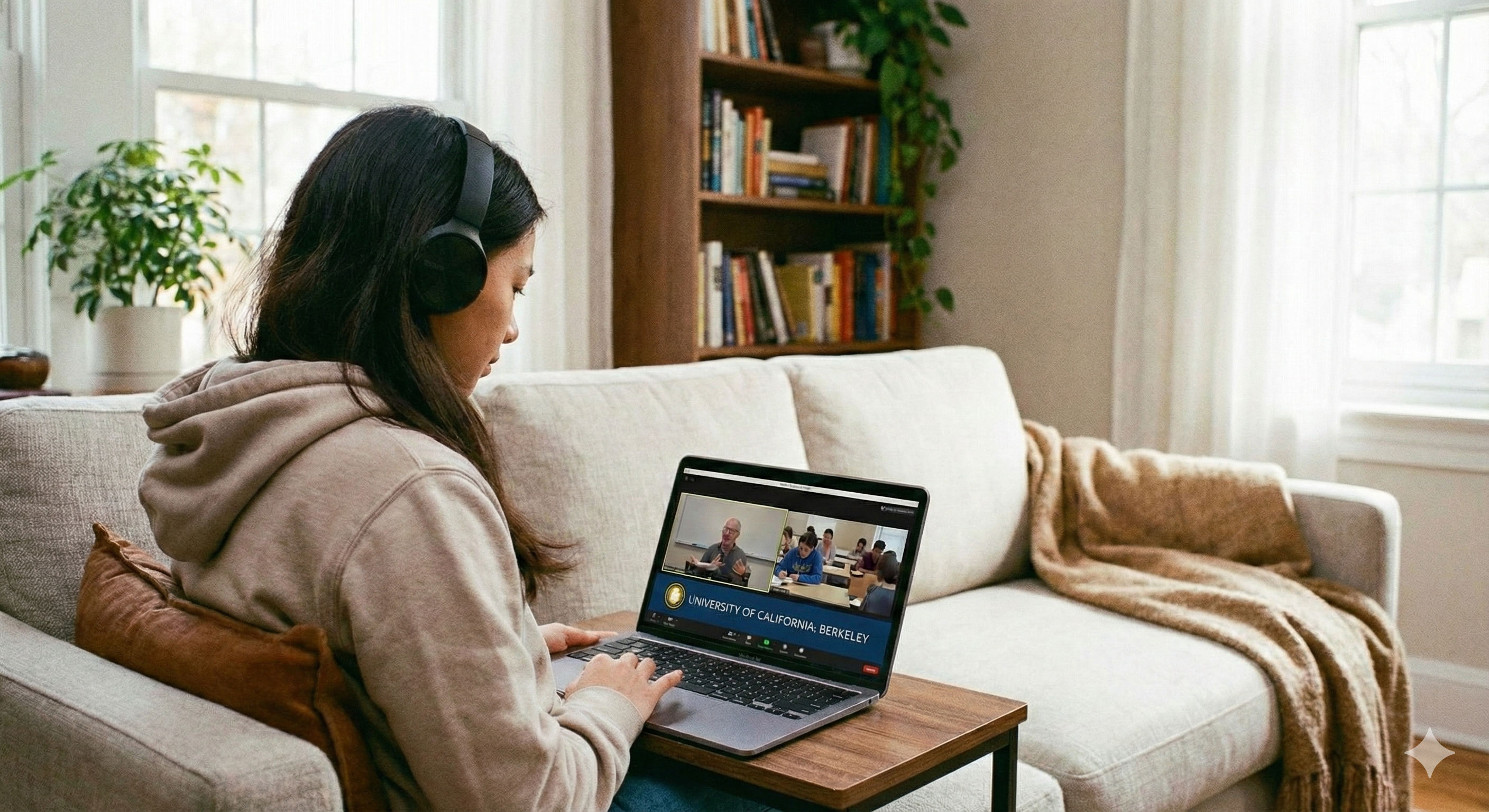
If possible, you can visit the property in person. If you are renting remotely from overseas, uhomes.com can arrange a video viewing or an on-site viewing. Pay close attention to whether the windows are drafty, appliances are functioning properly, and door locks are secure.
4. Review the lease agreement carefully
Check key terms such as lease duration, deposit refund conditions, and subletting policies. Ask questions if anything is unclear, and never sign an incomplete or “blank” contract.
5. Keep all records and receipts
Always obtain a receipt when paying a deposit, and save screenshots of your communication with the landlord. These records are essential evidence in case of disputes.
Student Life in USA: Transportation & Daily Essentials
Once accommodation is sorted, the next step is adapting to your student life in USA. Paying attention to the following details will help you save money and reduce stress.
1. Transportation: City Differences Matter
Public transportation in the US is not as convenient as in many other countries, and travel options vary significantly by city. Generally, there are 2 main scenarios:
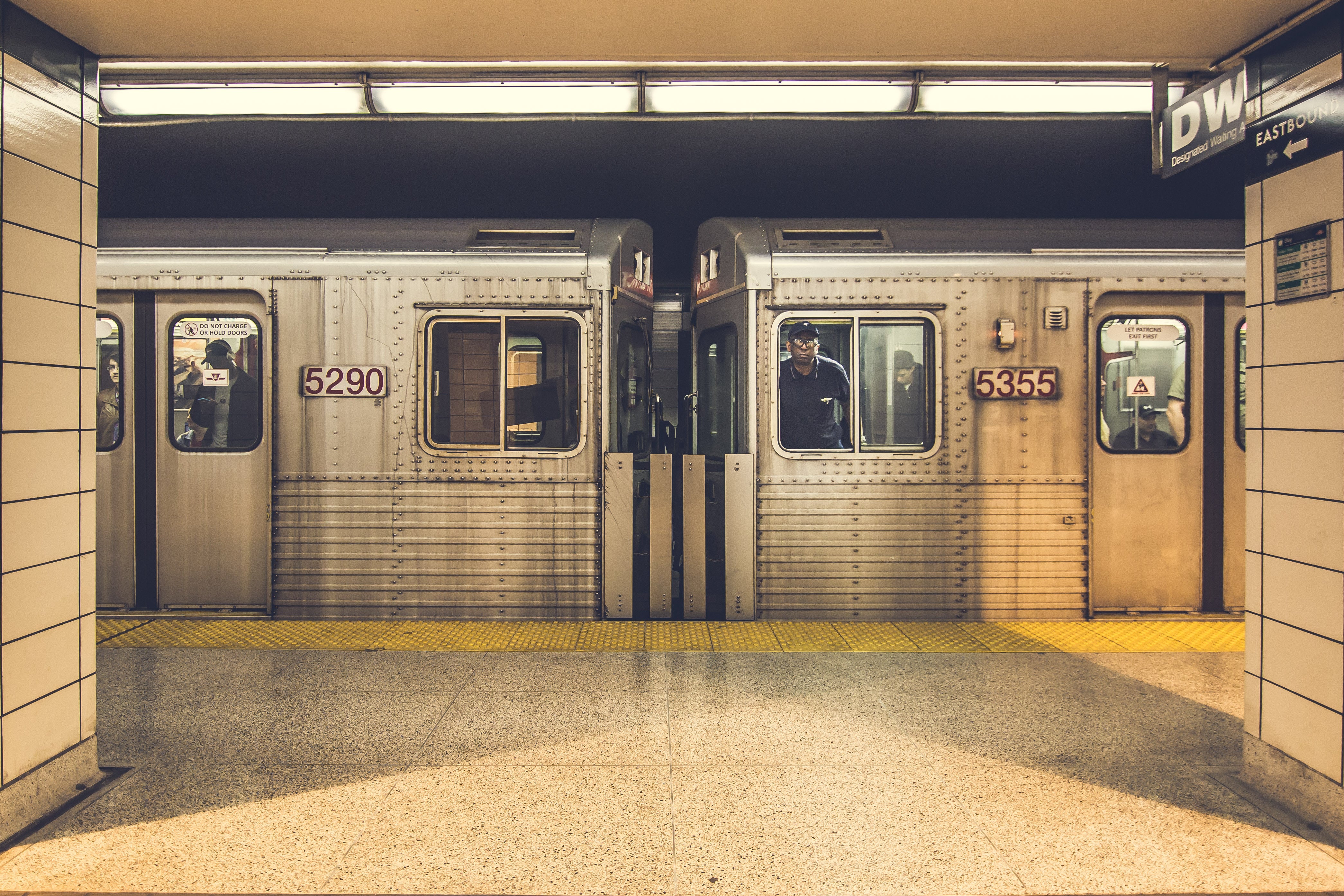
Public transportation systems are well developed, and daily travel can be handled by subways and buses. It is recommended to purchase a local transit card, such as New York’s MetroCard, which costs USD 127 per month for unlimited rides and is much cheaper than buying single tickets. Subways can be chaotic, especially during peak hours, so keep personal belongings secure and avoid empty carriages when possible.
- Small and mid-sized cities (e.g., most cities in Texas and California):
Public transportation is limited, and owning a car is often essential. A reliable Japanese car (such as Toyota or Honda) can usually be purchased with a budget of USD 5,000-10,000. Remember to buy insurance; basic liability insurance typically costs around USD 100 per month. Students without a US driver’s licence can usually rent a car using a translated licence, which most rental companies accept, but it is advisable to obtain a US driver’s licence as soon as possible.
In addition, US highways are generally toll-free, but parking in city centres can be very expensive. For example, parking in downtown New York can cost USD 20 per hour. Whenever possible, use university parking facilities, which often offer student discounts of around USD 50-100 per month.
2. Shopping: Know Clearer and Save More
There are many types of supermarkets in the US, each positioned differently. Knowing where to shop can help you save a significant amount of money:
- Walmart and Target for daily necessities: Affordable prices and a wide range of products, from clothing to furniture. Ideal for buying bulky items such as laundry detergent and toilet paper. A weekly stock-up is usually sufficient.
- Kroger and Safeway for groceries: Fresh produce, reasonable prices, and frequent “buy one, get one free” offers. Membership cards are free to apply for, and reward points can be redeemed for cash discounts.
- Whole Foods for organic food: High-quality but expensive. Best for occasional treats rather than daily shopping. Amazon Prime members can enjoy additional discounts.
When shopping, always pay attention to promotions. The US has 2 major shopping seasons: Black Friday in November and Christmas sales in December, when appliances, electronics, and clothing are typically discounted by 30%–50% (or even more). This is an ideal time to shop in bulk. In addition, many supermarkets offer price matching. If you find the same item cheaper at another store, bring the advertisement to the customer service desk and request the lower price.
3. Food: Cooking at Home or Dining Out
Eating out in the US is expensive. A fast-food meal usually costs USD 10-15, while a sit-down restaurant meal can easily reach USD 30-50. Long-term dining out can quickly become unaffordable. Cooking at home is the most economical option, and keeping monthly food expenses within USD 300-500 is entirely realistic.
If you consider eat out, here are some tips:
- Look for student discounts: Many chain restaurants, such as Chipotle and Subway, offer 10% off with a valid student ID.
- Avoid the “tipping trap”: Tipping is expected in US sit-down restaurants, typically 15%–20% of the bill. Fast-food restaurants generally do not require tips.
- Take advantage of “happy hour”: Many bars and restaurants offer happy hour deals between 4 pm and 7 pm, with half-price drinks and appetisers, which is perfect for casual gatherings with friends.
Additionally, tap water in the US is generally safe to drink cold, but hot tap water is not recommended (as bacteria may grow in water heaters). Purchasing an electric kettle is highly recommended and is an essential item for international students.
4. Spending: Be Rational and Avoid Hidden Costs
There are many subtle spending traps in the US. Paying attention to the following details can help you control your budget:
- Check post-tax prices: Prices displayed on shelves are pre-tax. At checkout, a sales tax of 6%–10% is added, depending on the state. For example, Oregon has no sales tax, making it a popular destination for shopping.
- Use credit cards with caution: Credit cards are convenient, but make overspending easy. Set spending alerts and pay off balances in full each month to avoid interest charges.
- Avoid unnecessary purchases: Supermarkets often run “buy more, save more” promotions, but avoid buying items you do not actually need just for the discount—unused purchases ultimately become wasted money.
Safety and Study: Two Core Safeguards
Beyond daily life, personal safety and academic performance are the top concerns for both students and their families. The following advice is essential and should be kept firmly in mind.
1. Safety First: Non-Negotiable Rules You Must Follow
The US is generally safe, but safety levels vary significantly by area. Taking the following precautions can greatly reduce risk:
- Choose safe neighborhoods when renting: Use websites such as NeighborhoodScout to check local crime rates. Aim for areas with crime rates below the national average, and avoid high-risk neighborhoods.
- Avoid going out alone at night: This is especially important for female students. Travel in groups whenever possible, avoid alleys and poorly lit areas, keep your phone with you at all times, and save the contact numbers for campus security and the embassy on your phone.
- Protect your personal belongings: Do not leave your wallet or phone unattended. Keep backpacks zipped, particularly in crowded places.
- Follow the law: Laws in the US are strictly enforced. For example, you must be 21 or older to purchase alcohol, and smoking is prohibited in many public places. Violations can result in fines and may even affect your visa status.
In case of an emergency, call 911 immediately and clearly state your location and the nature of the situation. Police response times in the US are generally very fast.
2. Academic Adjustment: From Passive Listening to Active Participation
Classroom culture in the US may differ from that in other countries, and many international students struggle at the beginning. The following strategies can help you adapt more quickly:
- Preview before class: Spend 10 minutes reviewing the textbook or lecture slides beforehand so you know what will be covered, making it easier to follow the lecture.
- Participate actively: US classrooms encourage questions and discussion. Do not worry about making mistakes; participation is often a graded component and can directly affect your final mark.
- Make full use of campus resources: Most universities have a Writing Center where you can receive free help with essays. Professors also hold regular office hours; feel free to visit them with questions, as they are generally very willing to help.
- Study in groups: Working with classmates improves efficiency, helps develop spoken English, and is an excellent way to build friendships.
Final Thoughts on Student Life in USA
Don’t be afraid of the unfamiliar student life in USA, as adjustment takes time. When you first arrive in the US, you may hesitate to speak because of language barriers, feel confused by cultural differences, or even cry quietly because you miss home. All of this is completely normal. Many students who initially did not even dare to go to a supermarket on their own later become confident enough to negotiate rent with landlords, discuss academic topics with professors, and even travel around the US with their families.
Student life in USA is like a freshly unfolded map. The uncertainty and confusion at the beginning are only temporary. As long as you are willing to take the initiative and explore step by step, you will soon find a rhythm that suits you.
If you encounter any difficulties with housing or daily life, do not hesitate to ask for help. Your university’s international student office, senior students, and consultants from uhomes.com are all there to support you.
Finally, wish you a smooth and fulfilling study abroad experience in the US—one that brings not only knowledge, but also personal growth. This journey will become one of the most valuable experiences of your life.
FAQs about Student Life in USA
How to find international student accommodation in the US?
You can find affordable and comfortable international student accommodation in the US through uhomes.com. It’s a trustworthy platform designed specifically for students, offering verified housing near campuses, accepting renters without a US credit history, and providing multilingual support throughout the process. With exclusive student deals and official partnerships such as American Campus Communities, Campus Apartments, and Scape, uhomes.com helps simplify searching, booking, and moving in safely.
How can an international student rent in the US without a US credit history?
International students can rent through uhomes.com, which acts as a third-party guarantor, accepts passports and the Form I-20, and negotiates directly with large property managers. Alternatively, offer a larger upfront deposit, prepay several months’ rent, or provide a US-based guarantor.
What are the most important things to do in your first week in the US?
The most important things to do after landing in the US are: (1) apply for/activate your Social Security Number (SSN); (2) obtain a local SIM with a prepaid plan; (3) open checking and savings accounts; (4) secure student health insurance or confirm university coverage; (5) survey your neighbourhood for supermarkets, campus health services, transit stops and emergency contacts to reduce initial stress.
Which type of student accommodation should I choose?
You should choose purpose-built student accommodation (PBSA), which is generally safer and more convenient: built-for-students facilities, campus proximity, and community support. In contrast, private rentals may be cheaper but often require credit checks, guarantors, and more negotiation.
How can I reduce living costs on food and transport?
You can reduce living costs on food through strategic shopping. For transport, use monthly transit passes in big cities or buy a reliable used car in suburban areas. Track taxes, avoid impulse credit spending, and use student discounts.
What are the safety practices for international students?
The safety practices for international students include: 1) Choose a low-crime neighbourhood and save campus security and embassy contacts; 2) Avoid walking alone at night, keep belongings secured, and lock doors. 3) Understand local laws to avoid penalties; 4) In emergencies, call 911 and clearly state your location; 5) Keep receipts and records for any incidents to support reporting or insurance claims.
What are the types of accommodations in the US?

The types of accommodations in the US range from traditional lodging like hotels, motels, and bed & breakfasts to vacation rentals such as apartments, villas, and holiday homes, plus unique options like hostels, cabins, lodges, and even campgrounds/RVs, and student accommodations like PBSA.