



Home for Global Students
4.9/5
GET APP
30 Traditional British Foods You Must Try
England might be more famous for its history and its culture than for its cuisine, but traditional British foods are hearty, varied and will feed you well both on your holiday or while you’re in student life. These cuisines probably do not have the best reputation, partly because of their unusual dish names. However, classic British dishes are much more than they seem; many of them are old traditions and can turn out delightfully once you move beyond their sometimes distinctive names.
Traditional British foods are cuisines that have been formed over hundreds of years in Britain, representing perfectly local ingredients, cultural references and historic traditions. Many of the English typical dishes may be prepared simply, but are always central to everyday meals as well as celebrations, and are a key part of cooking in the UK.
From crispy fish and chips on the coast to the comfort of a gourmet Sunday roast with all the trimmings, classic British dishes tells stories of resilience, working-class ingenuity and royal influence. Whether you’re planning a trip to England or about to start university abroad, our guide will take you on a journey through the flavours that represent traditional British foods.
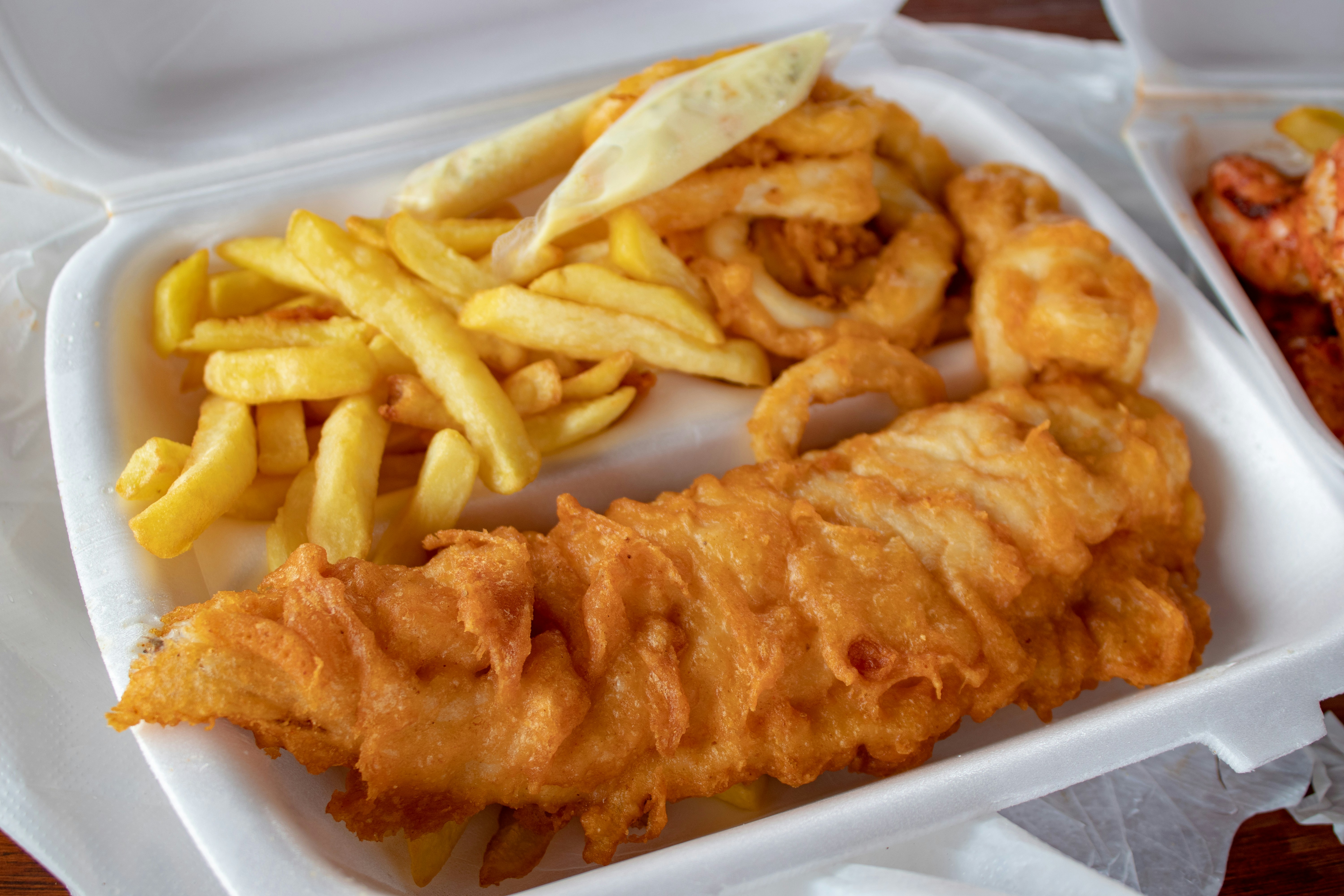
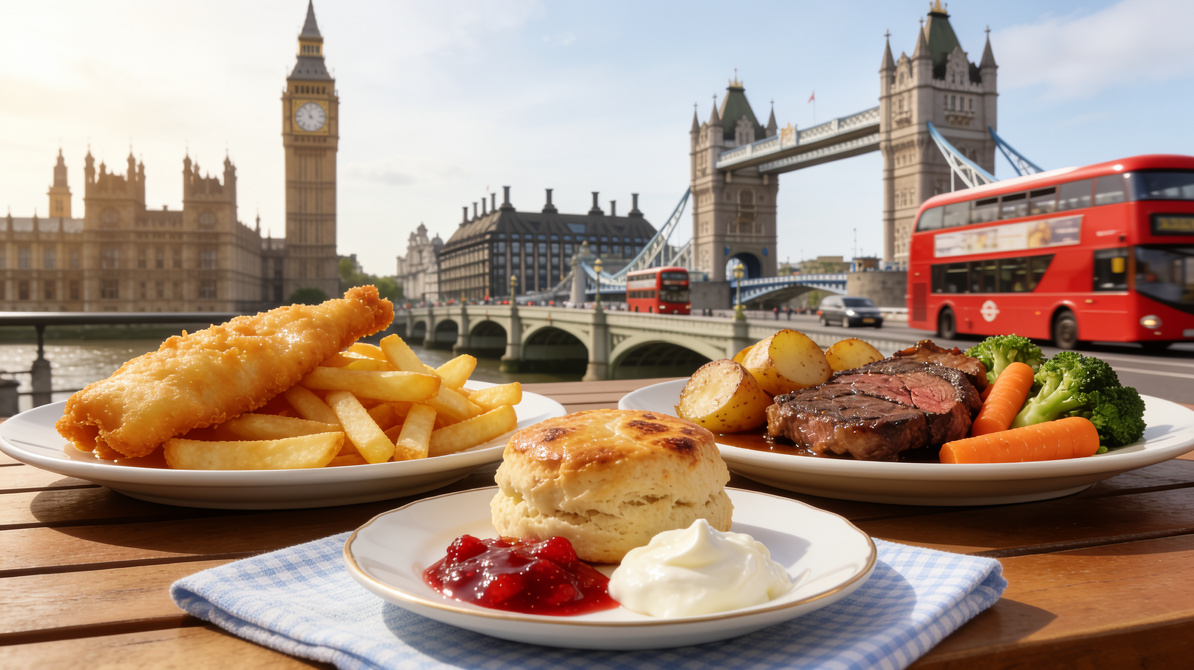
Fish and chips is undoubtedly a classic British dish. This typical cuisine wraps crispy white fish in a crispy golden batter, paired with thick-cut chips. Sprinkle salt and vinegar, often with soft peas on the side. Originating in the 19th century, it has become an affordable takeaway staple that must be served directly from the wrapper by the sea or at a traditional “fish and chip shop.” Simple but satisfying, fish and chips are a true British culinary icon.
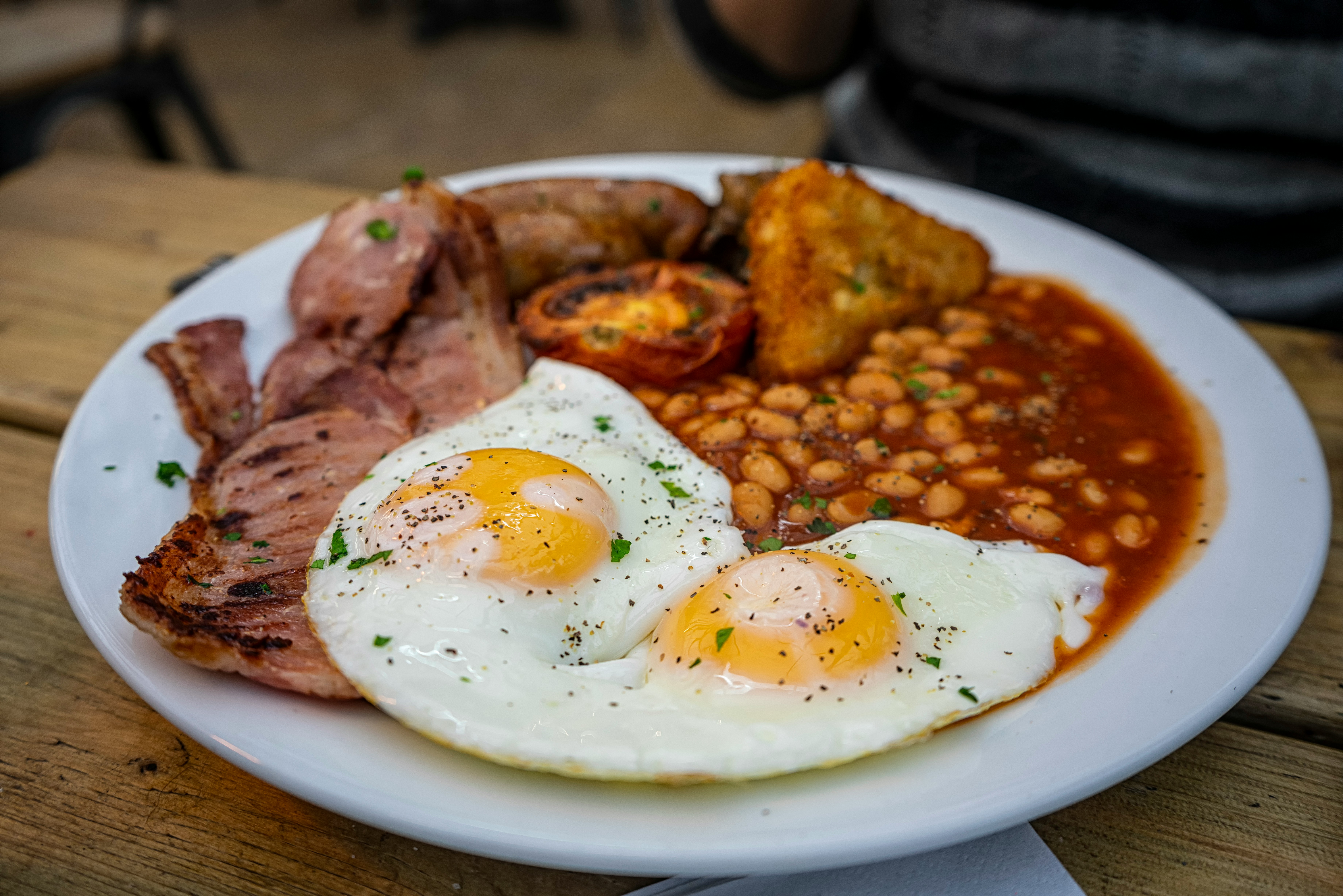
Full English breakfast is also known as a typical English breakfast food. It for energy for the whole day is Bacon, sausage, fried egg, baked beans, fried tomatoes, mushrooms, black pudding and toast, doused with a strong cup of tea. A classic recipe from the Victorian Era and the staple dish in hotels and cafés all over the UK. This dish is a breakfast essential.
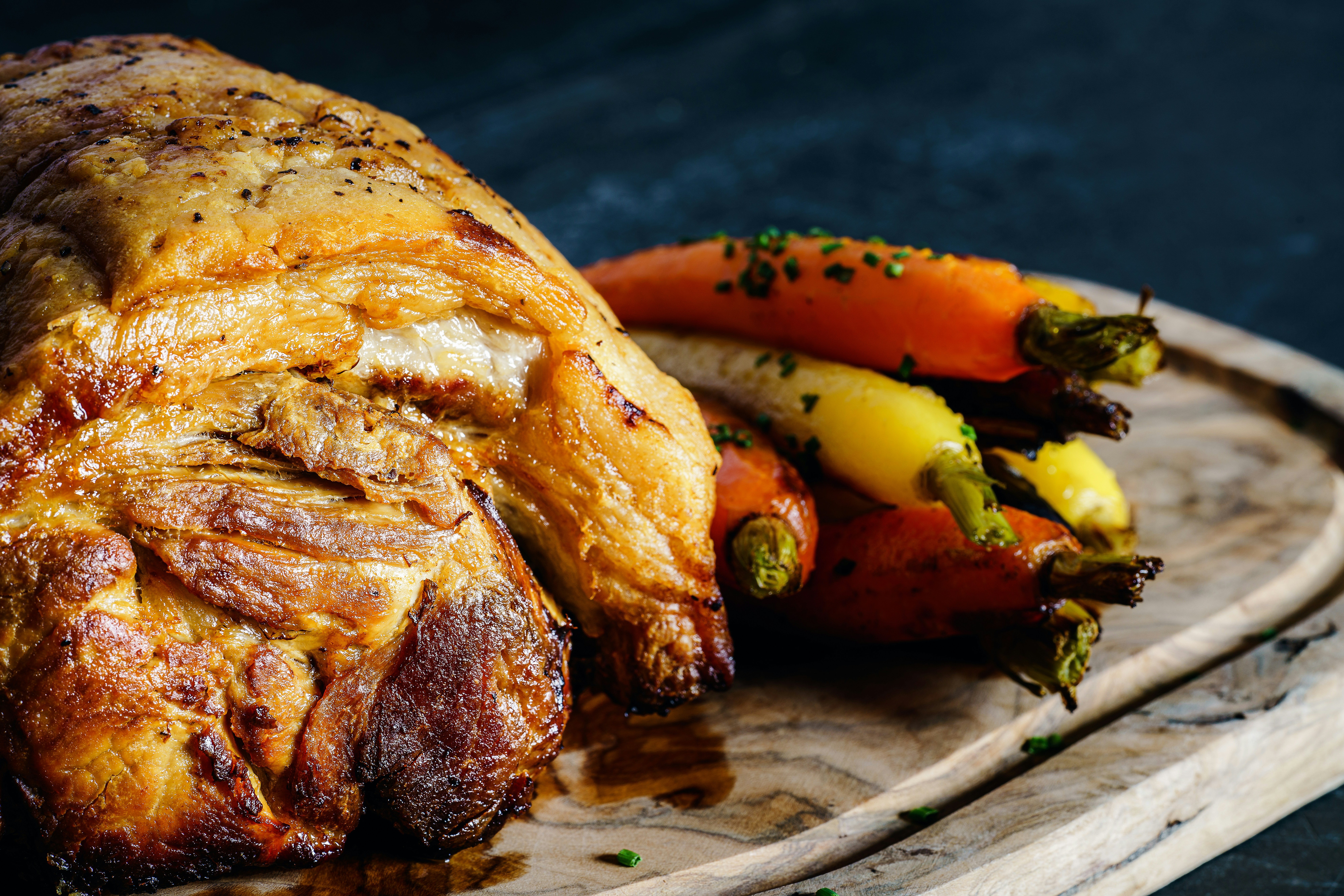
Sunday roast is a typical British food and a centrepiece of a family gathering. The roast is usually a joint of cooked meat (usually beef, lamb, chicken or pork) served with floppy roast potatoes, seasonal vegetables, rich gravy and, of course, Yorkshires. The Sunday roast harks back to hundreds of years of tradition, and is associated with meals after Sunday church services, an expression of excellent and hearty British home cooking. You can often find it on pub menus as well.
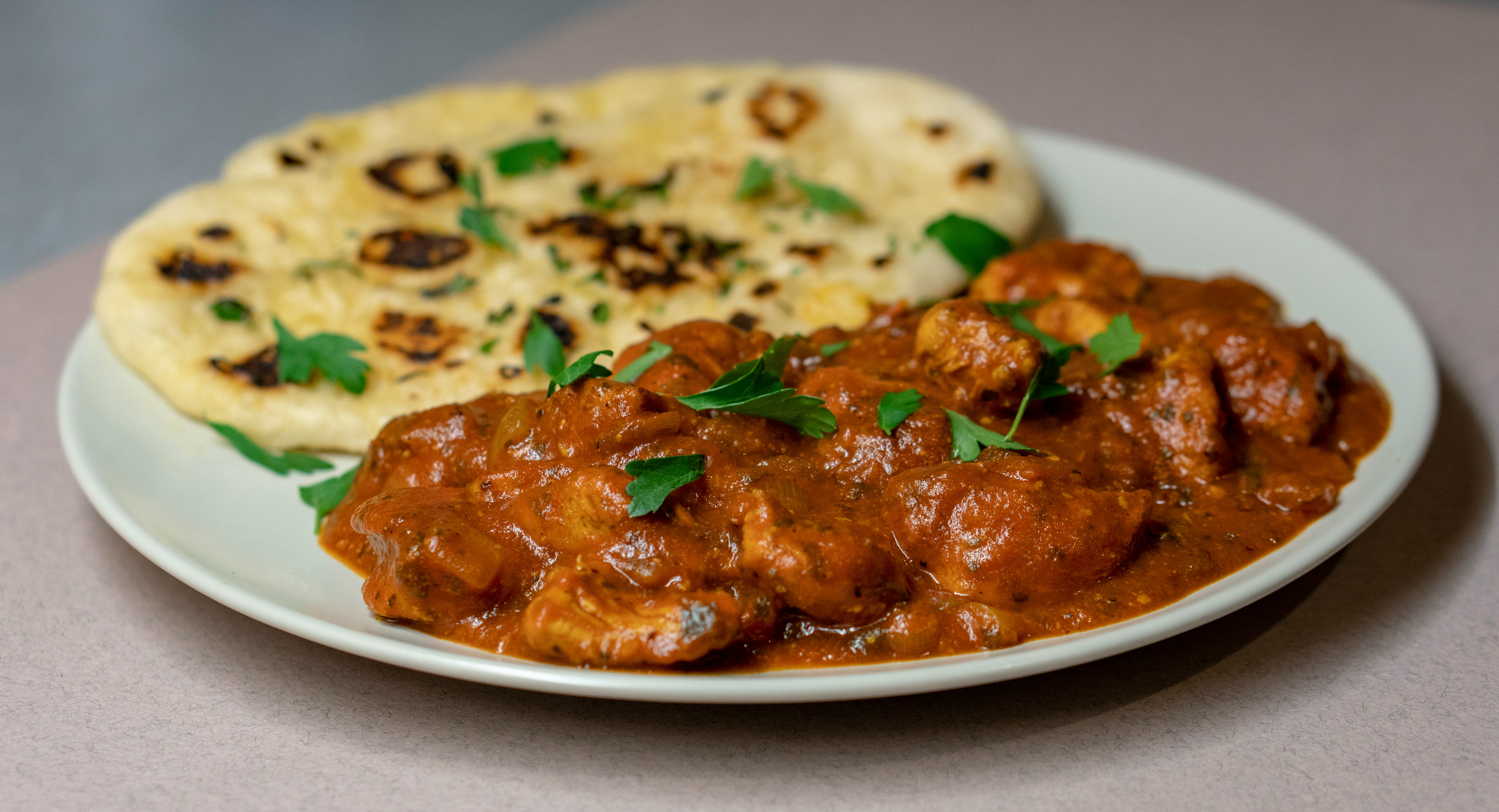
Chicken Tikka Masala is a richly flavoured classic. With juicy, char-grilled chicken pieces gently simmered in a fragrant, creamy sauce, the dish has two key components: the tikka (marinated chicken chunks) and masala (the rich gravy in which the tikkas are cooked). Simple to make yet full of character, it ranks among the most traditional British meals.
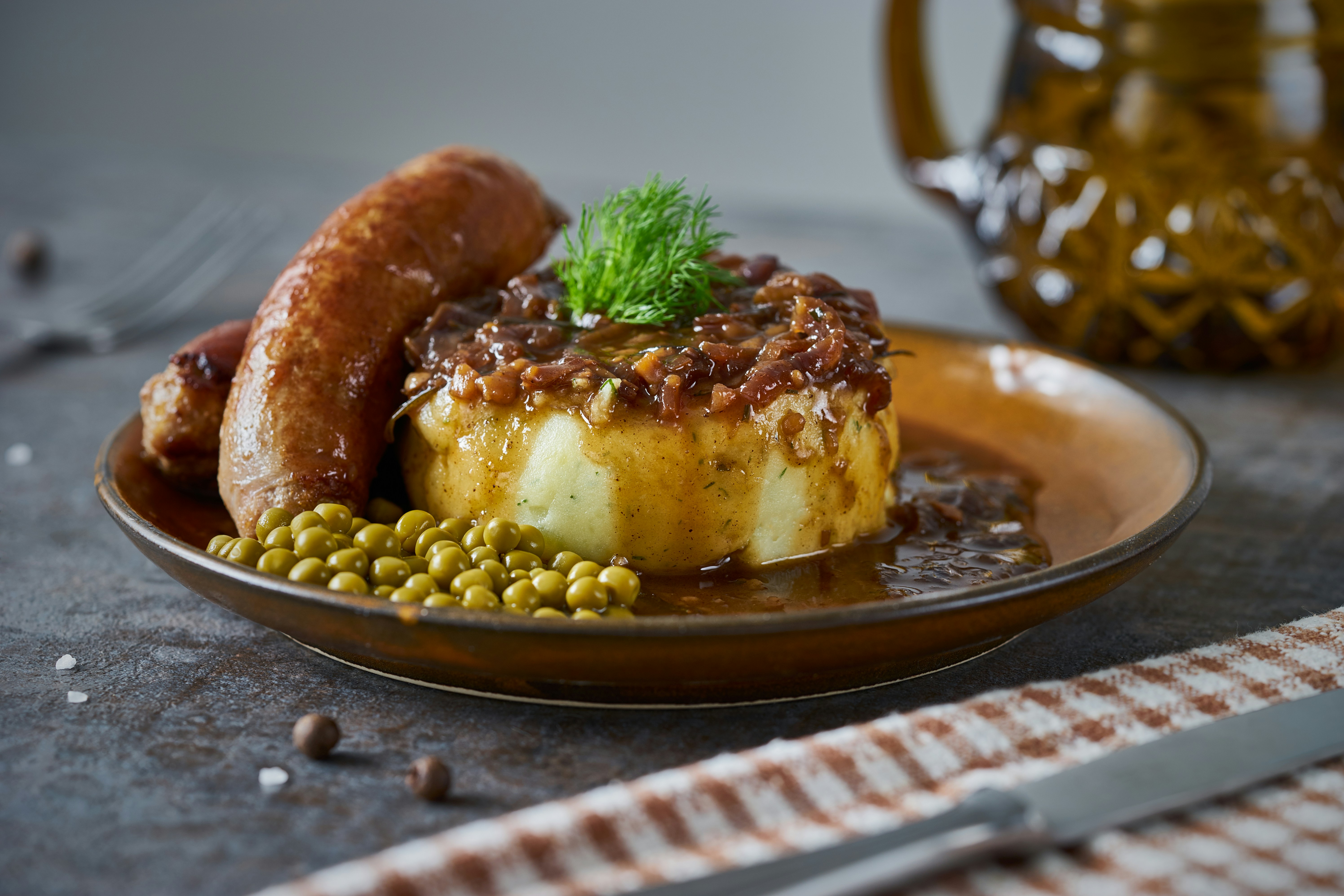
Bangers and mash is a classic British dish. It consists of sausages served with mashed potatoes. Cooks pour rich onion gravy over the top. Juicy sausages sometimes explode when cooked due to high moisture content and are then served on creamy mashed potato, covered by thick onion gravy. It is an uncomplicated warm feeling dish, a family favourite and a regular tab on British pub menus.
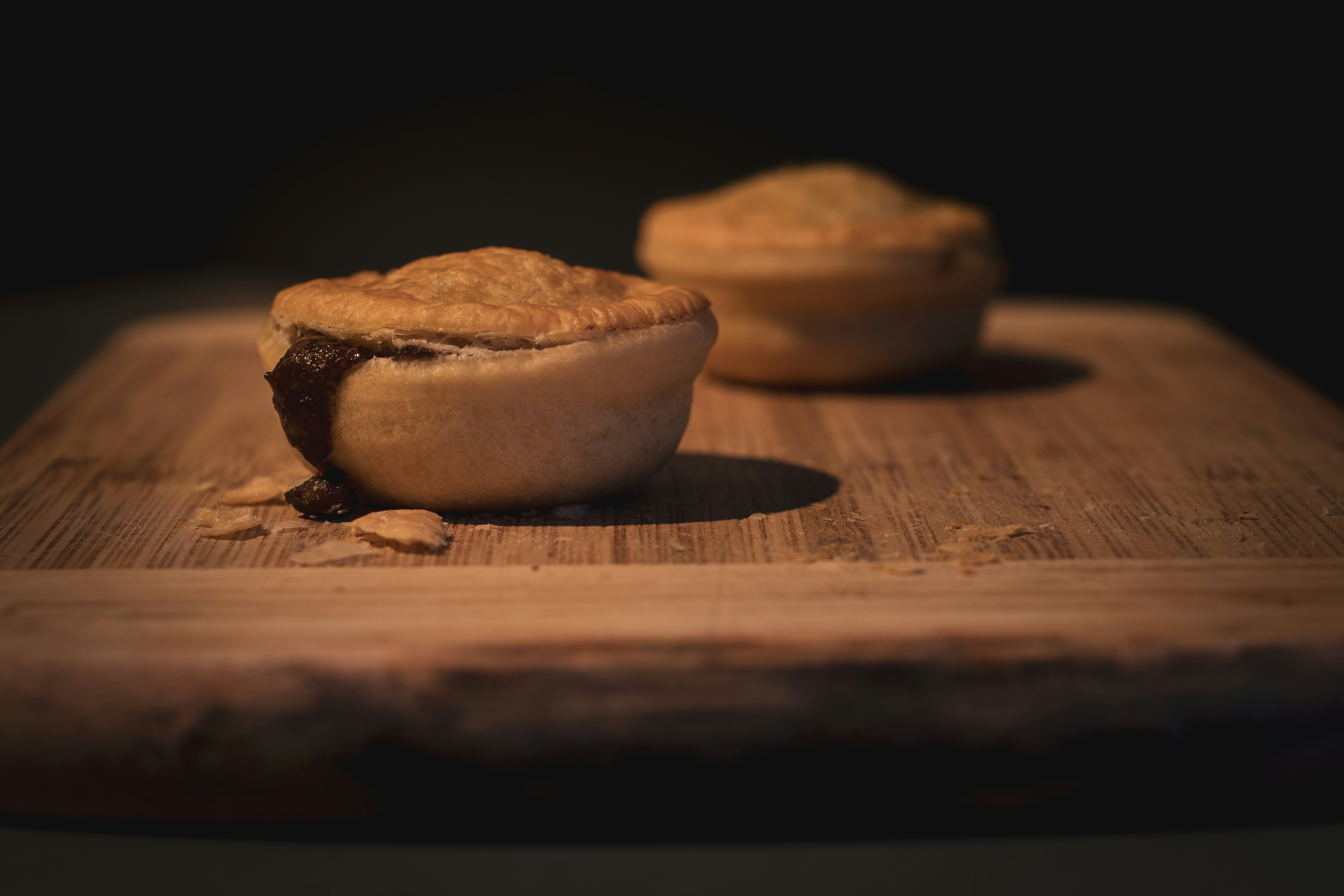
Steak and Kidney Pie is hearty pub fare at its richest. Tender chunks of beef and kidney are simmered in a savoury gravy, then baked under a flaky puff pastry crust. This traditional savoury pie offers a warming, deeply flavourful experience, making it perfect for cold days and a long-time favourite in British pub.
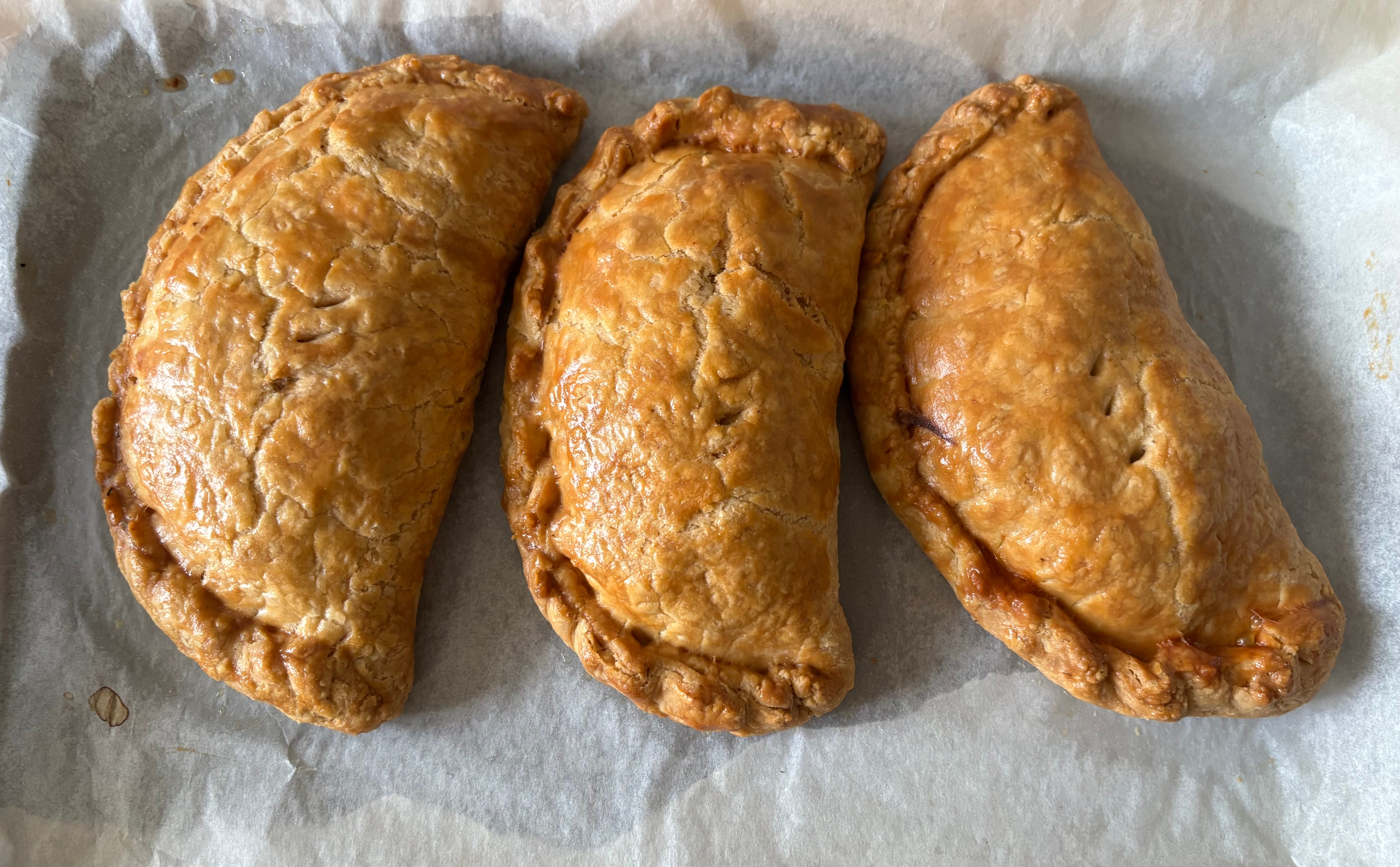
Corie pasty is a portable hand-held pie with a tough crust of pastry stuffed with beef, potatoes, onions and swede (rutabaga). Inspired by Cornish tin miners to carry underground, its characteristic crimp on the edge was used as a handle. Confidently respected, the Cornish pasty is a baker’s favourite, and it is a good snack to carry with you too. It is a typical British food, very famous in Cornwall.
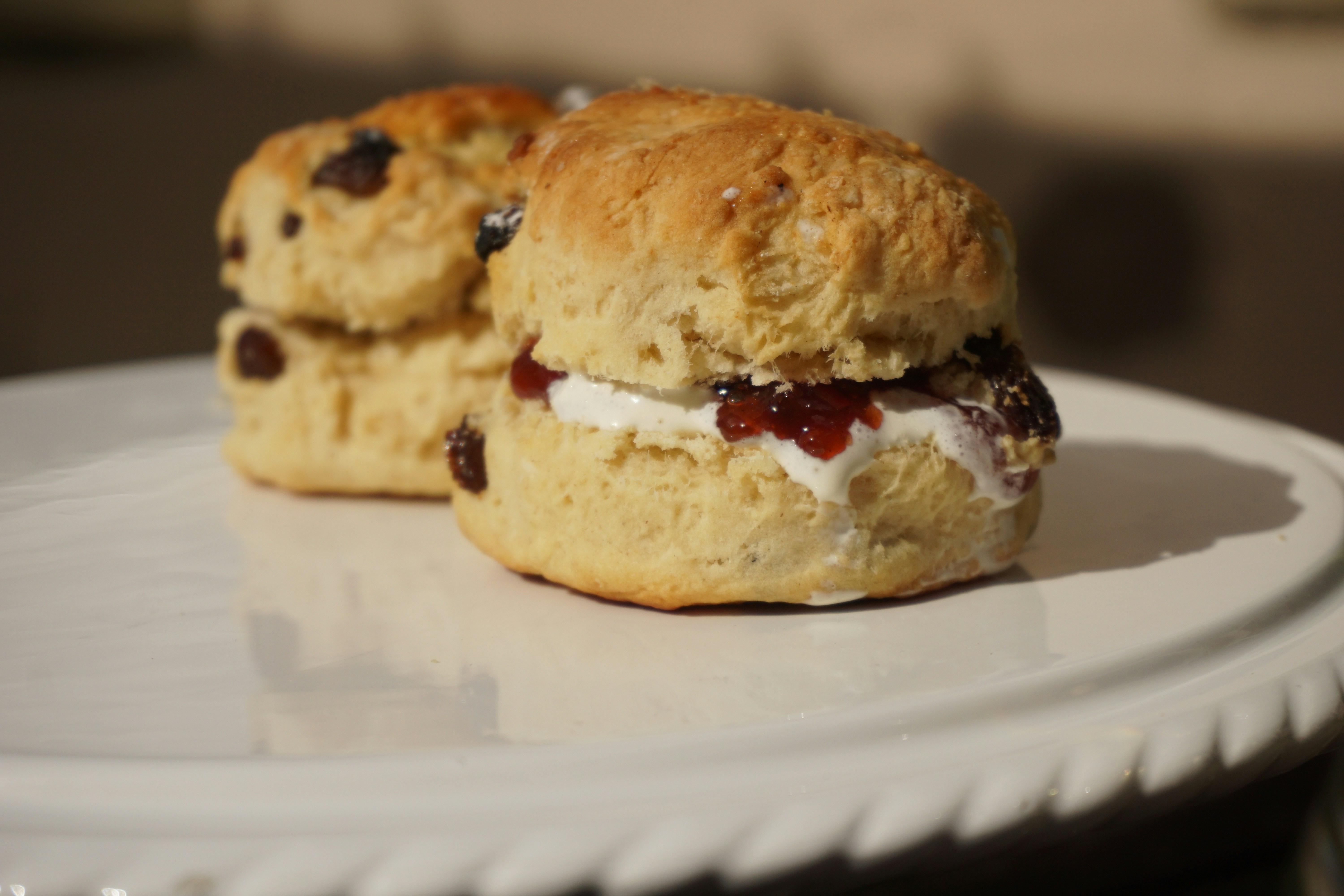
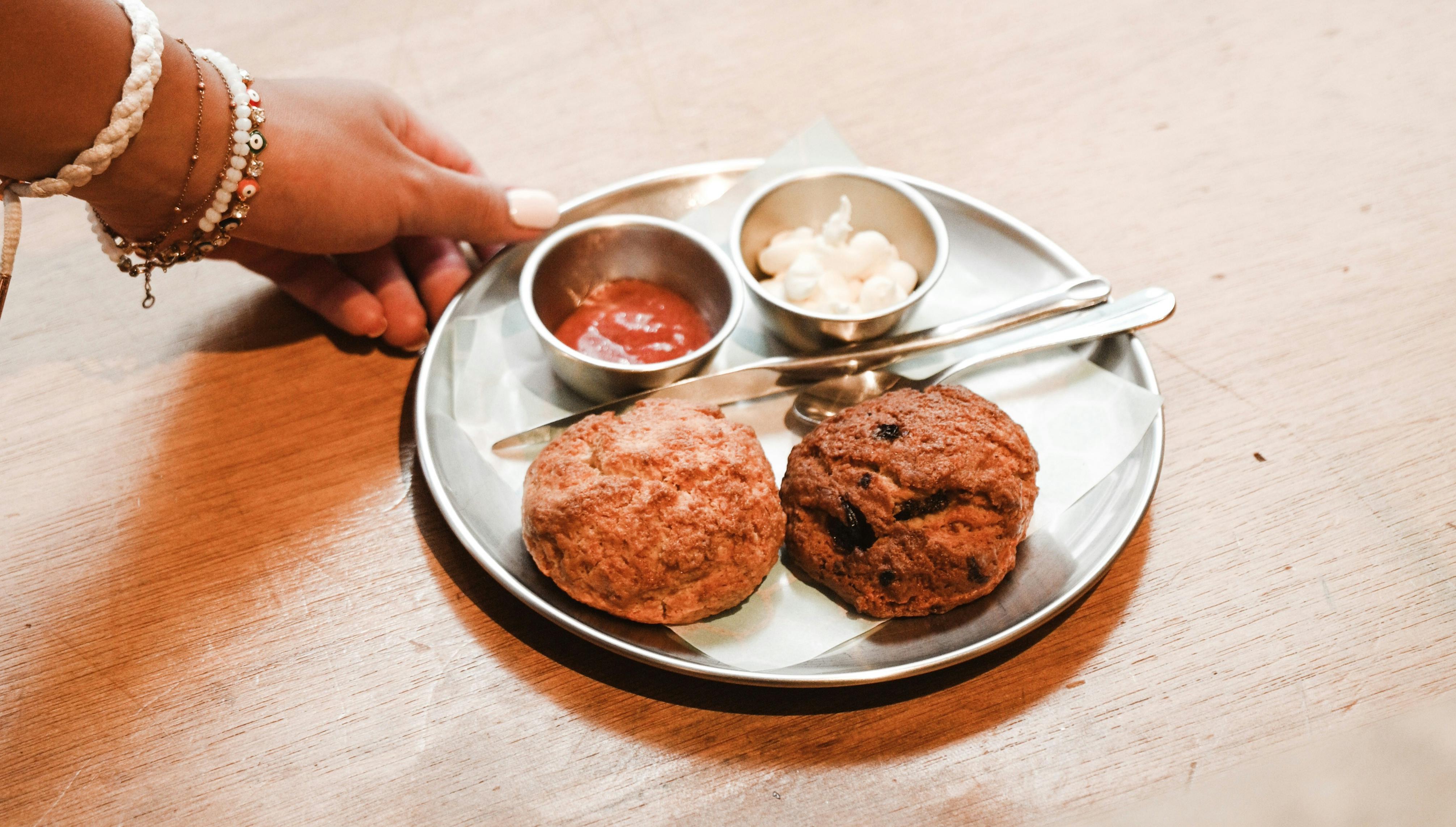
A traditional British cream tea is centred around scones with jam and clotted cream. These warm, fluffy scones are cut in half and topped with a lot of strawberry jam and thick, rich Devon or Cornish clotted cream. This fancy but comforting treat is a must-have for afternoon tea, and it often leads to friendly arguments about whether to put the jam or the cream on first.
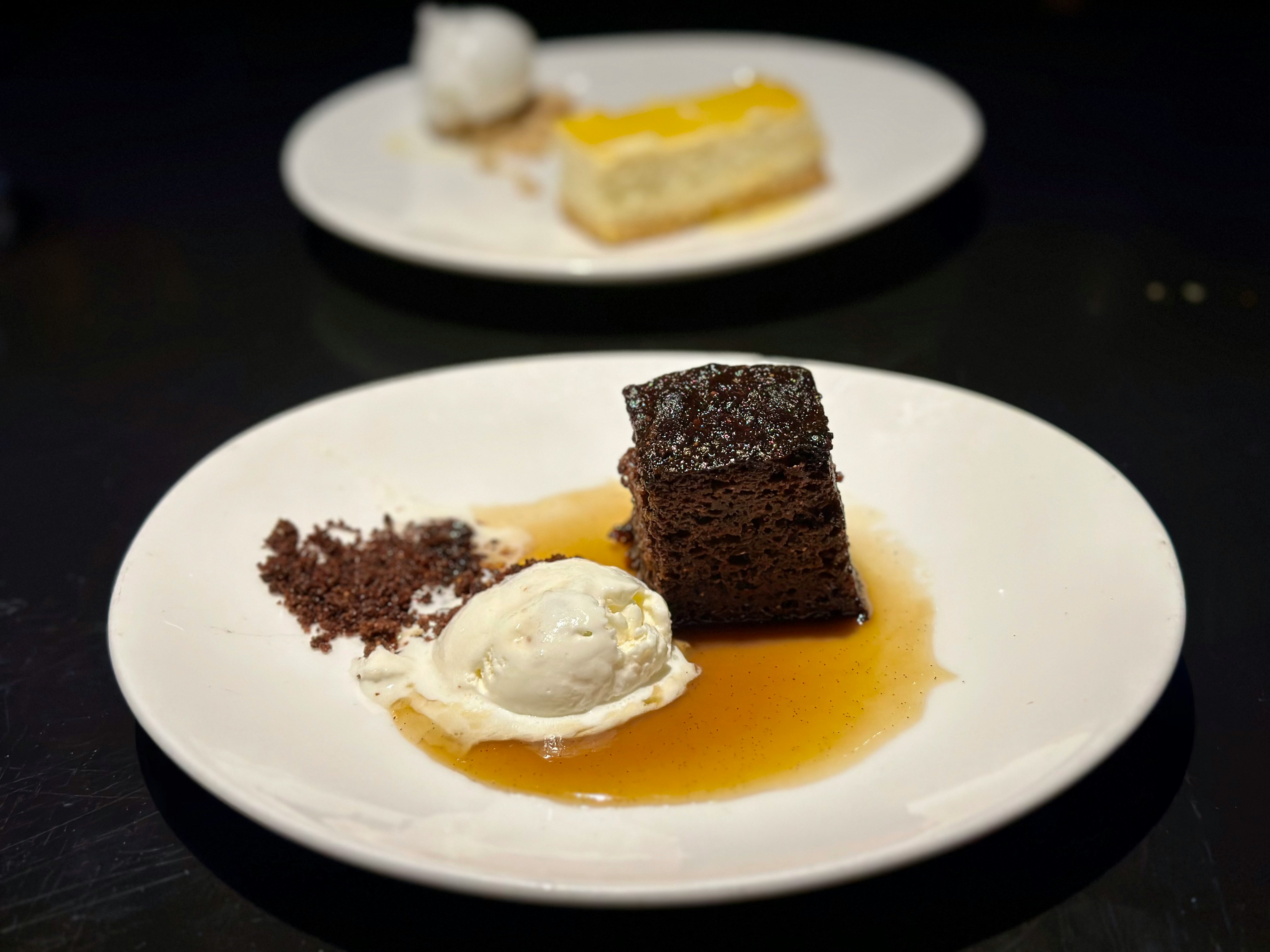
Sticky Toffee Pudding is one of Britain’s stariest desserts. A moist date sponge cake covered with a hot, rich toffee sauce; normally accompanied by custard, cream, or a pot of vanilla ice cream. Sweet, sticky, and utterly addicting, sticky toffee pudding is a traditional English food and restaurant staple that brings all-round comfort with every mouthful. Rich tasty gravy in which tikkas are cooked.
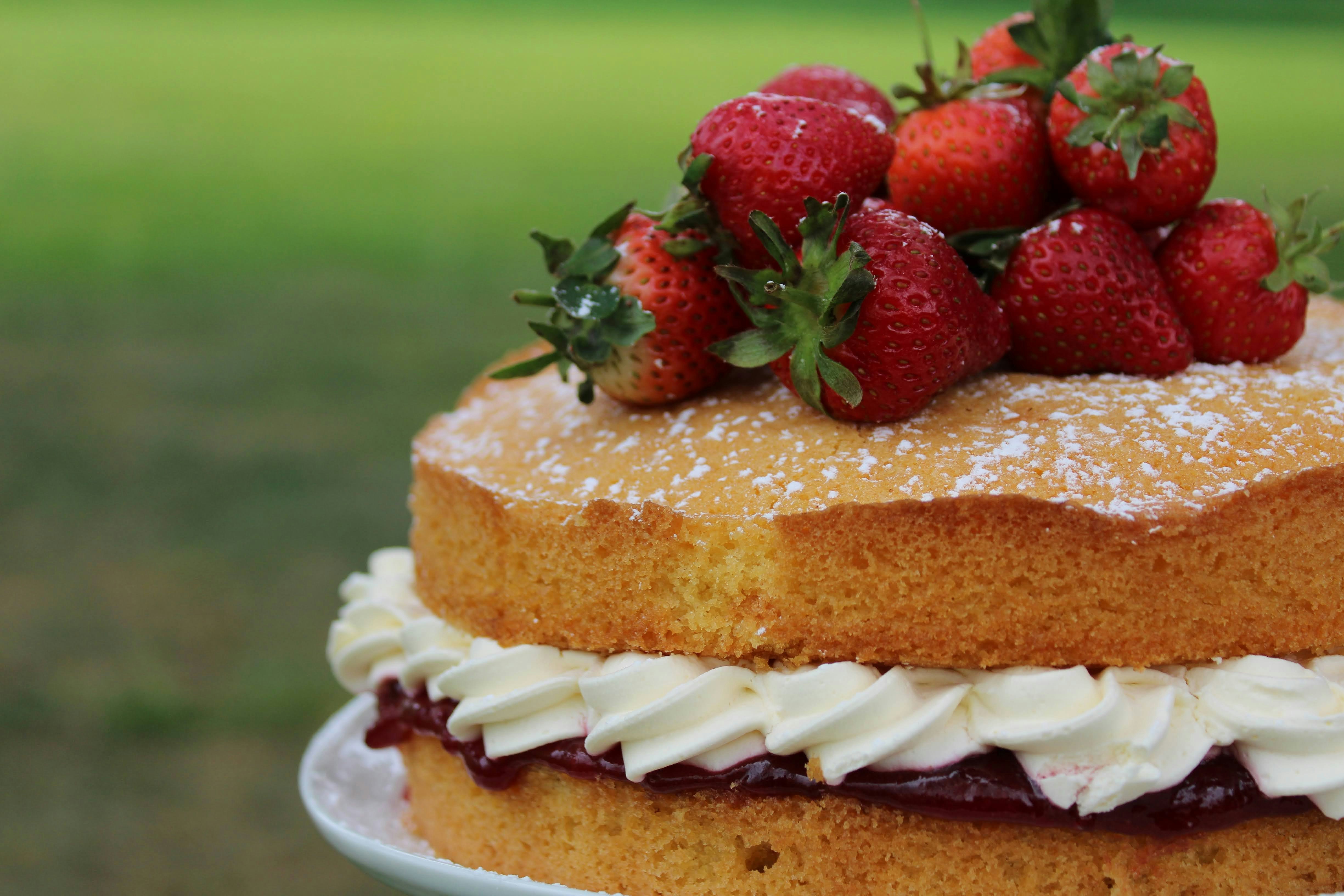
Victoria Sponge is a light, elegant sponge cake named after Queen Victoria, who enjoyed it during afternoon tea. Two layers of soft vanilla sponge are sandwiched with strawberry jam (and sometimes cream), dusted with sugar on top. A simple classic, perfectly stood with a cup of tea, it’s a favourite at British tea tables.
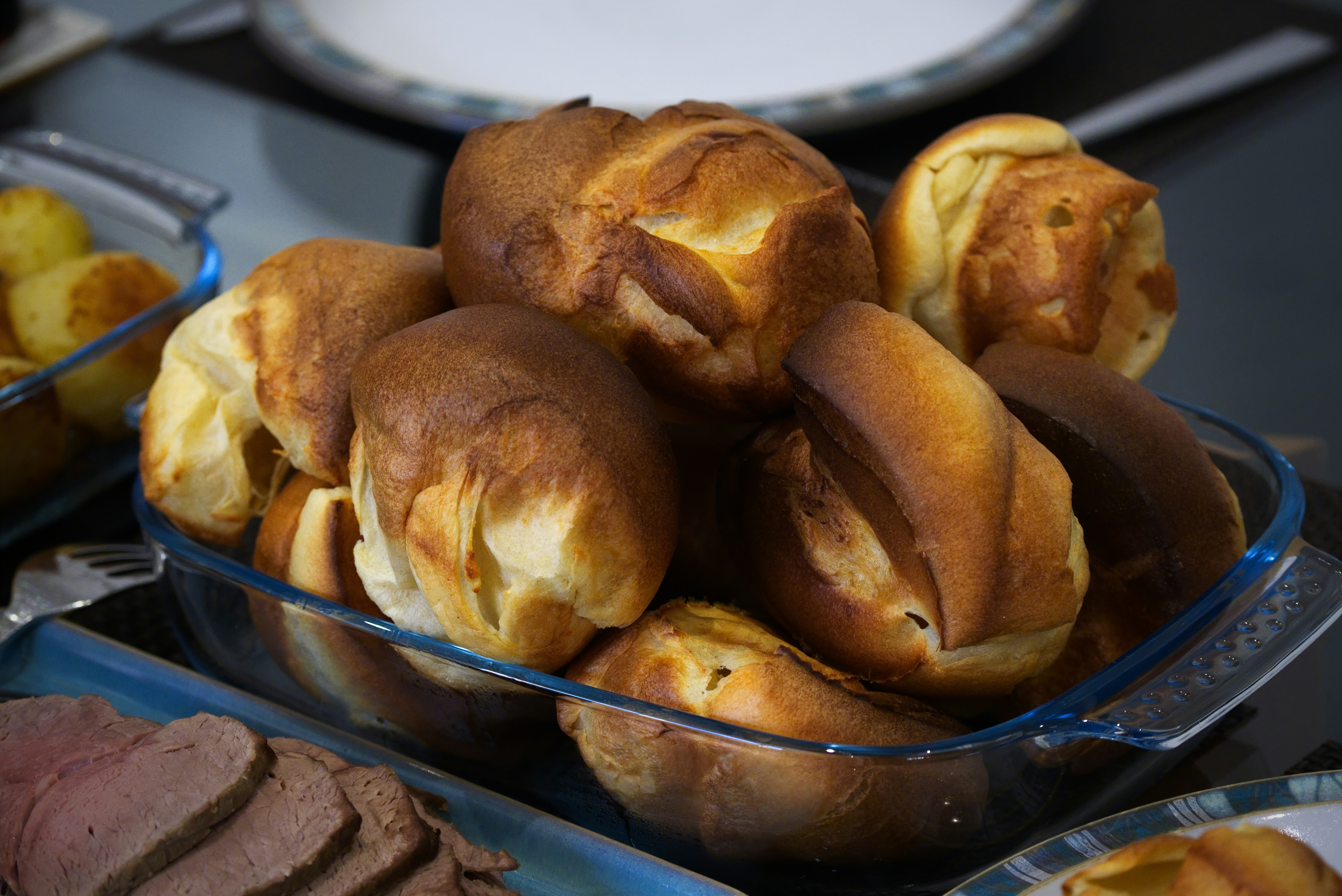
Yorkshire pudding is a traditional cuisine in the UK. It is made from a simple batter of eggs, flour, and milk. Cooks pour the batter into hot oil and bake it in the oven. The pudding rises and becomes crisp on the outside and soft inside. People usually serve it with roast beef and gravy. It is an important part of a traditional Sunday roast. Many use it to soak up the gravy on the plate.
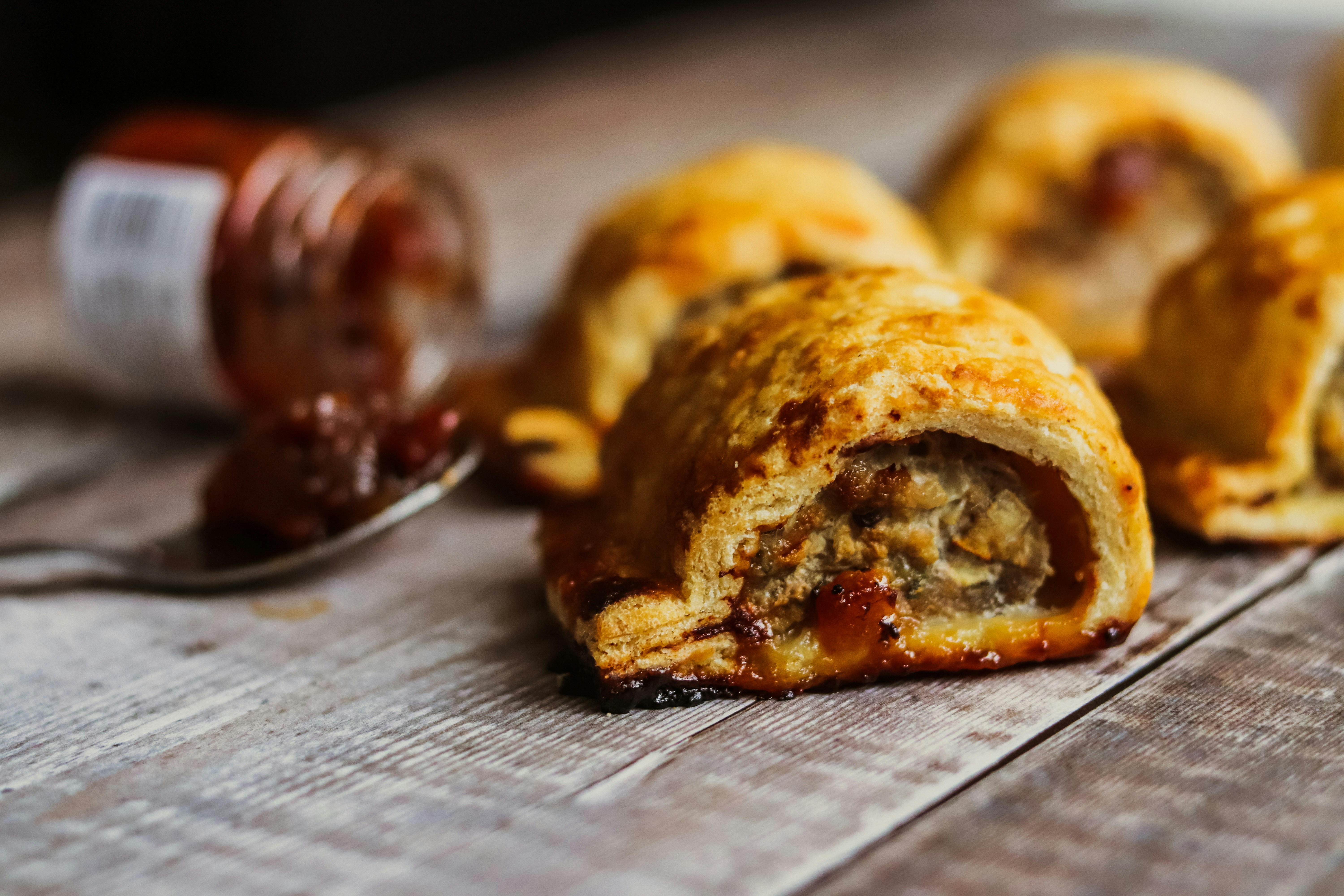
Sausage Roll is a popular grab-and-go snack featuring seasoned sausage meat wrapped in flaky puff pastry. Found in bakeries like Greggs and at picnics or parties, it’s crispy, savory, and endlessly satisfying.
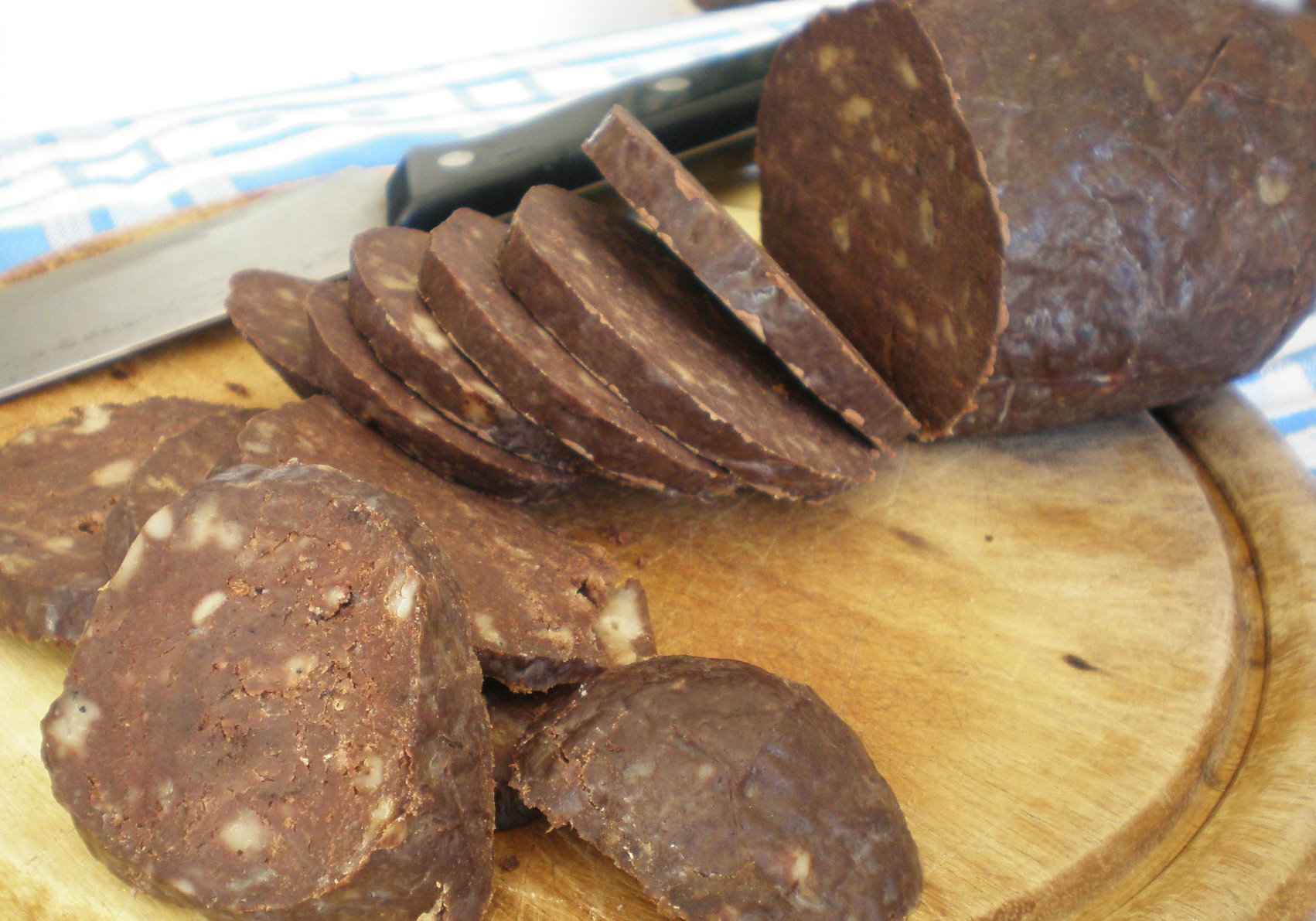
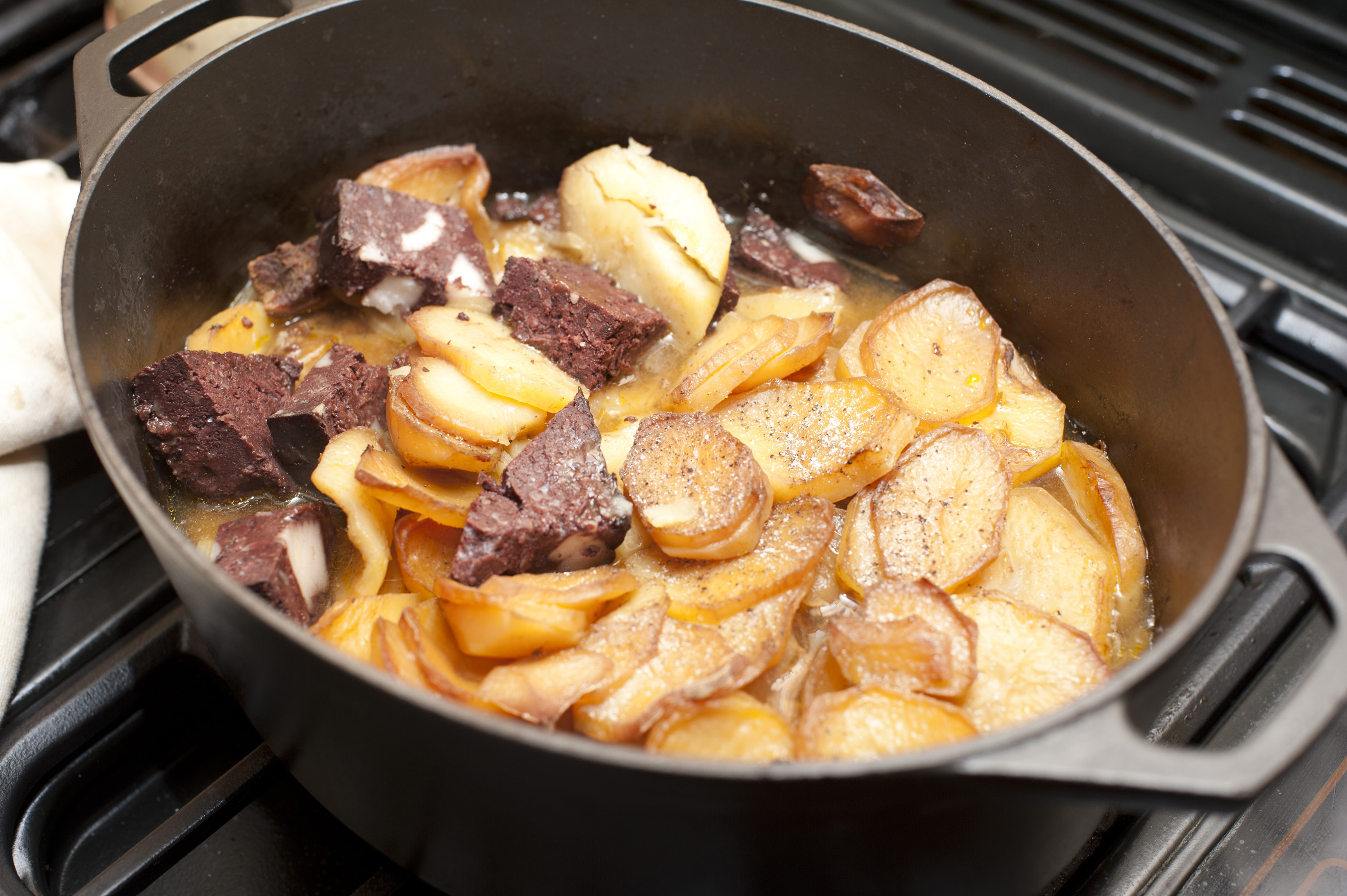
Black pudding is a traditional blood sausage made from pork blood, oats and spices. Often sliced, fried and served with breakfast, it is the very spicy sidekick of the English Full English Breakfast. Loved by some, loathed by others, black pudding is part of classic English breakfast cuisine.
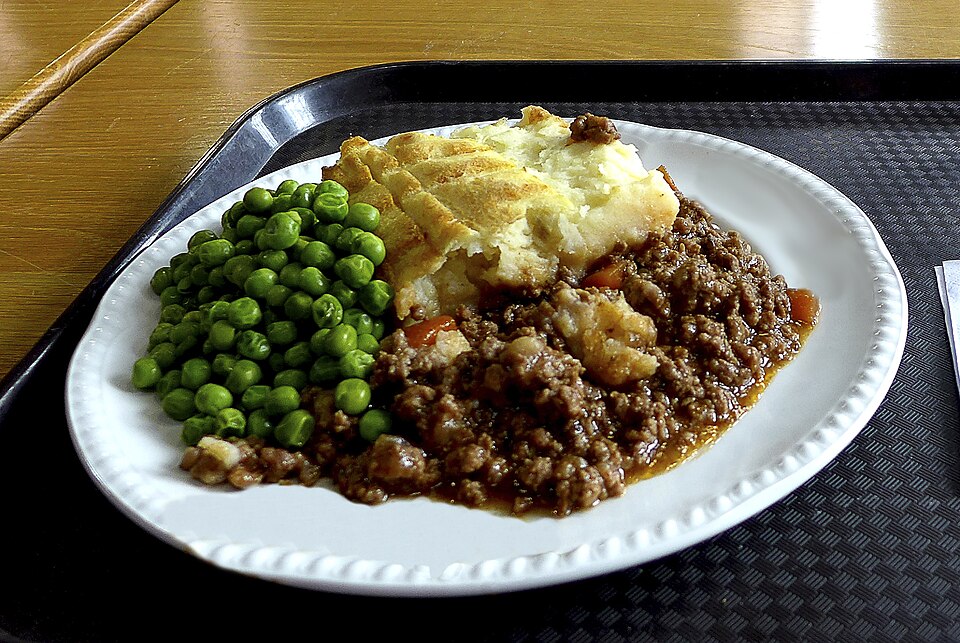
Shepherd’s Pie (shepherd meat), or cottage pie (beef pie), is comforting baked mince of meat and vegetables served with a thick top layer of mushy potatoes. Somebody’s treat, everybody eats, and it’s a practical, warming dish used up nicely, and a traditional British dish.
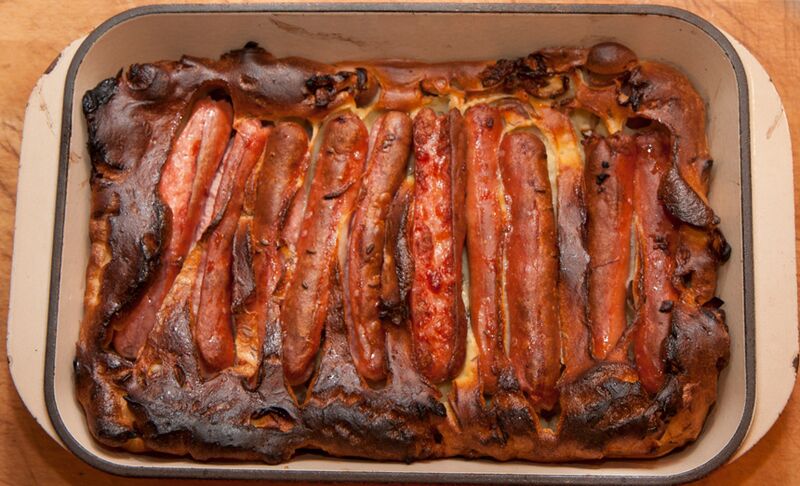
Toad in the Hole is a fun common dish where the sausages are baked inside a big Yorkshire Pudding batter so it makes a ‘toad’ peeking out of a ‘hole’. Delivered up with gravy and onion, vegetables, it’s a quirky, hearty dish for a pub or home meal.
Bubble and Squeak is traditional British food, made by frying mashed up potatoes and cabbage (or other Sunday Roast vegetables) into a crispy patty. It is named after the bubbling and squeaking noises it makes when being cooked in a pan, a tasty way to relish a roast dinner the following day.
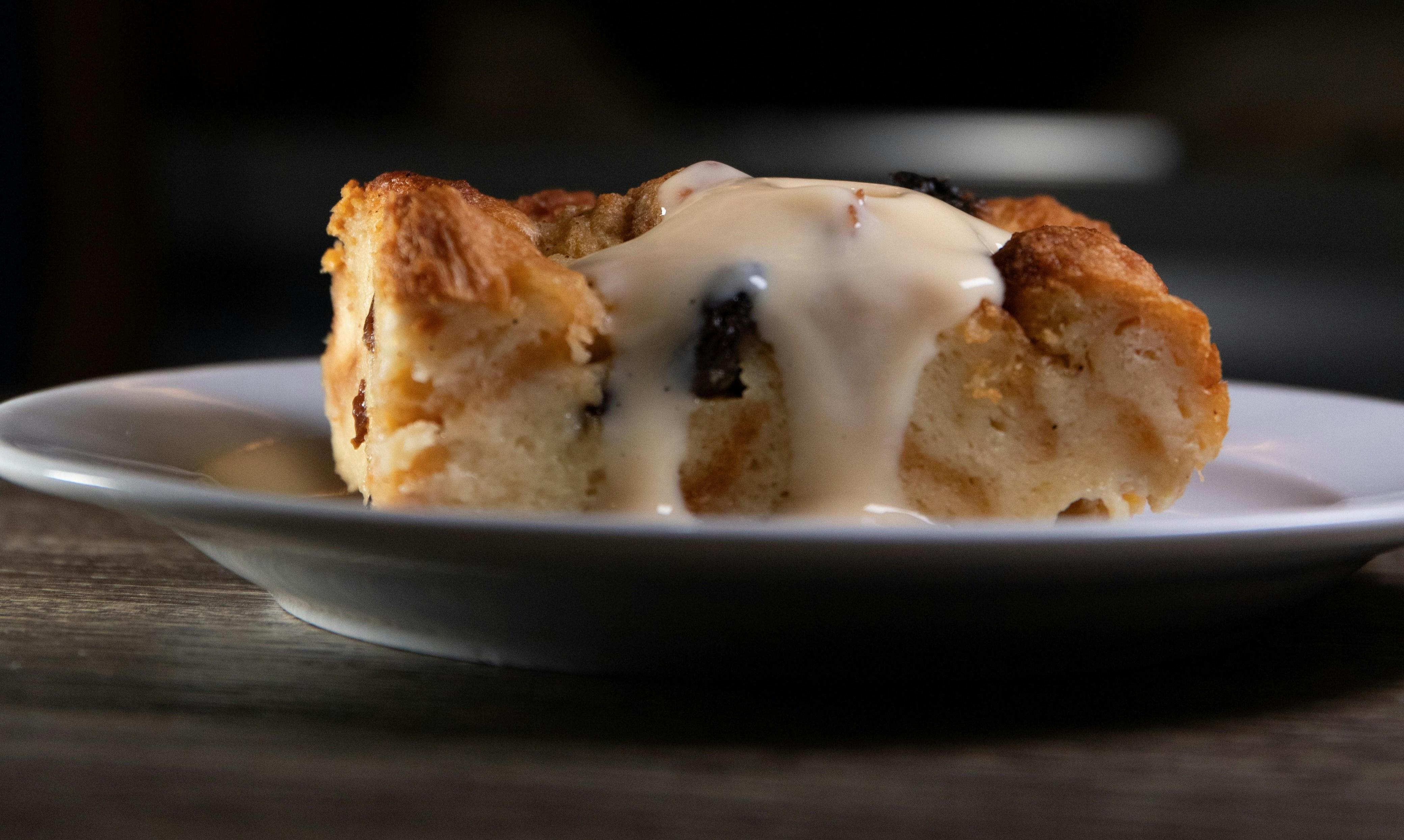
Bread and Butter Pudding transforms stale bread into a warm, comforting dessert by soaking it in egg custard with raisins or sultanas, then baking until golden. Often served with custard, it’s a nostalgic British classic.
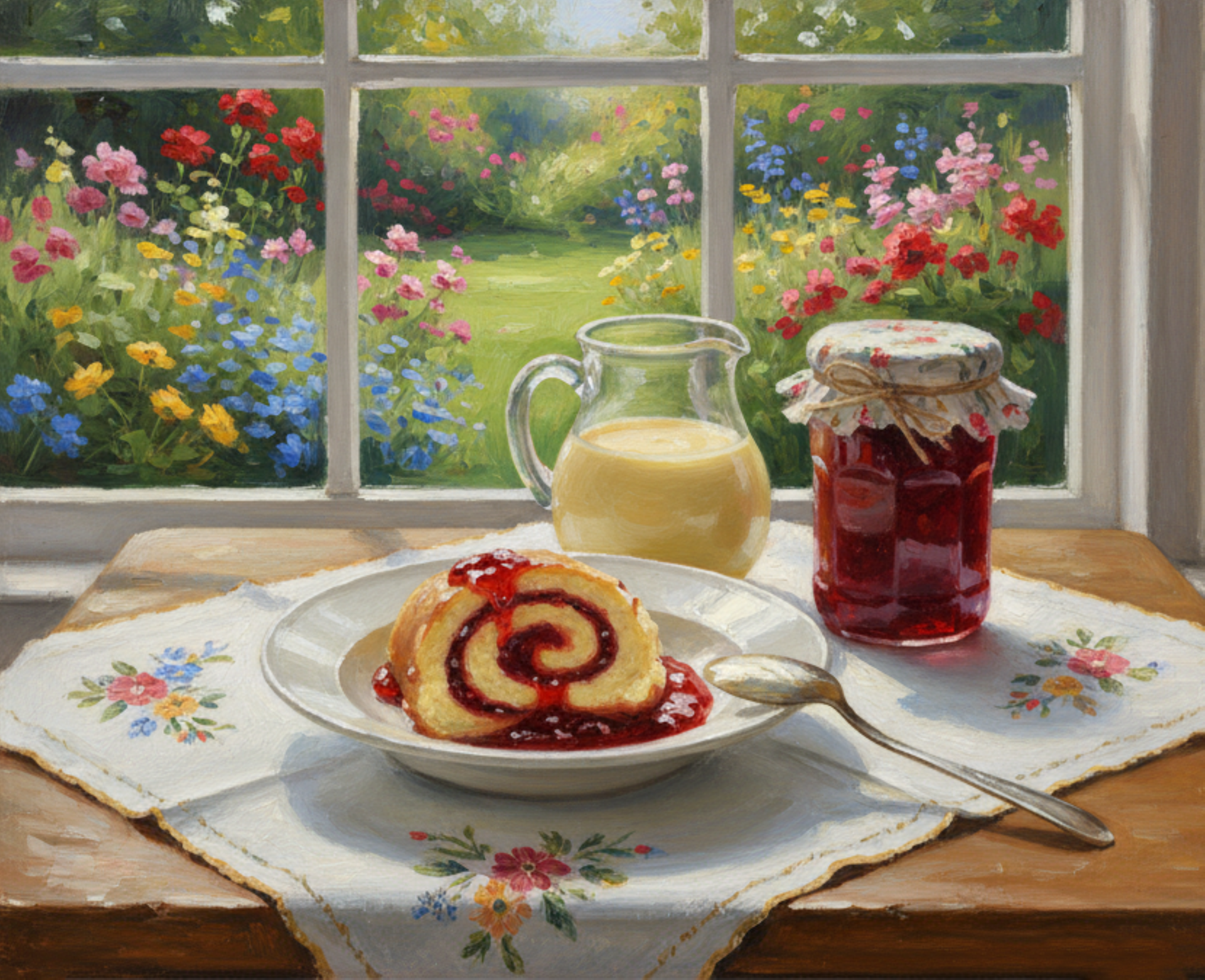
Jam Roly-Poly is an old-school suet pudding rolled with strawberry jam, steamed or baked, and served steaming hot with custard. Sweet, spongy, and nostalgic, it’s a true taste of traditional British meals.
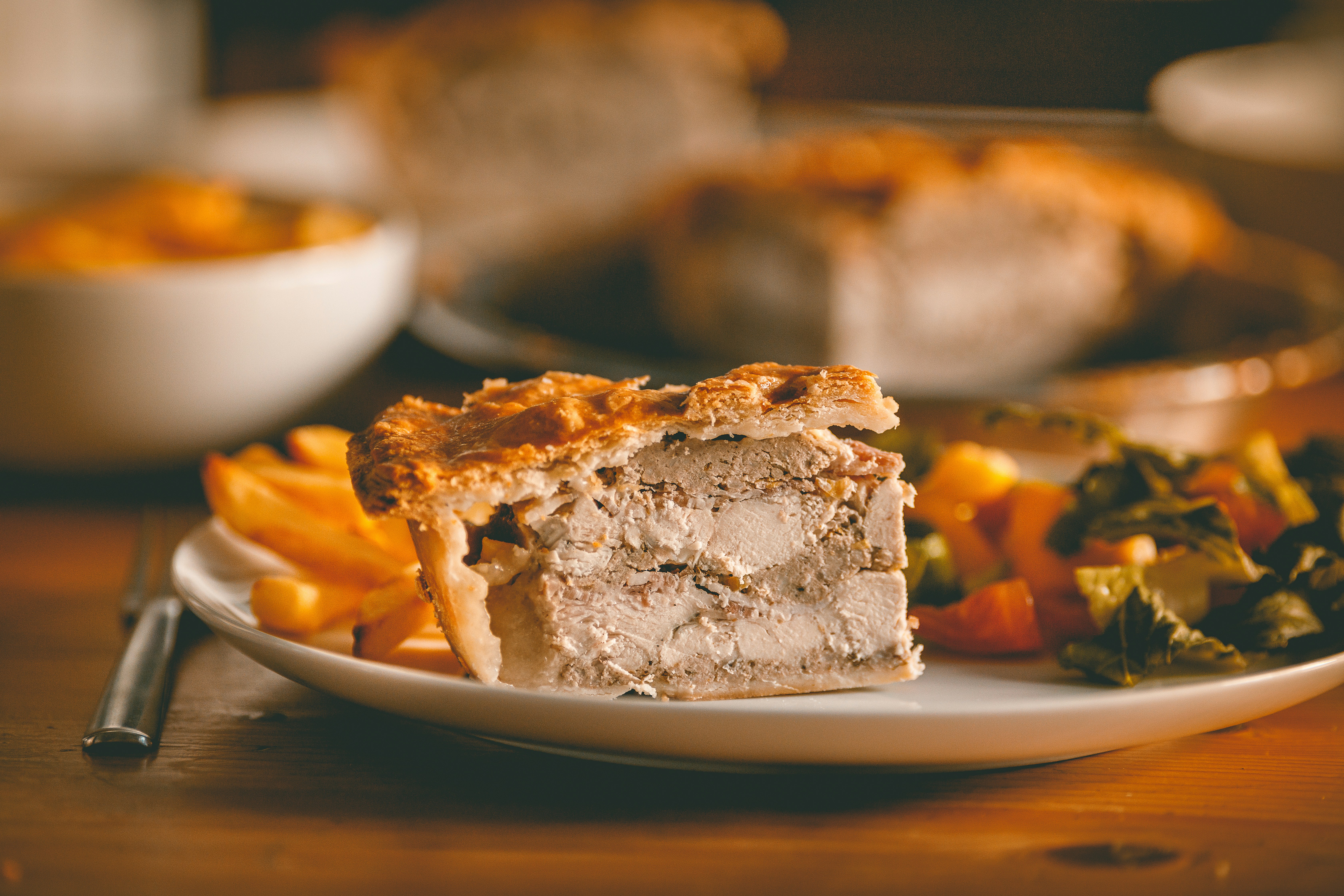
Pork Pie, especially the protected Melton Mowbray variety, is a cold savory pie with seasoned pork filling inside hot-water crust pastry. Ideal for picnics, lunchboxes, or with a pint of beer, it’s a British deli and pub staple.
Trifle is a show-stopping layered dessert served in a glass bowl, featuring sponge cake, fruit or jelly, custard, and whipped cream. Colorful and creamy, it’s a festive favorite at British gatherings and parties.
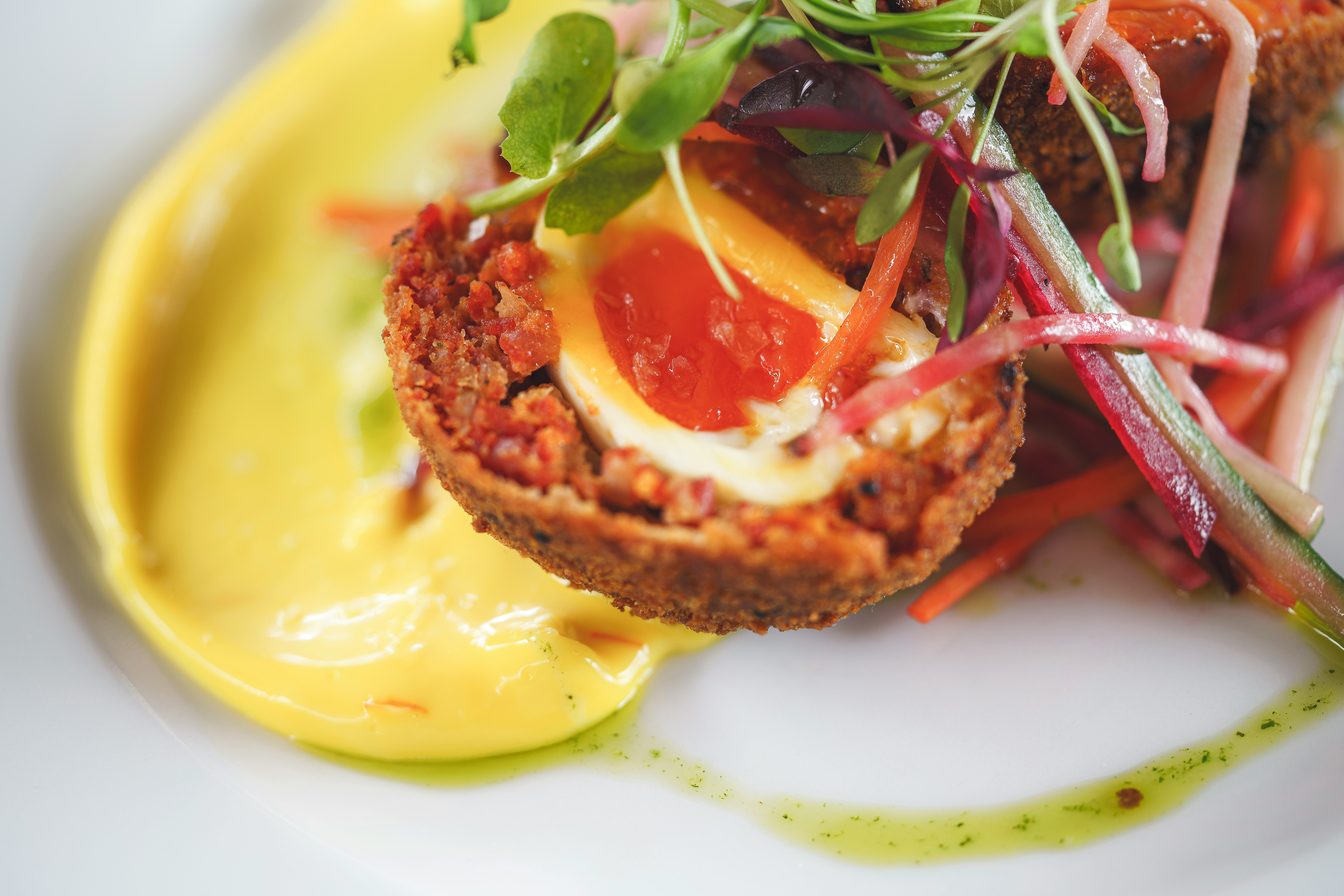
Scotch egg is a traditional English meal. It starts with a hard-boiled egg. Cooks wrap the egg in sausage meat. They then coat it in breadcrumbs and deep-fry it until golden. People often eat it in pubs, at picnics, or as a quick snack. The outside is crisp, while the inside stays soft. This creates a clear contrast in texture.
Lancashire Hotpot is a slow-cooked casserole of lamb, onions, and sliced potatoes, traditionally baked until the top turns crisp and golden. A warming northern classic, it’s hearty and full of comforting flavors.
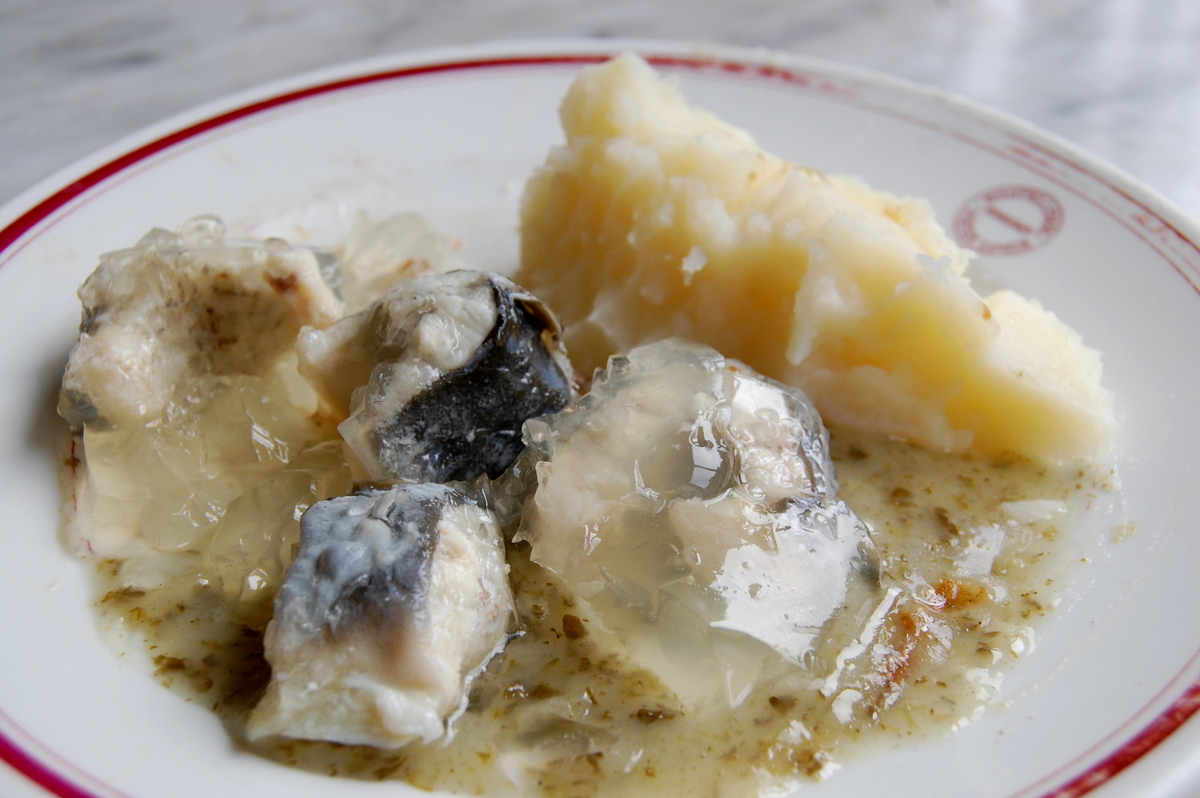
Jellied Eels is a historic East London street food where chopped eels are cooked and set in a jelly, traditionally eaten with vinegar and white pepper. An acquired taste, they represent old-school Cockney cuisine.
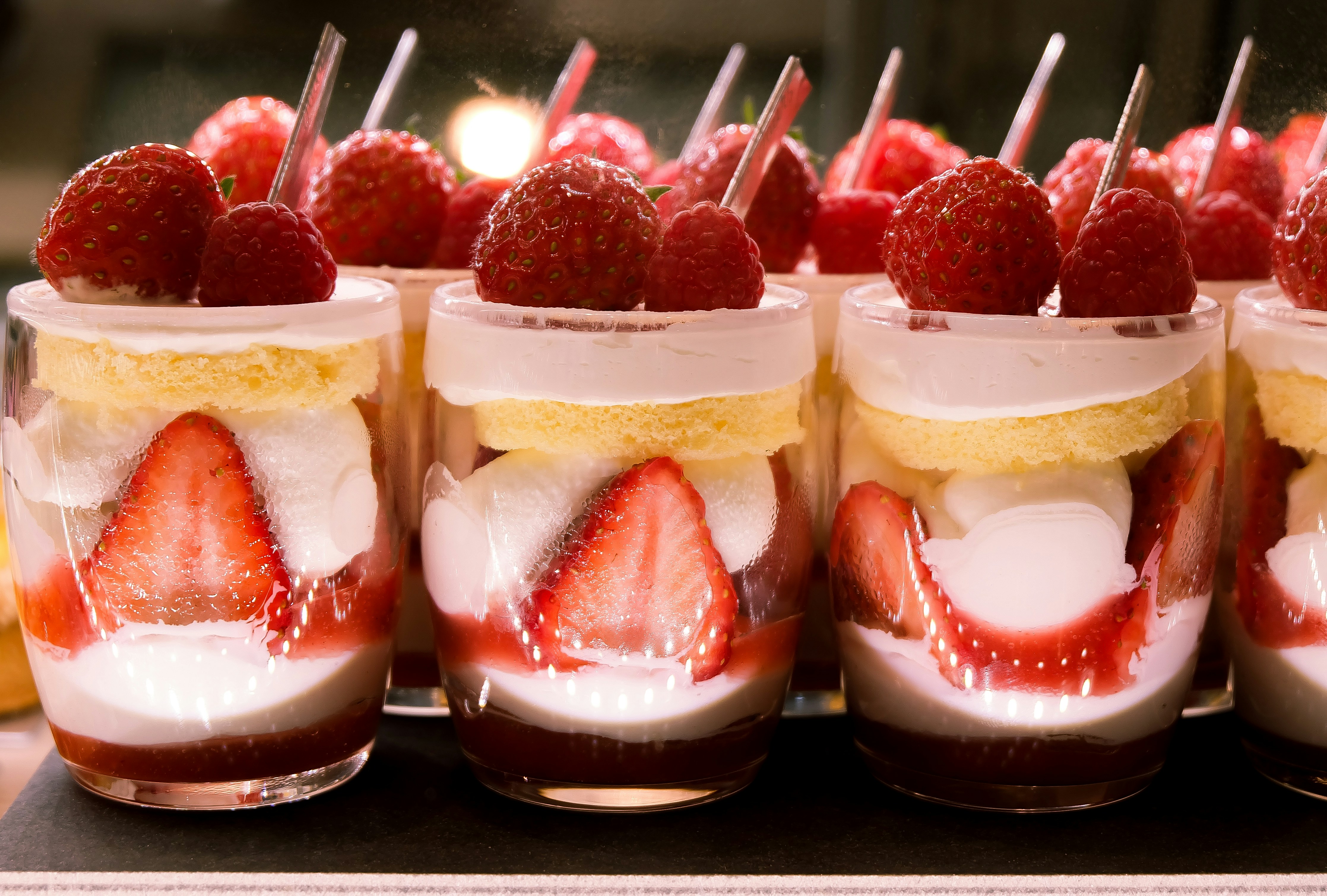
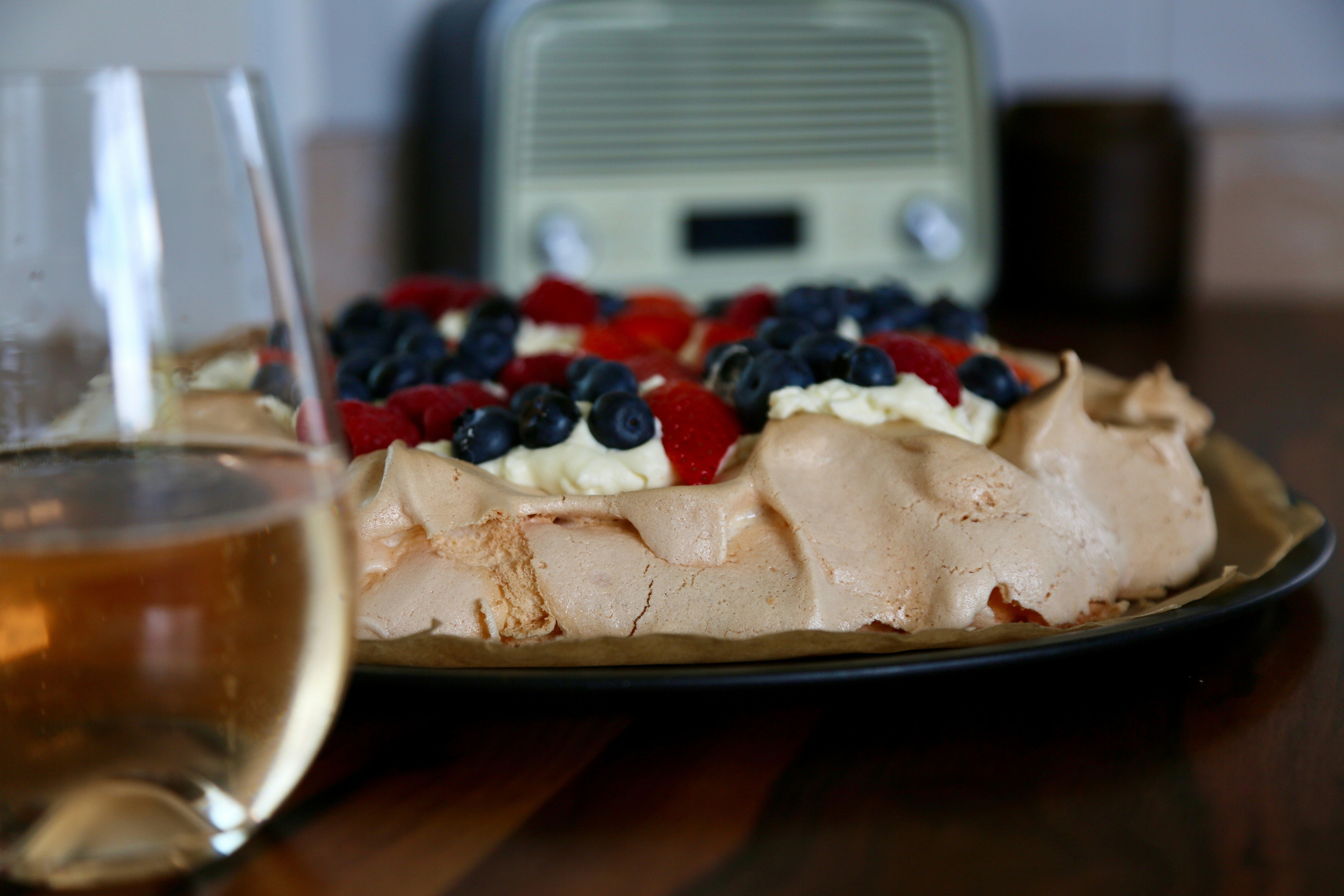
Eton Mess is a simple, summery dessert made with crushed meringue, fresh strawberries, and whipped cream. Named after the famous school, it’s light, fresh, and perfect for British summer days.
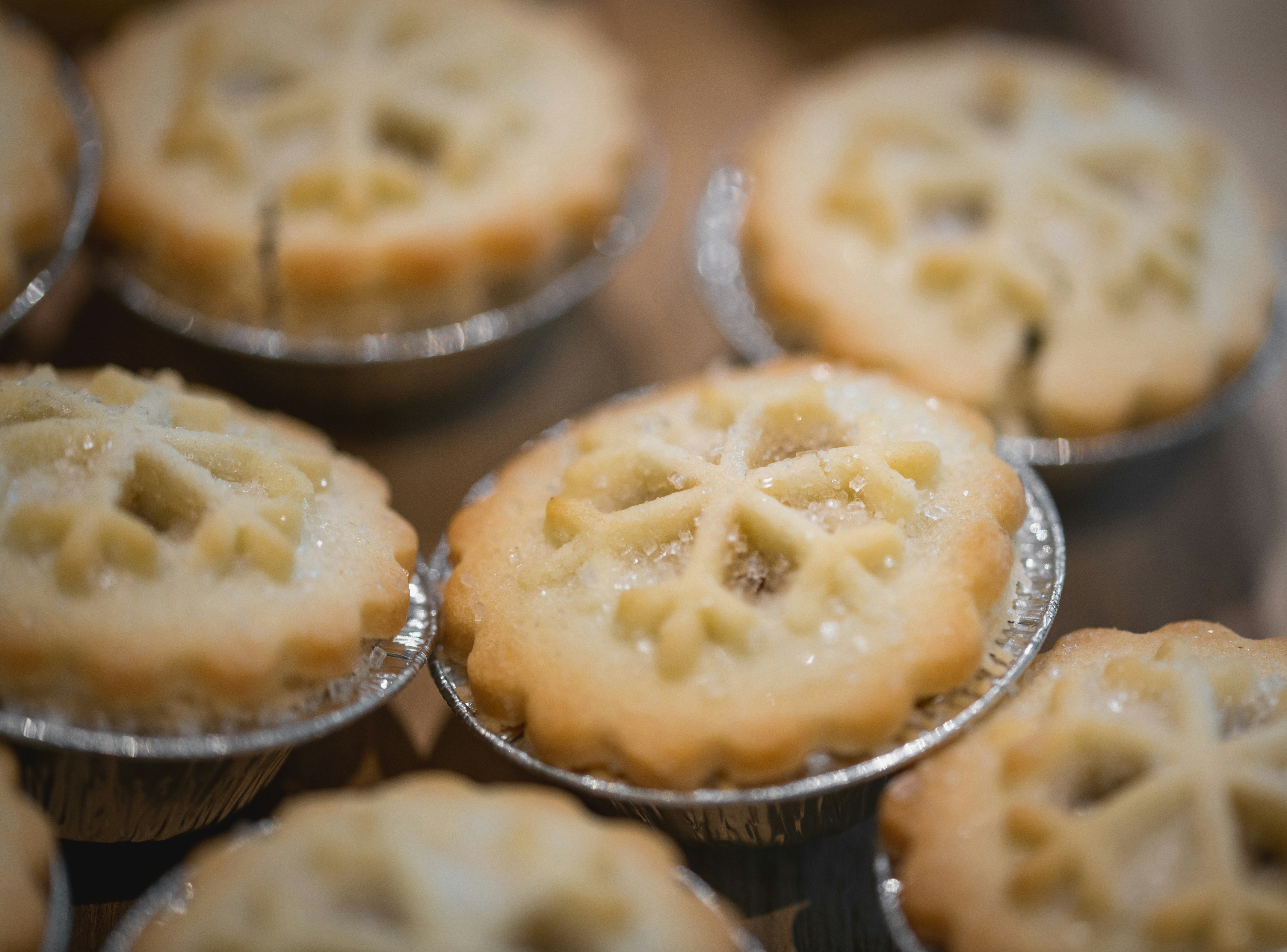
Mince pies and Christmas pudding are traditional British meals. People usually eat them during the Christmas season. A mince pie is a small sweet pastry. It is filled with dried fruits and spices. The filling often includes raisins, currants, and citrus peel. People sometimes dust the top with sugar. A Christmas pudding is a rich, steamed dessert. It is made with dried fruit, spices, and often a little alcohol like brandy or rum. People usually serve it hot. Some pour brandy over it and light it before serving.
Clotted cream is a thick cream made by heating full-cream cow’s milk using steam or a water bath and then leaving it in shallow pans to cool slowly. Clotted cream, reflecting the agricultural heritage of rural England, is a classic British food.
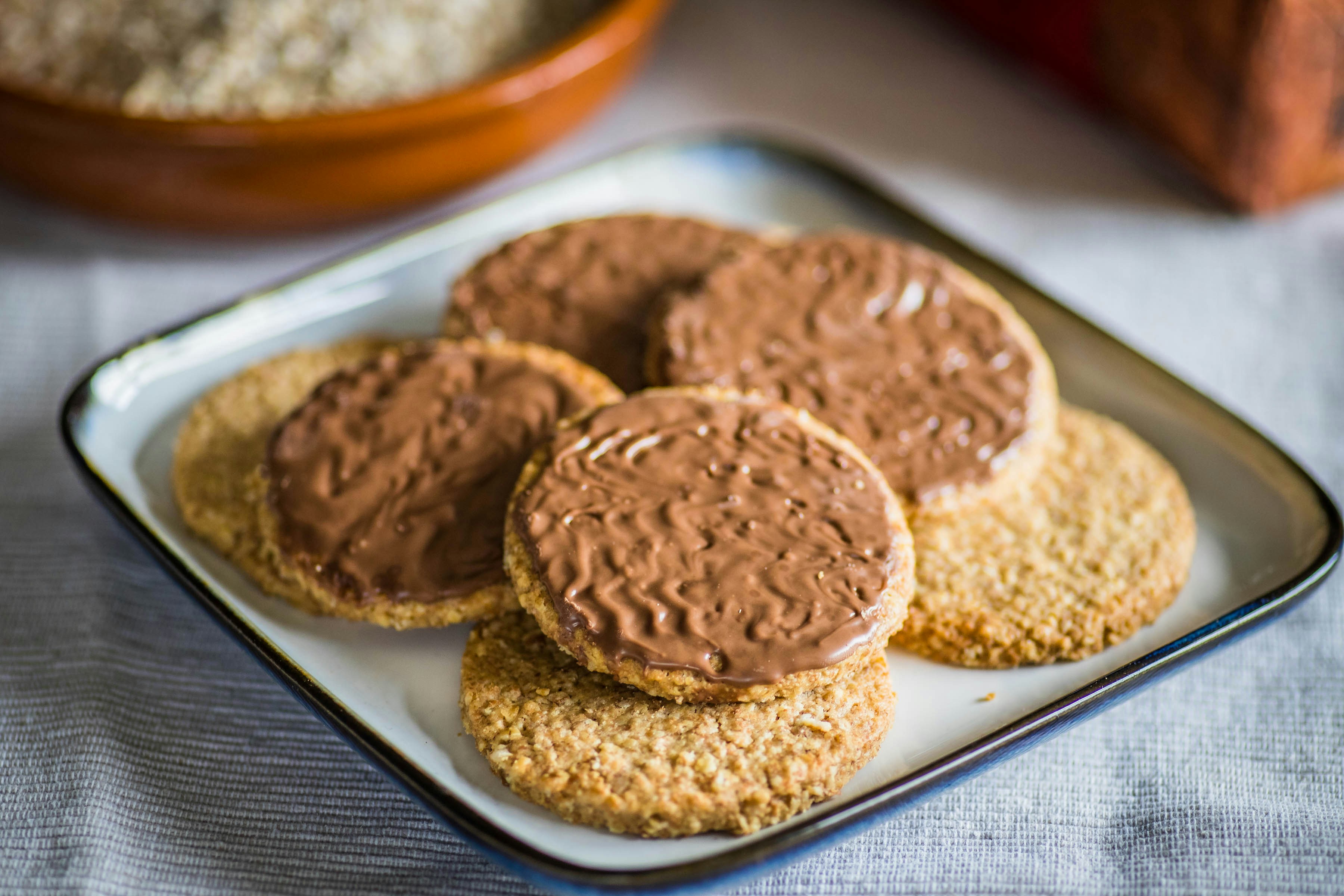
Digestive biscuits are a typical British food that originated in Scotland, sometimes described as a sweet-meal biscuit. Early recipes called for baking soda, believed to have a positive effect on digestion, hence the name.
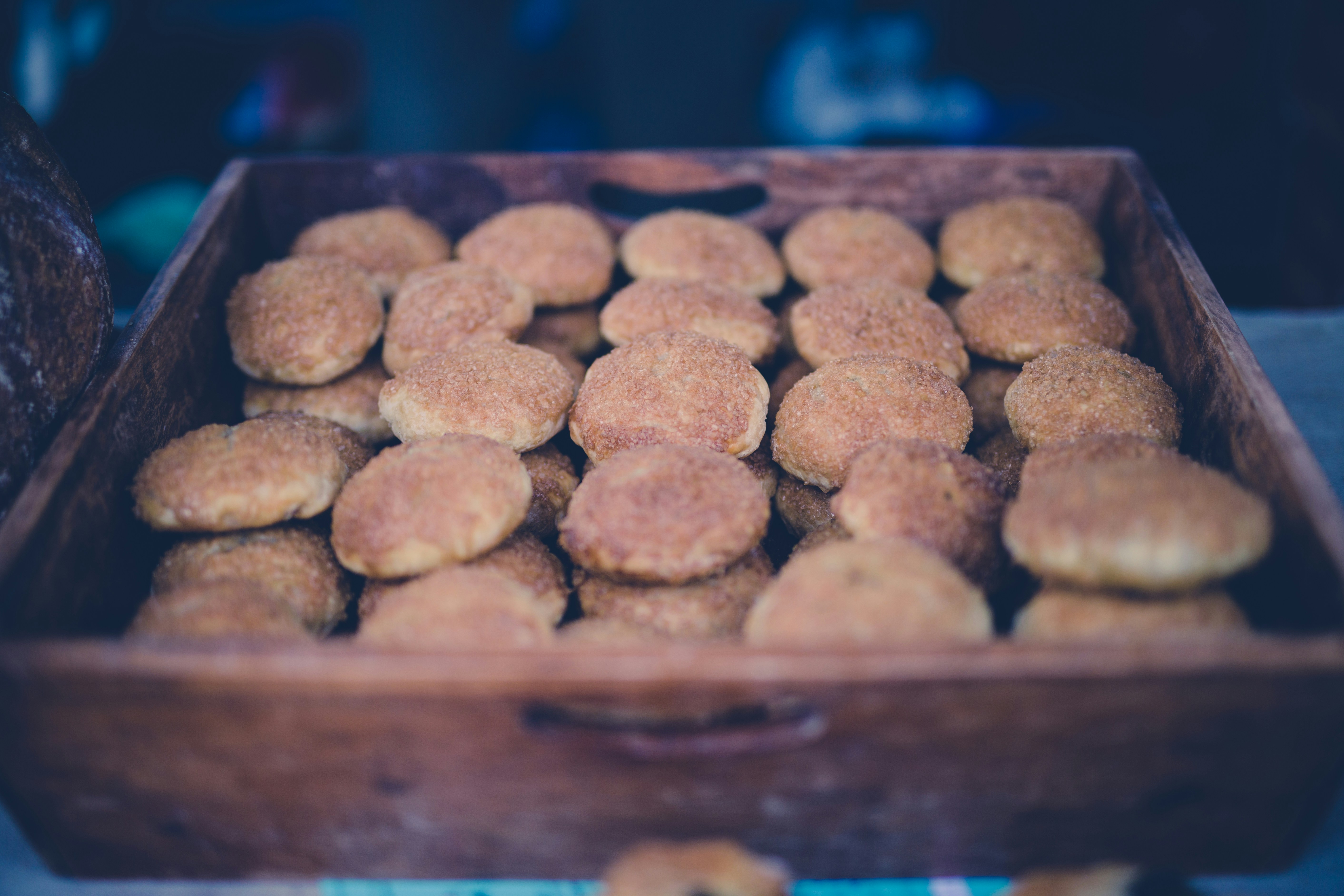
An Eccles cake is a small, round pie, similar to a turnover, filled with currants and made with flaky pastry and butter, sometimes topped with brown sugar. It originated in Eccles, a traditional food of England.
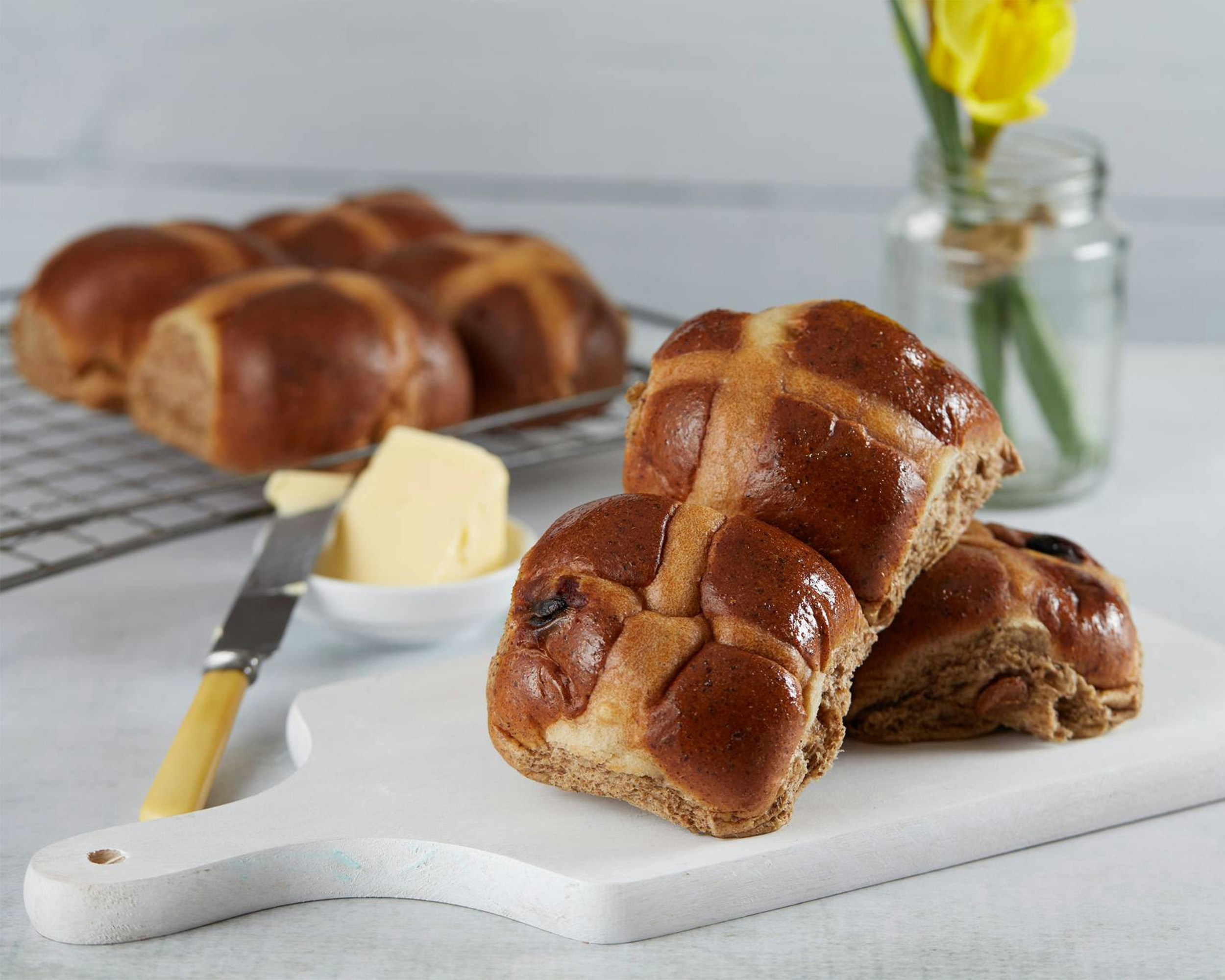
Hot cross buns are a typical British food, usually containing small pieces of raisins and marked with a cross on the top. People in UK usually associate them with Easter and eat on Good Friday. And they are available throughout the year.
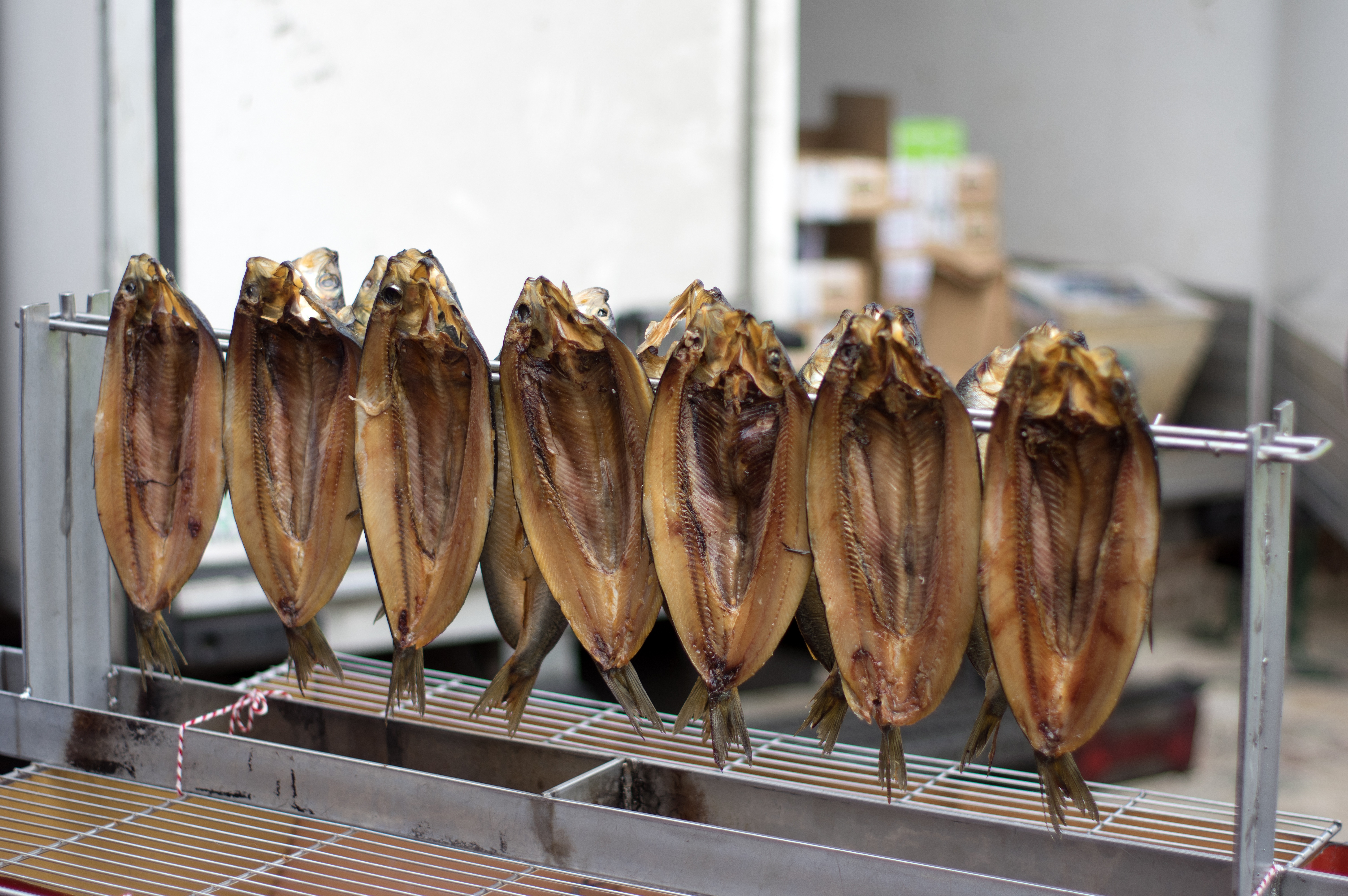
A kipper is a whole herring (a small, oily fish) that has been split in a butterfly fashion from tail to head along the dorsal ridge, gutted, salted or pickled, and cold-smoked over smouldering wood chips. Kippers are traditional cuisines in the UK commonly eaten for breakfast.
If your future study destination is the UK, all the above traditional British foods are well worth trying. When studying in the UK, finding a safe and comfortable student flat is not always easy. uhomes.com, a reliable platform, offers a wide range of off-campus student accommodation across the UK. Whether you are looking for student housing in London or accommodation in Manchester, you can easily find a place that suits your needs and enjoy these classic dishes at the same time.
As a reliable student housing platform, uhomes.com guarantees you with quality and verified properties. We offer a variety of room types, from private studios to shared apartments, giving students the flexibility to choose based on their budget and lifestyle. Many properties are within easy reach of the University of Cambridge, Imperial College London, and the University of Manchester.
At uhomes.com, we provide all-inclusive student accommodation in the UK. At uhomes.com, we offer all-inclusive student accommodation across the UK. Each property comes with high-speed WiFi, fully furnished rooms, and comprehensive on-site staff. The apartments at uhomes.com provide spacious and diverse public areas, such as fitness facilities, public lounge, and more. As a reliable student housing platform, uhomes.com guarantees you with quality and verified properties. The main features of our student rooms include:
Traditional British foods may not always be the most refined cuisine in the world, but they are honest, generous, and steeped in history. They reflect England’s class-conscious past, its love of comfort, and its talent for turning humble ingredients into something deeply satisfying.
Next time you’re in England, skip the generic tourist traps for a while and dive into the real thing, a newspaper-wrapped fish and chips by the coast, a proper Sunday roast with the family, or a cream tea on a sunny afternoon. You’ll quickly understand why these dishes have endured for centuries.
Traditional British food refers to a wide range of dishes that have developed across the United Kingdom over centuries, reflecting local ingredients, regional traditions, and historical influences. These foods are typically hearty, simple in preparation, and closely tied to everyday life as well as cultural occasions.
Fish and chips is widely considered the UK’s most famous food, often ranked as the nation’s favourite. Fish and chips became popular in the 19th century. It was cheap, filling, and easy to find, especially in coastal towns and working-class areas. Today, it remains a symbol of British food culture.
British food is hearty, comforting, and rooted in tradition. Many dishes are simple to prepare and use local ingredients. Some are everyday staples, while others are enjoyed on special occasions. Together, they reflect the rich food culture of the UK. Here are the top 10 British foods:
Chicken Tikka Masala is widely considered the modern national dish of England, representing British multiculturalism and the nation’s love for curry. This dish features marinated chicken pieces (tikka) cooked in a rich, creamy tomato-based sauce (masala). It blends Indian flavours with British tastes and is often served with rice or naan.
British comfort food is characterized by hearty, warm, and often simple dishes designed to satisfy, featuring staples like shepherd’s pie, fish and chips, Sunday roasts, and bangers and mash. These meals are often linked to home cooking, family traditions, and cold weather. They usually use basic ingredients and focus on rich flavours and satisfying textures.
England does not have a single officially recognised “oldest food,” but one of the earliest recorded and still-eaten dishes is pottage. This dish was a thick stew made from grains, vegetables, and sometimes meat. People in England ate it as early as the Middle Ages, and even earlier in simpler forms. It was a daily staple for centuries because it was easy to prepare and used whatever ingredients were available. Families often kept a pot simmering over the fire and added ingredients over time.
Sign in to your account