



Home for Global Students
4.9/5
GET APP

How to Get Unconditional Offer from University UK

By Chris
unconditional-offer

What Is an Unconditional Offer? UK University Guide

Introduction

What is a conditional offer, and what is an unconditional offer? If you’re applying to university, knowing the difference can help you plan your next steps with confidence. This guide explains how each offer works, what happens if you don’t meet the requirements, and how to compare a conditional vs unconditional offer before making your final university choices.

What Is a Conditional Offer?

A conditional offer means a promise that a university offers you a place on your chosen course, provided you meet certain entry requirements. It is one of the most common types of offers in the UK and usually depends on your final exam grades or other conditions set by the university. Once you meet these requirements, your place can be confirmed, often on Results Day.

Conditional Offer Requirements

Conditional offer requirements vary by university and course. Most focus on academic results, but some courses have additional conditions.

Exam grades: You may be required to achieve certain grades,including A-Level, BTEC or T-Level grades.

Subject-specific grades: Some courses require a particular grade in a subject related to your degree. For instance, achieving an A in Maths.

English language requirements: International students may need to achieve a required score in IELTS, TOEFL or Pearson PTE.

Additional requirements: Some universities may ask for a portfolio, references or health and background checks before confirming a place.

Conditional Offer UCAS Timelines and Deadlines

UCAS conditional offers are usually issued by mid-May for applications submitted by the January deadline. If you receive a conditional offer, you’ll need to meet the university’s entry requirements to secure your place.

After receiving your offers, you’ll need to check your UCAS Hub by the reply deadline. Choose which offers to accept and respond on time to avoid losing your place.

Conditional Offer Pros and Cons

A conditional offer from a university is good news, but there are a few things to consider before accepting it.

Pros: Clear goals and a backup choice. You know which grades or requirements you need to meet, making it easier to prepare for exams. You can also choose an insurance offer through UCAS in case your first choice doesn’t work out.

Cons: There’s still pressure to get the results you need. You’ll have to meet the conditions of your offer, such as achieving the required A-level grades or English language scores. If you fall short, your place may not be confirmed, though the university may still consider your application.

UK University

What Is an Unconditional Offer?

An unconditional offer is an offer that is made without any conditions. That means you have already secured your place at the university if you choose to accept it. Unlike a conditional offer, your place does not depend on your final A-level or BTEC results. However, you’ll still need to complete your current studies and exams.

How Unconditional Offers Work Through UCAS

If you receive an unconditional offer through UCAS, you can choose to make it your firm choice. Once you accept it as your firm choice, UCAS will automatically decline your other offers. Your university place is then secured. However, you should still complete your current studies and exams, as your university may have other requirements for you to fulfil.

Unconditional Offer Pros and Cons

An unconditional offer can make the university application process less stressful, but there are still a few things to consider.

Pros: Once your place is confirmed, you can start preparing for university at your own pace. You can plan your budget, arrange your move, and look for student accommodation without worrying about meeting specific offer grades.

Cons: Some students may lose motivation after securing a place. However, it’s still worth putting effort into your studies. Good final grades can be useful when applying for jobs or moving on to further study.

Conditional vs Unconditional Offer

The main difference between conditional and unconditional offer types comes down to whether your university place is already secured or still depends on meeting certain requirements. A conditional offer means you are required to meet the university’s entry requirements. Your place is not fully confirmed until you meet these conditions. An unconditional offer, on the other hand, means your place is secured once you accept it, without any further academic conditions. This gives you more certainty about your university plans, although you should still complete your current studies and check whether any other requirements apply.

How to Get an Unconditional Offer

The truth is, there’s no guaranteed trick to get an unconditional offer, as each university has its own admissions criteria. However, knowing when universities offer them and what they look for in applicants can help you prepare a stronger application.

When Universities Make Unconditional Offers

Universities may make unconditional offers depending on an applicant’s qualifications, experience, or performance in a particular field. Some common situations include

    • Completed exams: Students who have already finished their exams, such as those applying after a gap year, may receive an unconditional offer.
    • Strong creative portfolios: Applicants to art, design, or other creative courses may be offered a place based on an incredible portfolio or audition. 
    • Relevant work experience: Mature students with significant experience in a related field may also receive an unconditional offer, depending on the course and university.

How To Improve Your Chances of an Unconditional Offer

Universities want to know that applicants are ready for their chosen course. While the final decision rests with the admissions team, a few parts of your application are worth paying particular attention to:

    • Personal statement: Explain why you want to study the subject and include relevant achievements or activities that show your interest.
    • Portfolio or audition: For courses such as art, architecture, and music, your practical work can be an important part of the selection process.
    • Predicted grades: Grades that exceed the usual entry requirements may strengthen your application.
    • Relevant experience: Internships, volunteering, or other subject-related experience can show that you have a genuine interest in the field.
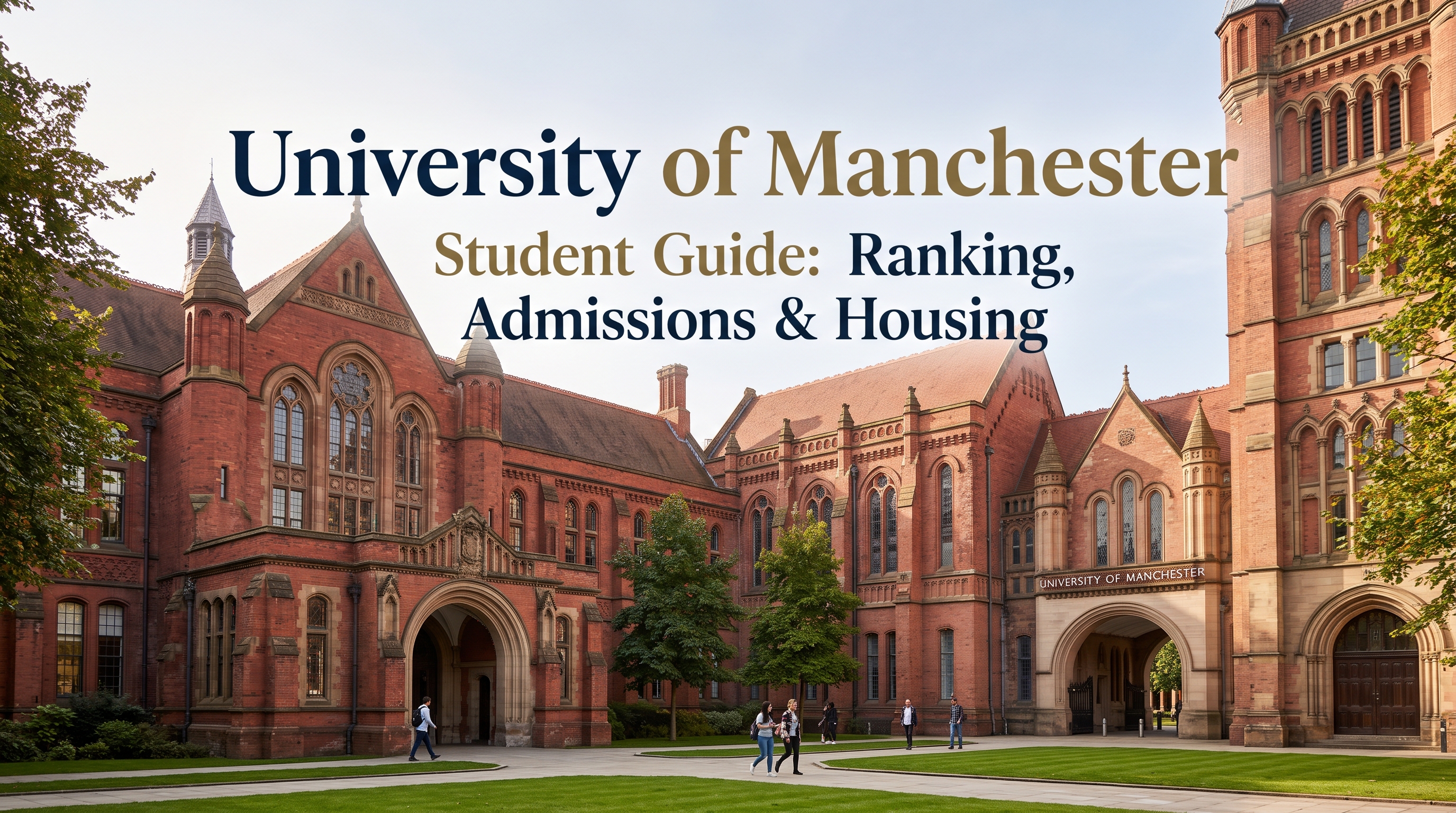
University of Manchester

What To Check Before Accepting an Unconditional Offer

An unconditional offer is good news, but it is still worth checking the details before accepting it. Make sure the course suits your interests, the university meets your expectations, and you understand what accepting the offer means for your other choices.

Check the offer conditions: Read the offer letter carefully. Some universities may still require documents, background checks, or other information even after making an unconditional offer.

Review your UCAS choices: If you accept an unconditional offer as your firm choice through UCAS, you cannot keep an insurance choice. Make sure you are comfortable committing to that university.

Compare the course and university: Look at the modules, teaching methods, location, student support, and career opportunities. An unconditional offer should not be the only reason you choose a course.

Check fees and funding: Confirm your tuition fees, payment deadlines, and any scholarship or funding arrangements before making plans.

How to Get an Unconditional Offer

Getting an unconditional offer often depends on whether you already meet the university’s entry requirements. Before applying, check what your chosen course asks for and make sure your application includes the necessary evidence. These steps can help you prepare your application.

Step 1: Meet Academic Requirements

Check the grades and subjects required for your chosen course. If you are still waiting for your final results, the university may give you a conditional offer first.

Step 2: Submit Required Documents

Prepare the documents requested by the university, such as academic certificates, transcripts, references, or a portfolio. Check that everything is complete before submitting your application.

Step 3: Meet English Language Requirements

Check whether your course requires proof of English proficiency. IELTS is one option, but some universities accept other tests or qualifications.

Step 4: Choose Universities That Match Your Profile

Compare course entry requirements with your grades and qualifications before applying. If a course requires a portfolio, interview, or relevant experience, make sure you are prepared.

Step 5: Consider Universities with Flexible Entry Requirements

Check whether the university considers contextual factors or alternative qualifications. These routes may give you more options, but an unconditional offer is not guaranteed.


How Long Does It Take to Get an Unconditional Offer?

There is no fixed waiting time for an unconditional offer from a UK university. It depends on when you apply, the course you choose, the university’s admissions process, and whether your application includes all the required information.

Some universities make decisions within a few weeks, while others take longer, particularly during busy application periods or when a course requires an interview, audition, or portfolio review. Applicants who have already completed their qualifications may receive an unconditional offer once the university has verified their results and confirmed that they meet its requirements.

If you are still waiting, check your application portal or UCAS Hub for updates and requests for additional documents. If the university’s stated decision period has passed, contact its admissions team. For undergraduate applicants using UCAS, the relevant application deadlines determine when universities are expected to make their decisions, so check the dates for your application cycle rather than relying on a general estimate.

What to Do After Receiving an Unconditional Offer?

Receiving an unconditional offer means that your place is available without further academic conditions attached to that offer. You still need to decide whether to accept it and complete any remaining steps required by the university. International students should also check the separate requirements for immigration and enrolment.

How to Accept Your University Offer

If you applied through UCAS, use UCAS Hub to reply to your offers. Before accepting, consider your options carefully. If you accept an unconditional offer as your firm choice, you cannot keep an insurance choice.

Confirm Your Enrollment Requirements

Read your offer letter and check whether you need to submit any documents, pay a deposit, or complete registration steps. If anything is unclear, contact the university before the deadline.

Arrange Your Student Visa and Accommodation

An unconditional offer does not guarantee a UK Student visa. If you need one, check the visa requirements and ask your university about obtaining a CAS. You should also start looking for accommodation early, especially if you plan to live in university halls or private student housing.

Can a Conditional Offer Become Unconditional?

A conditional offer can become unconditional once you have met all the conditions set by the university and the university confirms your place. For many undergraduate applicants, this happens after final exam results are released. Other applicants may need to provide English language evidence, final certificates, or additional documents first.

What to Do When Waiting for Final Exam Results

Check the grades and subjects required by your offer, and keep preparing for your exams. If your results do not meet the conditions, contact the university to ask whether it can still offer you a place. Your insurance choice or UCAS Clearing may be other options.

How to Meet English Language Requirements

Check which English tests your university accepts, the required scores, and the submission deadline. If you qualify for an exemption or plan to take a pre-sessional English course, confirm the details with the university. Your offer can become unconditional once the required evidence has been accepted.

Request a CAS After Receiving an Unconditional Offer

If you need a UK Student visa, ask your university when you can receive your Confirmation of Acceptance for Studies (CAS). You may need to accept your offer or complete other checks first. Check the CAS details carefully before using it for your visa application.

Finding Student Accommodation in the UK

After receiving an unconditional offer, you can consider where to live during your studies. It’s crucial to find suitable accommodation, especially for someone moving to the UK for the first time. Before booking, consider your budget, the distance to your university, and the facilities. Learning about these details can make it easier to find a place that suits you.

You can browse student accommodation of UK on uhomes.com. It’s a reliable and professional platform serving 100,000+ students globally. You can view floor plans and room details before making a decision. All properties are 100% verified, and the Price-Match Guarantee provides you with available options. One-to-one professional support is also available if you have any questions about student accommodation or the booking process. There are numerous room resources near the University of Leeds, the University of Manchester, UCL, King’s College London, and the University of Birmingham. Whether you are heading to, it is worth exploring your housing options before the start of term

Summary

The main difference between a conditional and an unconditional offer is whether you still need to meet the university’s entry requirements. A conditional offer depends on meeting specific conditions, such as achieving certain grades or providing English test results, while an unconditional offer means your academic place is already secured. To prepare for an unconditional offer, check course requirements, submit the necessary documents, and make sure you meet any language requirements. Before accepting, review the offer carefully and plan for enrolment, accommodation, and visa arrangements if needed. An unconditional offer brings more certainty, but it is still important to understand what you need to do next.

If you’re thinking about studying in the UK, it’s crucial to find the right student accommodation. That’s where uhomes.com comes in. It’s a reliable platform that helps students like you find the perfect place to live in London, Manchester, Glasgow, Cardiff, Birmingham and many other cities. So far, they’ve helped more than 55,000 students successfully find their dream homes.

https://en.uhomes.com/?xcode=000a074e21616c69f658

FAQ

A conditional offer requires you to meet certain requirements, such as achieving specific grades or providing English test results. An unconditional offer means you have met the academic entry requirements and your place is offered without further academic conditions.

It depends on your qualifications and the university’s entry requirements. Applicants who already have their final results and meet the course criteria may receive one, but it is not guaranteed.

It is an offer of a university place without further academic conditions. You can respond through UCAS Hub and accept it as your firm choice if you decide to attend that university.

There is no fixed list, as each university sets its own admissions policy. Check the course page or contact the admissions team to find out whether unconditional offers are available.

Yes. International students can receive unconditional offers if they meet the university’s entry requirements. They may still need to provide English language evidence and meet separate visa requirements.

Not always. Some universities accept other English tests or qualifications, and some applicants may qualify for an exemption. Check the requirements for your chosen course.

No. You must meet the UK Student visa requirements and generally obtain a Confirmation of Acceptance for Studies (CAS) from your university before applying.

Yes, if the university has issued an unconditional offer and its terms allow you to accept it. You should still complete your current studies and exams.

uhomes.com | Student Accommodation,Flats,Houses,Apartments for Rent
What can I do for you?
ASK ME