



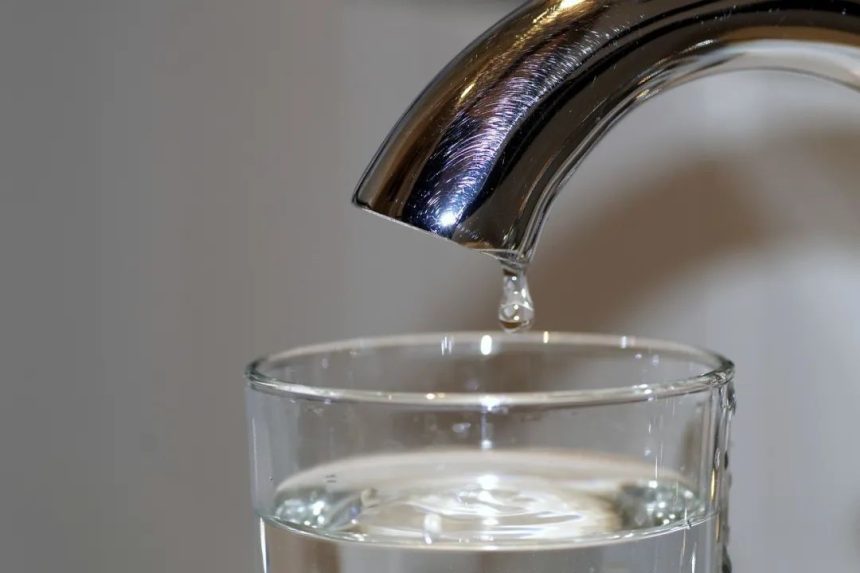
If you go to any public place in the UK and want a drink of water, don’t be surprised if you see a server pour you a glass from the tap, because tap water in the UK is safe to drink. Tap water, as the name suggests, is water from a tap. In the UK, water comes from the tap, is drinkable, and is served free of charge in restaurants and pubs. However, many people still opt for filtration due to concerns about hard water, chlorine taste, or ageing pipes. This article provides a comprehensive analysis of UK tap water safety standards, regional variations in water quality, and whether international students need to purchase water filters.
Can I Drink Tap Water Directly?
Tap water in the UK can be drunk straight from the tap, but only in kitchens and cold water. The British Government has permanently attached great importance to the hygiene and safety of drinking water. Since the middle of the last century, the UK has been formulating laws on drinking water safety, including the Water Act, the Water Services Act, the Drinking Water Quality Regulations and more than ten other relevant laws. In 1990, the Drinking Water Surveillance Committee was set up. In addition to its own rules and regulations, the UK also implements the World Health Organisation’s Guidelines for Drinking-water Hygiene and relevant EU regulations, primarily the EU Drinking-water Regulations, to ensure safe drinking water and high-quality water services. According to the Drinking Water Inspectorate (DWI), 99.96% of all tap water samples in England and Wales meet strict safety standards. This high compliance is enforced under UK law, which requires water companies to regularly test 50+ quality parameters, covering microbiological, chemical, and metal contaminants.

In addition to a well-established legal framework, a mature regulatory framework is essential to ensure safe drinking water and high-quality water services in the UK. The Department for Environment, Food and Rural Affairs (DEFRA) is the UK’s central government department responsible for water resources and related industries, and it provides macro-management of water regulators. In addition, the Drinking Water Monitoring Board (DWMB) was established in 1990 to provide independent oversight of drinking water safety.
In addition, water privatisation reforms since the 1990s have further improved the efficiency and competitiveness of the water industry and ensured the quality of piped water and related services. The UK water regulator has also paid attention to business disclosure and publicity to build a lasting and reliable relationship of trust with the public.
In addition to drinking water from the ground in the UK, water from rivers is also essential. The Thames is the most famous river in the UK, a 402-kilometre-long river that runs through the capital city of London and more than ten cities along the river. The UK’s “Mother River” provides a stable and reliable water supply to 13 million people and many industrial organisations along its length every year. Students may access the websites of water companies such as Anglian Water or Thames Water to obtain detailed water quality reports for their halls of residence or rented accommodation by entering their postcode.
To ensure the safety of the water supply, the Thames Basin has built 476 sewage treatment plants. All sewage in the Thames basin must be treated before it is allowed to be discharged into the river or injected into the ground. The UK Drinking Water Regulatory Authority report shows that after rigorous testing, the water quality of the water flowing through the Thames area is 99.98 per cent satisfactory.
Why are Hot and Cold Taps Separate?
The sight of separate hot and cold taps (often called Pillar Taps) in many older British homes and student accommodation is not a design quirk, but a legacy of historical plumbing and a strict principle of hygiene isolation. In the traditional UK tap water system, the cold water supply is drawn directly from the mains (the public water network), ensuring its quality and safety for drinking.
However, the hot water was, and often still is, stored in an open-topped tank, typically located in the attic. Because this water is not sealed and can be exposed to dust, rust, or other contaminants, it is considered non-potable water. To prevent this potentially unhygienic water from mixing or flowing back into the safe cold water supply, plumbing regulations historically mandated separate pipes and separate taps.

Is Hard Water Bad for You?
The Definition and Safety of Hard Water
Hard water in the UK refers to water containing high concentrations of dissolved minerals, primarily calcium and magnesium. These minerals naturally dissolve as water flows through the limestone and chalk geological strata found across most of the UK. The World Health Organisation (WHO) explicitly states that drinking hard water has no known adverse health effects. Indeed, the calcium and magnesium in hard water provide important dietary supplements for the human body. Therefore, hard water is not ‘unsafe’ but rather ‘inconvenient’.

Does Hard Water Cause Hair Loss?
First of all, there are many causes of hair loss, including neurological hair loss, endocrine hair loss, nutritional hair loss, physical hair loss, chemical hair loss, seasonal hair loss and so on.
More common is nutritional alopecia, where only carbohydrates are supplemented, and protein and essential fatty acids are lacking. The advice is to increase nutritional knowledge and supplement with protein, crucial fatty acids, etc.
Hair loss is relatively profound among British people, predominantly middle-aged men. In fact, it is because most British boys love to wear hairspray, starting in their teens, and hairspray is very damaging to the hair, so most of them start to go bald in their thirties. No study has yet proved that the hard water in the UK causes severe hair loss.
Practical Solutions for Mitigating Hard Water Issues
| Common Hard Water Issue | Practical Solution |
|---|---|
| Limescale Build-up (Kettles, Showers, Taps) | Regularly descale appliances using white vinegar or citric acid. Ensure you target the showerhead and kitchen taps. |
| Drinking Water Taste (Chlorine taste, general flavour) | Use a water filter jug (such as BRITA) with an activated carbon cartridge. This effectively removes chlorine and improves the overall taste and odour. |
| Hair and Skin Dryness (Dull hair, dry skin after showering) | Consider fitting a shower filter head, or switch to shampoos and soaps specifically formulated for hard water areas to minimise mineral residue. |
| Laundry Issues (Stiff clothes, dull colours) | Add a water softening product (like Calgon) to your wash cycle, or use slightly more detergent than recommended to counteract the mineral content. |
Conclusion
UK tap water is safe to drink directly, as evidenced by the Drinking Water Inspectorate’s rigorous standards. However, for international students, safety is only half the story. The real challenge lies in managing the aesthetic issues of hard water UK, such as the chlorine taste, limescale build-up, and its noticeable effect on hair and skin. By understanding the simple principles—only drinking cold kitchen tap water, flushing the tap briefly in older properties, and employing affordable solutions like a basic water filter jug—you can easily navigate the UK’s water landscape.
FAQ
Hard water has no known adverse health effects, WHO says at its Geneva Conference. In addition, hard water, particularly very hard water, could provide an important supplementary contribution to total calcium and magnesium intake.
The UK has strict regulations and standards for drinking water set by the Drinking Water Inspectorate (DWI). These regulations ensure that tap water is regularly tested for a wide range of contaminants and is treated with various processes to remove any potentially harmful bacteria or chemicals.
UK tap water is tested hundreds of thousands of times yearly to ensure it meets the standards set by the DWI. This rigorous testing process includes monitoring potential contaminants like bacteria, pesticides, and heavy metals.
Yes, generally. Hard water UK is a regional issue. London and the South East of England are known for having very hard water due to the underlying chalk and limestone geology. Conversely, cities in Scotland (like Edinburgh and Glasgow) and the North West (like Manchester) typically have much softer water, which results in less limescale and a different taste.
A mild chlorine smell is normal and safe. UK water companies add small amounts of chlorine to keep water clean as it travels through the pipe network. The levels are strictly regulated and well within safety limits.
If the smell bothers you, simply let the water sit for a few minutes or run the tap — chlorine evaporates quickly.
Yes — tap water in UK university dorms is safe to drink. Student accommodations are connected to the same regulated public water system as residential homes.