


Looking for the best university in Singapore as your future study destination? You’ve made the right decision. In 2026, Singapore became a prominent hub for higher education in Asia, with NUS (#8) and NTU (#12) ranked in the top 15 of the latest QS World University Rankings. There is also SMU for business and law, SUTD for design and technology, and SIT and SUSS focusing on applied internships and flexible part-time education. Singapore is also famous for its low crime rate and affordable tuition. Our article will offer you the latest and most comprehensive guide to the top universities in Singapore, including ranking comparisons, tuition fees for international students, application procedures, visa and accommodation details, and student life experiences, to help you make the most suitable study abroad decision. Let’s embark on this new journey together!
Why Study in Singapore?
With state-of-the-art education and an extremely high quality of life, Singapore is becoming the top study destination not only for Chinese and Asian students but also for an increasing number of international students. According to QS World University Rankings 2026, NUS is ranked 8th in the world, and 1st in Asia, and NTU is ranked 12th in the world and 3rd in Asia, highlighting Singapore’s global-leading position in higher education. Looking for more benefits for studying in Singapore, check its more advantages for international students:
- World-Leading Education and Career Prospects: Singapore’s universities closely align with industry demands. with an employment rate of 87% in 2025 and a starting median salary of SGD 5,600 for jobs in tech and finance. Students can also apply for a 1-3 year Post-Study Work Pass after graduation.
- Extremely Safe and Clean: Singapore is consistently listed as one of the top 10 safest countries in the world (Numbeo Safety Index 77.5,6th in Global Peace Index), and ranked as the “World’s Cleanest Cities” in multiple evaluations in 2025.
- Best-Value: Singapore’s public universities usually charge SGD 17,000-40,000 toward international students, about 30-50% lower than universities in the UK and US. Cost of living in Singapore is typically SGD 1,500-2,500, also lower than in Western countries.
- Cultural Closeness and Convenience: The proportion of Chinese people exceeds 75%, English is the main language of instruction, and their dietary habits are similar. Just a 4 to 6-hour flight from China, as an Asian fintech hub, it offers abundant internship and employment opportunities.
- Diverse and Inclusive Society: Singapore is popular for its diverse culture that perfect blends the West and East, and also widely recognized for its being a paradise for food lovers (hawker centres), efficient public transportation (MRT), and a colorful student life.
Top Universities in Singapore
Top universities in Singapore, like NUS and NTU which ranked top 15 in QS 2026, are far more outstanding and well-known than many European and US universities. Singapore has 6 public Autonomous Universities, which are funded by the government but enjoy a high level of autonomy, covering comprehensive research, business and finance, design and technology, as well as applied education, catering to the needs of different students. NUS and NTU lead the way with their research prowess and international standing, while SMU focuses on interactive business and law education. SUTD emphasises interdisciplinary design and innovation, SIT prioritises industry-immersive internships, and SUSS offers flexible part-time and social sciences programmes.
The following is a quick comparison of the best uni in Singapore to help you clearly understand their rankings, sizes, strengths, and tuition fees. Data from QS and university official websites.
| QS 2026 Rank | University | Founded | Students (approx.) | Key Strengths | Annual Tuition (Intl, with MOE Grant, SGD) | Highlights |
|---|---|---|---|---|---|---|
| 8 | National University of Singapore (NUS) | 1905 | ~40,000+ | Engineering, Business, Medicine, CS, Social Sciences | 17,950 – 39,200 | Asia’s #1 research uni; double degrees, overseas colleges |
| 12 | Nanyang Technological University (NTU) | 1991 | ~33,000+ | Engineering, Materials, AI, Business, Medicine | 17,550 – 40,000+ | Stunning 200-ha campus; innovation & entrepreneurship focus |
| 511-520 | Singapore Management University (SMU) | 2000 | ~12,000+ | Business, Law, Accounting, Social Sciences | 25,100 – 47,700 | City-centre; interactive small-class, Wharton-style teaching |
| 519 | Singapore University of Technology and Design (SUTD) | 2009 | ~2,000+ | Design, Tech, Architecture, Engineering | 30,200 – 62,000+ | MIT partnership; project-based, full residential Year 1 |
| Not in top 500 | Singapore Institute of Technology (SIT) | 2014 | ~10,000+ | Applied Engineering, Health Sciences, Food Tech | 24,500 – 39,700 | Industry-integrated; 8-12 months paid internships (IWSP) |
| Not in top 500 | Singapore University of Social Sciences (SUSS) | 2017 | ~15,000+ | Social Sciences, HR, Early Childhood, Business | ~20,000 – 35,000 (modular/flexible) | Flexible for working adults; part-time/lifelong learning |
Notes:
- Rankings from QS World University Rankings 2026 (released June 2025). SIT and SUSS prioritise applied education and do not heavily participate in global rankings.
- Tuition: Approximate annual ranges for international undergraduate students (AY 2025/2026), subsidised via MOE Tuition Grant (requires 3-year work commitment in Singapore post-graduation for eligible students). Actual fees vary by programme (e.g., Medicine much higher); non-subsidised fees are significantly higher. Check official university sites for latest details.
- Data last updated: February 2026.
National University of Singapore (NUS)
- QS 2026 Ranking: #8 globally (#1 in Asia, the only Asian uni cracking the world top 10)
- Tuition for International Students (with MOE Grant, AY2025/2026): SGD 17,950–39,200 yearly for most undergrad programs (Computing/Engineering on the low side; Medicine way higher; comes with a 3-year work bond in Singapore)
- Total Students: Over 38,000, roughly 31–39% international from 100+ countries
- Standout Fields: Engineering, Computing, Business, Medicine, Law
- Getting In: Tough, expect high grades plus interviews, portfolios, or solid extracurriculars
The National University of Singapore (NUS) ranks as one of the best universities in Singapore and is often the top choice across Asia. It holds steady at #8 worldwide in the QS 2026 rankings, staying #1 in Asia, as the only Asian school to break into the global Top 10. Plenty of families eyeing big-name schools see NUS as a solid, more approachable choice compared to places in the US or UK, with great academics, solid value, and a vibe that feels welcoming.
Its main Kent Ridge campus spreads out with modern labs, huge libraries packed with research tools, and a brand-new 185-room campus hotel called The Ridge opening in 2026, perfect for visitors or short stays. You’ll find over 38,000 students here, including plenty of internationals mixing things up, and the strong suits in engineering, computer science, business, medicine and law stay world-class.
Tuition drops to a reasonable SGD 18,000–39,000 a year with the MOE Grant for most courses, though you’ll need to work in Singapore for three years afterward, which many see as a smart step into Asia’s job market. Admission stays tough, so top grades plus real proof of drive (interviews, activities or portfolios) make all the difference.
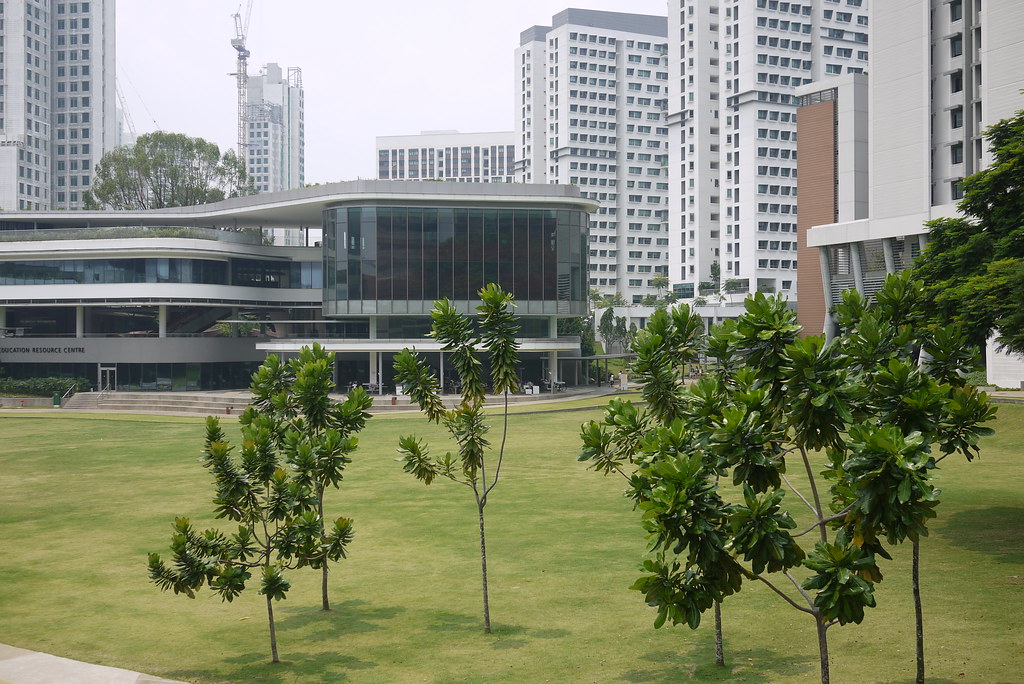
Nanyang Technological University (NTU)
- QS 2026 Ranking: #12 globally (#3 in Asia, tied with NUS for top spots there)
- Tuition for International Students (with MOE Grant, AY2025/2026): SGD 17,550–40,000+ yearly for most undergrad programs (Engineering/AI on the lower side; some specialised ones higher; 3-year work bond in Singapore)
- Total Students: Around 33,000, with a good mix of internationals (about 30-35% from many countries)
- Standout Fields: Engineering, Materials Science, AI, Business, Medicine
- Getting In: Competitive, high scores, strong personal profile, sometimes interviews or projects
Nanyang Technological University (NTU) stands out among the top universities in Singapore and ranks as a leading name in engineering and tech. It landed at #12 worldwide in QS 2026 and sits right up there in Asia at #3. A lot of students pick it because the campus is huge and stunning, which is 200 hectares with green spaces everywhere, and the focus on tech and innovation really stands out.
Over 33,000 people study here, including a solid chunk of internationals who make things feel diverse without being overwhelming. Engineering, AI, materials science, business, and even their medical school consistently get high marks globally. You can dive into hands-on projects, join entrepreneurship stuff, or mix in different majors pretty easily.
Tuition with the MOE Grant usually lands between SGD 17,500 and 40,000 a year for typical courses, which is decent for the quality. The work bond after graduation is standard, but it works well if you’re eyeing jobs in Singapore’s tech scene. Admission takes top grades plus showing real interest in what you want to do.
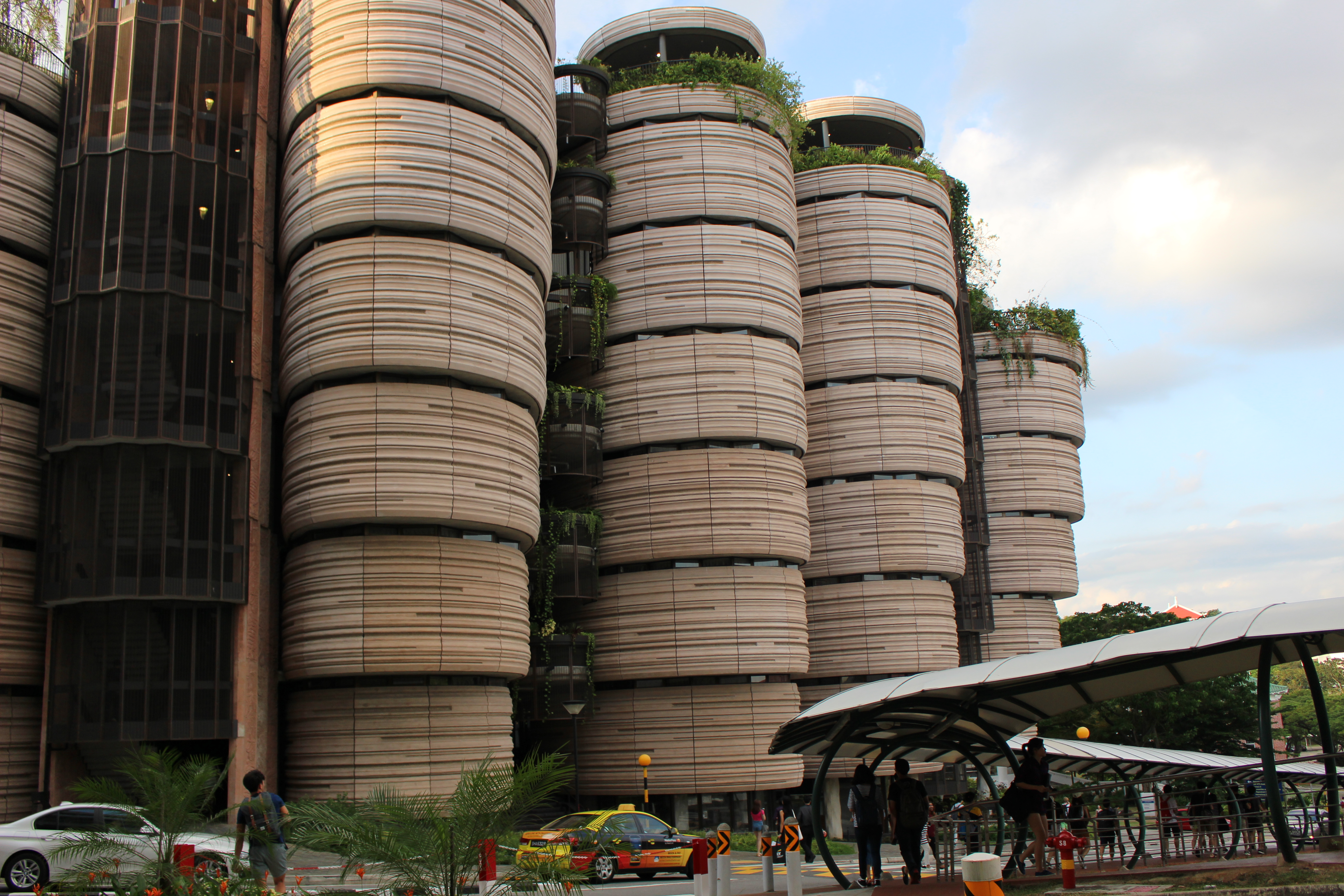
Singapore Management University (SMU)
- QS 2026 Ranking: #511-520 globally (strong in Asia for business/law, around #122 in QS Asia 2026)
- Tuition for International Students (with MOE Grant, AY2025/2026): SGD 25,100–47,700 yearly (Business/Law ranges; non-subsidised much higher; work bond applies)
- Total Students: Around 12,000, with internationals making up a noticeable portion (diverse crowd)
- Standout Fields: Business, Law, Accounting, Social Sciences
- Getting In: Selective, good grades, essays, interviews often key for fit
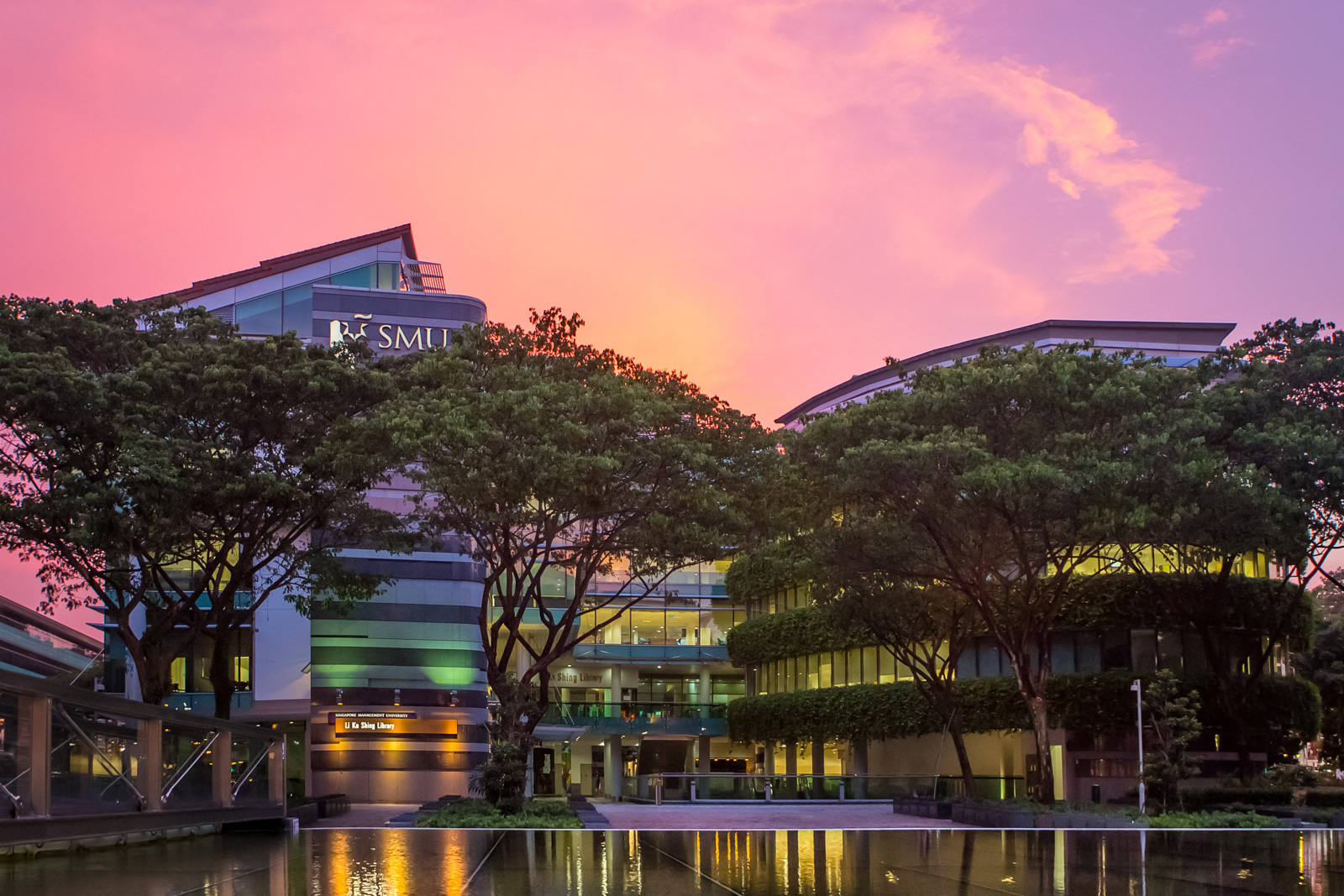
Singapore Management University (SMU) ranks Singapore’s recognised universities for business and related fields. It sits around #511-520 globally in QS 2026 but punches above its weight in business and law circles, ranking #122 in Asia in the latest QS Asia list. People like it for the interactive style: small classes, lots of discussion, kind of like American business schools.
Right in the middle of Singapore’s bustling Bras Basah arts and heritage area, the compact city campus sits steps from museums, theatres and the financial district, you basically step out into real-world networking every day. With just 12,000 students, the atmosphere stays personal and international, especially in business, law, accounting and social sciences where industry ties run deep.
Fees with the MOE Grant land between SGD 25,000 and 47,000 depending on your program, higher than some but worth it for the location and connections. The usual work commitment after graduation applies. Admission looks closely at grades plus how you come across in essays and interviews.
Singapore University of Technology and Design (SUTD)
- QS 2026 Ranking: #519 globally (focus on design/tech over broad rankings)
- Tuition for International Students (with MOE Grant, AY2025/2026): SGD 30,200–62,000+ yearly (varies by track; higher for some pillars; work bond standard)
- Total Students: Around 2,000 (small, close-knit community)
- Standout Fields: Design, Technology, Architecture, Engineering
- Getting In: Competitive, portfolios, projects, and passion for innovation matter a lot
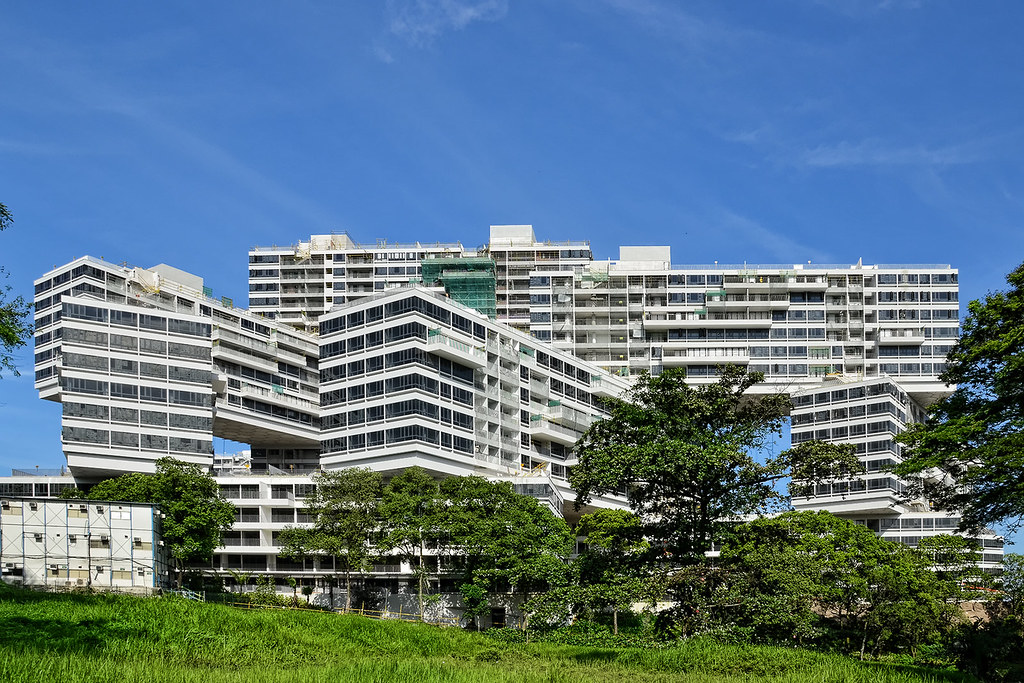
Singapore University of Technology and Design (SUTD) is one of the most distinctive top universities in Singapore for design and tech. It sits at #519 in QS 2026, but the real draw is the hands-on, project-based way of learning, shaped heavily by its MIT collaboration.
The modern campus near the Changi area connects everything through open spaces, creative studios, cleanrooms and group project rooms that scream collaboration from day one, first-year students even live together on site. With only 2,000 students, the tight-knit feel makes it easy to build real friendships while diving deep into design, engineering, architecture or tech.
Tuition with the grant runs SGD 30,000 to 62,000 a year, matching the specialized setup, and the work bond suits those heading into Singapore’s innovation hubs. Admission weighs grades but puts heavy focus on portfolios, project ideas and creative spark.
Singapore Institute of Technology (SIT)
- QS 2026 Ranking: Not in top 500 globally (applied focus, strong local employability)
- Tuition for International Students (with MOE Grant): Roughly SGD 24,500–39,700 yearly (varies by program; paid per trimester often)
- Total Students: Around 10,000 (practical, industry-oriented crowd)
- Standout Fields: Applied Engineering, Health Sciences, Food Tech
- Getting In: Practical, diplomas, work experience, or strong applied skills help
Singapore Institute of Technology (SIT) ranks as a practical best university in Singapore focused on applied and industry-ready programs. It doesn’t chase big global rankings, but grads get snapped up quickly thanks to the built-in industry links.
Its campuses, especially the shiny new Punggol Digital District, which opens fully in 2026, sit right next to companies with “living labs” where students test ideas alongside pros. About 10,000 students, many from poly backgrounds, keep the vibe grounded and career-focused in applied engineering, health sciences and food tech, complete with 8-12 months of paid internships.
Fees with the grant usually fall between SGD 24,500 and 39,700 a year (often split by trimester), and the standard work bond follows. Admission feels more approachable if you bring practical experience or diplomas.
Singapore University of Social Sciences (SUSS)
- QS 2026 Ranking: Not in top 500 globally (#627 in QS Asia 2026)
- Tuition for International Students: Around SGD 20,000–35,000 yearly (modular/flexible; often per course/module)
- Total Students: Around 15,000 (many part-time/working adults)
- Standout Fields: Social Sciences, HR, Early Childhood, Business Management
- Getting In: Flexible, open to mature learners, work experience valued
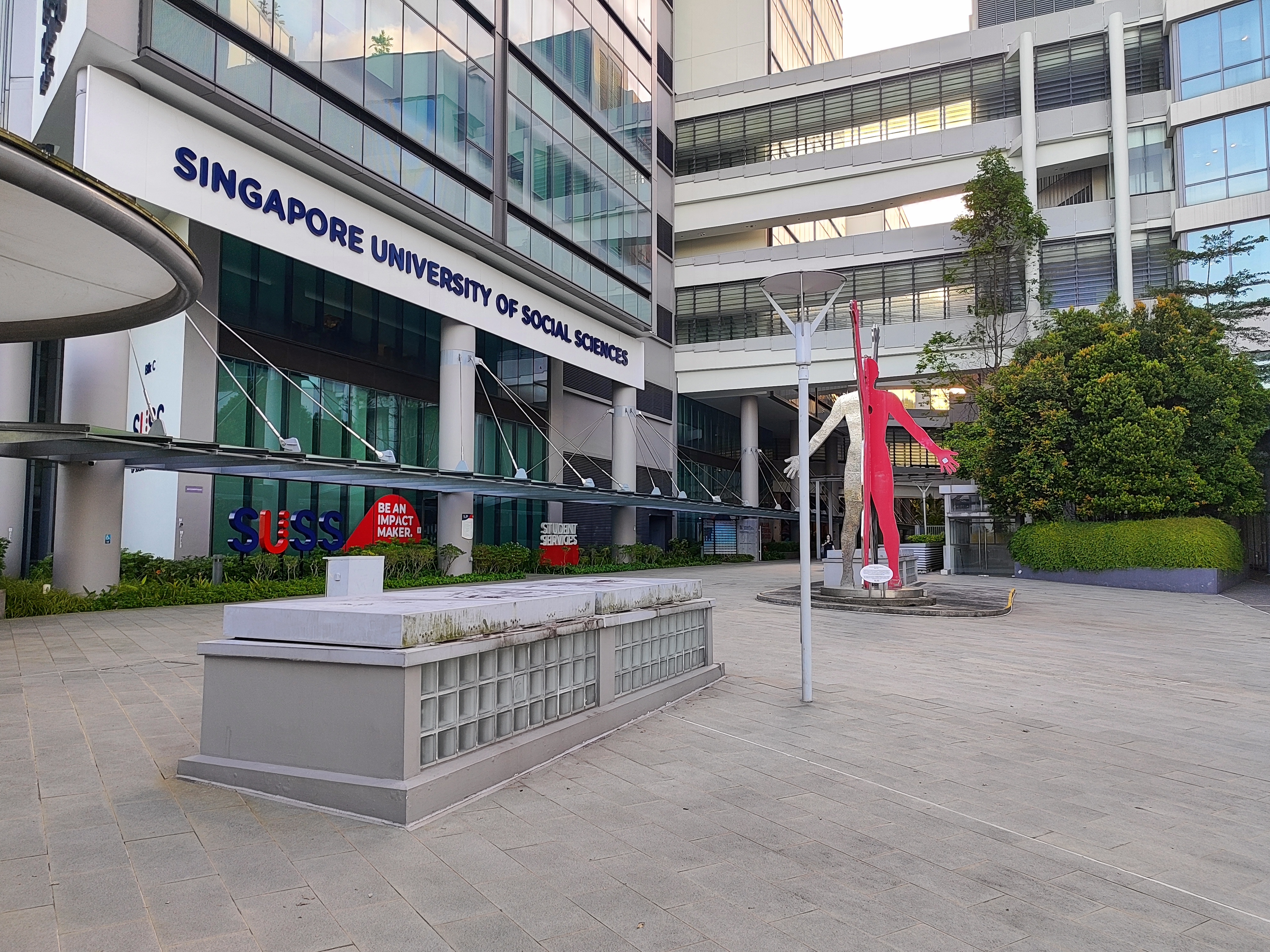
Singapore University of Social Sciences (SUSS) stands out among the top universities in Singapore for flexible lifelong learning and social sciences. It ranks around #627 in Asia but focuses on practical social sciences and schedules that fit around work or life.
You can study full-time, part-time or mostly online with modular courses that let you pause and restart, perfect for the 15,000 students, many of whom juggle jobs or family. The practical focus shines in HR, psychology, early childhood education and business, plus service-learning projects that connect you straight to communities.
Tuition stays flexible at roughly SGD 20,000 to 35,000 a year, depending on how many modules you take, with the grant and work bond where they apply. Admission opens up nicely for adults bringing work experience or prior credits, which is ideal if you’re switching careers or upskilling.
How to Choose Best University in Singapore
Picking the right university isn’t about chasing the highest ranking, it’s about finding the one that actually fits how you learn, what you love, and where you want to end up. With six strong public options, the “best university in Singapore” is really the one that clicks with you.
Key things to think about:
- Your major and interests: Medicine or deep research? Go NUS. Engineering and AI? NTU shines. Business or law? SMU feels made for that.
- Learning style: Big lectures and solo study suit research-heavy places; group projects and hands-on work? Look at SUTD or SIT.
- Campus vibe and location: Want a big green campus with tons of clubs? NUS or NTU. Prefer stepping straight into the city buzz and networking? SMU is perfect.
- Career plans: Need tons of paid internships to hit the job market fast? SIT delivers. Already working or want flexible hours? SUSS makes life easy.
- Your grades and background: Straight-A superstar aiming global? NUS/NTU. Have work experience or coming from poly? SIT and SUSS are more approachable.
- Budget and flexibility: Check if the fees and schedule actually work with your life.
Which university feels like it’s for you?
- If you’re a high-achiever who loves diving deep into research and wants every door open, NUS is usually the one that clicks.
- Love tech, innovation, and a huge beautiful campus that feels like its own world? NTU is where a lot of future engineers and creators thrive.
- Dreaming of business, law, or accounting while living right in the heart of the city with small discussion classes? SMU gives you that real-world energy every day.
- Creative, hands-on, and excited about blending design with technology? SUTD’s small, project-heavy setup (and mandatory first-year dorms) builds tight friendships fast.
- Want to get straight into paid industry placements and walk into a job after graduation? SIT is built exactly for that practical jump.
- Already working, switching careers, or need to study around your life? SUSS’s flexible modules and part-time options were made for adults who keep moving forward.
Quick action steps
Go to the open houses, since nothing beats walking around and feeling the vibe yourself. Message current students on LinkedIn or WeChat groups. Make a simple list of your top priorities and match it against what each school offers. Once you find that fit, the rest of the application feels way less stressful.
Tuition and Funding
Singapore’s public universities make things pretty affordable for international students, mostly thanks to the MOE Tuition Grant from the government. It knocks down fees a ton, but if you accept it (which most internationals do), you sign up for three years of work in Singapore after you finish your degree. Without it, fees shoot up a lot. Below is a straightforward table for undergrad international fees in AY2025/2026 (with the grant applied, including 9% GST). These are typical ranges, programs like medicine or dentistry run much higher, so always check the university’s official page for your specific course.
Undergraduate Tuition Fees (International Students with MOE Tuition Grant, yearly approx.)
| University | Typical Range (SGD) | Quick Notes on What Drives Higher Costs |
|---|---|---|
| NUS | 17,950 to 39,200 | Computing/Engineering often lower end; Medicine/Dentistry 70,000+ |
| NTU | 17,550 to 40,000+ | Engineering/AI usually cheaper side |
| SMU | 25,100 to 47,700 | Business/Law push it higher |
| SUTD | 30,200 to 62,000+ | Design/Tech specializations vary |
| SIT | 24,500 to 39,700 | Applied courses, billed per trimester |
| SUSS | 20,000 to 35,000 | Modular/flexible, pay module by module |
The grant is applied for after acceptance (via TGonline), and it’s based on your grades so it’s competitive. The three-year work thing in Singapore can feel like a commitment, but for people aiming at Asia’s job scene in tech or finance, it often ends up helping more than holding you back.
Scholarships Worth Checking (for 2026 internationals)
- ASEAN Undergraduate Scholarship (NUS/NTU/SMU): full tuition plus about SGD 5,800 a year for living and housing priority, great if you’re from Southeast Asia.
- NUS Global Merit or Science & Tech: covers full tuition with living help, laptop grants, and travel money.
- NTU Nanyang Scholarship: full tuition plus roughly SGD 6,500 yearly for living.
- SMU Lee Kong Chian: full tuition off, plus exchange trips and a notebook grant.
- Others: SUTD Global Distinguished, and merit awards at SIT/SUSS that cover part or all depending on what you bring.
Living Costs Breakdown (monthly estimates)
| Category | Typical Monthly Range (SGD) | Real Talk / Tips |
|---|---|---|
| Accommodation | 500 to 1,200 | On-campus dorms or shared near uni start low (S$500-800); private/shared off-campus S$700-1,200 with bills often included. Platforms like uhomes help find deals near campuses. |
| Food & Groceries | 400 to 600 | Hawker centres S$5-10/meal; cook sometimes to stay under S$400. |
| Transportation | 100 to 200 | Monthly MRT/bus pass around S$128; single rides cheap. |
| Utilities (if not in dorm) | 40 to 100 | Bundled in many student places; save by unplugging stuff. |
| Misc/Entertainment | 200 to 400 | Gym, outings, phone; use free parks or student discounts. |
| Total Monthly | 1,500 to 2,500 | Comfortable student budget; many manage S$1,800-2,200. Yearly living ~SGD 18,000-30,000 — cheaper than London/NY by 30-50%. |
Start by applying for the MOE Grant, that’s your biggest cut. If grades are good, chase scholarships next. Grab the latest from university sites. When you add it up, Singapore usually gives strong value for what you pay.
Applying to Universities in Singapore
Applying to university in Singapore is a bit of a DIY mission. Unlike the US “Common App” or the UK’s UCAS, there is no central system here. You have to grind through each university’s portal individually. It’s tedious, but straightforward.
The Reality of Getting In
Let’s be honest: good grades are just the entry ticket.
The Scores: For the “Big Three” (NUS, NTU, SMU), an IB 38+ or A-Level AAA is essentially the baseline for competitive courses. If you are coming from a different system (like Gaokao), you need to be in the top tier.
English: If your high school wasn’t English-medium, have your IELTS (6.5+) or TOEFL (90+) ready. No exceptions.
The “X-Factor”: Because everyone has good grades, your personal statement needs to work hard. Don’t just list achievements; explain why you fit that specific campus culture.
The Timeline (AY2026/2027)
Real-Talk Alert (Feb 2026 Update): If you are reading this in late February, you are in the danger zone.
NUS: Usually closes around late February (e.g., Feb 23). If you missed it, you missed it.
NTU & SMU: You typically have until mid-March (roughly Mar 19). Act now.
SUTD/SUSS: Deadlines can vary, check immediately.
The Process: Step-by-Step
The Portal Grind: Go to the specific uni website, create an account, and upload your docs. Pay the application fee (approx. S$20–30, non-refundable).
The “Extra” Stuff: Keep your email notifications ON. They might ask for predicted grades or updated transcripts with a 24-hour turnaround time. Miss the email, risk the offer.
The Interview: SMU interviews almost everyone. NUS and NTU interview for competitive courses (Law, Med) or scholarship candidates. Treat these like job interviews.
The “Discount” (MOE Tuition Grant)
You will see a lower tuition fee listed—that’s usually the subsidized rate. To get it, you must sign the MOE Tuition Grant.
The Deal: The government pays a chunk of your fees.
The Catch: You sign a contract to work in a Singapore-registered company for 3 years after graduation. It’s a great way to save money if you plan to stay; if you want to leave immediately, don’t sign it.
Don’t recycle your US/UK essays. Singapore unis prefer clear, direct demonstrations of interest and ability over flowery storytelling. Good luck!
The “Discount” (MOE Tuition Grant)
You will see a lower tuition fee listed—that’s usually the subsidized rate. To get it, you must sign the MOE Tuition Grant.
The Deal: The government pays a chunk of your fees.
The Catch: You sign a contract to work in a Singapore-registered company for 3 years after graduation. It’s a great way to save money if you plan to stay; if you want to leave immediately, don’t sign it.
Don’t recycle your US/UK essays. Singapore unis prefer clear, direct demonstrations of interest and ability over flowery storytelling. Good luck!
Student Housing near Singapore's Top Universities
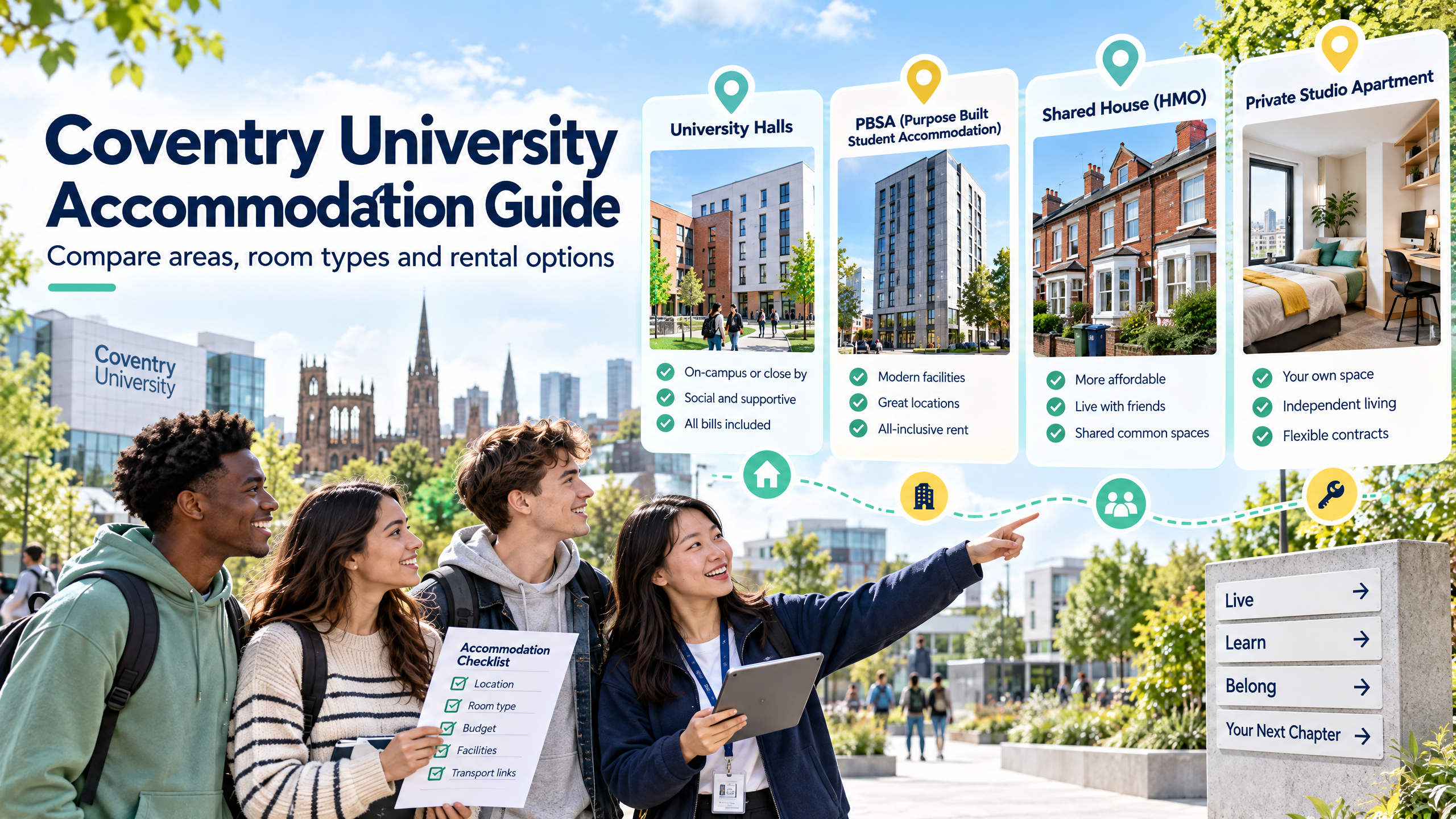
In Singapore, student housing basically falls into two buckets: on-campus dorms and private rentals off-campus. On-campus feels like the classic uni experience, which is cheap, super social, right next to classes, but spots are limited and you have to apply early. Private options give you more freedom and choice, especially if you want to live with friends or in a specific neighbourhood.
On-Campus Housing
Each university handles it a bit differently:
- NUS has 17 types of halls and residential colleges on the big Kent Ridge campus, which is lively, with meal plans and tons of clubs.
- NTU’s massive 200-hectare campus usually guarantees halls for freshmen for the first two years, with shuttles everywhere.
- SUTD makes first-year (first three terms) on-campus mandatory — convenient high-rise blocks right by the academic buildings.
- SMU has fewer on-campus spots since it’s right in the city centre, so most students go private.
- SIT and SUSS rely more on partnerships or off-campus.
Expect to pay SGD 500–1,200 a month (utilities and WiFi often included, sometimes meals too). Apply through the uni portal as soon as it opens, which it’s usually lottery or points-based.
Private Housing in Singapore
Lots of students (especially after first year) switch to private rentals: shared condos, HDB rooms, or purpose-built student apartments. Popular areas are Clementi/Bukit Timah near NUS, Jurong West near NTU, and Bras Basah near SMU, all with quick MRT rides. Prices run SGD 800–2,500 a month depending on whether you want a single room or share. The upside? More flexibility, modern facilities (gym, pool, 24/7 security), and the freedom to cook or hang out with friends.
Singapore rents are high and the market moves fast, so international students really need somewhere safe and transparent. That’s where a good platform makes all the difference.
Check Out uhomes.com
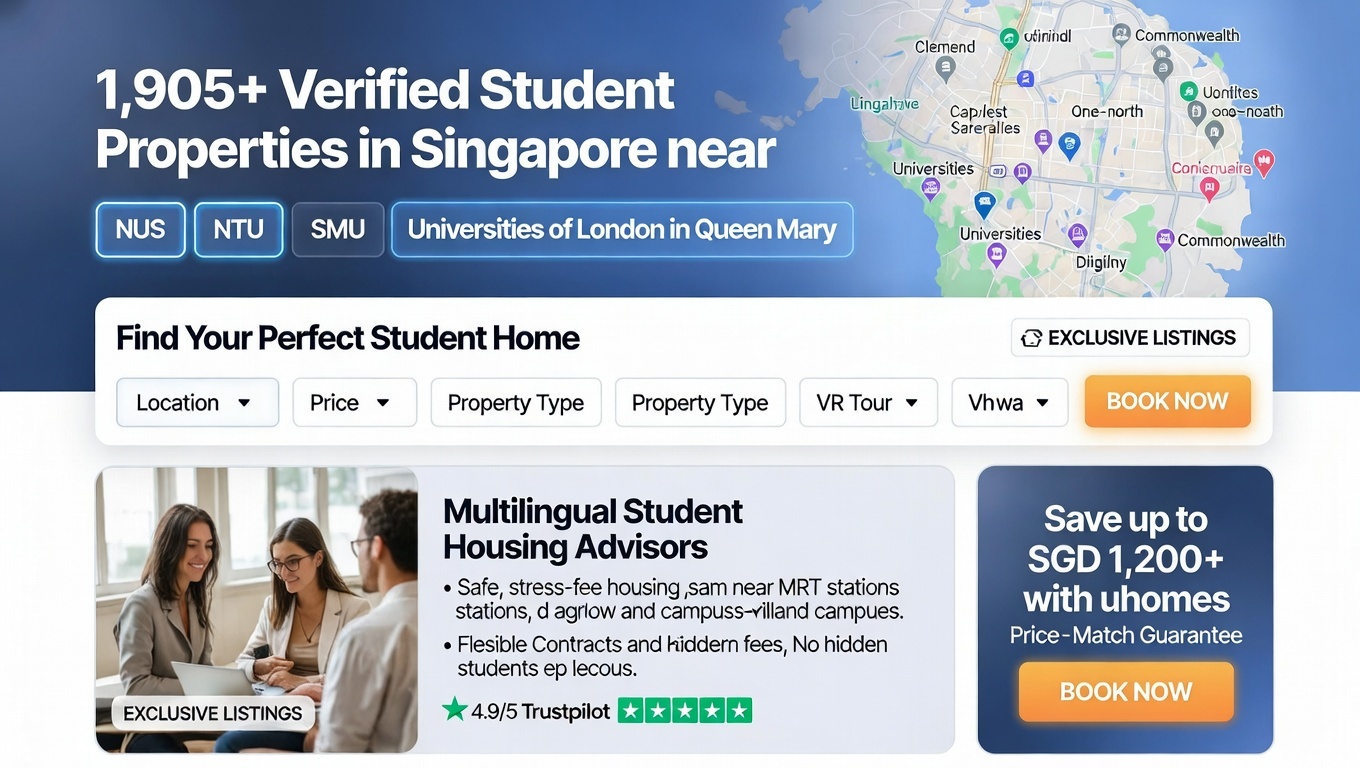
uhomes.com currently lists 1,905+ verified student properties in Singapore, covering every major uni area. It’s even the official recommended accommodation partner for NTU. Here’s why so many students (especially from China and Southeast Asia) love it:
- Every single listing is 100% verified with in-person checks, with photos, VR tours, and descriptions that match reality, so no nasty surprises.
- Easy map search + VR/video/in-person viewings so you can “walk through” rooms before deciding.
- Multilingual one-on-one advisors (Chinese/English and more) who help from browsing to signing and even moving in.
- 4.9/5 on Trustpilot from over 2,000 real reviews, parents and students actually trust them.
- Exclusive listings, early-bird discounts, group deals, cashback (up to SGD 1,200+ on some places), and limited-time offers like first-month discounts.
- Price-Match Guarantee: If you find the exact same room cheaper elsewhere, they’ll match it. Zero agency fees, zero hidden charges.
In Singapore’s tight, expensive housing market, uhomes.com takes away the stress, safe, verified places near MRT and campus, flexible contracts, bills often included, and real people helping in your language. Many students book everything from airport pickup to move-in through them and say it’s the smoothest part of arriving.
Student Visa in Singapore
The student visa in Singapore is called the Student’s Pass, and it’s not too bad to get if your uni has accepted you. The school does most of the work behind the scenes.
What happens step by step: Once you accept the offer (and decide on the MOE Tuition Grant if you’re going for it), your university puts your details into ICA’s SOLAR system. You log in and fill out the eForm 16 — upload your passport page, a recent photo, the offer letter, and proof you have enough money (usually a bank statement or sponsor letter showing SGD 30,000–40,000 for the first year’s tuition and living).
They might ask for a medical report (you can do this in Singapore after arriving in many cases), and health insurance is required. The processing fee is around SGD 90, plus SGD 30 for the actual pass card. It normally takes 2 to 4 weeks, but don’t book your flight until you get the in-principle approval letter from ICA.
When it’s approved, you get a digital pass or sticker in your passport. Part-time work is allowed (up to 16 hours a week during term time, full-time in breaks) for most full-degree programs. Just keep renewing the pass on time, missing that can cause headaches.
Follow the emails from your uni, they guide you through everything. Most students say it’s smoother than they expected compared to other countries.
Student Life in Singapore
Student life in Singapore basically revolves around a unique rhythm: you freeze in the air-conditioned lecture halls, melt the moment you step outside, and then argue with friends about where to eat next. It’s intense but incredibly convenient. You’ll quickly realize that cooking is almost obsolete when a hearty plate of cai fan (economy rice) or chicken rice costs less than S$5 at the campus canteen.
The safety here is genuinely on another level; seeing locals reserve tables in busy food courts with just a packet of tissues (the “chope” culture) is a culture shock that never gets old. Getting around is seamless with the MRT, though you might need to elbow your way in during the morning rush. Socially, it’s a melting pot; English is the default, but once you pick up the local lahs and lehs, and find your regular late-night supper spot, Singapore stops feeling like a foreign city and starts feeling like home very fast. Good luck with the application!
Conclusion
Top universities in Singapore like NUS and NTU keep drawing students from all over because they deliver world-class education without the crazy costs or distance of places like the US or UK. But beyond the rankings, it’s really about the lifestyle trade-off: you get a hyper-efficient, safe city where a world-class meal costs S$5, in exchange for a rigorous academic grind. It’s not just a degree; it’s a strategic launchpad into the Asian market without the massive student debt. If you can handle the humidity and the workload, the payoff, both for your career and your bank account, is genuinely hard to beat.
FAQ
What is the best university in Singapore?
The best university in Singapore is the National University of Singapore (NUS), which holds the #1 spot in Asia and #8 globally according to QS 2026 rankings. It excels in research output, global reputation, and a wide range of top-ranked programs. Many students and employers consider it the premier choice for both academic excellence and career opportunities in Asia.
What are the two main universities in Singapore?
The two main universities in Singapore are the National University of Singapore (NUS) and Nanyang Technological University (NTU). They dominate global rankings, with NUS at #8 and NTU at #12 in QS 2026. Together they attract the majority of top international talent and lead in research and innovation across Asia.
What are the top universities in Singapore for engineering?
The top universities in Singapore for engineering are NUS and NTU, both ranked among the world’s elite in this field. NTU often edges out slightly in engineering-specific rankings due to its focus on AI, materials, and cutting-edge labs. Students choose between them based on preferred specializations and campus vibe.
What are the top universities in Singapore for architecture?
The top university in Singapore for architecture is the Singapore University of Technology and Design (SUTD). Its MIT-inspired curriculum emphasizes innovative design-tech integration and hands-on projects. It stands out for creative, interdisciplinary architecture education compared to more traditional programs elsewhere.
What are the top 10 universities in Singapore for international students?
Singapore has only six public autonomous universities, so there is no official top 10 list for international students. The main ones popular with internationals are NUS, NTU, SMU, SUTD, SIT, and SUSS. These schools offer strong support, scholarships, and English-medium programs tailored to global students.
Is NUS better than Harvard?
No, NUS is not better than Harvard overall, Harvard maintains higher global prestige, alumni network, and historical ranking advantage. However, NUS frequently outperforms Harvard in specific subjects like engineering, Asian studies, and value for money. For Asia-focused careers, many students find NUS equally or more practical.
Is SIT a good university?
Yes, SIT (Singapore Institute of Technology) is a good university, particularly for students seeking applied, industry-oriented degrees with real-world focus. It boasts excellent employability thanks to mandatory paid internships and close ties with companies. Many graduates appreciate its practical approach over pure academic prestige.
How many universities in Singapore?
There are six public autonomous universities in Singapore: NUS, NTU, SMU, SUTD, SIT, and SUSS. These government-supported institutions form the core of higher education here. Private universities exist but are fewer and less prominent for international rankings and recognition.