

Home for Global Students
4.9/5
GET APP

Dallas vs Houston vs Austin: The Relocation & City Guide

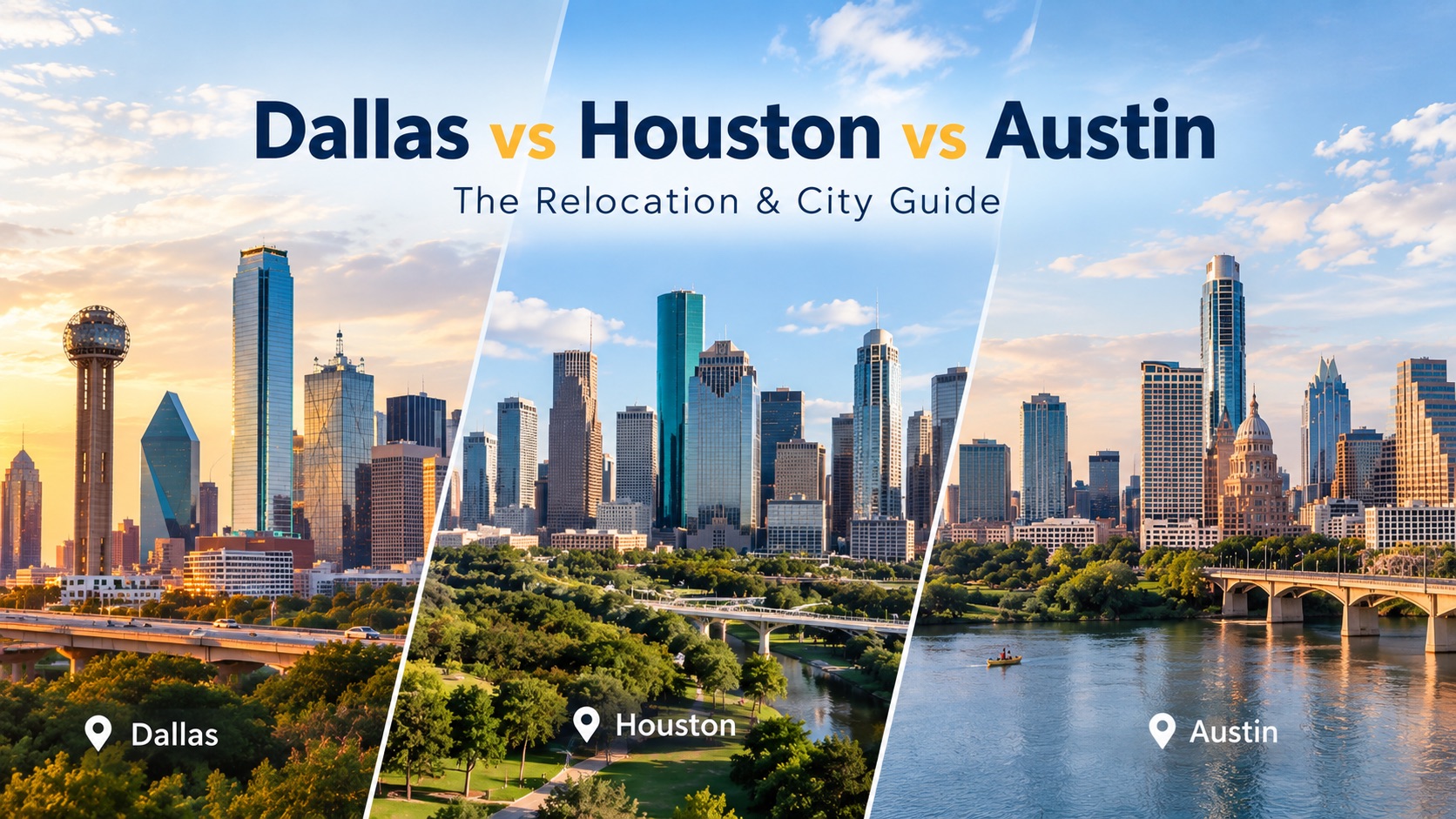
dallas vs houston vs austin

Dallas vs. Houston vs. Austin remains the primary option for anyone moving to Texas. While all three cities have iconic Lone Star charm, deciding where to live comes down to balancing your budget and career. This relocation guide breaks down living costs, empoyment opportunities, education, and commuting realities to help you to find your ideal house on uhomes.com.

Key Takeaways

Houston is known for relatively affordable housing, a diverse food scene, and family-friendly communities. Austin attracts tech professionals with its growing innovation sector, outdoor activities, and live music. Dallas stands out for its diverse corporate economy, cosmopolitan atmosphere, and range of suburban living options. All three metro areas offer educational opportunities and experience hot summers.

Cost of Living

When comparing the cost of living in Dallas, Houston, and Austin, Houston generally offers the best value for everyday expenses. Its broad supply networks help keep grocery and household costs relatively manageable. Dallas offers a middle ground, with options ranging from affordable local restaurants to upscale dining and entertainment. Austin is typically more expensive, particularly for dining, fitness, and personal services, partly reflecting its growing technology sector and tourism industry.

Houston is a strong option for budget-conscious residents, Dallas offers a balance between cost and convenience, and Austin may suit people willing to spend more for its active social scene and outdoor amenities.

dallas sunset

Housing Affordability

Housing is a major consideration when choosing where to live. Costs vary across Austin, Houston, and Dallas because of differences in property values and local market conditions. Comparing both home prices and rents can help you understand which city fits your budget.

Homebuying

Buying a home in Houston, Dallas, or Austin comes with different costs and lifestyle trade-offs. Houston is known for spacious homes and relatively affordable suburbs. Dallas offers a broad mix of properties, from urban residences to modern suburban communities. Austin generally has higher home prices, especially near the city center, leading some buyers to look in surrounding suburbs for more space and value.

Rental Market

Renting offers flexibility for people who are not ready to buy. Apartment construction has expanded rental choices across all three metros, and some properties offer move-in incentives. Houston is appealing to renters focused on affordability, Dallas has a wide selection of apartments in urban and suburban areas, and Austin continues to add rental developments.

Houston is a good fit for people prioritizing affordability and living space. Dallas suits renters and buyers looking for a balance of suburban amenities and urban convenience. Austin may appeal to people drawn to technology jobs, walkable neighborhoods, and outdoor recreation.

Job Market Dynamics

Moving to Texas often involves weighing career opportunities against long-term growth. Although the state has a broad employment base, each metro has a different economic profile. The right choice depends on your experience, industry, and professional goals.

Each of the three metros has distinct employment strengths. Austin is known for technology and startups, Houston has a strong presence in energy, healthcare, and aerospace, and Dallas–Fort Worth has a broad corporate economy spanning many industries. Matching these strengths to your career goals can help you choose a city with room for long-term growth.

Austin: A High-Tech Innovation and Startup Hub

Known as “Silicon Hills,” Austin has become a major center for technology and innovation. Its tech ecosystem attracts established companies, startups, and skilled professionals. Major employers include Tesla, Apple, Dell, Google, and Oracle, with opportunities in software development, artificial intelligence, hardware, and digital products. Austin is especially appealing to tech professionals looking to build careers in an innovation-focused environment.

Houston: A Global Energy and Healthcare Center

Houston is a major center for energy, healthcare, biotechnology, and aerospace. These industries offer opportunities in established fields as well as emerging areas such as renewable energy and medical research. Its large employment base and specialized industries make Houston attractive to experienced professionals across a range of careers.

Dallas: A Diversified Corporate Economy

Dallas–Fort Worth has a diverse economy that includes finance, banking, insurance, logistics, defense, and telecommunications. Major employers such as AT&T, Charles Schwab, Southwest Airlines, and Texas Instruments contribute to the region’s broad employment base. This range of industries can give professionals room to advance or change fields without leaving the metro area. Dallas is a strong option for people seeking corporate opportunities, career flexibility, and long-term growth.

Education Excellence

Education is an important consideration for families and young professionals comparing Dallas, Houston, and Austin. All three metro areas have established public school districts and respected universities, though strengths vary by location and academic focus. Suburban communities can appeal to families seeking K–12 options, while universities across the metros offer programs in business, engineering, technology, and medicine.

K–12 Public School Districts

The Dallas, Houston, and Austin areas each have suburban school districts known for academic programs and extracurricular activities. In the Dallas metro area, Frisco ISD, Plano ISD, and Allen ISD offer a range of programs and facilities. Around Austin, Eanes ISD, Round Rock ISD, and Lake Travis ISD attract families looking for well-regarded public schools. Houston-area options include Katy ISD, Fort Bend ISD, and Tomball ISD, while Spring Branch ISD and magnet schools provide additional choices closer to central Houston. School quality and program availability differ by district, so families should research specific schools and attendance zones before choosing a neighborhood.

Higher Education and Universities

Austin is home to The University of Texas at Austin, with established programs in engineering, business, and computer science that connect with the region’s technology sector. Houston offers Rice University and the University of Houston, as well as major medical education and research institutions in the Texas Medical Center. In the Dallas area, Southern Methodist University is known for business and law, while The University of Texas at Dallas has strong computer science and engineering programs. These institutions give each metro distinct academic strengths in fields ranging from technology and business to medicine.

Leisure and Lifestyle

Beyond job opportunities and housing costs, leisure activities shape everyday life in Dallas, Houston, and Austin. Each city has its own pace and social scene, whether you prefer outdoor recreation and live music, a diverse food culture, or upscale entertainment and major sporting events. These differences can help you decide which metro best matches your interests and routine.

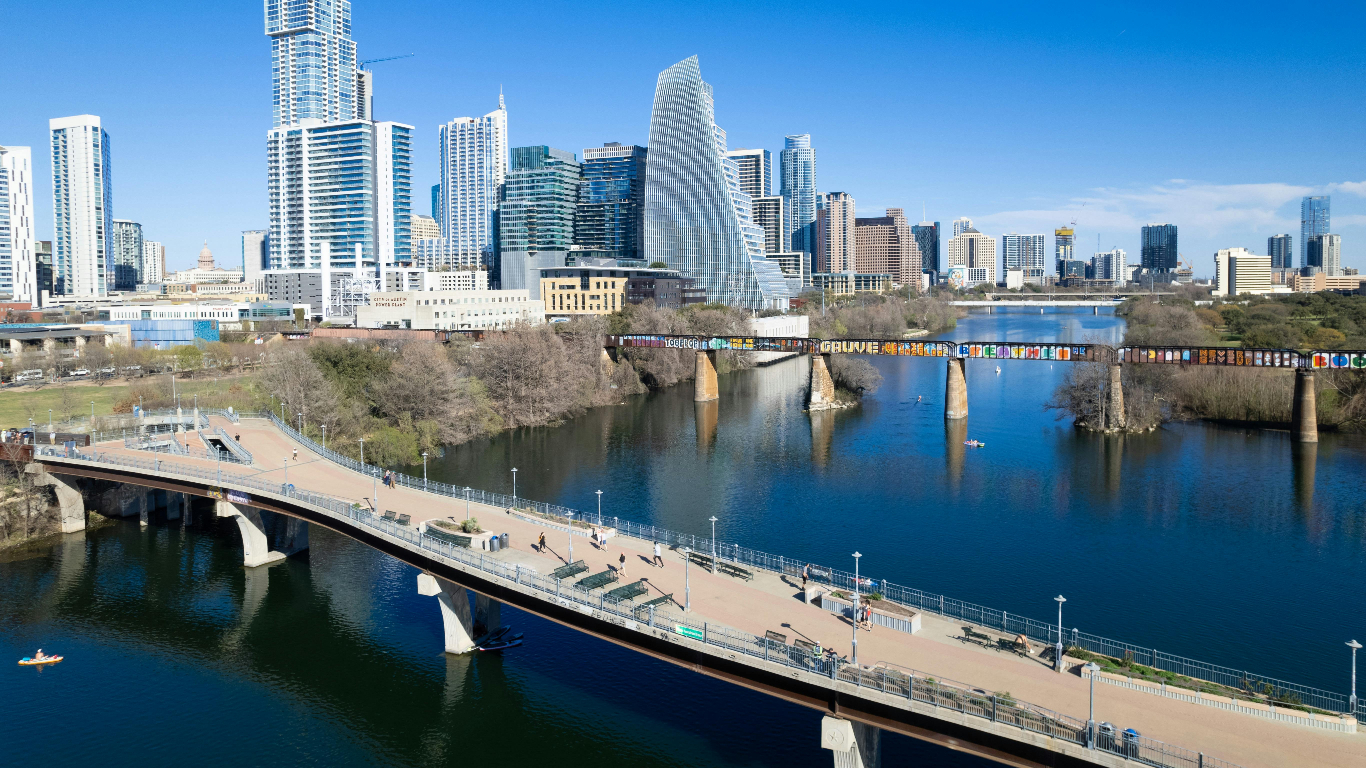
Austin skyline, bridges over river

Daily Vibe and Social Scene

Austin has a relaxed, outdoorsy atmosphere, with live music along Congress Avenue, paddle boarding on Lady Bird Lake, and casual gatherings on outdoor patios. Its social scene is closely tied to creative communities and the technology industry. Houston feels diverse and food-focused, with neighborhood restaurants, international cuisines, and large green spaces such as Memorial Park. Dallas offers a more polished urban lifestyle, from Uptown shopping and rooftop lounges to a strong professional sports scene. Its pace is often fast, with plenty of options for dining, nightlife, and entertainment.

Outdoor Activities, Arts, and Entertainment

Austin draws outdoor enthusiasts with places such as Barton Springs Pool, hiking trails, and greenbelts across the surrounding Hill Country. Houston offers cultural and recreational attractions including the Museum District, Space Center Houston, and a restaurant scene shaped by its diverse communities. Dallas combines arts, sports, and urban recreation through the Dallas Arts District, major league teams, entertainment venues, and green spaces such as Klyde Warren Park. For weekends, Austin is a natural fit for live music and outdoor activities, Houston offers extensive food and cultural options, and Dallas suits people who enjoy city amenities, sports, and upscale entertainment.

Cultural Characteristics

Each metro has a distinct daily rhythm and cultural identity. All three reflect Texas’s mix of tradition and growth, but Dallas leans toward corporate ambition and polished city living, Houston reflects its international population and practical outlook, and Austin is known for creative communities, live music, and a casual lifestyle.

Dallas: The Ambitious Cosmopolitan

Dallas has a strong corporate culture, with an emphasis on professional growth, personal style, and an active social scene. Networking often happens over business lunches in Uptown, at industry events, or around major sporting events. The city also has an established arts scene centered on the Dallas Arts District, alongside upscale shopping, modern architecture, and passionate support for local sports teams. For residents who enjoy a fast-paced professional environment and a polished urban atmosphere, Dallas offers a distinctive blend of business and leisure.

Houston: The Unpretentious Global Hub

Houston’s cultural identity reflects its diverse population and strong links to international business, medicine, energy, and space exploration. The city has a practical, unpretentious feel, with social life often centered on neighborhood restaurants, family gatherings, and community events. Its food scene spans cuisines from around the world, while museums, theaters, and cultural festivals reflect the backgrounds of its residents. This mix of global influences and Southern warmth gives Houston a character distinct from Dallas’s corporate feel and Austin’s creative atmosphere.

Austin: The Creative Innovator

Austin blends Texas traditions with a creative, technology-driven culture. Live music remains central to the city’s identity, while outdoor activities, local food spots, and casual patio gatherings shape daily life. T-shirts and sneakers are common in many settings, and residents often make time for cycling, swimming, and exploring nearby Hill Country trails. Although the tech sector has changed the city as it has grown, Austin continues to attract people drawn to its informal atmosphere, independent spirit, and access to outdoor recreation.

Transportation and City Infrastructure

Dallas, Houston, and Austin all rely heavily on cars, especially in suburban areas. However, highway layouts, traffic congestion, and public transit options vary across the three metros. Commute times often depend more on where you live in relation to work than on the distance alone.

Austin skyline, bridges over river

Highway Layouts and Daily Traffic Flow

Houston’s highway network includes three major loops: I-610, Beltway 8, and the Grand Parkway. Commutes from suburbs such as Katy and Sugar Land can be lengthy, and tolls may add to driving costs. Dallas has an extensive highway system, but I-635 and US-75 often experience rush-hour congestion. In Austin, I-35 and MoPac Expressway carry much of the north–south traffic, leaving commuters with fewer alternatives when delays occur.

Public Transit and Airport Connectivity

Dallas offers the DART light rail network, including service to DFW Airport. Houston’s METRORail connects Downtown, Midtown, and the Texas Medical Center, while Austin relies mainly on CapMetro buses and a commuter rail line. For air travel, Dallas is served by DFW International Airport and Dallas Love Field; Houston by George Bush Intercontinental Airport and William P. Hobby Airport; and Austin by Austin-Bergstrom International Airport. Airport location and available routes can matter to frequent travelers.

Climate and Weather: Dallas vs Houston vs Austin

Dallas, Houston, and Austin all have hot Texas summers, but humidity, winter temperatures, and rainfall differ across the three metros. These differences affect outdoor comfort, air-conditioning costs, and seasonal weather risks.

Summer Heat and Air-Conditioning Demands

All three cities experience intense summer heat, with temperatures often exceeding 95°F from June through September. Dallas has hot summers and colder winters, including occasional freezes and icy roads. Austin also has long, hot summers, though evenings can feel more comfortable when humidity is lower. In all three metros, heavy air-conditioning use can raise electricity bills during the hottest months.

Humidity, Rainfall, and Coastal Impacts

Houston’s proximity to the Gulf Coast brings high humidity, more rainfall, and the risk of tropical storms and hurricanes. Muggy conditions can continue into fall, keeping cooling systems running longer. Dallas and Austin are generally less humid, although both can experience heavy rain and flash flooding during severe storms. People moving to Houston should consider its humidity and coastal storm risks, while Dallas and Austin also bring seasonal temperature swings and rainfall hazards.

Find the Best Housing Options with uhomes.com

Are you looking to relocate to Dallas, Houston, or Austin? uhomes.com is a professional and reliable platform servicing students abroad for rentals. It provides one-to-one consulting with personalized service and guidance. There is massive house availability with high-quality and low prices. The lowest monthly rents are $715 for Dallas student housing, $780 for Houston student apartments, and $549.50 for student house in Austin. Students can easily explore housing options based on budgets and needs at uhomes.com.

Summary

Ultimately, choosing between Dallas, Houston, and Austin depends on your budget, career goals, and preferred lifestyle. Dallas stands out for its diverse job market, well-planned suburbs, and strong public school districts. Houston appeals to those seeking more affordable housing, greater purchasing power, leading medical facilities, and a diverse food scene. Austin, despite its higher housing costs, attracts tech professionals and outdoor enthusiasts with its innovation-driven economy, Hill Country access, and vibrant live music culture. Each metro offers a different balance of affordability, career opportunities, and everyday comfort, so the best choice is the one that fits your priorities and long-term plans.

FAQ

Dallas is a nice choice for people seeking diverse corporate career opportunities, suburban communities, and established school districts. Houston is a good fit for those who prioritize relatively affordable housing, healthcare, and cultural diversity. Austin suits tech professionals and outdoor enthusiasts who enjoy live music and an active lifestyle.

Houston generally has the lowest cost of living among the three cities, largely because of its relatively affordable housing. Actual expenses still depend on the neighborhood, transportation needs, and lifestyle.

Houston generally offers the most affordable housing options, while Austin tends to have the highest housing costs. Dallas provides a broad range of choices, from urban apartments to homes in suburban communities.

Dallas is a good option for families seeking master-planned communities, suburban housing, and established public school districts. Houston and Austin also have family-friendly neighborhoods, but school quality and housing costs vary by area.

Austin is often considered the most scenic of the three, thanks to its Hill Country views, lakes, green spaces, and outdoor recreation areas. Dallas has modern architecture, urban parks, and landscaped suburbs, while Houston offers extensive green spaces, bayous, and access to coastal areas.

Dallas has a diverse economy spanning finance, technology, telecommunications, and corporate services. Houston is known for energy, healthcare, engineering, and international trade. Austin has a strong technology sector and startup ecosystem, making it particularly attractive to tech professionals.

Driving is the main transportation option in all three metros. Dallas has DART light rail and bus services, Houston operates METRORail and local buses, and Austin offers CapMetro buses and rail services. Transit coverage varies by neighborhood, so many residents rely on cars for commuting.

Dallas has a polished metropolitan atmosphere, with upscale shopping, professional sports, and a strong corporate culture. Houston is known for its international diversity, global food scene, and cultural institutions. Austin has a more laid-back, creative atmosphere shaped by live music, festivals, technology, and outdoor recreation.

uhomes.com | Student Accommodation,Flats,Houses,Apartments for Rent
What can I do for you?
ASK ME