


Student accommodation rules and regulations help create a safe, respectful and well-managed living environment for students in the UK. These rules apply to different type of accommodation, the agreement you sign and where the property is located. They may cover everyday matters such as quiet hours, visitors, cleaning and shared facilities, as well as fire safety, repairs, rent and complaints. This guide explains the main rules students should understand before booking.
Different Types of Student Accommodation in the UK
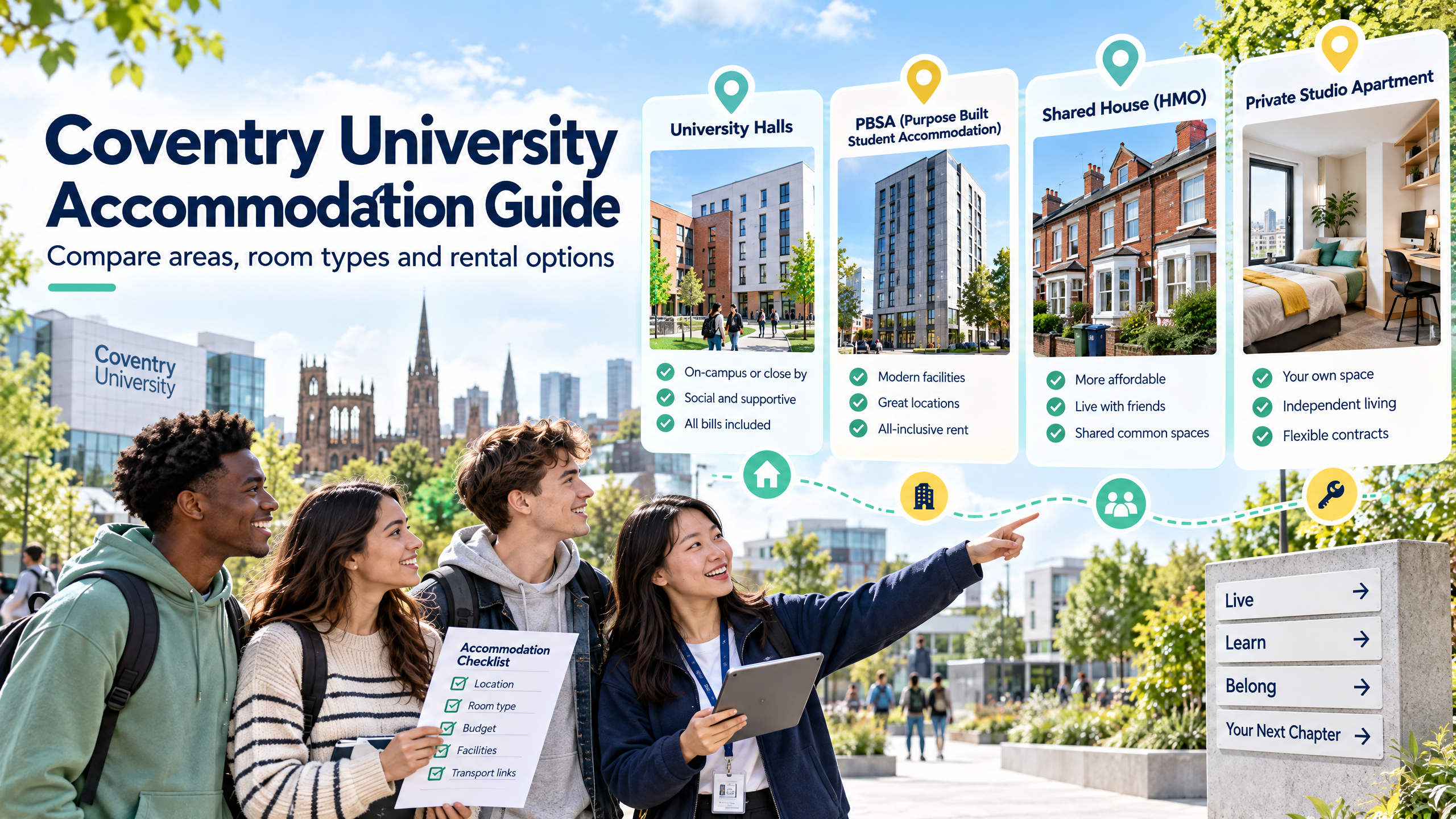
Student accommodation rules and regulations in the UK are not one-size-fits-all. The exact legal rights, responsibilities, and house rules that apply to you depend primarily on whether you live in university halls, purpose-built student accommodation, a private house-share, or an independent flat.
Reviewing the accommodation types below will help you identify your living arrangement and understand the specific agreements that govern your tenancy.
| Type of accommodation | What it usually means |
|---|---|
| University-owned accommodation (halls) | Housing managed or provided by a university or higher education institution. |
| Purpose-built student accommodation (PBSAs) | A building designed specifically for students, usually with shared facilities and a dedicated management team. |
| Private house-shares (HMOs) | A house or flat shared by several students, which may be subject to HMO and local council requirements. |
| Rented apartments (BTRs) | Private apartments rented by students, usually under a tenancy agreement and building management policy. |
The exact rules will depend on your accommodation type. You do not need to understand every regulation at this stage; first identify your accommodation type, then check which rules apply to your situation as you read on.
Main UK Student Accommodation Rules and Regulations
The Housing Act 2004
Main areas covered:
- Housing conditions and hazards
The Act provides a framework for assessing health and safety hazards in residential properties and for requiring landlords to address serious risks. - HMO definitions
It establishes the legal framework for identifying properties occupied by several unrelated households as HMOs. - HMO licensing
Certain HMOs must be licensed. Local authorities may impose conditions relating to the management, safety and physical condition of the property. - Enforcement
Local authorities may take action where a property contains serious hazards or is being operated in breach of licensing requirements. - Rent repayment orders
In certain circumstances, tenants may be able to seek repayment of rent where a landlord has committed a relevant housing offence. - Approved codes and exemptions
In England and Wales, some accommodation operated by educational establishments may benefit from specific HMO licensing exemptions where the relevant approved code requirements are met.
The Renters’ Rights Act 2025
Main areas covered:
- Assured periodic tenancies
Relevant assured tenancies have moved away from the traditional fixed-term assured shorthold tenancy model and operate as rolling periodic tenancies. - Abolition of ASTs
The Act abolishes assured shorthold tenancies in the reformed private-renting system. - Possession procedures
Landlords must rely on specified legal grounds and follow the relevant notice and court procedures when seeking possession. - Student-tenancy provisions
The Act includes specific provisions affecting student accommodation, including student accommodation that is not an HMO. - Rent and rent increases
It introduces rules concerning rent increases and limits certain forms of rent payment in advance. - Deposits and tenant fees
It makes further amendments relating to tenancy deposits and tenant fees. - Landlord redress
It provides for landlord redress schemes, giving tenants a formal route for complaints in relevant circumstances. - Private rented sector database
It creates a framework for a database covering landlords and properties in the private rented sector. - Housing hazards
It includes provisions concerning hazards in certain rented dwellings and accommodation occupied under a licence.
The UUK/GuildHE Accommodation Code of Practice for Student Housing 2025
Main areas covered
- Quality of accommodation
Providers are expected to maintain accommodation to an appropriate standard and provide clear information about the facilities and services available. - Health and safety
The Code addresses the management of fire safety, repairs, maintenance and other risks affecting residents. - Student wellbeing
It includes expectations concerning the wider student living experience and the support available to residents. - Equality and inclusion
Accommodation services should be delivered fairly and with appropriate consideration of equality and inclusion. - Information before letting
Students should receive relevant information before entering into an accommodation agreement, including important terms and conditions. - Management during occupancy
The Code covers the management of the property, communication with residents, repairs and the handling of day-to-day issues. - Occupant satisfaction
Providers should have systems for gathering and responding to residents’ views. - Complaints and disputes
The Code includes requirements concerning complaints procedures and the resolution of disputes. - End-of-occupancy arrangements
It addresses matters that arise when a student leaves, including the condition of the accommodation and relevant financial or administrative issues.

The ANUK/Unipol Code of Standards for Larger Residential Developments
Main areas covered:
- General management standards
The Code sets expectations for how larger student developments should be organised, managed and operated. - Equality and inclusion
Providers should operate accommodation services fairly and take account of equality and inclusion issues. - Marketing and pre-occupancy information
Students should receive clear and accurate information before entering into an accommodation agreement. - Occupancy management
The Code covers communication with residents, access to services, repairs and the management of shared living arrangements. - Health and wellbeing
It addresses matters affecting students’ welfare and the quality of their residential experience. - Health and safety
It includes expectations relating to fire safety, building safety, repairs, maintenance and risk management. - Resident satisfaction
Providers should give residents information about the Code and provide channels for feedback. - Deposits and the end of occupancy
The Code covers relevant procedures when an agreement ends, including deposit-related matters. - Complaints and disputes
It requires appropriate procedures for handling complaints and resolving disputes.
Who Is Responsible for Following These Rules?
Responsibility is shared by university, PBSA operator, private landlord, letting agent, and student tenant. The table below summarises each party’s typical role .
| Responsible party | Typical responsibilities |
|---|---|
| University | Managing university-owned accommodation (halls), providing residence policies and handling accommodation complaints. |
| PBSA operator | Managing PBSAs, maintaining the building and shared facilities, and explaining the relevant procedures. |
| Private landlord | Managing private house-shares (HMOs) or other rented property, including relevant safety, repair and licensing responsibilities. |
| Letting agent | Supporting applications, tenancy administration, communication and, depending on the agreement, repair arrangements. |
| Student tenant | Paying rent, following the agreement and house rules, looking after the property and reporting problems promptly. |
What Standards Should Student Accommodation Meet in UK?
In practice, students accommodation should have clear arrangements for fire safety, repairs, shared facilities, security and support. The facilities and management structure may differ between a PBSA, HMO and private flat.
Fire and Emergency Safety
Your provider should give you clear fire-safety information when you move in, including how the alarm system works and what to do in an emergency.
Students should be able to find information about:
- emergency exits and escape routes
- evacuation procedures
- the assembly point
- fire alarm testing
- emergency contacts
- how to report a blocked exit or faulty safety equipment
Depending on the property, fire safety measures may include:
- smoke alarms
- carbon monoxide alarms where required
- fire doors
- emergency lighting
- evacuation signs
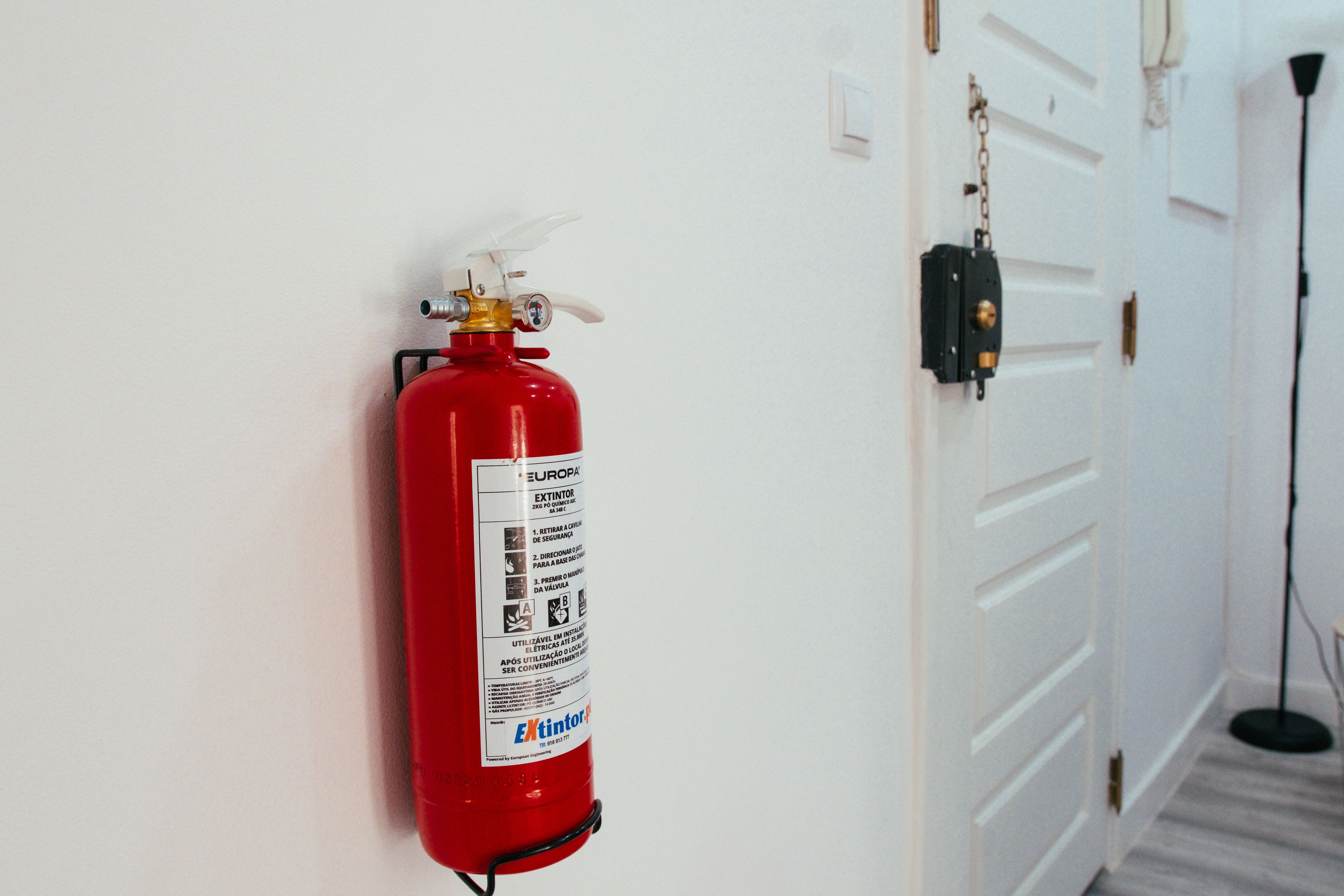
- fire extinguishers and other firefighting equipment
In privately rented accommodation in England, landlords must provide smoke alarms on each storey and carbon monoxide alarms where required. They must also keep escape routes accessible and ensure that supplied furniture is fire safe. Larger HMOs may require additional fire precautions.
Fire-safety arrangements vary by property, but every provider should give residents clear information about alarms, escape routes and emergency procedures.
Gas, Electrical and General Property Safety
Student accommodation should provide safe systems, equipment and basic living conditions. This normally includes:
- safely installed and maintained gas equipment
- required gas safety checks
- safe electrical systems and supplied appliances
- working heating and hot water
- secure locks and windows
- suitable lighting and furniture
- no serious unresolved damp, leaks or other hazards
In England, landlords are responsible for the required gas safety checks and for ensuring that supplied electrical systems and appliances are safe. Students should report hazards promptly rather than attempting professional gas or electrical repairs themselves.
Repairs, Maintenance and Shared Facilities
A well-managed property should have a clear repair and maintenance process. Before moving in, residents should be able to find out:
- how to report a repair
- who deals with urgent problems
- whether there is an emergency contact outside office hours
- how repair updates are provided
- who maintains shared facilities
The provider should keep the main parts of the accommodation in reasonable condition. Depending on the property, this may include:
- kitchens and bathrooms
- laundry rooms
- lifts, corridors and stairways
- study areas and communal lounges
- gyms, bike stores and other shared spaces
- furniture and appliances supplied with the accommodation
Good management involves more than keeping a room clean; it also requires a reliable way to report problems and arrange maintenance. Report damage promptly and use shared facilities in accordance with the agreement.

Security, Information and Management Support
To help students stay safe and access support when they need it, the provider should make the following information easy to find:
- how keys, access cards and visitor entry work
- emergency contacts
- house rules
- fire and emergency information
- repair instructions
- complaints procedures
- the tenancy, licence or residence agreement
For practical advice on repairs, noise, rent and complaints, consult the relevant Citizens Advice guidance for the nation in which you live.
The next section covers the everyday rules students are expected to follow, including noise, visitors, cleaning, smoking, pets, keys and shared facilities.
Common Rules for Living in Student Accommodation of UK
Once you understand the standards your accommodation should meet, the next step is to understand the everyday rules you are expected to follow. These rules help residents share the building comfortably and reduce problems between students.
The exact requirements vary between halls, PBSAs, HMOs and BTRs. Always check your own house rules or residence agreement, but the following areas are common in many types of student accommodation.
Noise and Quiet Hours
Most student accommodation has quiet hours, particularly at night and during examination periods. The purpose is to make sure that residents can sleep, study and enjoy their rooms without unreasonable disturbance.
You should:
- keep music, television and conversations at a reasonable volume
- check the residence’s quiet-hour policy
- let housemates know before holding a gathering
- avoid loud activities in corridors and shared areas late at night
- respond respectfully if another resident raises a noise concern
Occasional noise is part of student life, but repeated disturbance can lead to complaints or formal action. If a problem continues, raise it calmly with the person involved or contact the accommodation manager.
Visitors and Overnight Guests
Visitor policies can differ significantly between properties. Some providers require guests to be registered, while others limit overnight stays or the number of visitors allowed at one time.
Before inviting someone to stay, check:
- whether visitors need to sign in
- whether overnight guests are allowed
- how long a guest can stay
- whether there is a limit on the number of visitors
- whether guests can use shared facilities
- whether you remain responsible for your guest’s behaviour
A visitor should not be given your key or access card. You should also follow the building’s entry procedure rather than allowing an unknown person to enter behind you.

Cleaning and Shared Areas
Shared kitchens, bathrooms and living areas are easier to use when everyone takes responsibility for their own mess. Many shared houses also use an informal or formal cleaning rota.
Good practice includes:
- cleaning kitchen surfaces after use
- washing and putting away personal dishes
- storing food safely and respecting other people’s belongings
- taking rubbish and recycling out as required
- keeping bathrooms usable for the next person
- keeping corridors, stairs and exits clear
- following any cleaning rota or provider instructions
If you share a house, agree how cleaning will be handled early in the tenancy. A simple arrangement can prevent disagreements later.
Smoking, Vaping, Candles and Pets
Many student residences do not allow smoking or vaping indoors. Candles, incense, oil burners and other naked flames may also be restricted because they can create a fire risk.
Pets are often prohibited or require written permission. Before bringing an animal or using an appliance that produces heat, check the written rules and ask the provider if you are unsure.
- smoking and vaping inside the building;
- candles, incense and naked flames
- portable heaters or cooking appliances
- pets and visiting animals
- flammable or dangerous materials
Do not assume that a rule is flexible because other residents appear to ignore it. If the rule is unclear, ask the accommodation provider for confirmation.
Keys, Access Cards and Building Security
- avoid lending keys or access cards to other people
- report lost or stolen access devices promptly
- avoid allowing unknown people to follow them through secure entrances
- keep communal doors closed
- follow visitor registration procedures
- report damaged locks, doors or access systems
These rules apply in different ways across halls, PBSAs, HMOs and BTRs, but the basic principle is the same: residents should not compromise the security of other people.
Shared Facilities
Laundry rooms, gyms, study areas, bike stores, lounges and shared kitchens may have separate usage rules. These rules normally cover opening hours, bookings, cleaning, storage and noise.
Before using a shared facility, check:
- whether it needs to be booked
- when it is open
- whether there is a time limit
- where personal items can be stored
- how to report damaged equipment
- whether food, drink or guests are allowed
Use shared facilities considerately and leave them ready for the next resident. If a rule is unclear or seems inconsistent with your agreement, ask the provider to explain it.
Student Rights and Responsibilities Under UK Tenancy Agreement

Rent, Deposits and Bills
- he total rent and payment dates
- the deposit amount and how it will be handled
- whether gas, electricity, water, heating and internet are included
- any fair-use limits or additional charges
- the consequences of late or missed payments
- the conditions for cancelling or ending the agreement
Looking After the Property
- check the inventory when you move in
- record existing damage with dated photographs
- follow instructions for appliances and facilities
- avoid making changes to the property without permission
- report damage as soon as you notice it
An accurate record of the property’s condition can help prevent disagreements about responsibility when you move out.
Reporting Damage and Requesting Repairs
- a clear description of the issue
- the room or area affected
- the date you noticed it
- photographs, where useful
- any effect on heating, water, electricity, security or access
Report serious problems, such as a gas smell, major leak, electrical danger or broken external lock, through the emergency contact rather than the standard repair system. Do not attempt professional gas or electrical repairs yourself. Your provider or landlord should explain how repairs are assessed, arranged and communicated.
Privacy and Access to the Room
- who wants to enter the room
- why access is needed
- the proposed date and time
- whether notice is required
- what happens if access is needed urgently
The precise rules vary according to the type of agreement and the law applying to the property. If an access request is unclear, ask the provider to confirm the details in writing.
Moving In and Moving Out
- read the tenancy or residence agreement
- check the house rules and payment arrangements
- complete the inventory
- record existing damage and missing items
- save repair, emergency and complaints contact details
- give the required notice, if notice is needed
- remove your personal belongings
- clean the room and any areas for which you are responsible
- report outstanding damage or repairs
- return keys and access cards
- attend the final inspection, where applicable
- confirm the final bills and deposit arrangements
Keep copies of your agreement, payment records, photographs, repair requests and other important communications in case you need to resolve a dispute.
What Happens If Student Accommodation Rules Are Broken in the UK?

Possible Consequences of Breaking the Rules
- send a written warning
- arrange a meeting or formal conduct review
- record the incident on your accommodation file
- ask you to pay for damage you caused
- restrict access to a facility where the agreement allows it
- take further action under the accommodation agreement
How to Report a Problem?
- emails and messages
- photographs of damage or hazards
- repair requests
- incident or noise records
- payment records
- complaint reference numbers
- responses from the provider
If there is an immediate risk to people or the building, use the emergency contact or contact the emergency services where appropriate. Do not wait for the standard complaints process to deal with an urgent safety issue.
How to Escalate a Complaint?
- Contact the accommodation manager, landlord, letting agent or university team.
- Submit a written complaint and explain what outcome you are seeking.
- Ask for the complaint to be reviewed by a senior manager or the relevant university department.
- Use an approved code or external complaints route, where one is available.
- Seek independent advice if the issue involves serious safety risks, eviction, discrimination, harassment, a large charge or a disputed deposit.
Check who manages your accommodation and which organisation handles complaints before escalating the issue. Keep communication polite and written where possible. If you are unsure about your position, contact a housing adviser, student support service or qualified legal adviser.
How to Check Student Accommodation Rules Before Booking?
Before booking student accommodation, do not look at the weekly rent alone. Check the rules, contract terms, total cost, safety arrangements and management support. The checklist below can help you compare halls, PBSAs, HMOs and BTRs before making a payment or signing an agreement.
Student Accommodation Booking Checklist
| Area to check | What to look for | Why it matters |
|---|---|---|
| House rules | Quiet hours, visitor limits, overnight guests, smoking, pets and shared facility policies | Helps you understand whether the accommodation suits your daily routine |
| Contract terms | Tenancy length, cancellation policy, moving-out requirements and access arrangements | Shows your contractual commitments before you sign |
| Total cost | Rent, deposit, bills, PPPW pricing, fair-use limits and additional charges | Prevents unexpected costs after booking |
| Safety | Fire alarms, emergency exits, evacuation information, locks and emergency contacts | Helps you assess the basic safety arrangements |
| Repairs and maintenance | How to report a repair, who handles urgent problems and whether out-of-hours support is available | Shows how problems will be dealt with during your stay |
| Facilities | Wi-Fi, kitchen, laundry room, study space, furniture and other shared facilities | Allows you to compare what is included in the accommodation |
| Management | University team, PBSA operator, landlord, letting agent or BTR property manager | Helps you know who to contact about problems or complaints |
| Location | Distance from university, public transport, shops and other daily services | Helps you compare convenience as well as price |
| Property type | Halls, PBSAs, HMOs or BTRs | Helps you understand which agreement and house rules may apply |
How uhomes.com Can Help You Compare Student Accommodation?
Choosing student accommodation involves more than comparing weekly rent. You also need to consider factors such as room type, location, facilities, house rules, contract terms, included bills and the overall cost. Whether you are looking for student accommodation in London, Manchester or another major UK student city, uhomes.com can help you compare a wide range of recommended properties through verified listings. This makes it easier to identify suitable options based on your budget, preferred location and lifestyle requirements.
If you are unfamiliar with UK student accommodation regulations, contract terms or the rules that apply to different types of housing, uhomes.com’s professional advisers can provide one-to-one guidance and explain the key points before you make a decision. Students may also benefit from the Price-Match Guarantee and exclusive offers when available. These services can be particularly helpful for international students arranging accommodation before arriving in the UK. Before booking, however, always confirm the final rent, included bills, cancellation terms and house rules directly with the accommodation provider.
Conclusion
Understanding student accommodation rules and regulations can help you choose a suitable home and avoid problems during your stay. Before signing, read the final agreement, confirm any unclear rules with the provider and check the total cost, safety arrangements and complaints process. Once you move in, follow the agreed terms, look after the property and keep records of payments, repairs and important communications.
FAQ
How long can a guest stay in student accommodation?
A guest can typically stay in student accommodation for 2 to 3 consecutive nights, with a total limit of 6 to 10 nights per month, depending on the specific housing rules.
Can my boyfriend stay overnight in my dorm?
What types of student accommodation are available in the UK?
- University-owned accommodation, commonly known as student halls or halls of residence.
- Purpose-built student accommodation (PBSA).
- Private house shares, often referred to as houses in multiple occupation (HMOs).
- Rented apartments, including build-to-rent (BTR) developments.
What standards should student accommodation meet?
The standards student accommodation should meet include fire and emergency safety, gas, electrical and general property safety, repairs, maintenance and shared facilities and security, information and management support.
What are the major laws governing the student housing market in the UK?
The major laws governing the student housing market in the UK are the Housing Act, 2004, the Code of Practice for the Management of Student Housing, and the Code of Standards for Larger Residential Developments.
What is the purpose of these student accommodation rules and regulations?
These student accommodation rules and regulations aim to establish standards and certifications for student housing, ensuring the health, safety, and quality of accommodations. They also provide guidelines for property management groups to maintain and manage rental properties effectively.
Can non-students live in student accommodation?
Sometimes, non-students can live in student accommodation, but not always. University halls and some PBSA properties may require residents to be enrolled or intending to enrol at a specified institution. Other private properties may have different eligibility rules. Check the provider’s policy and agreement before booking.
What happens if you break student accommodation rules?
You may receive a reminder, warning or formal complaint if you break student accommodation rules. If you cause damage, you may be asked to pay a reasonable cost. Serious or repeated breaches can lead to contractual or legal action, but the provider should follow the procedure that applies to your agreement.