


Tokyo is too large for one neighborhood to suit everyone. Your best neighborhoods to stay in Tokyo depend on where you need to go, how much you want to spend, and what you want to do after class or sightseeing. If you are visiting Tokyo for the first time, Shinjuku is the easiest all-round base. If you want nightlife, choose Shibuya. If you want traditional Tokyo, choose Asakusa. If you are a student, start with your school or university and work outward from there. This guide compares the best areas to stay in Tokyo by travel style, budget, transport, and daily life.
Best Neighborhoods to Stay in Tokyo at a Glance
| Neighborhood | Best for | Monthly rent | What you will find there |
|---|---|---|---|
| Shinjuku | First-time visitors Backpackers Short stays | ¥120,000–¥181,000 | Isetan Shinjuku, Omoide Yokocho, Kabukicho, Kinokuniya and Shinjuku Gyoen sit within walking distance of the station. The east side fills with ramen shops, izakaya, bars and arcades, while west Shinjuku is lined with office towers and hotels. |
| Shibuya | Young travelers Shopping Nightlife Pop culture | ¥150,000–¥181,000+ | Hachiko Exit leads directly to Shibuya Scramble and Center-gai. Koen-dori runs uphill to Shibuya PARCO, while Daikanyama brings quieter streets, cafés and DAIKANYAMA T-SITE. SHIBUYA SKY overlooks the station and surrounding districts. |
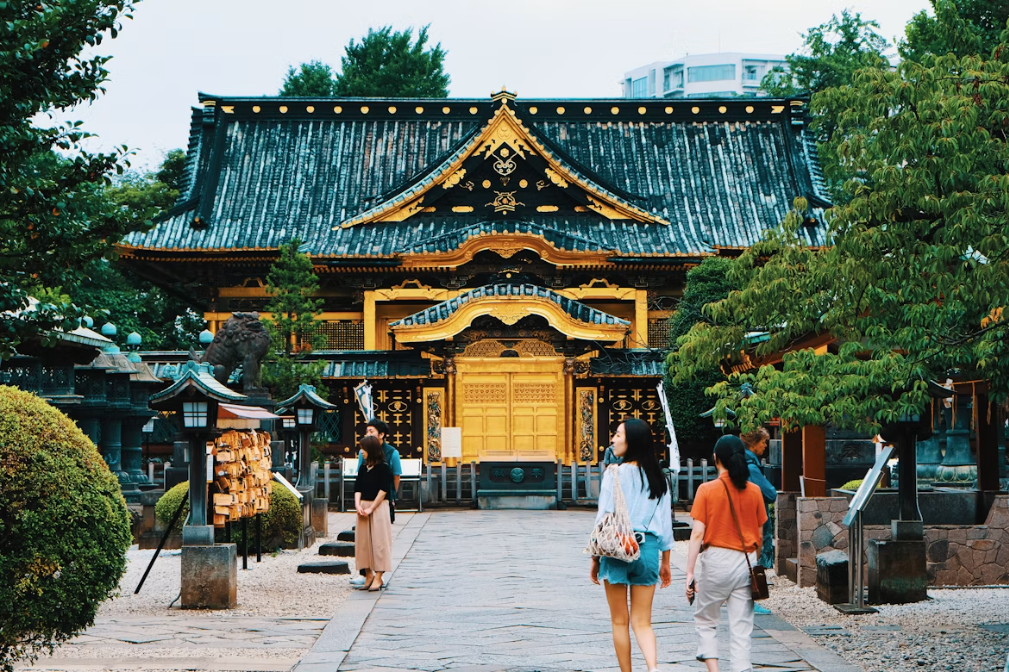
| Asakusa | Traditional Tokyo¥62,000+ | ¥62,000– ¥125,000 | Kaminarimon, Nakamise and Sensō-ji form the center of the area. Kappabashi sells kitchenware, knives, ceramics and restaurant supplies, while the Sumida River provides views toward Tokyo Skytree. The temple area becomes noticeably quieter in the evening. |
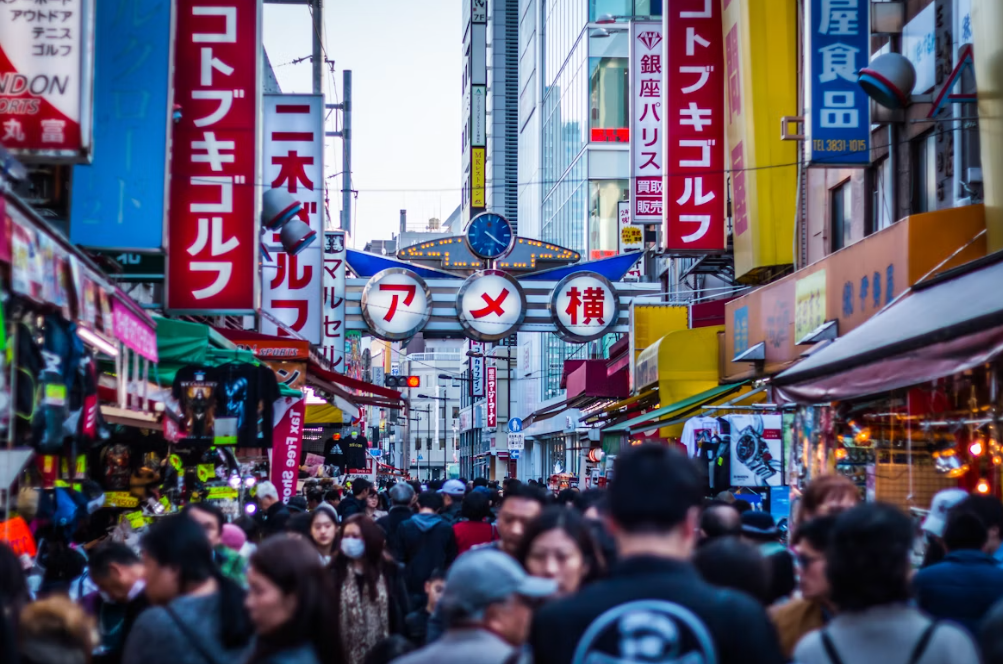
| Ueno | Students Museums Budget-conscious renters Longer stays | ¥120,000–¥125,000 | Ueno Park and its museums sit north of the station. Walk south to Ameyoko for food stalls, seafood, clothing and everyday goods beside the railway tracks. Okachimachi, Akihabara and the older streets around Yanaka are also within easy reach. |
| Waseda | Waseda University students Exchange students University students Semester stays | ¥70,000–¥100,000 | The streets around Waseda University are built around student life, with ramen shops, curry restaurants, set-meal restaurants and cafés. The Waseda–Takadanobaba area also has second-hand bookstores, while Tsubouchi Memorial Theatre Museum adds a cultural stop near campus. |
| Takadanobaba | University students Language-school students International students Longer stays | ¥125,000–¥130,000 | JR Yamanote, Tokyo Metro Tozai and Seibu Shinjuku lines meet here. Around the station, students have ramen, curry, set meals, fast-casual restaurants and small cafés. The streets toward Waseda become more student-focused and quieter. |
| Ikebukuro | Students Anime & manga fans International travelers Longer stays | ¥130,000–¥140,000 | Sunshine City, department stores, supermarkets, pharmacies, restaurants and character shops fill the east side. Bandai Namco Cross Store Tokyo adds anime and game merchandise, while the west side has more offices and residential streets. |
| Koenji | Vintage shoppers Music fans Backpackers Longer stays | ¥115,000–¥125,000 | Koenji Pal, Koenji Junjo and Koenji Look lead into streets packed with vintage clothing shops, curry restaurants, cafés, izakaya and live houses. The area feels more independent and less polished than Shibuya or Ginza. |
| Nakano | Anime & manga fans Students Collectors Longer stays | ¥140,000–¥150,000 | Nakano Sun Mall leads from the station to Nakano Broadway, where Mandarake stores sell manga, figures, vintage toys, watches and collectibles. Outside the Broadway area, supermarkets, cafés and ordinary neighborhood shops make Nakano a practical base. |
| Ginza | Luxury shopping Food-focused trips Design & stationery Short stays | ¥180,000+ | Ginza Six, Mitsukoshi and Itoya anchor the main shopping streets. Side streets lead to sushi restaurants, yakitori shops, cafés and bars. Walking toward Tokyo Station brings you into the larger Marunouchi business district. |
Swipe left or right to compare
→
Shinjuku
If you are looking for the best neighborhoods to stay in Tokyo for first time visit, Shinjuku puts department stores, nightlife, restaurants, and major train lines within easy reach. The area changes completely depending on which side of the station you use. On the west side, skyscrapers, hotels and wide streets give the area a business-district feel. On the east side, you can walk from Isetan Shinjuku and its famous basement food hall into Kabukicho. The official travel guide to Tokyo also highlights Kinokuniya, Hands, and other major shopping stops around the station
Best for: First-time visitors, backpackers, short stays, and students who want central access.
Attractions:Shinjuku Gyoen National Garden, Kabukichō, Golden Gai, Tokyo Metropolitan Government Building
What makes Shinjuku different:
- Start around Isetan Shinjuku, then head east through the smaller streets toward Kabukicho. The department store gives way quickly to ramen shops, bars, arcades and late-night restaurants.
- Omoide Yokocho squeezes tiny yakitori counters and izakaya into narrow lanes beside the railway tracks. It feels completely different from the polished department stores a few minutes away.
- Walk south from the station and Shinjuku Gyoen opens up into a huge green space. The change from crowded streets to lawns, gardens and tree-lined paths happens surprisingly quickly.
- West Shinjuku changes the picture again. High-rise offices, hotel towers and wide streets replace the packed restaurant lanes around Kabukicho.
- Kinokuniya Shinjuku Main Store gives book shoppers another reason to linger around the east side, while the surrounding backstreets are full of smaller cafés and specialist shops.
The catch: Shinjuku Station is huge. “Near Shinjuku Station” is not enough information when choosing accommodation. Check the exact station entrance, the train line you need and how long it takes to reach your platform.
Shibuya
Shibuya is one of the best neighborhoods to stay in Tokyo for young adults, with a lively mix of fashion, music, cafés, shopping and late-night entertainment.
Best for: Young travelers, nightlife, shopping, Japanese pop culture, short stays
Attractions: Shibuya Crossing, Hachikō Statue, Shibuya 109, Shibuya Sky
What makes Shibuya different:
- Walk out through the Hachiko Exit, cross Shibuya Scramble and head into Center-gai. Screens, shoe shops, fast-fashion stores, cafés, ramen counters and izakaya fill the streets around you.
- Walk uphill along Koen-dori and you reach Shibuya PARCO. Its 6F packs Nintendo TOKYO, Pokémon Center Shibuya, JUMP SHOP and other character stores onto the same floor, so you can browse several Japanese pop-culture brands without crossing the neighborhood.
- Go upstairs to the 10F Rooftop Park, where benches and an open view give you a break from the crowds below.
- Head back toward the station and Shibuya Scramble Square takes you above the crossing to SHIBUYA SKY, where the city spreads out beneath you.
- Walk in the opposite direction toward Daikanyama and the streets become quieter. DAIKANYAMA T-SITE brings books, cafés, food and lifestyle shops together among trees, creating a completely different pace from Center-gai.
The catch: Central Shibuya stays busy late. Accommodation on a major nightlife street can mean noise, crowds and a longer walk just to get away from the station area.
Asakusa
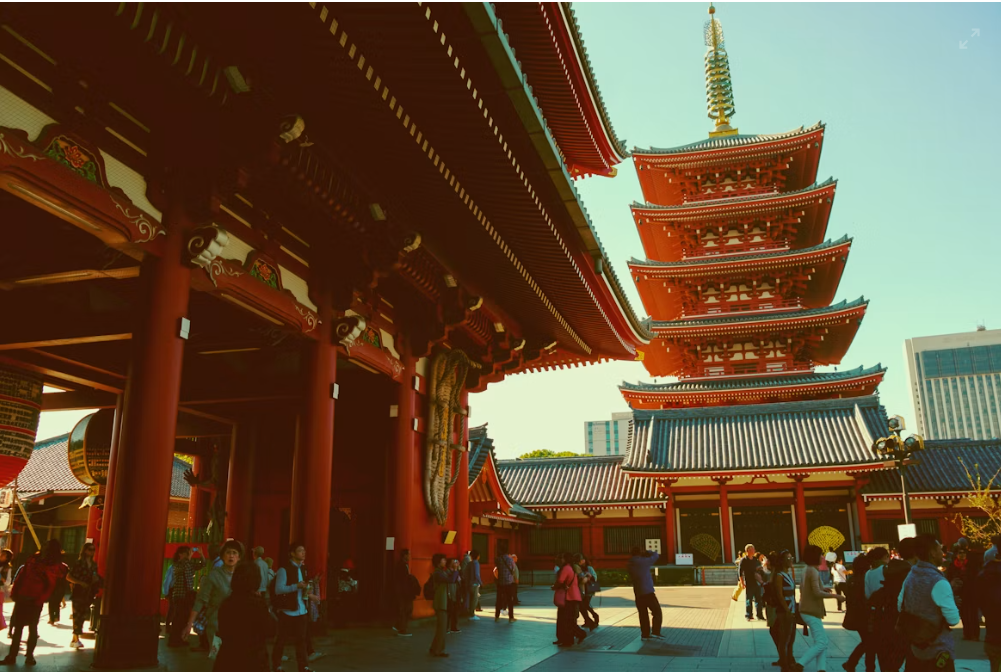
Asakusa is one of the best areas to stay in Tokyo if you want to explore the city’s historic side. You can visit a famous temple, then walk through old shopping streets, browse craft stores, and stop at small local restaurants.
Best for: Traditional Tokyo, culture and history, first-time visitors, photographers, and travelers who prefer evening walks to nightlife
What makes Asakusa different:
- Begin at Kaminarimon, follow Nakamise toward Sensō-ji and look beyond the souvenir stalls for shops selling traditional crafts, ceramics, sweets and small gifts.
- Turn away from the main temple route and walk along Orange Street, where retro cafés and craft shops replace the busiest tourist traffic.
- Continue east toward Kappabashi, where entire storefronts are filled with knives, pans, ceramics, restaurant signs and plastic food displays. Tokyo’s official tourism guide specifically highlights the street for kitchenware.
- Walk beside the Sumida River for a quieter view of Tokyo Skytree and the surrounding neighborhoods.
- In the evening, the area around Sensō-ji becomes much calmer after the daytime crowds thin out.
The catch: Asakusa sits on the eastern side of Tokyo. If your university or language school is in Shinjuku, Shibuya or western Tokyo, the atmosphere comes with a longer daily commute.
Ueno
Ueno is one of the best districts to stay in Tokyo for tourists. If you want a museum morning, market lunch, and a walk through older Tokyo streets without changing neighborhoods, Ueno is the best option.
Best for: Budget-conscious travelers, students, museum lovers, longer stays, travelers who enjoy markets and local shopping
What makes Ueno different:
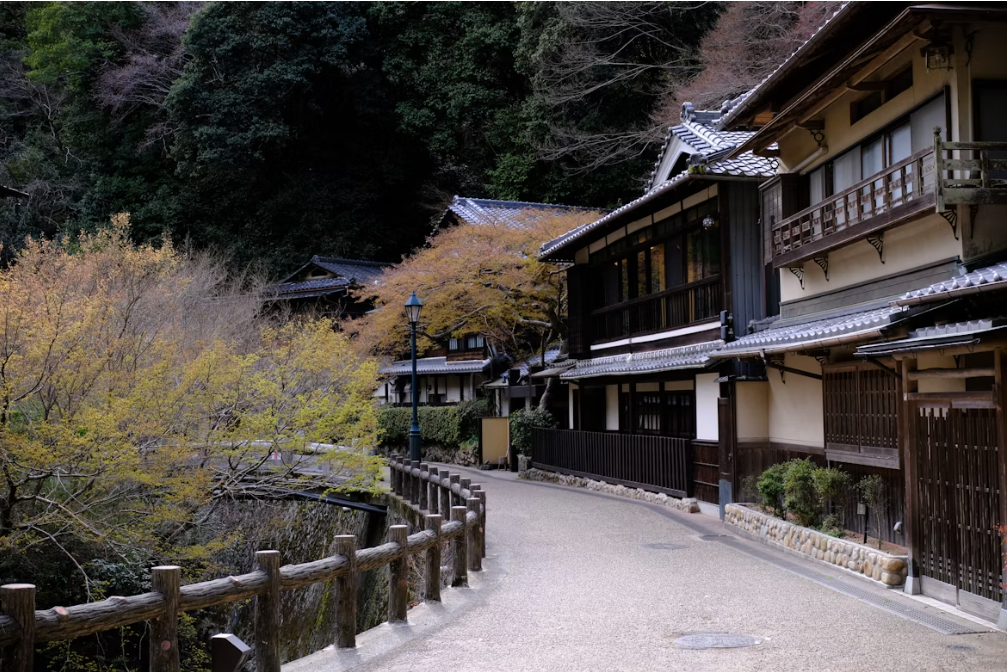
- Ueno Park is one of Japan’s five oldest public parks. It’s best known for Ueno Zoo, Tokyo National Museum, and spectacular cherry blossoms in the spring.
- Walk south from the park and the atmosphere changes at Ameyoko. Stalls and small shops crowd the railway tracks, selling snacks, seafood, clothing, cosmetics and everyday goods.
- Grab something from a market stall, then continue through the narrow streets around Ueno and Okachimachi rather than staying on the main road.
- From Ueno, you can walk toward Akihabara in one direction or Asakusa in the other, giving you two very different Tokyo neighborhoods within reach of the same base.
- Head north toward Yanaka, Nezu and Sendagi and the high-rise city gives way to smaller streets, cafés and traditional houses.
The catch: Ueno feels lived-in and busy rather than polished. The streets around Ameyoko can be noisy and crowded, especially when the market is at its busiest.
Waseda
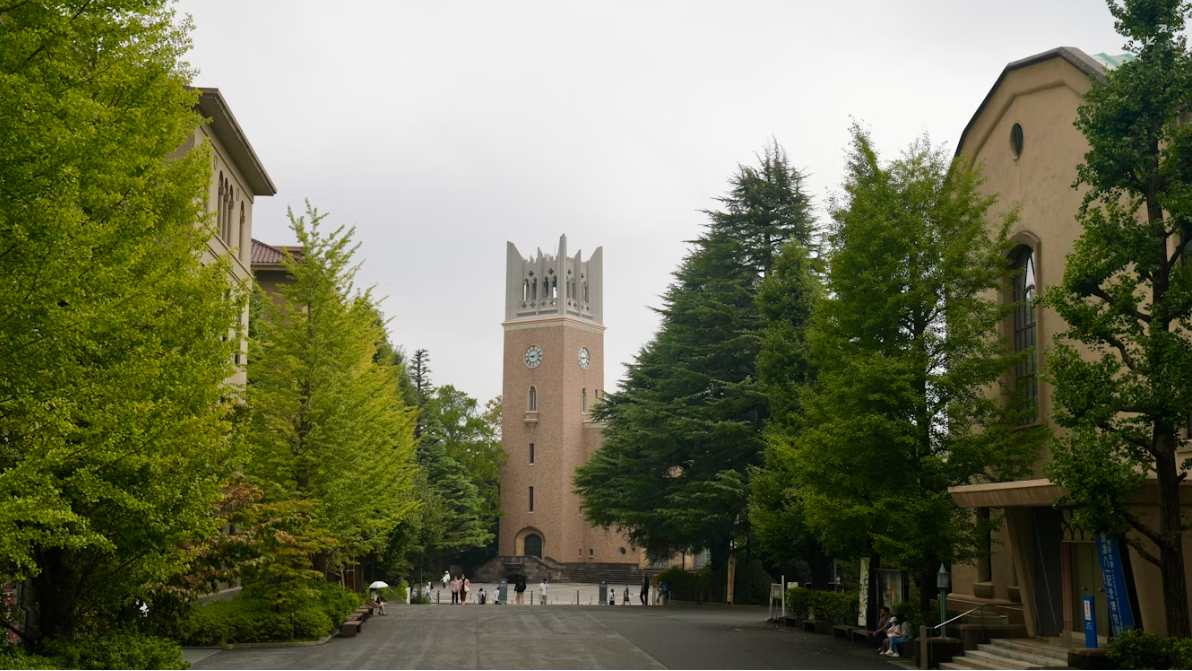
For students, Waseda is one of the best parts of Tokyo to stay in when your daily routine matters more than having a major tourist attraction downstairs.
Best for: Waseda University students, exchange students, semester-long stays, students who prefer quieter evenings
What makes Waseda different:
- The neighborhood follows the rhythm of Waseda University. Students fill the cafés, inexpensive restaurants and streets around campus between classes.
- Head toward Takadanobaba and the area opens into one of Tokyo’s strongest used-book clusters, with more than 30 second-hand bookstores around the Waseda–Takadanobaba area.
- Tsubouchi Memorial Theatre Museum adds another stop for visitors interested in theatre, literature and Japanese cultural history.
- Small restaurants around Waseda focus on everyday meals rather than destination dining: ramen, curry, set meals and casual cafés.
- When you want the noise and shopping of Shinjuku, you can leave the quieter university streets behind and head there by train.
The catch: Waseda is a place to settle into rather than a neighborhood built around sightseeing. Its biggest advantage disappears if your school is somewhere else in Tokyo.
Takadanobaba
Takadanobaba is one of the best neighborhoods to stay in Tokyo, offering affordable casual food, schools, bookstores, and excellent transport links. It is close to Shinjuku, but gives you a quieter and often more affordable place to stay outside the busy city centre.
Best for: Waseda University students, exchange students, semester-long stays, students who prefer quieter evenings
What makes Takadanobaba different:
- Walk around the station at lunchtime and you will find the kind of restaurants students actually use: ramen shops, curry counters, set-meal restaurants, fast casual chains and small cafés.
- The station sits between Waseda and Shinjuku, so the neighborhood feels more like a student base than a sightseeing district.
- Used bookstores and student-oriented businesses continue toward Waseda, giving the area a strong connection with university life.
- The station brings together JR lines, the Tokyo Metro Tozai Line and Seibu Shinjuku Line, so students can build a commute around several routes rather than one station.
- At night, the area remains active around the station, but it does not have the same entertainment-heavy streets as Shinjuku or Shibuya.
The catch: Takadanobaba is easy to live in but not especially photogenic. Choose it for your school, food and daily routine rather than for postcard views.
Ikebukuro
Ikebukuro is one of the best districts to stay in Tokyo for longer stays when you want a huge shopping area, anime culture and everyday services within the same station area.
Best for: Students, longer stays, anime and manga fans and international travelers
What makes Ikebukuro different:
- Walk east from the station and you reach Sunshine City, a large complex where shopping, restaurants, events and attractions sit under one roof.
- Bandai Namco Cross Store Tokyo brings character goods, games and prize machines into the same shopping complex.
- Sunshine 60 Tenbou-Park takes you high above the neighborhood for a 360-degree city view without leaving Ikebukuro.
- Around the station, department stores, supermarkets, pharmacies, cafés and restaurants make it easy to handle ordinary errands without traveling across Tokyo.
- Anime and character shops give the east side a different identity from the office-heavy west side of Ikebukuro.
The catch: Ikebukuro Station is large enough to turn a short-looking route into a long walk. Check the station exit and your actual train line before booking accommodation.
Koenji
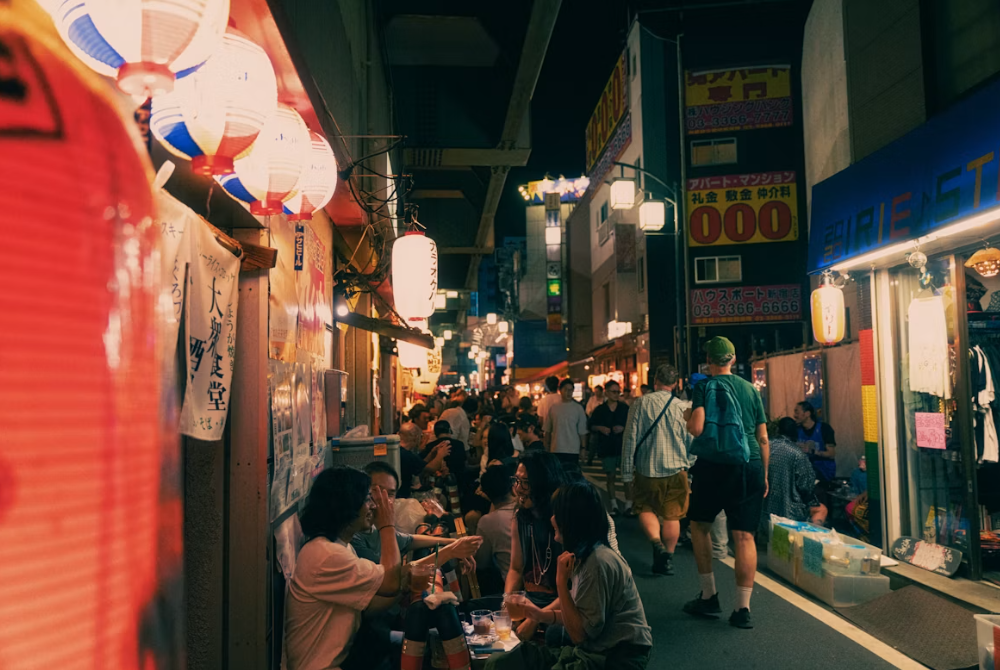
Koenji is one of the best neighborhoods to stay in Tokyo if vintage clothes, tiny bars, live music and independent shops sound more appealing than another giant shopping complex.
Best for: Longer stays, vintage shoppers, music fans, backpackers, travelers who want a more local evening scene
What makes Koenji different:
- Walk away from Koenji Station and several shopping streets branch through the neighborhood, including Koenji Pal, Koenji Junjo and Koenji Look.
- Vintage clothing shops fill many of the smaller streets, while cafés, curry shops, izakaya and bars occupy the gaps between them.
- At night, small live houses become the main attraction. You can eat nearby and walk to a performance instead of heading into Shibuya for nightlife.
- The neighborhood’s independent businesses give it a more rough-around-the-edges feel than the polished shopping districts around Shibuya and Ginza.
- Koenji Awa Odori, held in summer, turns the streets into a major dance festival and shows how strongly the neighborhood uses its streets as public space.
The catch: Koenji’s appeal is easy to miss if you only visit the station and leave. The best part comes from wandering the side streets and finding the small businesses between the main shopping streets.
Nakano
Nakano is one of the best areas to stay in Tokyo if you want a residential base near Shinjuku and a neighborhood where anime shops sit beside ordinary supermarkets, cafés and restaurants.
Best for: Anime and manga fans, students, longer stays, Travelers who prefer local shopping streets
What makes Nakano different:
- Walk through Nakano Sun Mall from the station and the covered shopping street leads directly toward Nakano Broadway.
- Inside Nakano Broadway, small specialist shops sell manga, figures, vintage toys, watches and collectibles. Mandarake occupies multiple spaces in the complex, turning a normal shopping trip into a treasure hunt.
- The basement brings the neighborhood back to everyday life with food and shopping, while cafés and casual restaurants line the streets around the mall.
- You can spend an afternoon looking for old manga and collectibles, then walk a few minutes and buy groceries for dinner.
- That mix makes Nakano feel less like a dedicated tourist attraction and more like a normal neighborhood with an unusually strong subculture.
The catch: Nakano Broadway is a major draw only if you care about Japanese pop culture or collecting. If you do not, the neighborhood’s appeal is mainly its everyday shops and access to Shinjuku.
Ginza
Ginza is the best district to stay in Tokyo for department stores, Japanese stationery, luxury shopping and restaurants rather than student nightlife or budget travel.
Best for:
- Luxury shopping
- Food-focused travelers
- Design and stationery lovers
- Business travelers
- Short stays
What makes Ginza different:
- Start around Ginza Six and work through the department stores, boutiques and restaurants that line the main avenues.
- Itoya is worth a separate stop if you like stationery, paper, pens and Japanese design. Its multi-floor store gives you far more to browse than a normal souvenir shop.
- Mitsukoshi Ginza offers the classic Japanese department-store experience, from cosmetics and fashion to food and gifts.
- Step into the side streets and the large brands give way to sushi counters, yakitori restaurants, cafés and small bars.
- Walk toward Tokyo Station and Marunouchi and the architecture becomes more corporate and grand, making it easy to combine central Tokyo sightseeing with a Ginza stay.
The catch: Ginza costs more and feels more polished than the student neighborhoods on this list. You get centrality, shopping and dining, but not the cheap restaurants, second-hand stores or university atmosphere found around Waseda, Takadanobaba or Koenji.
How to Choose the Best Neighborhood to Stay in Tokyo
The best neighborhood to stay in Tokyo depends on what you can afford, where you need to go every day, and how much time you are willing to spend commuting. These 4 steps help you find a suitable palce to stay in Tokyo:
Step 1: Set your monthly budget
Decide how much you can spend on rent before choosing a neighborhood. For a longer stay, include utilities, Wi-Fi and transport in your monthly budget.
Step 2: Check your daily commute
Start with your university, language school or workplace. Check the actual route from the apartment, including walking time and train transfers. A 30-minute one-way commute adds up to about 60 hours over a 12-week term.
Step 3: Check the station and daily essentials
Look at the station, not just the neighborhood name. Check which train lines you can use, how far the apartment is from the station, and whether you have a supermarket, pharmacy, laundromat and affordable restaurants nearby.
Step 4: Match the area to your stay
For a short trip, give more weight to transport and sightseeing. For a 1–3 month stay, prioritize rent, commute and daily necessities. For a semester or longer, one or two stations away from a famous district can give you more accommodation choices without changing your daily route.
Best Website to Rent Accommodation in Tokyo
If you are looking for student accommodation in Tokyo before arriving in Japan, uhomes.com is a reliable rental platform. You can rent short-term accommodation, student housing, private apartments, and share houses on one platform. The website currently lists thousands of properties across Tokyo’s 23 wards, with filters for budget, move-in date, room type and amenities.
Why Rent a Tokyo Apartment on uhomes.com?
1. Book before you arrive in Japan
uhomes.com is designed for international students who need to arrange housing from overseas. Many Tokyo listings offer furnished rooms, VR viewing and online booking support, while consultants can help with the application and move-in process.
2. Find options without a traditional Japanese guarantor
On uhomes.com, some Tokyo properties do not require a personal Japanese guarantor. Selected apartments also offer no key money, no deposit or no agency fee.
3. Choose short-term accommodation
For students staying in the city for a few months, uhomes.com also lists furnished short-term accommodation in Tokyo. Selected properties include furniture, appliances and utilities, so you can move in without buying basic household items or arranging utilities yourself.
4. Compare rooms by budget, location and commute
You can compare private rooms, studios, apartments and shared houses by rent, move-in date, facilities and location.
Concludsion
The best neighborhoods to stay in Tokyo depend on your travel purpose, budget and daily routine. First-time visitors often choose Shinjuku, Shibuya, Asakusa or Ueno for convenient transport and easy access to attractions. Students may prefer Takadanobaba, Waseda, Ikebukuro or Nakano for university access and everyday convenience, while young professionals can consider Shinjuku, Shibuya, Nakano or Kichijoji for commuting, dining and nightlife. Before booking, compare rent, transport links, commute time and access to daily essentials to find a neighbourhood that fits your needs.
FAQ about Best Area to Stay in Tokyo
What is the best area to stay in Tokyo for first-time visitors?
Shinjuku, Shibuya, Asakusa and Ueno are popular areas for first-time visitors because they offer convenient transport, plenty of shops and restaurants, and easy access to major Tokyo attractions.
Is Shinjuku or Shibuya better for staying in Tokyo?
Shinjuku offers more extensive transport connections and a wider range of accommodation and everyday services. Shibuya is known for shopping, restaurants and nightlife. You should compare the commute, rent and neighbourhood atmosphere before choosing
What are the best neighborhoods to stay in Tokyo for students?
Popular student areas include Shinjuku, Takadanobaba, Waseda, Ikebukuro, Kichijoji and Nakano. The best choice depends on your university, budget and preferred commute. Hongo, Komaba and Kashiwa are popoular areas for the University of Tokyo students.
Where do most foreigners live in Tokyo?
Most foreign residents in Tokyo live across areas such as Minato, Shinjuku, Edogawa, Shibuya, and Setagaya, while established expat neighbourhoods such as Hiroo, Azabu, and Roppongi are especially popular with international professionals and families.
Where should I stay in Tokyo for a language school?
For most language school students, Takadanobaba, Shinjuku, Ikebukuro, Nakano, and Shibuya are convenient areas to stay in Tokyo. Takadanobaba is especially popular because of its concentration of language schools and easy access to major train lines. uhomes.com offers student accommodation and private apartments near Tokyo language schools, such as ISI LANGUAGE SCHOOL, Tokyo Galaxy Japanese Language School, Kudan Institute of Japanese Language & Culture, and Human Academy Japanese Language School.
What is the cheapest area to stay in Tokyo?
The cheapest areas to stay in Tokyo are generally Asakusa, Ueno, Ikebukuro, and Minami-Senju. Asakusa and Ueno offer some of the lowest accommodation prices while still providing convenient transport, while Minami-Senju can be cheaper for travellers focused on the lowest possible rent. Ikebukuro is another budget-friendly choice with excellent access to central Tokyo.
How much does it cost to rent accommodation in Tokyo?
Renting accommodation in Tokyo typically costs ¥75,000–¥95,000 per month for a studio or 1K apartment, while a one-bedroom apartment usually costs around ¥120,000–¥160,000 per month. Students can find cheaper options, including shared rooms, share houses, and student accommodation from around ¥50,000–¥90,000 per month. Rent varies significantly by neighbourhood, apartment size, and distance from central Tokyo. You can find student accommodation and private apartments in different areas of Tokyo on uhomes.com.
Can I rent short-term apartment in Tokyo?
Yes, you can find 792 Tokyo short-term rentals on uhomes.com.
What is the safest area in Tokyo?
Bunkyo is often considered one of the safest areas in Tokyo. It is a quiet residential area with many universities, schools, parks, and family homes. Bunkyo also offers convenient access to central Tokyo while having a calmer atmosphere than areas such as Shinjuku and Shibuya. Other areas known for safety include Setagaya, Suginami, Meguro, and Shinagawa.
What are the best neighborhoods to stay in Tokyo for tourists?
The best neighborhoods for tourists in Tokyo are Shinjuku, Shibuya, Asakusa, Ueno, and Ginza.
Shinjuku suits first-time visitors, while Asakusa and Ueno offer traditional sights and more budget-friendly stays.