


Comparing the cost of living in Australia vs UK is essential for anyone planning to study or relocate. Both countries are home to world-class universities, with the UK having 17 institutions in the QS World Top 100 and Australia having 7. Beyond academic reputation, living costs differ significantly by city. The average monthly living cost for a student in Australia ranges from A$1,300 to A$1,900, compared to £1,023 to £1,334 in the UK. Salaries are also notably different, with the average Australian worker earning roughly A$5,480 (£2,705) per month, around 10 to 20% more than the UK average of £2,404. This guide breaks down the cost of living in Australia vs UK across accommodation, food, transport, and utilities, so you can make an informed decision about where to study or live.
Cost of Living in Australia vs UK: General Overview
The cost of living in Australia is broadly comparable to the UK, with some categories cheaper and others more expensive depending on the city. Here is a general overview of the cost of living in UK for single person per month compared to Australia to give you a quick and direct understanding.
| Item | Australia (AUD) | UK (GBP) |
|---|---|---|
| Bachelor’s International Tuition Fees (Yearly) | A$20,000 – A$45,000 (£9874 – £22217) | £11,400 – £38,000 |
| Master’s International Tuition Fees (Yearly) | A$22,000 – A$50,000 (£10861 – £24686) | £9,000 – £30,000 |
| Student Halls (Monthly) | A$1,200 – A$1,850 (£630 – £960) | £500 – £900 |
| Private Let for 1-bedroom Apartment (Monthly) | A$1,800 – A$2,900 (£940 – £1,505) | £1,100 – £1,900 |
| Utilities (Monthly) | A$330 – A$400 (£172 – £207) | £160 – £345 |
| Grocery Prices (Monthly) | A$375 – A$550 (£195 – £285) | £200 – £370 |
| Public Transport (Monthly) | A$100 – A$160 (£52 – £83) | £65 – £178 |
Here is what the numbers above tell us at a glance:
- Tuition Fees (Bachelor’s): Costs are broadly comparable, though Australia’s upper end is higher at £22,217 versus the UK’s £38,000 — meaning the UK can be significantly more expensive for premium programmes.
- Tuition Fees (Master’s): Similarly, UK Master’s fees reach up to £30,000, compared to £24,686 in Australia, making Australia the more affordable option for postgraduate study.
- Rent & Property: Rental costs are broadly comparable between the two countries, though top-end private apartments tend to be more expensive in the UK, with London reaching £1,900 compared to Sydney’s £1,505.
- Student Halls: University accommodation is more expensive in Australia, ranging from £630–£960 per month, compared to £500–£900 in the UK.
- Groceries: Grocery costs are slightly lower in Australia overall, with UK cities like London reaching up to £370 per month compared to A$550 (£285) in Sydney.
- Utilities: The UK tends to have higher utility costs, ranging up to £345 per month in London, compared to A$400 (£207) at the top end in Australia.
- Public Transport: Monthly passes are generally cheaper in Australia, ranging from A$100–A$160 (£52–£83), compared to £65–£178 in the UK.
Living Costs Australia vs UK
Accommodation Cost in Australia vs UK
Accommodation is the single largest expense for students and workers in both Australia and the UK, typically accounting for 40 to 50% of a monthly budget. Accommodation prices in the UK and Australia are almost the same, while those in Australia are a little more expensive than in the UK.
Renting
It is challenging to decide whether to rent or buy a house, as the decision depends on one’s budget and plans for the future. Renting a home is more prevalent among international students.
| Item (Price per month) | Australia (AUD) | UK (GBP) |
|---|---|---|
| 1 Bedroom Apartment in the City Centre | £1,063.73 (A$2,154.79) | £1,016.79 (A$2,059.71) |
| 1 Bedroom Apartment outside the City Centre | £824.76 (A$1,670.72) | £832.00 (A$1,685.39) |
| 3 Bedroom Apartment in the City Centre | £1,754.15 (A$3,553.38) | £1,703.63 (A$3,451.03) |
| 3 Bedroom Apartment outside the City Centre | £1,337.44 (A$2,709.24) | £1,347.27 (A$2,729.17) |
From the diagram, we can see that private rental costs are roughly the same in Australia and the UK. When choosing between the two, compare neighbourhoods closely — city-centre locations are usually much pricier, while outer suburbs and commuter towns typically offer better value for money.
Buying a House
If you plan to settle down, you need to choose a suitable house. House prices are dramatically divergent in different locations within the 2 countries, as the following chart shows.
| Item (Price Per Square Metre) | Australia (AUD) | UK (GBP) |
|---|---|---|
| Apartment in the City Centre | £5,338.74 (A$10,814.67) | £4,448.64 (A$9,011.61) |
| Apartment outside the City Centre | £3,938.30 (A$7,977.80) | £3,588.51 (A$7,269.24) |
It is apparent that Australia cost of living vs UK in buying properties is much higher.
Utilites
Utilities are also an aspect of housing expenses that shouldn’t be overlooked, although they are not a considerable proportion. When you add them all up, it is a good amount of money. However, the houses in uhomes.com generally include utility bills, which can save you money, time, and effort to the greatest extent.
| Item | Australia (AUD) | UK (GBP) |
|---|---|---|
| Basic (Gas, Water, Electricity…) for an 85 Square Metre Apartment | £135.47 (A$274.42) | £238.93 (A$484.00) |
| Mobile Phone Monthly Plan with Calls and 10GB+ Data | £20.49 (A$41.50) | £13.44 (A$27.22) |
| Internet (60 Mbps or More, Unlimited Data, Cable/ADSL) | £40.57 (A$82.17) | £31.44 (A$63.68) |
Food Prices in Australia vs UK
Food costs in Australia and the UK are broadly similar, though grocery prices in major UK cities like London can be higher than in Australian cities like Sydney. To save money, cook at home and shop at local markets or discount supermarkets.
Grocery
| Item | Australia (AUD) | UK (GBP) |
|---|---|---|
| Milk (Regular), (1 Litre) | £1.21 (A$2.45) | £1.25 (A$2.53) |
| Loaf of Fresh White Bread (500g) | £1.90 (A$3.86) | £1.24 (A$2.51) |
| White Rice (1kg) | £1.57 (A$3.17) | £2.98 (A$6.03) |
| 12 Eggs | £3.46 (A$7.02) | £2.98 (A$6.03) |
| Local Cheese (1kg) | £6.90 (A$13.98) | £7.21 (A$14.61) |
| Chicken Fillets (1kg) | £6.43 (A$13.02) | £6.68 (A$13.53) |
| Ground Beef (1kg) | £10.51 (A$21.28) | £10.66 (A$21.60) |
| Apples (1kg) | £2.46 (A$4.99) | £2.22 (A$4.50) |
| Potatoes (1kg) | £1.94 (A$3.92) | £1.26 (A$2.56) |
| Bottle of Wine (Mid-Range) | £9.87 (A$20.00) | £8.00 (A$16.21) |
Restaurant
| Item | Australia (AUD) | UK (GBP) |
|---|---|---|
| Meal at an Inexpensive Restaurant | £12.34 (A$25.00) | £15.00 (A$30.39) |
| 3-course Meal for 2 People, Mid-range Restaurant | £59.24 (A$120.00) | £65.00 (A$131.67) |
| McDonald’s McMeal (or Equivalent) | £7.40 (A$15.00) | £8.00 (A$16.21) |
| Domestic Draft Beer (0.5 Litre) | £4.94 (A$10.00) | £5.00 (A$10.13) |
| Coke/Pepsi (0.33 Litre Bottle) | £2.00 (A$4.06) | £1.83 (A$3.71) |
Transportation Costs in Australia vs UK
Transportation is another key part of the cost of life in Australia vs UK — whether you’re commuting to work or heading out on the weekend. Public transport in Australia is generally cheaper than in the UK, with monthly passes ranging from A$100 to A$160 in Australia compared to £65 to £178 in the UK. Consider season passes, student discounts, and cycling to cut costs further.
| Item | Australia (AUD) | UK (GBP) |
|---|---|---|
| One-way Ticket (Local Transport) | £2.22 (A$4.50) | £2.50 (A$5.06) |
| Monthly Pass (Regular Price) | £69.11 (A$140.00) | £75.00 (A$151.93) |
| Taxi Start (Normal Tariff) | £2.72 (A$5.50) | £4.00 (A$8.10) |
| Taxi 1km (Normal Tariff) | £1.27 (A$2.58) | £1.79 (A$3.63) |
| Gasoline (1 Litre) | £0.89 (A$1.79) | £1.42 (A$2.88) |
Childcare Costs
Childcare and international school fees are lower in Australia than in the UK, making it a more affordable destination for families with young children. This makes Australia a more affordable option for families budgeting for early years and school-age education.
| Item | Australia (AUD) | UK (GBP) |
|---|---|---|
| Full Day at Private Preschool (Monthly) | £1,233.87 (A$2,499.45) | £1,252.86 (A$2,537.91) |
| International Primary School (Yearly) | £9,682.35 (A$19,613.52) | £15,500.99 (A$31,400.33) |
Recreation Costs
Recreation and entertainment costs are slightly higher in Australia than in the UK, though the difference across gym memberships, cinema tickets, and sports facilities is modest. Fortunately, there are various recreation opportunities in Australia and the UK. As is represented in the diagram, the average Australian cost of living in entertainment tends to be more expensive.
| Item | Australia (AUD) | UK (GBP) |
|---|---|---|
| Fitness Club, Monthly Fee for 1 Adult | £36.04 ($73.00) | £34.70 ($70.30) |
| Tennis Court Rent (1 Hour on Weekend) | £12.55 ($25.41) | £11.84 ($23.98) |
| Cinema, International Release, 1 Seat | £9.87 ($20.00) | £10.00 ($20.26) |
What Is the Average Salary in the UK and Australia?
Average salaries in Australia are 10 to 20% higher than in the UK, with the average Australian worker earning roughly A$5,480 (£2,705) per month compared to £2,404 in the UK. The national minimum wage in Australia is about A$24.95 (£12.11) per hour, while in the UK the National Living Wage for workers aged 21 and over is £12.71 (A$25.76) per hour. Taken together, these figures show that average pay is higher in Australia, but headline numbers hide important details: pay differs widely by sector, role, and city.
Don’t assume the same pay gap applies to every job. High-paying sectors (finance, tech, mining, healthcare) and major cities (Sydney, Melbourne, London) can skew averages. Conversely, regional areas and lower-paid sectors will show much smaller differences — or even the reverse. If you’re comparing opportunities, look past the national averages: check industry salaries, local living costs, tax rules, and benefits. Below you’ll find a breakdown of typical salaries for common job categories in the UK and Australia to help you compare realistic take-home pay by sector.
| Job | Australia Salary (Per Year) | UK Salary (Per Year) |
|---|---|---|
| Accountant | £42,500 (A$86,155) | £40,000 (A$81,087) |
| Car Mechanic | £36,052 (A$73,060) | £32,400 (A$65,680) |
| Teacher | £40,000 (A$81,087) | £35,000 (A$70,951) |
| Builder | £32,766 (A$66,400) | £32,924 (A$66,724) |
| Retail Worker | £25,000 (A$50,679) | £22,000 (A$44,598) |
| Nurse | £37,500 (A$76,019) | £33,000 (A$66,896) |
| Software Engineer | £55,000 (A$111,494) | £50,000 (A$101,358) |
As you can see, English salaries in most job roles are lower than those of Australia. The main exception in our data is builders, who may earn similar or even higher pay in the UK.
As mentioned above, the difference in living costs of different cities is also great. Therefore, we will compare cost of living between cities in these 2 countries in the next session.
Living Costs in UK Cities Comparison
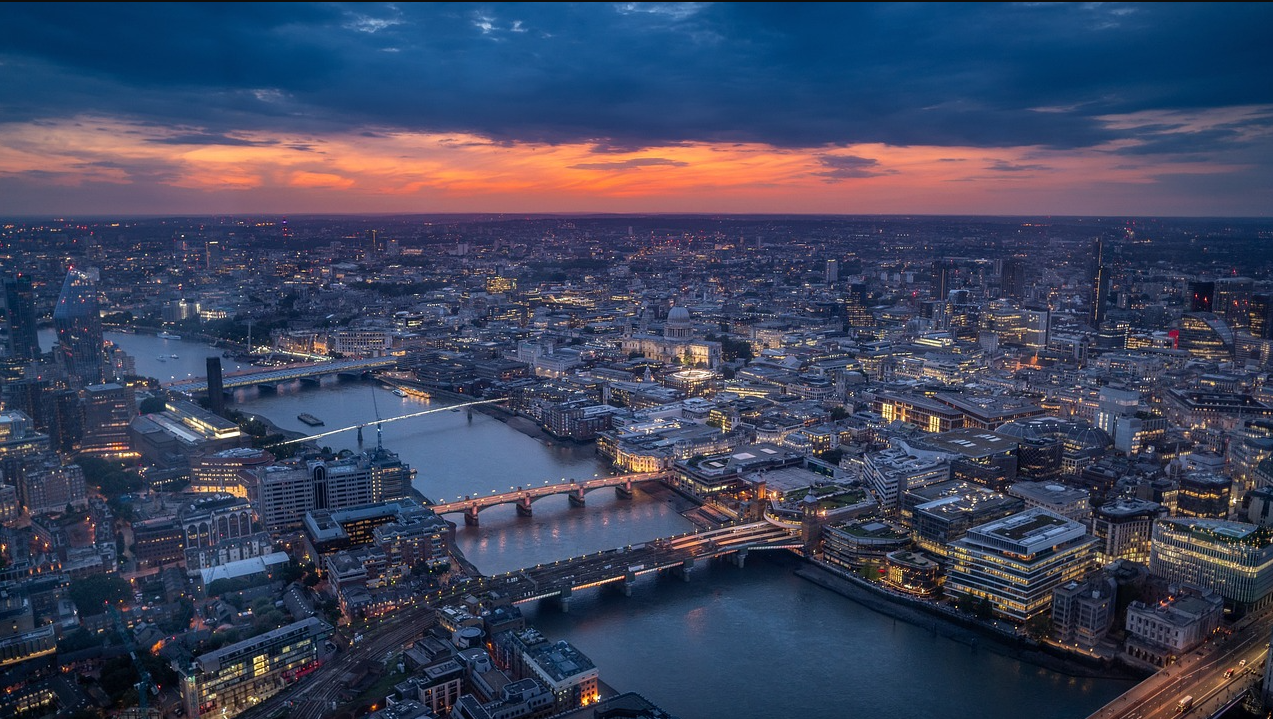
Living costs in UK cities vary significantly, with London at £1,334 per month being around 30% more expensive than cities like Manchester and Bristol at approximately £1,023 per month. We will survey the living costs of five UK cities, including London, Bristol, Cambridge, Manchester, and Edinburgh, for more details and then compare them.
Living Costs in London
- Housing: London, the UK’s capital, is renowned for its high housing costs. London student accommodation prices are among the highest in the UK. On average, students will pay around £900 per month for student halls. A one-bedroom apartment in London’s centre costs around £1,900, while outside the city centre, it drops to approximately £1,200.
- Utilities: London also comes with higher utility costs. Monthly utilities for a standard apartment (electricity, heating, cooling, water, and garbage) are typically £345.
- Grocery prices: Grocery costs in London are higher than in other cities. On average, a monthly grocery bill for one person is around £370.
- Transportation: London’s extensive public transport network is both a blessing and a cost factor. A monthly travel card for zones 1-3 costs approximately £178.
Our Top Housing Options in London
- iQ Will Wyatt Court: iQ Will Wyatt Court, an excellent student accommodation, offers various En-suites to students, perfectly striking a balance between privacy and socialization. It is close to the lively districts of Hoxton and Shoreditch. Students living there can enjoy city life and drink in the British atmosphere. What’s more, it offers easy access to the City, University of London and University College London, easy for students to commute.
- iQ City: iQ City is a student housing in London, providing 4 room types: Non-En-suites, En-suites, Studios, and 1-bedroom Apartments. The student accommodation is close to London School of Economics and Political Science (LSE), City, University of London, and University College London (UCL), ideal for students studying at these universities. In addition, it is located between Clerkenwell and Shoreditch, which is perfect for students to enjoy the bustling city life.
- Coppermaker Square: This apartment’s living amenities are well-appointed and advanced, including full kitchen appliances and modern bathrooms. The community is equipped with a gym and swimming pool for fitness lovers.

Living Costs in Bristol
- Housing: Bristol offers a more affordable alternative to London. The price for student accommodation in Bristol is around £500 per month, while renting a one-bedroom apartment in the city centre costs about £1,200 per month, and outside the city centre, it’s around £800.
- Utilities: Bristol, a city known for its vibrant culture, has slightly lower utility costs. We will pay around £163 per month for the same services.
- Grocery prices: The average monthly bill for one person is about £200.
- Transportation: Bristol’s public transport is less comprehensive but more affordable. A monthly bus pass costs around £85. The city’s cycling infrastructure is also well-developed, offering a cost-effective alternative.
Living Costs in Cambridge
- Housing: Known for its prestigious university, Cambridge’s housing market is competitive. Cambridge offers student halls at varying prices, typically about £795 per month. For renting an apartment, a one-bedroom apartment in the city centre rents for around £1,400 per month, while outside the centre, it’s approximately £950.
- Utilities: with its historic charm and academic prestige, Cambridge sees utility costs of about £250 monthly.
- Grocery prices: Cambridge’s grocery costs are relatively low, averaging around £250 per month for one person.
- Transportation: Cambridge is renowned for its cycling culture, making it an affordable option for daily commuting. A monthly bus pass costs about £125, and the city’s compact layout minimises transport costs.
Living Costs in Manchester
- Housing: Manchester combines affordability with urban vibrancy. Manchester residence provides more affordable options for students, with monthly costs for student halls falling at £700. The average monthly rent for a one-bedroom apartment in the city centre is about £1,100; outside the city centre, it drops to £700.
- Utilities: Manchester, a city celebrated for its rich industrial heritage and dynamic arts scene, offers utilities at a more affordable rate, typically around £160 per month.
- Grocery prices: Manchester provides a good balance, with one person’s grocery costs averaging £220 per month.
- Transportation: Manchester’s public transport is efficient and reasonably priced. A monthly travel card costs around £75. The city’s tram system, Metrolink, is popular with commuters.
Our Top Housing Options in Manchester
- Vita Student Circle Square: Vita Student Circle Square is a luxury student accommodation. The apartments offer various room types and a complimentary buffet breakfast, providing a five-star hotel-like accommodation experience.
- Square Gardens: Square Gardens is a modern student accommodation in Manchester, offering a tailor-made living experience for modern city dwellers. The apartment provides various room types to enrich students’ choices. Community amenities include a restaurant, lounge area and spa and yoga studio.
Living Costs in Edinburgh
- Housing: Scotland’s capital, Edinburgh, balances cost and quality of life. Edinburgh’s student accommodation prices are moderate, with monthly expenses of about £700. Renting a one-bedroom apartment in the city centre costs around £1,100 per month; it’s about £850 outside the city centre.
- Utilities: Edinburgh has utility costs of about £230 per month.
- Grocery prices: Edinburgh’s grocery costs around £200 per month for one person.
- Transportation: Edinburgh’s public transport includes buses and trams, with a monthly pass costing around £65. The city’s walkability also helps reduce transportation expenses.
| Item (Per Month) | London | Bristol | Cambridge | Manchester | Edinburgh |
|---|---|---|---|---|---|
| Student Halls | £900 | £500 | £795 | £700 | £700 |
| Private Lets (One-bedroom Apartment) | £1,900 | £1,200 | £1,400 | £1,100 | £1,100 |
| Utilities (Gas, Water, Electricity, Internet) | £345 | £163 | £250 | £160 | £230 |
| Grocery Prices | £370 | £200 | £250 | £220 | £200 |
| Public Transport (Monthly Pass) | £178 | £85 | £125 | £75 | £65 |
Living Costs in Australian Cities Comparison
Here is a quick comparison between the cities of Australia, including Sydney, Adelaide, Brisbane, Melbourne, and Canberra:
Study in Sydney: A$1,900/month
Study in Melbourne: A$1,500/month
Study in Canberra: A$1,400/month
Study in Brisbane: A$1,400/month
Study in Adelaide: A$1,300/month
It is apparent that living costs in Sydney are higher than in other cities. Afterwards, we will show more details.
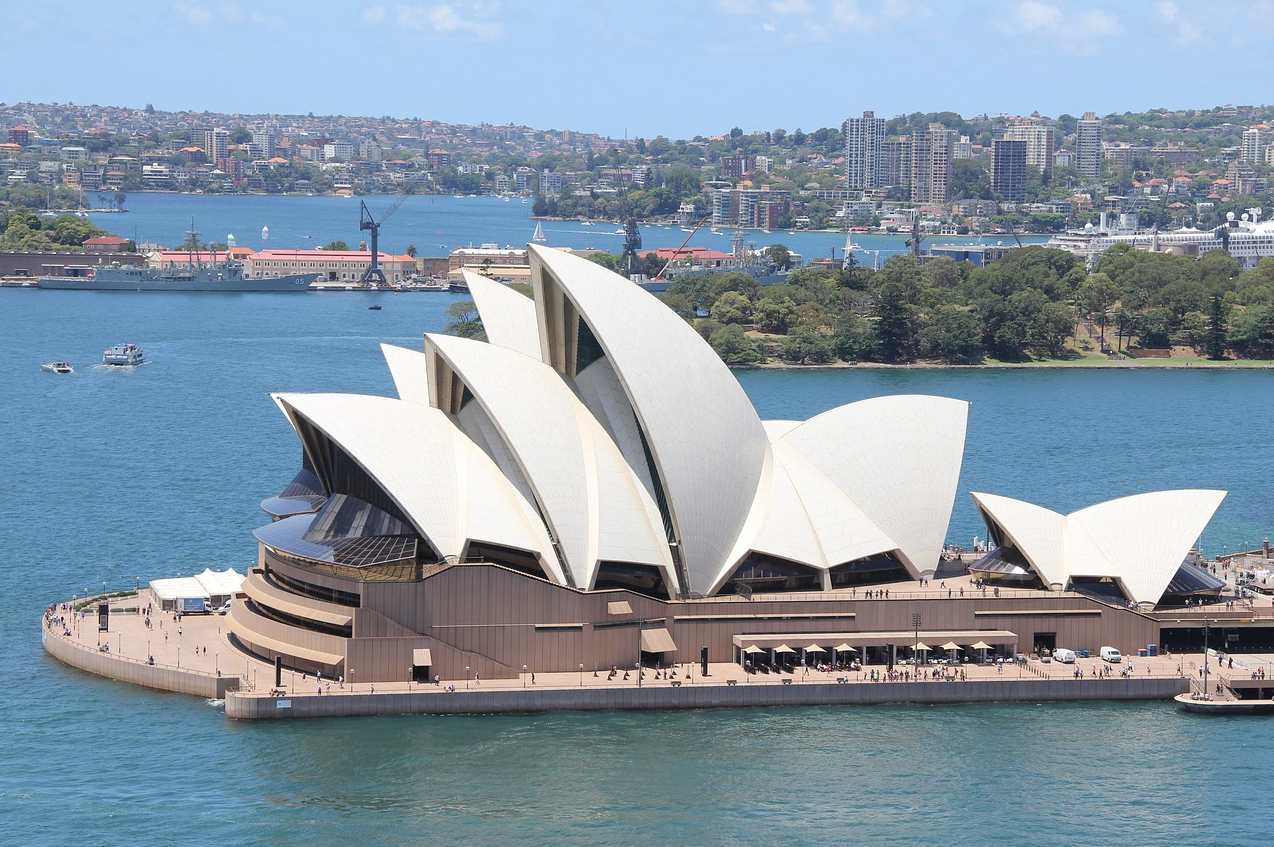
Living Costs in Sydney
Sydney, Australia’s largest city, is renowned for its iconic landmarks, vibrant culture, and stunning harbour views. However, these attractions come with a high price tag.
- Housing: Sydney has the highest housing costs in Australia. Student halls in Sydney can be expensive, with a monthly rent of about A$1,850. The higher end typically includes modern amenities and central locations. A one-bedroom apartment in Sydney’s centre can cost upwards of A$2,900 per month, while outside the city centre, it may cost around A$1,900.
- Transportation: Sydney’s public transportation system is extensive but relatively expensive. Monthly public transport passes cost approximately A$160.
- Groceries: Groceries in Sydney are on the pricier side, with a monthly grocery bill for one person averaging A$550.
- Utilities: An apartment’s monthly utility bills (electricity, heating, cooling, water, and garbage) typically amount to A$400.
Our Top Housing Options in Sydney
- Scape Redfern: Scape Redfern is a student accommodation in Sydney. It is a modern, high-end, quality student accommodation in a central location, ideally located close to The University of Sydney and the University of Technology Sydney, as well as Redfern train station.
- Scape Glebe: Scape Glebe is a modern student accommodation in Sydney, opened in 2015. It has 185 studio suites to choose from. The University of Sydney is across the street and a 5-minute walk away. The University of Technology Sydney and Broadway Shopping Centre are also within walking distance of the flats.
Living Costs in Melbourne
Melbourne, known for its cultural diversity and arts scene, offers a slightly more affordable lifestyle than Sydney.
- Housing: Housing in Melbourne is more affordable than Sydney. Melbourne Student halls are about A$1,500 per month. The city offers a mix of traditional and contemporary accommodations, catering to different tastes and budgets. A one-bedroom apartment in Melbourne’s centre costs around A$2,230 monthly and about A$1,600 outside the city centre.
- Transportation: Melbourne’s public transport system is efficient comparable in cost to Sydney, with monthly passes costing around A$153.
- Groceries: Groceries are moderately priced, with a monthly average of A$450.
- Utilities: Utility costs are slightly lower than Sydney’s, averaging around A$350 per month.
Our Top Housing Options in Melbourne
- UniLodge Melbourne CBD: UniLodge Melbourne CBD is a student accommodation in Melbourne. Ideally located in the heart of Melbourne’s CBD, within walking distance of RMIT and Victoria University City Flinders Campus, the flats comprise studio and multi-share suites.
- Scape Franklin: Scape Franklin is a brand new student accommodation in Melbourne. It is conveniently located in the heart of Melbourne, just a few minutes walk from RMIT University and the University of Melbourne. The apartments offer luxurious, stylish, and fully furnished student accommodation, providing students with a safe, convenient, and comfortable living environment.
Living Costs in Canberra
As the nation’s capital, Canberra offers a balanced lifestyle with a blend of urban and natural environments.
- Housing: Housing in Canberra is comparable in price to Melbourne. The cost of student halls here is around A$1,200, reflecting its status as a capital city with high demand from students. The quieter ambience and well-planned infrastructure provide a conducive environment for studying. A one-bedroom apartment in the city centre costs around A$2,200 per month and approximately A$1,600 outside the city centre.
- Transportation: Canberra’s public transport is less extensive but more affordable, with monthly passes costing about A$132.
- Groceries: Groceries are reasonably priced, with a monthly average of A$450.
- Utilities: Utility costs are moderate, averaging around A$375 per month.
Living Cost in Brisbane
With its warm climate and relaxed atmosphere, Brisbane offers a more affordable lifestyle than the southern cities.
- Housing: Student halls in Brisbane are relatively high, with monthly rents of A$1,200. The city’s growing reputation as an educational hub means plenty of modern student accommodations are available. A one-bedroom apartment in the city centre costs around A$2,200 per month, while it costs about A$1,300 outside the city centre.
- Transportation: Brisbane’s public transport is affordable, with monthly passes costing around A$100.
- Groceries: Groceries are moderately priced, with a monthly average of A$450.
- Utilities: Utility costs here are lower than in Sydney, averaging around A$330 per month.
LIving Costs in Adelaide
Adelaide, known for its wine regions and festivals, offers the most affordable cost of living among the cities compared.
- Housing: Adelaide housing is significantly cheaper than Sydney or Melbourne. Student halls here are A$1,400 with monthly rents. The city’s smaller size doesn’t compromise the quality of education or amenities available to students. A one-bedroom apartment in the city centre costs around A$1,800 per month and approximately A$1,100 outside the city centre.
- Transportation: Public transport is the most affordable, with monthly passes costing about A$150.
- Groceries: Groceries are among the least expensive of the major cities, with a monthly average of A$375.
- Utilities: Utility costs are the lowest, averaging around A$400 monthly.
| Item (Per Month) | Sydney | Melbourne | Canberra | Brisbane | Adelaide |
|---|---|---|---|---|---|
| Student Halls | A$1,850 | A$1,500 | A$1,200 | A$1,200 | A$1,400 |
| Private Lets (One-bedroom Apartment) | A$2,900 | A$2,230 | A$2,200 | A$2,200 | A$1,800 |
| Utilities (Gas, Water, Electricity, Internet) | A$400 | A$350 | A$375 | A$330 | A$400 |
| Grocery Prices | A$550 | A$450 | A$450 | A$450 | A$375 |
| Public Transport (Monthly Pass) | A$160 | A$153 | A$132 | A$100 | A$150 |
Is Australian Cost of Living Cheaper than UK?
The cost of living in Australia is generally more affordable than in the UK across most categories. Not only are Australian student living costs for daily essentials like groceries, utilities, and transport often slightly lower, but the country also boasts generally higher salaries, providing a better financial buffer for students and residents alike. However, it is important to note that Master’s tuition fees and home-buying costs are typically higher in Australia, while private rental costs remain surprisingly similar between the two nations. Ultimately, the choice between the UK and Australia shouldn’t be based on money alone; carefully weigh the academic reputation, research opportunities, cultural fit, and lifestyle to decide which country is the best fit for your study abroad journey.
Pros and Cons of Living in Australia vs UK
Life in the UK and Australia each comes with its own set of pros and cons. When evaluating long-term value and quality of life, both Australia and the UK present compelling, yet distinct, cases. Australia offers a desirable package of sunny weather, an outdoor-focused, laid-back lifestyle, and generally higher salaries, which can make the overall cost of living in Australia feel more manageable. However, it comes with the challenge of geographical isolation. Conversely, the UK is a hub for rich cultural experiences, world-class education, and unparalleled travel access to Europe, though its climate and higher cost of living in major cities like London present their own challenges. Ultimately, the best choice depends on whether you prioritize the Australian sun and salary benefits or the UK’s cultural depth and European connectivity.

Conclusion about Cost of Living in Australia vs UK
This guide compares the cost of living in Australia vs UK across housing, food, transport, utilities, and tuition fees to help students and expats decide which country best suits their budget and lifestyle.
FAQs about Cost of Living in Australia vs UK
What is the cost of living in Sydney vs London?
When comparing the cost of living in Sydney vs London, several factors stand out. Accommodation in student halls is slightly cheaper in London at £900, compared to AUD $1,850 (£960) in Sydney. Private one-bedroom apartments are more expensive in both cities, averaging AUD $2,900 (£1,505) in Sydney and £1,900 in London. Utilities such as gas, water, electricity, and internet are broadly similar, at AUD $400 (£207) in Sydney and £345 in London. Groceries tend to be higher in London at £370 compared to AUD $550 (£285) in Sydney. Public transport, however, is notably cheaper in Sydney, where a monthly student pass costs around AUD $160 (£83), versus £178 in London. The table below summarises the key monthly expenses for students in each city.
| Item (Per Month) | Sydney | London |
|---|---|---|
| Student Halls | AUD $1,850 (£960) | £900 |
| Private Lets (One-bedroom Apartment) | AUD $2,900 (£1,505) | £1,900 |
| Utilities (Gas, Water, Electricity, Internet) | AUD $400 (£207) | £345 |
| Grocery Prices | AUD $550 (£285) | £370 |
| Public Transport (Monthly Pass) | AUD $160 (£83) | £178 |
Is moving from the UK to Australia worth it?
It is worth to move from the UK to Australia. Although cost of living in Australia vs UK is relatively higher, Australia also offers higher salaries to ensure our living quality, which can be regarded as “earn more, spend more”. By the way, if you have decided to move from the UK to Australia, you need to know the time differences between Australia and UK to better adjust the life in Australia. The time in Canberra, Australian Capital, is 9 hours ahead of UK. In that, Thursday 12:41 PM in Canberra=Thursday 3:41 AM in the UK.
Is Australia better than UK?
Australia is better than UK because of the following 3 reasons:
- Land area: Australia is bigger than UK. You may wonder how much bigger is Australia than UK. In fact, Australia is about 32 times bigger than UK. UK is approximately 243,610 square km, while Australia is approximately 7,741,220 square km. For those who are fond of large country with more individual spaces, Australia is a better choice.
- Weather: The UK is known for its unpredictable weather, often characterised by rain and overcast skies. This can be a downside for those who prefer a sunnier climate.
- Salary: Although the general cost of living in Australia vs UK is higher, the salaries of Australians are also higher to ensure the quality of our lives.
What is the cost of living in Manchester vs Melbourne?
The cost of living in Manchester vs Melbourne shows that Manchester is around 3–6% cheaper overall. To maintain the same standard of living, you would need approximately £5,165 per month in Melbourne compared to £4,800 in Manchester. Rent is surprisingly similar between the two cities, but Melbourne is notably pricier for groceries, alcohol, and tobacco due to high Australian taxes. Healthcare is a significant difference: the NHS in the UK is free at the point of use, whereas in Melbourne, you will need private health insurance costing £100–£300 per month on top of a 2% Medicare levy. Here is a side-by-side breakdown of the key monthly costs across both cities.
| Item (Per Month) | Manchester | Melbourne |
|---|---|---|
| Rent | £1,310 | AUD $2,427 (£1,270) |
| Groceries | Baseline | ~10–15% more expensive |
| Beer (6-pack) | £8 | AUD $29 (£15) |
| Transport (Monthly Pass) | £164 | AUD $153 (£80) |
| Healthcare | Free (NHS) | AUD $190–$580 (£100–£300) |